Rome with Day Trips: 7 Days
From Rome: Villa d'Este and Hadrian's Villa Tivoli Day Tour
Quick answer: Four days anchored in Rome cover the Colosseum, Vatican, historic center, and a neighborhood or two — then three well-chosen day trips add Tivoli’s Renaissance gardens, Ostia Antica’s ruined port city, and either Pompeii or Florence by high-speed train. No car needed: trains and organized tours handle everything.
Seven days is the sweet spot for Rome. It is enough time to see the big sites without sprinting past them, explore a few neighborhoods at your own pace, and still fit in three day trips that most visitors skip but nearly everyone regrets missing. The structure below keeps Rome days cluster-based (so you walk rather than commute between sights) and schedules day trips on the days that make logistical sense.
A few honest notes on what this week is not: it is not a sprint through every major attraction at double-pace. It is not a list of 40 restaurants. And it is not a week where you spend four hours a day on public transport. Rome is a walking city, and the best version of this itinerary is the one where you walk, sit down, eat slowly, and let neighborhoods reveal themselves gradually rather than ticking monuments off a clipboard.
A word on planning ahead: book Colosseum tickets at least two weeks in advance — slots go to tour operators first. Borghese Gallery requires reservations 10 days out minimum. Vatican queues are brutal without pre-booked entry. For day trips, trains to Florence and Naples (Pompeii) run every 30 minutes from Roma Termini; buy tickets through Trenitalia or Italo at least a day ahead to get better prices.
Also useful before arrival: read how many days in Rome for a calibration on what is and isn’t achievable, and Rome first visit plan for the mindset and priorities that make a first trip succeed. If this exact split doesn’t suit your dates, Rome with day trips: how to plan it walks through the trade-offs for building your own version, and the best day trips from Rome covers the full menu of options beyond the three chosen here.
| Where | Rome city + Tivoli, Ostia Antica, Pompeii or Florence |
| Cost | around 130-180 €/person/day, mid-range, plus 20-70 € per day trip |
| Time needed | 7 days as structured, 5 minimum if dropping one day trip |
| Getting around | walking + Metro in Rome; regional and high-speed trains for day trips |
| Best time | April-May or September-October, to keep the long day-trip days comfortable |
Choosing which day trips actually earn a full day
Not every worthwhile side trip needs a dedicated day — some are genuinely half-days you can fold into a lighter Rome day instead of losing an entire one. Ostia Antica, in this itinerary, is the clearest example: three to four hours on site plus a 30-minute train each way still leaves an afternoon free. Tivoli similarly compresses into a long half-day if you skip one of the two villas. Pompeii and Florence, by contrast, genuinely need the full day once train time is factored in — don’t try to combine either with anything else. Day trips by train from Rome and trains from Rome for day trips cover timetables and ticket-buying in more detail than fits here, which is worth a look before you lock in Day 5 and Day 6.
If you’d rather do the Vatican across two visits
The itinerary above puts the Vatican Museums, Sistine Chapel, and St. Peter’s Basilica into a single half-day-plus block on Day 2 — the standard approach and the right one for most travelers with a week. But if either of you tires quickly in museums, splitting it works too: do the Basilica and St. Peter’s Square on Day 2 (an hour, no timed ticket needed for the square) and return for the Museums and Sistine Chapel on a quieter morning later in the week, when a slot may be easier to book. Vatican Museums and Sistine Chapel has the full logistics for booking either approach, including which time slots run lightest.
Day 1: The Ancient Center — Colosseum, Forum, Palatine
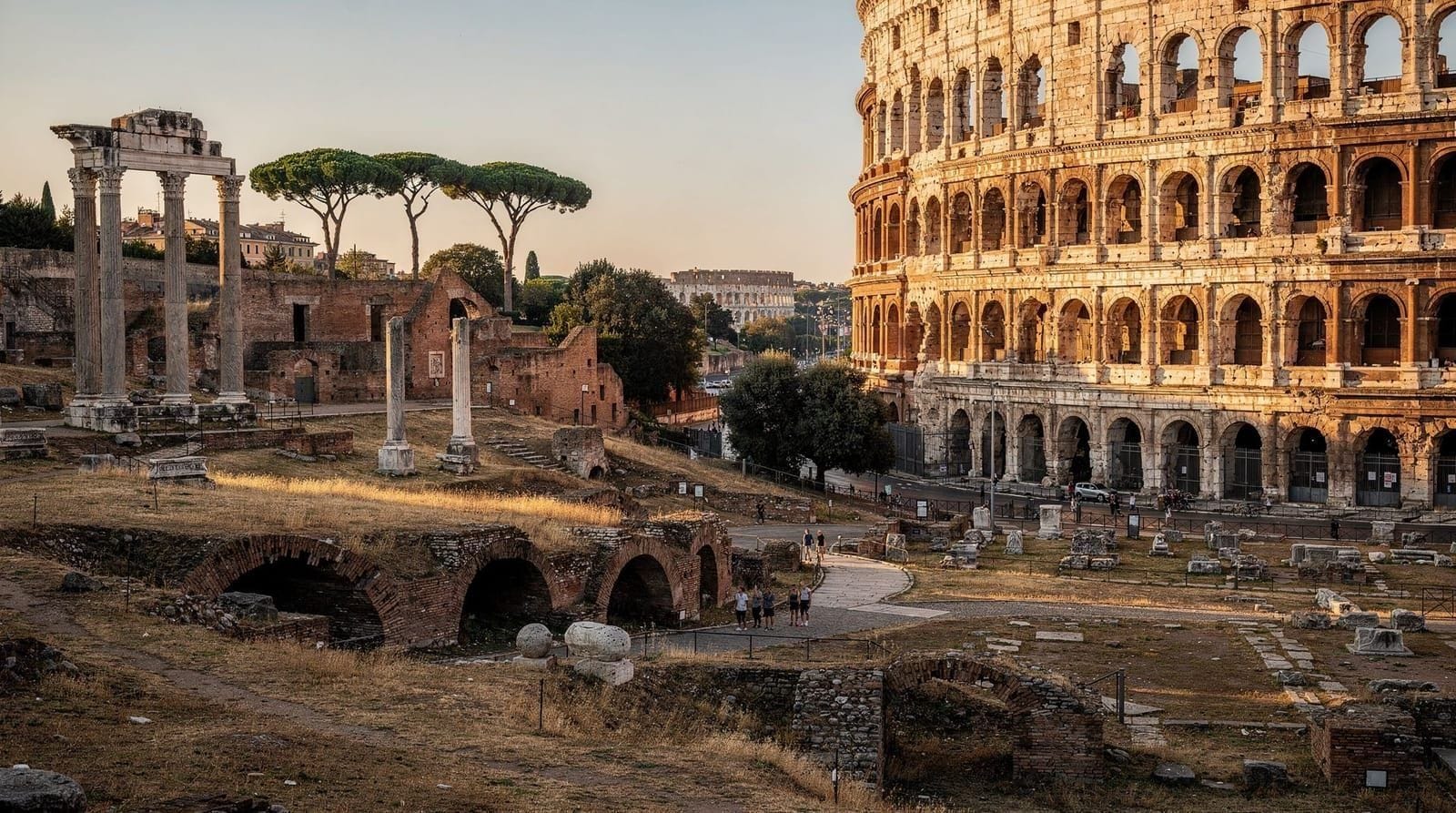
Start where Rome began. Book the morning slot at the Colosseum — ideally 9:00 or 9:30 — before crowds build and the summer heat hits. A guided tour makes a real difference here: the archaeology is layered and the context matters.
Colosseum, Roman Forum and Palatine Hill guided tourAfter the Colosseum, walk through the Roman Forum (included with most tickets) and up Palatine Hill — allow 2-3 hours total for all three sites. The Palatine Hill is often skipped but shouldn’t be: it is where Rome’s founders lived, where the emperors built their private palaces, and where the views back over the Colosseum to one side and the Forum to the other are among the best in the city. By early afternoon head to nearby Celio and the Colosseum district for lunch. The neighborhood around Celio is calm and genuinely local; prices drop sharply the moment you move two streets from the monument.
Afternoon: walk to Capitoline Hill for the panorama over the Forum, then across to the Circus Maximus and the Aventine for the famous Knights of Malta keyhole view of St. Peter’s dome. Finish in Testaccio for dinner — this is Rome’s best neighborhood for authentic trattorie and cacio e pepe at non-tourist prices.
Day 2: Vatican & Prati
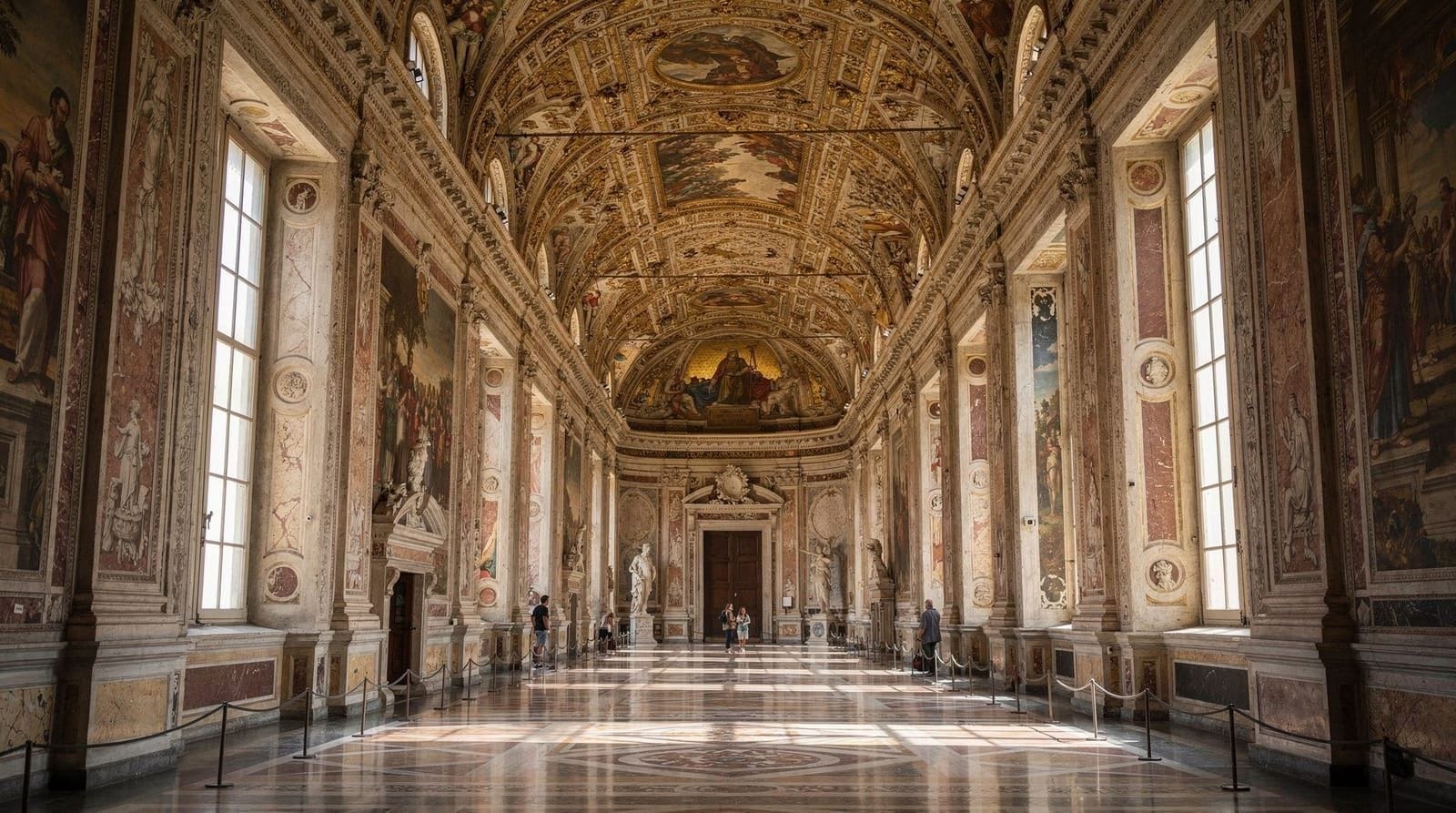
The Vatican is a half-day minimum, and a full morning is better. Book the earliest slot you can (7:00-8:00 entry exists through some operators) to beat the school groups that arrive mid-morning. The Vatican Museums, Sistine Chapel, and St. Peter’s Basilica together take 4-5 hours if you move purposefully. Key things to actually look for inside: the Gallery of Maps (40 topographic paintings of Italian regions on 120 meters of corridor wall), Raphael’s School of Athens in the Stanza della Segnatura, and the Sistine Chapel ceiling — allow your eyes to adjust and stand near the altar wall to see the Last Judgment properly rather than craning toward the center.
Dress code is enforced: shoulders and knees must be covered for both men and women. Carry a light scarf or layer; staff will turn visitors back at the gate if they are not appropriately dressed. See Vatican dress code for exactly what that means in practice.
After the Vatican, Prati is the logical lunch stop — it’s the neighborhood directly north of the Vatican, full of good bars and trattorias that serve the local business crowd. Walk the Tiber embankment back toward Castel Sant’Angelo, which is worth 90 minutes if you haven’t tired of ramparts and papal history.
Evening: cross to Trastevere for dinner and the evening passeggiata. The neighborhood fills with a mixed crowd of locals and visitors after 8:00 pm; find a table in one of the smaller piazzas off Piazza Santa Maria in Trastevere and order house wine by the carafe. This is the Rome that earns its reputation.
Day 3: Day Trip — Tivoli (Villas d’Este and Adriana)
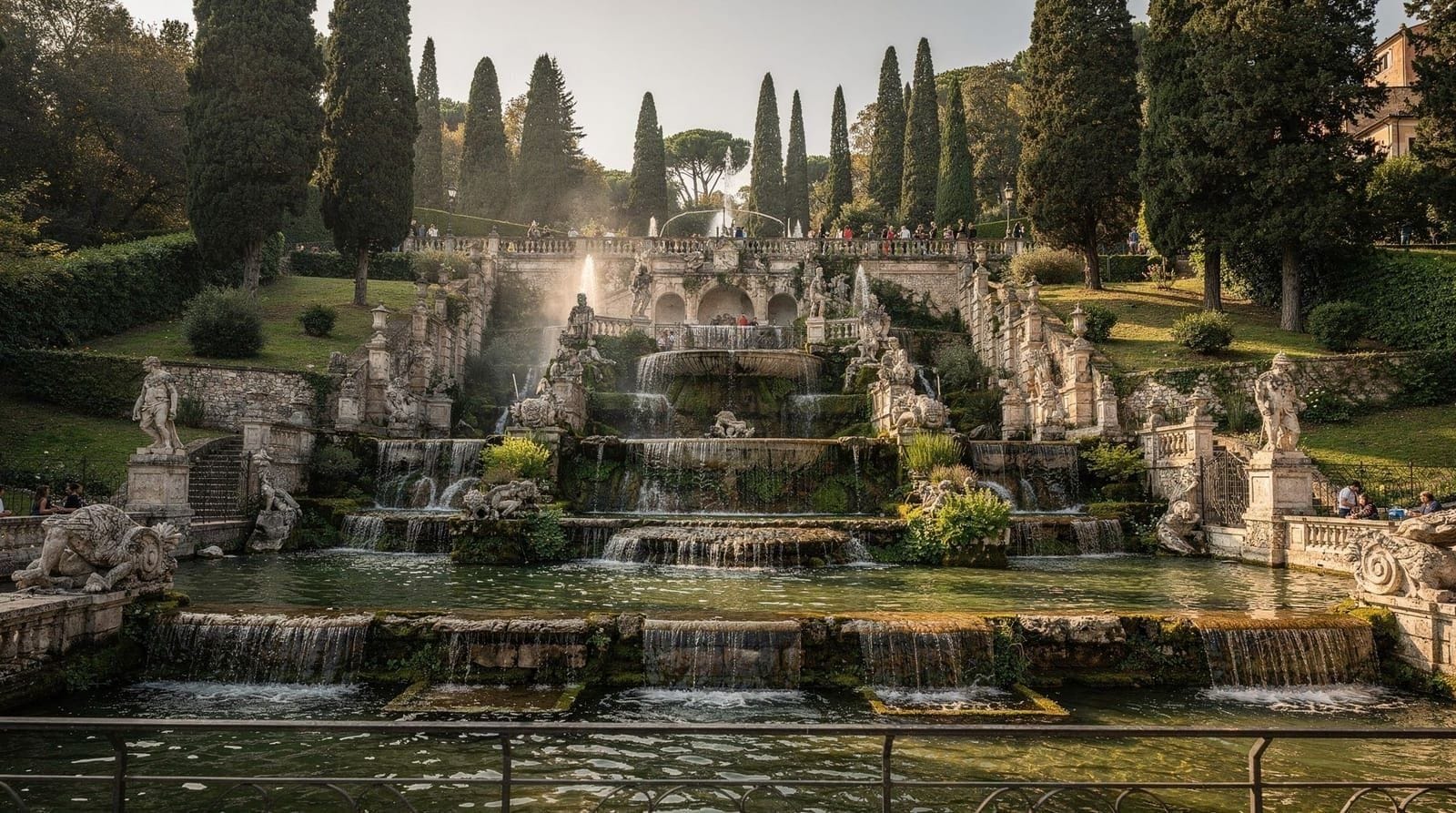
Leave Rome by 9:00 am. Tivoli is 30 km east — an hour by regional train from Roma Tiburtina or organised as a day tour. Two sites dominate: Hadrian’s Villa (Villa Adriana), the emperor’s private country estate and one of the most atmospheric Roman ruins outside the city; and Villa d’Este, the 16th-century Renaissance garden that inspired every formal garden that came after it, cascading down a hillside in hundreds of fountains.
Tivoli day tour: Villa d’Este and Hadrian’s VillaDo Villa Adriana first (it opens at 9:00 am and gets very hot by midday in summer), then Villa d’Este after lunch. If travelling independently, the local bus connects the two sites. Back in Rome by 7:00 pm; dinner in Monti — the neighbourhood south of Termini that has some of the best wine bars in the city.
ZTL note: Tivoli’s historic center has a traffic-restricted zone. If joining a tour, your operator handles this. If driving independently, park outside the ZTL boundary and walk in.
Day 4: Centro Storico & the Historic Heart
Rome’s historic center is best explored on foot with no agenda. Start at the Pantheon early (it opens at 9:00 am; the queues are worst 10:00-13:00). Entry is 5 € and must be pre-booked; the interior is genuinely one of the most remarkable spaces ever built — a perfectly proportioned dome, the oculus 43 meters above the floor open to sky and rain, and a rotation of daylight across the marble floor as the sun moves. Allow 30-45 minutes inside. Walk north to Piazza Navona for coffee, then cut east through the backstreets to the Campo de’ Fiori market (mornings only, Monday-Saturday). The Campo market sells produce, flowers, and food; it is Rome’s most atmospheric morning market and has been here since the 15th century.
Afternoon: the Trevi Fountain is unavoidable and genuinely beautiful — just go before 8:00 am or after 10:00 pm if you want photographs without a crowd. From Trevi walk north to the Spanish Steps and Borghese Gallery — book the 3:00 or 5:00 pm slot, which are sometimes easier to get. The gallery holds 180 people per two-hour session; entry is strictly timed and there are no exceptions, so confirm your slot a week ahead and arrive early.
Dinner in Centro Storico. This is the priciest part of Rome for eating; avoid the restaurants facing major piazzas (coperto 3-5 €, tourist menus) and find side-street options instead.
Day 5: Day Trip — Ostia Antica
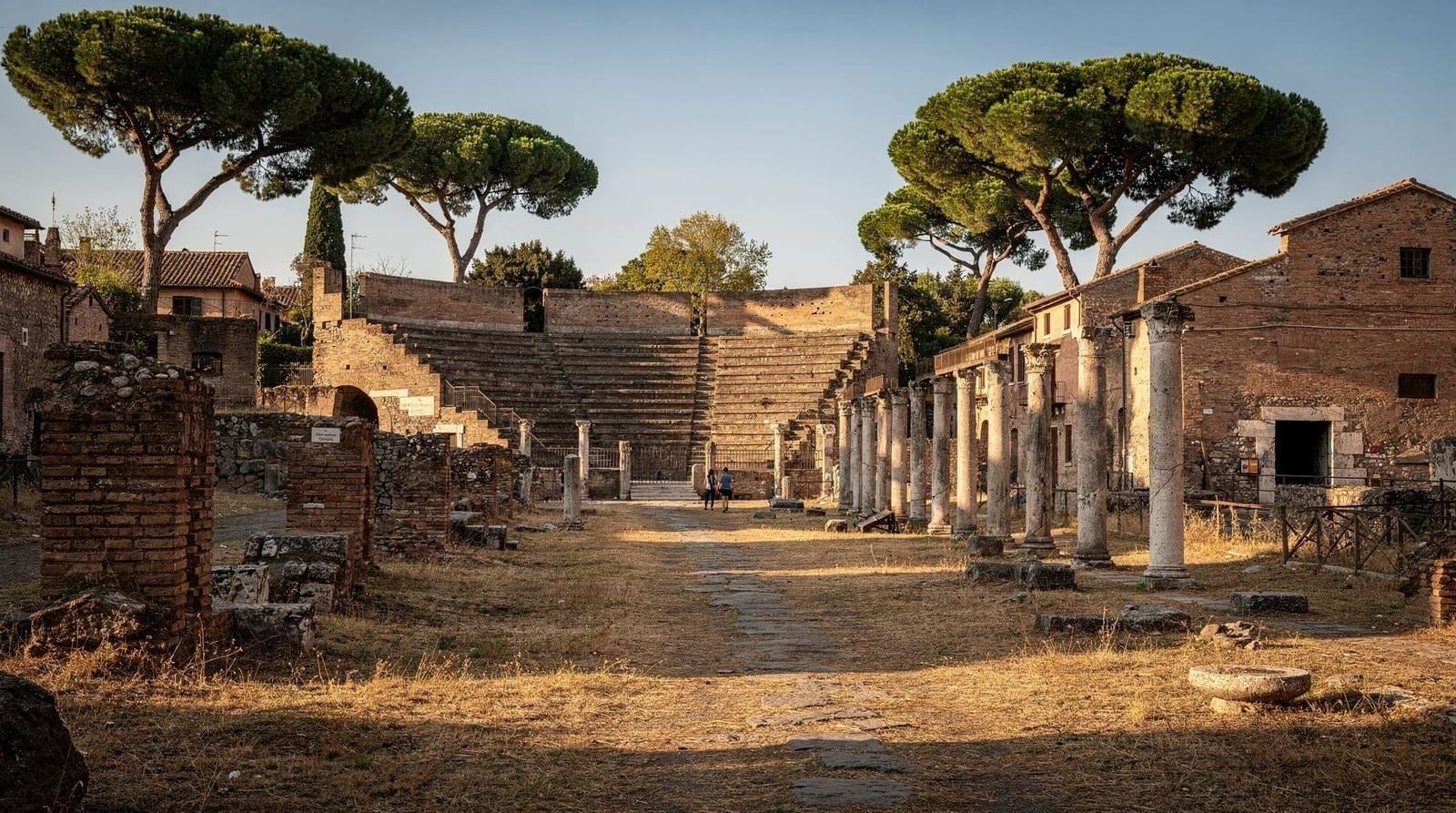
One of the most rewarding and least crowded half-days near Rome. Ostia Antica is the excavated port city that served ancient Rome — think Pompeii without the crowds, reachable in 30 minutes by suburban train from Roma Ostiense station (line Roma-Lido, about 1.50 €).
Ostia Antica guided half-day trip by trainArrive at 9:00 am and spend three to four hours exploring the site: the baths, the theatre, the insulae (Roman apartment blocks), and the mosaics of the Piazzale delle Corporazioni. By early afternoon you’re back in Rome, leaving the rest of the day free. Use the afternoon for Testaccio food market, the non-Catholic Cemetery nearby, or simply a quiet afternoon in Monti hunting vintage shops and aperitivo bars.
For comparison between the two main ancient sites outside Rome, see Ostia Antica vs Pompeii.
Day 6: Day Trip — Pompeii (or Florence)
This is the longest day of the week; leave Roma Termini by 7:30-8:00 am.
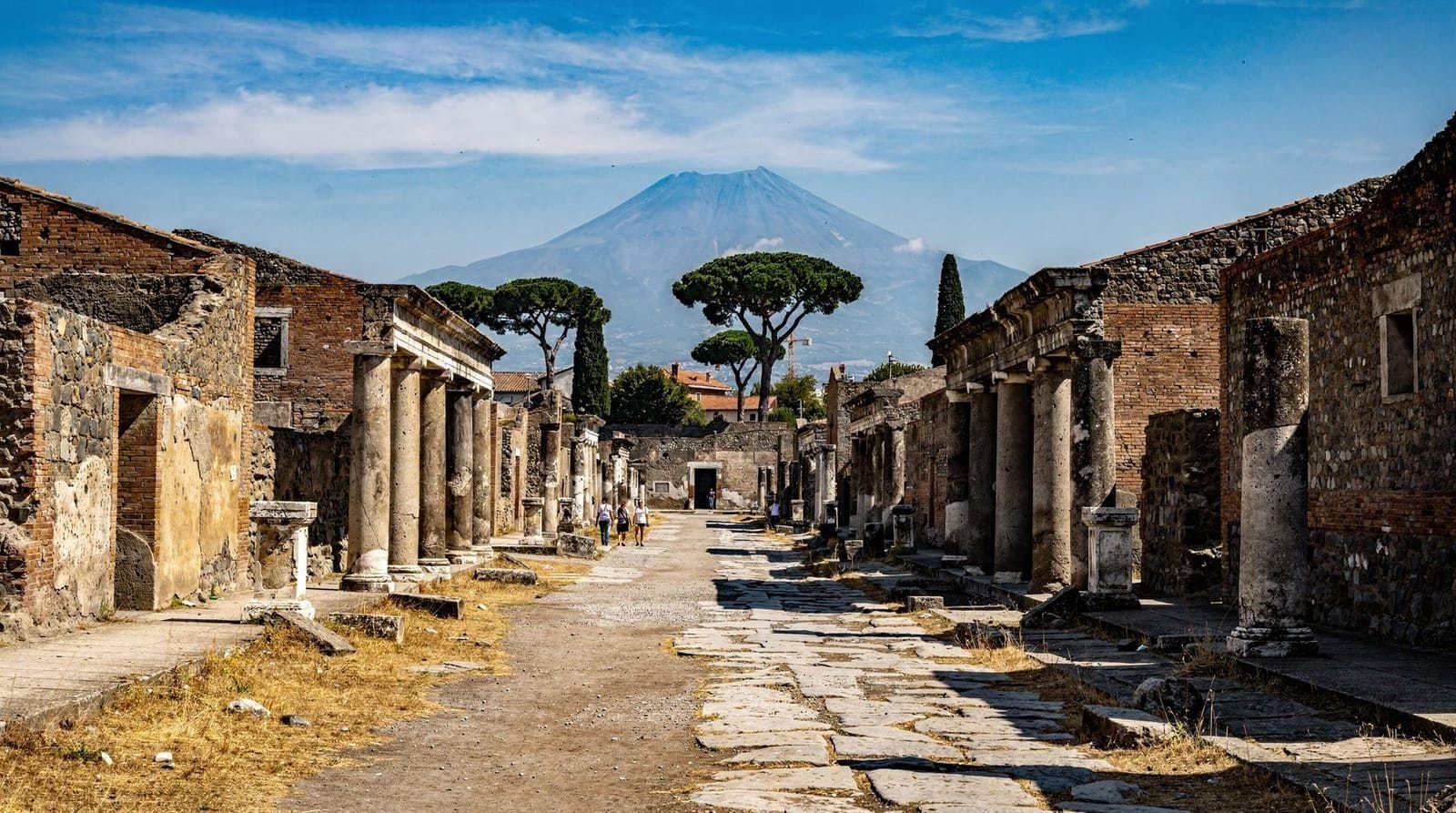
Option A: Pompeii — High-speed train to Naples (70 minutes, from 19 € booked ahead), then Circumvesuviana train to Pompeii Scavi (35 minutes, 3.20 €). The site is huge — 66 hectares — and can occupy a full day; a guided tour ensures you see the key houses (House of the Vettii, House of the Faun, the Villa of Mysteries), the Forum, the casts of victims in the Garden of the Fugitives, and the frescoed rooms without getting lost in the grid. Entry to the site costs 18 €. Bring water and sun protection — there is very little shade. Back in Rome by 9:00 pm. For a longer version of this day, Pompeii from Rome covers all the logistics.
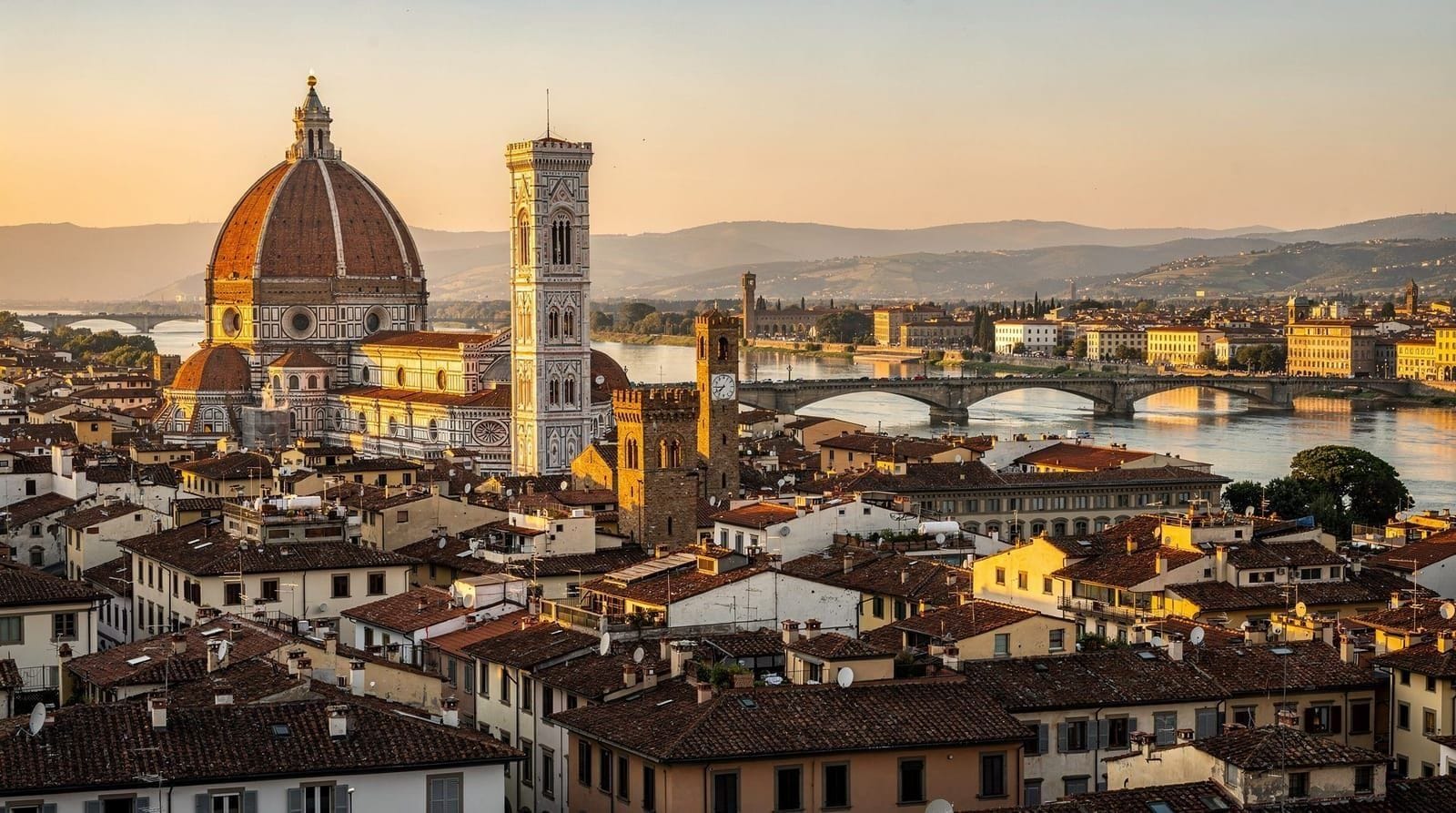
Pompeii day trip from Rome by high-speed train with guided tourOption B: Florence — High-speed train takes 1h30 (from 19 € with Trenitalia or Italo, frequent departures from Termini). Florence in a day is rushed but manageable if you focus: choose one between the Uffizi Gallery (Botticelli, Michelangelo, Raphael — book online; 2-3 hours) or the Accademia Gallery (Michelangelo’s David — 45 minutes). The Duomo and Baptistery are free to view from outside; the interior of the cathedral is free but the dome climb (18 €) needs advance booking and takes 1-2 hours. Cross the Arno to the Oltrarno neighborhood for lunch and the quieter south bank; the streets around Piazza Santo Spirito are excellent for lunch without tourist prices. Full logistics in Florence from Rome.
Day trip to Florence by high-speed train from RomeChoose based on interest: Pompeii for archaeology and the visceral impact of a city frozen in AD 79, Florence for Renaissance art and architecture. Both reward an early start and advance booking. The train vs. tour comparison for day trips helps you decide which mode suits your style better.
Day 7: Neighborhoods and Slow Finish
The last day is for the things that got squeezed out. Some options:
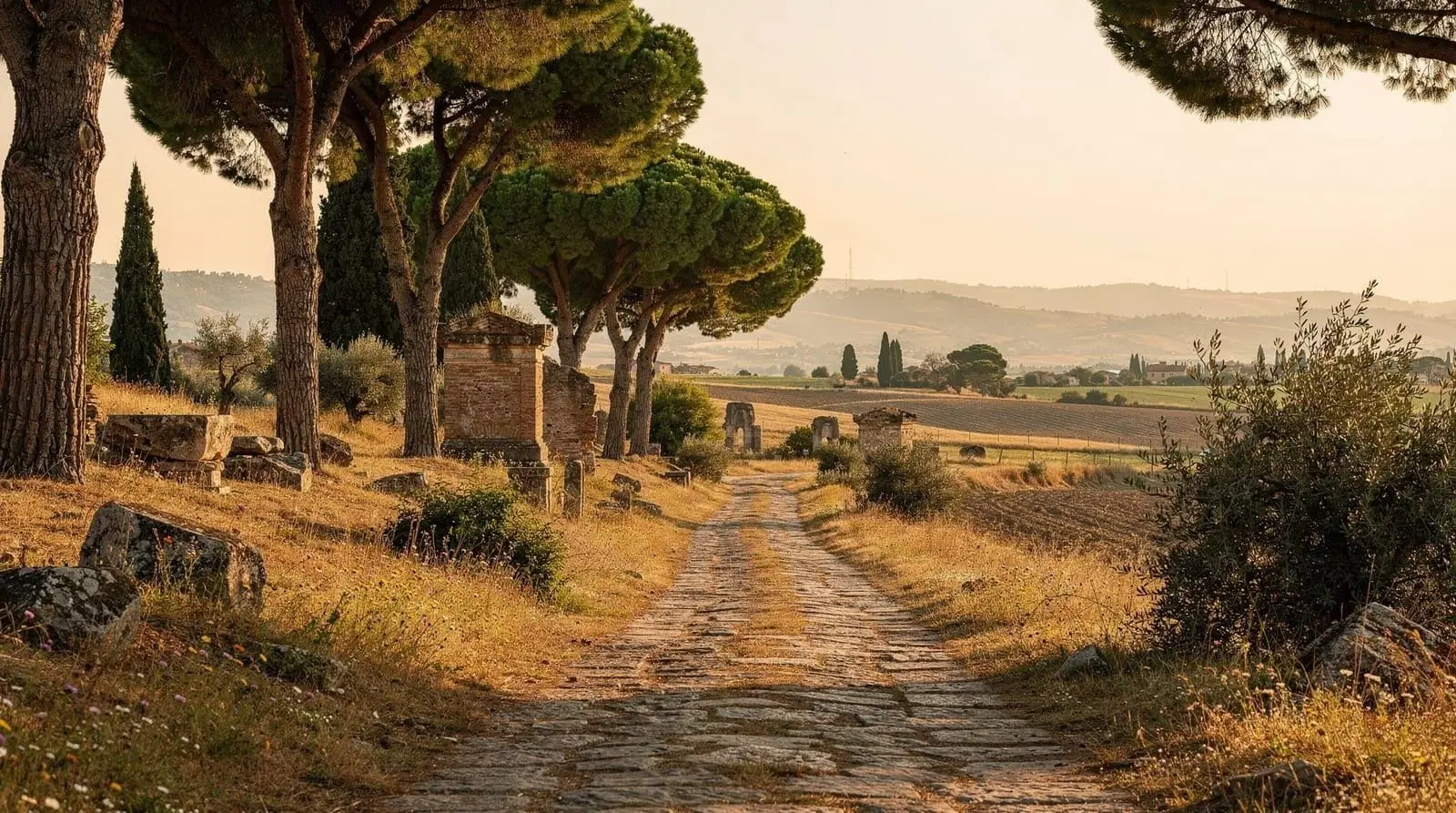
Appia Antica: Hire a bike or join an e-bike tour along the ancient road, past the catacombs, Roman tombs, and the aqueduct arches. Best on Sunday when Via Appia Antica is closed to traffic. See Appian Way and aqueducts for details.
EUR: Mussolini’s planned suburb from the 1930s-40s is strange, beautiful, and almost entirely skipped by visitors. The Palace of Italian Civilization (the “square Colosseum”) and the wide empty boulevards feel like a parallel Rome. The Museo della Civiltà Romana holds plaster casts of Rome’s ancient monuments — underrated.
Extra museum time: The Capitoline Museums hold the original bronze Marcus Aurelius, the Capitoline Wolf, and the best views over the Forum. The Doria Pamphilj Gallery is one of Rome’s least-crowded palazzi galleries and worth 90 minutes.
Fly home from Fiumicino (FCO): Leonardo Express from Roma Termini runs every 30 minutes, 14 € per person, 32 minutes. Or from Ciampino (CIA): shuttle buses run to Roma Termini and cost about 6 €. Getting to Fiumicino and Ciampino have the full options.
Where to stay
Base in a central neighborhood and don’t move: Rome’s main sights cluster within walking distance of each other, and taxi/rideshare costs add up fast.
Monti: Between Termini and the Colosseum, walkable to both, packed with good restaurants and wine bars. Best balance of location, price, and character.
Trastevere: More atmospheric but slightly further from the Vatican and main archaeological sites. Better for evening strollers; slightly more expensive.
Centro Storico: Most central, most expensive, noisiest at night. Worth it if budget allows; otherwise Monti is the smarter pick.
For Pompeii or Florence day trips, Roma Termini proximity is useful for early morning departures. Prati works well if the Vatican is your Day 2 anchor.
Practical notes
- No car in Rome. The ZTL (Zona a Traffico Limitato) cameras cover the entire historic center. Fines of 84-335 € arrive automatically from the rental company. See ZTL warning.
- Colosseum booking is nominative — the ticket is tied to your name, and entry is checked at the gate. Book through the official Colosseo.it site or a licensed tour operator. Avoid third-party resellers charging 30 €+ for a 18 € ticket.
- Free first Sundays: All state museums — including the Colosseum, Roman Forum, Palatine, and Borghese Gallery — are free on the first Sunday of each month. Queues are extremely long; arrive 30 minutes before opening.
- Water: Free at Rome’s nasoni fountains throughout the city. Carry a refillable bottle; bottled water in tourist areas costs 2-4 €.
- Heat: July and August average 32-38 °C. Carry water, visit indoor sites midday, and keep afternoon walks short. Rome in summer has full strategy.
- Pickpockets are concentrated on Metro Line A (Termini to Ottaviano), buses 40 and 64, and Termini station. Keep bags in front of you.
Seven days at a glance
| Day | Focus | Type |
|---|---|---|
| 1 | Colosseum, Forum, Palatine, Testaccio | City |
| 2 | Vatican Museums, Sistine Chapel, Trastevere | City |
| 3 | Tivoli — Hadrian’s Villa & Villa d’Este | Day trip |
| 4 | Pantheon, Navona, Trevi, Borghese | City |
| 5 | Ostia Antica | Day trip |
| 6 | Pompeii or Florence | Day trip |
| 7 | Appia Antica, EUR, or extra museums | City |
Frequently asked questions
Which day trip should I drop if I only have 5 or 6 days? Ostia Antica is the easiest to cut since it’s the shortest and most easily swapped for a slower Day 4 in the city center instead; Tivoli and Pompeii/Florence deliver more that you can’t get in Rome itself. See best day trips from Rome for how the three compare on time and payoff.
Should I book Pompeii or Florence, not both? Most travelers pick one rather than trying both in a single week — they’re both full, tiring days by high-speed train, and back-to-back long days tend to produce diminishing returns. Choose based on interest (ancient history vs. Renaissance art); Pompeii from Rome and Florence from Rome each cover the logistics if you want to swap which day gets which.
Top experiences
Bookable activities with verified prices and instant confirmation on GetYourGuide.