Trains from Rome for day-trips — Florence, Naples, Pompeii and more
Day Trip to Florence by High-Speed Train From Rome
Which destinations can I reach by train from Rome in a day?
Florence (1h30), Naples (1h10), Orvieto (under 90 min), Tivoli (40–60 min) and Ostia Antica (45 min) are all genuine train-based day-trips from Rome. Pompeii is possible but involves two trains and 2h10 each way — go early. Florence is better as an overnight. Prices start from €8 for regional trains to €14.90 for high-speed to Naples.
Rome as a rail hub
One of Rome’s overlooked strengths as a base is its position on Italy’s high-speed rail network. Trenitalia’s Frecciarossa and the independent Italo operator both run from Roma Termini and Roma Tiburtina at speeds of up to 300 km/h, making destinations that once required a half-day journey now reachable in little over an hour.
Combined with the regional train network — cheap, slow, and covering smaller destinations like Tivoli and Ostia Antica — the total day-trip range from Rome by rail is substantial.
| Main stations | Roma Termini, Roma Tiburtina |
| Operators | Trenitalia (Frecciarossa) and Italo |
| Cheapest fares | from around €8 regional, €14.90 high-speed |
| Book ahead | 3–8 weeks for the lowest high-speed fares |
| Easiest day trips | Ostia Antica, Tivoli, Orvieto |
High-speed rail operators
Trenitalia (Frecciarossa, Frecciargento, Frecciabianca) Italy’s state rail operator. Termini is the main hub; some services also stop at Tiburtina. Book at trenitalia.com. Prices are dynamic — buy early for the cheapest fares. A Rome–Naples Frecciarossa can be as cheap as €18.90 base (“Super Economy” fare) or as expensive as €80+ at peak times.
Italo A private high-speed operator that often undercuts Trenitalia on popular routes. Rome–Naples from €14.90, Rome–Florence from €19.90 (base fares, advance purchase). Italo uses Roma Termini and Roma Tiburtina. Book at italotreno.it.
Both operators are comfortable, reliable and air-conditioned. On-board food and drink service is available. The main practical difference is price — compare both before booking.
Key day-trip routes
Florence (Firenze Santa Maria Novella)
- Journey time: 1h30 (Frecciarossa) or 1h35 (Italo)
- Price: from €19.90–€35 one way (advance purchase); up to €55–70 peak
- Frequency: Trains every 30 minutes or more
- Honest assessment: Florence is technically feasible as a day-trip — you can have 5–6 hours there if you take an early train and return late. However, the city deserves more time. The Uffizi alone can take 3–4 hours; the Accademia has queues even with pre-booking. For a first visit to Florence, an overnight stay is strongly recommended.
For visitors who want a guided day trip handling the logistics:
Florence day trip by high-speed train from RomeNaples (Napoli Centrale)
- Journey time: 1h10–1h15 (Frecciarossa/Italo)
- Price: from €14.90 (Italo advance) or €18–33 (Trenitalia)
- Frequency: Multiple daily; first direct services from around 06:00
- Honest assessment: Naples is an excellent day-trip. The city centre is fascinating (Spaccanapoli, the National Archaeological Museum, the historic market streets) and entirely walkable from Napoli Centrale. Naples also functions as the jumping-off point for Pompeii and Sorrento.
Pompeii (via Naples)
- Journey time: 1h15 to Napoli Centrale by high-speed, then 30–35 min on the Circumvesuviana regional train to Pompei Scavi-Villa dei Misteri station. Total: ~2h10 each way.
- Price: ~€18–25 Frecciarossa + ~€4–5 Circumvesuviana = ~€22–30 each way
- Sunday service: A direct Frecciarossa from Roma Termini to Pompei Scavi operates on Sundays (check the Trenitalia schedule — seasonal service)
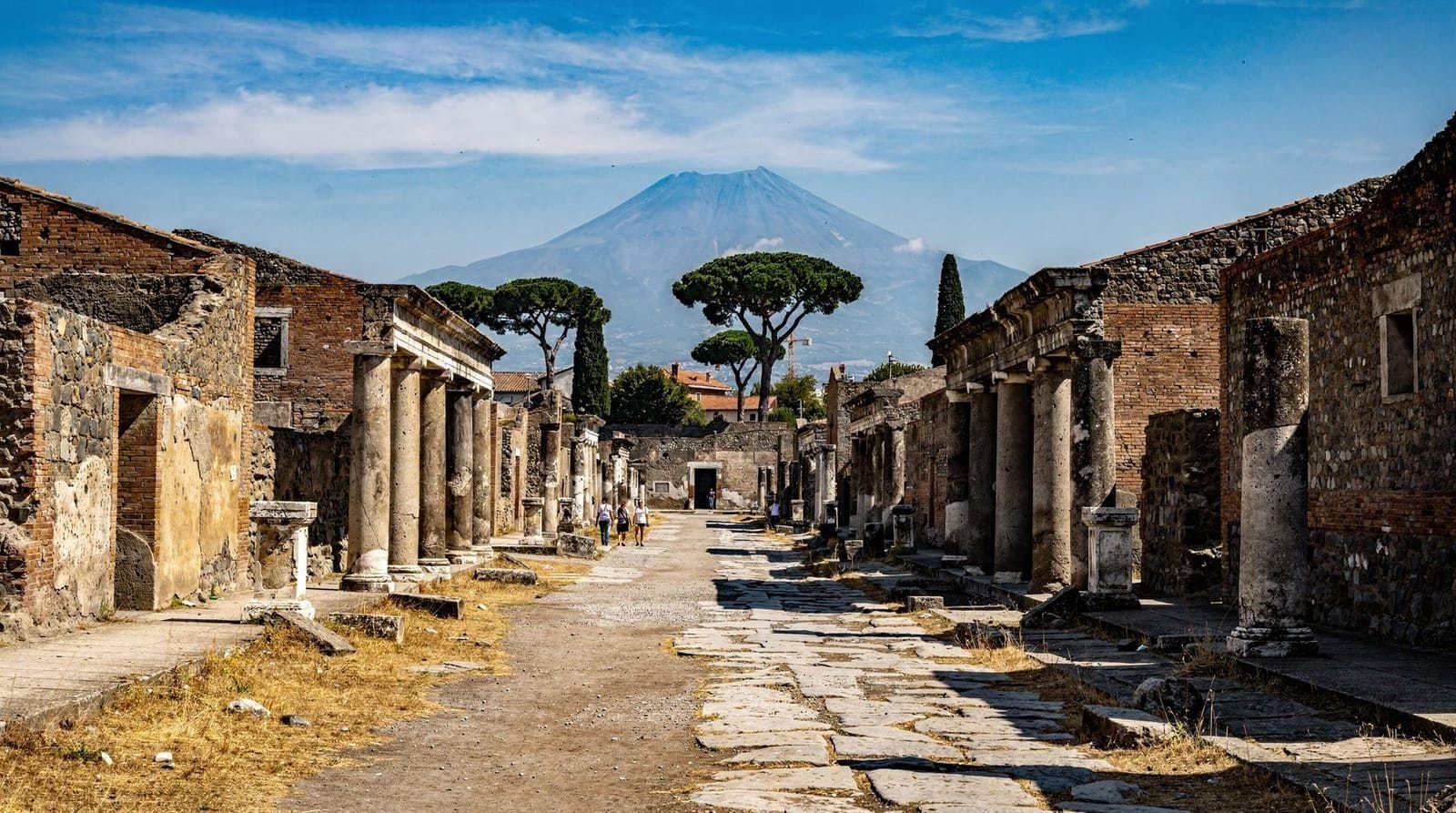
- Honest assessment: Pompeii is absolutely worth the journey — the ruins are extraordinary, and the site requires at least 4 hours to do justice. Leave Rome by 07:30 to have 5+ hours on site before the return journey. The Circumvesuviana train is slow and crowded — validate your ticket and keep bags secure.
For a guided day trip that handles all the connections:
Pompeii and Vesuvius full day from RomeOrvieto
- Journey time: Direct regional/intercity train from Termini, approximately 80–90 minutes
- Price: approximately €8–12 one way (regional) or €18–25 (faster intercity)
- Honest assessment: Orvieto is one of the most rewarding and under-visited day-trips from Rome. The clifftop Umbrian town features a spectacular Duomo with a polychrome marble facade, medieval streets, underground caves, and the nearby Civita di Bagnoregio (though the latter requires a car or organised tour to combine in a single day). A genuinely good half or full day.
Tivoli
- Journey time: Regional train from Roma Tiburtina, approximately 40–60 minutes
- Price: approximately €4 one way (regional Cotral bus is also an option)
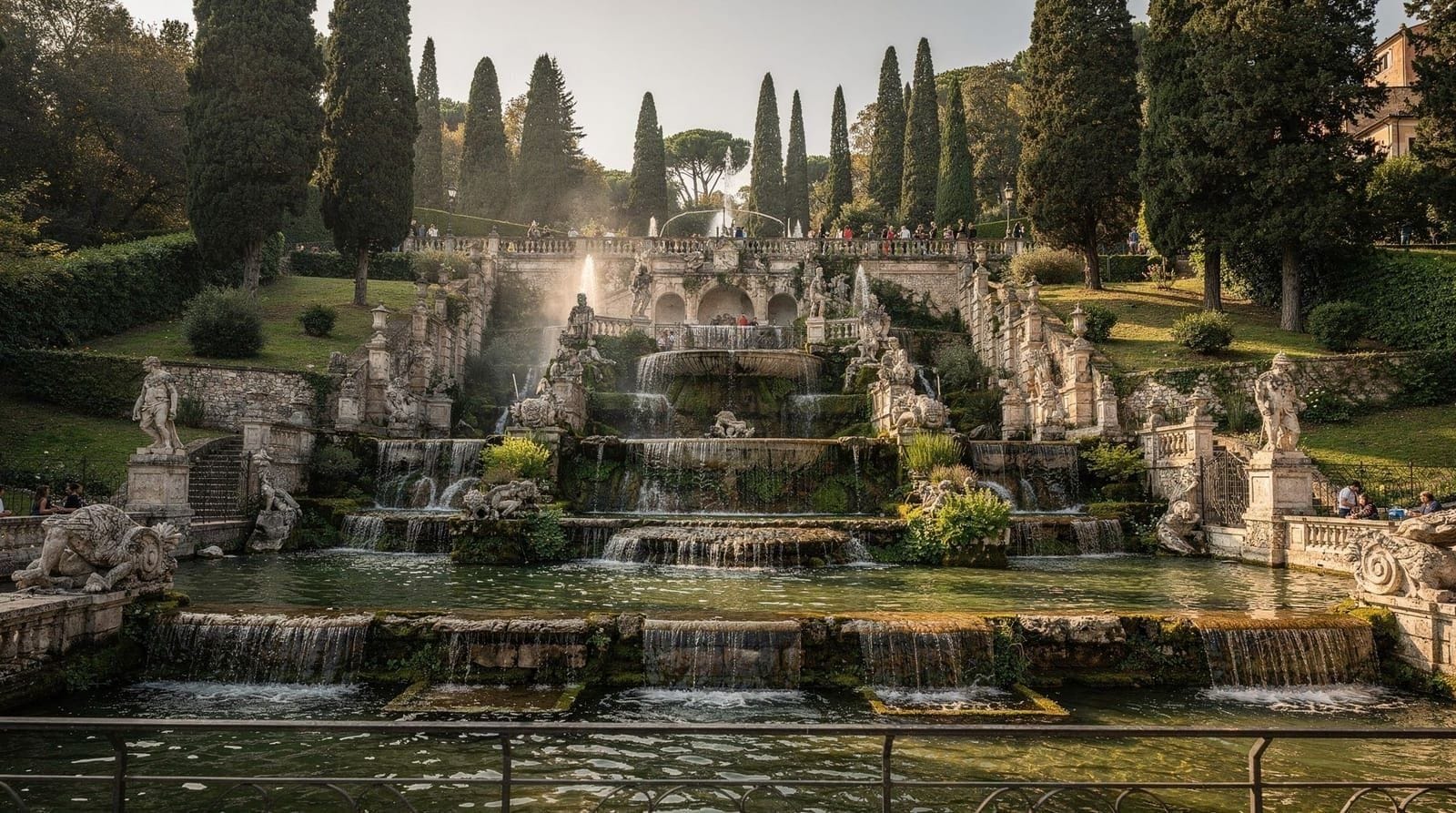
- Honest assessment: Tivoli is excellent and genuinely accessible. Villa d’Este (UNESCO, 16th-century Renaissance gardens with hundreds of fountains) and Hadrian’s Villa (UNESCO, imperial-era complex) are both outstanding. Do both in a full day — Villa d’Este in the morning, Hadrian’s Villa in the afternoon.
Ostia Antica
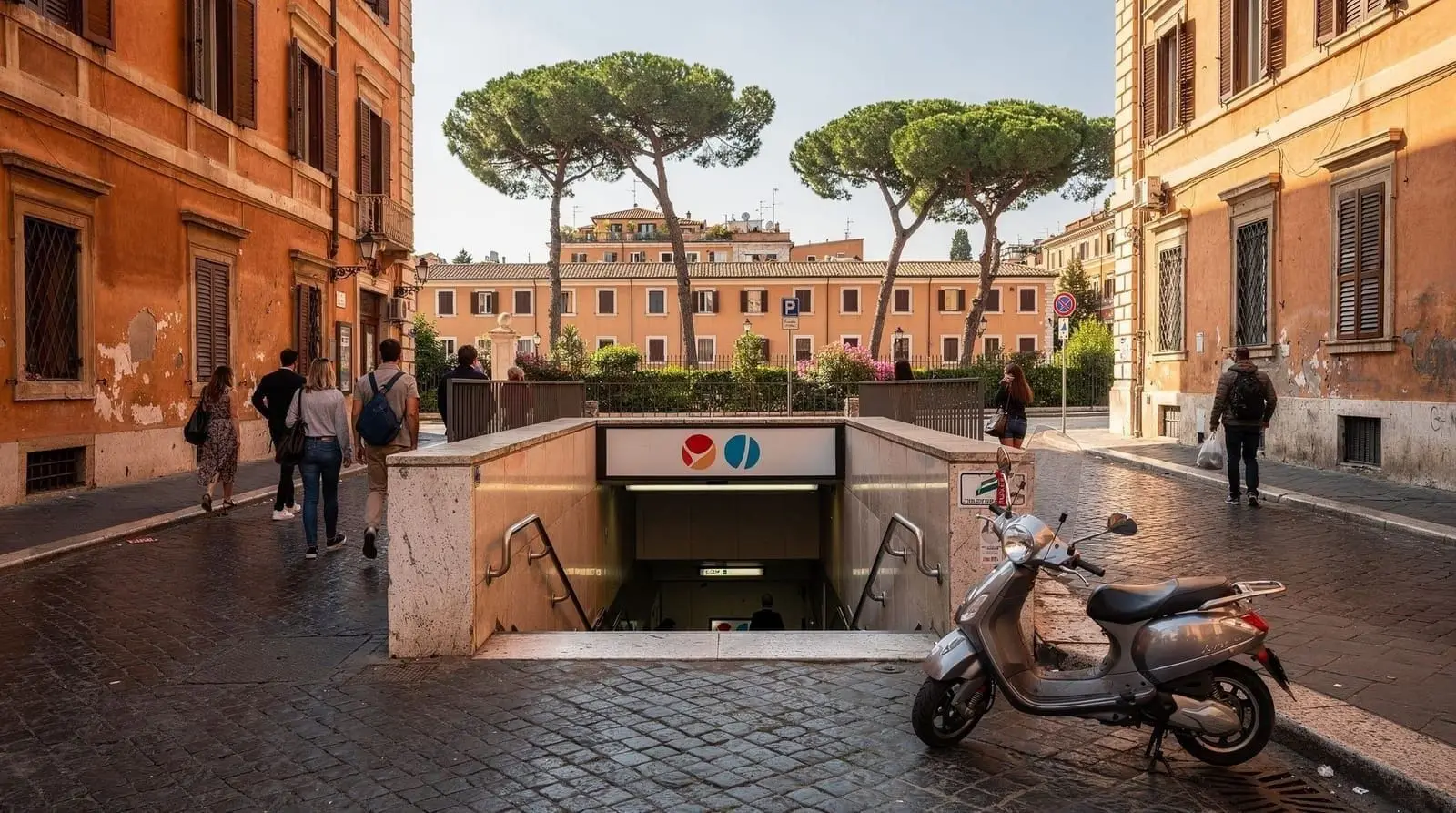
- Journey time: Metro B to Piramide/Magliana, then Roma–Lido regional train to Ostia Antica — total approximately 45 minutes
- Price: standard ATAC €1.50 BIT ticket covers both legs within 100 minutes; alternatively, a day pass
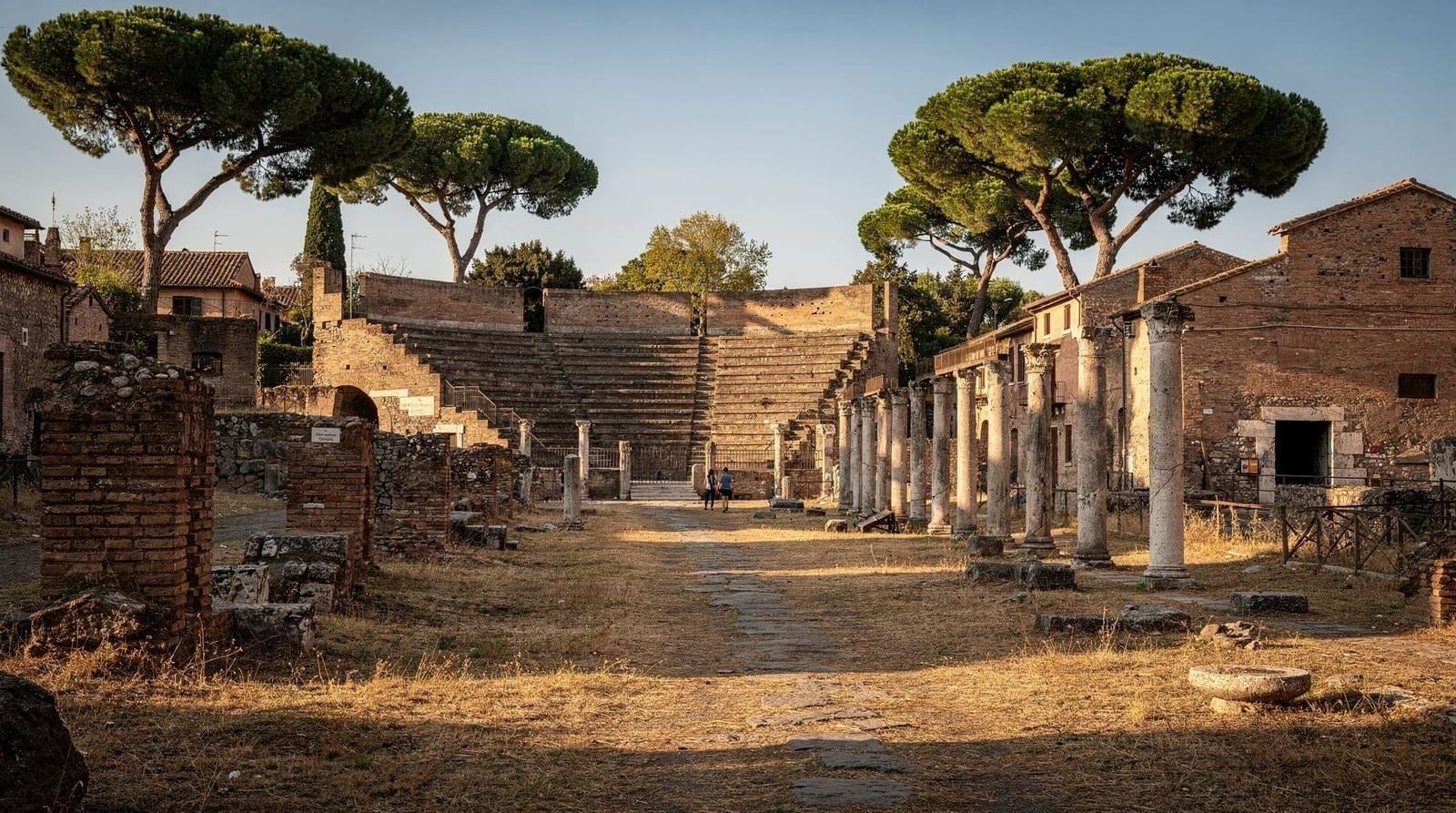
- Honest assessment: Ostia Antica is Rome’s most underrated day-trip. The ancient port city of Rome, largely unexcavated compared to Pompeii, is far less crowded, requires a full half-day to explore, and is completely reachable without paying for a high-speed train. Perfect for a morning departure and afternoon return.
Destinations that are not genuine day-trips
Amalfi Coast: 2h30–3h from Rome to Salerno/Naples, then ferry or bus to the coast. By the time you arrive, you have 2–3 hours before needing to return. An overnight in Positano or Praiano is far more worthwhile.
Cinque Terre (Liguria): 3h+ from Rome (Frecciarossa to La Spezia, then local trains). Too far for a day.
Venice: 3h45 from Rome by high-speed train. A very long day with limited time on arrival. Stay overnight.
Siena / San Gimignano from Rome: 2h+ with at least one change. Better as part of a Tuscany tour or overnight.
Booking tips
-
Book early. High-speed fares are dynamic. The cheapest Trenitalia “Super Economy” and Italo “Low Cost” fares sell out 3–8 weeks before departure. A Rome–Naples ticket that costs €18.90 two weeks out can cost €45+ the day before.
-
Use both operators. Check trenitalia.com and italotreno.it for the same route — prices often differ significantly.
-
No seat assignment required for regional trains — buy at the station machine or validate a season pass. High-speed trains assign seats.
-
Validate regional train tickets. Regional train tickets (not high-speed) must be validated before boarding — look for the green/yellow stamping machines at the platform entrance. High-speed tickets with seat assignments are fine without separate validation.
-
For Pompeii, use the Circumvesuviana. The train to Pompei Scavi is part of Circumvesuviana (separate from Trenitalia). Buy a separate ticket (approximately €4) at Napoli Centrale — the platforms are on the lower level.
Understanding Italy’s high-speed rail network
Italy’s high-speed network (the TAV) runs along the principal Rome–Florence–Bologna–Milan spine, with branches to Naples/Salerno and cross-connections. For day-trippers from Rome, the relevant segments are:
Rome–Florence axis: The backbone for northern Italy. Trains run at up to 300 km/h on the direct high-speed track. Rome to Florence Frecciarossa non-stop: 1h30.
Rome–Naples axis: A shorter high-speed segment. Rome to Napoli Centrale: 1h10 with Frecciarossa. The Italo base fare is often cheaper — check both operators before booking.
Regional rail: Slower trains on the conventional network, used for Tivoli (from Tiburtina), Orvieto (direct regional from Termini), Castelli Romani (Frascati branch from Termini), and Ostia Antica (Roma-Lido from Piramide). These are cheaper with fixed prices regardless of booking date.
Termini vs Tiburtina: which station to use
Roma Termini: The main hub. All Trenitalia Frecciarossa and most Italo services stop here. Metro connections (lines A and B), all major bus routes, and taxis are directly accessible. For most day-trips, you depart from and return to Termini.
Roma Tiburtina: Secondary high-speed station on Metro B (Tiburtina stop). Some Italo services depart from here — specifically trains that Italo routes to avoid peak Termini congestion. Check which station your Italo booking uses when you receive confirmation.
Roma Ostiense: Regional rail station on Metro B (Piramide/Porta San Paolo interchange). Used for the FL1 line to Fiumicino and the Roma-Lido line to Ostia Antica. Not a high-speed station.
Practical Pompeii logistics
The Pompeii day-trip is the most complex rail day-trip from Rome because it involves two trains:
-
Frecciarossa or Italo from Roma Termini to Napoli Centrale: Take the earliest convenient departure. Aim to arrive Naples by 09:00–09:30.
-
Circumvesuviana from Napoli Centrale to Pompei Scavi: The Circumvesuviana departs from the underground lower level of Napoli Centrale (follow “Circumvesuviana” signs — separate ticket, approximately €4). Take the Sorrento direction and alight at Pompei Scavi-Villa dei Misteri (not “Pompeii” — that is the modern town centre, not the ruins entrance).
-
At the ruins: Book your ticket in advance at pompeiisites.org. Allow 4–5 hours minimum; 6+ hours for the full site.
-
Return: Circumvesuviana back to Naples, then Frecciarossa to Rome. Last high-speed trains to Rome depart Napoli Centrale around 21:00–21:30.
The Sunday direct Frecciarossa from Roma Termini to Pompei Scavi (seasonal service, check trenitalia.com) simplifies the journey significantly when available.
Day-trip vs overnight: the honest assessment
| Destination | Day-trip verdict | Better as overnight? |
|---|---|---|
| Ostia Antica | Excellent; perfect half-day | No |
| Tivoli | Excellent; full day needed | Not necessary |
| Castelli Romani | Good half or full day | Not necessary |
| Orvieto | Very good day-trip | Could extend into Umbria |
| Naples | Good day-trip | Better with 1 night |
| Pompeii | Feasible; long travel | Naples overnight adds value |
| Florence | Possible but rushed | Strongly recommend overnight |
| Capri | Very long day | Overnight recommended |
| Amalfi Coast | Too rushed | Overnight essential |
For the complete day-trip planning guide, see best day-trips from Rome and day-trips by train from Rome.
Seat class on Italian high-speed trains
Both Trenitalia and Italo offer multiple classes with meaningful differences:
Trenitalia Frecciarossa classes:
- Economy (ex-Standard): Standard 2+2 seating, air-conditioned, seat assignment included. All the basic comfort needed.
- Business: 2+1 seating, wider, quieter coach. Free Wi-Fi, reserved for business and premium fares. Worth it for the 3h+ Rome–Milan journey; not necessary for short day-trips.
- Executive/Premium: First-class equivalent. Leather seats, full meal service. Costs 2–4× Economy.
Italo classes:
- Smart: Economy equivalent. Good value, included in the cheapest fares.
- Comfort: Extra legroom, wider seats.
- Prima: Business-class equivalent.
For Rome–Naples (1h10) or Rome–Florence (1h30), Economy/Smart is entirely adequate. Seat assignment is included in the ticket. You choose your seat at booking.
Luggage on high-speed trains
High-speed trains have overhead racks and end-of-carriage luggage space. There is no baggage check-in or size restriction enforced in practice for carry-on-sized bags. However, very large suitcases in crowded peak-hour carriages are inconvenient for everyone. For day-trips, travelling light (a day backpack) is straightforward; if the high-speed train is part of your departure from Rome, standard luggage is fine with the end-carriage storage.
On regional trains, the same applies — racks above the seats, no formalities.
Strikes and disruptions
Italian rail strikes (scioperi) are declared in advance (legally 5 days notice minimum) and typically affect 20–50% of services during the strike window. The rail unions are obliged to maintain “guaranteed services” — key timetables continue at reduced frequency.
Before any major day-trip, check:
- Trenitalia’s website or app “Infotreno” section for service alerts on your route
- The Italo app’s alerts section
- Italian rail news (ferrovie dello stato press releases appear in Italian media)
Strikes typically run for 4 or 8 hours (09:01–12:59 or 13:01–16:59 are common strike windows) or for a full day. Off-peak travel (starting before the strike window or after its end) usually runs normally.
What to bring for a day-trip from Rome
Documents: ID (or passport) recommended for regional train journeys. Not legally required for domestic rail but some transport police checks on regional trains do ask for ID.
Your ticket: Downloaded to the Trenitalia/Italo app or printed. For regional trains, the paper/digital ticket must be validated before boarding — stamp it at the green validation machines at the platform entrance.
Cash: Pompeii site has a café and some souvenir vendors who prefer cash. Smaller towns (Orvieto, Tivoli) have ATMs at the main piazza. Carry €20–30 in cash as backup.
Water and snacks: High-speed trains have a bar car. Regional trains generally do not. Bring water for any journey over 1 hour, especially in summer.
Comfortable shoes: Pompeii, Tivoli, Ostia Antica — all involve extensive uneven walking on ancient stone. Walking shoes with grip are essential. Sandals with minimal support make multi-kilometre archaeological sites unpleasant.
For transport within Rome to reach Termini, see the getting around Rome guide.
Train day-trips by season
Spring (April–May): Ideal season for all train day-trips. Pleasant temperatures at the destination sites, long daylight hours, and manageable on-site crowds. Book Pompeii entry well in advance as spring is high season there too.
Summer (June–August): Pompeii and Florence become more challenging — both are extremely hot and crowded in peak summer. For summer day-trips, consider Orvieto (cooler, high altitude) or Ostia Antica (coastal breeze from the sea). Early departure (first Frecciarossa of the day) means arriving at your destination before the worst heat.
Autumn (September–October): Excellent season for all destinations. Pompeii in October is at its best — comfortable temperatures, dramatically reduced crowds, stunning autumn light on the ruins.
Winter (December–February): Train connections are unaffected by season. Florence in winter is extraordinary — the Uffizi without queues, the Duomo on a grey winter morning, Christmas market atmosphere in early December. Pompeii in winter: the site is open, crowds are minimal, and the archaeological detail stands out without summer haze. Bring a warm layer.
Frequently asked questions about day-trips from Rome by train
Can I get a refund if I need to cancel my day-trip train? High-speed trains (Frecciarossa, Italo) have different fare types with different cancellation policies. The cheapest “Super Economy” (Trenitalia) and “Low Cost” (Italo) fares are non-refundable. “Economy” and “Flex” fares allow cancellation with partial or full refunds. Regional train tickets are non-refundable but have low nominal value (€4–8), making the loss minimal.
Is there a Eurail pass that works on these trains? Eurail and Interrail passes cover Trenitalia Frecciarossa services but require a seat reservation supplement (approximately €10–13 for high-speed). They do not cover Italo. For a multi-week Italian rail trip, passes can offer savings; for a Rome-based trip with 2–3 day-trip segments, individual tickets are usually cheaper.
Can children travel free on Italian trains? Children under 4 travel free. Ages 4–11 receive discounts (generally 50% on Trenitalia; varies by Italo fare type). Check current promotions — Trenitalia “Bimbi Gratis” promotions occasionally allow one child under 15 to travel free with a full-paying adult.
What if I miss my train? For regional trains (to Tivoli, Orvieto, Ostia): simply take the next one — they are not seat-assigned and run regularly.
For high-speed trains (Frecciarossa, Italo): missing your specific train time on a non-flexible ticket means purchasing a new ticket. “Flex” fares allow travel on the next available service at no extra cost. If you are planning a day-trip during a busy period, book the flex fare for peace of mind on the return.
Do I need to print my ticket, or is the app enough? The app is enough for both Trenitalia and Italo high-speed tickets — the conductor scans a QR code on your phone. For regional trains, the digital ticket in the app still needs to be validated (tap it on the green/yellow platform machine) before boarding, exactly like a paper ticket. Keep your phone charged; a dead battery with no paper backup is a genuine risk on a long day-trip.
Which day-trip is best for a first visit with no Italian and no rail experience? Ostia Antica is the easiest possible introduction — one ATAC ticket, one direct regional line, a station 100 metres from the site. Tivoli and Orvieto are only slightly more complex. Save Pompeii and Naples, which involve an operator change partway through the journey, for once you have done one or two simpler day-trips and feel comfortable with Italian stations.
Combining day-trips with what you skip in Rome
Every day spent on a train is a day not spent inside Rome itself, so weigh a day-trip against what it displaces. A Pompeii day (over 4 hours of travel round-trip) usually means giving up a full day of central Rome sightseeing — worth it if ancient history is a priority, less so on a first 3-day visit where the Colosseum, Forum, and Vatican alone fill the time available. Ostia Antica and Tivoli, at under an hour each way, cost far less of your Rome time and fit even a tightly packed itinerary. If you are unsure how many days to allocate to Rome versus day-trips at all, our getting around Rome guide and the Rome metro guide cover the city-side transport that every itinerary still needs regardless of which day-trips you add.
Top experiences
Bookable activities with verified prices and instant confirmation on GetYourGuide.