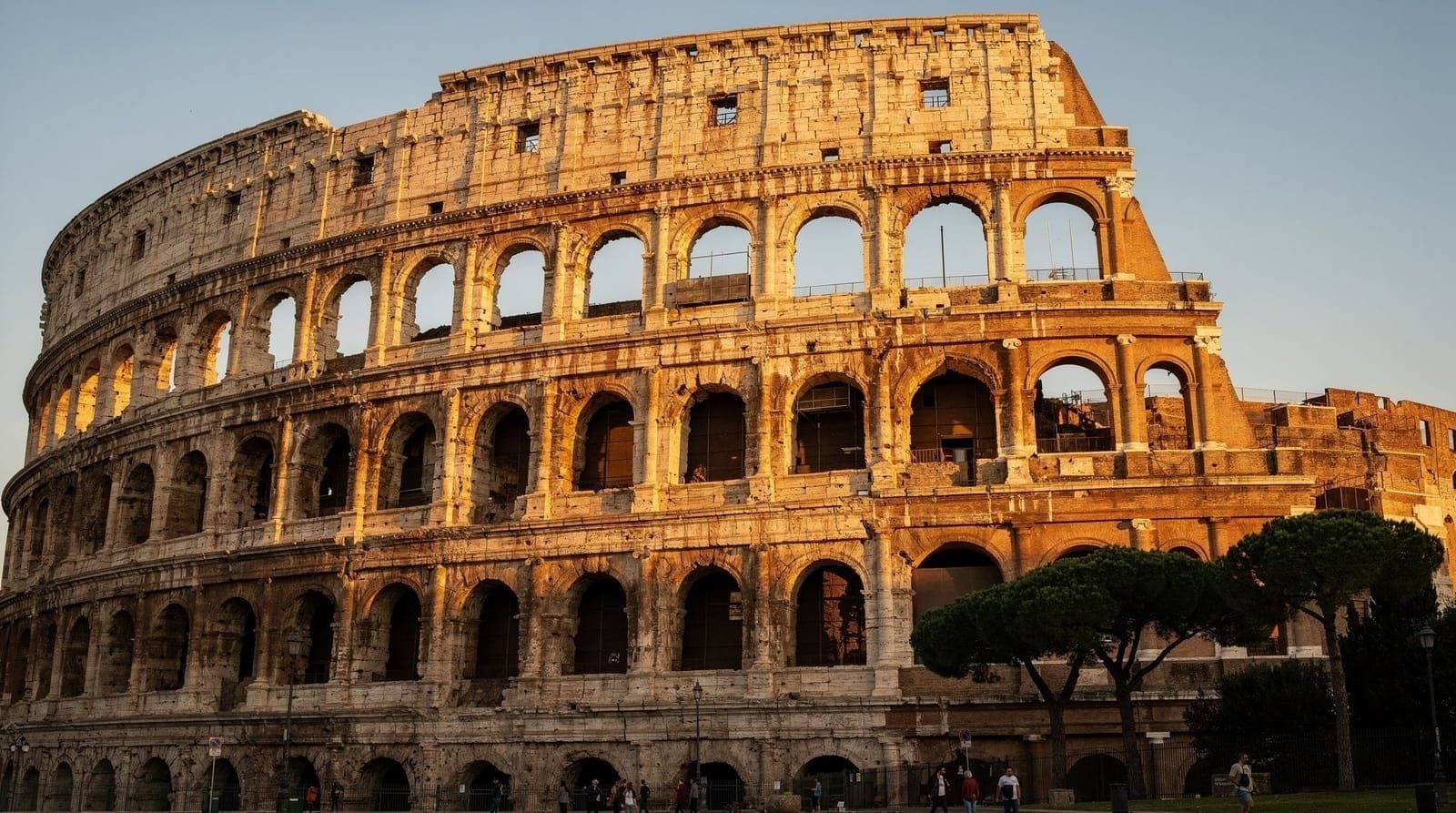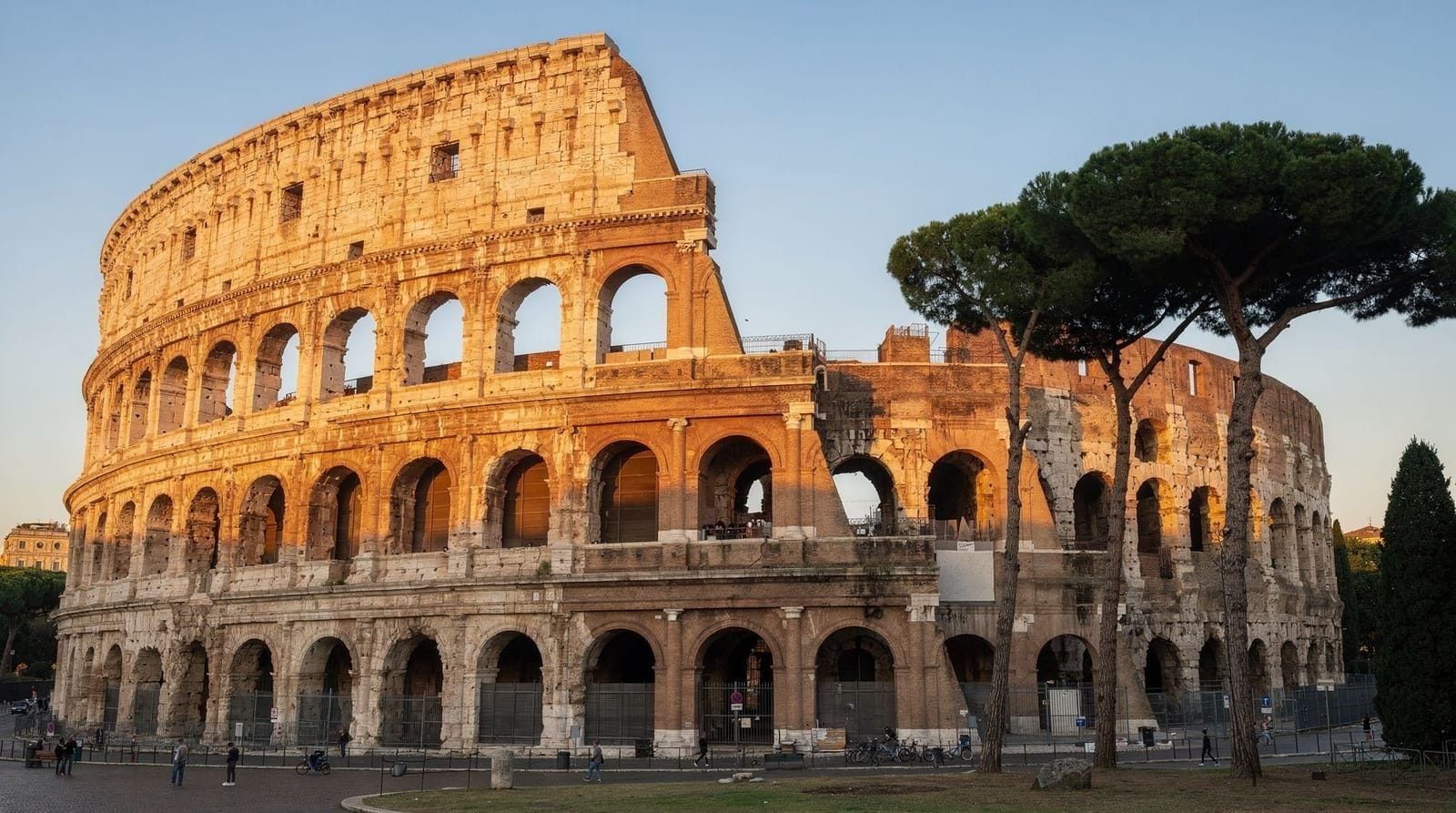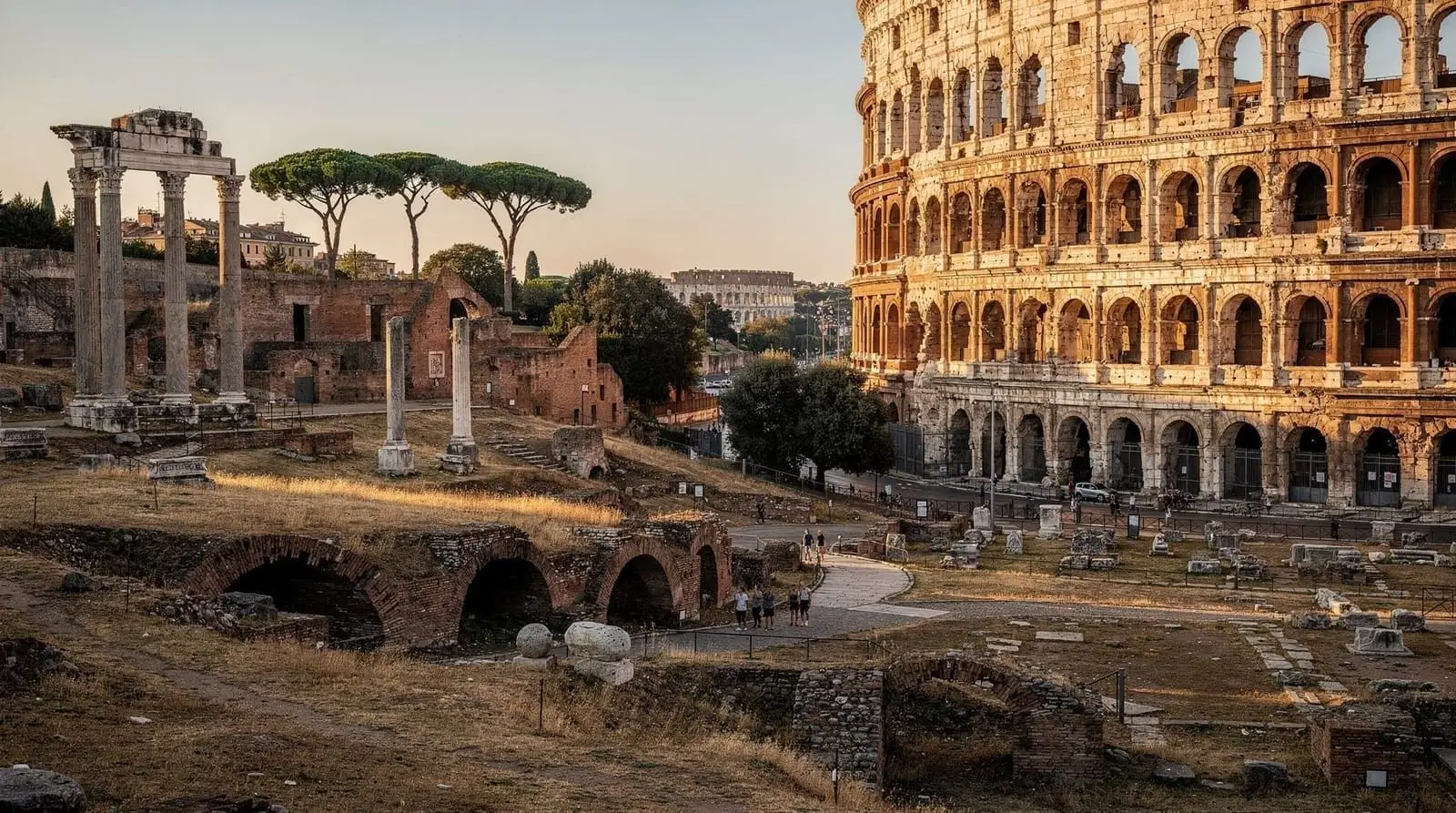
Colosseum, Roman Forum & Palatine Hill: the complete honest guide
Rome: Guided Tour of Colosseum, Roman Forum & Palatine Hill
Do I need to book Colosseum tickets in advance?
Yes — timed-entry reservations are mandatory for everyone, including Roma Pass holders. Book the official Colosseo ticketing site at least 4–8 weeks ahead in peak season. Slots at popular times vanish within hours of release. Each ticket is nominative (your name required at booking).
Why the Colosseum, Forum and Palatine belong together
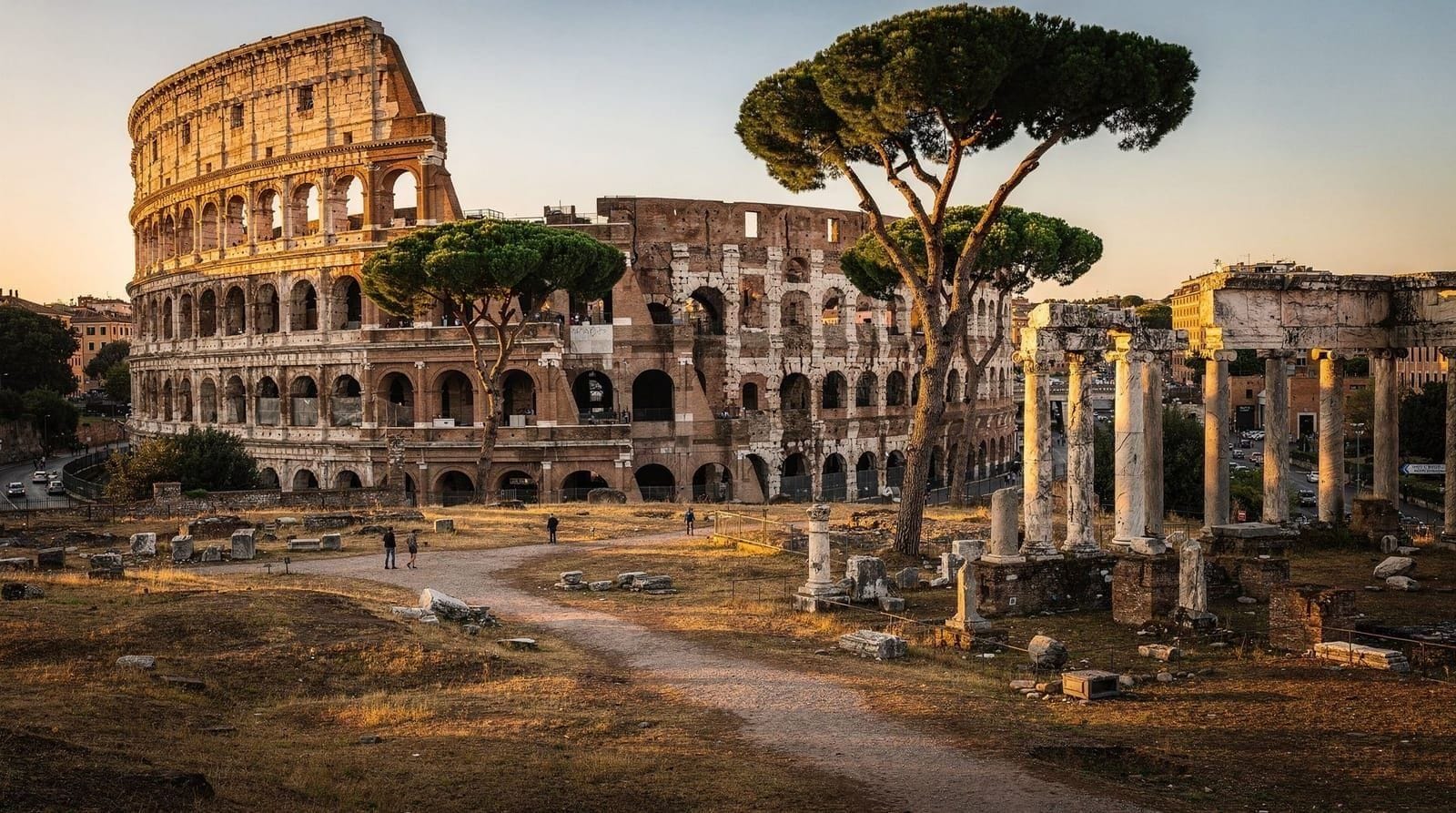
Rome’s ancient core is not three separate sights — it is one interconnected landscape that tells a continuous story spanning roughly 1,000 years of Roman civilization. The Colosseum was the entertainment arena; the Roman Forum was the political and commercial heart; Palatine Hill was the aristocratic residential district where emperors lived. They share a combined ticket and, frankly, they share the same story.
The problem is that most visitors rush the Colosseum in 45 minutes, glance at the Forum and skip Palatine Hill entirely. This guide gives you the framework to do all three properly — with a realistic time budget, honest crowd advice, the latest ticket prices and a clear explanation of what each site actually contains.
| Where | Central Rome, Metro B Colosseo |
| Cost | Standard combined ticket ~€18 + €2 booking fee |
| Time needed | 3.5-4 hours for all three; 4.5-5 hours with the underground |
| Booking | 4-8 weeks ahead in peak season, coopculture.it only |
| Best slots | 09:00 first entry, or 16:00-17:00 late afternoon |
The Colosseum: facts that matter before you visit
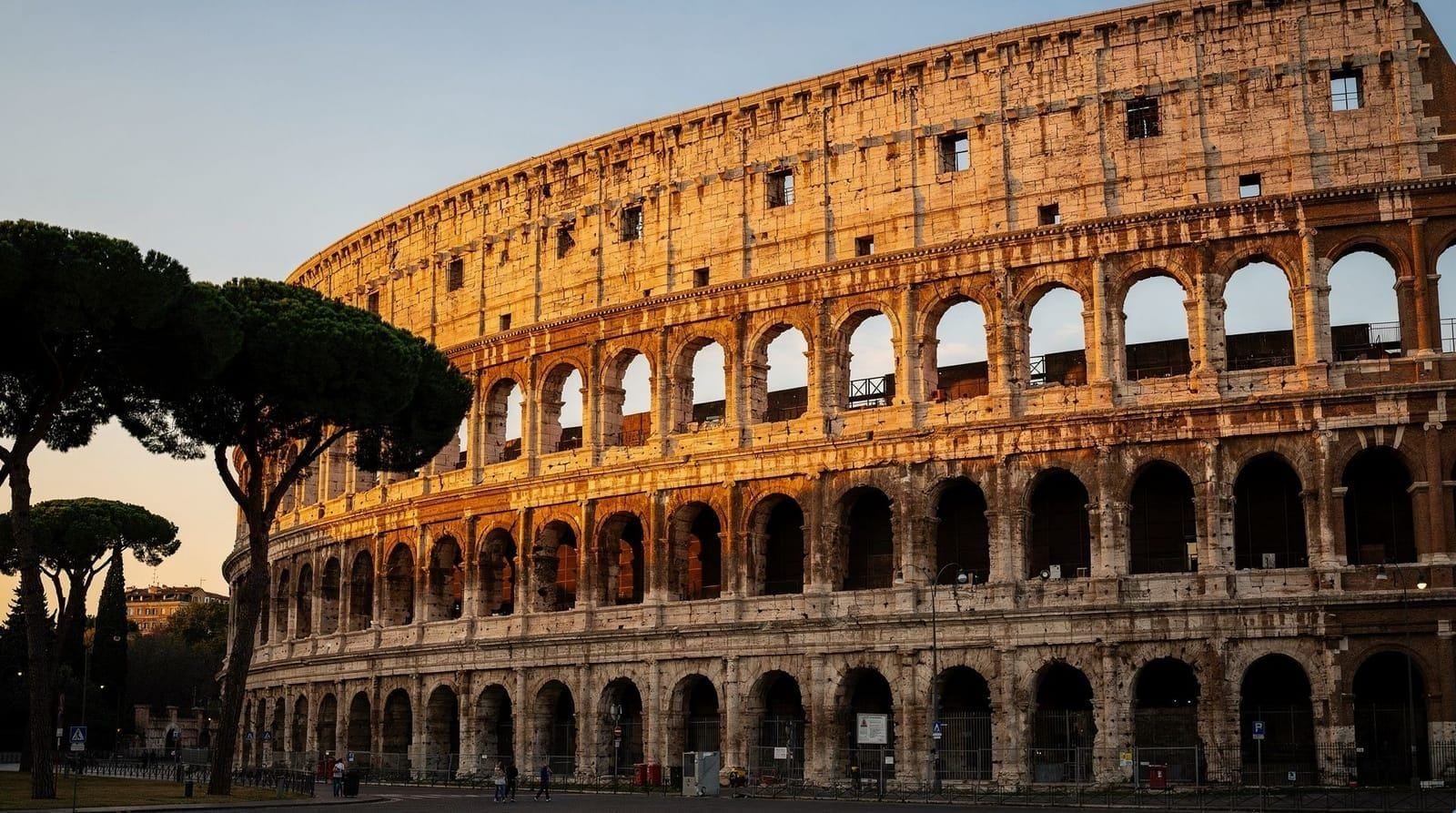
The Colosseum (officially the Flavian Amphitheatre) was built between 70 and 80 CE under emperors Vespasian and Titus. At capacity it held an estimated 50,000–80,000 spectators, though modern scholars debate the upper figure. Games ran for over 400 years before the decline of Rome made them economically unsustainable; the last recorded games were held in the early 6th century CE.
A few things your guidebook may not tell you:
The marble is almost entirely gone. The white travertine limestone you see was the structural skeleton; the interior was once clad in marble, precious metals, and ornate stucco. Medieval builders systematically stripped it for other construction projects. What survives is the engineering, which remains breathtaking.
The arena floor did not always exist. The wooden floor was removed in the 19th century to expose the hypogeum — the subterranean service network of corridors, hoists and cages that fed gladiators and animals up into the arena. The current partial arena floor is a 21st-century reconstruction; visiting it gives you a viscerally different perspective of the space.
Gladiatorial combat was expensive, not cheap entertainment. Gladiators were valuable trained athletes; their owners (lanistae) charged substantial fees to stage fights. The free admission myth is partly true — many games were free — but they were funded by emperors and aristocrats seeking popular approval, at enormous cost.
Ticket options in 2026: what to buy and what to avoid
There are three tiers of access, all requiring advance timed-entry reservations on the official Colosseo ticketing platform (coopculture.it / colosseo.it):
Standard combined ticket — €18 adult, €2 for EU ages 18–25, free for EU under 18. Covers Colosseum tiers 1 and 2 + Roman Forum + Palatine Hill. Valid for one full day (multiple entrances to the Forum and Palatine; Colosseum is single entry at your reserved slot). Plus a €2 online booking fee.
Full Experience (Colosseum Underground + Arena Floor) — approximately €22 adult. Adds access to the hypogeum and a portion of the reconstructed arena floor. These slots are released in limited batches and sell out faster — check availability 4–6 weeks out.
SUPER ticket (Belvedere + Underground + Arena) — approximately €24. Occasionally available with access to the highest terrace viewpoint. Not always bookable; check the official site.
Roma Pass — €52 for 72 hours covers one free Colosseum standard entry, but you still need to book a timed slot. The pass does not grant arena floor or underground access. See our Roma Pass guide for the full calculation.
Third-party resellers: Sites with names like “skip-the-line-colosseum.com” charge €30–50 for what is essentially the same timed ticket, sometimes bundled with a guided tour. Legitimate guided tours are fine — but if you see a price significantly above €18–24 without a clear tour component, you are paying for marketing, not access.
A guided group tour with skip-the-line entry covers all three sites in 2.5–3 hours with a licensed archaeologist — good value if this is your first time and you want context.The booking process, step by step
The nominative booking process trips up many visitors:
- Go to coopculture.it (the official operator — not Google’s suggested third-party sites).
- Choose your date and entry slot — 9:00–9:30 is typically the first and often the least crowded.
- Select ticket type (standard vs Full Experience).
- Enter the full name of each visitor. The name must match ID at entry — this is strictly enforced.
- Pay and download the PDF QR code. Print it or keep it on your phone with screen brightness high; mobile scanning on a dim screen creates delays.
- Arrive 10 minutes early. The entrance is on Via Sacra, facing the Via dei Fori Imperiali.
If you are using a Roma Pass, bring the physical card and call the booking line or use the Roma Pass portal to reserve your Colosseum slot after purchasing the pass — it does not happen automatically.
Inside the Colosseum: where to spend your time
Ground floor (arrival level): Contains the ticketing hall, a permanent exhibition on the building’s history, and views of the hypogeum through the open arena floor (if you have not purchased the underground add-on). Worth 20 minutes.
Tier 1 (first level): Arched galleries with the closest views of the arena floor. The seating grades — senators and Vestals closest to the action, common citizens higher up — are explained on informational panels. This is where most visitors spend the majority of their time. Allow 30–40 minutes.
Tier 2 (second level): Higher vantage point, better photography of the entire interior structure. Less crowded than tier 1. The external views of the Arch of Constantine and surrounding Forum area are good from here.
Tier 3 (third level): Only accessible on some ticket types; check your booking. Provides the most expansive view of the entire Colosseum bowl.
Underground hypogeum and arena floor (Full Experience ticket): The hypogeum tour is guided and runs in timed groups (typically 45 minutes). You walk through the service corridors, see the lift mechanism reconstructions, and emerge onto the partial arena floor. This is the most viscerally powerful experience the Colosseum offers — standing where the gladiators stood changes the scale of everything. Strongly recommended for first-time visitors who can absorb the extra cost.
The dedicated arena floor and underground guided tour gives you the full hypogeum access plus expert commentary — this is the best way to experience the layers of the Colosseum.The Roman Forum: what you are actually looking at
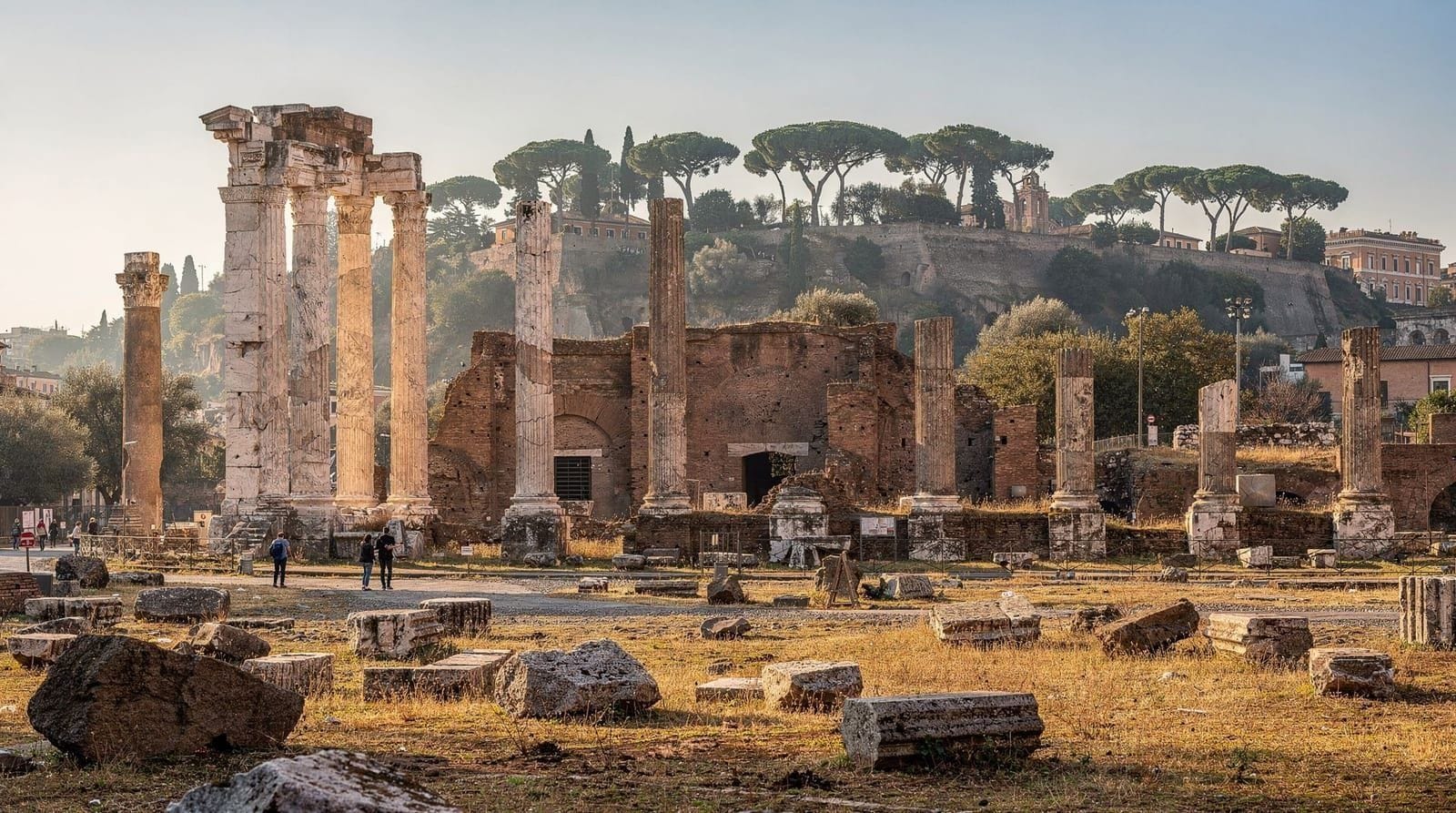
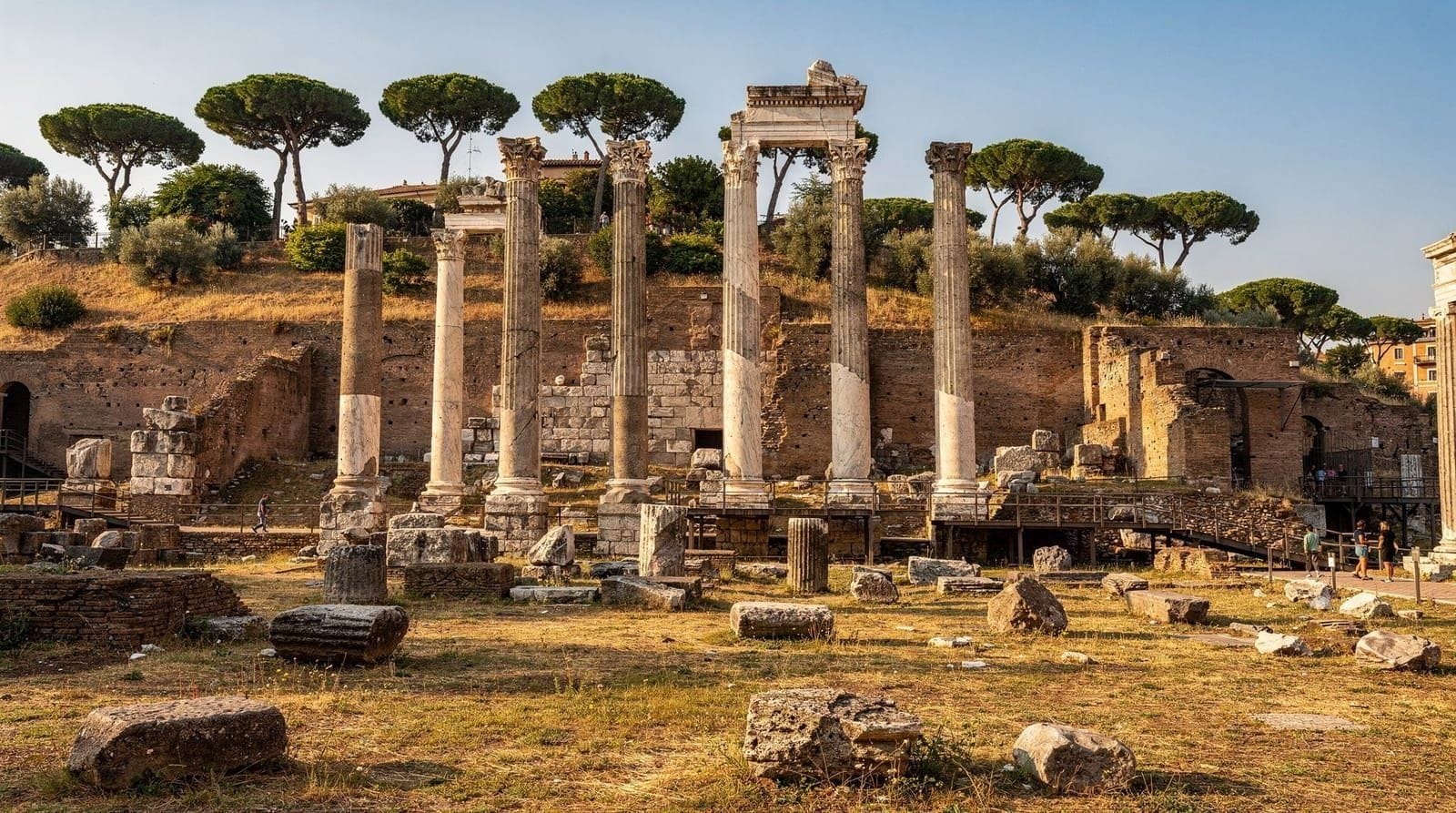
The Roman Forum (Foro Romano) is the single most historically dense area in Western civilization — and simultaneously the most confusing site for visitors who arrive without preparation. It is not a reconstructed city; it is a landscape of ruins that span over 900 years, collapsed on top of each other.
The key orientation points:
Via Sacra: The main street of ancient Rome, running through the Forum from the Arch of Titus (near the Colosseum) to the Capitoline Hill. Walk it end to end to understand the Forum’s layout.
Temple of Saturn (8 surviving columns, 498 BCE origin): The state treasury and one of Rome’s oldest temples. The dramatic cluster of columns visible from the street.
Temple of Vesta and House of the Vestal Virgins: The circular temple housing Rome’s sacred flame (which had to be kept burning at all times); the adjacent residence of the Vestal Virgins, Rome’s only female public priestesses. The pond and rose garden are a calm spot.
Basilica of Maxentius (306–312 CE): The enormous brick arched structure at the eastern end. Three surviving bays give a sense of the scale of Roman monumental architecture. Michelangelo reportedly took measurements here when designing St. Peter’s.
Arch of Titus (81 CE): Commemorates the Roman destruction of Jerusalem in 70 CE. The interior reliefs show the Menorah and other Temple treasures being carried in triumph. Sobering and important.
Curia Julia (senate house, 44 BCE): One of the best-preserved buildings in the Forum. The bronze doors are copies (originals are in the Lateran). Inside is the Plutei of Trajan — marble reliefs showing the emperor’s public works.
Allow at least 90 minutes for the Forum. The audio guide (€5 at the entrance or included in some tour packages) substantially increases comprehension of what you are looking at.
Palatine Hill: the most undervisited part of the combo
Palatine Hill consistently gets the least attention despite being, in many ways, the most atmospheric of the three sites. It is quieter, greener and historically as significant.
Why it matters: Palatine is the original settlement of Rome — archaeological evidence suggests continuous habitation since at least 1000 BCE. The Lupercal cave, where legend says the she-wolf nursed Romulus and Remus, was located here. By the Imperial period, virtually the entire hill was occupied by the sprawling Palace of Domitian (Domus Flavia + Domus Augustana), completed around 92 CE. The word “palace” comes from Palatine.
What to see:
- Domus Augustana: The private residential wing of Domitian’s palace. The sunken garden with its ornamental pond survives largely intact.
- Stadium of Domitian: Not an actual stadium but a private garden in stadium form (500m long), used for private games and exercise.
- Farnese Gardens terraces: The oldest botanical garden in Europe (16th century), built on top of earlier ruins. The terraces offer the best panoramic view of the Forum below and the Capitoline Hill.
- Palatine Museum: Houses the finest objects found on the hill — frescoes from Augustus’s personal chambers (one of the rare surviving examples of 1st-century BCE painting in situ), marble statuary, and an excellent archaeological timeline.
Budget 45–60 minutes here. Most visitors drift in and out in 20 minutes; they are missing the best view of the Forum in the entire complex.
Why it’s consistently skipped: Palatine’s entrances are less obviously signposted than the Colosseum’s, and its ruins require slightly more imaginative reconstruction than the Forum’s clearer temple footprints — visitors on a tight schedule default to cutting it. That’s precisely the reason it’s quieter: the same crowd-avoidance logic that makes November better than August applies to Palatine versus the other two sites at any time of year.
The combined visit: a realistic suggested order
Most visitors arrive at the Colosseum first (their timed slot is there) and then walk to the Forum and Palatine afterward. This is logical. A practical sequence:
- Colosseum — enter at your reserved slot, do tiers 1 and 2. If you have the Full Experience, the underground tour typically runs at the start or end of your Colosseum window (check your booking).
- Roman Forum — exit the Colosseum via the Forum entrance (same ticket), walk Via Sacra east to west: Arch of Titus → Temple of Vesta → Temple of Saturn → Curia.
- Palatine Hill — accessible from within the Forum via the footpath up the hill. End at the Farnese Gardens for the view, then exit via the Palatine exit onto Via Sacra.
Total honest time budget: 3.5–4 hours without the underground; 4.5–5 hours with.
See our ancient Rome in one day guide for how to combine this with other sites.
Crowd strategy: when to go and when not to
Worst times: July and August are brutally hot (32–38 °C) and crowded. Easter week is catastrophically crowded — book 8+ weeks out, expect delays even with reservations. Saturday late morning and Sunday midday are the weekly peak hours year-round.
Best times: First slot (9:00) on a Tuesday or Wednesday in April, May, September, or October. November is genuinely underrated — cool, atmospheric, and 30–40% fewer visitors than peak months.
Heat management: The Colosseum interior has no shade on the upper tiers in summer. Bring water (nasoni fountains are nearby but not inside), a hat, and sunscreen. The Forum has almost no shade. Palatine Hill has more tree cover — consider reversing the order (Palatine first) if visiting in July–August.
If you want a structured visit with expert context and guaranteed priority entrance, this ancient Rome skip-the-line tour covers the essential sites efficiently.Getting there and nearby logistics
Metro: Line B to Colosseo — the station exits directly opposite the Colosseum. Clean, fast, ~5 minutes from Termini.
Bus: Routes 51, 75, 85, 87 stop at Via dei Fori Imperiali. Bus 3 and tram 3 run along the Aventine.
Walking from Centro Storico: 20–25 minutes from Piazza Venezia, passing the Imperial Fora along Via dei Fori Imperiali — a worthwhile walk with context.
Avoid taxis to the Colosseum: There is no official drop-off point adjacent to the entrance; taxis stop on Via Labicana, 5–10 minutes’ walk. Metro B is faster and cheaper (€1.50 vs ~€12–15 from centro storico).
Nearby lunch: The immediate perimeter of the Colosseum is tourist-trap territory. Walk 8–10 minutes into the Celio neighborhood (Via Celimontana, Via dei Santi Quattro) for honest prices. Alternatively, Testaccio is 20 minutes on foot — well worth it for a proper Roman lunch. See our Testaccio food guide.
What the Colosseum combo does not cover
The combined ticket does not include:
- Domus Aurea (Nero’s Golden House, nearby on the Oppian Hill) — separate ticket required. See our Domus Aurea guide.
- Capitoline Museums — the best museum complement to the Forum, just above it. Separate ticket (€15). See our Capitoline Hill guide.
- Baths of Caracalla — not adjacent; separate ticket. See our Baths of Caracalla guide.
- Circus Maximus — free to enter the site itself; see our Circus Maximus guide.
For a full day combining multiple ancient sites, see our ancient Rome in one day guide.
Frequently asked questions about the Colosseum, Roman Forum and Palatine Hill
Is the Colosseum worth the price and effort?
Yes, for most visitors — but set expectations correctly. The architecture is extraordinary; the historical weight is real. However, the experience of deciphering ruins without context is frustrating. Budget for a guided tour or a quality audio guide (€5–7 at the entrance), and read this guide before arriving. The arena floor add-on is worth the premium if you can secure a slot.
Can I re-enter the Roman Forum on the same day?
Yes. The combined ticket allows multiple re-entries to the Roman Forum and Palatine Hill on the same day. The Colosseum allows only one entry at your reserved slot.
Are bags checked at the Colosseum?
Yes — bags are X-rayed at entry. Bag storage lockers are available nearby (Via Nicola Salvi, €5–7). Large bags (over carry-on size) are not permitted inside. There is no cloakroom within the Colosseum itself.
Is photography allowed?
Yes, including flash-free photography everywhere inside. Tripods are generally not permitted without prior written authorization. Drone flights are not permitted in or around the Colosseum.
What happens if it rains?
The Colosseum is open in rain; much of it is covered. The Roman Forum and Palatine Hill are open-air and unpleasant in heavy rain. Palazzo Valentini (nearby covered underground archaeological site) is a good rainy-day backup. See our catacombs and underground guide for all-weather ancient Rome options.
Should I do the Colosseum, Forum and Palatine before or after the Vatican?
Either order works, but doing them on separate days is strongly preferable — both are 3.5+ hour commitments and combining them creates a genuinely exhausting day with diminishing attention for either. If you must choose which to prioritize first, the ancient Rome circuit has more flexible timing (multiple re-entries to Forum/Palatine on one ticket) while the Vatican rewards a fresh, unhurried morning.
Is a guided tour worth it compared to doing this independently with this guide?
A guided tour adds real value here specifically because the Forum in particular is genuinely hard to parse from ruins alone — a good guide turns scattered stones into a coherent narrative in a way self-guided visits often don’t achieve even with preparation. If budget allows, it’s one of the higher-value guided additions in Rome; if not, this guide plus a €5 audio guide covers the essentials.
Top experiences
Bookable activities with verified prices and instant confirmation on GetYourGuide.