Rome in summer — surviving the heat in July and August
Rome: Vatican, Sistine Chapel, St. Peter Early Morning Tour
Is Rome worth visiting in summer?
Rome in July and August is hot (32–38°C), crowded, and expensive. It is still a great city and people have good trips — but you need to adapt your schedule. Early morning starts before 09:00, a midday indoor break, and late afternoon/evening activity are essential. Ferragosto (15 August) closes many local restaurants and shops.
Summer in Rome: the honest picture
Rome is one of Europe’s most popular summer destinations. It is also one of the hottest. The combination of marble streets, stone buildings that retain heat overnight, and a city packed with tourists creates conditions that are genuinely challenging for conventional sightseeing.
This guide does not tell you to avoid Rome in summer — many people have no choice, and plenty have excellent trips. It tells you what to realistically expect and how to plan around the heat rather than against it.
| Temperature | 32-38°C daytime, rarely below 27°C overnight |
| Crowds | Peak of the year, alongside Easter |
| Best hours outdoors | 06:30-09:00 and 17:00-21:00+ |
| Watch for | Ferragosto closures (roughly 5-25 August) |
| Pack | Sunscreen, hat with a brim, refillable water bottle |
What “hot” actually means
July average high: 32–35°C (90–95°F) August average high: 33–38°C (91–100°F)
Heat waves — periods of 38–42°C — occur regularly in both months. In 2023 and 2024, Rome recorded multiple nights that never dropped below 27°C, meaning no overnight cooling. Heat wave forecasting has become increasingly reliable in Italy, and the civil protection agency issues warnings (orange/red alerts) 48 hours ahead — monitor these if you are visiting.
The heat is amplified in the historic centre by:
- Narrow streets with limited air circulation
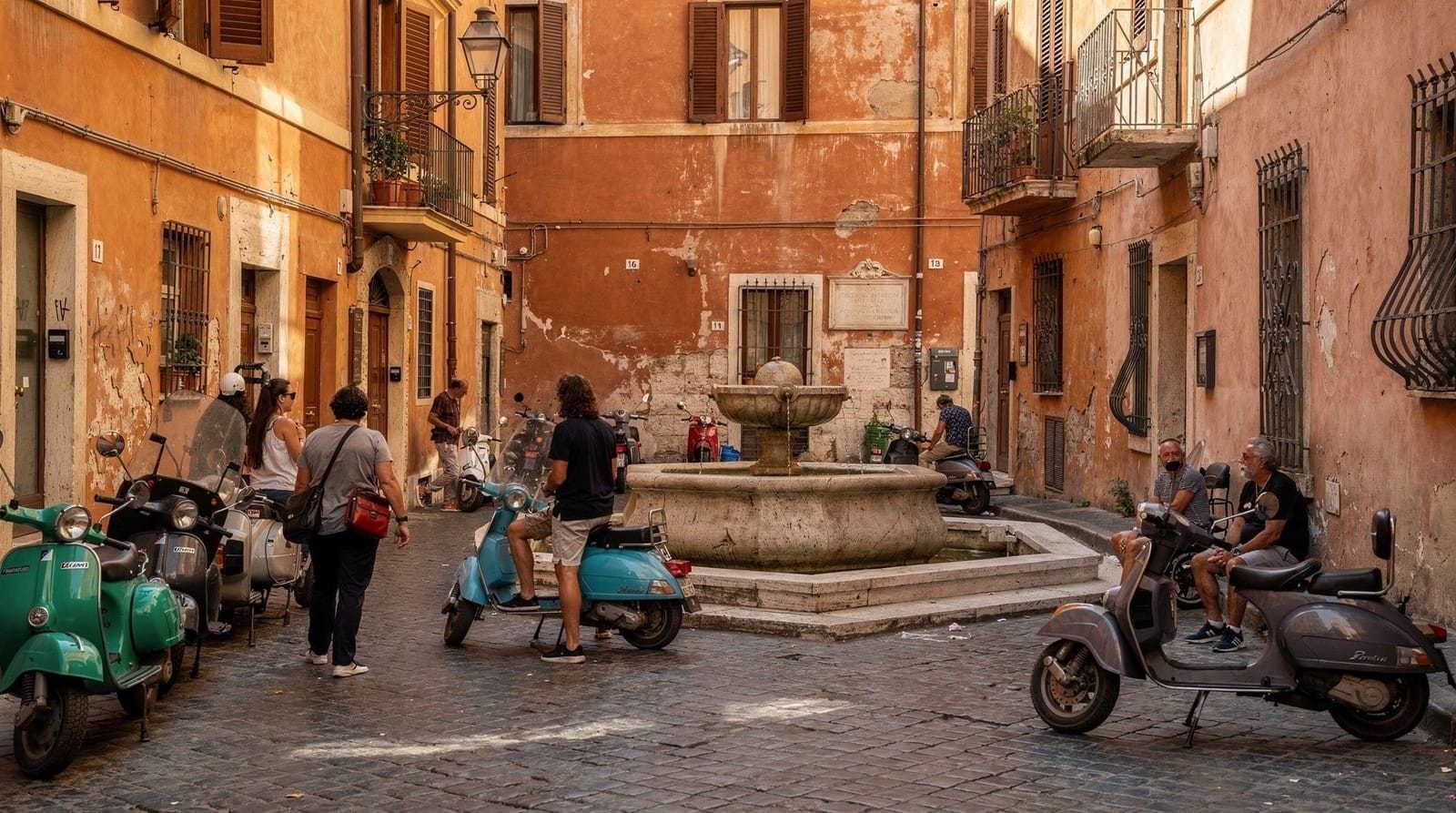
- Dark stone (basalt sanpietrini cobblestones, tufa walls) absorbing and radiating heat
- The sheer density of human bodies in tourist areas
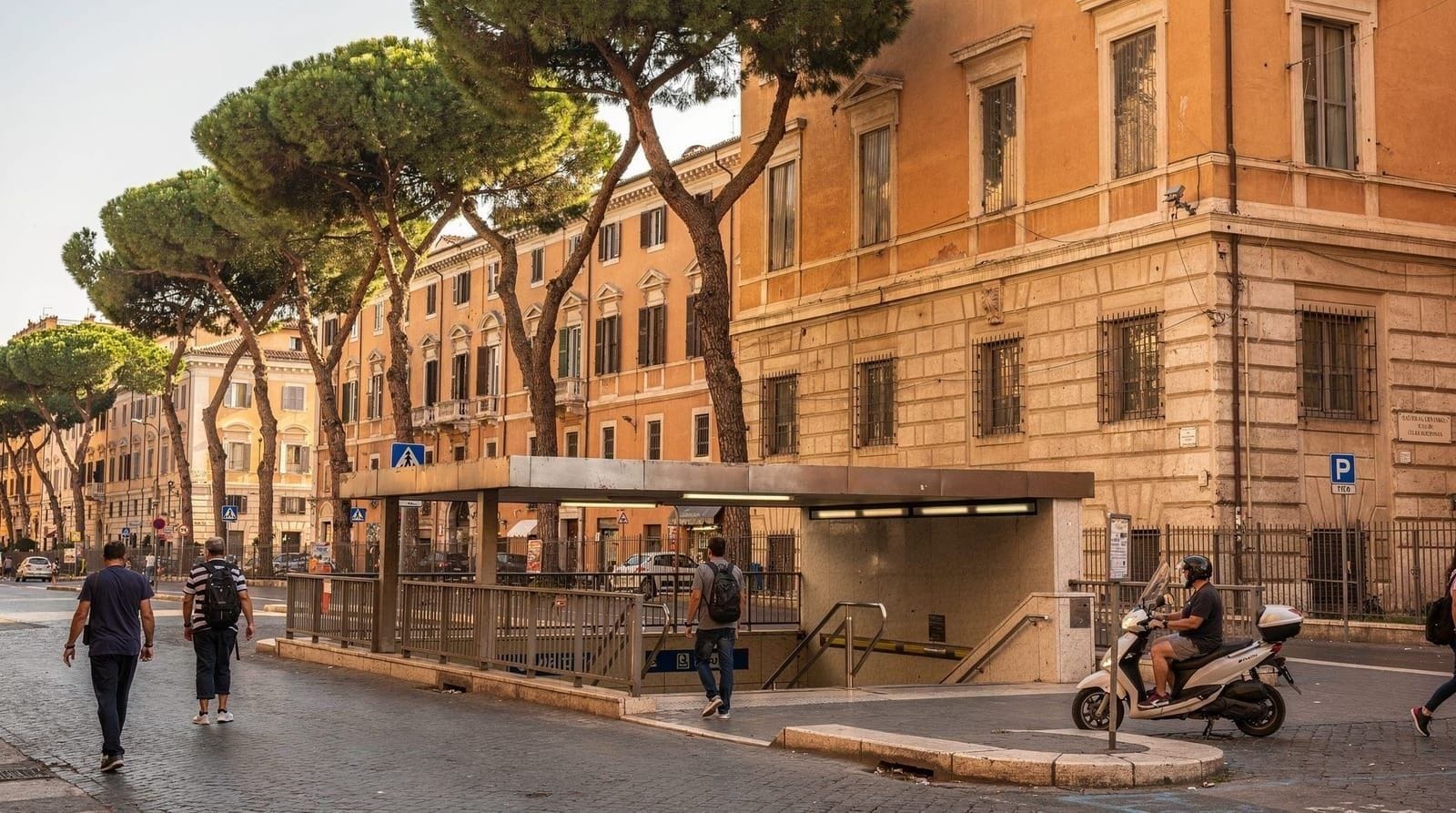
- Limited tree cover in most major piazzas
Direct sun on the Colosseum’s external waiting area or on the steps of the Vatican queue at 13:00 in July is not merely uncomfortable — for elderly visitors, children or those with cardiovascular conditions, it is a real health risk.
The summer schedule that actually works
The key to a successful summer Rome trip is restructuring your day:
06:30–09:00 — Golden hour sightseeing The city is quiet. The light is beautiful. Temperatures are in the mid-20s. Walk to your major outdoor sight before the tour groups arrive. The Colosseum opens at 09:00 — being among the first visitors in avoids both the heat and the crowds. The Trevi Fountain at 06:30 with a coffee from a nearby bar is a genuine pleasure.
09:00–12:30 — Museum time Visit air-conditioned interiors: Vatican Museums, Capitoline Museums, Borghese Gallery, Palazzo Doria Pamphilj. Book timed entry slots in advance — summer is the most competitive booking period of the year.
Vatican Museums early morning small-group tour12:30–17:00 — Midday break Retreat. Find a shaded restaurant for a long lunch (Romans do not rush; two hours is normal). Return to your accommodation for a rest. Many Romans observe the summer riposo — it exists for excellent climatic reasons.
17:00–21:00 — Afternoon and evening sightseeing The light softens, temperatures begin falling from their peak, and outdoor sightseeing becomes pleasant again. Visit outdoor sites, piazzas, and gardens in this window. Roman aperitivo culture is at its best from 18:00.
21:00+ — Evening stroll The city comes alive after dark in summer. The Colosseum lit at night, the fountains in evening light, gelato at Fatamorgana or San Crispino — Rome’s nighttime summer atmosphere is genuinely pleasant.
Ferragosto: 15 August
Ferragosto (15 August, the Feast of the Assumption) is Italy’s main summer holiday. Most Romans leave the city for the coast or countryside. The result is a city simultaneously crowded with tourists and stripped of locals.
Practical effects for visitors:
- Many neighbourhood restaurants, bakeries, small shops and tabacchi close for 1–3 weeks around Ferragosto, often from 5–10 August through to the 20th–25th
- Tourist-facing businesses and major attractions remain open but may have reduced hours
- The city feels less authentic — it operates in a tourist-service mode rather than a living city mode
- Supermarkets and chains (Conad, Carrefour) remain open; local trattorias frequently do not
If your trip coincides with Ferragosto, check restaurant availability before assuming your neighbourhood trattoria will be operating. The Testaccio and Prati areas tend to have more year-round commercial resilience than smaller neighbourhood pockets.
Where to find cool relief in summer
The nasoni: Rome has approximately 2,500 cast-iron street fountains called nasoni (“big noses”) scattered throughout the city. They run continuously with cold, excellent-quality drinking water. The water pressure creates a small upward jet — tilt your head down to drink, or press your thumb over the spout to create a drinking arc. Bring a reusable bottle.
Churches: Rome’s churches are generally cool, dark and free to enter. Santa Maria Maggiore, Santa Maria sopra Minerva, the Church of the Gesù, and dozens of others provide relief without charge (observe the dress code — shoulders and knees covered).
Villa Borghese gardens: The park above the Colonna neighbourhood provides shade and a breeze that the city streets lack. Rent a rowing boat on the small lake, or simply sit under a tree.
Celian Hill and Aventino: These less-visited hills have more greenery and fewer crowds than the Forum valley. The Aventino’s Orange Garden (Giardino degli Aranci) has a terrace view and significant shade.
Fountains: Rome’s many ornate drinking fountains — not the tourist attraction ones but functional public fountains — also provide cool water throughout the city.
Summer museums: booking strategy
Summer is the most competitive period for Rome’s timed-entry attractions:
Borghese Gallery: Only 180 visitors per 2-hour slot, and new slots typically open 10–14 days ahead. In July and August, all slots for popular times (09:00, 11:00) fill within hours of release. Check the official Borghese booking site daily for cancellations if your target slot is full.
Colosseum: Book at least 4 weeks ahead in summer. The official Colosseo site releases slots several weeks in advance; they disappear quickly for weekend dates. Arena floor and underground tours (limited capacity) sell out faster than standard entry.
Vatican Museums: Official skip-the-line tickets should be booked 2–4 weeks ahead in summer. Third-party “skip-the-line” tours on platforms like GYG offer alternatives if official slots are gone — they have reserved entry allocations.
What to wear and carry
Clothing: Light, breathable natural fibres (linen, cotton). For church visits, bring a light scarf or jacket — shoulders and knees must be covered at all churches and the Vatican. Many visitors wear shorts and a sleeveless top and carry a scarf in their bag.
Footwear: Flat, rubber-soled shoes are essential. Rome’s cobblestones (sanpietrini) are brutally hard on feet — avoid sandals with minimal cushioning for long walking days.
Essentials: Small bottle of factor 30+ sunscreen, water bottle to refill at nasoni, hat with a brim (not just a cap), lightweight portable fan.
The honest verdict on summer
Summer Rome rewards visitors who adapt and punishes those who do not. The most common summer complaint — “it was too hot and too crowded” — almost always comes from visitors who kept a conventional 09:00–18:00 sightseeing schedule without adjusting for the conditions.
Early morning starts, midday retreats and evening sightseeing turn the same city into a pleasurable experience. Rome is genuinely beautiful in summer light — golden-hour photography at the Colosseum or Trastevere rooftops is exceptional. The evening atmosphere in the piazzas, outdoor restaurants and along the Tiber is something that Rome’s other seasons cannot match.
Cool gardens and shaded retreats
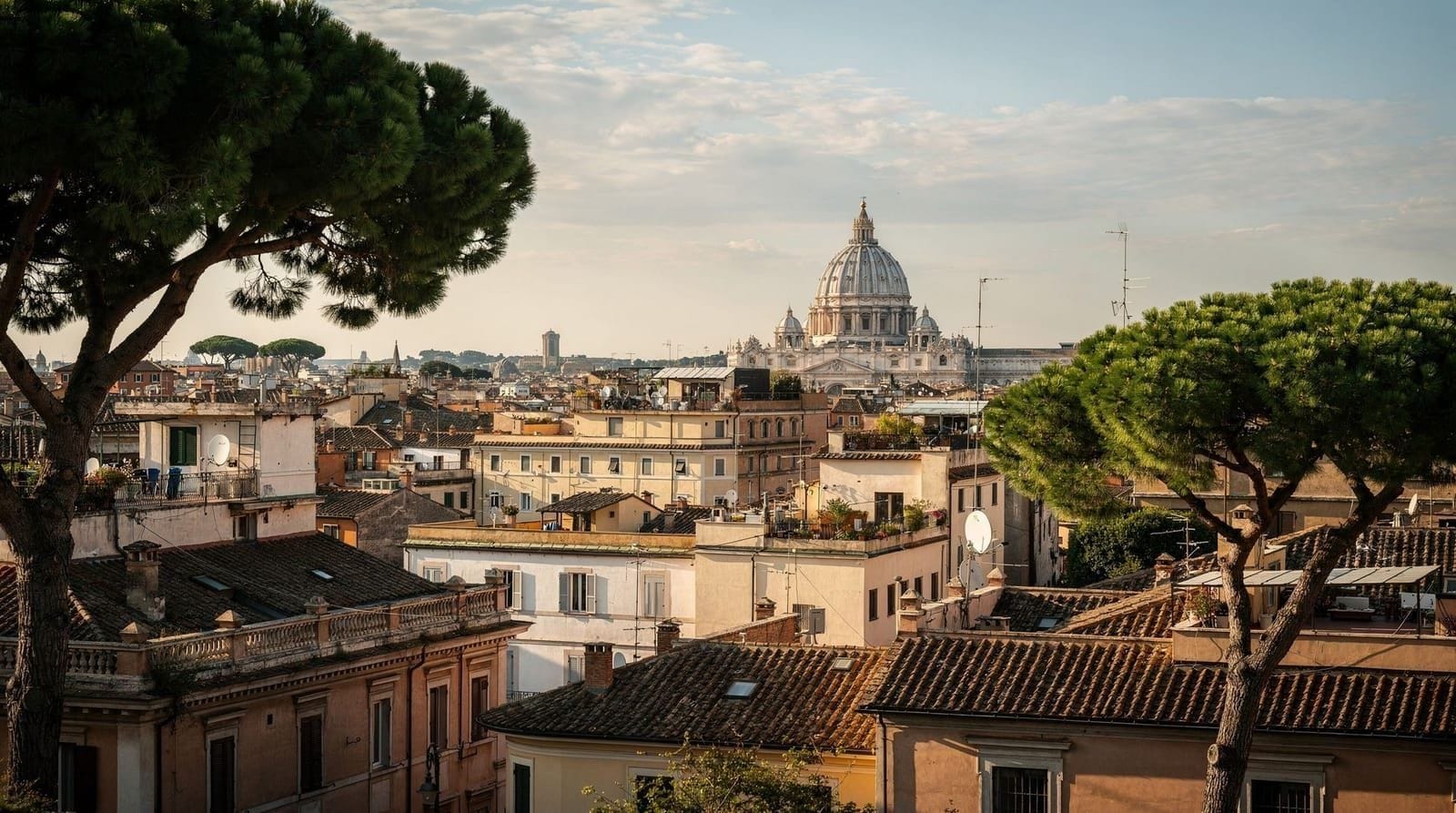
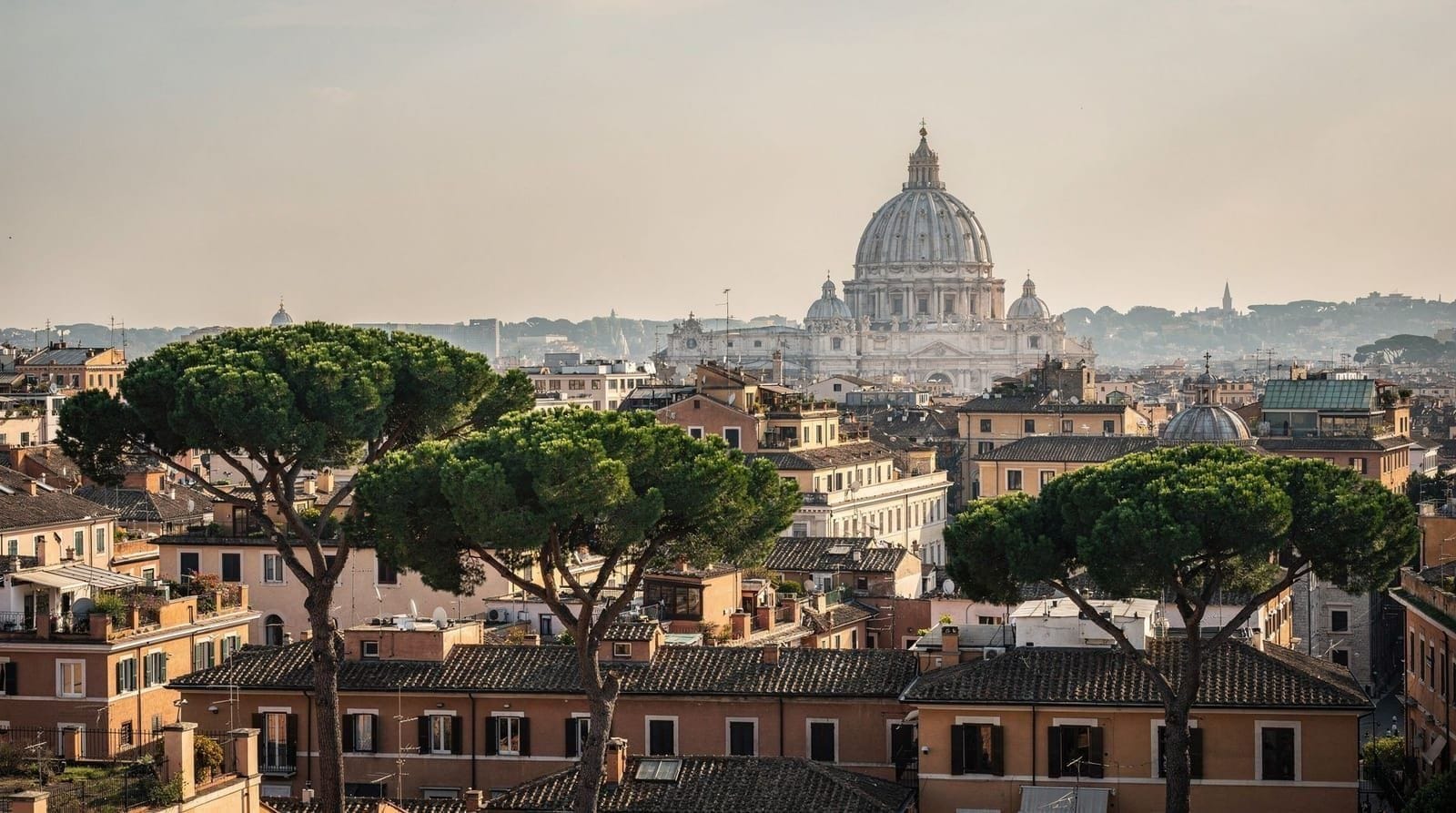
Palatine Hill gardens: The Palatine overlooks the Circus Maximus valley and is partially shaded by stone pines (umbrella pines). The Farnese Gardens on the Palatine’s northwest corner are particularly pleasant in the morning.
Villa Celimontana: A tranquil park on the Caelian Hill, directly south of the Colosseum. Locals bring picnics here; tourists almost never find it. Free entry.
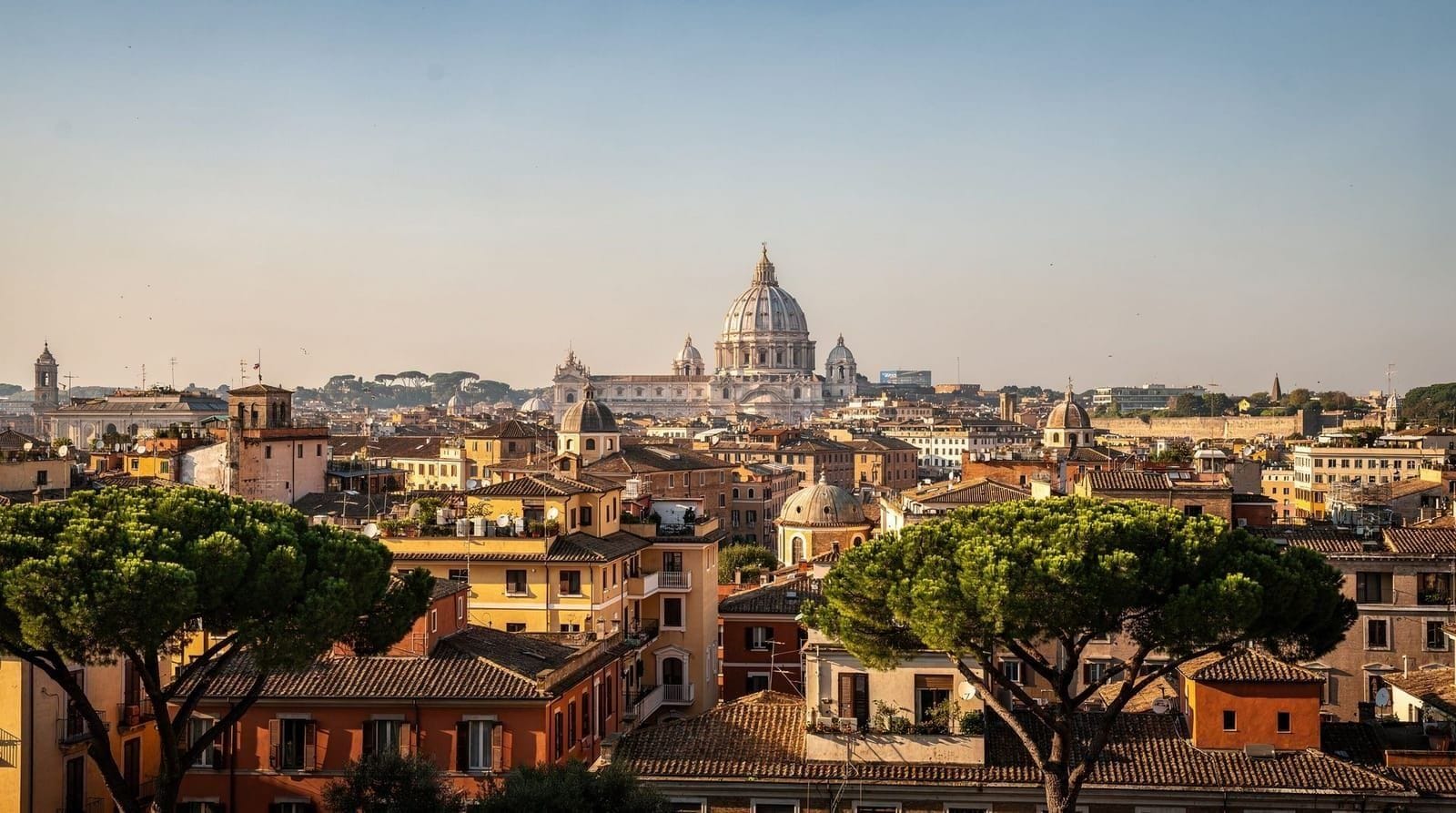
The Orange Garden on the Aventino (Giardino degli Aranci): A small but beautifully maintained terraced garden with views towards St Peter’s dome and the river. Orange trees provide partial shade; a functioning fountain provides cool water. The nearby Priory keyhole viewpoint (Piazza dei Cavalieri di Malta) is a short walk.
Pincian Hill terraces (above Piazza del Popolo): The terraced garden and promenade above Piazza del Popolo is shaded by large trees and breezy. Excellent views, accessible by foot from the piazza or through Villa Borghese.
Inside the churches: Rome’s major churches maintain cool temperatures through thick stone walls and height. Santa Maria Maggiore (basilica), Santa Maria sopra Minerva (with Michelangelo’s Risen Christ), San Clemente (cool because much of it is underground), and Santa Maria in Trastevere are among the most atmospheric — and all free to enter with appropriate dress.
Summer sightseeing: realistic time estimates
Summer heat changes how long you can comfortably spend outdoors. Realistic estimates:
- Colosseum exterior queue (without pre-booking): Do not attempt. In July/August, the external queue without a timed reservation can reach 2+ hours in direct sun. Pre-book your timed entry. Your total outdoor exposure at the Colosseum then drops to the 5 minutes from the metro to the entrance.
- Roman Forum walk-through: Allow 1.5–2 hours; do this in the first morning slot (09:00) when the stone is still relatively cool. By noon the Forum valley is an oven.
- Pantheon: Interior is cool and air temperature stabilises around the thick marble walls. 30–60 minutes inside; short outdoor exposure.
- Vatican Museums: Largely air-conditioned internally; the outdoor sections (Cortile della Pigna) are hot. Book first entry slot (09:00 official opening, or early access if available).
Summer food culture
Summer changes Rome’s eating habits:
- Granita di caffè con panna (coffee granita with whipped cream): a Roman summer classic. Order at any traditional bar. Sant’Eustachio il Caffè (Piazza Sant’Eustachio) and Tazza d’Oro (near the Pantheon) are the two canonical addresses for coffee granita.
- Gelato fresco: artisanal gelato is denser and colder than industrial variants. Seek shops using natural colours and gelato stored in covered metal containers (not fluffy mounds in vivid neon). Avoid the tourist-trap gelato shops near major sights with the exaggeratedly tall swirl displays — these are typically industrial product.
- Cold seafood at lunch: Roman summer menus lean towards raw bar (crudo di mare) and chilled seafood antipasti. The restaurants of Testaccio and Ostiense neighbourhood run more local-focused seafood menus in summer.
- Frascati white wine, chilled: The Castelli Romani hills just south of Rome produce Frascati DOC, a crisp white wine served well-chilled. Every wine bar in the city offers it; in summer, a glass of chilled Frascati is the canonical Roman refreshment.
Summer events worth knowing about
Estate Romana (Roman Summer): An annual festival of outdoor concerts, cinema, theatre and events running through July and August. Performances take place in Villa Borghese, along the Tiber (Arena Tevere), and at various open-air venues including the Baths of Caracalla (summer opera season).
Opera at the Baths of Caracalla: Terme di Caracalla hosts Rome’s open-air summer opera season — major productions of Aida, Tosca, and other repertoire standards in a spectacular ancient setting. Evening performances begin around 21:00, when temperatures are more manageable. Book tickets in advance via the Teatro dell’Opera di Roma’s official site.
Cinema in Villa Borghese: Open-air film screenings in the park, typically running from late June through August. Films are shown in their original language (OV) on some nights.
For a broader seasonal overview, see the best time to visit Rome guide. For planning your days, see the Rome itinerary planning guide.
Planning a realistic summer itinerary
Here is how a productive summer day in Rome looks in practice:
06:30 — Begin. Walk to your first outdoor sight. If it is the Colosseum: be at the entrance at 09:00 opening, but the walk there at 07:00 through the quiet streets of Monti is its own reward. The Forum at 07:30 before security opens is accessible from Via Sacra for external viewing.
07:00–09:00 — Pre-opening walks. Use these hours for piazzas that need no ticket: Trevi Fountain (serene and unoccupied at 07:00), the Pantheon exterior (opens 09:00 for paid entry; the piazza is free), Piazza Navona.
09:00–12:30 — First paid attraction. Your Colosseum slot (pre-booked), Vatican Museums (pre-booked for 09:00 entry), or Borghese Gallery (first slot 09:00, book 10–14 days ahead).
12:30–16:30 — Retreat indoors. This is not laziness — it is good planning. A long lunch (real Italian pranzo: starter, main, half a litre of house wine, dessert and coffee, 2 hours minimum) followed by a rest period is genuinely the optimal strategy. Many Romans still observe this pace in summer.
16:30–20:00 — Second outdoor period. The light is now golden and slightly lower. Visit a less-crowded afternoon sight: Palazzo Doria Pamphilj, a church trail (San Luigi dei Francesi for Caravaggio, Santa Maria della Vittoria for Bernini’s Ecstasy of Saint Teresa), the Aventino gardens, a walk along the Tiber.
20:00+ — Evening aperitivo and dinner. Rome’s evening culture is at its peak in summer. Outdoor terraces, aperitivo bars in Monti and Prati, late dinners that stretch to 23:00.
Summer tours that use the heat advantage
Evening and night tours in summer take advantage of the cooler temperatures and atmospheric lighting that the heat creates. The Colosseum illuminated at night is genuinely spectacular.
Rome evening walking tourEarly morning Vatican access tours get you inside before the main crowds and before the full heat of the day builds.
Vatican Museums early morning small-group tourSummer and pickpocket risk
Summer’s maximum tourist density coincides with peak pickpocket activity. The areas identified as highest-risk year-round become even more dangerous in summer when crowds are thicker:
- Metro Line A between Termini and Ottaviano — busier in summer than any other time
- Buses 40 and 64 (Termini to Vatican) — packed in summer with the lowest per-person space of the year
- Trevi Fountain crowd — in July/August, crowds around the Trevi basin are so dense that pickpockets can operate almost undetected
See the Rome scams to avoid guide for full safety detail. The practical summer precautions are the same as year-round but more important: cross-body bags, zipped pockets, nothing in back pockets, phone stored rather than in-hand in crowded areas.
Summer hydration: beyond the nasoni
The ~2,500 nasoni (cast-iron drinking fountains) are the foundation of summer hydration in Rome. But there are additional options:
Grocery stores (supermercati): Conad, Carrefour Express, and the equivalent are in most central neighbourhoods. A 1.5-litre bottled water costs €0.30–0.60 — vastly cheaper than tourist-zone café prices (€2–3 for 0.5L).
Bar espresso with water: Ordering a coffee at a bar always includes a glass of tap water on request (acqua del rubinetto). This water is safe and good-quality in Rome.
Churches: Interior church drinking fountains are rare, but all major basilicas have accessible toilets with sinks. The Vatican Museums has water fountains in the internal courtyards.
Pharmacies (farmacie): Rome’s pharmacies (green cross signs) sell oral rehydration salts (ORS) — relevant if you are experiencing symptoms of heat-related dehydration. They are available without prescription. Heat exhaustion can develop faster than expected, particularly in elderly visitors or children.
Is July or August worse — and which to pick if you have a choice
Given a choice between the two peak summer months, August is generally the harder month in central Rome for reasons beyond raw temperature. Ferragosto closures concentrate in August, thinning out the neighbourhood restaurant options exactly when you need them most, and the humidity typically peaks in the second half of the month alongside the highest average temperatures of the year. July is marginally cooler on average, has fewer local closures, and — perhaps counterintuitively — can feel slightly less oppressive despite similar headline temperatures, because the city has not yet emptied of the residents and small businesses that give it character. Neither month is genuinely comfortable by the standards of spring or autumn, but if a choice is available, early-to-mid July edges out August for most visitors, and the very last days of August into early September start to see relief as the worst of the heat breaks. Families travelling with young children or older relatives should weigh this difference seriously: the combination of August closures and peak humidity makes early-to-mid July the meaningfully easier option if school schedules allow any flexibility at all.
Day trips as a summer heat-management strategy
One underused strategy for a summer Rome trip is deliberately building in a coastal or hill-town day trip, not just for variety but as active heat relief. Sperlonga, a beach town on the coast south of Rome, is 15-25°C cooler at the waterline than central Rome on a July afternoon thanks to the sea breeze, and a full beach day there breaks up a run of hot city days meaningfully. Inland, the Castelli Romani hill towns sit several hundred metres higher than central Rome and are noticeably cooler in the evening, with the added benefit of Frascati wine served properly chilled at source. Both trips work as a mid-trip reset rather than an afterthought — placing one on day 3 or 4 of a week-long summer visit, after the heat has had time to become genuinely tiring, tends to work better than saving it for the end.
Booking a private or small-group tour instead of walking alone
In peak summer heat, a guide who manages the pace, timing and shade strategy for you is worth more than in any other season — the difference between wilting in an unbroken midday queue and being moved efficiently between air-conditioned interiors and shaded viewpoints. A small-group or private guided tour of the Colosseum, Forum and Palatine front-loads the itinerary with a guide who already knows which queues to avoid and times the outdoor segments for the coolest available window, which matters more in August than in any other month of the year.
Colosseum, Roman Forum and Palatine Hill guided tour — a guide who manages pacing and shade is especially valuable in peak summer heat.