Testaccio
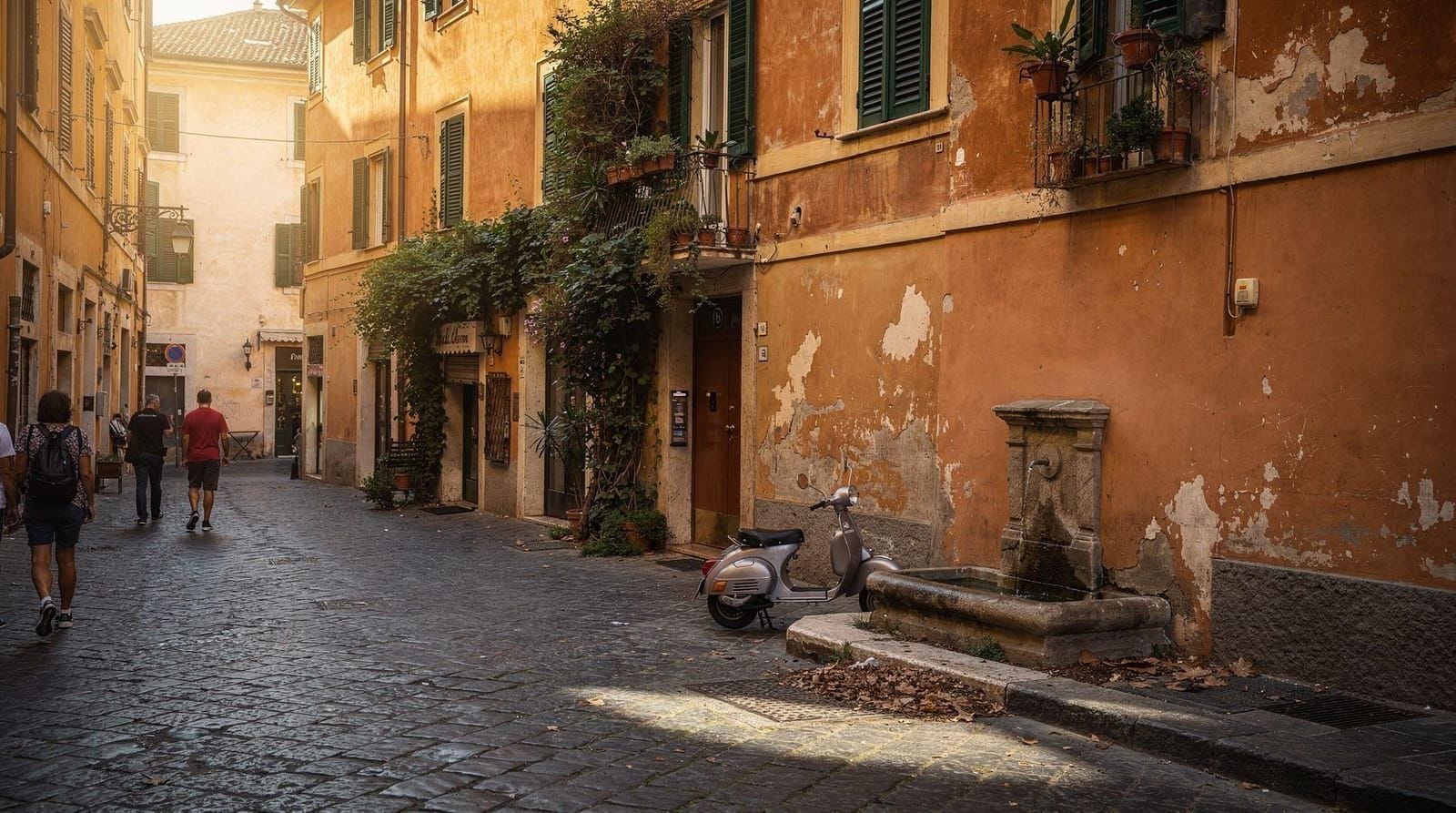
Testaccio is Rome's culinary heartland: the covered market, offal trattorias, pizza al taglio, and genuine local life — a must for serious food lovers.
Rome: Trastevere & Campo de Fiori Street Food Walking Tour
Quick facts
- Metro
- Line B — Piramide (10 min walk)
- Market hours
- Mercato di Testaccio: Mon–Sat 7 am–2 pm
- Character
- Working-class Rome, culinary heartland, unpretentious
- Best for
- Food, market, real Roman dining, offal
- Nightlife
- Clubs inside Monte Testaccio (actual hill made of amphorae)
Testaccio is where Rome eats. Not where tourists eat, or where food guides point you for the “authentic experience” — but where Romans actually go when they want genuine working-class food in a neighborhood that has been feeding the city since before the Republic. The slaughterhouse that operated here from 1891 to 1975 created a cuisine around the “fifth quarter” (quinto quarto) — the organ meats and offal that working families ate when they could not afford prime cuts. That food culture remains and is extraordinary.
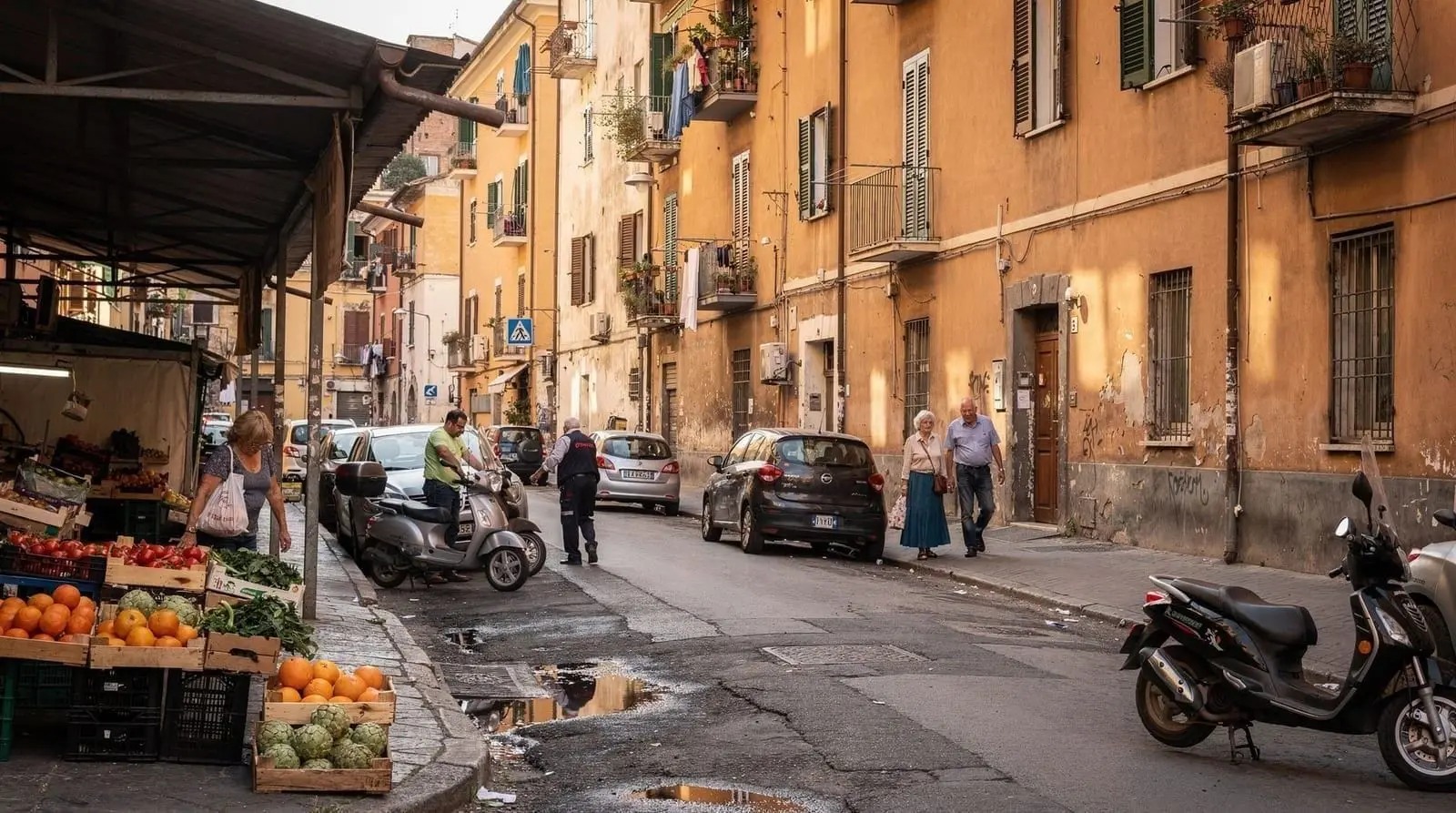
This is an honest guide: Testaccio has become more visible to visitors in recent years, and the Mercato di Testaccio in particular draws food tourism. But compared to Trastevere, it remains genuinely local. You will encounter mostly Romans eating, shopping, and living.
Mercato di Testaccio
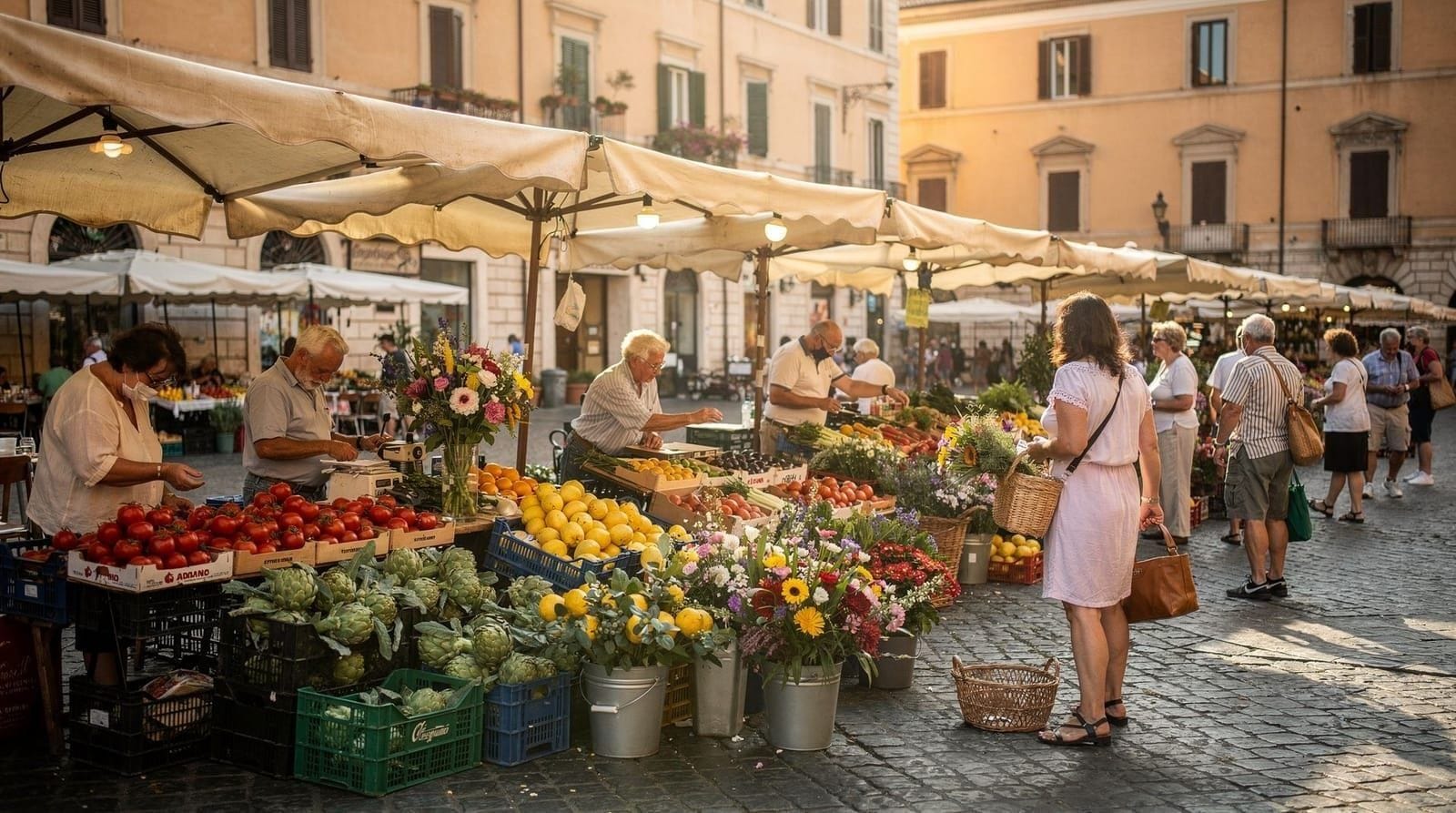
The covered market at piazza Testaccio is one of Rome’s best functioning food markets. It moved indoors in 2012 to a new purpose-built structure; the interior is less atmospheric than the old open market but the vendors are real. Opening hours: Monday through Saturday, roughly 7 am to 2 pm (some stalls until 3 pm).
What to buy and eat:
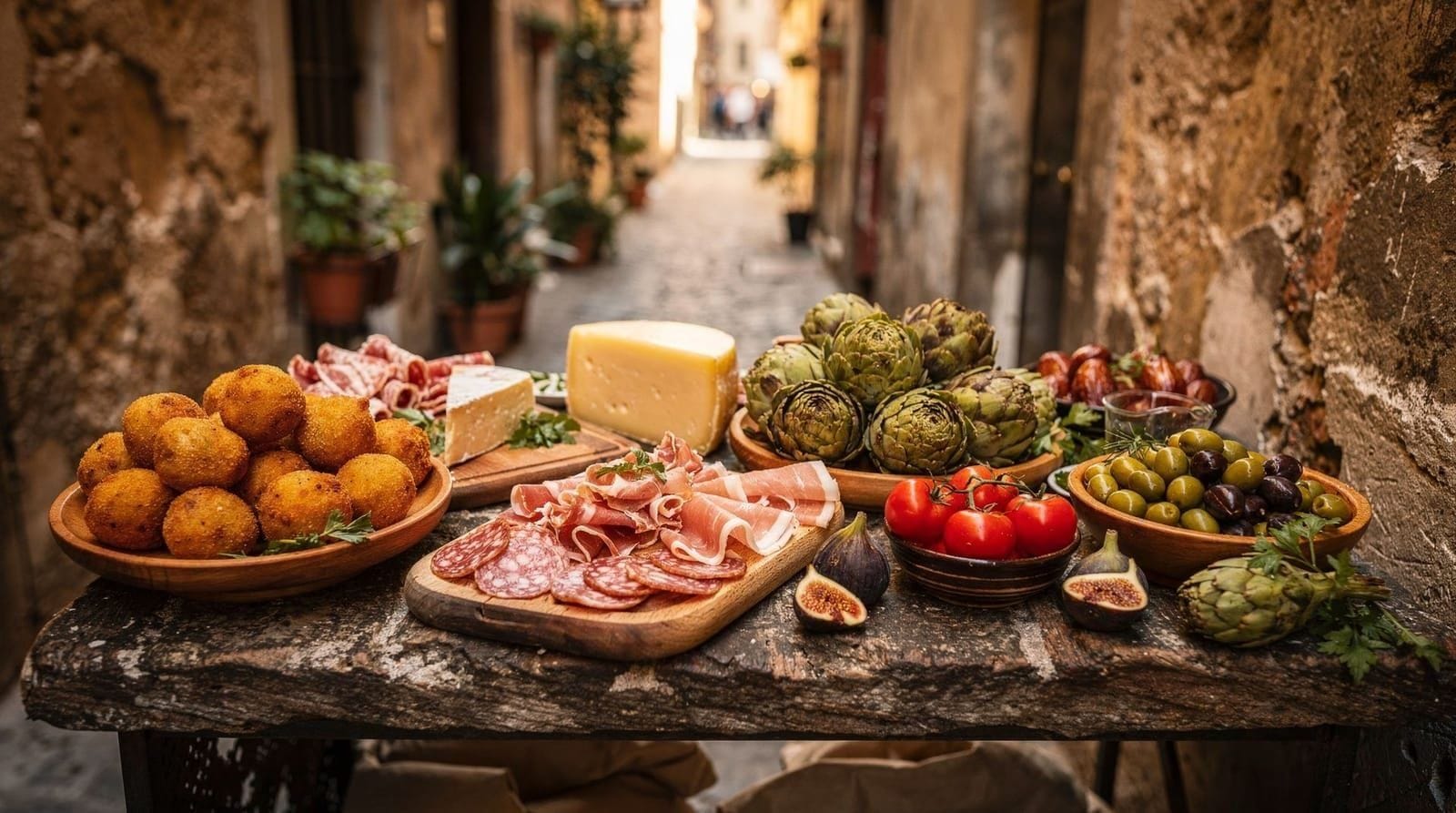
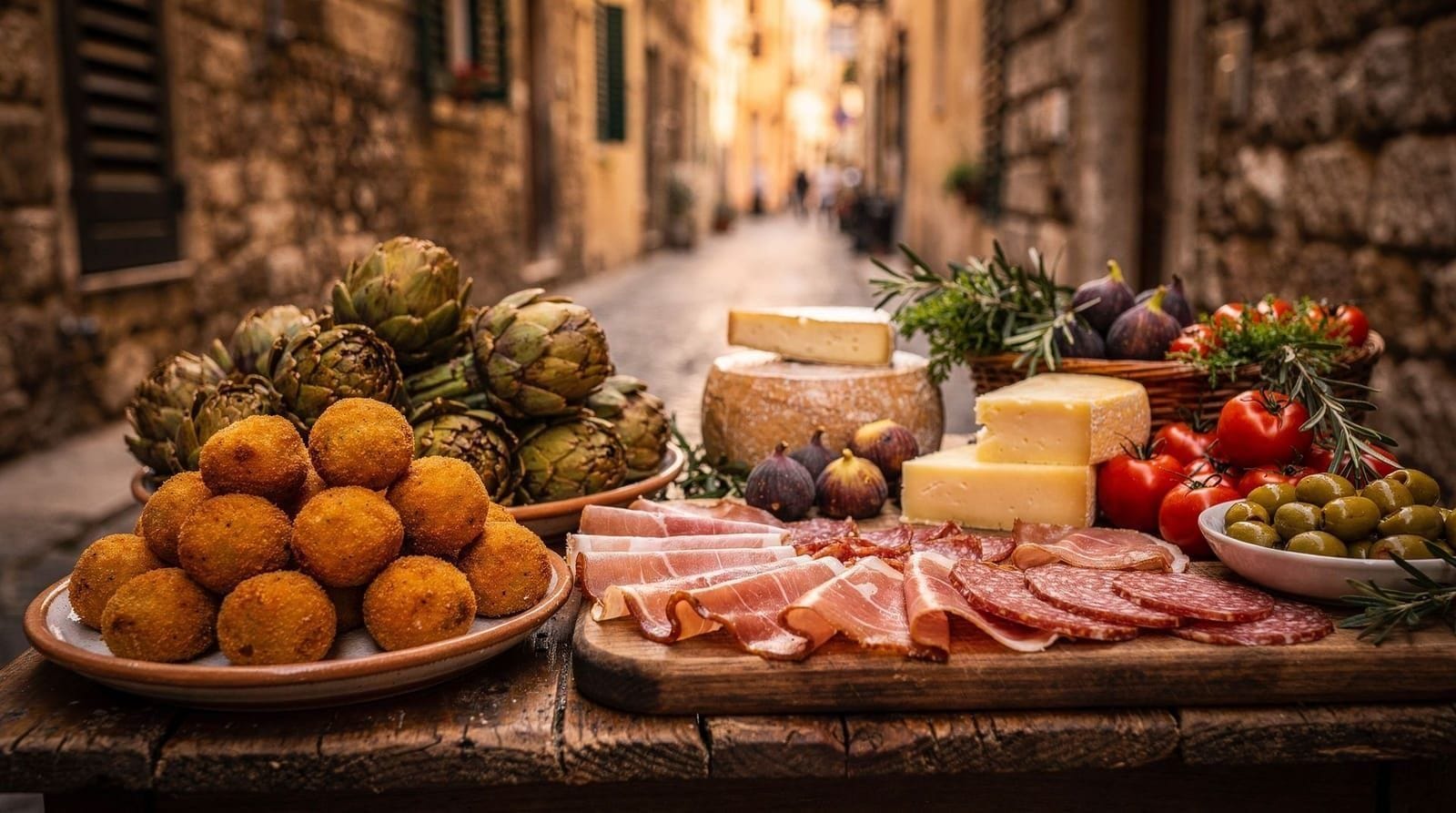
- Box 66 (Food Box) — supplì with complex fillings (not just the standard ragù — try the carbonara or cacio e pepe supplì), porchetta slices, carciofi alla giudia. The supplì here are consistently among the best in the city at €2–3 each.
- Fresh pasta vendors — buy pasta fresca to take away or watch it being made.
- Cheese vendors — genuine Roman and Lazio producers; pecorino romano, cacioricotta, aged bufala.
- Produce — the vegetable sellers are proper greengrocer quality; seasonal produce is real.
Artisanal gelato: Fatamorgana (via Marmorata) is one of Rome’s genuinely interesting gelaterie, known for unusual flavor combinations (basil and walnuts; gorgonzola and honey). Standard artisanal options on the same street.
The food culture: quinto quarto and beyond
The “fifth quarter” cuisine of Testaccio produces dishes that serious food travelers come to Rome specifically to eat:
- Trippa alla romana (Roman tripe in tomato sauce with mint and pecorino) — a Friday dish historically; several trattorias serve it daily.
- Coda alla vaccinara (oxtail stew with celery, tomatoes, cocoa; slow-braised) — the definitive Roman meat dish.
- Rigatoni con pajata (pasta with milk-fed veal intestine; controversial but traditional).
- Abbacchio alla cacciatora (Roman spring lamb with anchovy, rosemary, white wine).
- Coratella (sautéed lamb offal with artichokes in spring).
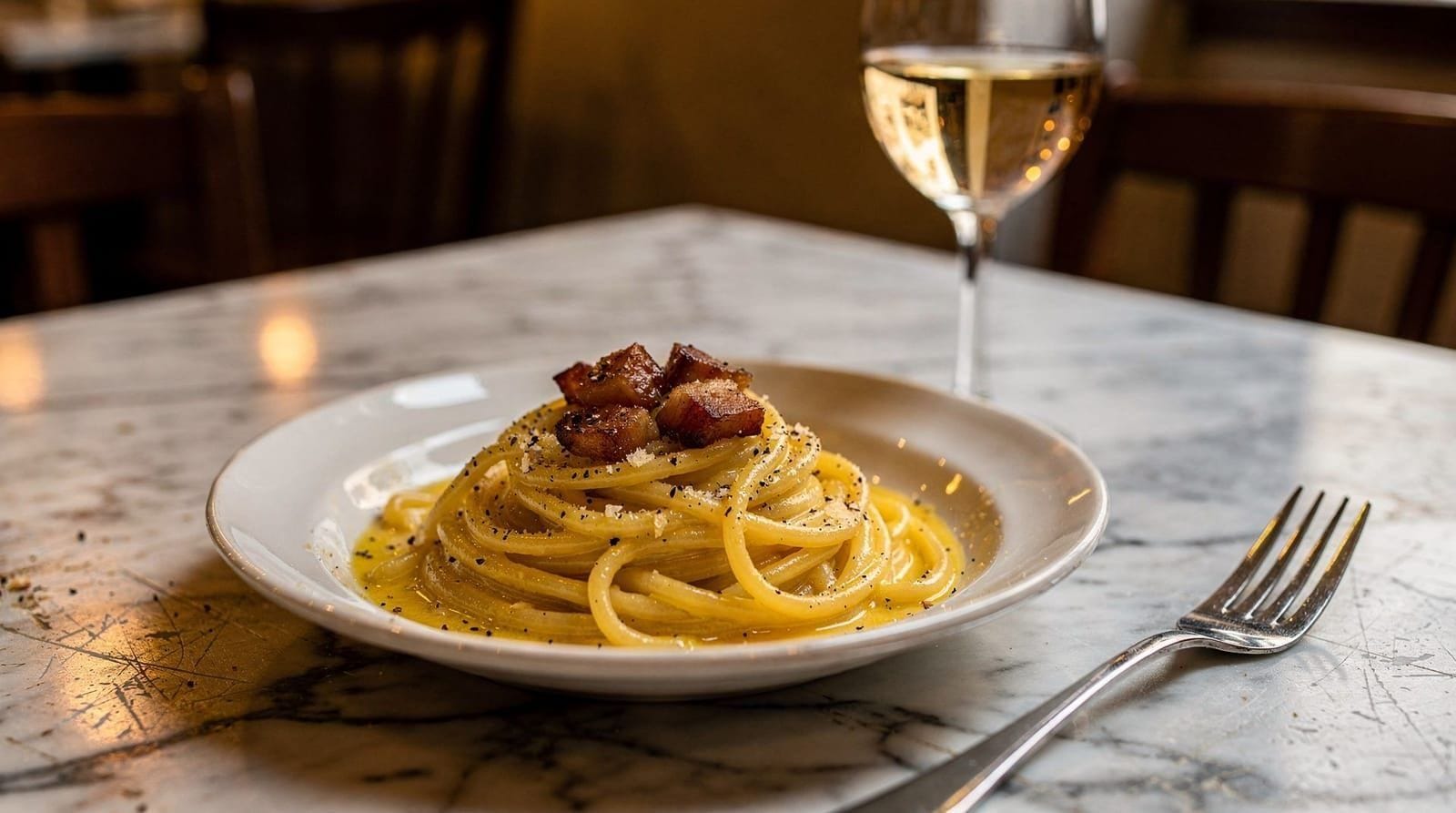
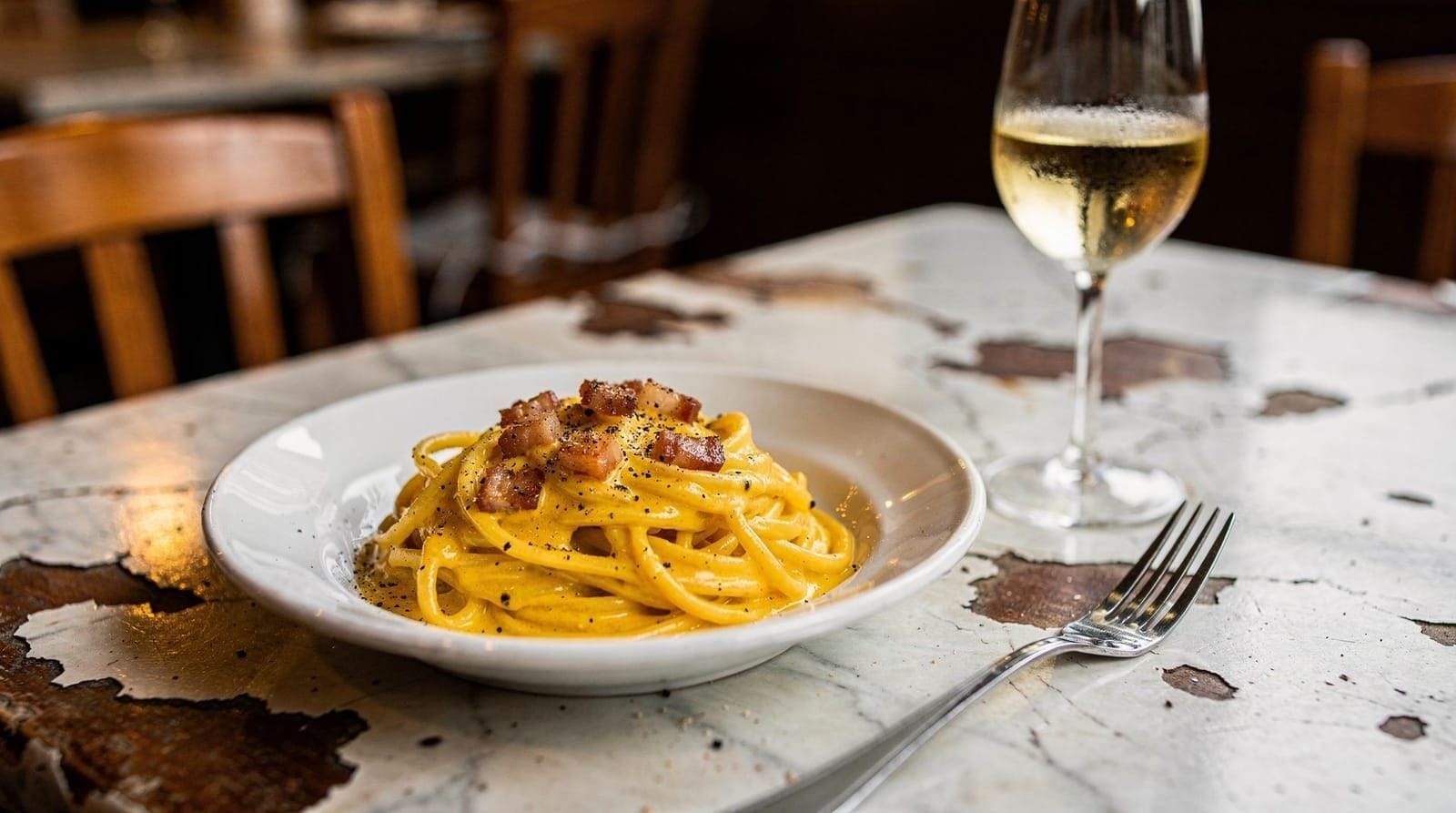
If you are not an offal eater: Testaccio trattorias also serve excellent versions of standard Roman dishes — cacio e pepe, carbonara, carciofi, all at prices typically 20–30% lower than in Centro Storico or Trastevere.
Trattorias worth visiting
- Flavio al Velavevodetto (via di Monte Testaccio) — built into the Monte Testaccio hill; arguably the neighborhood’s best current restaurant for traditional Roman cuisine. Reservations recommended.
- Da Remo (piazza di Santa Maria Liberatrice) — Rome’s most celebrated Roman-style thin-crust pizza; no reservations, usually a queue starting at 7 pm. The pizza is genuinely exceptional.
- Agustarello a Testaccio (via Giovanni Branca) — modest, family-run, full offal menu; not for the faint-hearted and completely authentic.
- Osteria degli Amici — neighborly and unpretentious; good value Roman classics without frills.
- Mercato di Testaccio food stalls — the fastest and cheapest quality food in the neighborhood.
A Roman cooking class covering pizza and pasta with wine gives you the techniques behind these dishes if you want to take the skills home. A street food tour linking Testaccio, Trastevere, and Campo de’ Fiori is a good option for a tasting-led day that covers the breadth of Roman food culture.
Monte Testaccio
The strangest feature of the neighborhood is the hill itself: Monte Testaccio is an artificial mound approximately 35 metres high and 1 km in circumference, composed almost entirely of broken Roman amphorae (testae). From roughly 140 BCE to 250 CE, the Romans unloaded olive oil amphorae from Spain at the river docks here, broke the containers (oil residue made reuse impractical), and dumped the shards. The hill contains an estimated 53 million amphorae — one of the most extraordinary archaeological deposits in the world.
Access to the hill itself is limited (tours available through the Comune di Roma on certain weekends; check the official cultural calendar). The caves and cellars cut into its base now house restaurants and nightclubs with the most unusual geological setting in Italian nightlife.
Nightlife in the caves: The clubs built into Monte Testaccio’s base — including Akab, Classico Village, and others — operate Thursday through Saturday (and some Fridays/Sundays). This is not center-of-Rome nightlife; it is a genuine local scene that has operated in this unusual setting for decades.
Other sights in Testaccio
Protestant Cemetery (Cimitero Acattolico, via Caio Cestio) — one of the most beautiful cemeteries in the world. Keats and Shelley are buried here; the setting is extraordinarily peaceful, with cats roaming among the ancient cypresses. Entry is free (donation encouraged). Open most days; check current hours.
Pyramid of Cestius — a genuine Egyptian-style pyramid built in Rome in 12 BCE as the tomb of Caius Cestius, a magistrate who died with a taste for Egyptian fashion. It is 36 metres high, incorporated into the Aurelian Wall, and is exactly as strange as it sounds. It is adjacent to the Protestant Cemetery and the metro stop.
MACRO Testaccio — an art venue in the former slaughterhouse building; worth checking for current exhibitions.
Via Marmorata — the main commercial street, running from the Pyramid down to the Lungotevere. Supermarkets, alimentari, and real neighborhood life.
Getting there
- Metro Line B to Piramide — 10-minute walk to the market and center of Testaccio.
- Tram 3 from Trastevere or via Marmorata.
- Bus 23 (Lungotevere) or 83, 30.
- On foot from Trastevere: 20-minute walk via Lungotevere or Ponte Sublicio.
Combining Testaccio in your itinerary
Testaccio + Trastevere half-day: Morning market in Testaccio (arrive 9 am) → lunch at a trattoria → walk along Lungotevere to Trastevere for afternoon and evening. Total: 6–7 hours.
Testaccio + Aventino: Testaccio market in the morning → walk up to Aventino for the Orange Garden and Keyhole viewpoint → back down to Testaccio for lunch or aperitivo.
For complete day-by-day planning, see Rome in 3 days and where locals eat in Testaccio.
Connecting to the wider ancient Rome circuit
Testaccio’s position makes it an efficient addition to an ancient Rome day. The Baths of Caracalla (Terme di Caracalla, via delle Terme di Caracalla) are a 15-minute walk south from Testaccio. Built between 212–216 CE under Emperor Caracalla, they were capable of accommodating 1,600 bathers simultaneously and were, in their day, the largest and most architecturally sophisticated bathing complex in Rome. The surviving ruins — two-storey brick structures covering 11 hectares, with partial mosaic floors still in situ — are genuinely enormous and, outside of opera season, rarely crowded.
Practical: Entry approximately €8. The site is open-air and weather-dependent; best on a clear morning. In summer, the Rome Opera stages outdoor productions here (July–August) — tickets available via Opera di Roma; the setting is extraordinary.
Palatine Hill from Testaccio: Via Marmorata leading north, then via dei Cerchi along the base of the Aventine, then via di San Gregorio: approximately 20-minute walk from the center of Testaccio to the Circus Maximus end of the Palatine Hill. The Palatine entrance from the Circus Maximus side is included in the Colosseum-Forum-Palatine combined ticket.
Food shopping and taking Testaccio home
For visitors who want to bring genuine Roman food products back:
- Mercato di Testaccio cheese vendors: pecorino romano (aged sheep’s cheese), cacioricotta, ricotta di fuscella (if available fresh). Vacuum-packed aged pecorino travels.
- Alimentari on via Marmorata: cured guanciale (pork cheek — the key ingredient in carbonara and amatriciana, not pancetta). Some vacuum-packed guanciale is available; check customs restrictions for your destination country.
- Rosetta olive oil: several Lazio olive oil producers sell at the market — Lazio DOP extra-virgin is significantly different from supermarket oils.
- Dried pasta: De Cecco and other quality producers are available in Esquilino supermarkets, but hand-shaped pasta from market vendors is another option.
Note: EU visitors have no restrictions. US visitors cannot import meat products (guanciale) but can bring vacuum-sealed cheese.
Where to stay in Testaccio
Testaccio is rarely the top choice for tourist accommodation because sightseeing density is lower than other central neighborhoods. It is, however, an excellent food-focused base and has some genuinely good value options.
Hotels:
- Several independent B&Bs and small hotels on via Marmorata and side streets; typically €70–120/night for a double.
- The area is quiet by Roman standards at night (excluding the Monte Testaccio club zone) and good for sleep.
- Metro B access to the rest of the city is easy from Piramide.
Roman food culture: understanding the quinto quarto
The “fifth quarter” (quinto quarto) is a concept that requires some explanation to appreciate. When an animal was slaughtered, the cuts were divided: prime cuts (first and second quarter) went to the wealthy; offal and organ meats (the fifth, remaining portion) went to the slaughterhouse workers and working poor of Testaccio.
Necessity produced creativity. The workers developed preparations that turned cheap, perishable parts into dishes that required skill and time to make well — hence the long braise of the coda alla vaccinara, the careful rendering of the pajata. These are not peasant food in the sense of simple food; they are working-class food in the sense of clever, time-intensive, technically demanding preparations.
Today, eating quinto quarto in Testaccio is not poverty tourism. It is engaging with a culinary tradition that has survived here continuously while similar traditions were lost elsewhere, and eating food that requires genuine skill to prepare well. The Roman chefs who make good coda alla vaccinara or trippa alla romana are not making simple things.
For the hesitant: If you are unsure about offal, start with the coda (oxtail). It is a well-exercised muscle (not organ), slow-braised until yielding, with a complex savory-sweet sauce involving celery, tomato, and a small amount of cocoa. It tastes like the best possible beef stew. Work up from there.
The MACRO Testaccio and contemporary Testaccio
The arts center in the former mattatoio (slaughterhouse building), MACRO Testaccio, hosts exhibitions, performances, and events in an industrial space that is itself architecturally interesting. Programming changes regularly; check current schedule. The slaughterhouse itself (late 19th century, designed by architect Gioacchino Ersoch) is one of Rome’s finest examples of functional industrial architecture.
The neighborhood has gentrified somewhat over the past 20 years — the presence of food-tourism has brought up prices, and some blocks near the market and piazza have the slightly manicured feel of a neighborhood that knows it is being watched. But the residential streets further from the market (via Giovanni Branca, via Amerigo Vespucci, toward the Pyramid) remain genuinely working and entirely unpretentious.
Piazza di Santa Maria Liberatrice — Testaccio’s main piazza has a church (1900, replacing an older structure), several bars and restaurants, and regular neighborhood activity. Da Remo, Rome’s most famous Roman pizza restaurant, opens onto this piazza.
The Appian Way and catacombs from Testaccio
Testaccio sits at the beginning of the ancient Appian Way — the Via Appia Antica, begun in 312 BCE, ran from Rome to Brindisi on the heel of Italy. The first few kilometres outside the Aurelian Wall pass through the catacombs district. From Testaccio, you can walk south along the Lungotevere and then turn east to reach the Via Appia entrance in about 25–30 minutes, or take bus 118.
The catacombs of San Callisto and the other major catacomb complexes along the first 3 km of the Appian Way make a half-day addition to a Testaccio morning. See Appia Antica for the full guide to the road and catacombs.
Testaccio for a long lunch
The proper Roman approach to Testaccio is not a quick visit — it is a long lunch. This is not a neighborhood you rush. The market, the browsing, the pre-lunch aperitivo (a glass of house white at a bar while standing), the two-course trattoria meal with wine and water, the espresso to finish, the walk home along the Lungotevere: this is a 3–4 hour experience in total.
Budget approximately €25–35 per person for a full trattoria lunch with wine (more at Flavio al Velavevodetto, slightly less at Agustarello or Alle Carrette). Add €3–6 for market snacks. It is one of Rome’s best-value meals relative to quality.
Seasonal note: Carciofi (artichokes) are at their best from February to April, when the Roman and Sardinian varieties arrive fresh. Testaccio in artichoke season is exceptional — the market vendors have them raw, and every trattoria is preparing carciofi alla giudia and carciofi alla romana.
Testaccio vs Trastevere vs Monti for a food-focused visit
Rome has several neighborhoods that market themselves on food and local character, but they deliver quite different things:
| Testaccio | Trastevere | Monti | |
|---|---|---|---|
| Food identity | Quinto quarto, market, working-class Roman | Broad, touristy but still good, riverside | Wine bars, boutique restaurants |
| Crowd level | Low–moderate, mostly local | High, especially evenings | Moderate |
| Best time to visit | Morning (market) | Evening | Evening (aperitivo) |
| Nightlife | Clubs inside Monte Testaccio | Bars, late and loud | Wine bars, quiet by midnight |
| Sightseeing density | Low | Moderate | Moderate–high (near ancient Rome) |
If market shopping and quinto quarto cuisine are the draw, Testaccio has no real substitute. If you want riverside evening atmosphere with restaurants at every turn, Trastevere delivers that, at the cost of being more visibly touristy. Monti sits between the two — quieter and more boutique than Trastevere, closer to ancient Rome sightseeing than Testaccio. Many visitors do well combining a Testaccio morning with a Trastevere or Monti evening rather than choosing only one.
Vegetarian options beyond the quinto quarto tradition
Testaccio’s food identity is built around meat and offal, but a vegetarian visitor is not stuck for options. The market itself is a good starting point — the produce stalls sell serious seasonal vegetables, and several trattorias handle Roman vegetable dishes with the same care they bring to the offal menu: carciofi alla giudia (Jewish-style fried artichokes, best February–April), carciofi alla romana (braised with mint and garlic), pasta e ceci (pasta and chickpea soup), and puntarelle in season (a bitter chicory dressed with anchovy paste — ask for it without the anchovy if needed). Cacio e pepe and pasta al pomodoro are on essentially every trattoria menu and are done properly here.
For a fully vegan visit, options are more limited but not absent: the market’s produce and bread stalls, plus a handful of trattorias that will make a genuinely good aglio e olio or a vegetable-based primo on request. Calling ahead or asking clearly when you sit down works better than expecting a dedicated vegan menu — Testaccio’s kitchens are traditional rather than trend-driven, but most will accommodate a clear, polite request.
A Roman pasta-making class is a good complementary activity if you want to learn the vegetable-forward side of Roman cooking (cacio e pepe, aglio e olio) alongside the neighborhood’s more meat-heavy reputation.
Frequently asked questions about Testaccio
Is Testaccio only for offal eaters?
Not at all. The quinto quarto tradition is central to the neighborhood’s food identity, but every trattoria in Testaccio serves excellent versions of standard Roman pasta (carbonara, cacio e pepe, amatriciana) and non-offal meat dishes. The market stalls cover a wide range. Come for the food culture regardless of your dietary preferences.
What time should I go to the Mercato di Testaccio?
Aim for 9–10 am on a weekday. Earlier (7–8 am) is for serious buyers; by 1 pm some stalls are already packing up. Saturday morning is the most lively but also most crowded. Closed Sundays.
How do I get to Testaccio without a car?
Metro B to Piramide, then 10 minutes on foot. Tram 3 from Trastevere. No need for a car or taxi within the neighborhood — it is compact and walkable.
What is the Pyramid of Cestius?
A real Egyptian-style pyramid, 36 metres high, built in 12 BCE as a tomb. It is integrated into the Aurelian Wall next to the Piramide metro stop. Entry to the interior is possible on certain Saturdays (book via the archaeological authority website); the exterior is always visible.
Is Testaccio good for vegetarians?
The quinto quarto tradition is entirely meat-based. However, the market has excellent fresh produce, and Roman cuisine includes several good vegetable dishes — carciofi alla giudia, pasta e ceci, bean soups. Several trattorias can accommodate vegetarians; check menus before sitting.
What is the best restaurant in Testaccio?
Flavio al Velavevodetto consistently ranks among the top choices for traditional Roman cuisine in a genuinely atmospheric setting (inside Monte Testaccio). Da Remo is the top choice specifically for Roman pizza. Both require early arrival or reservation.
Is Testaccio better than Trastevere for a food-focused visit?
They serve different purposes. Testaccio has the market and the quinto quarto tradition — better for a food-focused morning and lunch. Trastevere has more restaurants per block and a livelier evening scene, though more geared toward visitors. Many people do well combining a Testaccio morning with a Trastevere evening.
Are there good vegetarian options in Testaccio?
Yes, despite the neighborhood’s meat-heavy reputation. Carciofi (artichokes, best February–April), pasta e ceci, puntarelle, and standard Roman pastas like cacio e pepe are all done well here. Vegan options are more limited but achievable if you ask clearly at a trattoria.
Top experiences
Bookable activities with verified prices and instant confirmation on GetYourGuide.