Rome on a Budget: 3 Days
Rome: City Sightseeing Hop-on Hop-off Bus with Audioguide
Quick answer: Rome is one of Europe’s best cities for budget travel. Most of the ancient monuments are free to view from outside, the first Sunday of each month brings free entry to state museums including the Colosseum, hundreds of free drinking fountains (nasoni) eliminate bottled water costs, and a full meal of genuine Roman food can cost under 12 €. A realistic three-day budget is 80-100 € per person per day including accommodation.
Most of what makes Rome great costs nothing or very little. The city itself is the museum: you walk past the Pantheon on the way to the market, the Colosseum is visible from half a dozen free viewpoints, and the Forum stretches for nearly a kilometre of free sightseeing from the road above it. Budget travel here is not about missing things — it is about knowing which things cost money and which don’t.
The single most useful fact: Italy’s state museums, including the Colosseum and Roman Forum, offer free admission on the first Sunday of each month (Prima Domenica del Mese). If you can time your trip to include one of these Sundays, you save 18-24 € per person on the most expensive single ticket in the city. Queues are long; arrive 30-45 minutes before opening. The queue for the Colosseum on a free Sunday can reach 500-600 people by 9:30 am; the queue for Via Sacra (free viewpoint over the Forum from the road) never exceeds ten.
For a complete breakdown of Rome’s free and reduced-price options, see free things to do in Rome and Rome free entry days. For a detailed cost breakdown with real numbers, the Rome 3-day budget breakdown lays out exactly what a realistic budget trip costs by category.
EU citizens under 18 enter all state museums for free. EU citizens aged 18-25 receive a 50% discount at most state museums. Non-EU visitors under 18 pay reduced rates. These discounts stack with free Sundays — on the first Sunday of the month, the discounts are irrelevant because entry is free for everyone.
| Where | Centro Storico, Testaccio, Trastevere, Monti, Celio |
| Cost | around 60-95 €/day per person, all-in |
| Time needed | 3 days minimum, 4 is more relaxed |
| Getting around | walking + occasional bus/metro (around 1.50 €/ride) |
| Best time | first Sunday of the month, or shoulder season (April-May, Sept-Oct) |
Getting around without paying too much
Rome’s historic center is compact enough that a determined budget traveler can walk almost this entire itinerary; the ATAC public transport network is there for the days your feet give out. A single ticket costs around 1.50 € and covers 100 minutes of bus, tram, or metro travel with transfers; a 24-hour pass runs about 7 €, and a 3-day pass around 18 € — only worth it if you’re making 4+ rides a day, which this itinerary mostly doesn’t require. Buy tickets at tobacco shops (tabacchi), metro station machines, or via the official Roma Mobilità app; validate on boarding, since inspectors do fine tourists who forget. See getting around Rome for the full breakdown of lines and fares.
Skip the Roma Pass unless your math works out. It bundles transport with 1-2 free museum entries and discounts at others, but at 32-52 € depending on the version, it rarely beats paying separately if you’re already timing a free Sunday and sticking to mostly-free sights. Run the numbers with is the Roma Pass worth it before buying — for this specific budget itinerary, the answer is usually no.
Where budget travelers actually sleep
Testaccio and San Lorenzo (just east of Termini) have Rome’s best-value hostels and budget guesthouses — genuinely local neighborhoods with 20-40 € dorm beds and 50-70 € private rooms, a short bus or metro ride from the center rather than a 15-minute walk from every sight. Staying near Termini station itself is cheaper still and puts you on the Leonardo Express line for the airport, but the immediate station area feels less pleasant after dark than Testaccio. Avoid paying a premium to sleep inside Centro Storico or Trastevere on a tight budget — you’ll spend the savings on rent, not food. The best areas to stay in Rome guide compares all the neighborhoods on price and character, and Rome tourist traps to skip flags the overpriced restaurants clustered around the sights you’ll be visiting on this route.
Day 1: The Ancient Center on a Budget
Start at 8:30 am on Via Sacra — the main road above the Roman Forum — which offers a free elevated view over the entire site from Capitoline Hill to the Arch of Titus. No ticket, no queue, and you can see the Colosseum and most of the Forum’s major structures from this vantage point. On a non-free Sunday, a combined Forum/Palatine/Colosseum ticket costs 18 € (EU residents aged 18-25 get a reduced rate of 9 €; under-18 EU citizens enter free). If this is your free Sunday: join the queue at the Colosseum by 9:00 am and expect to wait 45-90 minutes.
From the Colosseum area, walk to Capitoline Hill — the piazza designed by Michelangelo, the view over the Forum from the back terrace, and the equestrian statue of Marcus Aurelius (a copy; the original is in the Capitoline Museums) are all free. The Circus Maximus is free and gives a sense of the scale of Roman chariot racing; it is largely grass but the dimensions tell the story.
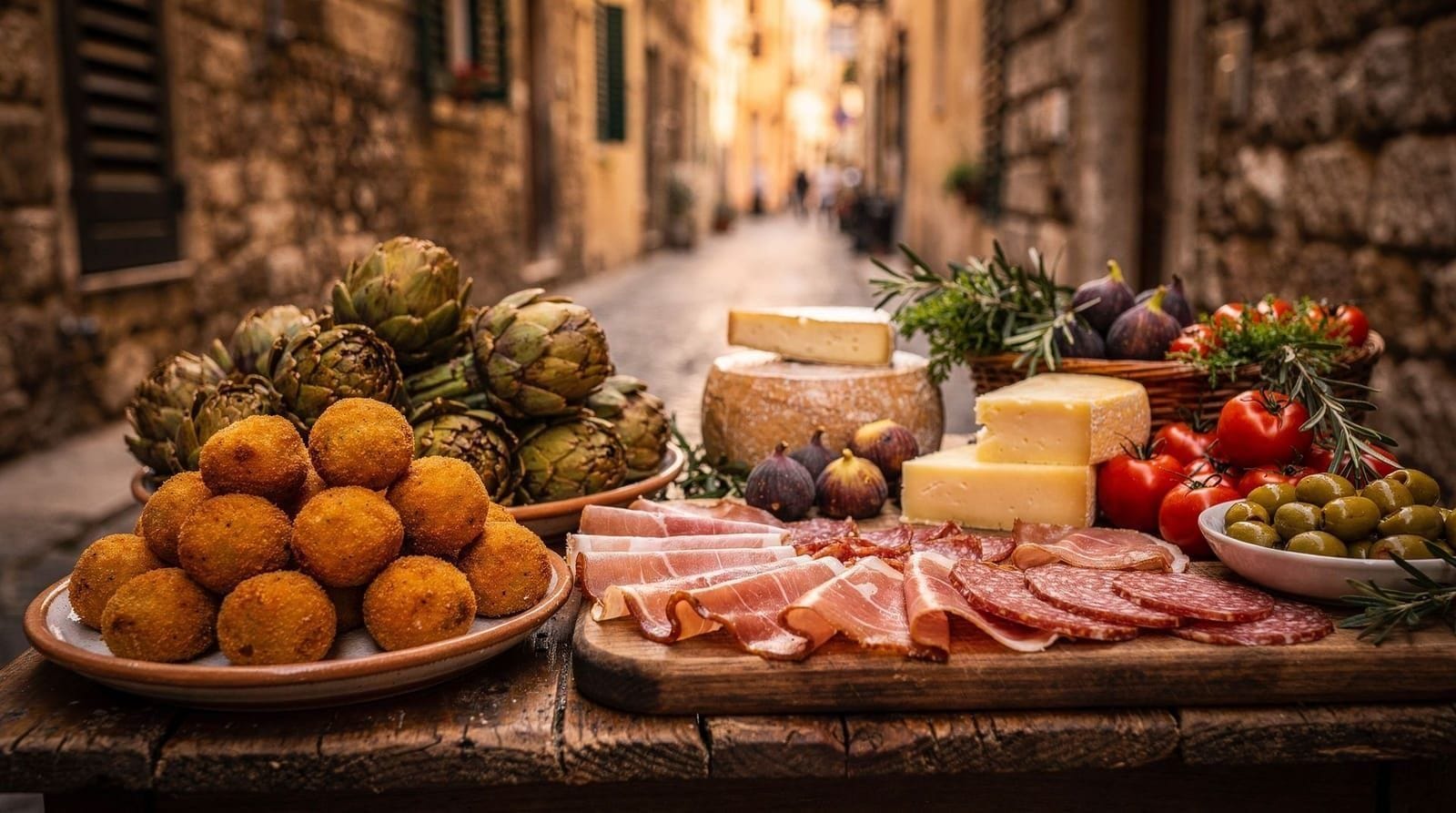
Lunch in Testaccio, Rome’s food neighborhood. The Mercato Testaccio (Tuesday-Saturday mornings) has stalls selling supplì (fried rice balls, about 1.50 €), pizza al taglio (2-3 € per slice), and Roman street food at prices that haven’t been adjusted for tourists. The Testaccio food guide covers the best stalls in detail.
Afternoon: Aventino neighborhood is free. The Orange Garden, the Knights of Malta Keyhole, and the church of Santa Sabina (free, remarkable 5th-century wooden doors) are a relaxed 90-minute walk requiring zero entry fees. The view from the Aventine over the Tiber toward Trastevere is one of Rome’s best.
Dinner: cook your own or find a pizza al taglio shop. For a sit-down meal under 15 €, Testaccio trattorias are your best option — look for lunch menus that run until 3:00 pm, or dinner at family-run places off the main streets.
The Aventine neighborhood on the evening walk gives you the Orange Garden terrace view and the Knights of Malta Keyhole for free — two of Rome’s best views, both completely without admission charge.
Budget tracker, Day 1: Colosseum ticket 18 € (or 0 € on free Sunday), Testaccio lunch 6-8 €, gelato 2-3 €, dinner 12-15 €, Metro/bus 1.50 €/ride = approximately 38-44 € on paid day, 20-26 € on free Sunday.
Day 2: the Historic Center for Free
Almost everything on today’s route is free.
Start at the Pantheon (5 € entry, pre-booked, opens 9:00 am). This is one of the few paid entries in the budget itinerary, and it is worth it: the dome and oculus are one of the most extraordinary architectural spaces in the world, and the ticket includes the interior of the building that has stood continuously since 125 AD. Book in advance to avoid the walk-up surcharge.
From the Pantheon, everything is free: Piazza Navona (five minutes’ walk, Bernini’s Fountain of the Four Rivers, free), Campo de’ Fiori (morning market, free to browse), and the Jewish Ghetto (historic streets, free).
The Trevi Fountain is free. Throw a coin if you choose; the cost of the coin is optional. Go mid-afternoon or after dark when the crowd thins. The Spanish Steps are free. The Borghese Gardens are free. Walking along the Tiber embankment toward Castel Sant’Angelo is free.
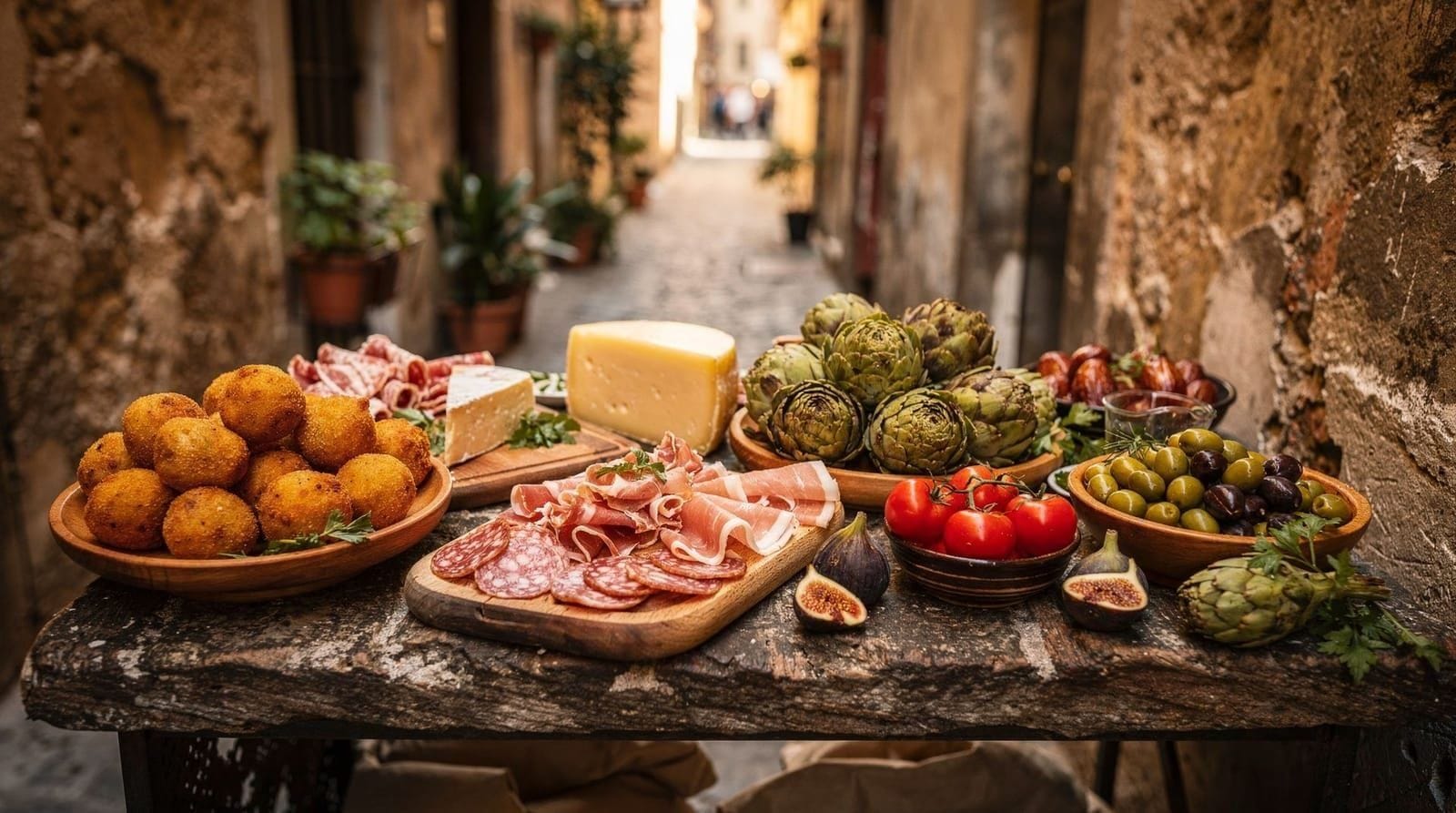
Cheap lunch option: Buy groceries at a Conad, Carrefour Express, or LIDL supermarket (there are branches throughout the center) and picnic in Borghese Gardens or Villa Doria Pamphilj. A decent picnic — cheese, prosciutto, bread, fruit, a small bottle of wine — costs 6-8 € per person and you eat better than most tourist restaurants at twice the price. The Mercato Trionfale near Prati (Via Andrea Doria, open Monday-Saturday mornings) is Rome’s largest covered market and sells every kind of Italian produce at local prices; it is worth the 15-minute walk from the Vatican area.
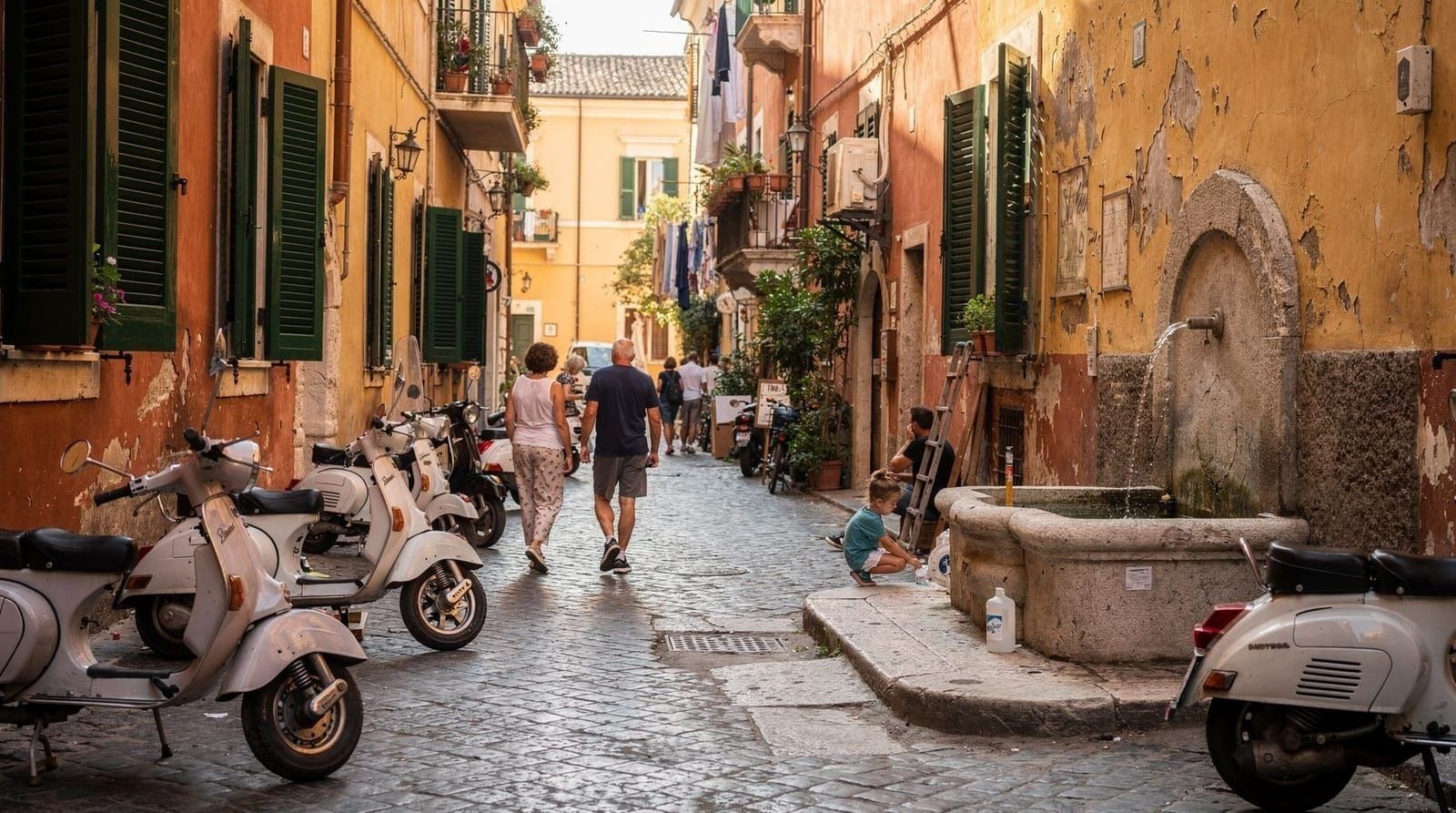
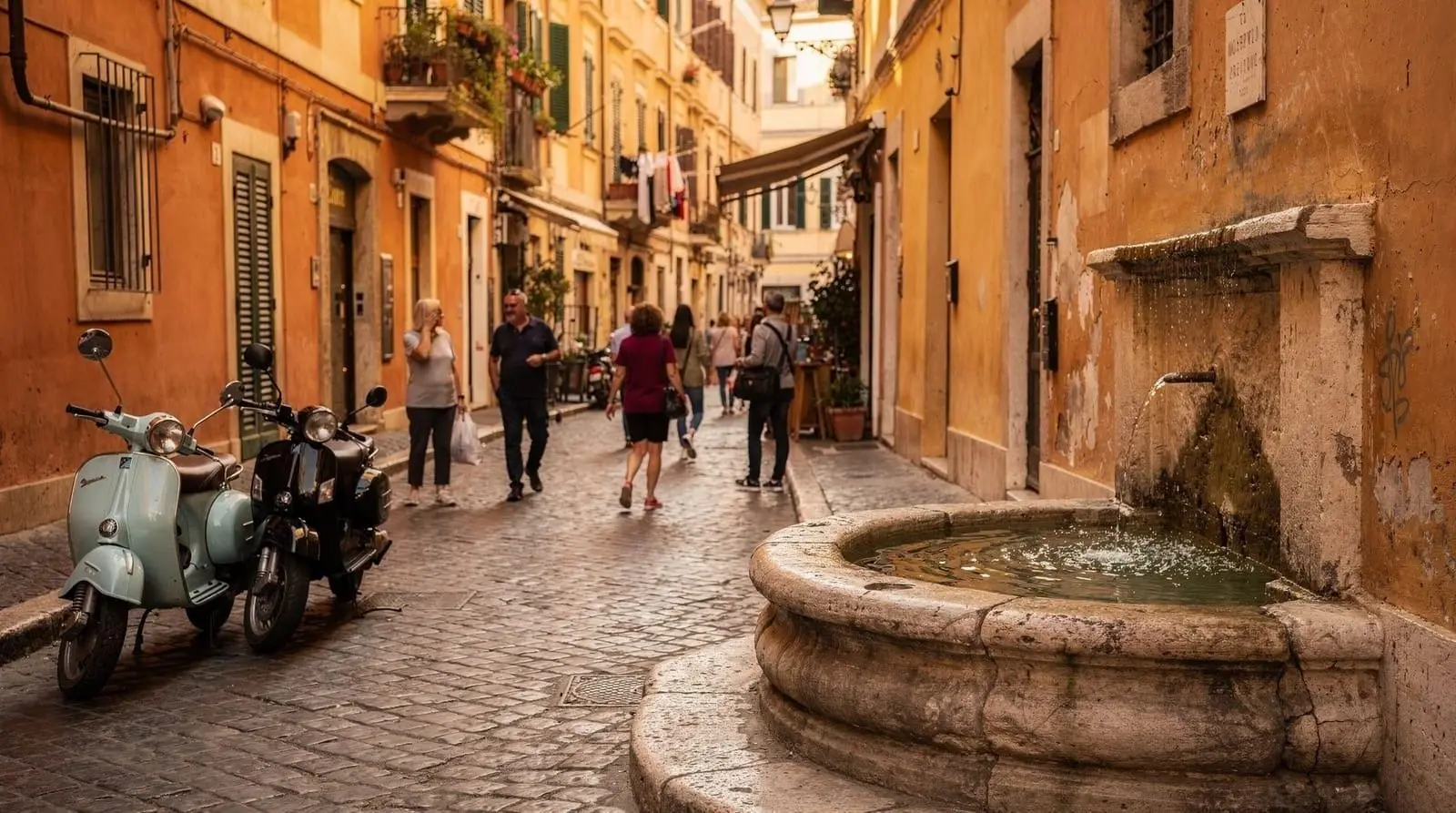
Nasoni: Rome has over 2,500 free drinking fountains. The water is cold, clean, and runs constantly. Carry a reusable bottle and refill throughout the day; you will never need to buy bottled water. See nasoni: Rome’s free water guide for the map and etiquette.
Afternoon: churches are free. Santa Maria Maggiore, San Clemente (the underground basilica costs 10 €), and the four major basilicas have no admission charge during visiting hours. San Luigi dei Francesi, a five-minute walk from Piazza Navona, holds three Caravaggio paintings in a side chapel — free to view, in the world’s greatest accidental gallery context.
Evening: aperitivo hour in Monti or Trastevere. Many bars offer a free buffet of snacks (olives, bruschette, small bites) with the price of a drink (6-9 €); a Spritz and the snacks can substitute for a full dinner if you ate a substantial lunch. Alternatively, find a bar offering an aperitivo buffet and treat it as dinner.
Budget tracker, Day 2: Pantheon 5 €, picnic lunch 7 €, gelato 2-3 €, aperitivo and dinner 15-20 € = approximately 30-35 €.
Day 3: Trastevere, Hop-on Hop-off Option, and the Last Afternoon
Start in Trastevere early — before 9:00 am is ideal. The neighborhood is quiet, the light is good, and the streets feel like a real city rather than a tourist destination. The Basilica of Santa Maria in Trastevere is free and has 12th-century mosaics worth ten minutes of standing still.
If you have not yet covered the Vatican area, St. Peter’s Square and the Basilica interior are both free. The queue for the Basilica itself moves quickly in the morning; allow 45 minutes. The Vatican Museums require a paid ticket (19-25 €) — on a strict budget, skip the Museums and see the square and basilica; this is honest advice and you will not regret it.
For a lazy way to see more of the city without committing to walking, a hop-on hop-off bus ticket is useful on the last day when your feet are tired and you want to take in views from the top deck without planning a route.
Rome: City Sightseeing hop-on hop-off bus with audioguideThe 24-hour ticket (about 25 €) covers multiple routes and stops near all the major sights. It is one of the few paid experiences that delivers good value for a budget traveler covering the outer ring of sights — EUR, Appia Antica, the Borghese area — in a single pass.
Afternoon: Appia Antica is free to walk. The ancient road, the Catacombs of St. Callixtus (entry fee applies: 8 €, closed Wednesdays), and the ruined tombs along the roadside are accessible by bus (line 660 from Colli Albani Metro) or on foot from the city center. Sundays the road is closed to cars, making it the best day to walk. See the Appian Way and aqueducts guide for routes and logistics.
Budget total across 3 days (rough estimate): Accommodation 40-60 € per night (budget hostel or mid-range option), food 25-35 € per day, entry fees 25-50 € total depending on free Sunday alignment, transport 12 € (3-day bus/metro pass). Total per person: approximately 200-280 € over three days.
Budget eating in Rome
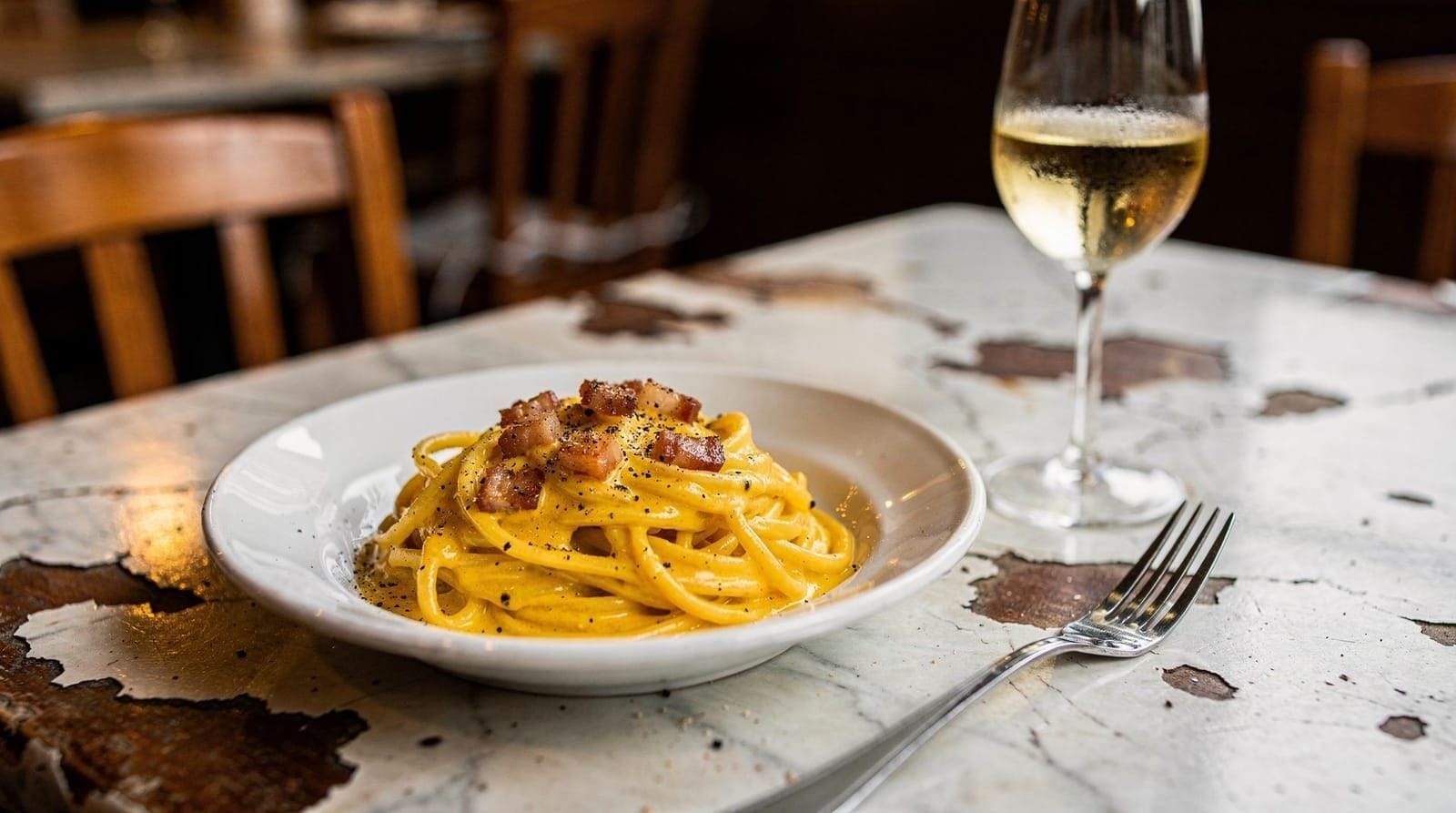
The five Roman pastas — cacio e pepe, amatriciana, carbonara, gricia, and cacio e pepe — are the cheapest proper meals in the city when ordered at the right places. Avoid anywhere with photos on the menu or a host standing outside. Sit-down lunch at a trattoria (primo piatto + house wine) costs 12-18 €; the same dinner costs 18-25 €.
Pizza al taglio is Rome’s great budget food: sold by weight from counters throughout the city, typically 15-20 € per kilo (so a generous slice is 2-4 €). The best versions are in Testaccio, Monti, and Prati.
Street food in Testaccio market: supplì (1.50 €), artichoke alla giudia (3-4 €), fried baccalà (2-3 €). The market runs Tuesday-Saturday mornings; arrive by 11:30 am before the best stalls run out.
Gelato: 2-3 € for a small cup at a proper gelateria (one that makes its product on-site and keeps it in covered metal containers, not piled up in towers of fluorescent mounds). The best gelato guide lists the honest options by neighborhood.
Coffee: A standing espresso at a bar is 1-1.50 €. The same coffee sitting down is 2.50-4 €. Stand at the bar.
Three days at a glance
| Day | Morning | Afternoon | Evening | Spend |
|---|---|---|---|---|
| 1 | Colosseum / Via Sacra view | Capitoline Hill, Circus Maximus | Testaccio dinner | 20-44 € |
| 2 | Pantheon, Piazza Navona | Trevi, picnic lunch, churches | Aperitivo in Monti | 30-35 € |
| 3 | Trastevere, St. Peter’s Square | Hop-on hop-off, Appia Antica | Free evening walk | 35-40 € |
Frequently asked questions
Is 3 days enough to see Rome on a budget? Yes, for the core sights covered in this itinerary — ancient Rome, the historic center, Trastevere and the Vatican square. You’ll skip the Vatican Museums and most paid extras, but you’ll see everything that makes Rome free and remarkable. For a fuller trip with day trips or the Vatican Museums, plan 4-5 days instead; see how many days in Rome.
Do I need a Roma Pass for a budget trip? Usually not. This itinerary is built around free sights and a single free Sunday where possible; the Roma Pass mostly pays off for travelers doing 3+ paid museums plus heavy transit use, which isn’t the budget-traveler pattern. Check Roma Pass vs Omnia if you’re tempted.
Top experiences
Bookable activities with verified prices and instant confirmation on GetYourGuide.