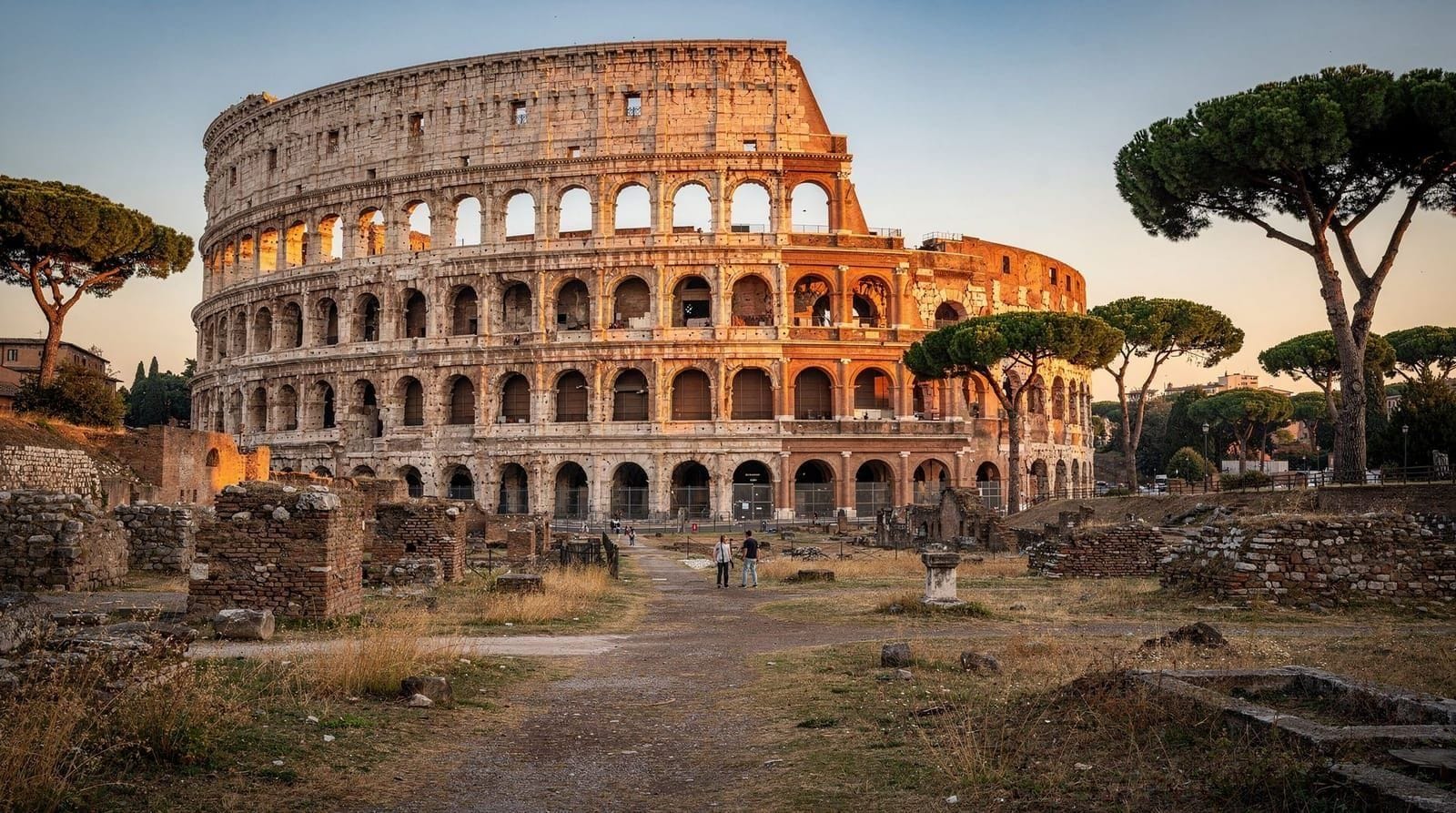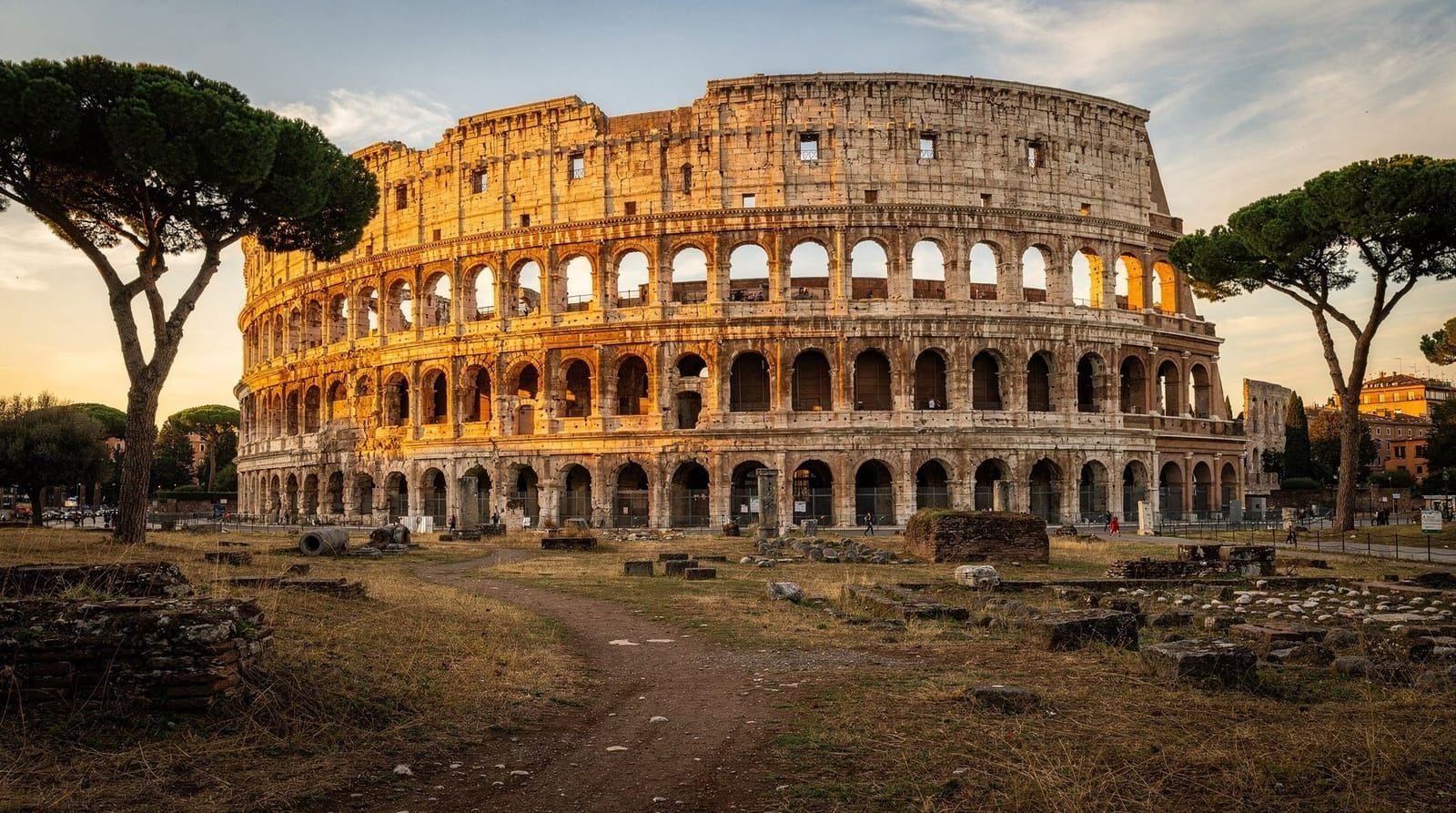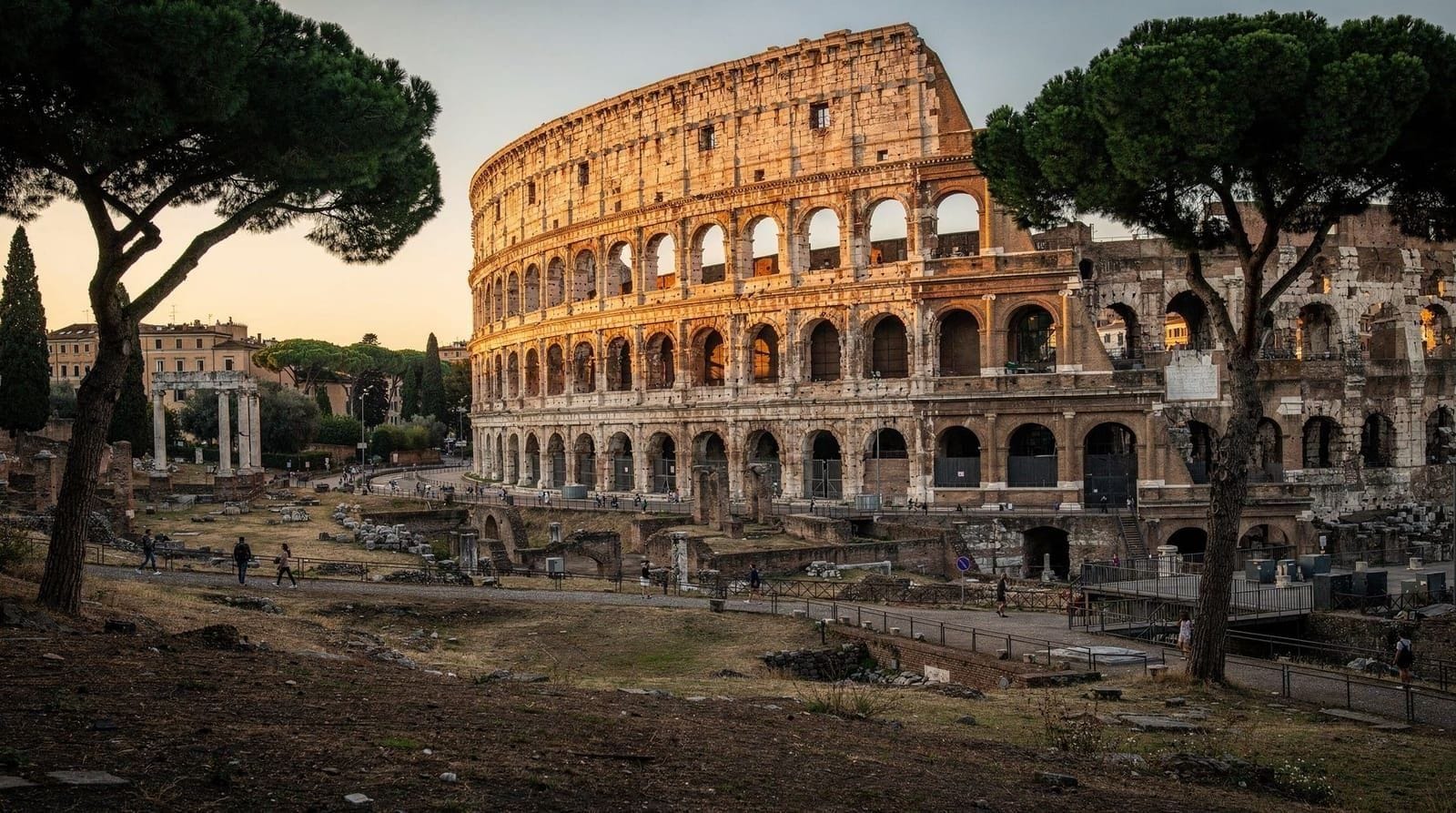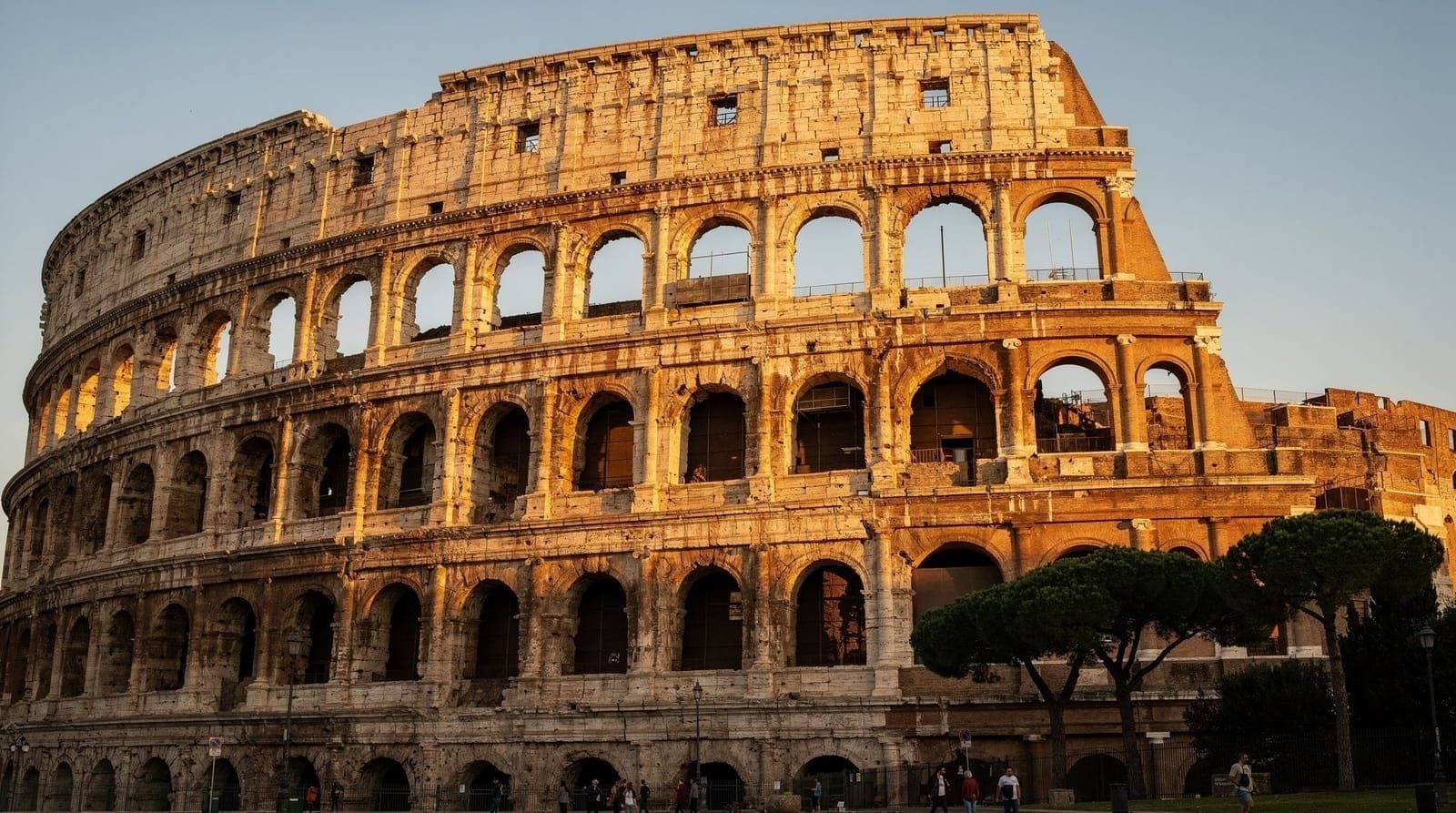
Is the Roma Pass worth it in 2026? An honest assessment
The Roma Pass comes up in every Rome planning conversation, and the honest answer to “is it worth it” is: sometimes yes, often no, depending on a specific set of variables that most articles don’t bother to spell out. This is an attempt to give you the actual numbers.
| 48h price | €32 — 1 free attraction, transport included |
| 72h price | €52 — 2 free attractions, transport included |
| Break-even | Roughly 3+ paid attractions in 72 hours |
| Big catch | Doesn’t skip Colosseum queue — you still book a slot |
| Best paired free entries | Colosseum + Borghese Gallery |
What the Roma Pass is
The Roma Pass is a tourist card sold by the Rome municipality. It comes in two formats:
- 48-hour pass: €32 — free entry to one attraction, reduced entry (at least 50% off) to subsequent attractions, unlimited public transport included.
- 72-hour pass: €52 — free entry to two attractions, reduced entry to subsequent ones, unlimited public transport included.
The pass is purchased online (recommended) or at tourist info points and some metro stations. It activates on first use. The transport element covers all Rome public transport — metro, buses, trams — within the city limits.
The critical point that most articles bury
The Roma Pass does not let you skip queues at the Colosseum. This is the most common misunderstanding about it, and it affects the value calculation significantly.
If you want to use the Roma Pass for Colosseum entry, you must:
- Buy the pass.
- Separately log into the Coopculture booking portal.
- Book a specific timed entry slot using your pass number.
- Without a pre-booked slot, you join the walk-up queue and wait — potentially 1–2 hours on a busy day.
The booking portal for Roma Pass holders opens 30 days ahead and slots fill fast in high season. This means buying the pass at the airport and expecting to visit the Colosseum the next morning is not a viable plan. You need to book both the pass and the Colosseum slot in advance, roughly simultaneously.
The Colosseum tickets guide covers this booking process in more detail.
The break-even calculation
To assess whether the pass saves money, you need to know what you’d pay for the same attractions separately.
Key attraction prices in 2026 (approximate):
- Colosseum + Roman Forum + Palatine Hill: €18 (standard ticket, no guide)
- Borghese Gallery: €15 entry
- Vatican Museums + Sistine Chapel: €21 (online booking fee included)
- Capitoline Museums: €15
- Castel Sant’Angelo: €14
- National Roman Museum (Palazzo Massimo): €12
- Pantheon: €5
Roma Pass 72h (€52) scenario: Free entry value: up to two attractions. Best case: Colosseum (€18) + Borghese Gallery (€15) = €33 free value. Reduced entry for subsequent attractions: typically 50% off, so maybe €7 per attraction instead of €14–15. Transport included: a 48-hour transport pass is €7, a 100-minute ticket is €1.50.
If you use the pass for the Colosseum plus Borghese, get 50% off two more paid attractions, and use the transport substantially, you’re at approximately:
- Two free entries: €33
- Two reduced entries (50% off €15 average): €15 saved instead of €30 = €15 saved
- Transport (3 days): roughly €12–15 in equivalent ticket cost
Total value captured: approximately €60–63 against a cost of €52. Marginal positive. The margin shrinks if your free-entry choices are lower-value attractions or if you walk rather than use transport.
Roma Pass vs paying separately: the headline comparison
| Scenario | Cost | Approximate value captured | Verdict |
|---|---|---|---|
| Roma Pass 72h, Colosseum + Borghese, heavy transport use | €52 | €60–63 | Marginal positive |
| Roma Pass 48h, Colosseum only, light transport | €32 | €35–40 | Slim margin |
| Paying separately, walking everywhere, 2 attractions | Varies, usually lower | N/A | Often cheaper than the pass |
Roma Pass 48h (€32) scenario: One free entry (best case: Colosseum at €18). Reduced entry for one or two more. Transport for 2 days (~€9 in tickets). Total value: roughly €35–40 against €32 cost. Slim margin.
When it’s clearly not worth it
- You’re visiting for two or more days but only planning two paid attractions total.
- You’re basing yourself close to the main sights and walking everywhere.
- You’re visiting in winter when transport costs are lower (you walk more, fewer hot days requiring metro).
- You’ve already booked individual skip-the-line tickets for the Colosseum and Vatican via a tour operator — those tickets don’t stack with the pass.
- The Vatican Museums are your priority: the Roma Pass gives reduced entry but the Vatican is not a “first free” site, because it belongs to Vatican City, not Italy.
When it’s genuinely worthwhile
- You’re doing 4+ paid attractions in 72 hours and using public transport daily.
- Your itinerary includes the Colosseum and Borghese Gallery as your two free entries.
- You’re staying somewhere that requires metro use rather than walking.
- You’re comfortable with advance booking logistics and will book the Colosseum slot at the same time you buy the pass.
The Omnia card comparison
The OMNIA Vatican and Rome Card is the competitor product and includes Vatican Museums access as the headline feature. It’s priced at €113 and includes Vatican Museums, Colosseum, public transport, and hop-on-hop-off bus access. For most visitors it’s more expensive than the Roma Pass and not better value unless the Vatican Museums are the priority and you’d otherwise pay full price separately.
The Roma Pass vs OMNIA comparison guide does the detailed numbers. Short version: Roma Pass is better value for most non-Vatican-focused itineraries.
The booking logistics in practice
Buy the Roma Pass online from the official Roma Pass website before your trip. Note your pass number immediately. Log into the Coopculture.it booking portal and reserve your Colosseum slot using the pass number. Book the Borghese Gallery separately via its own reservation system (the Borghese operates an independent slot system with a strict 180-person-per-2-hour cap, requires booking 10+ days ahead in peak season, and the Roma Pass discount applies but doesn’t simplify the booking process).
The logistics are manageable but they require attention. The pass doesn’t work as a spontaneous purchase.
If you’d rather skip the pass entirely
For visitors who decide the Roma Pass math doesn’t work for their itinerary, booking a skip-the-line Colosseum ticket directly is often the simpler and occasionally cheaper route, especially for a short 2-3 day visit where the transport allowance goes largely unused.
Colosseum, Roman Forum and Palatine Hill skip-the-line ticketThis also avoids the two-step booking process (buy pass, then separately book the Coopculture slot) and is the more straightforward option if getting around Rome mostly on foot, since the pass’s transport allowance is one of its main value drivers.
Final verdict
Roma Pass is worth it for the organised visitor who: is doing 3+ paid attractions in 72 hours, includes the Colosseum as a free entry, uses metro transport regularly, and books in advance. It is not worth it for spontaneous visitors, those who primarily want the Vatican, or those whose itinerary is heavy on free attractions (churches, piazzas) and light on paid ones.
The city passes comparison guide has a broader assessment of all Rome tourist cards if you want to compare options before deciding. For a step-by-step walkthrough of buying and activating the pass itself, see the Roma Pass guide; for those whose itinerary is genuinely light on paid attractions, the Rome on a budget guide covers a lower-cost approach that skips city passes altogether. And if the Borghese Gallery is one of your two planned free entries, its own booking guide is essential reading given the strict advance-booking requirement.
Frequently asked questions
Does the Roma Pass let me skip the Colosseum queue? No. It covers the cost of entry but you still need to separately book a specific timed slot through the Coopculture portal using your pass number. Without that booking, you queue like any other visitor.
Is the Roma Pass worth it for a 2-day trip with only two attractions planned? Usually not. The break-even point is around three or more paid attractions plus regular public transport use within 72 hours. For a lighter two-attraction itinerary, paying separately is often cheaper, especially if you’re walking rather than using the metro.