Rome street food guide: supplì, pizza al taglio, trapizzino and more
Rome: Trastevere & Campo de Fiori Street Food Walking Tour
What is the best street food in Rome?
The must-tries are supplì (fried rice balls), pizza al taglio (pizza by the slice, sold by weight), trapizzino (pizza-pocket filled with Roman braises) and maritozzo con la panna (sweet brioche with whipped cream, a breakfast staple). Carciofi alla giudia (fried artichokes) are essential in spring. Avoid anything near the Trevi Fountain that doesn't say 'artigianale.'
Rome’s street food tradition is older than tourism
Roman street food is not a modern invention for tourists. The thermopolia — ancient Roman fast food counters with sunken clay pots of hot food — served the city’s working population for centuries. Archaeologists have excavated hundreds of them at Pompeii. The tradition of eating quickly, cheaply and well on the street is as Roman as the Colosseum.
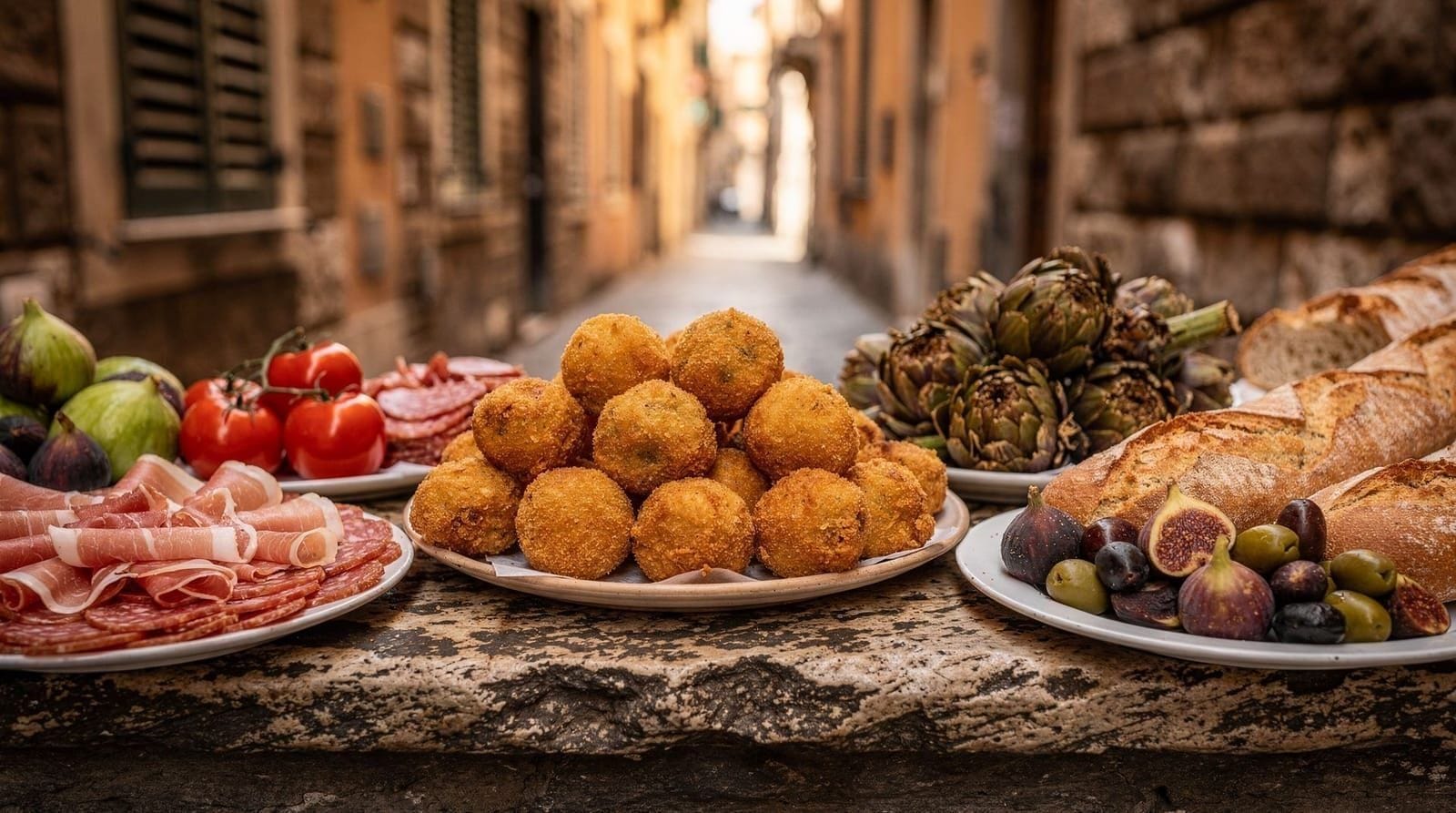
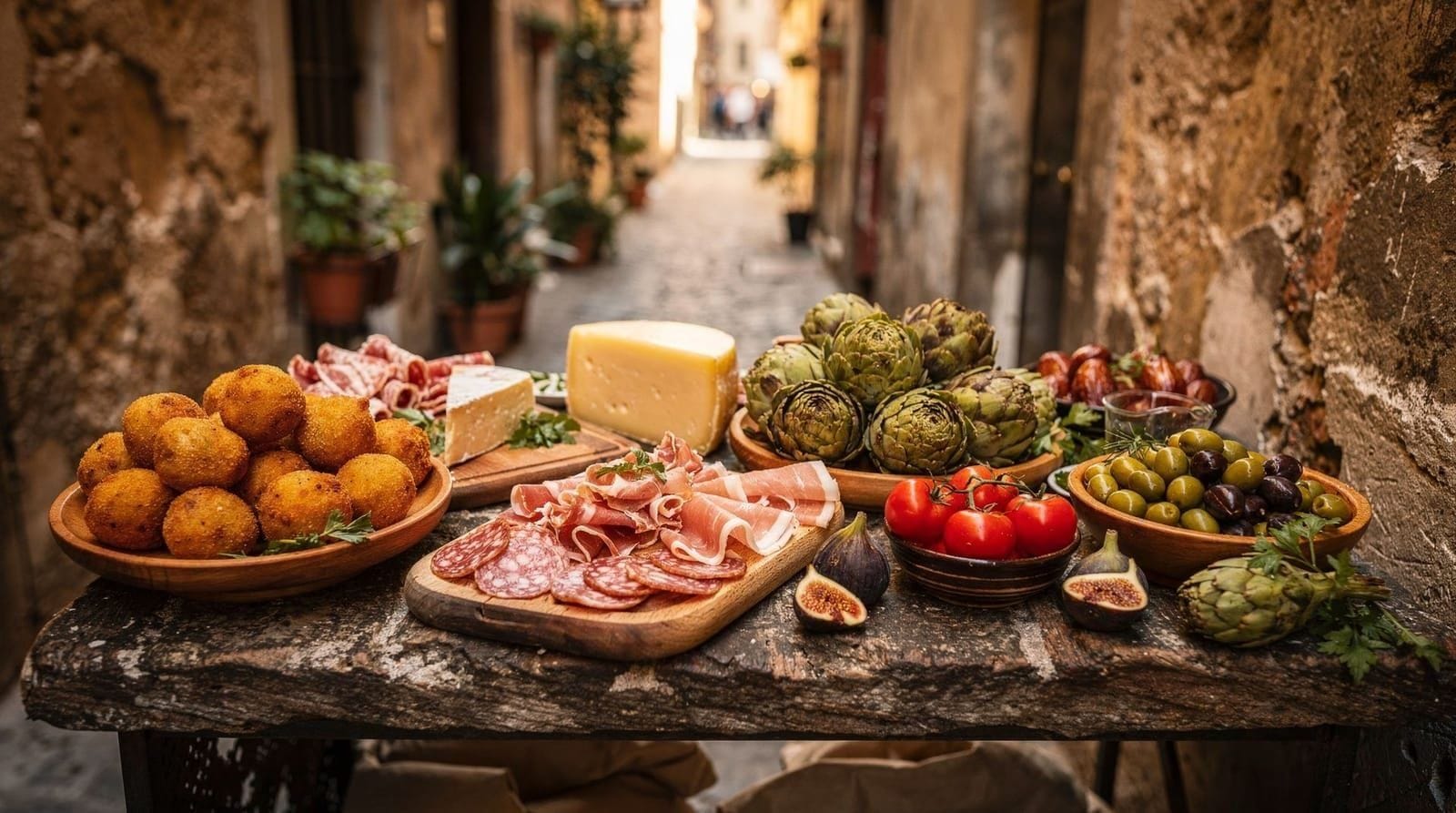
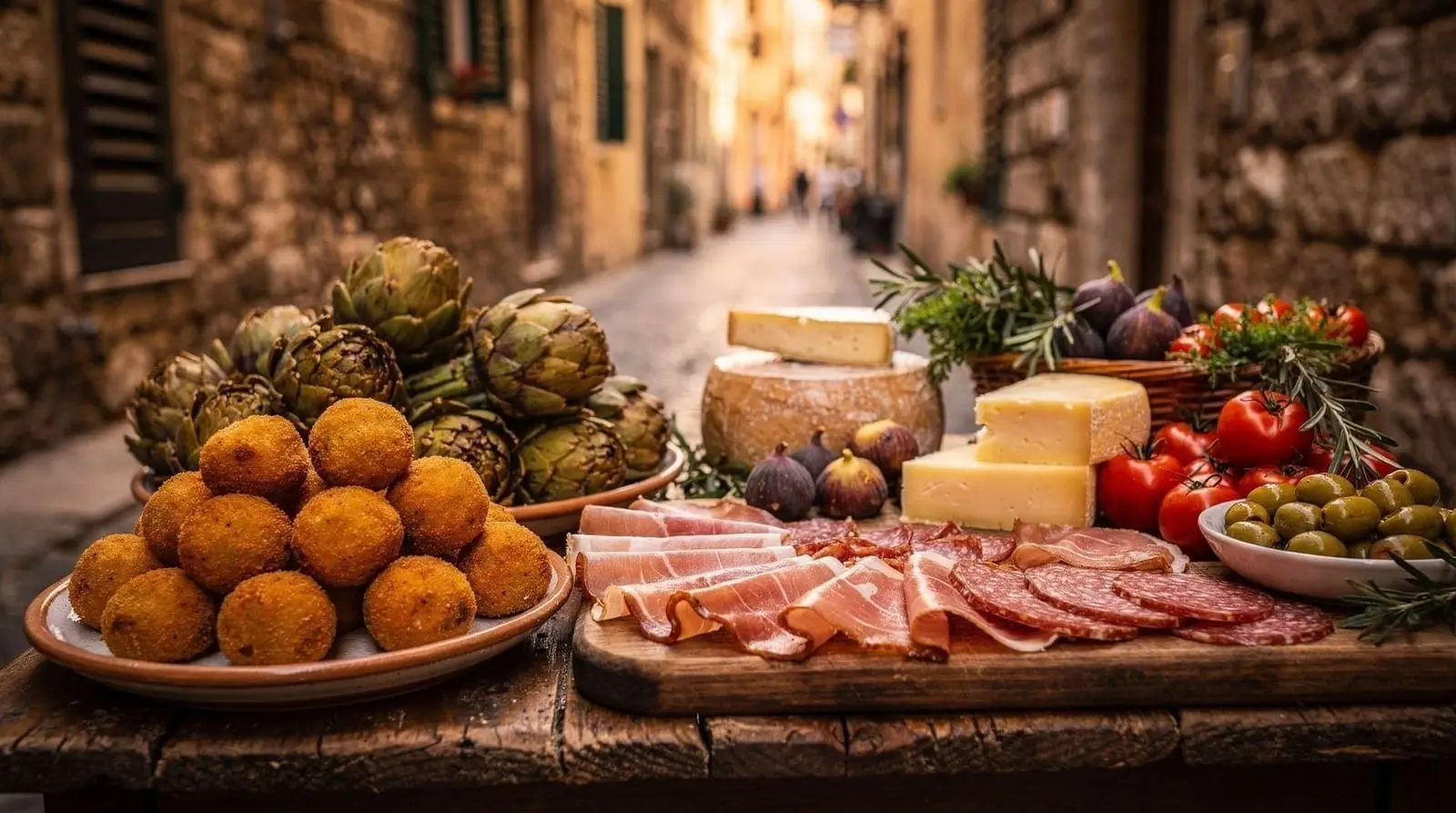
The modern version of this tradition includes supplì, pizza al taglio, the trapizzino, the maritozzo, carciofi alla giudia and a handful of other things that can be eaten while walking or standing. This guide covers each one honestly: what it is, what a good version looks like, what you should pay, and where to find the best examples.
The broader principle: the best street food in Rome is not on the main tourist streets. It is in covered markets, on the side streets of working neighborhoods, and at a handful of destination shops that Romans themselves seek out.
| Item | Fair price | When to eat it |
|---|---|---|
| Supplì | €1.50–2.50 | Anytime, hot from the fryer |
| Pizza al taglio | €3–5 per 100g | Lunch |
| Trapizzino | €3.50–4 | Lunch or light dinner |
| Maritozzo con la panna | €2.50–4 | Breakfast, 07:00–10:00 |
| Carciofi alla giudia | €9–16 | Late Feb–April only |
| Baccalà fritto | €3–5 per piece | Fridays, Jewish Ghetto tradition |
Supplì al telefono — the Roman fried rice ball
Supplì is the Roman equivalent of the Sicilian arancino — but different in character. Where arancino is often saffron-yellow and large, supplì is elongated, coated in breadcrumbs, and filled with ragù and mozzarella. The “al telefono” designation refers to the cheese that strings between the two halves when you pull it apart — like a telephone cord (pre-smartphone era, obviously).
What a good supplì should be: Hot through, crispy golden breadcrumb exterior, rice that’s properly cooked and seasoned, a visible ragù center and a mozzarella core that has actually melted. Weight around 100-120g — substantial enough to be a meal component, not a canapé.
What a bad supplì is: Pre-made, microwaved to order, with a rubbery cheese center that hasn’t fully melted. The rice tastes of fridge. This is the version sold near tourist attractions.
Price: €1.50-2.50 is correct. More than €3 for a standard supplì is tourist-zone pricing.
Where to find them:
Supplì Roma (Via di San Francesco a Ripa 137, Trastevere): the dedicated supplì shop that has become a reference point. The original classic and a few variations. Queue moves fast. Usually sold out by early evening.
Mercato di Testaccio (Piazza Testaccio, Mon-Sat): the stall inside the covered market is reliable and surrounded by local shoppers. Context makes them taste better.
Da Remo (Piazza di Santa Maria Liberatrice 44, Testaccio): technically a pizzeria, but the supplì served here as starters are consistently excellent. Order them before the pizza.
Pizzarium (Via della Meloria 43, Prati): Bonci Gabriele’s pizza shop (see below) also does supplì — made with the same attention to ingredients.
Pizza al taglio — by the cut, by the weight
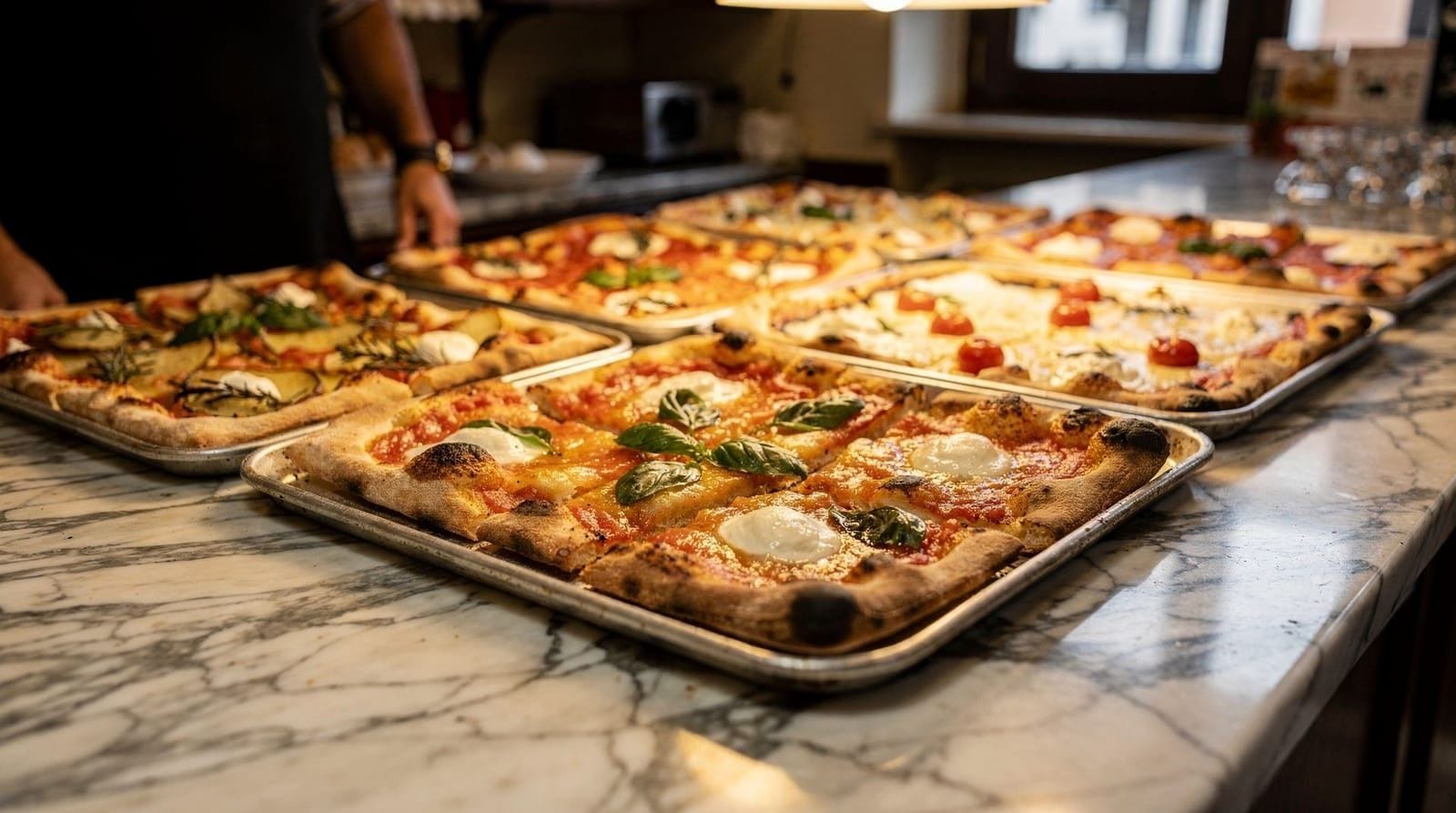
Pizza al taglio is Rome’s working lunch. A rectangular slab of pizza sold from a glass-fronted counter, cut to order, and priced by weight. The buying process: point to what you want, the server scissors a piece and puts it on the scale, you see the weight and price, and pay. You can ask for more or less — “un po’ di più” (a little more) or “meno” (less).
The Roman al taglio style is different from Neapolitan pizza: the crust is thicker, airier and chewier — designed to hold toppings without collapsing and to be eaten without a plate. Good al taglio has a blistered, golden underside with a bit of char; the crumb is open and slightly chewy. A bad version has a doughy, dense crust that sits heavily.
Price: €3-5 per 100g is standard in central Rome. A good-sized piece (200-250g) runs €7-12. Avoid anywhere charging flat rates above €10 for a single piece without explaining why.
Toppings: The classics are margherita (tomato and mozzarella), bianca (olive oil, rosemary, sea salt — no tomato), and potato (thin-sliced potato, rosemary, olive oil). Seasonal specials rotate. The quality of the olive oil and the freshness of the toppings matter enormously.
The reference point:
Pizzarium (Via della Meloria 43, near Ottaviano-San Pietro metro): Bonci Gabriele’s shop is considered the best al taglio in Rome — possibly in Italy. The dough uses a long cold fermentation and a high-hydration technique that produces an exceptionally open, airy crumb. Toppings change seasonally and include some combinations that shouldn’t work but do (fermented zucchini with smoked fish, for example). The queue outside is real but moves in 5-10 minutes. Arrive between 12:00-13:00 for the widest selection.
Other worth-knowing options:
Forno Campo de’ Fiori (Campo de’ Fiori 22): the historic bakery on the market square does excellent pizza bianca — white pizza with olive oil and rosemary, sold by the slice. The simplest version done well.
Angelo e Simonetta (Via del Gracchi, Prati): neighborhood al taglio shop serving the local population, not tourists. Good rotation of toppings, consistent quality, slightly cheaper than Pizzarium.
Pane e Salame (Via del Boschetto, Monti): a Monti favorite for bianca pizza stuffed with mortadella or prosciutto — the sandwich form of al taglio.
Trapizzino — the hybrid
The trapizzino was invented in 2008 at Stefano Callegari’s Testaccio shop and has since expanded to a small chain. It’s both genuinely creative and genuinely Roman: a triangular pocket of pizza dough (the name combines “tramezzino,” the Italian sandwich, with “pizza”) filled with classic Roman braises.
The fillings:
- Coda alla vaccinara: oxtail slow-braised with tomato, celery, raisins and pine nuts — a recipe from the old slaughterhouse workers. Sweet, rich, deeply savory.
- Pollo alla cacciatora: chicken hunter’s style, stewed with olives, capers and rosemary.
- Carciofi alla romana: artichokes braised with mint and garlic.
- Parmigiana: eggplant Parmesan variation.
- Seasonal specials.
Price: €3.50-4 each. Two trapizzini plus a beer is a complete lunch.
Locations: Via Branca 88 (Testaccio, the original), Via Giovanni Branca; also Trastevere, Monti and near the Vatican. The Testaccio original is the most atmospheric, set in a small room with a queue that forms at lunch.
The honest view: The trapizzino concept is clever and the food is good. But it has also been copied by worse operators — look for the original chain locations, not the imitators. If the pocket looks dense and the filling tastes of canned tomato, you’re not at a good one.
Maritozzo con la panna — the Roman breakfast
The maritozzo is one of the most genuinely pleasing foods in Rome, eaten by virtually everyone at some point in the morning. It’s a soft, lightly sweetened brioche bun (less rich than a French brioche, with a more substantial crumb), split horizontally and filled with an extravagant amount of unsweetened fresh whipped cream.
It’s a breakfast food. Romans eat it standing at the bar between 07:00 and 10:00, with an espresso or cappuccino. It is not typically eaten after lunch — this would be strange, though no one would stop you.
What to look for: A bun that’s golden and soft, not dried out. Cream that’s been piped generously and fills the entire interior. The cream should be unsweetened — the sweetness comes from the bun, not the filling. If the cream is stiff, pre-piped and refrigerator-cold, it was made hours ago; ask for a fresh one.
Price: €2.50-4 at a traditional bar. Specialty places charge more.
Where to find it: Almost any traditional Roman bar (caffè) serves a version. Specific worthy spots: Roscioli Caffè (Piazza del Biscione 39) for a particularly good version; Regoli (Via dello Statuto 60, near Termini) has been making maritozzi since 1916; Barnum Café (Via del Pellegrino 87) near Campo de’ Fiori does reliable morning pastry.
Carciofi alla giudia — the artichoke you should cross the city for
Carciofi alla giudia is arguably Rome’s most distinctive dish — and it’s a vegetable. Romanesco artichokes (smaller, rounder and more tender than the globe variety) are trimmed to the heart, spread open like a flower, and fried twice in olive oil: once at lower temperature to cook through, once at high heat to crisp the outer leaves until they’re almost chip-like. The result is crispy and charred on the outside, sweet and silky at the center.
The dish comes from the Jewish Ghetto, where it has been made for centuries using the twice-frying technique developed within the dietary restrictions of Roman Jewish cooking.
When to eat it: The artichoke season in Rome runs roughly from late February to April. This is the only time worth eating carciofi alla giudia — the fresh Romanesco artichoke has a nutty sweetness that frozen substitutes cannot reproduce. In May or later, ask “sono freschi?” (are they fresh?) before ordering. If the answer is uncertain, wait until next spring.
Where to eat it:
Nonna Betta (Via del Portico d’Ottavia 16, Jewish Ghetto): the most accessible Ghetto restaurant for visitors. The carciofi are done properly — twice-fried, arrived hot. €9-11 in season.
Piperno (Via Monte de’ Cenci 9, Jewish Ghetto): the Ghetto’s serious address, a century-old restaurant. The best carciofi available in the city when in season. €14-16, worth it. Book ahead.
Sora Margherita (Piazza delle Cinque Scole 30, Jewish Ghetto): more basic, cheaper, cash only. The artichokes are honest. No pretension.
Baccalà fritto — fried salt cod, a Friday tradition
Salt cod in a light beer batter, fried fresh. The baccalà must be soaked for 24-48 hours before cooking to remove excess salt; when properly prepared, it’s mild, flaky and savory rather than aggressively salty. The Jewish Roman tradition of eating baccalà on Fridays is still alive in a handful of spots.
Where to find it:
Forno Campo de’ Fiori (Campo de’ Fiori 22): the historic bakery fries baccalà on Fridays — stand outside with a piece wrapped in paper and watch the market. €3-5 per piece.
Nonna Betta (Jewish Ghetto): the fried baccalà starter is consistently good.
Filetti di Baccalà (Largo dei Librari 88): a dedicated baccalà shop that has been operating near Campo de’ Fiori for decades. Limited menu, affordable prices, genuinely good fish.
Drinks to go with street food
Street food in Rome is rarely eaten with a formal drink pairing, but a few honest habits are worth knowing. Chinotto or a cold beer (birra alla spina, draft) are the standard accompaniments to supplì and pizza al taglio at a stand-up counter — wine is uncommon with street food specifically, saved instead for sit-down meals. A caffè or cappuccino, always standing at the bar, is the correct pairing with a morning maritozzo; ordering a cappuccino after 11:00 marks you as a tourist to any Roman bartender, though no one will refuse to serve you. Water from the nearest nasone (free-flowing street fountain) is the practical choice between stops on a hot afternoon rather than buying bottled water at inflated prices near a monument.
The food tour option
A guided street food walk is a practical way to hit multiple stops in a single morning or evening without the logistics of navigating between them independently.
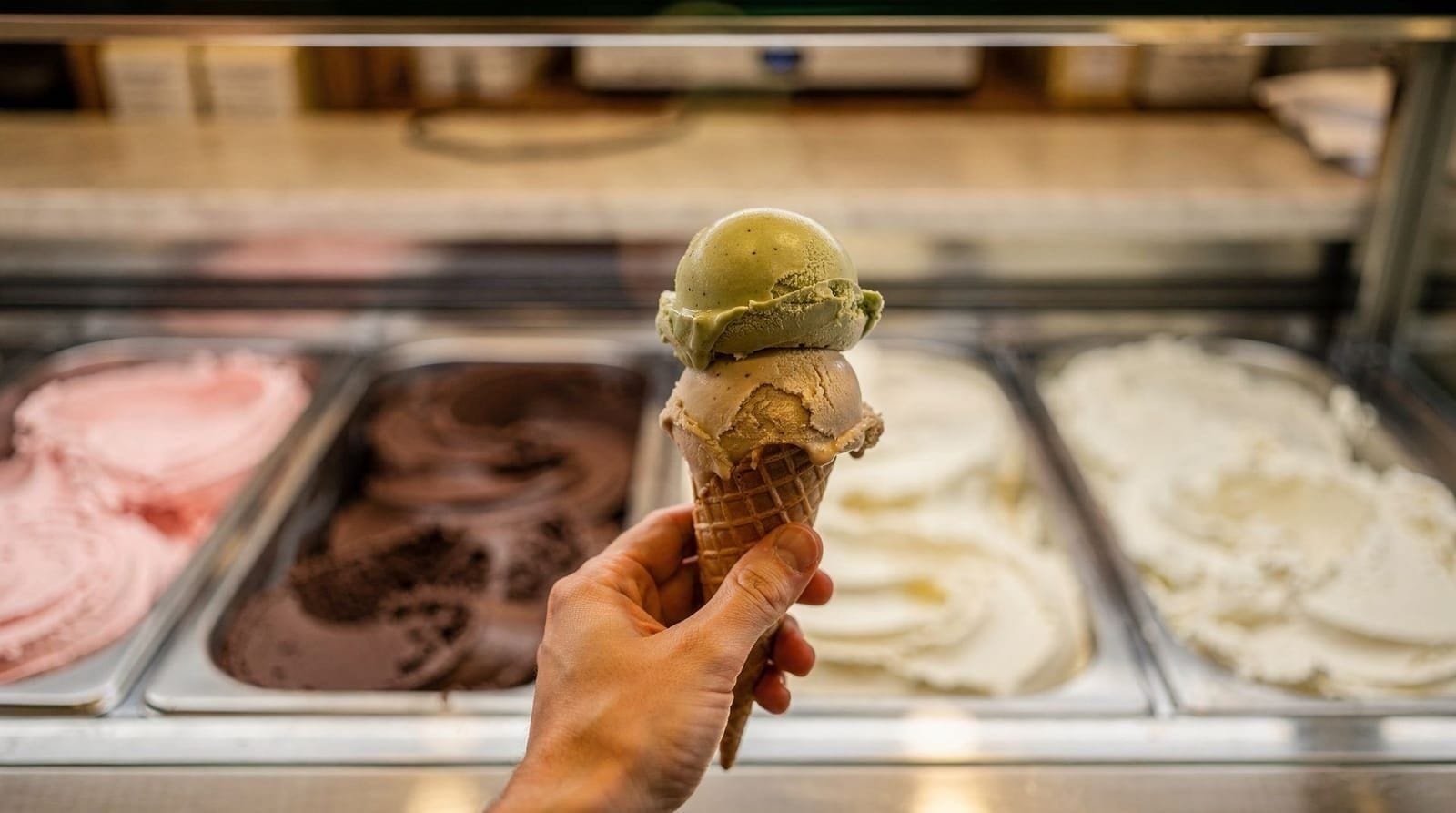
The Trastevere and Campo de’ Fiori street food walking tour covers supplì, pizza al taglio, artisanal gelato and Roman street snacks across both neighborhoods — with a local guide who knows which counters are worth queuing for.Seasonal street food worth knowing
Bruschetta al pomodoro (summer only): toasted bread rubbed with garlic, topped with fresh tomato and olive oil. Only worth eating when tomatoes are at peak (July-September); the rest of the year it’s a tourist trap made with winter tomatoes.
Castagne arrostite (autumn): roasted chestnuts from street vendors, sold in paper cones from November through January. The vendors who use proper cast-iron pans over charcoal (not electric heaters) produce the better product.
Ciambelle al vino (year-round): small ring-shaped cookies flavored with white wine and anise, sold at bakeries and some market stalls. A Roman street snack that predates modern tourism.
What to avoid
Anything near the Trevi Fountain or Pantheon that isn’t Sant’Eustachio or Giolitti. The snack and gelato shops in the tourist core are uniformly bad value.
Pre-made supplì. A supplì that has been sitting in a display case and microwaved is identifiable by its soft exterior, uniform temperature throughout (no hot center/cooler outside gradient) and rubbery cheese. Walk past.
Tourist-targeted “arancino” stalls in non-Sicilian areas. A supplì is a supplì; calling it an arancino (Sicilian rice ball) to confuse tourists is sometimes done. Know the difference.
“Artisanal” gelato shops that pile the flavors high and use neon colors. This is not artisanal — see the gelato guide for the full explanation.
For the complete picture of what to eat in each neighborhood, our where to eat in Rome guide covers sit-down restaurants alongside street food stops. The pizza al taglio guide goes deeper on the by-the-slice tradition.
Building a street food route by neighbourhood
Street food clusters by neighbourhood, so the most efficient approach is picking one or two areas per outing rather than crossing the city for individual stops. Testaccio is the single best-concentrated neighbourhood for supplì, trapizzino and market food together — start at Mercato di Testaccio and work outward. Trastevere pairs Supplì Roma with maritozzo stops and a wider spread of casual eating, good for an evening route. The Jewish Ghetto is the only place to properly eat carciofi alla giudia and baccalà fritto, and the two dishes pair naturally in the same meal at Nonna Betta or Piperno. Campo de’ Fiori, beyond the morning market itself, has Forno Campo de’ Fiori for pizza bianca and baccalà on Fridays.
Budgeting for a street food day is straightforward: two or three stops (a supplì, a slice of pizza al taglio, a trapizzino) typically costs €8-12 per person, making it one of the better-value ways to eat well in Rome — see the Rome on a budget guide for how this fits a wider daily spending plan.
Frequently asked questions about Rome street food guide: supplì, pizza al taglio, trapizzino and more
What is a supplì?
What is pizza al taglio and how does it work?
What is a trapizzino?
What is maritozzo?
Where can I find carciofi alla giudia?
Is street food in Rome safe to eat?
What does baccalà fritto taste like?
Top experiences
Bookable activities with verified prices and instant confirmation on GetYourGuide.