Rome vs Florence: which Italian city should you visit?
Day Trip to Florence by High-Speed Train From Rome
Should I visit Rome or Florence?
Rome for first-time visitors to Italy — it is simply the more complete city, with ancient Roman ruins, Renaissance art, Baroque piazzas, world-class food, and Vatican City all within walking distance of each other. Florence for repeat visitors or those with a specific art focus (Uffizi, Accademia, Pitti Palace). If you have 7 or more days in Italy, visit both — they are 1.5 hours apart by high-speed train.
Two cities, one question you will keep asking
Most Italy itineraries eventually force this choice: with limited time, does the extra day go to Rome or Florence? The cities are vastly different despite being 1.5 hours apart by train. Rome is overwhelming, sprawling, ancient; Florence is compact, coherent, Renaissance. Neither is a consolation prize, and neither is a substitute for the other.
This guide gives you an honest framework for deciding — not a “both are beautiful” hedge, but a real verdict based on what each city actually delivers for specific types of travellers.
Understanding the comparison properly requires understanding what makes each city irreplaceable. Rome trades compactness for scale and historical depth that spans three thousand years. Florence trades breadth for concentrated artistic intensity anchored in a single two-century creative explosion. Both choices are defensible; the question is which one aligns with your priorities.
| Distance apart | 1.5 hours by high-speed train, ~€19–60 each way |
| Best for first-timers | Rome — broader range of history, food and neighbourhoods |
| Best for repeat/art-focused visitors | Florence — concentrated Renaissance art in a walkable core |
| Minimum time to do either justice | 3 full days Rome, 2 full days Florence |
| Combine on one trip if | You have 7+ total days in Italy |
The fundamental difference in what each city offers
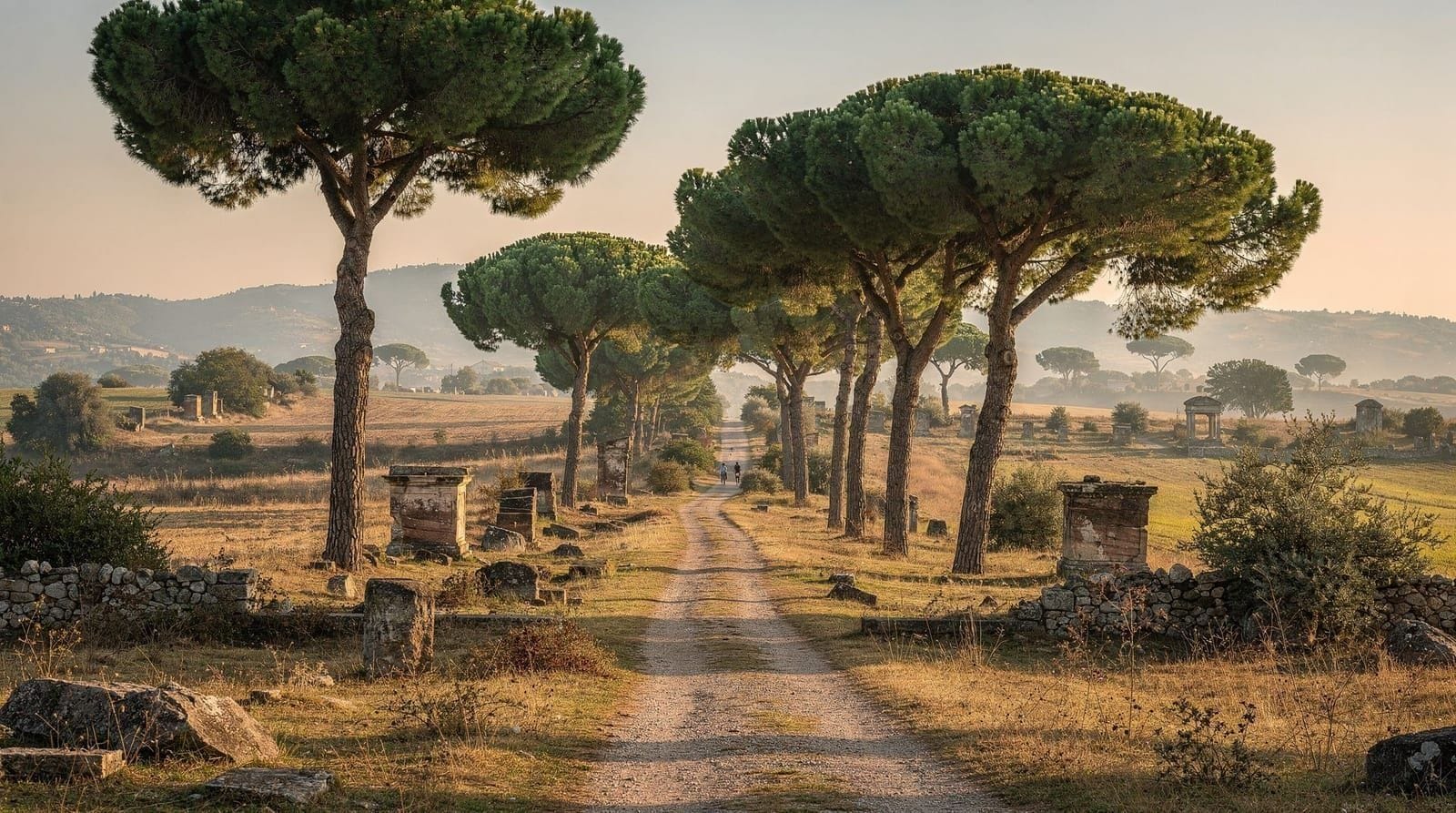
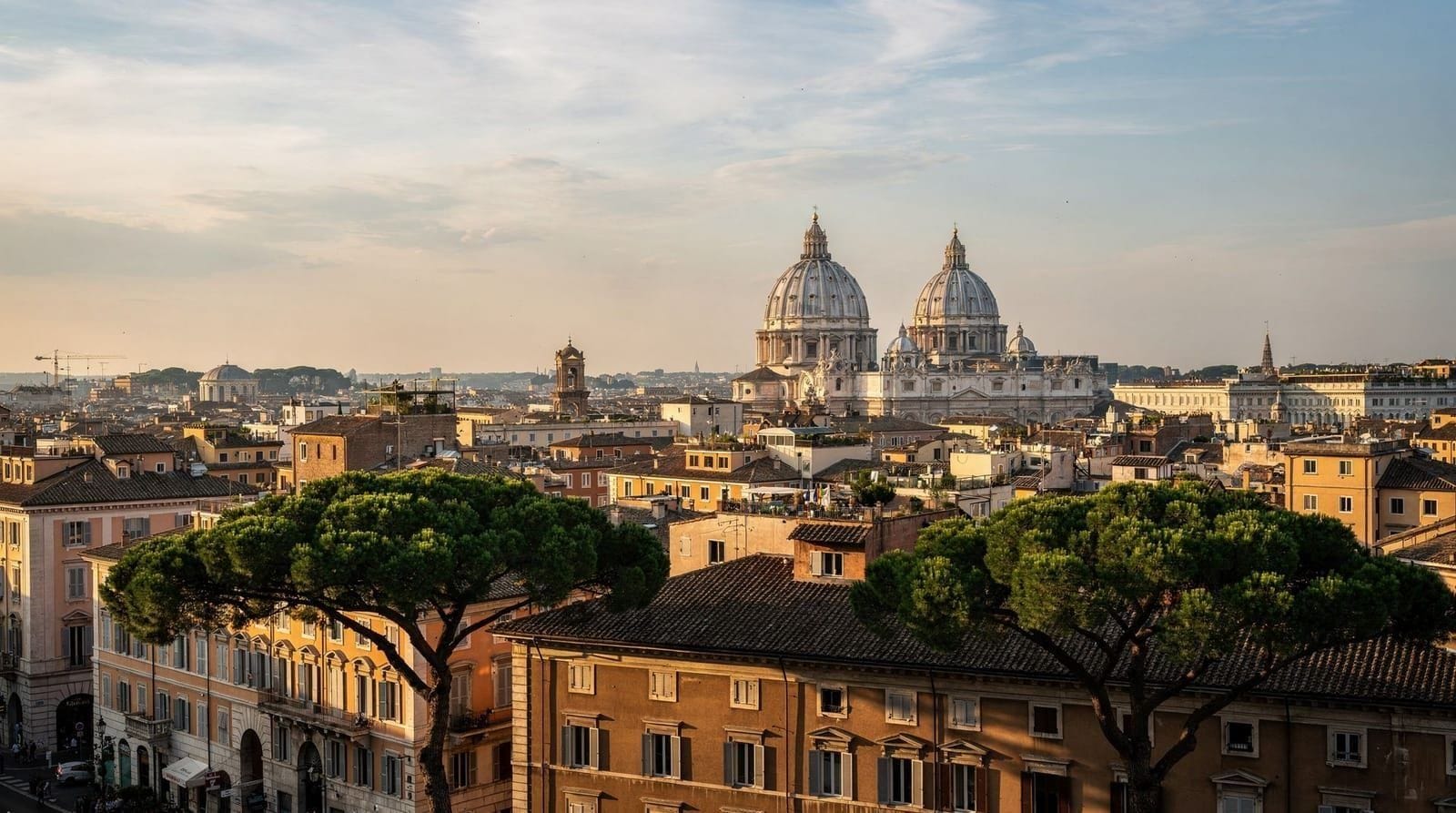
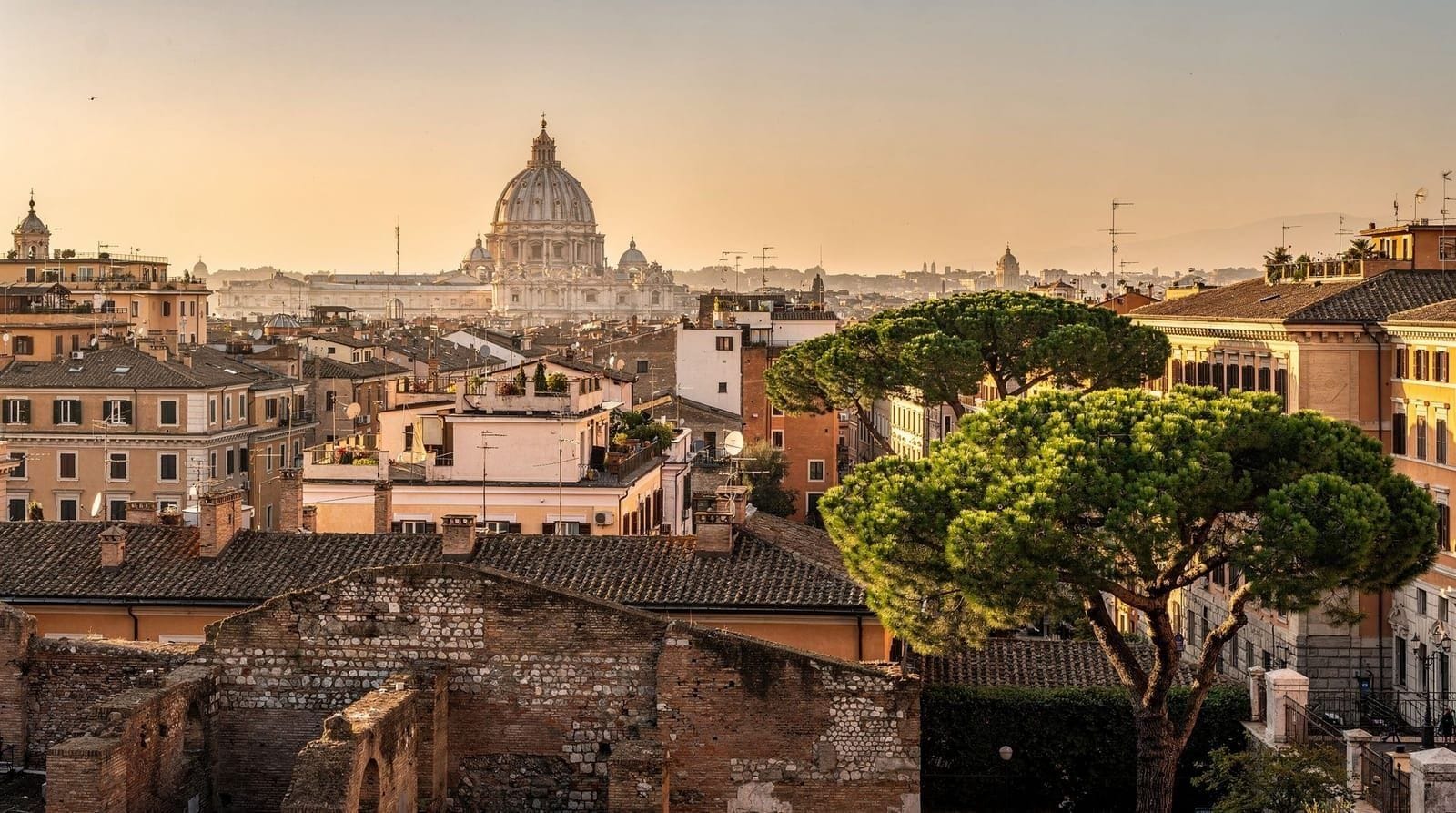
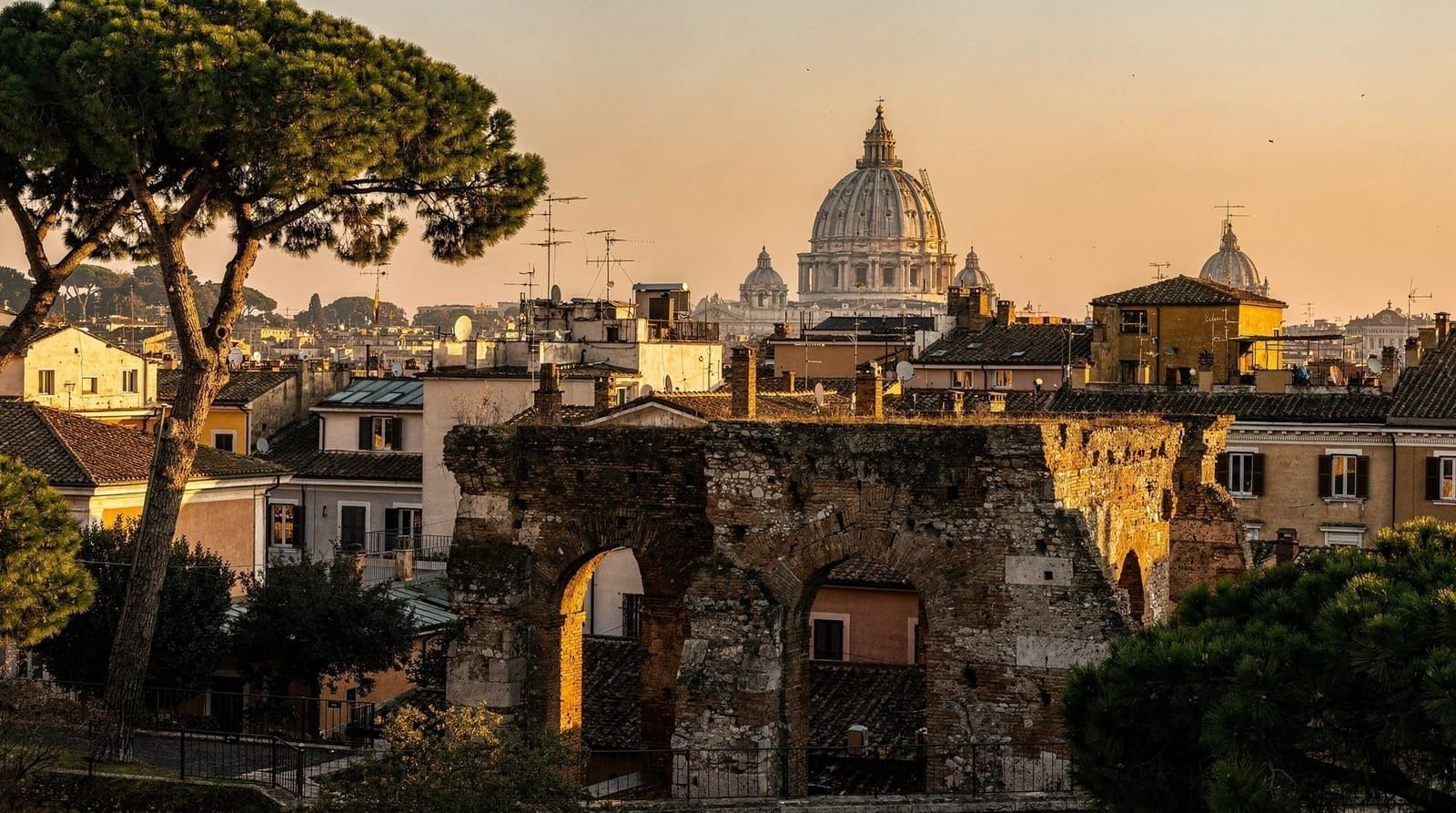
Rome is three cities layered on top of each other: ancient Rome (Colosseum, Forum, Pantheon, Appian Way), medieval and Renaissance Rome (the great churches, piazzas, Vatican Museums), and the living city (Testaccio, Monti, Trastevere). It functions at a scale that takes days to comprehend. No single afternoon gives you its measure. The Jubilee Year 2025 brought elevated attention to Rome’s religious and historical significance, and the momentum extends well into 2026 — book ahead accordingly.
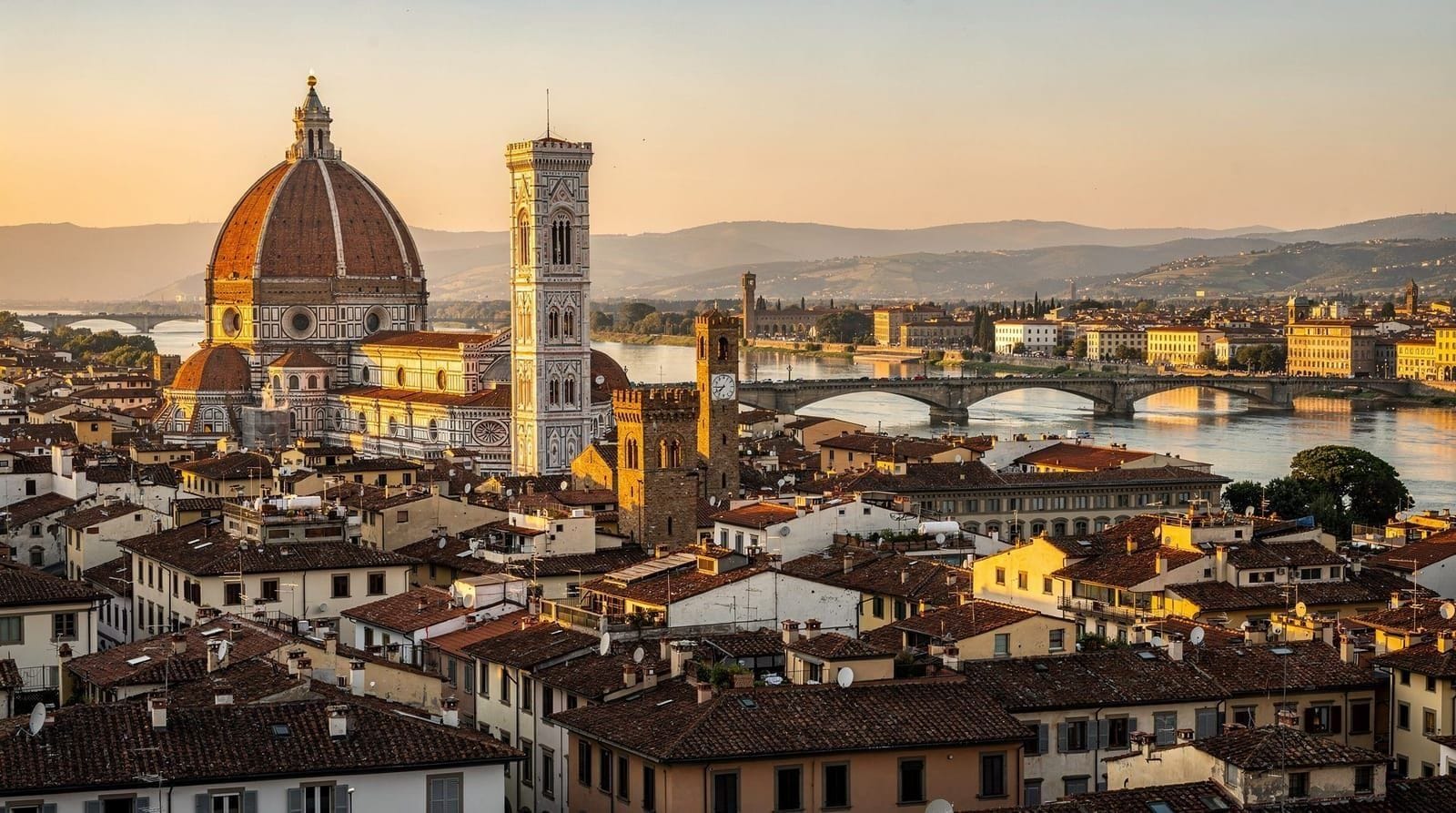
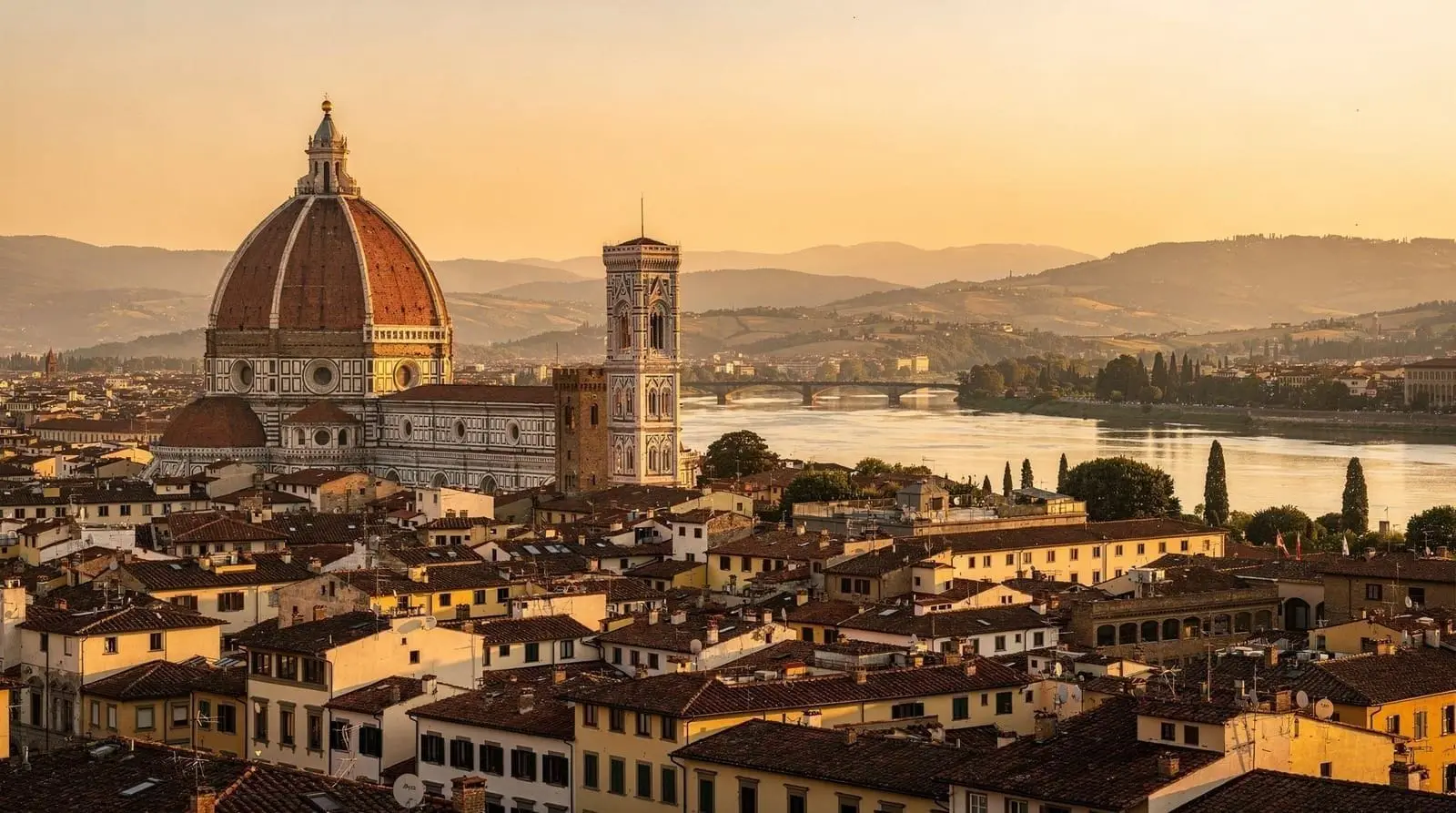
Florence is the distilled essence of the Italian Renaissance concentrated into a 7-kilometre-square historic core. The Uffizi, the Accademia with Michelangelo’s David, the Duomo and Brunelleschi’s dome, Piazzale Michelangelo — everything is within a 20-minute walk of everything else. It is intense, curated, and in the historic centre, strikingly tourist-heavy. But it delivers what it promises: the world’s greatest concentration of 14th–16th century art in a single walkable setting.
The choice comes down to what drives your Italy trip and how many times you have been before.
Ancient history vs Renaissance art: the core divide
If your Italy trip is driven by ancient Rome — the Empire, the Republic, the Colosseum, the Forum, the story from Romulus through Augustus to the fall — then Rome is not a preference, it is a requirement. Nothing in Florence approaches that historical depth, because Florence barely existed when Rome was the capital of the Western world. The Colosseum dates to 80 CE; Florentine Renaissance art began around 1400. The distance between them is fourteen centuries.
If your trip is driven by 15th–16th century art — Botticelli’s Birth of Venus, Michelangelo’s David and his Medici tombs, Brunelleschi’s architectural revolution, Raphael’s early Florentine work, the unresolved Leonardo at the Uffizi — then Florence has a concentration of that specific material that Rome cannot match, even with the Vatican.
The Vatican Museums hold Michelangelo’s Sistine Chapel and the Raphael Rooms, which are among the greatest artistic achievements in Western history. But they are accessible only through one of the world’s most crowded and logistically demanding tourist experiences. Florence’s galleries feel more intimate: the Uffizi at 08:00 in late October has a stillness that the Vatican Sistine Chapel rarely achieves.
For most first-time visitors to Italy who do not have a specialist art focus, ancient Rome is the more fundamental experience. It anchors European history in a way that Florence, for all its beauty, does not. For repeat visitors or dedicated art travellers who have already done Rome, Florence fills a specific and irreplaceable gap.
Scale and navigability: how the cities feel on the ground
Florence’s historic centre is genuinely walkable. The main sites — Duomo, Battistero, Piazza della Signoria, Uffizi, Ponte Vecchio, Oltrarno — can all be reached on foot in under 20 minutes from each other. One day in Florence, used well, can feel surprisingly complete. The city is legible from the first hour.
Rome requires more planning. The Colosseum district is 3 km from the Vatican, which is 3 km from Trastevere. Without understanding the geography, you will waste time and energy crossing the city inefficiently. Rome rewards those who organise visits by neighbourhood rather than by attraction checklist. See our guide to getting around Rome before you arrive.
For visitors with mobility concerns, Florence’s compactness is a genuine advantage. Rome’s scale and the uneven ancient surfaces of the Forum, Colosseum, and Palatine Hill are more physically demanding. Both cities have hills — Florence’s surroundings (Fiesole, Piazzale Michelangelo) and Rome’s own seven hills — but Rome’s negotiated on foot over five days is more of a challenge than Florence’s in two.
The positive side of Rome’s scale: you never feel like you have exhausted it. Florence can feel like a city you have comprehended within three days; Rome remains inexhaustible.
Food comparison: two great but different traditions
Rome’s culinary identity is rooted in cucina povera — the cooking of the urban poor, adapted over centuries into something celebrated worldwide. Pasta made with egg yolk and cured pork (carbonara, gricia, amatriciana), deep-fried supplì (rice balls with tomato and mozzarella) and carciofi alla romana (braised artichokes with garlic and mint), pizza al taglio sold by weight from rectangular trays, offal dishes like coda alla vaccinara (oxtail braised with tomato) from Testaccio — the slaughterhouse district that invented Rome’s most characteristic food. See our guide to the five Roman pastas for detail on which dishes to prioritise.
Florence’s food leans Tuscan: bistecca alla Fiorentina (enormous T-bone steak, minimum 800g, ordered by weight and served rare to medium-rare with olive oil and rosemary), ribollita (twice-cooked bean and bread soup made with cavolo nero), pappa al pomodoro (thick bread and tomato soup), schiacciata (Florentine flatbread, available either plain or with seasonal fillings), lampredotto sandwiches (fourth-stomach tripe, Florence’s street food answer to Rome’s supplì). The Mercato Centrale — Florence’s covered market — has excellent stalls serving ready food at honest prices; the Oltrarno neighbourhood across the river maintains more local trattorie.
Both cities have extensive restaurant scenes. Rome’s food culture is broader, deeper, and more diverse by neighbourhood — Monti, Testaccio, Pigneto, and Pigneto all have distinct culinary characters that Florence’s more homogeneous centre cannot fully replicate. In Florence, the best strategy for avoiding tourist pricing is to cross the Arno to Oltrarno, where restaurants like Buca Mario, Buca dell’Orafo, and Il Santo Bevitore serve Florentine food to Florentines. In Rome, similar retreats include the Jewish Ghetto, Prati, and any street more than 300 metres from a major monument.
For wine, Florence wins clearly: Chianti Classico is effectively the local house wine, Brunello di Montalcino and Vino Nobile di Montepulciano appear at accessible prices, and Super Tuscans (Sassicaia, Tignanello) are available at less extreme markups than in Rome. Rome’s local wine tradition (Frascati, Grechetto, Est! Est!! Est!!!) is pleasant but carries less prestige.
Cost comparison: closer than you think
Accommodation in central Florence is slightly cheaper than equivalent-quality rooms in Rome’s historic centre. A mid-range 3-star hotel in Florence’s Oltrarno or near Santa Croce costs €120–180/night in peak season; equivalent Rome accommodation in Monti or Prati runs €140–200/night. Budget hostels are plentiful in both cities.
Major attractions are priced similarly: Uffizi Gallery €20–25 (timed entry required, book at uffizi.it), Accademia Museum (David) €16–20, Colosseum with Forum and Palatine Hill €20, Vatican Museums €17–20. Pitti Palace (across the Arno) costs €16 and is far less crowded than the Uffizi.
Food costs are comparable between the two cities for equivalent quality. A lunch at a genuine trattoria costs €15–22 per person in both cities for a first course, second course, and house wine. Coffee and breakfast prices are identical — espresso €1.20–1.50 standing at the bar. Florence’s covered market Mercato Centrale has a food hall on the upper floor (Mercato Centrale Firenze) where lunch for €10–15 is genuinely good.
Florence feels more expensive to the casual visitor primarily because the tourist-facing restaurants in the centre are heavily concentrated near the Uffizi, Duomo, and Ponte Vecchio. Avoiding them — which requires a 10-minute walk — immediately corrects the impression.
Day trips: Rome’s decisive advantage
This is where Rome wins the comparison most decisively, and it is not close.
From Rome by high-speed train:
- Naples: 1 hour 10 minutes (Frecciarossa, from €9.90 with advance booking)
- Florence: 1 hour 25 minutes
- Pompeii (via Naples): 2 hours total
From Rome by regional train:
- Tivoli and its UNESCO villas (Villa d’Este, Hadrian’s Villa): 1 hour 10 minutes
- Ostia Antica (ancient Roman port city): 30 minutes
- Orvieto (Umbrian cathedral town): 1 hour 15 minutes
From Florence:
- Siena: 1.5 hours by bus (no direct train)
- San Gimignano: 2 hours by bus and connection
- Cinque Terre: 2–3 hours by train (heavily crowded May–October)
- Pisa: 1 hour by train (worth half a day for the Campo dei Miracoli, not a full day)
Rome’s day-trip reach into southern Lazio, Campania, and Umbria is exceptional and gives a Rome base decisive logistical superiority. Pompeii alone — one of the greatest archaeological sites in the world — is 2 hours from Rome and impractical from Florence. See our best day trips from Rome guide for full options.
Florence day trip from Rome by high-speed train — a well-structured option if you want a guided introduction to the city in a single day from your Rome baseCrowds and seasonal considerations
Both cities are heavily visited year-round. Florence is more intense in summer because its historic centre is smaller — the same volume of tourists compressed into a fraction of the space. The area around the Uffizi, Ponte Vecchio, and Piazza della Repubblica in July and August is among the most congested in Europe.
Rome’s size means crowds disperse more. The Colosseum at 10:00 in August is genuinely difficult; Testaccio at the same time has normal neighbourhood traffic. Monti and Trastevere fill up in the evenings but are navigable throughout the day. Florence has fewer such escapes within its historic centre, though the Oltrarno neighbourhood across the Arno maintains a more local character than the Duomo-Uffizi axis.
Both cities are best visited from late September to late October (perhaps the best time of year for Italian city tourism: warm, crowds reduced by 30–40%, accommodation prices lower) or in April before the Easter–Jubilee rush. November in both cities is genuinely underrated: cooler (12–18°C), very few queues, and everything open. Rome in November is especially appealing because the outdoor ancient sites are dramatically lit without summer heat.
Month-by-month: which city handles which season better
| Month | Rome | Florence |
|---|---|---|
| Dec–Feb | Mild, wet spells, low crowds, ancient sites atmospheric | Cold, quiet, best months for the Uffizi without queues |
| Mar–Apr | Warming fast, Easter crowds spike sharply | Warming, pre-Easter calm, then a similar spike |
| May–Jun | Hot, long days, ancient site queues build | Hot, historic centre feels denser per square metre |
| Jul–Aug | Very hot but disperses across neighbourhoods | Very hot and visibly more congested in the small centre |
| Sep–Oct | Best overall balance of weather and crowds | Best overall balance, Chianti harvest season nearby |
| Nov | Underrated, cool, dramatic light on ruins | Underrated, cool, near-empty galleries |
Rome’s greater physical size means summer crowds have more room to spread out; Florence’s smaller historic core concentrates the same tourist volume into less space, which is the main reason it can feel more intense in July and August despite receiving somewhat fewer total visitors. Our Rome weather month by month guide breaks down Rome’s climate in full, and if you are weighing Rome against other Italian cities beyond just Florence, Rome vs other Italian cities broadens the comparison.
Where to stay if you are doing both
If you are combining both cities, where you stay in each affects how smoothly the trip runs. In Rome, staying near Termini gives the easiest access to the Florence train but is the least atmospheric base; Monti or Prati offer a better neighbourhood experience within a short taxi or metro ride of the station — see where to stay in Rome and the fuller best areas to stay in Rome guide for the full breakdown by neighbourhood and traveller type. In Florence, staying within the Oltrarno gives a quieter, more local base than the Duomo-Uffizi axis while remaining a 10-minute walk from everything. Couples combining both cities for a honeymoon or anniversary trip may also want our romantic Rome for couples guide, since Rome’s evening atmosphere in Trastevere and around the fountains is one of the trip’s highlights regardless of how the Florence days are split.
The verdict: clear and honest
Visit Rome first. For any first-time visitor to Italy, Rome is the more complete experience — the historical depth, the food culture, the sheer variety across ancient, medieval, Renaissance, and Baroque periods, and the day-trip infrastructure are collectively unmatched in Europe. The Colosseum and Vatican together justify the entire trip.
Then visit Florence for your second Italy trip, or as a 2-night add-on to a longer Rome itinerary. Florence rewards visitors who know what they are coming specifically to see — the Uffizi and Accademia require advance booking and deliver precisely what they promise. The city is less overwhelming than Rome but more easily satisfied.
If you have 7 or more days in Italy, include both. The Rome–Florence combination is one of the great two-city itineraries in European travel, and the high-speed train makes it almost frictionless.
For Florence as a day trip from Rome, see our Florence day trip guide. For making the most of your Rome time, see the itinerary planning guide.
Guided tour of the Colosseum, Roman Forum and Palatine Hill — the essential Rome experience that defines what this city offers over FlorencePractical logistics for a Rome–Florence combination trip
Train options: Frecciarossa (Trenitalia) and Italo both run Rome Termini to Florence Santa Maria Novella roughly every 30–60 minutes from 06:00 to 21:00. Book 4–6 weeks ahead for the best prices (from €19 each way on Italo). Both trains are punctual, comfortable, and have onboard café service and power outlets. The journey itself is pleasant — the Apennine crossing includes impressive mountain scenery.
Luggage: Both Rome Termini and Florence Santa Maria Novella have left-luggage facilities (€6–8 per bag per day) if you want to travel light on a day trip or are transitioning between cities without returning to your accommodation first.
Combining as two bases: If doing both cities over 6+ days, base yourself in Rome first (3–4 nights) and then move to Florence (2–3 nights) with a one-way Frecciarossa. This sequence is more logistically natural — Rome first means you can absorb the ancient foundations that explain so much of what Florence built upon.
Booking Florence sites from your Rome hotel: If Florence is part of your trip, book the Uffizi (uffizi.it) and Accademia (accademia.org) at least 3–4 weeks ahead. Both use timed-entry ticketing that sells out well in advance during May–June and September–October. Do not leave this until you arrive in Florence.
What to see in Florence if visiting for the first time: The Uffizi Gallery (Botticelli, Leonardo, Raphael, Michelangelo), the Accademia (David), the Duomo exterior (the marble facade) and interior, the Baptistery (Ghiberti’s bronze Doors of Paradise — the originals are now in the Museo dell’Opera), Ponte Vecchio (the medieval bridge lined with goldsmiths), and the Oltrarno neighbourhood for Palazzo Pitti and the Boboli Gardens. Two full days covers all of this without rushing.
See our Rome in 4 days guide and Rome with day trips plan for integrated itineraries that accommodate a Florence excursion.
Rome’s hidden advantage: neighbourhood depth
One dimension of the Rome vs Florence comparison that travel guides underrepresent is the quality and variety of Rome’s neighbourhood culture. Florence’s historic centre, for all its beauty, is relatively homogeneous — tourist-facing restaurants and luxury shops dominate from the Duomo to the Ponte Vecchio. The authentic Florence of Oltrarno and the San Frediano neighbourhood is wonderful, but it is a single pocket.
Rome has multiple distinct neighbourhood identities operating simultaneously. Testaccio is the food neighbourhood, built around the old slaughterhouse complex and the Mercato di Testaccio market. Monti is bohemian and independent, with vintage clothing, ceramic workshops, and Rome’s best neighbourhood cocktail bars. Trastevere is tourist-facing in the evenings but genuinely residential during the day. Prati is the bourgeois neighbourhood adjacent to the Vatican, with the best delis and alimentari in central Rome. Esquilino around Piazza Vittorio Emanuele II is Rome’s multicultural market neighbourhood — Chinese, Ethiopian, Indian, and North African grocers and restaurants alongside the traditional Roman trattorie.
This neighbourhood variety means Rome rewards multiple visits and longer stays in a way Florence does not. A visitor returning to Rome for the third time can experience a neighbourhood they have never seen; Florence’s repeat visitor will largely re-cover the same ground with fresh eyes but familiar territory.
Getting around once you arrive
Neither city requires a car, and driving is actively discouraged in both historic centres — Rome’s ZTL (limited traffic zone) and Florence’s equivalent both carry automatic camera fines for unauthorised entry. Florence’s compact core means most visitors simply walk everywhere for the duration of their stay. Rome’s greater sprawl makes its metro and bus network genuinely useful, particularly Metro Line A for the Vatican and Metro Line B for the Colosseum and Testaccio; our getting around Rome guide covers tickets, routes and the walking-versus-transit trade-off in detail. If your itinerary combines both cities, factor a short taxi or transit leg from your Rome accommodation to Termini station before the Florence train — arriving with 20–30 minutes of buffer avoids a stressful dash through one of Europe’s busiest stations.
The honest recommendation for the most common itinerary lengths
5 nights Italy (first trip): 5 nights Rome. Skip Florence entirely on a first trip of this length — the depth of Rome rewards it.
7 nights Italy (first trip): 5 nights Rome + 2 nights Florence. Take the Frecciarossa on day 5 afternoon, spend 2 full days in Florence, return to Rome (or onward flight from Florence).
10 nights Italy: 5 nights Rome + 3 nights Florence + 2 nights somewhere else (Venice, Cinque Terre, or Naples/Amalfi, depending on your priorities).
7 nights Italy (repeat visitor, Rome already done): Consider a Florence-first itinerary: 2 nights Florence, then explore Tuscany (Siena, San Gimignano, wine country), return to Rome for 2–3 nights to revisit with more depth or explore neighbourhoods missed on the first trip.
Frequently asked questions about Rome vs Florence: which Italian city should you visit?
How long does it take to get from Rome to Florence?
Is Rome or Florence more expensive?
Which city has better food?
Can I do Florence as a day trip from Rome?
Which city is better for families with children?
Which city is quieter in summer?
Is it worth visiting both cities on the same trip?
Which city has better day trips?
Which city is better for a honeymoon or romantic trip?
Is Florence worth it if I only have 5 days total in Italy?
Top experiences
Bookable activities with verified prices and instant confirmation on GetYourGuide.