Rome vs Florence vs Venice vs Naples — which should you visit first?
This is the question I get asked more than almost any other about Italy: which city should I visit first? The answer depends entirely on what you’re looking for, and the honest version of that answer requires being specific about what each city is and isn’t — not just what they contain.
| Best for | history & archaeology (Rome), art (Florence), scenery (Venice), food (Naples) |
| Minimum stay | Rome 4 days, Florence 2-3 days, Venice 3 nights, Naples 2-3 days |
| From Rome by train | Florence 1h30, Naples 1h10, Venice 3h45 |
| Booking pressure | high in Rome & Florence (timed tickets); lower in Naples |
| Best time | shoulder season (April-May, September-October) everywhere |
What follows is a genuine comparison, not a promotional piece for any of them. I have a particular view on which is most rewarding for a first visit and I’ll state it directly at the end.
Rome — scale, history, and the whole of Western civilisation in one place
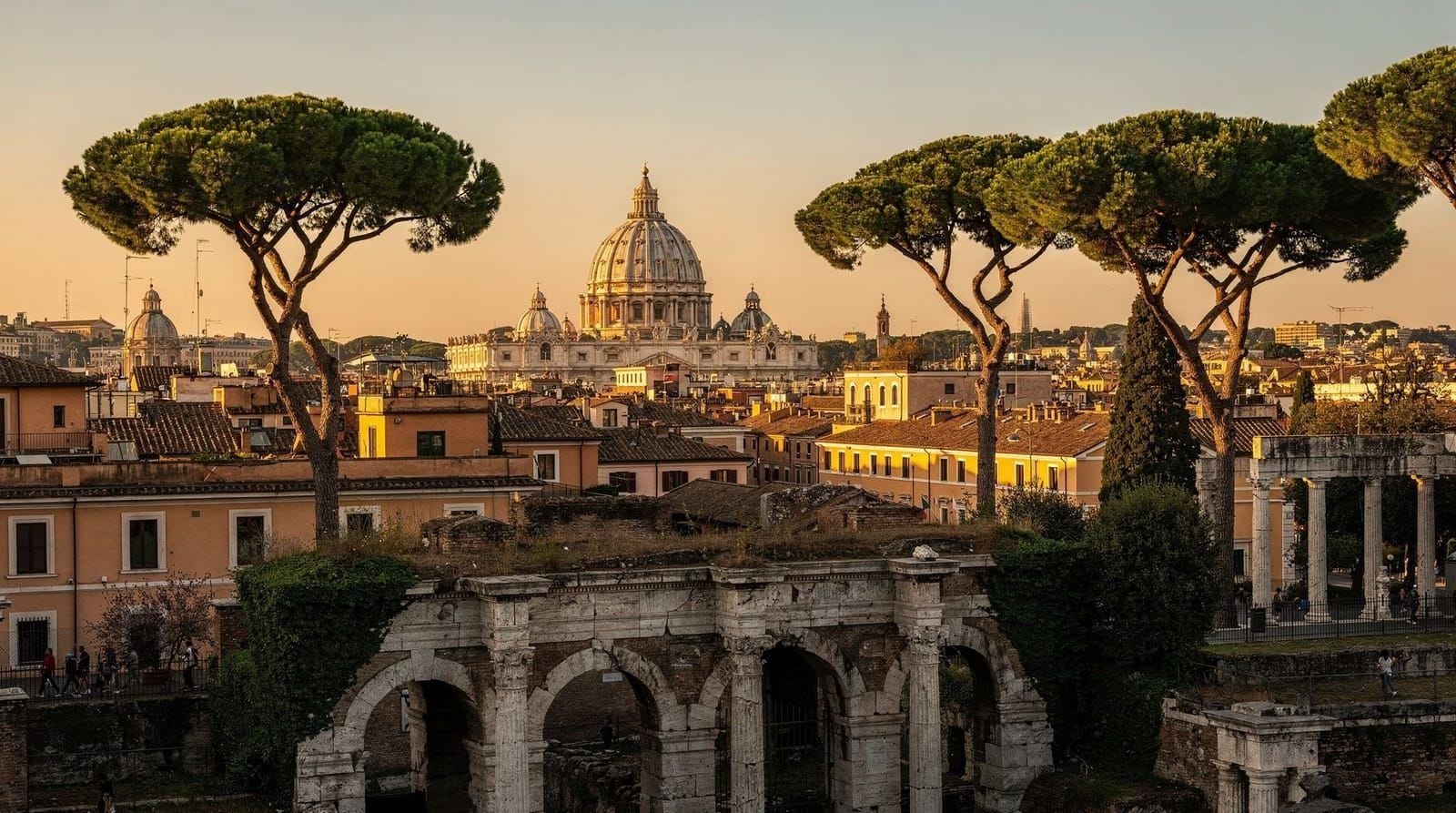
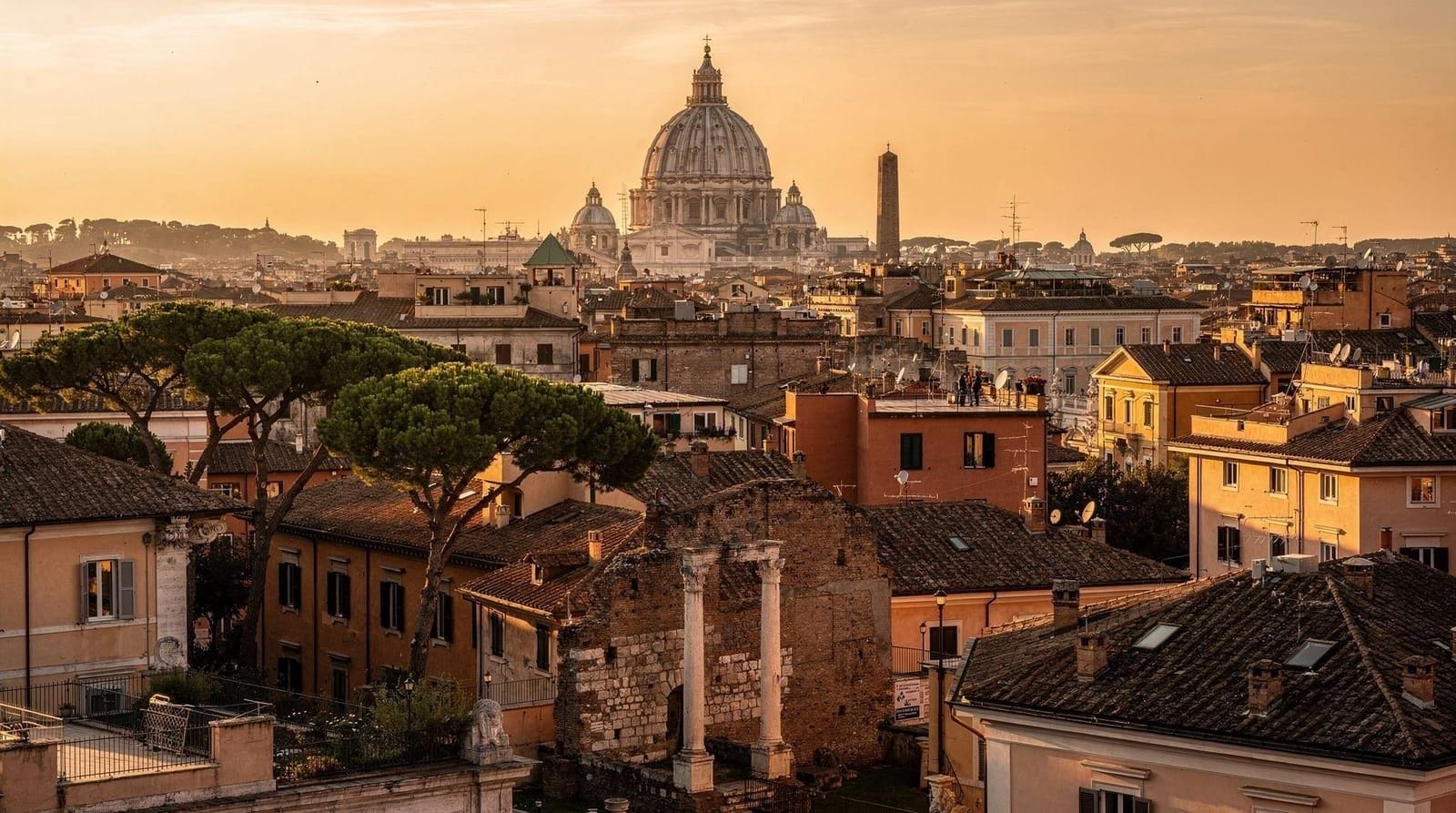
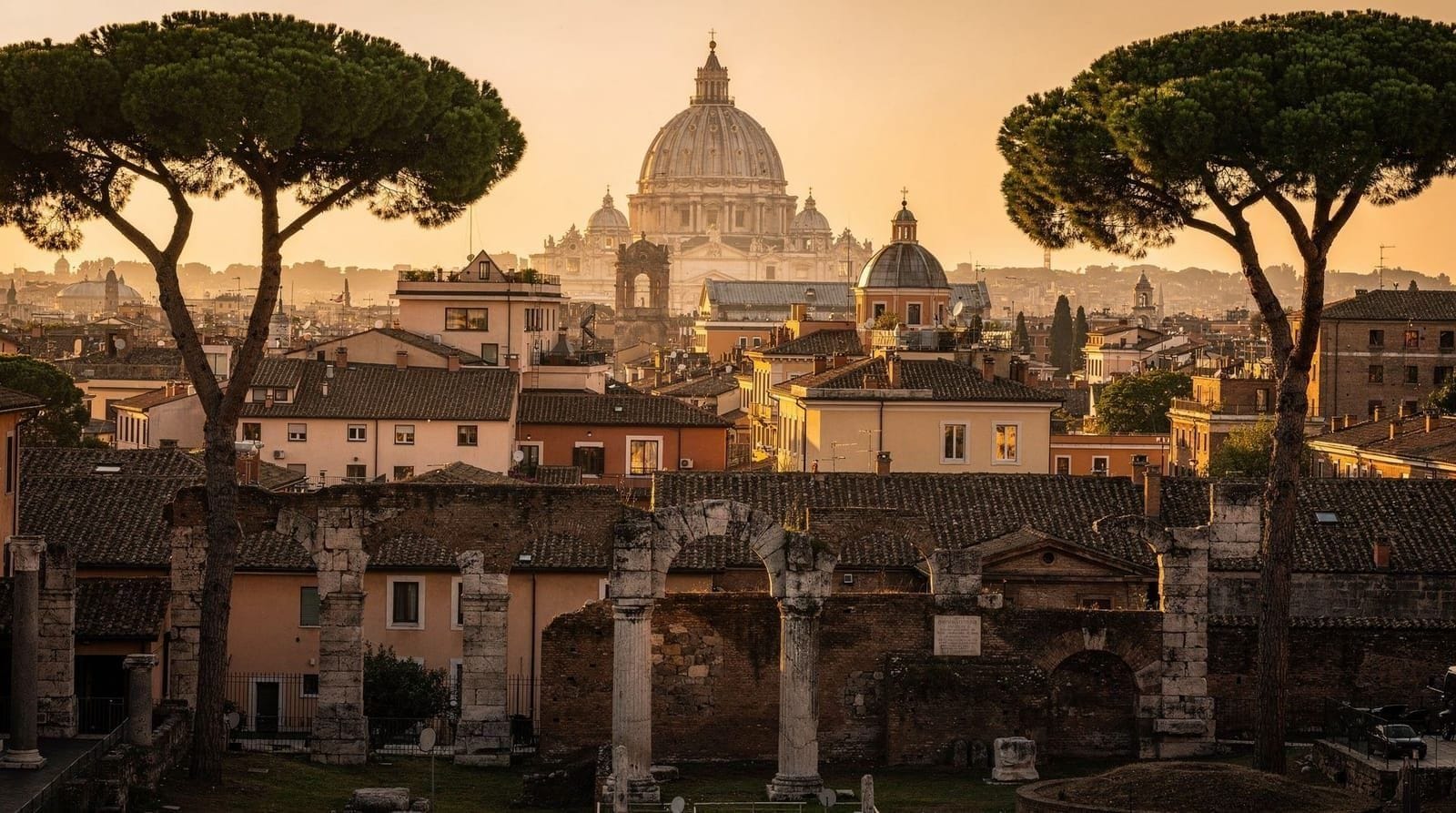
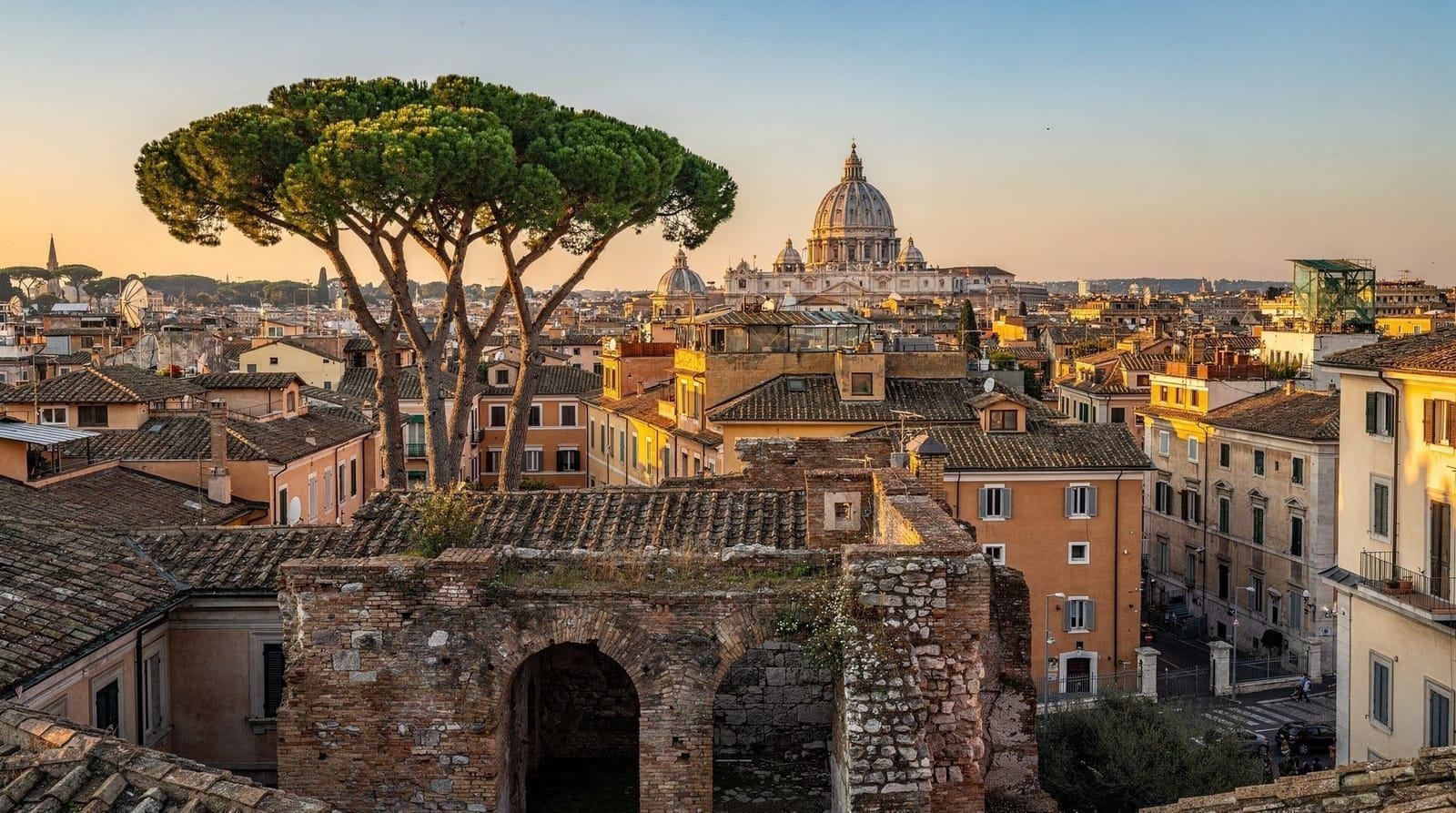
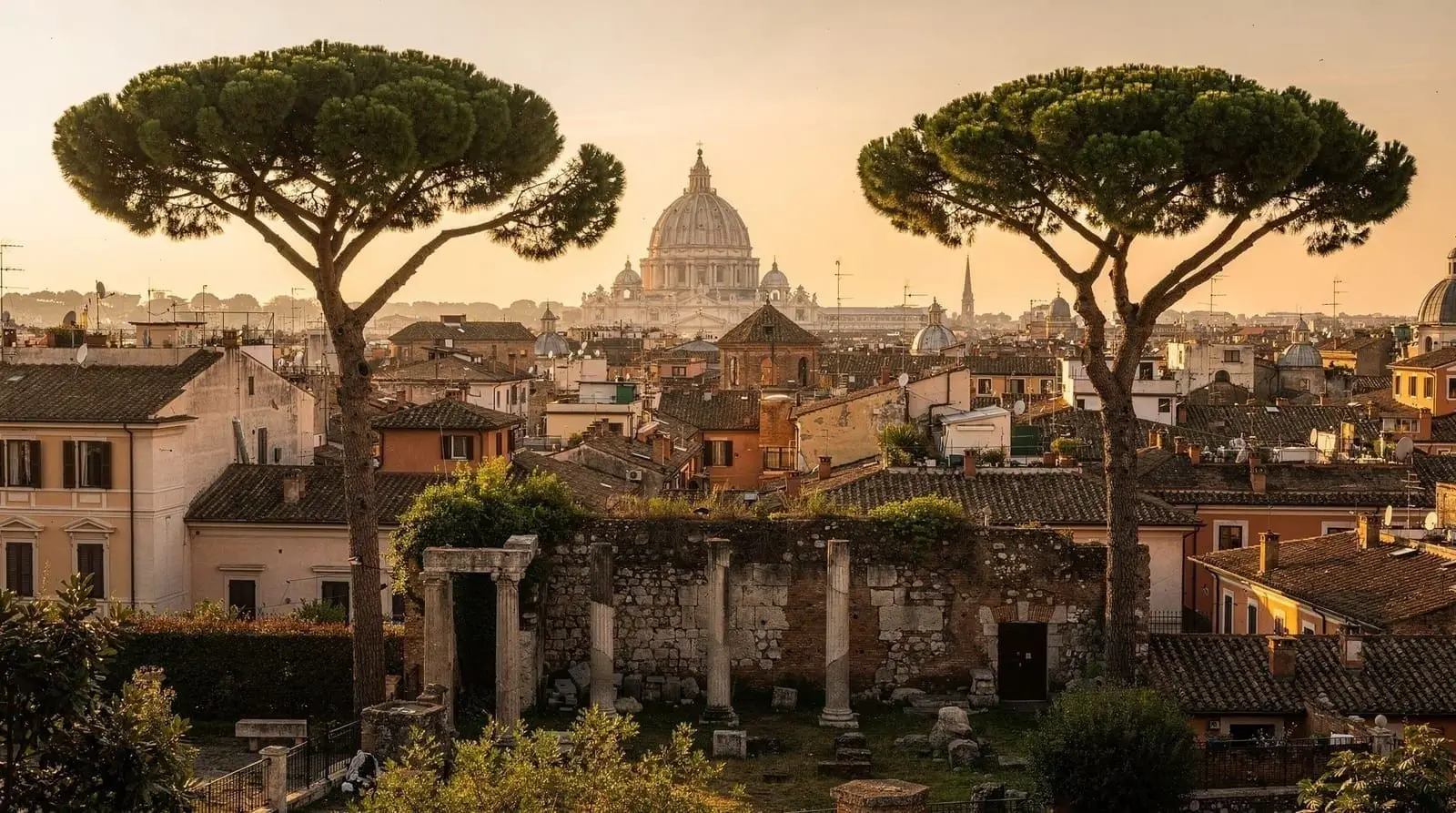
Rome is not subtle. It is an accumulated weight of two and a half thousand years of continuous human habitation, each layer pressing down on the ones before it. You will walk over a medieval street built on a Roman road built on an earlier Roman road. You will eat lunch in a piazza that was a papal garden that was a theatre of antiquity. The density of history per square metre is unmatched in Europe.
What this means in practice: Rome rewards duration. A weekend is a sketch. Three days is a start. Five days is when you begin to understand how the city is organised. Seven days is when you start to feel at home in it. The most common regret of first-time Rome visitors is that they didn’t stay longer.
Rome is also large, physically demanding (the hills are real, the cobblestones are punishing), and complex to navigate. The public transport works but requires learning. The tourist sites require advance booking — the Colosseum, the Vatican Museums, and the Borghese Gallery all require pre-purchased timed tickets and filling up weeks in advance in peak season. Showing up without a booking in July for any of these is an expensive mistake.
The food is regional, serious, and good. Roman pasta (cacio e pepe, carbonara, amatriciana, cacio e pepe again because it bears repeating) is among the best cooking in Italy. The wine is from the nearby Castelli Romani — light, easy, cheap. The culinary culture rewards exploration.
Rome is the right choice for: first-time visitors to Italy with at least four days, anyone interested in history and archaeology, anyone who wants a city experience rather than a scenic one, families with older children, and people who will enjoy the complexity.
Florence — concentrated Renaissance masterpieces
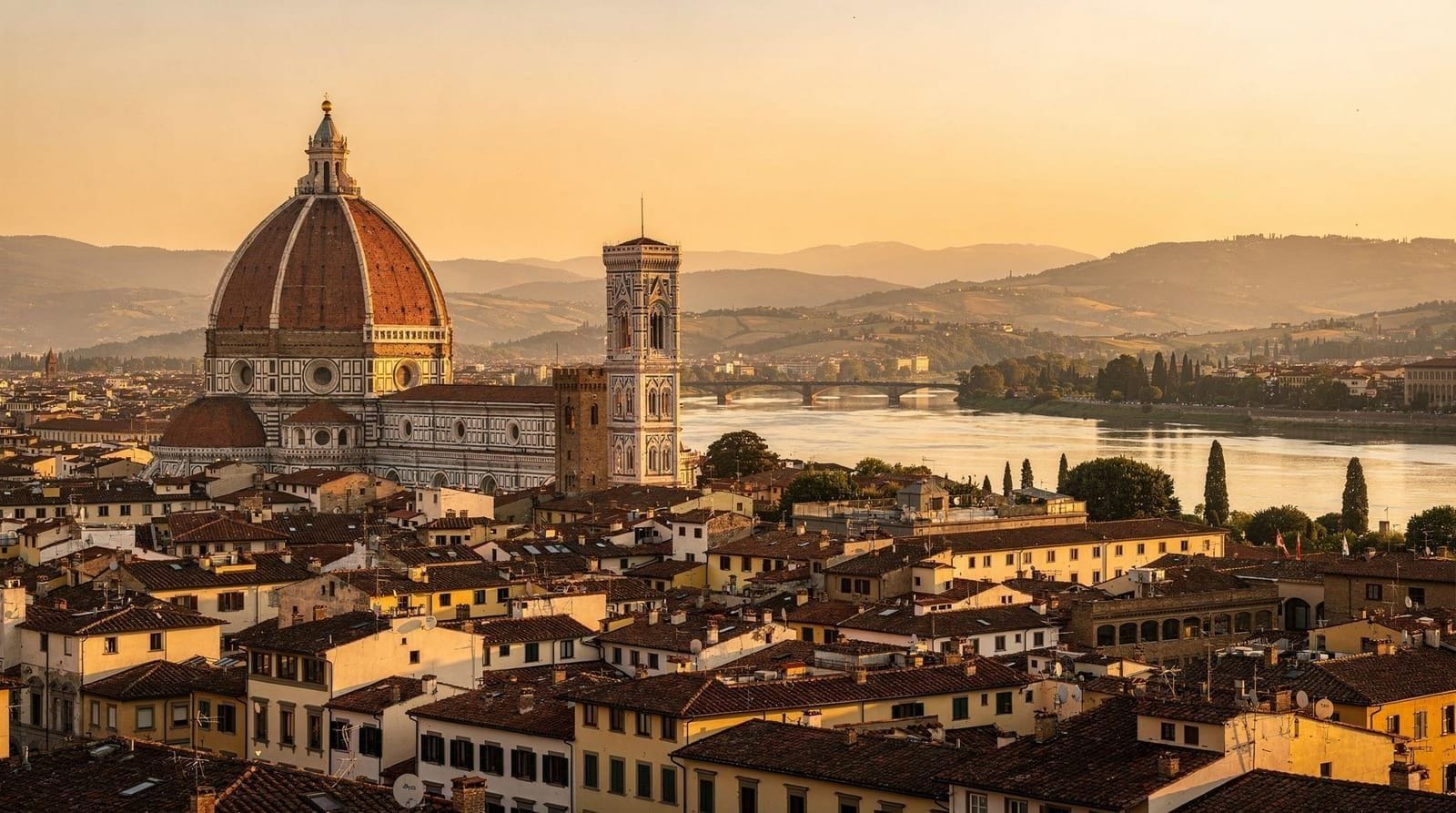
Florence is smaller than Rome and easier to navigate. The Uffizi Gallery, the Accademia (home of Michelangelo’s David), the Duomo, the Baptistery, and Piazzale Michelangelo constitute a concentration of Renaissance art that is unmatched anywhere. If you are specifically interested in painting and sculpture from the 14th–16th centuries, Florence is the answer.
What Florence is not: a city that rewards the same open-ended wandering that Rome does. The centro storico is compact and very beautiful, but it is essentially a pedestrianised museum district for tourists. The Florentines who still live in the city increasingly live in the suburbs. The restaurants in the tourist centre are expensive and variable. The queues at the major museums rival Rome’s.
The Uffizi requires booking (strongly recommended — same-day entry is possible but involves a long queue and no guarantee of entry). The Accademia is smaller and easier to manage but also requires a ticket.
Florence is best as a two-to-three-day stop rather than a week. Its depth is less than Rome’s in terms of total volume of things to see, but its density of the very best Renaissance art is greater. For visitors coming specifically to see Italian Renaissance painting, it is the correct first choice.
Florence from Rome: 1h30min by high-speed Italo or Frecciarossa train. It makes an excellent day trip from Rome if you don’t want to change hotels, though a day is genuinely insufficient to do the city justice.
From Rome: day trip to Florence by high-speed train — for those who want to include Florence without relocating, this format gives you a full day in the city with transport sorted.
Venice — unique, beautiful, and genuinely difficult
Venice is not comparable to any other city in Italy or on earth, which is both its appeal and its problem. It is a city built on water in a lagoon, with no cars, where navigation requires either a vaporetto (water bus) or your own feet on narrow pedestrian bridges. It is extraordinarily beautiful. It is also, in high season, extremely crowded.
The tourist saturation problem is structural: Venice receives more annual visitors than Paris relative to its resident population, and the resident population has been declining for decades as locals price out and move to the mainland. What remains is partly a living city and partly a managed tourist attraction. The line between the two is often blurry.
For visitors willing to arrive in shoulder season (April or October), stay for at least three nights to get past the orientation phase, and get up early to see the main sights before the day-trippers arrive, Venice is extraordinary. The specific beauty of the city — the light on water, the absence of engines, the density of Gothic and Byzantine architecture — is unlike anything else.
For visitors arriving in August for two days on a package tour, Venice risks being a disappointing and expensive crowd experience. The day-trip format (many visitors arrive from Padua or Verona or Venice’s own airport on a day trip) is particularly ill-suited to the city. Venice needs time.
Venice is not a practical day trip from Rome: it’s 3h45min by train, which means a minimum overnight to see anything meaningful.
Naples — the most misunderstood city in Italy
Naples has a reputation problem in northern Europe and a reality that is substantially better than that reputation suggests. It is a chaotic, dense, intensely alive city of around three million people, built around one of the most beautiful bays in the world with Vesuvius on the horizon. The food — pizza, in particular — is better in Naples than anywhere else on earth, which is a statement I will defend without qualification.
What Naples actually requires is adjustment. The city is loud, the traffic is anarchic (this is where the Italian driving stereotype originates), and parts of it are run-down in a way that surprises visitors expecting the managed beauty of Florence or Venice. The good parts, however, are genuinely excellent: the Centro Storico (a UNESCO World Heritage Site), the Spaccanapoli district, the archaeological museum (holding the best collection of Roman artefacts outside the Colosseum), and the pizza. Always the pizza.
Naples is a two-to-three-day city at minimum. It is very effectively combined with Pompeii (40 minutes south by circumvesuviana train, ruins of unparalleled quality) and potentially the Amalfi Coast.
From Rome: 1h10min by high-speed train. Naples is one of the best day trips from Rome for visitors who want to see Pompeii without the distraction of managing Naples itself as an overnight base.
Side by side
| Rome | Florence | Venice | Naples | |
|---|---|---|---|---|
| Minimum stay | 4+ days | 2-3 days | 3 nights | 2-3 days |
| From Rome by train | — | 1h30 | 3h45 | 1h10 |
| Best for | history, food, scale | Renaissance art | scenery, atmosphere | food, energy |
| Crowds | high, manageable | high, concentrated | very high in season | lower |
| Physical demands | hills, cobblestones | flat, compact | bridges, no cars | dense, chaotic |
Combining more than one city
Most first-time visitors don’t have to choose only one. Florence and Naples both work as day trips or short add-ons to a Rome-based trip, thanks to the high-speed rail network — see the day trips by train from Rome guide for the logistics of doing this without changing hotels. Venice is the outlier: its distance and its need for unhurried time make it a poor add-on and a better standalone destination on a longer Italy trip, ideally sequenced after Rome and Florence rather than squeezed in alongside them.
For a first Italy trip of seven to ten days, a common and sensible structure is Rome for four or five days, then Florence for two or three (by train), saving Venice and Naples for a return trip. The central Italy 10-day itinerary lays out one practical version of this.
Budget differences
Rome and Florence sit at similar price points for accommodation and dining in their historic centres — expensive by Italian standards, though not by the standards of London or Paris. Venice is noticeably more expensive for anything within a short walk of the main sights, a function of scarce land and captive tourist demand. Naples is the outlier in the other direction: accommodation, food, and transport all run cheaper than the other three, which is part of why a Naples add-on is good value alongside a Rome trip, not just a good food decision.
The honest recommendation
If you are visiting Italy for the first time and have no particular fixation on Renaissance painting or canal cities, visit Rome. It has the greatest density of important history per square metre of any city in the Western world, the food is excellent, and the combination of monuments, neighbourhoods, markets, and day-trip opportunities (Tivoli, Pompeii, Orvieto) gives it a depth that sustains a week comfortably.
Florence should be your second Italian city — either as a day trip from Rome or as a subsequent visit. Venice should be at least your third, when you have the patience to do it properly. Naples is for the adventurous and food-obsessed, and it rewards them richly.
For visitors who have already done Rome and are asking where to go next, the answer almost always depends on what left you wanting more. More art? Florence. More beauty and strangeness? Venice. More food and archaeology and energy? Naples.
For the detailed planning of a Rome trip that also incorporates day trips to the surrounding region, the Rome with day trips itinerary gives a practical structure for a full week. For first-timers trying to understand how to use Rome as a base for broader Italian exploration, the day trips overview is the right starting point. And for those who have already settled on Rome and are simply working out the length of stay, the how many days in Rome guide answers that directly.
Frequently asked questions
Is it better to visit Rome or Florence first if I can only pick one? Rome, for most first-time visitors — it has a greater density of history, a stronger food culture, and enough depth to sustain a week. Choose Florence first only if Renaissance art specifically is the main reason you’re visiting Italy.
Can I visit Rome, Florence, and Venice in one week? You can, but it will feel rushed — each city loses its rhythm when compressed to a night or two. A more satisfying one-week trip is Rome plus a Florence day trip, saving Venice for a dedicated future visit.