Where to stay in Rome: an honest neighborhood guide
Rome: City Sightseeing Hop-on Hop-off Bus with Audioguide
What is the best area to stay in Rome?
For first-timers: Centro Storico puts you within walking distance of the Pantheon, Trevi and Piazza Navona, at a premium price (€150–350/night mid-range). For value with great transport: Monti (near the Colosseum, Metro B) or Prati (calm, elegant, ten minutes from the Vatican). For atmosphere: Trastevere if you can handle weekend noise. For budget: Esquilino near Termini.
| Best for first-timers | Centro Storico or Monti |
| Best value | Monti |
| Best for Vatican focus | Prati |
| Cost | €90–320/night mid-range depending on area |
| Book ahead | 3–4 months for peak June–September |
The honest answer to Rome’s most asked question
Where you stay in Rome matters more than in most European cities because Rome’s historic center is genuinely large, public transport is competent but not exceptional, and the neighborhoods are sufficiently different from each other that picking the wrong one can shape your entire experience.
This guide covers every neighborhood worth considering — with real hotel names across budgets, honest nightly price ranges in EUR (peak season, summer 2026), specific transport information, and the caveats most accommodation sites omit.
Centro Storico: maximum convenience, premium prices
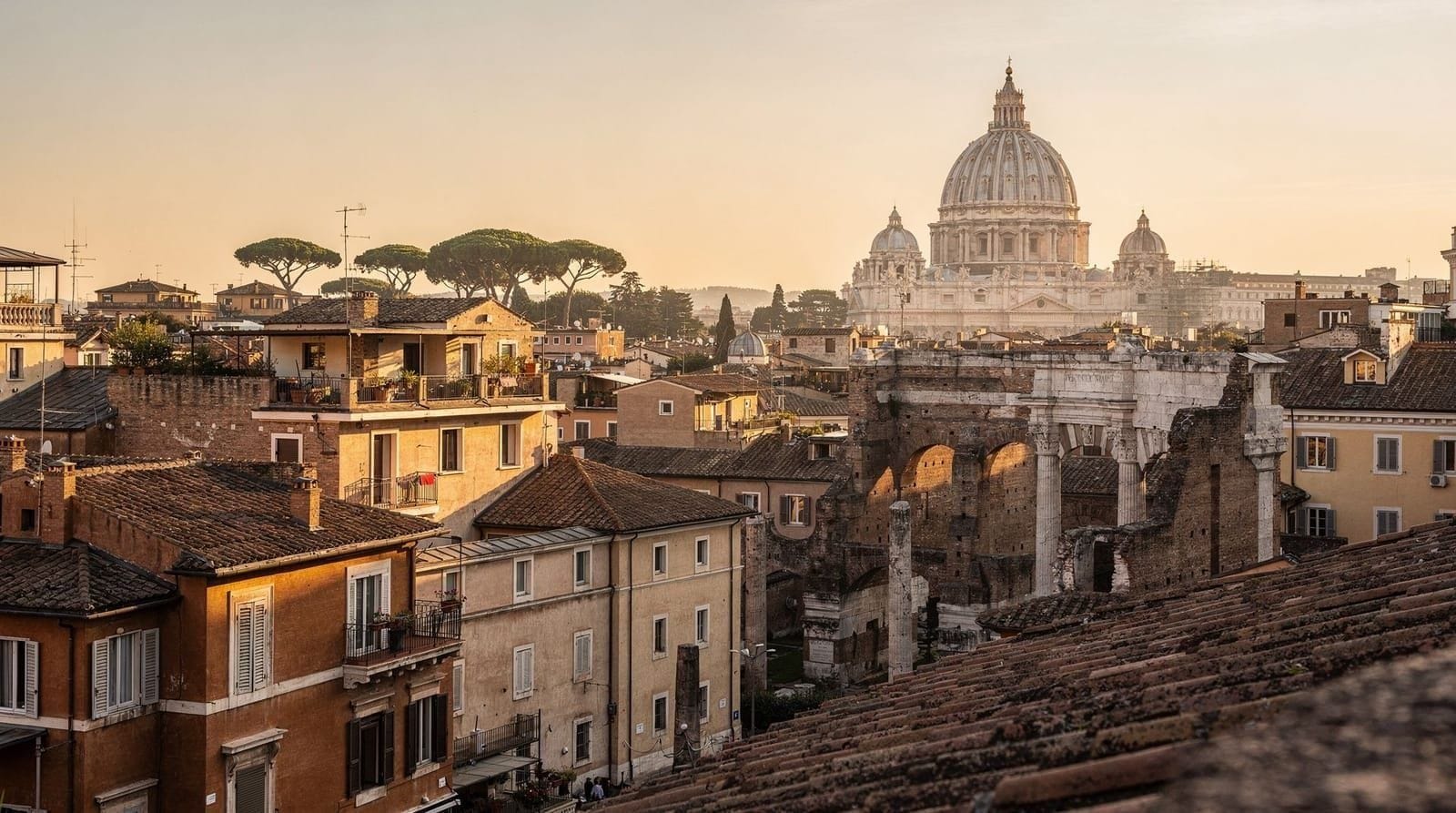
The historic center — Centro Storico — covers the area between the Tiber and the Pantheon, including Campo de’ Fiori, Piazza Navona, and the streets around the Trevi Fountain. Staying here means the Pantheon is a 5-minute walk, Trevi a 10-minute walk, and Piazza Navona possibly visible from your window.
Who it suits: First-timers who want to wake up in the middle of Rome’s postcard. People who want to walk everywhere without checking bus times. Couples prioritizing atmosphere over value.
Who should look elsewhere: Budget travelers. Light sleepers (Campo de’ Fiori area has club noise until 3 am on weekends). Anyone planning multiple trips out to the Colosseum or Vatican — you will spend transit time.
Price ranges (peak season, June–September):
- Budget/guesthouse: €100–160/night for a double (rare in this area; book far ahead)
- Mid-range: €180–320/night — this is the realistic floor for a decent hotel
- Boutique/design: €280–450/night
- Luxury: €450–800/night
Hotels worth knowing:
- Hotel Pantheon (via dei Pastini) — four-star with direct Pantheon views from some rooms; €300–450/night in peak season; book 3–4 months ahead
- Hotel Due Torri (vicolo del Leonetto) — small and atmospheric, converted historic palazzo; €200–280/night
- Residenza in Farnese — well-run and close to Campo de’ Fiori; €160–230/night
- Caravita Boutique Hotel (via del Caravita) — newer boutique with design touches; €220–300/night
- The Hoxton Rome (largo del Fontanella di Borghese) — design hotel, strong café, popular with younger travelers; €180–280/night
Transport: No metro access. Buses run through the area (46, 64, 40, 30, 23 and others). Walking is genuinely the primary mode. Taxi rank at Piazza Navona and Campo de’ Fiori.
Noise caveat: Campo de’ Fiori has a nightlife strip. Rooms on via dei Giubbonari and the square itself are loud on Thursday–Saturday nights. The quieter Centro Storico streets are those north of Piazza Navona or around via della Scrofa.
For full orientation, see our Centro Storico guide.
Trastevere: atmosphere with caveats
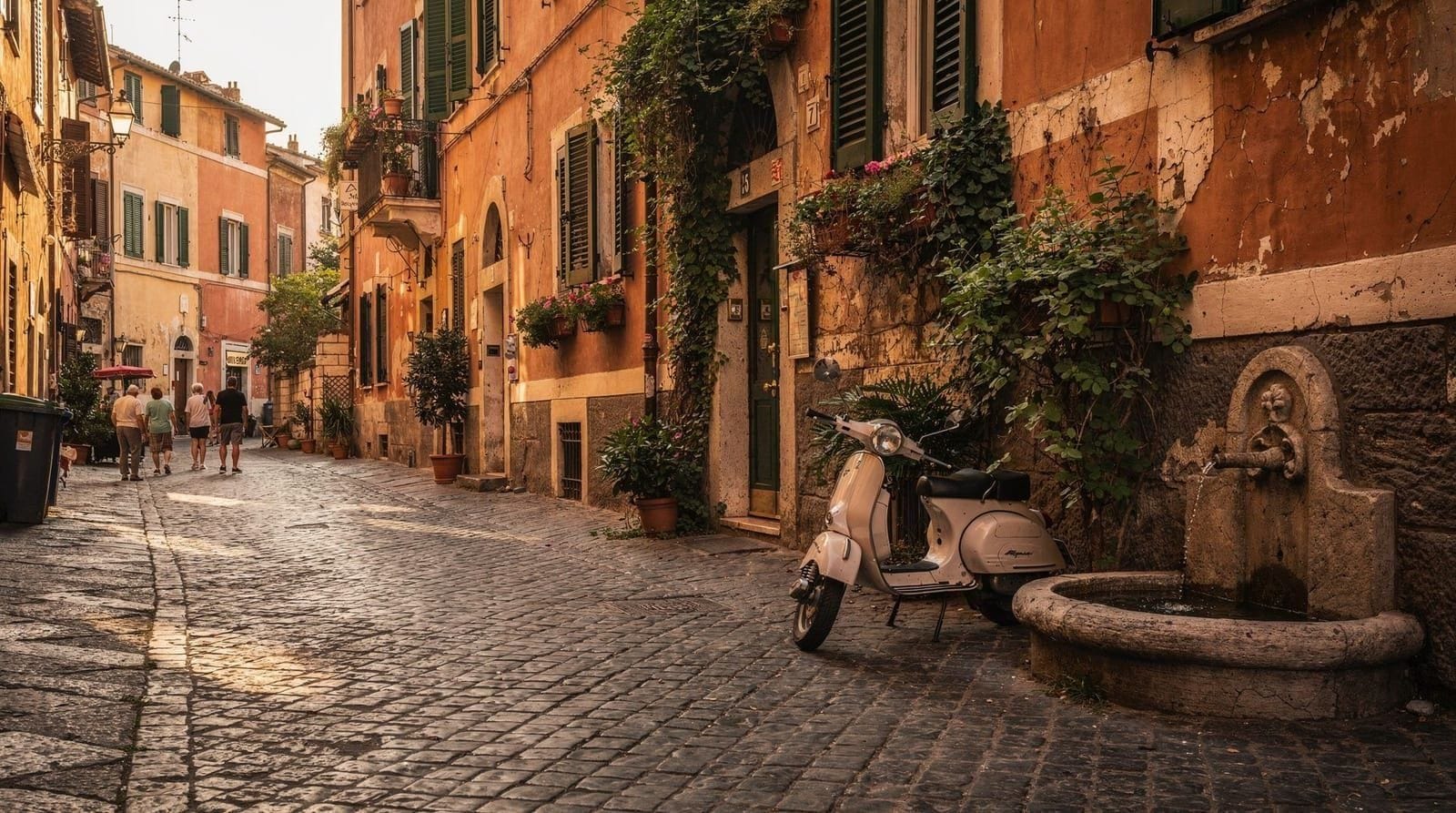
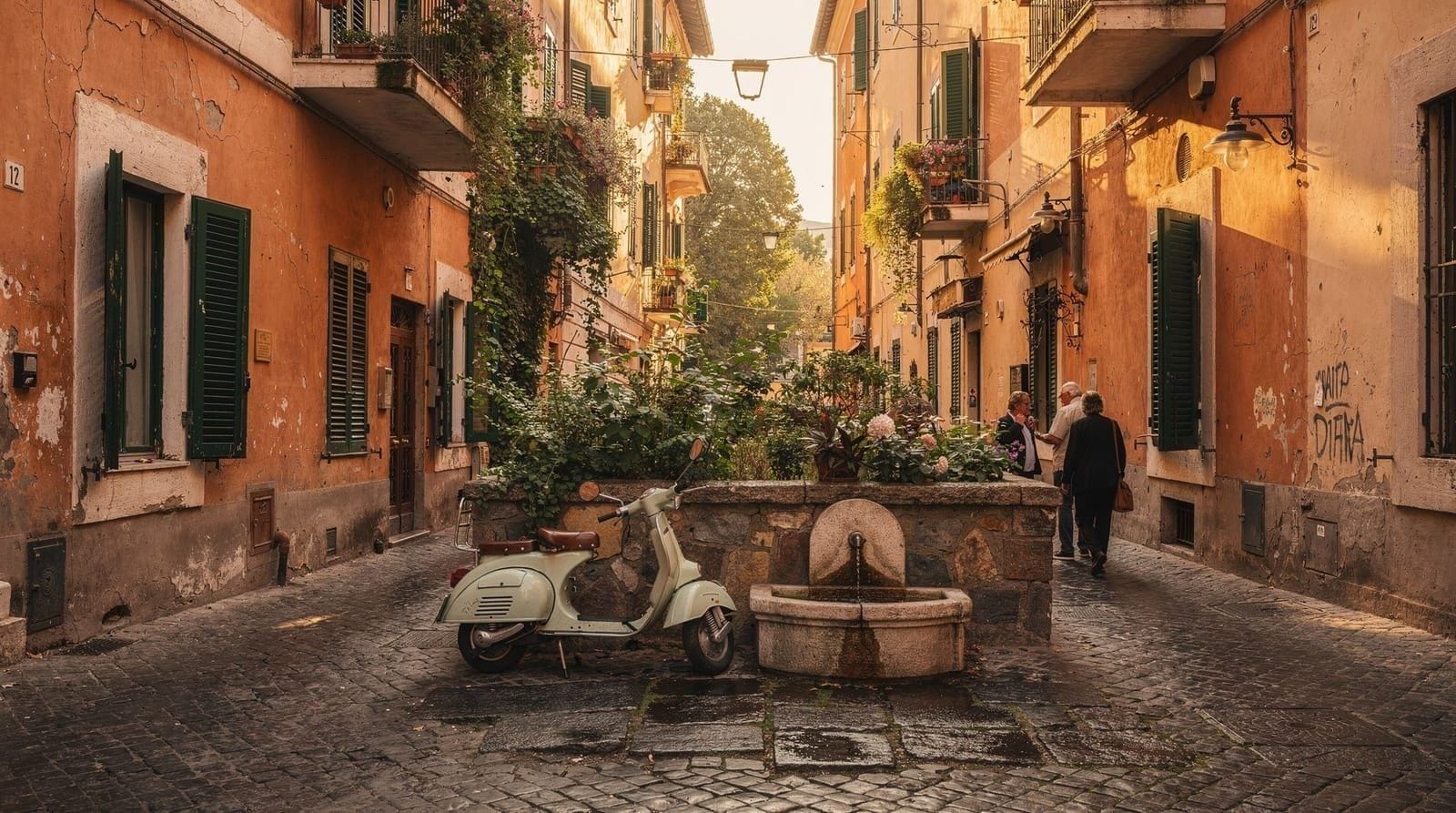
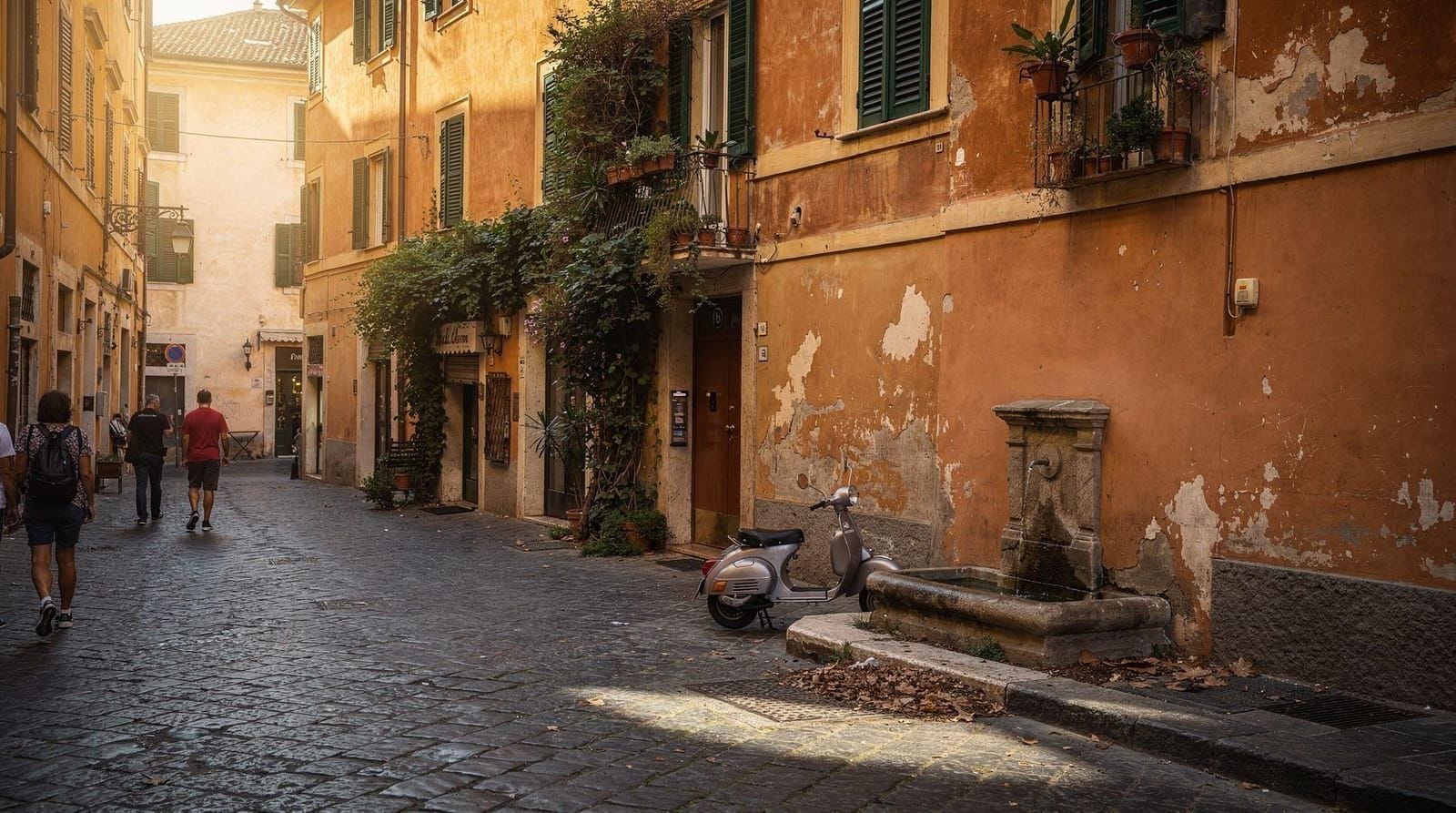
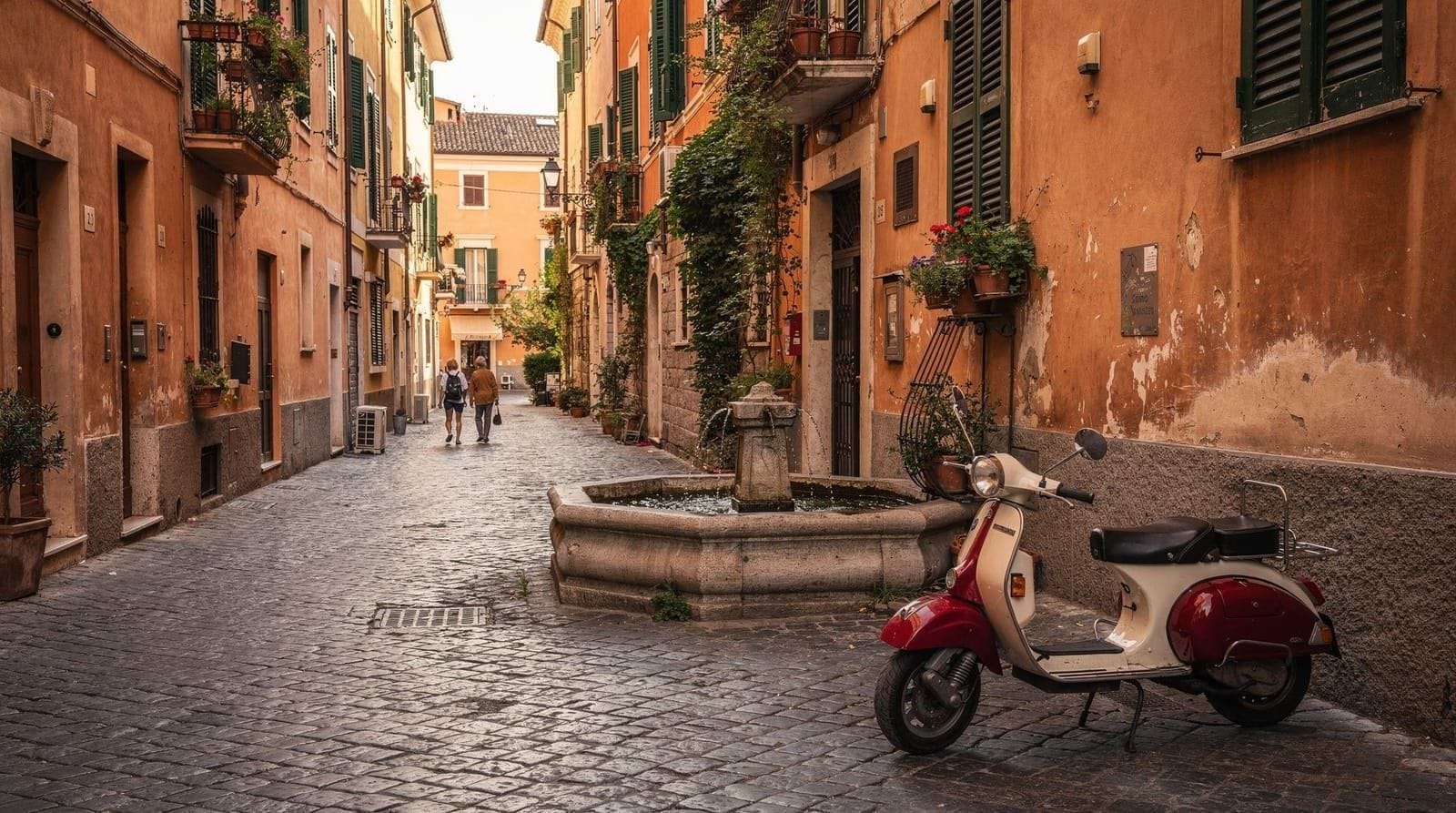
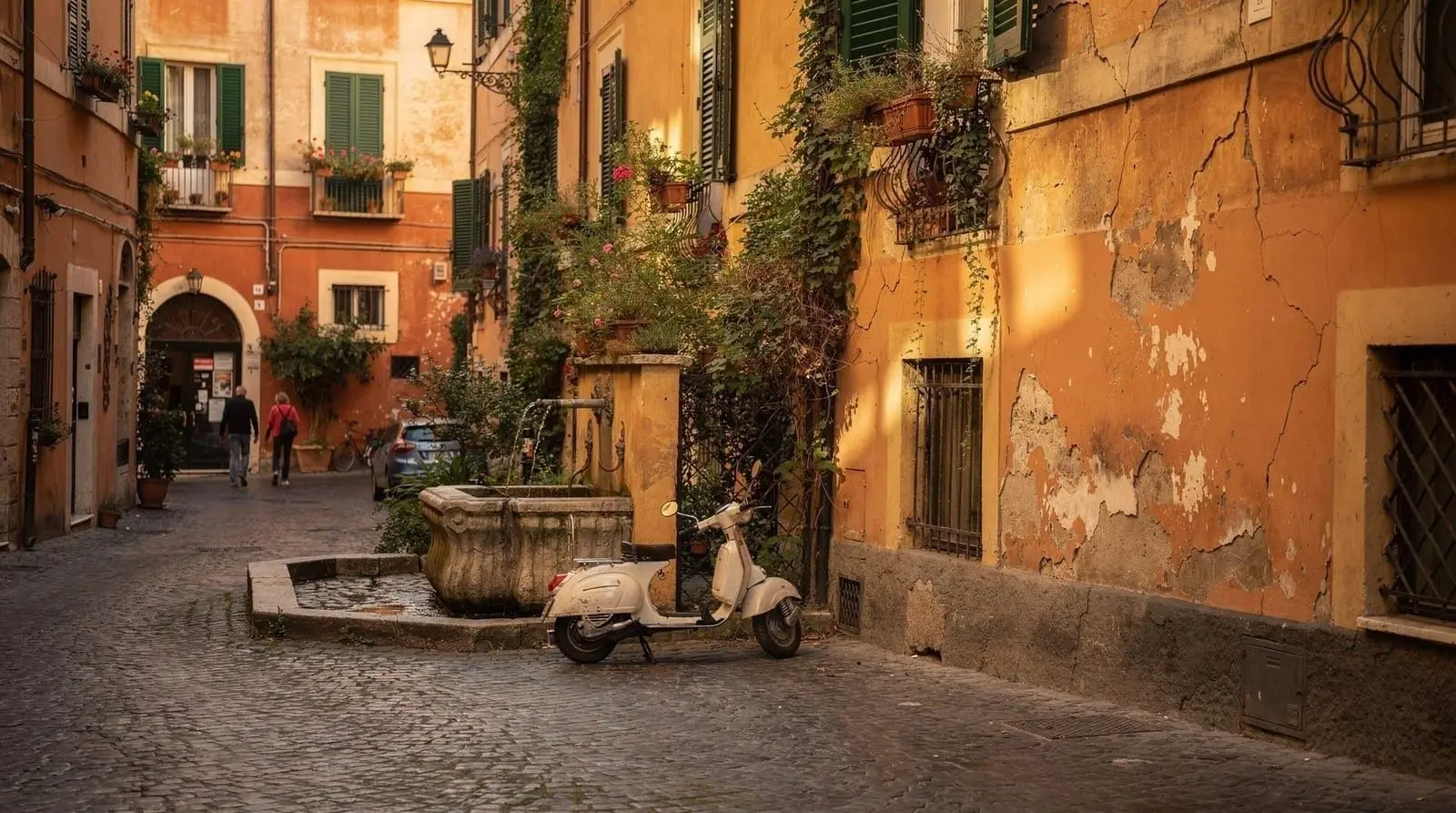
Trastevere is the neighborhood that makes people fall in love with Rome — cobbled lanes, ochre buildings draped in ivy, trattorias where the pasta is made fresh, aperitivo bars spilling onto piazzas. It is genuinely beautiful.
The honest caveats: it is not undiscovered, and Friday and Saturday nights are loud until 1–2 am in most of the neighborhood core. This is not a minor caveat — it is a significant quality-of-life issue for light sleepers, and it is consistently underreported on booking platforms.
Who it suits: Night owls, food lovers, couples on short trips who want maximum atmosphere, people staying Sunday–Thursday when it quiets considerably.
Who should look elsewhere: Families with young children. Anyone who needs to be up early for Vatican or Colosseum tickets. Light sleepers.
Price ranges:
- Budget: €80–130/night (guesthouses, B&Bs)
- Mid-range: €140–220/night
- Boutique: €200–300/night
Hotels worth knowing:
- Hotel Santa Maria (vicolo del Piede) — former convent with a courtyard of orange trees; genuinely calm despite the location; €180–260/night; one of the best hotels in the neighborhood
- Arco del Lauro — small, excellent value B&B; courtyard-facing rooms available; €120–160/night
- Residenza San Calisto — basic but well-located; €90–130/night
Transport: No metro. Tram 8 from Largo Argentina (heart of Centro Storico) is fast and direct. Bus H from Termini. Bus 23 along the Lungotevere. About 25 minutes’ walk to the Colosseum, 30–35 minutes to the Vatican on foot.
See our full Trastevere neighborhood guide for more detail.
Monti: the smart choice for most visitors
Monti is consistently the neighborhood we recommend to visitors who ask where we would actually stay. It is Rome’s oldest rione (administrative quarter) and sits between the Colosseum, the Termini station, and the Esquiline Hill. The neighborhood has a genuine local character — independent boutiques, aperitivo bars populated by Romans, a weekly market on Via Leonina — combined with exceptional transport connectivity.
Why it works: Metro B stop Repubblica and Metro B Cavour bracket the neighborhood. The Colosseum is 10 minutes on foot. Termini is 15 minutes on foot. Via Nazionale (bus corridor) cuts along the edge.
Who it suits: Repeat visitors who want character over landmarks. Anyone who wants to eat and drink locally without paying Trastevere prices. People whose itinerary spans both the Colosseum side and the Centro Storico side of Rome.
Price ranges:
- Budget/guesthouse: €70–110/night
- Mid-range: €120–200/night
- Boutique: €180–280/night
Hotels worth knowing:
- Hotel Lancelot (via Capo d’Africa) — highly regarded mid-range near the Colosseum; garden terrace; excellent breakfast; €160–230/night
- Nerva Boutique Hotel — well-run, good value, in the Monti core; €130–190/night
- The Fifteen Keys Hotel (via della Madonna dei Monti) — boutique, contemporary design in a historic building; €180–260/night
- Hotel Artorius — comfortable mid-range with personal service; €110–170/night
Transport: Excellent. Metro B (Cavour stop: 3 minutes’ walk to much of Monti). Buses along Via Nazionale and Via dei Fori Imperiali. Tram along Viale Manzoni.
Noise: Monti is notably quieter than Trastevere or Centro Storico on weekends. The main drag (Via del Boschetto) has some bar noise but it is a different level of intensity. Most residential streets are quiet by midnight.
See our full Monti neighborhood guide.
Testaccio: for food-focused travelers
Testaccio is Rome’s working-class market district, built around the old slaughterhouse (now converted into contemporary arts spaces) and the Testaccio Market. It is one of Rome’s most honest neighborhoods — genuinely residential, genuinely food-focused, with a directness that reflects its origins.
Staying here puts you close to the Aventine Hill, the Circus Maximus, and an excellent cluster of restaurants that skew Roman and value-driven rather than tourist-targeted.
Who it suits: Food travelers. People who want to experience a real Roman neighborhood rather than tourist Rome. Anyone staying 5+ nights who wants variety.
Who should look elsewhere: First-timers who want to walk to the Pantheon or Trevi (30–35 minutes from Testaccio). Anyone who needs metro access to multiple points daily (Testaccio is on bus routes but the nearest Metro B stop is Piramide, about 10 minutes’ walk).
Price ranges:
- Budget: €70–100/night
- Mid-range: €100–160/night
- Boutique: €160–250/night
Hotels worth knowing:
- Hotel Sant’Anselmo (piazza di Sant’Anselmo, actually on the Aventine) — romantic and calm, garden setting; €180–260/night
- Hotel Aventino — sister property to Sant’Anselmo; good value; €140–200/night
- Villa San Pio — another Aventine property, excellent for calm; €150–220/night
Transport: Metro B Piramide (10 minutes’ walk from most of Testaccio). Bus 23 along the Lungotevere. Tram 3 connection eastward.
See our full Testaccio neighborhood guide.
Prati: calm, elegant and Vatican-adjacent
Prati is Trastevere’s opposite in character — wide, planned 19th-century streets, proper supermarkets, a largely residential feel, and almost no nightlife noise. It sits immediately north of the Vatican and Castel Sant’Angelo, across the river from Centro Storico.
Staying in Prati means the Vatican queues start a 10-minute walk from your door. It is an excellent choice for the Vatican-focused itinerary and for visitors who find the noise of Trastevere or Centro Storico unworkable.
Who it suits: Vatican-focused visitors. Older travelers who prefer calm. Families. Anyone who values a proper sleep over maximum atmosphere proximity.
Price ranges:
- Budget: €80–120/night
- Mid-range: €130–200/night
- Upscale: €200–350/night
Hotels worth knowing:
- Hotel dei Mellini (via Muzio Clementi) — solid four-star, well-run, reliable; €180–260/night
- Starhotels Michelangelo — large, professional, business-grade; €160–240/night
- Casa di Santa Brigida — pilgrim house but open to all; quiet, well-located, excellent value; €100–140/night
- Residenza Zanardelli (further east, near Piazza Navona) — technically between Prati and Centro Storico; good boutique option; €160–220/night
Transport: Metro A Ottaviano (Vatican) and Metro A Lepanto are both a short walk from most of Prati. Bus routes along via della Conciliazione and via Cola di Rienzo. Walking distance to the Vatican; about 35–40 minutes’ walk or one Metro change to the Colosseum.
See our full Prati neighborhood guide.
Esquilino and Termini: the budget base
Esquilino is Rome’s most international and most misunderstood central neighborhood. Termini station is its beating heart — which means it is the best-connected area in Rome for onward travel, with every metro line and dozens of bus routes. It is also the area most associated with pickpockets (around the station itself), budget hostels, and immigrant-run restaurants.
The honest picture: Esquilino is not atmospheric, but it is not dangerous. The area north of the station has improved significantly in the past decade. The Egyptian Museum, Santa Maria Maggiore basilica, and the National Roman Museum are all within easy walking distance.
Who it suits: Budget travelers who prioritize location flexibility and cost. Visitors who need to make multiple day-trip train journeys. Backpackers.
Price ranges:
- Hostel dorm: €25–45/bed
- Budget double: €60–100/night
- Mid-range: €90–140/night
Hotels worth knowing:
- Hotel Quirinale (via Nazionale) — historic, elegant, slightly north of the budget cluster; genuinely good; €160–240/night
- Hotel Modigliani (via della Purificazione) — closer to Trevi; good value boutique; €120–180/night
- The Yellow Hostel (via Palestro) — well-run hostel with bar and social areas; popular with younger travelers; €30–55/dorm bed
- Hotel Cosmopolita (via Torino) — decent mid-range option; honest value; €90–130/night
Transport: Unmatched. Metro A and B both stop at Termini. Dozens of bus lines. Regional trains from Roma Termini. Leonardo Express to Fiumicino airport from here. Buses to Ciampino.
Aventino: the secret quiet base
The Aventino is Rome’s quietest central neighborhood — a residential hill south of the Circus Maximus with rose gardens, the famous Keyhole view of St. Peter’s, and a handful of excellent hotels hidden behind orange-tree gardens. Almost no tourists stay here. The trade-off: you will use buses daily, as it is 25–30 minutes on foot from the Colosseum and further from Centro Storico.
Hotels worth knowing:
- Hotel Sant’Anselmo and Hotel Aventino (as mentioned under Testaccio above)
- Villa San Pio — peaceful, garden, good value; €150–220/night
How to decide: a practical framework
Staying 2–3 nights, first time in Rome: Centro Storico or Monti. Accept the premium for Centro Storico, or save money and gain transport at Monti.
Staying 4–6 nights: Monti as a base, with day-trip range. Or split: 2 nights in Centro Storico, 2–3 in Prati (particularly if a half-day at the Vatican is planned).
Coming for food and neighborhood life: Testaccio or Trastevere. Testaccio is more honest; Trastevere is more atmospheric.
Need calm and sleep: Prati or Aventino.
Tight budget: Esquilino-Termini, with Metro commutes into the center.
A hop-on hop-off bus pass is genuinely useful on day one in Rome — it covers all the major stops from the Colosseum to the Vatican, gives you a first aerial orientation of distances, and lets you decide where to double back on foot.What every booking site omits
ZTL restrictions: Rome’s historic center and several neighborhoods have ZTL (Zona a Traffico Limitato) camera zones. If you arrive by taxi or hired car, ensure the driver knows your hotel is in a ZTL zone — legitimate taxis can enter; rental cars cannot without a permit. Attempting to drive yourself in will result in a €84–335 fine mailed to your card weeks later. Do not rent a car within Rome.
Coperto and cover charges: Most trattorie charge €1–3 per person as a cover charge. This is normal and legitimate.
Pickpockets: Higher risk in the Metro A (Termini to Ottaviano/Spagna), bus 40/64, and around Termini station itself. Standard advice: bag in front, cards in inside pocket, don’t use your phone while walking in crowds.
Booking windows: For peak June–September, budget 3–4 months ahead for mid-range properties in Centro Storico and Monti. Prati and Esquilino have more availability.
A golf cart city tour with a local guide is a good way to cover the geography between neighborhoods quickly — useful on a first evening to understand relative distances before deciding how to allocate your remaining days.Neighborhood comparison at a glance
| Neighborhood | Colosseum walk | Vatican walk | Mid-range/night | Noise | Best for |
|---|---|---|---|---|---|
| Centro Storico | 25–30 min | 30 min | €180–320 | High weekends | First-timers |
| Monti | 10 min | 40 min | €120–200 | Low–moderate | All types |
| Trastevere | 25 min | 35 min | €140–220 | High weekends | Atmosphere |
| Prati | 40 min | 10 min | €130–200 | Low | Vatican focus |
| Testaccio | 20 min | 45 min | €100–160 | Low | Food lovers |
| Esquilino | 15 min | 40 min | €90–140 | Moderate | Budget |
| Aventino | 25 min | 45 min | €150–220 | Very low | Calm |
For full itinerary planning and area-by-area logistics, see our how many days in Rome guide and Rome itinerary planning overview.
Arriving late or leaving early
If your flight lands late at night or departs before dawn, neighborhood choice matters differently: Esquilino-Termini’s transport advantage (Leonardo Express to Fiumicino, buses to Ciampino, both metro lines) makes it genuinely practical for a first or last night even if you base yourself elsewhere for the main stay. Splitting a trip — one night near Termini on arrival or departure, the rest in Monti or Prati — is a reasonable compromise many repeat visitors use.
First visit? Read this before booking
If this is your first trip to Rome, your neighborhood choice interacts directly with how you plan your days. Our Rome for first-timers guide and Rome in 3 days overview both assume a Centro Storico or Monti base — if you choose a different neighborhood, add 10–20 minutes to each cross-town leg of those itineraries.
Avoiding accommodation-adjacent tourist traps
Neighborhood choice also affects how easily you avoid Rome’s tourist traps. Areas with heavy day-tripper footfall — the streets immediately around the Trevi Fountain and Pantheon in Centro Storico, and the piazzas of Trastevere — have a higher concentration of overpriced restaurants and gift shops than the surrounding blocks. See our Rome tourist traps guide for the specific streets to be wary of, wherever you end up staying.
Getting around from each base
Whichever neighborhood you choose, understanding Rome’s transport network before you arrive avoids wasted time. Metro lines A and B do not intersect the historic center directly, which is why Centro Storico and Trastevere rely more on buses and trams than Monti or Prati. See our full getting around Rome guide for route planning between neighborhoods and to the main sights.
Frequently asked questions about Where to stay in Rome: an honest neighborhood
Which Rome neighborhood is best for first-time visitors?
Is it worth staying near the Vatican?
Is Trastevere a good place to stay?
Should I stay near Termini station?
Which neighborhood is best for families with children?
How far is each neighborhood from the Colosseum?
Is Rome safe for tourists at night?
What is the best budget area to stay in Rome?
How far in advance should I book accommodation in Rome?
Does where I stay affect how easily I avoid tourist traps?
Top experiences
Bookable activities with verified prices and instant confirmation on GetYourGuide.