Where to eat in Rome: an honest neighborhood-by-neighborhood guide
Trastevere: Food and Drink Tour
Where should I eat in Rome to avoid tourist traps?
Testaccio is the most consistent neighborhood for honest Roman food at fair prices. Trastevere has good spots but requires navigation to avoid tourist-menu restaurants. Monti is the best choice if you're near the Colosseum. Avoid restaurants ringing Campo de' Fiori and any place with an English photo-menu on a stand outside.
| Best overall | Testaccio |
| Best near sights | Monti (Colosseum), Prati (Vatican) |
| Avoid | Restaurants ringing Campo de’ Fiori’s square |
| Budget | €35–50/person mid-range trattoria |
| Reservations | Book 1+ week ahead for named favourites |
Why restaurant choice matters more in Rome than almost anywhere else
Rome is one of the great food cities of the world and one of the easiest places in the world to eat badly. The gap between an honest Roman trattoria and a tourist-trap restaurant is larger here than in almost any other major European capital — the price difference is often not dramatic, but the quality difference is enormous.
The pattern is consistent: proximity to the most visited monuments produces the worst food. The closer you are to the Colosseum, the Trevi Fountain or the Pantheon, the more likely you are to find microwaved pasta at inflated prices, industrial gelato in neon colors, and menus in six languages with photographs of every dish.
This guide organizes Rome by neighborhood, tells you what each area does best, names specific restaurants that are actually good, and flags the traps.
Reading the signals
Before the neighborhood breakdown, here are the universal signals for bad food in Rome:
Photo menus on a stand outside the door. Romans don’t need to see a picture of spaghetti carbonara to know what carbonara is. Photo menus exist entirely for tourists, and they almost always accompany industrially prepared food.
Staff actively soliciting on the street. Good Roman restaurants don’t need to chase customers. If someone is beckoning you in from the doorway, keep walking.
“No reservation needed” at a popular place. Places worth eating at fill up. If a restaurant is always empty enough to seat you immediately at 20:30 on a Saturday, ask yourself why.
Coperto above €3. A legitimate cover charge is €1-3, listed on the menu. Anything above that starts entering inflation territory. Check before you sit.
The “servizio” double charge. In Rome, service is traditionally included in menu prices. An explicit “15% service charge” added to the bill is non-standard and worth pushing back on.
Testaccio — where Romans go
If you only have time to eat seriously in one neighborhood, make it Testaccio. This working-class area, built around the old Mattatoio (slaughterhouse) and its workers, is Rome’s culinary heartland. The food is unfussy, the prices are honest, and the restaurants serve the Roman dishes that actually evolved here.
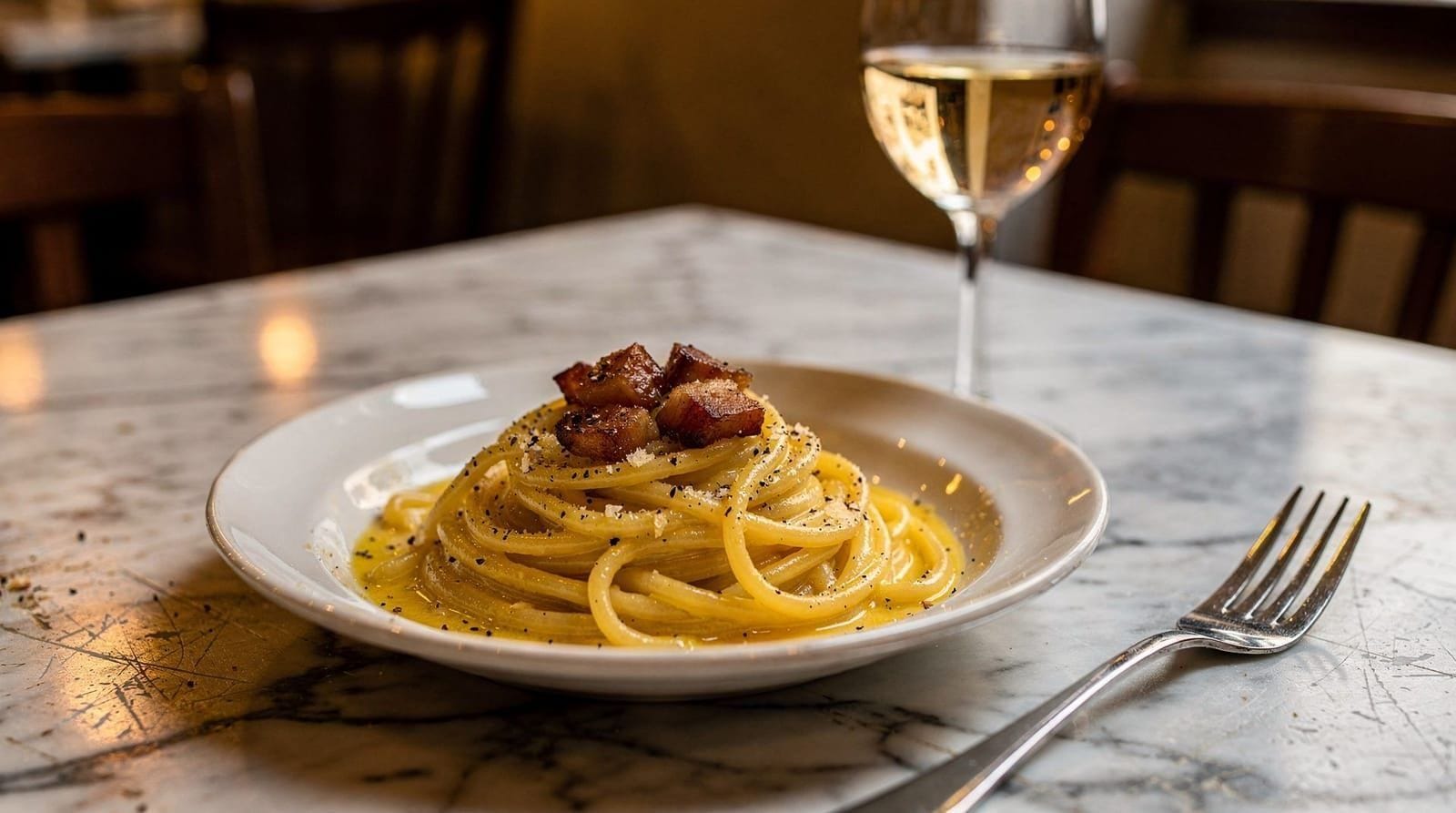
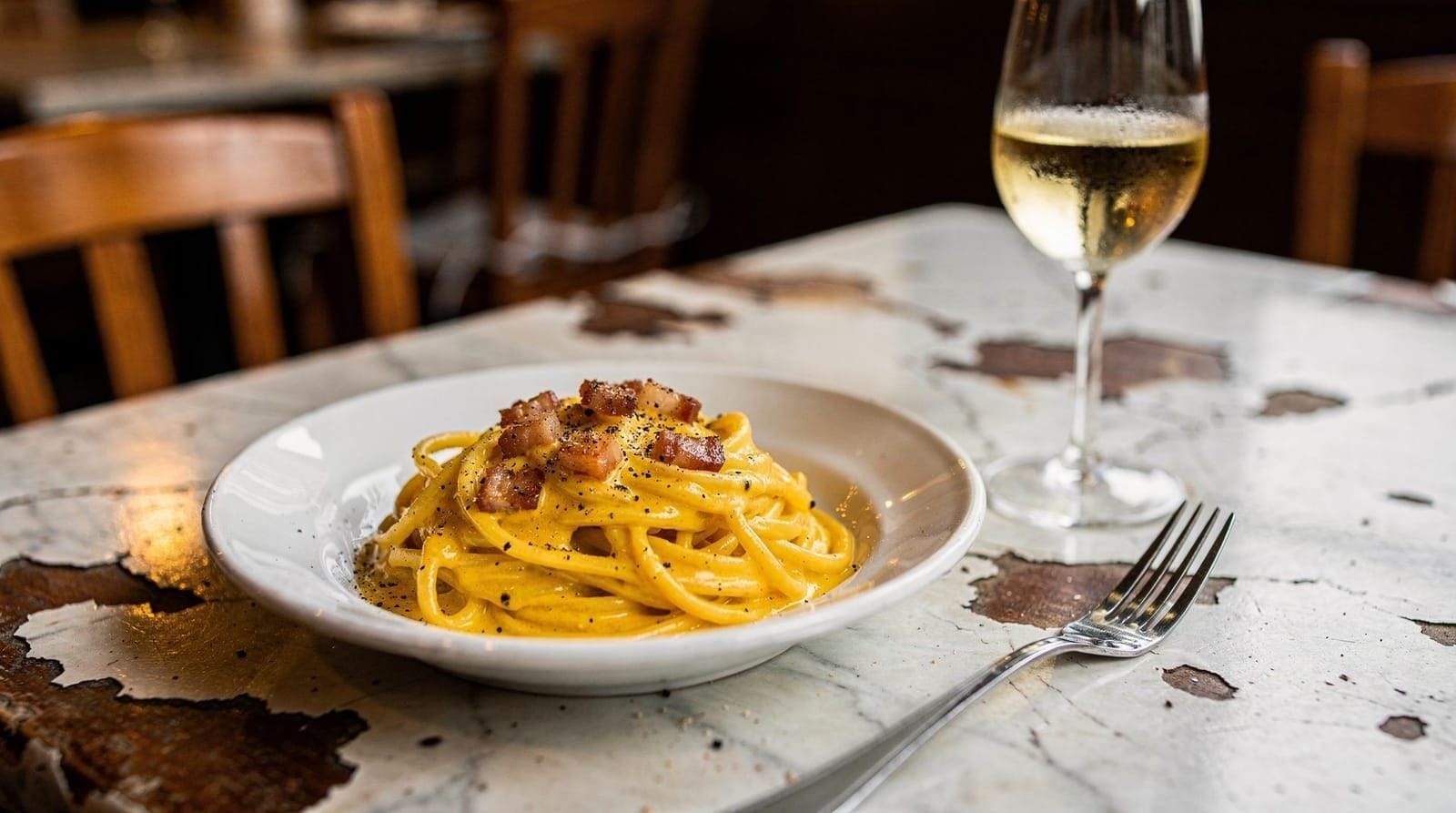
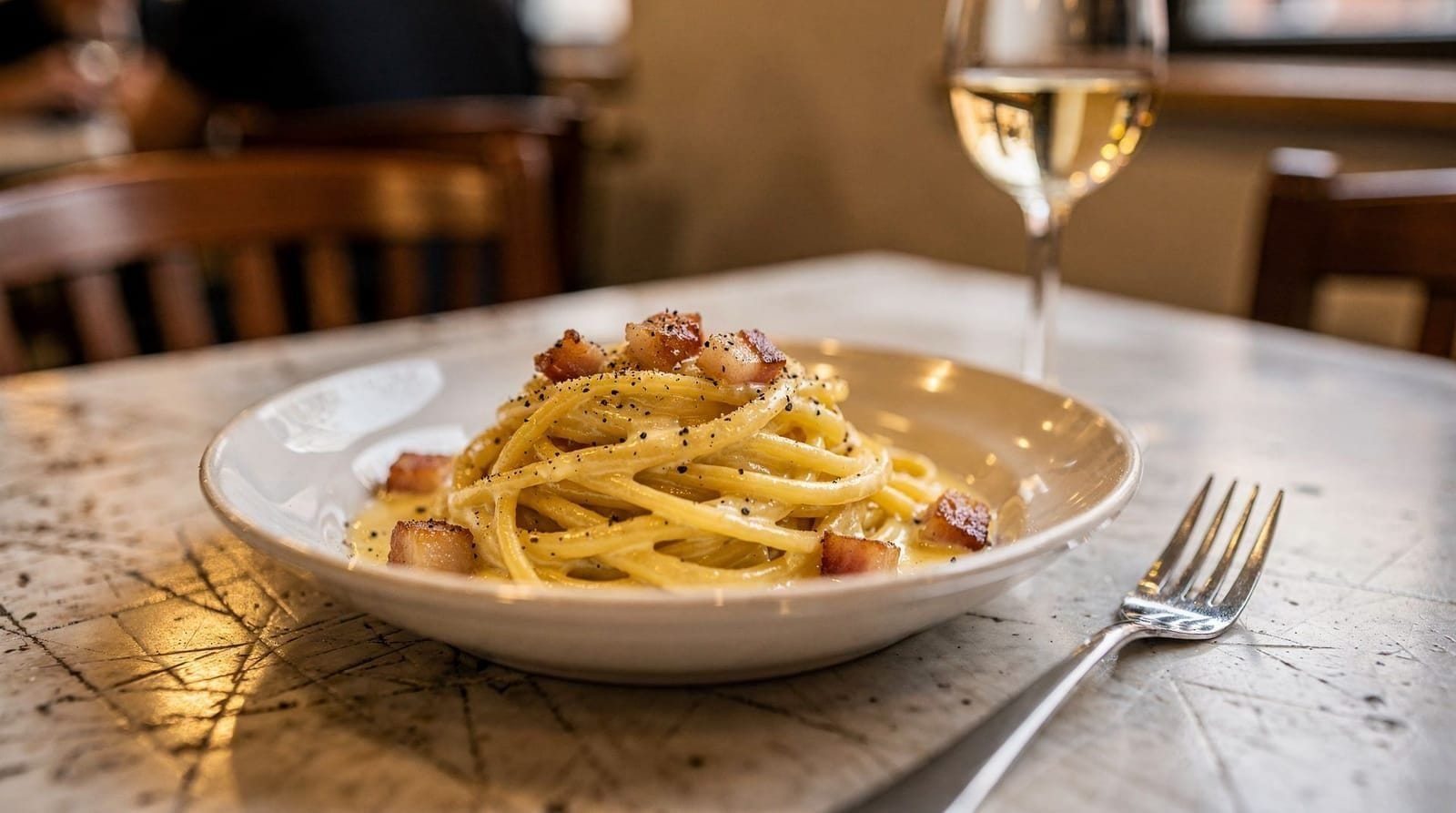
Flavio al Velavevodetto (Via Monte Testaccio 97) is the neighborhood’s most celebrated institution. The carbonara on rigatoni is textbook — glossy, peppery, no cream. The artichoke dishes in spring are exceptional. Reservations essential for dinner; arrive without one and you’ll wait. Pasta €13-16. Closed Sunday evening.
Osteria degli Amici (Via Nicola Zabaglia 25) is quieter and less famous, which means you can usually get a table without planning a week ahead. Solid Roman classics — cacio e pepe, gricia, abbacchio — at €11-14 for pasta. The house white wine is rough and drinkable.
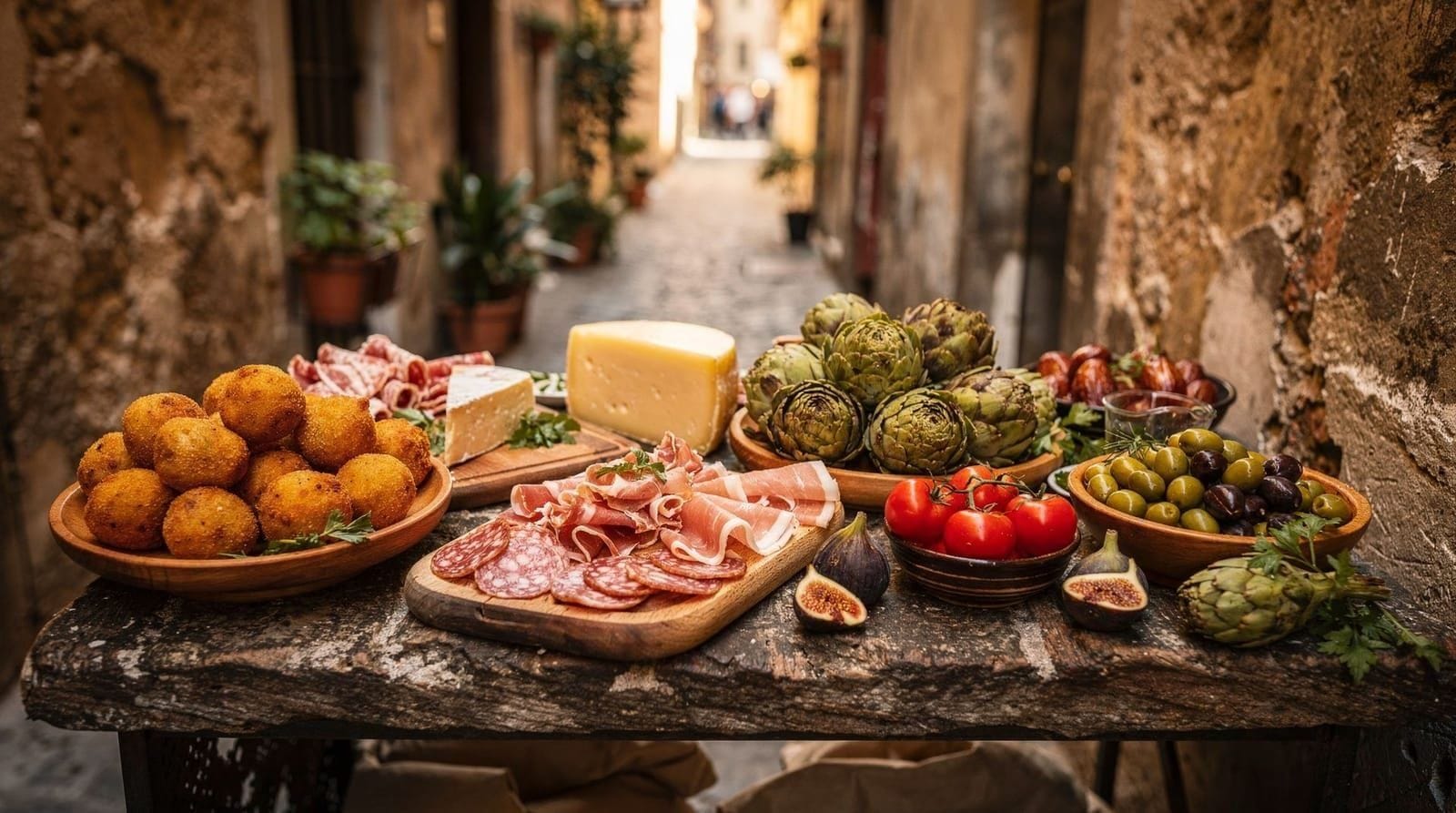
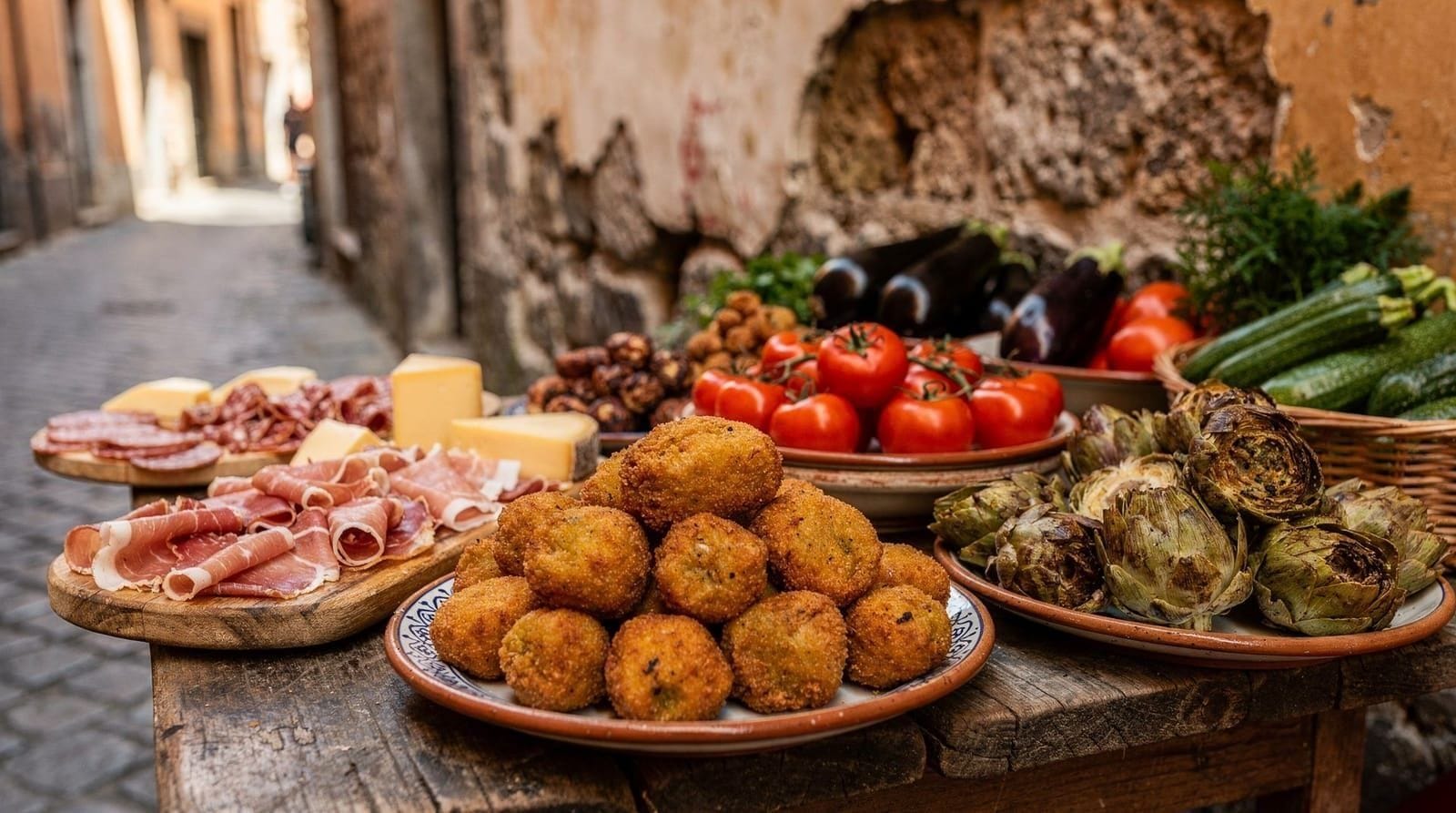
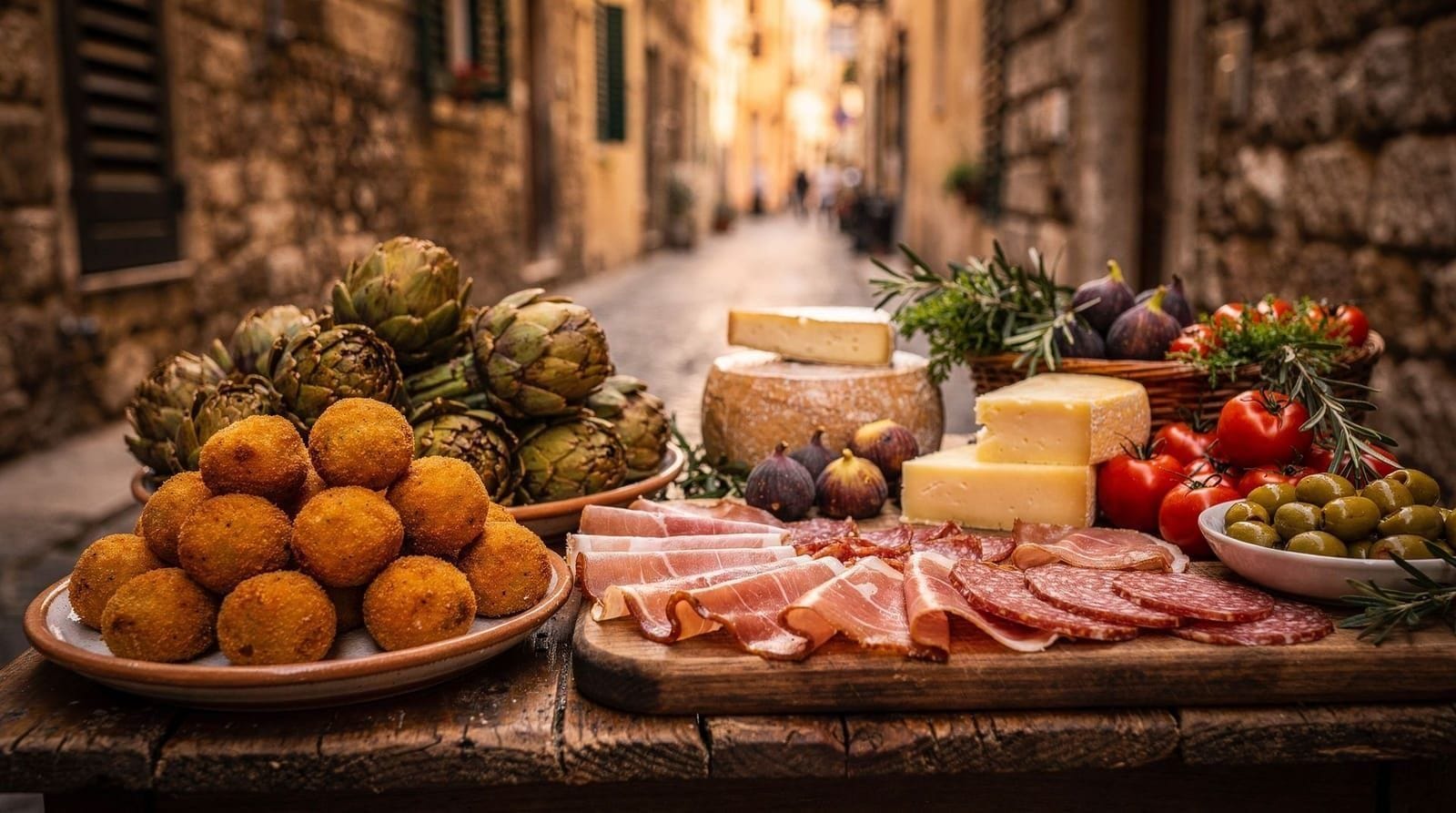
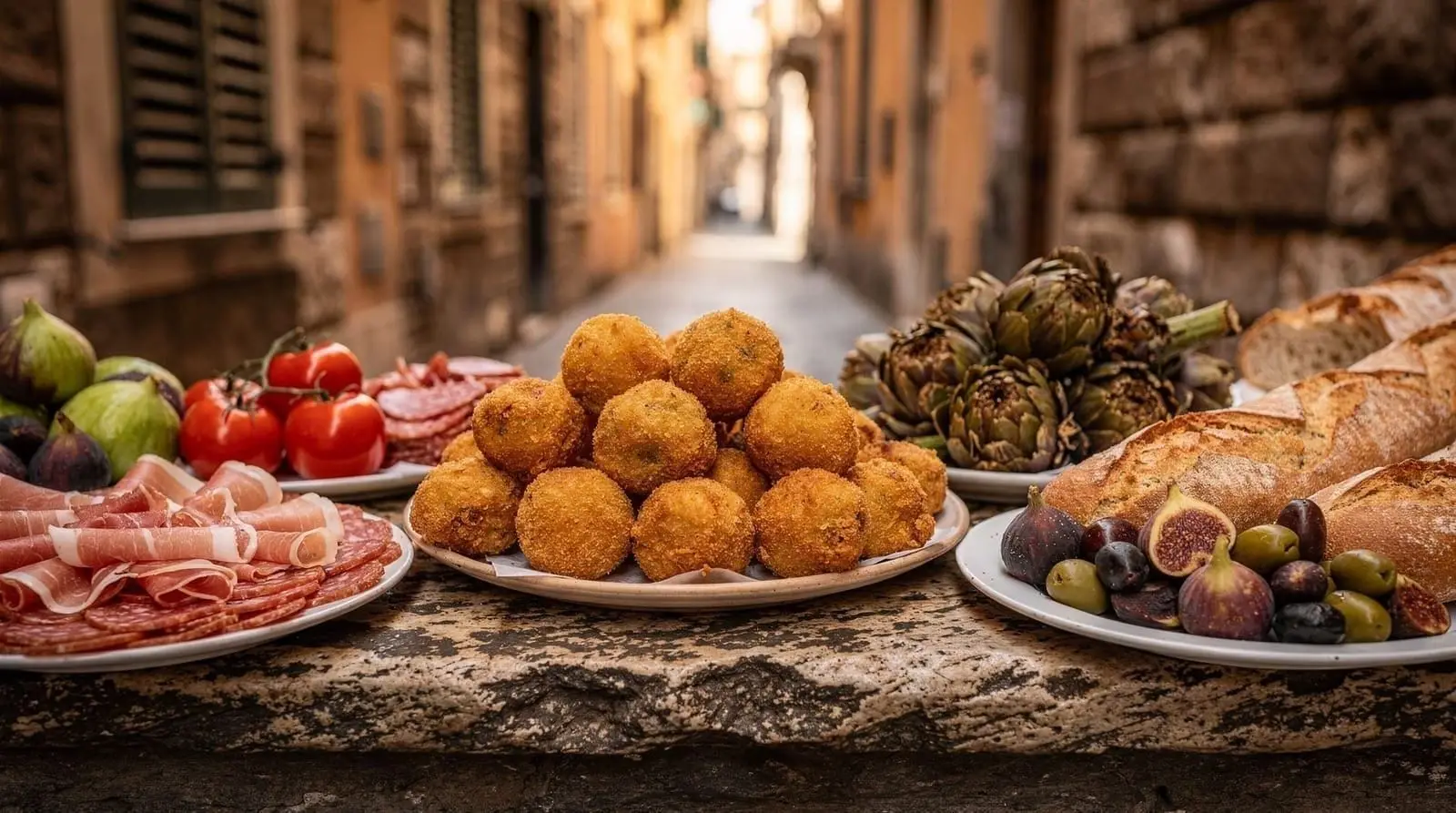
Da Remo (Piazza di Santa Maria Liberatrice 44) is technically a pizza restaurant — thin-crust Roman-style pizza at honest prices (€8-12 for a full pizza). The supplì (fried rice balls, €2 each) are among the best in the city. Expect queues from 19:30 onward on weekends.
Mercato di Testaccio (Piazza Testaccio, Mon-Sat until ~14:00): The covered market is an essential stop. Box 66 (Mordi e Vai) serves Roman sandwiches with slow-cooked offal fillings — the nervetti (veal tendon) and coda alla vaccinara versions are the real thing. The supplì stall near the entrance is reliable. Not a tourist attraction: a working market where Romans shop.
Il Mattatoio area around the former slaughterhouse now houses art spaces, a farmer’s market on Sunday mornings, and Roma Tre university buildings. The area just north of the market, toward Piazzale Ostiense, has several understated restaurants that serve lunches primarily to office workers — reliable, cheap, no English menus.
A guided food walk that covers both Trastevere and Campo de’ Fiori — useful for getting oriented to both neighborhoods’ honest spots before eating independently.Trastevere — good food surrounded by tourist traps
Trastevere has Rome’s most photogenic streets and some of its best trattorias. It also has, ringing every major piazza, a concentration of tourist-menu restaurants that would embarrass a motorway service station.
The navigation rule: walk away from the piazzas. Piazza di Santa Maria in Trastevere and Piazza di Piscinula are tourist territory. The streets that branch off them — Via dei Vascellari, Via della Paglia, Via Crescenzo del Monte, Via dell’Arco di San Calisto — are where the good spots cluster.
Da Enzo al 29 (Via dei Vascellari 29) is Trastevere’s gold standard: about 30 seats, a short handwritten menu, pasta that changes seasonally. The cacio e pepe is one of the best in Rome. Book two weeks in advance for dinner. Coperto €2, pasta €14-16.
Tonnarello (Via della Paglia 1-2) is louder, larger and doesn’t require the same advance planning. The gricia on tonnarelli is reliable; the amatriciana is good. Portions are Roman (i.e., large). Tables outside on the alley in good weather.
Osteria Fernanda (Via Crescenzo del Monte 18) is quieter than both, with a slightly more ambitious menu. The bucatini amatriciana (€15) is excellent; the wine list has fair markups on serious bottles.
Suppli Roma (Via di San Francesco a Ripa 137): dedicated supplì shop — fried rice balls with a ragù and mozzarella center. Two or three with a beer is a perfect Trastevere snack. They’re €2-2.50 each and sell out by early evening.
Grazia & Graziella (Via della Pelliccia 31) is a small, unpretentious osteria for lunch — local workers, €10 pasta, no tourists. It requires speaking some Italian or pointing.
Trapizzino (Via Branca 88) invented the format: a pocket of pizza dough filled with Roman braises. The coda alla vaccinara and pollo alla cacciatora fillings are €3.50 each. There’s now a small chain (also in Monti and near the Vatican) but this Testaccio branch is the original.
The Trastevere secret food tour covers lesser-known spots in the neighborhood — useful if you’ve already been to Rome once and want to go beyond the well-known names.Monti — best for Colosseum-area eating
Monti sits between the Colosseum complex and the Termini station and is the most useful neighborhood if you’re spending time at the ancient sites. It avoids the tourist-trap concentration of the streets immediately around the Colosseum (which are essentially all bad) while staying within 10 minutes’ walk.
The area has a bohemian-vintage character, with small aperitivo bars, independent shops and a cluster of trattorias on Via dei Serpenti, Via Leonina and Via del Boschetto.
Alle Carrette (Via della Madonna dei Monti 9): reliable Roman-Jewish dishes, including seasonal artichokes. €12-15 pasta. The supplì are good. Cash only.
Taverna dei Fori Imperiali (Via della Madonna dei Monti 9): no-nonsense Roman classics — a safe choice if you want a sit-down meal without much searching. The carbonara and amatriciana are consistent.
Pizzeria Formula Uno (Via degli Equi 13): good thin-crust Roman pizza in a neighborhood that eats here regularly. Not fancy, not expensive. Worth knowing as a backup if nothing else is open.
Rossopomodoro (Via Urbana): part of a small chain, which generally signals mediocrity — but the Monti branch has had good form on pizza and fried antipasti. Use as a fallback.
For a proper meal, the rule applies: walk a few blocks off the main tourist paths and the options improve immediately.
The Jewish Ghetto — Rome’s oldest food tradition
The Ghetto area (around Via del Portico d’Ottavia) is home to a culinary tradition that predates Roman pasta by centuries. Jewish-Roman cuisine evolved from the restrictions of the Ghetto years — a diet based on vegetables, offal, legumes and the cheaper cuts of fish and meat — and produced some of the most distinctive dishes in the city.
Nonna Betta (Via del Portico d’Ottavia 16): the most visitor-accessible of the Ghetto restaurants. The carciofi alla giudia (whole artichokes, fried twice until crispy outside and sweet inside, €9-11 in season) are the reference point. Also: filetti di baccalà (fried salt cod, €7-8) and coda alla vaccinara.
Sora Margherita (Piazza delle Cinque Scole 30): no-frills Ghetto institution. The door is marked only by a small sign; the interior is basic. Roman Jewish classics at lower prices than Nonna Betta. Cash only.
Piperno (Via Monte de’ Cenci 9): the Ghetto’s upscale address — a century-old family restaurant that still operates to serious standards. The carciofi alla giudia at Piperno are the best available in the city when artichokes are in season (February to April). The coda alla vaccinara and baccalà dishes are also serious. Expect €55-80/person with wine. Reservations necessary.
Artichoke season note: Carciofi alla giudia is only worth eating fresh — from roughly late February to April. Out of season, most restaurants use frozen artichokes, which produce a pale imitation. Ask “sono freschi?” before ordering in May or later.
Prati — for the Vatican visit
Prati is the residential neighborhood immediately north of the Vatican, organized around the main shopping street Via Cola di Rienzo. It’s not a food destination in the sense that Testaccio or Trastevere is, but it has honest mid-range restaurants serving the local population — which means fair prices and no photo menus.
Il Sorpasso (Via Properzio 31): a popular bar-bistrot for lunch — good charcuterie boards, pasta, wine by the glass. Worth knowing for a post-Vatican lunch without crossing back into the tourist zone.
Pizzarium (Via della Meloria 43): Gabriele Bonci’s famous pizza al taglio shop, near the Ottaviano metro. Considered the reference point for Roman-style pizza by the slice. You buy by weight (€3-5/100g), choose from a rotating selection of toppings, and eat standing. The queue is genuine and moves fast. Worth it.
Settembrini (Via Luigi Settembrini 25): a combination wine bar and cafe with good sandwiches and Roman dishes at lunch. Less known than Pizzarium but a comfortable alternative.
Campo de’ Fiori and Centro Storico — mostly avoid, with exceptions
Campo de’ Fiori is a morning market (until about 13:30) that has largely given way to tourist trinket stalls. The restaurants ringing the square are tourist-menu territory. The campo itself is a pleasant place to buy fruit and watch people; eat somewhere else.
What actually works near Campo de’ Fiori:
Roscioli (Via dei Giubbonari 21): one of Rome’s most serious restaurants — and also a delicatessen and wine bar. The carbonara is made with care and good ingredients; the pasta prices reflect it (€18-22). The wine list runs to 2,000+ labels. Book in advance. Not a budget option but an honest one.
Forno Campo de’ Fiori (Campo de’ Fiori 22): the bakery on the square that has been baking bread and pizza bianca since the 1920s. The pizza bianca (white pizza with olive oil and rosemary) is excellent, cheap (€1-2 for a slice) and worth eating while still warm. A morning stop.
Via dei Giubbonari and Largo dei Librari: the streets south of Campo de’ Fiori leading toward the Jewish Ghetto have a concentration of food shops, casual bars and honest lunch spots that serve the neighborhood workers rather than tourists. Worth wandering.
Near the Pantheon and Piazza Navona — careful navigation required
The Pantheon area and Piazza Navona are surrounded by expensive tourist restaurants and some genuinely excellent specialty spots. The key is knowing which is which.
Sant’Eustachio il Caffè (Piazza di Sant’Eustachio 82): arguably the best coffee in Rome. The espresso (€1.50 at the bar) is made with a secret roasting process and a sugar pre-prepared into the cup — specify “senza zucchero” if you want it unsweetened. Standing at the bar is €1.50; sitting is a luxury surcharge.
Giolitti (Via degli Uffici del Vicario 40): one of Rome’s oldest gelaterias, operating since 1900. The classics — fior di latte, pistachio, cioccolato fondente — are reliable. Not the most adventurous shop in the city, but consistent and honest.
Armando al Pantheon (Salita dei Crescenzi 31): a family restaurant with an excellent location and a menu that takes Roman classics seriously. The cacio e pepe and carbonara are consistently good; the offal dishes are worth exploring if you’re curious. Book ahead — it’s well known and the room is small.
Esquilino and Termini — value eating and global food
Esquilino, the neighborhood around Termini station, is Rome’s most diverse and genuinely international area. The main tourist strip around the station is grim, but a few streets east of Via Giolitti the neighborhood opens into a grid of ethnic restaurants, fresh food markets and cheap lunch spots.
Mercato di Via Sannio (Via Sannio, Mon-Sat): a market primarily for clothes, but with a food section at the far end that includes good fresh produce and a couple of Roman lunch spots.
Ethiopian and Eritrean restaurants on Via dello Statuto: a cluster of East African restaurants that represent Rome’s largest immigrant community. Authentic, cheap, excellent if you want a break from pasta.
Trattoria da Bruno (Via Varese 29): old-school Roman trattoria near the station that serves the neighborhood workers at lunch — a fixed-price menu of around €12-14 for two courses. No tourist attention, basic room, honest food.
Food tours as orientation
A well-chosen food tour is worth doing on your first day in Rome before eating independently — it gets you into neighborhoods at the right time, explains what you’re eating, and introduces you to spots you’d spend hours finding otherwise.
The Trastevere food and drink tour covers the neighborhood’s best spots across a 3-4 hour walk — wine, pasta, cured meats and gelato included, with a local guide who knows which doors to open.For general planning, see our Roman pasta food tour guide covering the key dishes and the best way to eat them, and our street food guide for the quick-stop options worth building into any walk.
Practical notes
Tipping: Not mandatory. Rounding up or leaving €1-2 is appreciated at casual spots. Five to ten percent for excellent service at a proper restaurant. No tipping at the bar for coffee.
Water: The tap water is excellent and the nasoni (cast-iron street fountains) run continuously with cold, clean water. A refillable bottle saves you €3 per restaurant visit.
Reservations: Use the restaurant’s own website or Instagram DM where possible. Platforms like TheFork charge restaurants a commission; calling directly is preferred by small places.
Language: Speaking even a few words of Italian — “buongiorno,” “per favore,” “grazie,” “il conto per favore” — changes the reception you get at non-tourist restaurants. Not required, but appreciated.
For neighborhood context, see our guides to Testaccio, Trastevere and Monti. For food tours compared, see our dedicated review.
Neighborhoods compared for eating
| Neighborhood | Strength | Price level | Trap risk |
|---|---|---|---|
| Testaccio | Honest Roman classics, market | €€ | Low |
| Trastevere | Atmosphere, good food off the piazzas | €€-€€€ | High on main squares |
| Monti | Colosseum-area convenience | €€ | Moderate |
| Jewish Ghetto | Jewish-Roman specialties | €€-€€€ | Low |
| Prati | Honest local eating near the Vatican | €€ | Low |
| Campo de’ Fiori/Centro Storico | A handful of serious exceptions | €€€ | High |
| Esquilino/Termini | Value and global food | € | Moderate near station |
Understanding the classic Roman pastas
Rome’s four defining pastas — carbonara, cacio e pepe, amatriciana and gricia — appear on nearly every menu in this guide, but quality varies enormously between a careful trattoria and a tourist-menu imitation. Our five Roman pastas explained and carbonara vs cacio e pepe guide cover what each dish should actually taste like, so you can tell a good plate from a mediocre one before you have finished it.
Gelato and coffee: the other essentials
This guide focuses on meals, but gelato and coffee are their own minefield of tourist traps in Rome — neon-coloured, artificially inflated gelato and burnt, over-priced coffee near every major sight. See our best gelato in Rome guide for the artisanal shops worth the detour, and Rome coffee culture for how to order at the bar like a local and avoid the sitting-down markup.
Eating near the Vatican and around Termini
Two areas not covered in depth above deserve a specific mention. If you are spending the day at the Vatican, Prati is the neighbourhood to retreat to for lunch rather than the tourist cafes ringing St. Peter’s Square. If you are staying near the station for transport convenience, Esquilino has some of Rome’s best-value ethnic and Roman food side by side — see our neighbourhood guide for specifics beyond the market stalls mentioned above.
Jewish-Roman cuisine in more depth
The Ghetto section above only scratches the surface of a 2,000-year culinary tradition. For the fuller picture of dishes, history and where to eat them, see our dedicated Jewish Ghetto food guide.
Frequently asked questions about Where to eat in Rome: an honest neighborhood-by-neighborhood
What is a coperto and is it a scam?
What is the difference between a ristorante, trattoria and osteria in Rome?
Do I need to make reservations at Rome restaurants?
When do Romans eat lunch and dinner?
Are there good vegetarian options in Rome?
What is the Jewish Ghetto neighborhood known for food?
Is Trastevere worth eating in?
What should I budget per person for a meal in Rome?
Where should I eat if I'm staying near the Vatican or Termini?
Is gelato near the main tourist sights ever worth eating?
Top experiences
Bookable activities with verified prices and instant confirmation on GetYourGuide.