Trastevere food guide: where to eat (and where to skip)
Trastevere: Food and Drink Tour
Where should I eat in Trastevere without getting ripped off?
Stick to the side streets off the main squares. Da Enzo al 29 (Via dei Vascellari 29) is the gold standard for Roman pasta — book weeks ahead for dinner. Tonnarello (Via della Paglia 1–2) is larger but honest. Osteria Fernanda handles the mid-range well. The restaurants directly on Piazza di Santa Maria in Trastevere and Piazza di Piscinula are almost uniformly tourist-menu territory.
The navigation problem with Trastevere
Trastevere is Rome’s most famous neighborhood for a reason: the cobblestone streets, the ochre and terracotta buildings, the ivy-covered walls and the 12th-century basilica with its Byzantine mosaics constitute one of the most evocative urban environments in Europe. In the 1970s it was a genuine working-class neighborhood that happened to be beautiful. Today it is also one of Rome’s most saturated tourist zones, with the attendant pricing and quality consequences.
This doesn’t mean Trastevere is a write-off for food. It means the navigation challenge is real. The gap between Trastevere’s worst restaurant (indifferent pasta, €18 a plate, photo menu, coperto €5) and its best (technically precise Roman cooking, honest prices, local clientele) is one of the largest in Rome. This guide maps that gap.
| Where to eat | Side streets between the squares, not on them |
| Pasta price (honest) | €10–16 |
| Dinner for two with wine | around €50–70 |
| Book ahead | Yes for Da Enzo (2–3 weeks for weekend dinner) |
| Avoid | Restaurants directly on Piazza Santa Maria / Piazza Piscinula |
The main squares: beautiful, mostly avoid for dinner
Piazza di Santa Maria in Trastevere is Trastevere’s heart — a 12th-century basilica with one of Rome’s best mosaic facades, a Baroque fountain and outdoor seating that fills up on warm evenings. The restaurants on and immediately around this square are almost universally tourist-facing. They’re not necessarily bad; they’re just not good value and their menus read identically to every other tourist-trap operation in the city. Have a drink in the square, look at the church and walk to dinner.
Piazza di Piscinula is quieter and less known, but the same dynamic applies to its restaurant fringe. The neighbourhood’s best places are on streets between these squares, not on them.
Where to eat: the honest spots
Da Enzo al 29
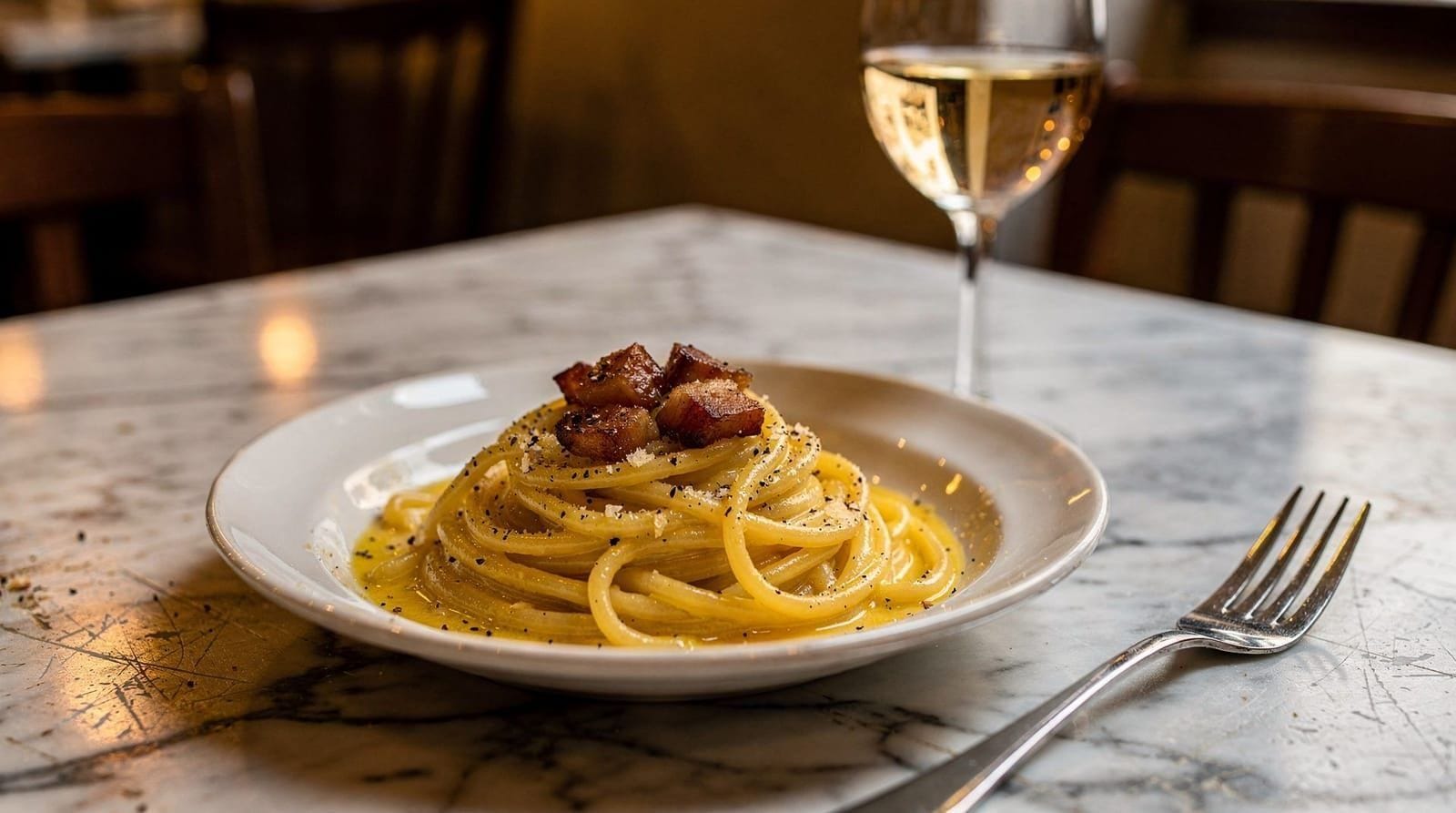
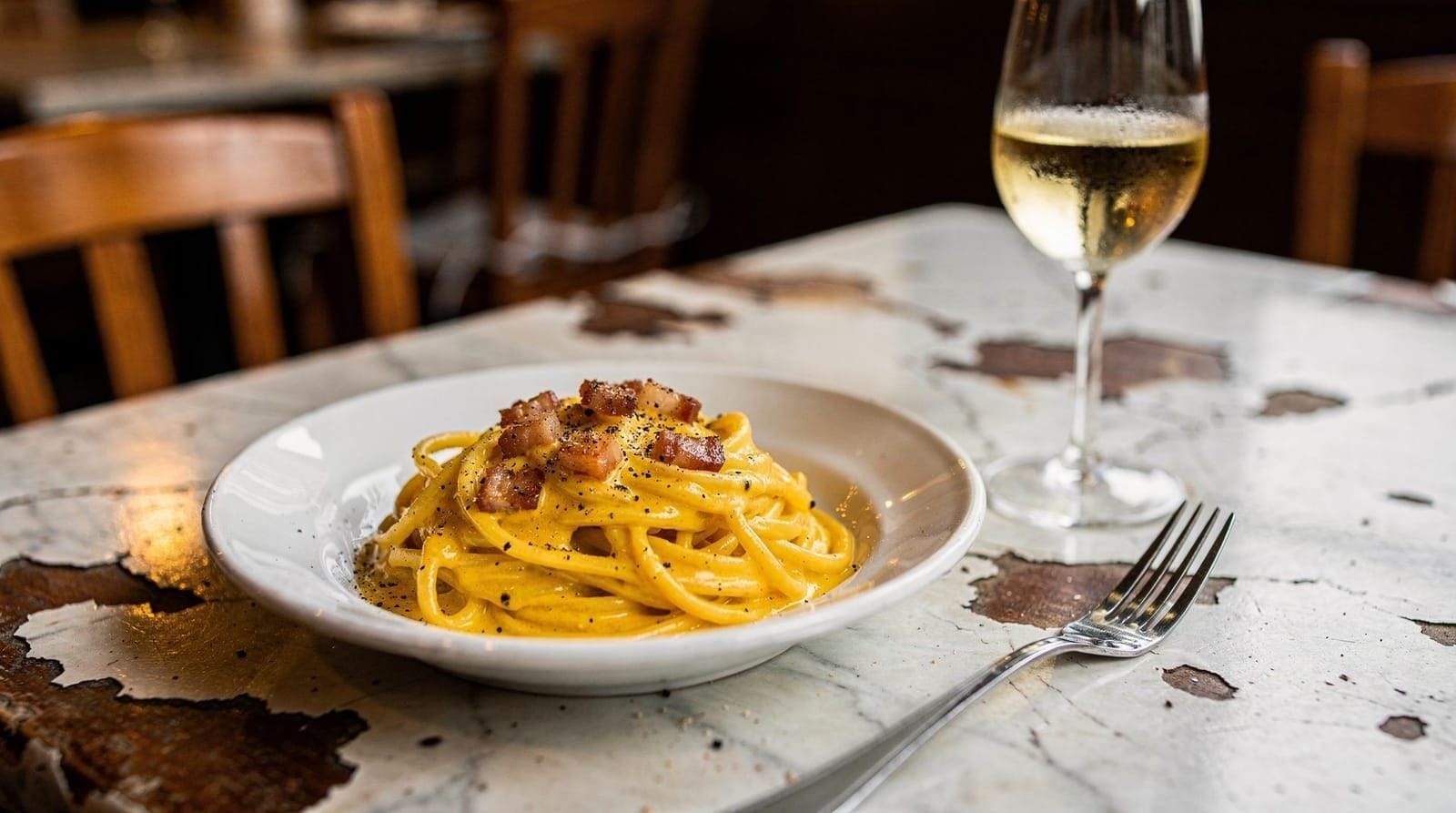
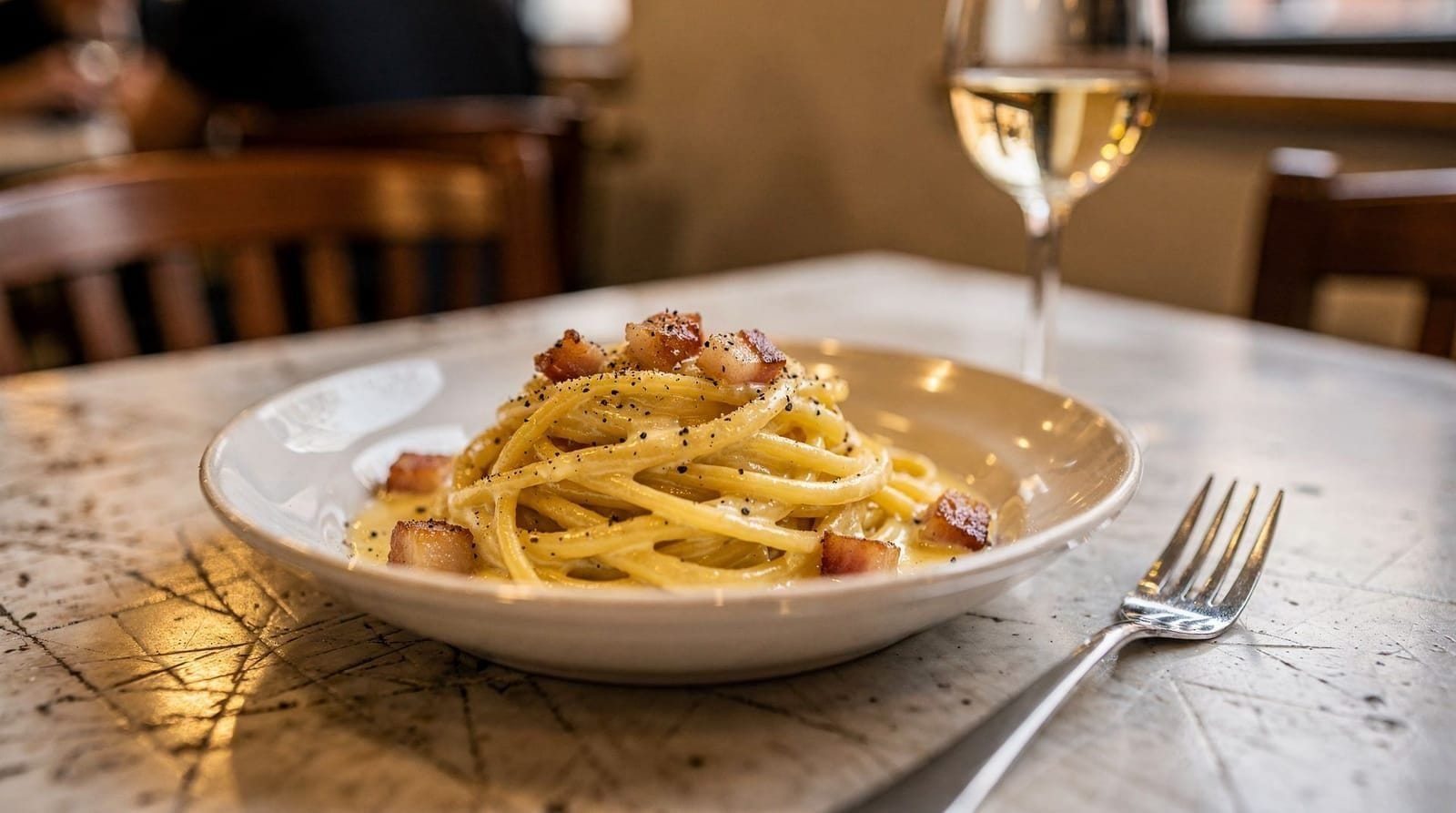
Via dei Vascellari 29 — This is Trastevere’s most consistently cited honest restaurant, and the citation is deserved. It’s a small room — 30 covers or so — with checked tablecloths, a chalkboard of daily specials and a kitchen that treats cacio e pepe and carbonara as the precision work they are. The cacio e pepe on tonnarelli is one of the cleanest versions in Rome: proper emulsion, enough pepper, no cream.
Pasta is €13–16. The daily specials (usually a seasonal vegetable and a meat secondi) run €14–20. The wine list is short and honest — mostly Lazio producers, starting around €16 a bottle.
The critical operational note: Da Enzo takes reservations and you need them. Friday and Saturday dinners should be booked 2–3 weeks ahead. Lunch is easier but still worth booking a few days out. Closed Sunday.
Tonnarello
Via della Paglia 1–2 — A larger, louder operation on a pedestrian alley off the main square. Tonnarello is not a hidden gem — it appears in most guidebooks and the terrace fills up fast. But it earns its reputation: the pasta is honest, portions are generous, prices are fair (€10–14 for pasta) and the service moves quickly. The gricia on tonnarelli (the thick square spaghetti the restaurant is named for) is a reliable order.
No online reservations; show up or call ahead. Busiest Thursday to Saturday evenings.
Osteria Fernanda
Via Crescenzo del Monte 18 — A notch more formal than Tonnarello, with a slightly more curated menu and better-sourced wine list. The amatriciana on bucatini runs €15 and is properly made. The abbacchio (Roman lamb, available seasonally) is one of the better versions in the area. A good choice for a longer dinner rather than a quick pasta.
Da Augusto
Piazza de’ Renzi 15 — One of the oldest trattorias in the neighbourhood, with mismatched chairs, a cash-only policy and a menu on a chalkboard. The food is not elaborate — it’s daily Roman cooking, solidly executed. The arancini are good. Pasta runs €9–12. Dinner for two with wine is €35–45.
Outdoor tables in the piazzetta in summer. No reservations — get there early (19:00) or wait.
Pizzeria Ivo
Via di San Francesco a Ripa 158 — Open since 1963. Roman-style pizza (thin, crispy, wood-fired) at honest prices: €8–12 a pizza, no frills, served fast. The supplì here are decent, though the dedicated stand nearby (see below) is better.
Supplì Roma
Via di San Francesco a Ripa 137 — The reference point for supplì in Trastevere: crispy, properly filled with ragù and mozzarella, hot through. About €2–2.50 each. Best eaten standing outside.
The tourist traps: what to recognise and avoid
Photo menus with pictures of pasta. Every item listed in English with photographs outside the door. This is the clearest single signal in Rome that the food is tourist-spec: pre-portioned, reheated or assembled from industrially prepared components.
“Carbonara alla romana” with cream. Carbonara does not contain cream. It never has. If you see it listed with cream or if the resulting dish is white and pourable, that’s not carbonara. Any restaurant applying this addition to their menu knows what they’re doing and has made a commercial decision about who their customers are.
Coperto over €3 with additional servizio. A legitimate coperto is €1–3 and appears on the printed menu at the door. Coperto of €5 plus a 15% servizio line item added at the end is extraction, not service. If you can see it on the menu at the entrance, you’ve agreed to it. If it appears only on the bill, you can dispute it — and you should.
Aggressive street tout at the door. Roman restaurants that are confident in their food do not employ people to physically pull you in from the street. If someone approaches you on the pavement to hand you a flyer or gesture at a menu board, walk past.
Menu in six languages with photographs. The more languages on the menu and the more photographs, the further you are from anywhere a Roman would eat lunch.
Guided food tours: the honest evaluation
The guided food tour market in Trastevere is large, varied in quality and worth navigating carefully. The category breaks roughly into two tiers.
Good tours (worth the money): 3–4 hours, 15–20 tastings across multiple stops, a sitting pasta or antipasto course, wine stops at working enoteche, groups of 12 or fewer. These tours cost €65–90/person and genuinely replace the need for a separate dinner. They navigate you past the tourist menus to spots that either have no English signage or that you’d simply miss without local knowledge.
Mediocre tours (not worth it): 2 hours, billed as a “market tour,” spending 45 minutes at Campo de’ Fiori while a guide explains the history of olive oil, one or two small tastings. These cost €40–55 and feel like an overpriced walk.
The Trastevere food and drink tour covers the neighbourhood’s best stops with local guide commentary — a solid option for navigating the honest from the tourist-facing at a good price. The twilight Trastevere food tour (4 hours, evening) is the better option for atmosphere — the neighbourhood looks best when the market has closed and the bars have opened, and the pacing of an evening tour matches how Romans actually use the area.For a detailed comparison of the main food tour formats on offer in Rome, see the Rome food tours compared guide.
The evening aperitivo scene
Trastevere comes alive between 18:00 and 20:00 for aperitivo — pre-dinner drinks, often with free snacks included.
Bar San Calisto (Piazza di San Calisto 5): The classic option. Basic, cheap, loud. A Campari spritz is €3–4 and the crowd is mixed Italian and international. Don’t expect a curated snack board — this is chips and olives, standing room, no table service.
Freni e Frizioni (Via del Politeama 4): A converted car mechanic’s shop with a large aperitivo spread and a good spritz. Popular with a younger local-and-international crowd. More comfortable than San Calisto but slightly higher prices (€7–9 for a drink with snacks).
Ma Che Siete Venuti a Fà (Via Benedetta 25): A craft beer bar by Roman standards, with a serious tap list and no aperitivo pretensions. Recommended if you prefer beer to spritz.
Lunch vs dinner: a practical note
Lunch service in Trastevere is generally more forgiving than dinner. The honest trattorias run less crowded lunch sittings, walk-ins are easier to accommodate even at Da Enzo, and the tourist-facing restaurants around the main squares are marginally less aggressive about upselling at midday. If your schedule allows flexibility, a Trastevere lunch is the lower-stress way to sample the neighbourhood’s best cooking without the reservation pressure of a Friday or Saturday dinner. The trade-off is atmosphere — Trastevere’s evening energy, with the piazzas filling up and the aperitivo crowd spilling onto the streets, is a genuine part of the experience and is largely absent at 13:00.
Coffee and breakfast
Trastevere’s bar scene for morning coffee is decent. Any neighbourhood bar offering espresso at the counter for €1–1.50 is operating at the standard rate. If a bar’s espresso is €2 or more at the counter, they’re charging a tourist premium — walk to the next street.
For a proper breakfast, the Bar di Marzio (Piazza di Santa Maria in Trastevere 15) is a local institution that happens to be in the most tourist-heavy piazza — but its counter prices remain honest because the regular customer base keeps them accountable. Cornetto and cappuccino, €3–4 standing.
Street food and casual eating in Trastevere
The sit-down restaurant is not the only way to eat in Trastevere. The neighbourhood’s street food tradition is smaller than Testaccio’s but genuine.
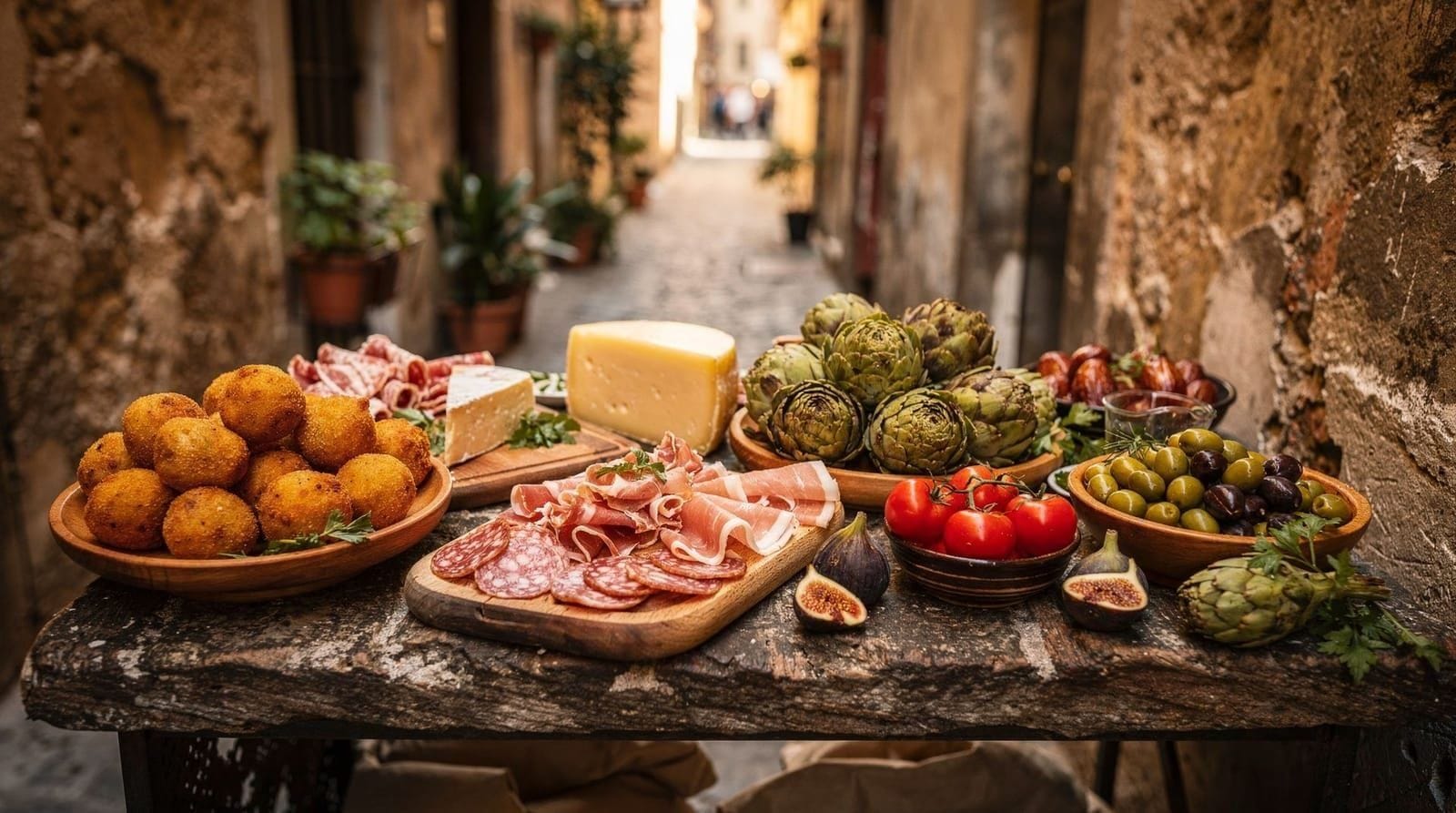
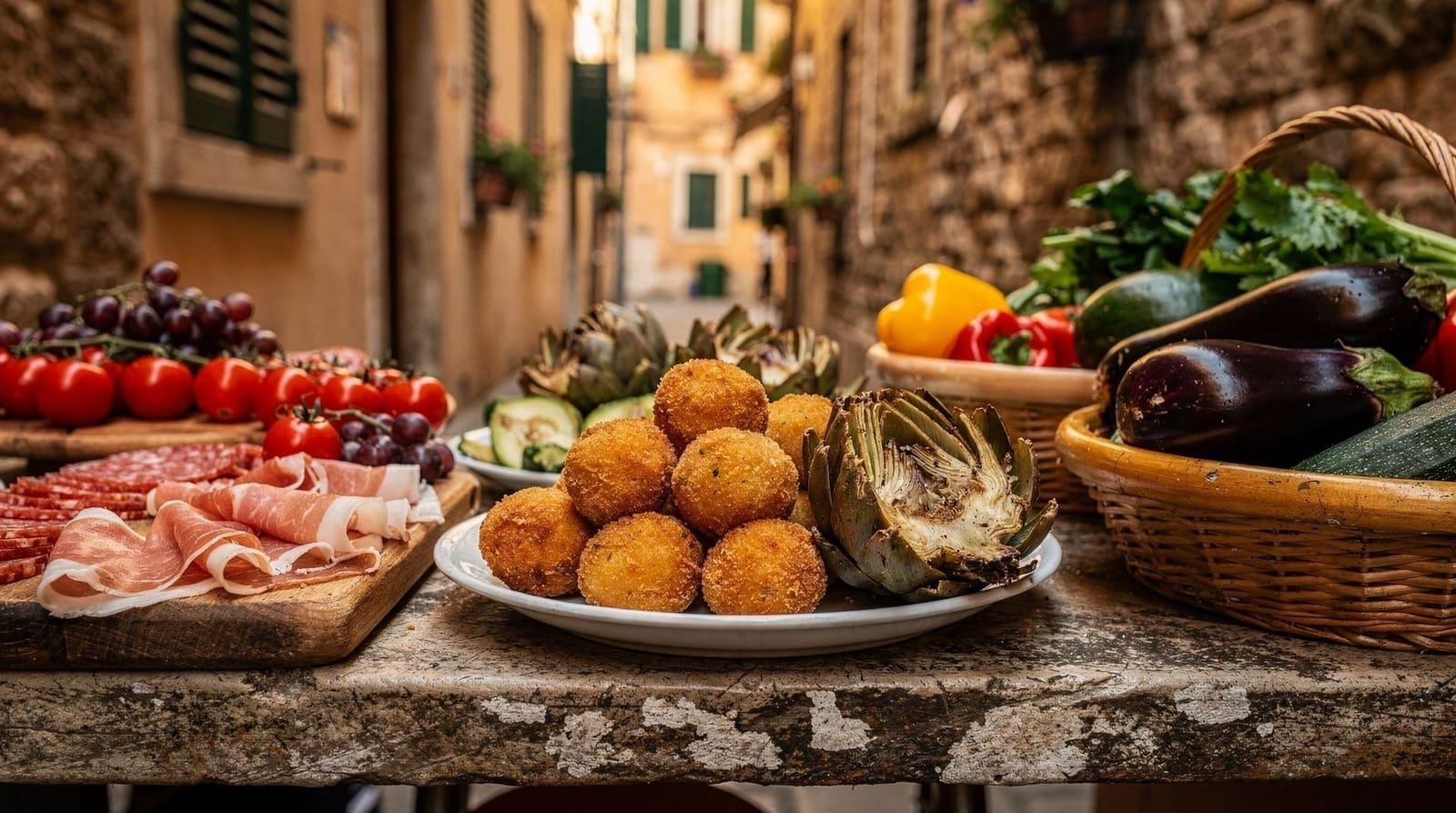
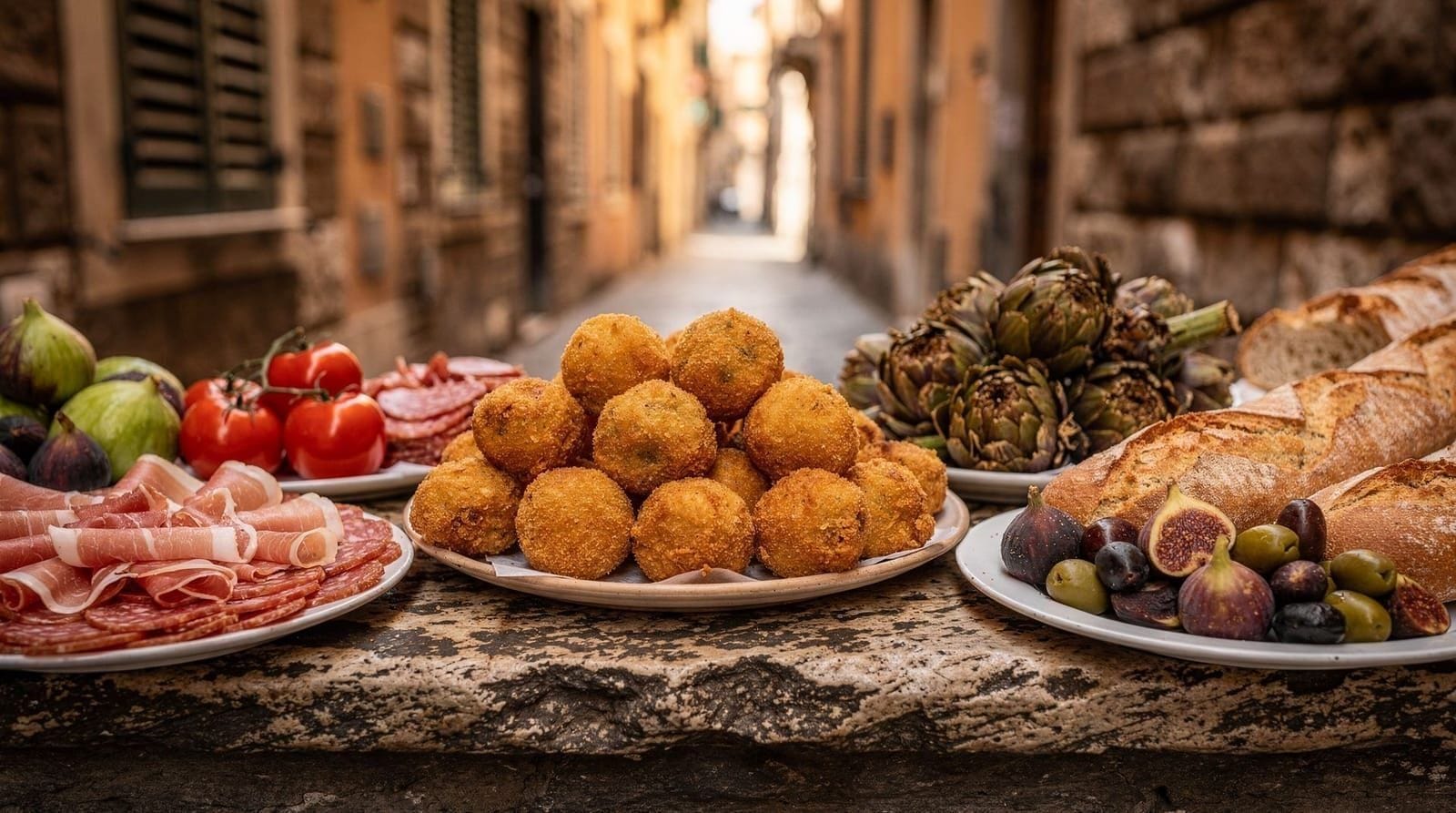
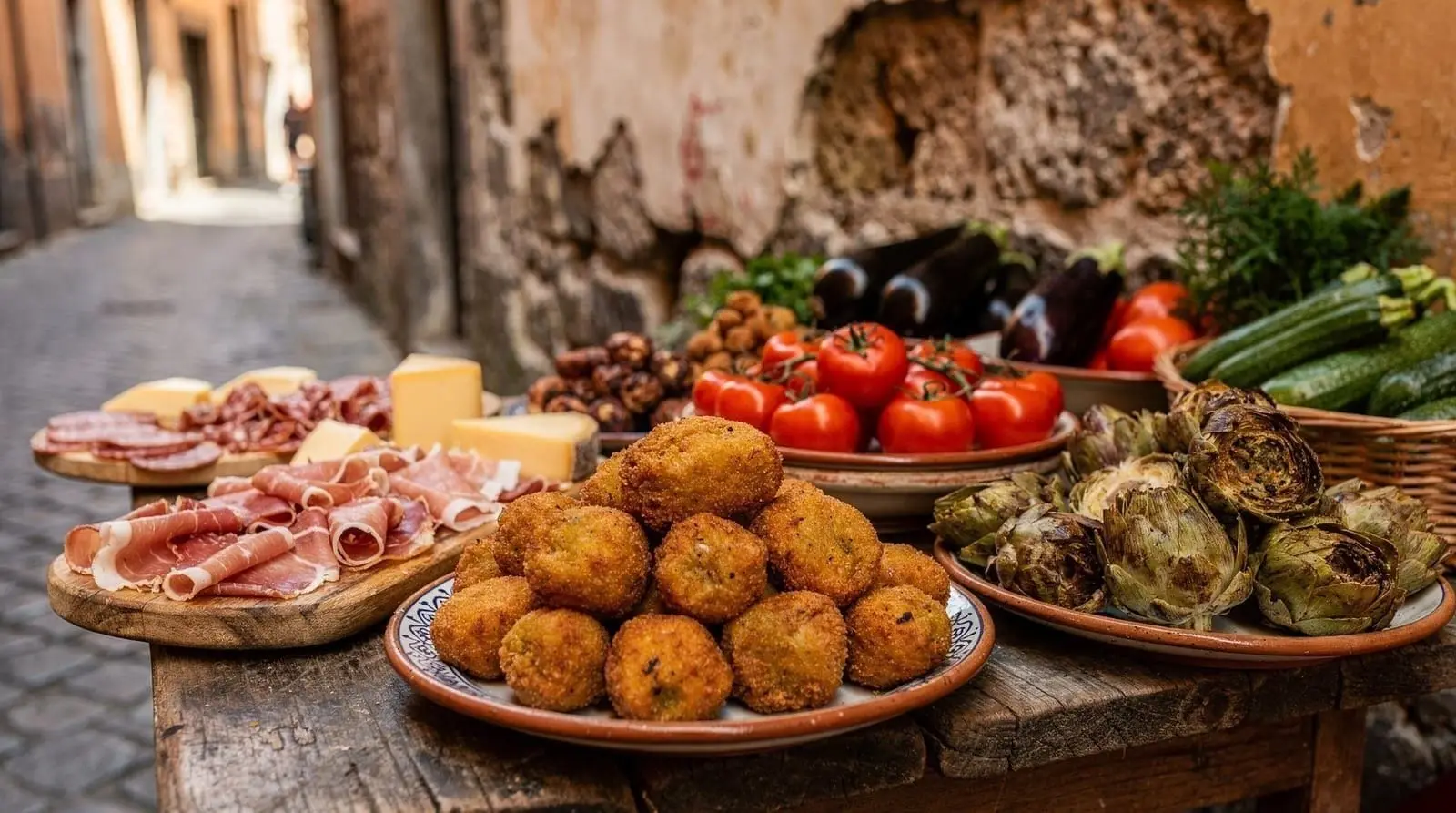
Supplì Roma (Via di San Francesco a Ripa 137): The dedicated supplì counter, already mentioned above, is worth a separate trip. Supplì are Roman fried rice balls — a crispy exterior giving way to a ragù-filled interior with melted mozzarella at the center. They should be eaten hot, immediately after frying. Budget €2–2.50 each. Two or three makes a lunch.
Trapizzino (Via Branca 88, Testaccio; also a Trastevere location): The triangular pizza-pocket format invented in Testaccio has extended to Trastevere. Fillings rotate — the coda alla vaccinara (braised oxtail), pollo alla cacciatora and carciofi versions are the best. €3.50–4 each, eaten standing.
Maritozzo: Rome’s traditional breakfast pastry — a sweet brioche bun split and filled with unsweetened whipped cream. Any neighbourhood bar in Trastevere will do a decent version at €2.50–4. Best in the morning as a standalone breakfast with an espresso.
Pizza al taglio: Several pizza-by-weight shops operate along Via di San Francesco a Ripa and the parallel streets. The quality standard is variable — look for counters where the pizza rotates quickly (meaning it’s baked fresh every hour or two) and where the crust has visible blistering. Avoid trays where the pizza has clearly been sitting under a lamp for too long, identifiable by a dry, leathery top. Budget €3–5 per 100g.
The wine bars worth knowing
Trastevere has a reasonable enoteca (wine bar) scene that doesn’t require navigating to a tourist-priced restaurant.
Enoteca Ferrara (Via del Moro 1a): One of the most respected wine shops in the neighbourhood, with a selection of Italian wines by the glass and bottle. The food selection — cheeses, cured meats, a daily pasta — is secondary but honest. A good stop for aperitivo with character.
Spirito di Vino (Via dei Genovesi 31b): An unusual venue — built inside what was once a synagogue, with Roman ruins visible in the basement. The cooking has Jewish-Roman influences. The wine list is unusually good for the neighbourhood. More expensive than the neighbourhood average (€45–60/person for dinner) but the space and the kitchen justify it.
Freni e Frizioni (Via del Politeama 4): Already mentioned under aperitivo, but worth repeating for its aperitivo spread — one of the better ones in the area, with a more substantial snack table than most spots. Good spritz, outdoor tables and a crowd that mixes local and international.
Price tiers at a glance
| Tier | What you get | Typical spend |
|---|---|---|
| Street food / casual | Supplì, trapizzino, pizza al taglio | €3–8 |
| Honest trattoria | Da Enzo, Tonnarello, Da Augusto | €25–40/person |
| Mid-range with wine list | Osteria Fernanda, Spirito di Vino | €45–60/person |
| Tourist-facing (avoid) | Anything ringing the main squares | €35–50/person for lower quality |
The pattern to notice: the mid-tier tourist-facing restaurants often charge as much as, or more than, the honest side-street trattorias — you’re not paying less by staying on the square, you’re paying the same or more for a worse plate of cacio e pepe.
Getting around Trastevere’s food geography
The neighbourhood is divided informally by Viale di Trastevere, the main road. The western half (Trastevere proper) has most of the restaurants covered in this guide. The eastern half (sometimes called “di là dal fiume” — over the river) is quieter, more residential and has fewer tourist-facing operations.
For an overview of the Trastevere neighbourhood beyond food, the neighbourhood guide covers the basilica, the local streets and what the area looks and feels like at different times of day.
For the Roman pasta tradition that you’ll be eating in these restaurants, the five Roman pastas guide and carbonara and cacio e pepe guide provide the context that makes the meal make sense.
Connecting Trastevere to a broader food itinerary
A strong food day in Rome’s historic core runs: Testaccio market in the morning (see the Testaccio food guide for detail), Campo de’ Fiori for the midday market browse, then Trastevere for dinner. That covers three distinct food traditions — working-class Roman, market-city Roman and neighbourhood trattoria — without significant backtracking.
The Jewish Ghetto adds a fourth strand and is accessible from both Campo de’ Fiori and Trastevere on foot. The carciofi alla giudia at Nonna Betta or Ba’Ghetto are worth planning a spring lunch around.
For food spots in Trastevere that aren’t on the standard tourist map, the Trastevere secret food tour focuses specifically on the lesser-known side-street spots and neighbourhood vendors that make the area genuinely worth eating in.Frequently asked questions about Trastevere food guide: where to eat (and where to skip)
What are the best restaurants in Trastevere for authentic Roman food?
Is Trastevere overrated for food?
Are food tours in Trastevere worth the money?
What time do Trastevere restaurants open for dinner?
What is coperto and is the rate in Trastevere reasonable?
Can I walk from Trastevere to Testaccio for a full food day?
Where is Piazza di Santa Maria in Trastevere and should I eat there?
Is there good gelato in Trastevere?
Should I book restaurants in advance in Trastevere?
Top experiences
Bookable activities with verified prices and instant confirmation on GetYourGuide.