Naples
Naples is 1h10 from Rome by Frecciarossa. The best pizza in the world, underground Roman Naples, and a city that rewards honest exploration. Day trip
From Rome: Naples and Amalfi Coast Full-Day Trip
Quick facts
- Distance from Rome
- ~225 km southeast
- Train from Roma Termini
- Frecciarossa 1h10–1h15, from €14.90
- Day trip or city break
- Both viable — day trip for food + centro storico; overnight for more
- Best pizza in Naples
- Pizzeria Brandi, Da Michele, Sorbillo, Concettina ai Tre Santi
- Budget per day
- ~€60–80 day trip (trains + food + entry fees)
One hour from Rome, a completely different world
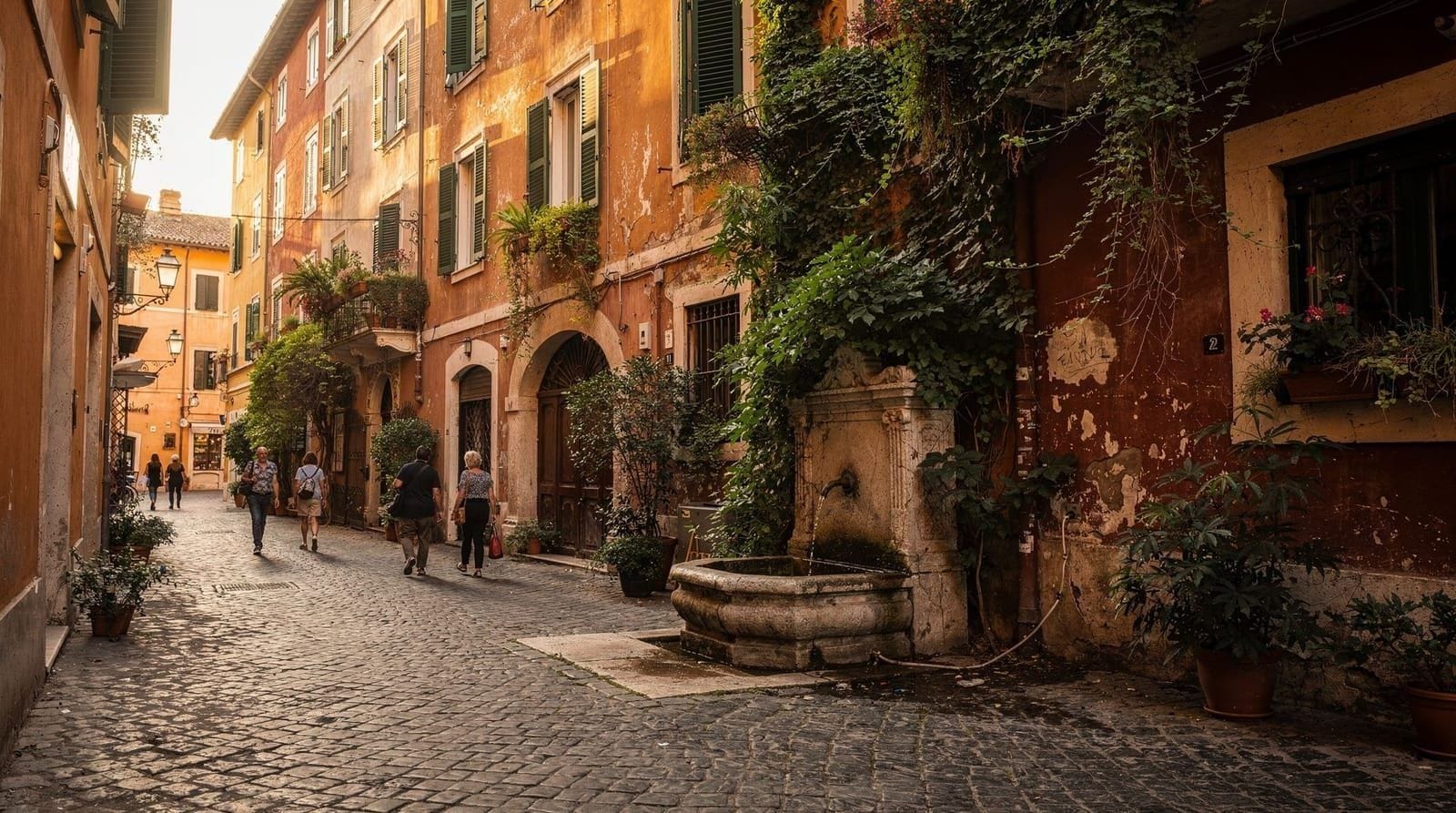
Naples (Napoli) is 225 km southeast of Rome and 1h10 on the Frecciarossa — the fastest inter-city train connection in Italy outside the Milan corridor. Despite that proximity, Naples is not a suburb of Rome. It is a distinct city with its own dialect, its own food culture, its own chaotic energy, and its own very deep history. Greeks founded it, Romans expanded it, the Spanish Bourbon dynasty built its grand palaces, and the Neapolitans have been doing things their own way ever since.
For visitors from Rome, Naples offers things the capital city cannot: the original pizza Napoletana (a legally protected food tradition with defined rules — flour, water, San Marzano tomatoes, buffalo mozzarella, wood-fired oven, 90-second cook time), the National Archaeological Museum (which holds the best Roman art from Pompeii, Herculaneum, and the Farnese collection), underground Naples (an ancient Greek-Roman city beneath the streets, accessible via guided caves), and a general sense that life here is lived at maximum volume and without concession to tourist comfort.
This is honest: Naples is not an easy city. It rewards preparation and directional confidence. But the food alone justifies the train ticket.
Getting from Rome to Naples
By Frecciarossa or Italo (the only sensible option)
Both Trenitalia Frecciarossa and Italo operate high-speed services from Roma Termini to Napoli Centrale.
- Journey time: 1h10–1h15
- Advance fares (Italo): from €14.90 one way
- Standard Trenitalia: €18–35 depending on booking date and class
- Trains depart roughly every 30–60 minutes throughout the day
Book in advance. The cheapest fares on both operators sell out, and prices rise as departure approaches. For a summer weekend day trip, book 2–3 weeks ahead.
Italo trains also depart from Roma Tiburtina (check your specific ticket). Both operators terminate at Napoli Centrale, which is convenient for the centro storico.
On the train: The journey is comfortable, air-conditioned, and takes exactly as long as promised. Beware of pickpockets at Napoli Centrale station on arrival — use a zipped bag and keep your ticket in your hand for the barriers.
By organized tour from Rome
For visitors who want to combine Naples with Pompeii (or Sorrento, or Capri) in an extended Campania experience, organized multi-day tours offer transport and logistics without the research overhead.
This full-day tour from Rome covers Naples and the Amalfi Coast together — a useful option if you want to combine both in a single organized day. For a two-day extension from Rome covering Naples, Pompeii, Sorrento, and Capri, this organized tour handles all logistics and is significantly less stressful than coordinating independently across multiple transport connections.What to do in Naples in a day
With approximately 5–6 hours in the city (accounting for 1h15 train each way), prioritize ruthlessly. Naples rewards depth over breadth.
Pizza first — the real thing
This is non-negotiable and should happen at lunch. Neapolitan pizza is different in kind from anything served in Rome or northern Italy: thin, soft, slightly charred, foldable, eaten fast from a wood-fired oven that reaches 485 °C.
Da Michele (Via Cesare Sersale 1, Forcella): Serves only two pizzas — margherita and marinara. Queues form; arrive at 12:00. Prices are astonishing: €5–6. Minimal seating, fast turnover.
Sorbillo (Via dei Tribunali 32): Longer menu, excellent quality, often a queue but moves fast. Around €7–10.
Concettina ai Tre Santi (Via Arena alla Sanità 7): In the Rione Sanità neighbourhood — slightly further out, no tourist crowd, some of the most creative contemporary Neapolitan pizza at €8–12.
Pizzeria Brandi (Salita Sant’Anna di Palazzo 1): Claims to have invented the margherita in 1889 for Queen Margherita of Savoy. The claim is debated; the pizza is good. More tourist-friendly, slightly higher price.
What to order: A margherita with buffalo mozzarella (mozzarella di bufala). Then make your own judgment.
The centro storico (UNESCO World Heritage Site)
Naples’ historic centre was designated a UNESCO World Heritage Site in 1995 — the entire centro storico, for its density of overlapping historical layers. The decumanus maximus (the main east-west Greek street) is now Via dei Tribunali, still a straight Roman road lined with medieval churches, pizzerias, and street life.
Key stops within walking distance of Napoli Centrale:
Via San Gregorio Armeno: The street of Nativity scene (presepe) workshops — artisans make figurines year-round, including political figures and celebrities. Genuinely interesting craft tradition; also extremely touristy. Worth walking through briefly.
Cappella Sansevero: A small 18th-century chapel containing the Veiled Christ (Cristo Velato), a marble sculpture by Giuseppe Sanmartino so technically accomplished it stops most people mid-step. The marble veil is not a real veil — it is carved from a single block of stone. Also contains two extraordinary “anatomical machines” in the basement. Entry around €8; timed entry often required, book online. This is the single best museum experience in Naples for a day visitor.
Piazza del Gesù Nuovo and Via Toledo: The main shopping street; good for a walk and to orientate yourself in the city.
The National Archaeological Museum (Museo Archeologico Nazionale)
If you have seen Pompeii (or plan to), the MANN is where the best objects from the excavations live: the original Alexander Mosaic, the Gabinetto Segreto (the “Secret Cabinet” of erotic art from Pompeii, only recently reopened without age restrictions), Farnese collection bronzes, and extraordinary frescos removed from Pompeian houses.
Entry: €12–15 (check current tariff). Open Tuesday–Sunday, 09:00–19:30. Budget 1.5–2.5 hours. The museum is large; the Pompeii and Herculaneum rooms alone justify the visit.
For a day trip from Rome: You will need to choose between the Archaeological Museum and the centro storico/pizza route — doing both properly in a single day is tight.
Underground Naples (Napoli Sotterranea)
The city sits on a web of tunnels, cisterns, and Greek-Roman chambers carved into the tufa bedrock over 2,500 years. Napoli Sotterranea (entry from Piazza San Gaetano 68, near Via dei Tribunali) offers 90-minute guided tours underground: Greek water cisterns, Roman aqueducts, WWII air raid shelters, and remains of an ancient theatre under the street. Entry around €10; tours run every 2 hours in English. Genuinely impressive and not overly touristy.
Naples as a city break (overnight or more)
If you have 2–3 nights, Naples opens up considerably. The Rione Sanità district (the poor but regenerating neighbourhood north of the centro storico) has street art, independent restaurants, and a completely non-touristy atmosphere. The Posillipo headland has sunset views over the bay that rival anything in Campania. The Museo di Capodimonte on the hill above the city has one of Italy’s great painting collections (Titian, Caravaggio, Raphael) in a royal palace park.
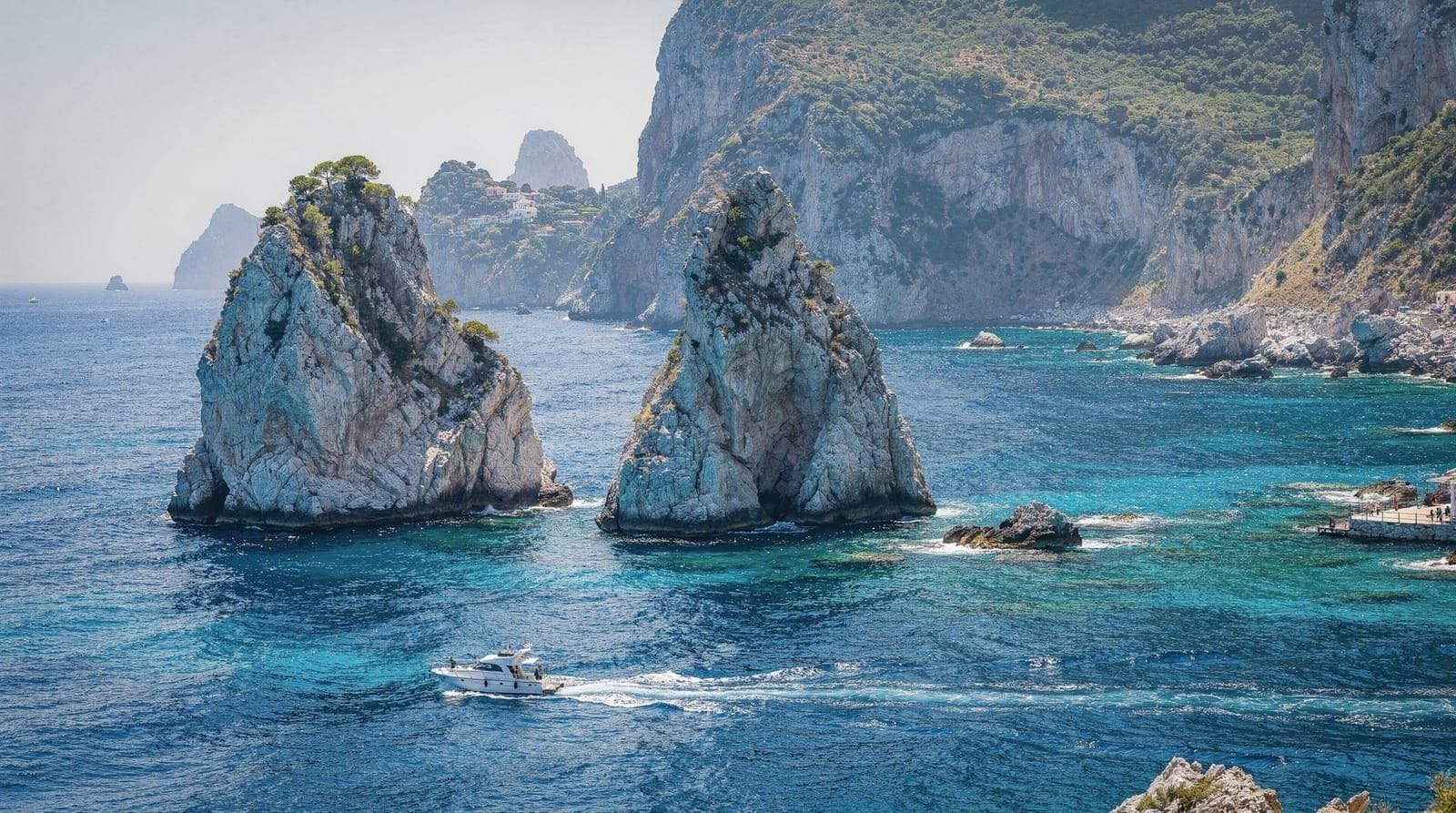
For 2–3 nights based in Naples, day trips to Pompeii and Capri make excellent geographical sense — the Circumvesuviana to Pompeii and hydrofoils to Capri all depart from Naples.
Honest notes about Naples
Safety: Naples has a reputation that exceeds its reality for most visitors in the tourist areas. Petty theft is the genuine risk — use a cross-body bag with zip, do not put your phone in your back pocket, and stay alert in crowds and on the metro. Avoid flashing expensive cameras or jewellery. Violent crime against tourists is rare.
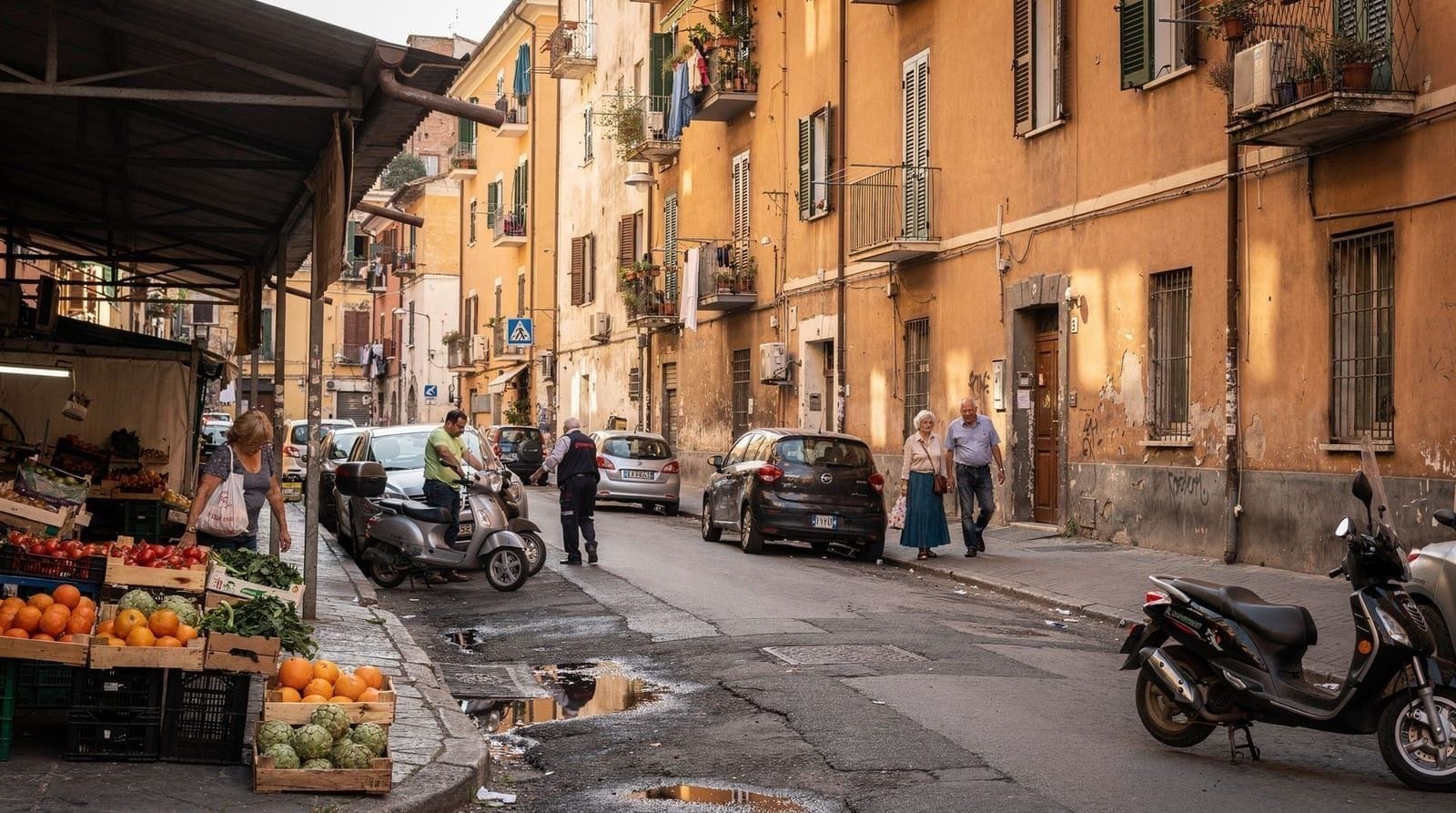
Traffic: Naples traffic is genuinely chaotic. Scooters treat pedestrian crossings as advisory. Cross the road when you see a gap and walk with confidence. This is not unique to tourists — it is normal for Naples.
Avoiding tourist traps: The lemon products (limoncello, lemon soaps, lemon candy) sold near the train station are airport-quality manufactured goods at premium prices. Actual artisan limoncello from the Sorrento peninsula is worth buying — in Sorrento or at the Mercato di Porta Nolana, not in Centrale station shops.
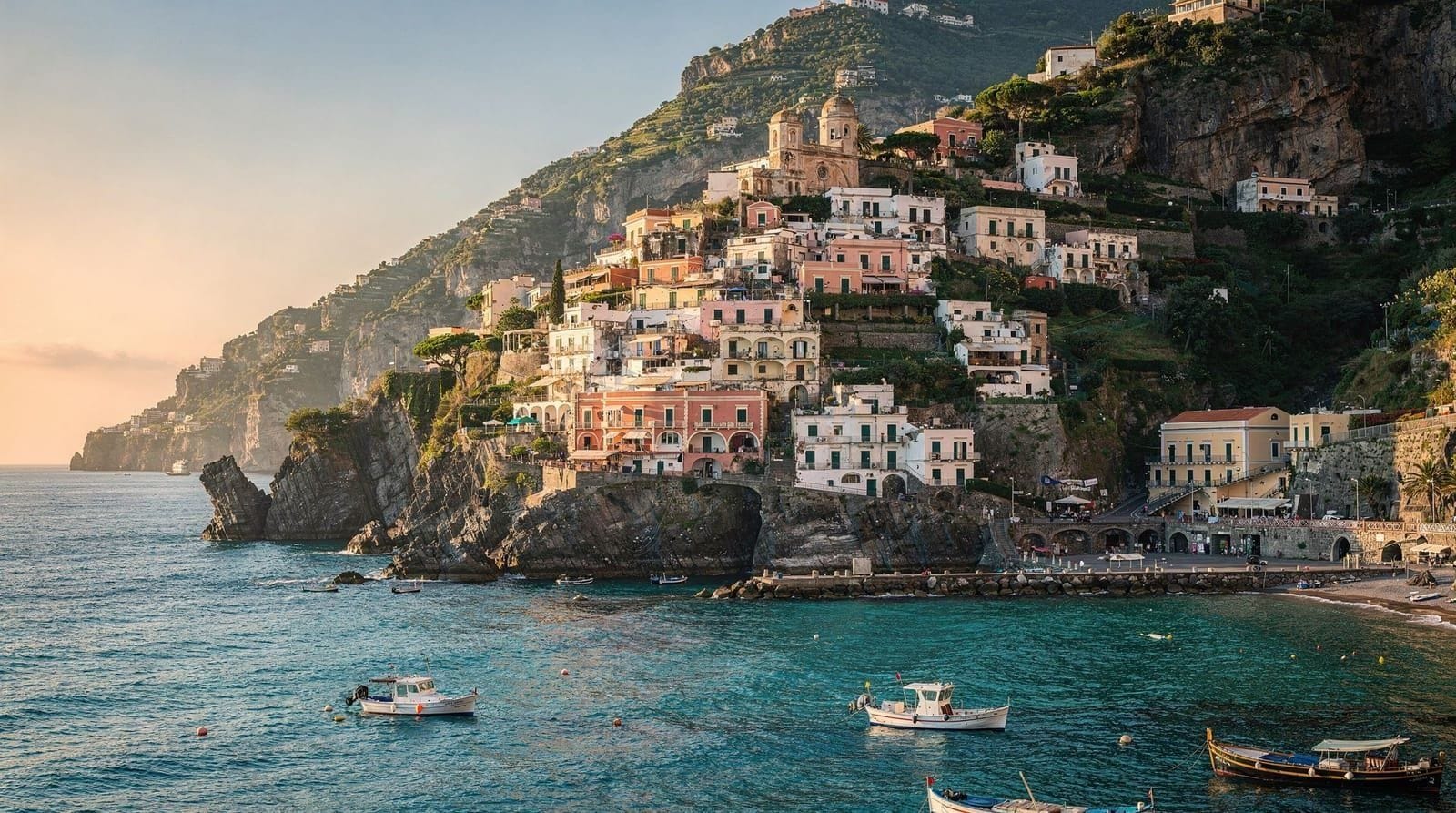
The Amalfi Coast from Naples: The coast is reachable from Naples (ferries from Mergellina port to Positano, Amalfi), but it deserves more than a rushed day-within-a-day. If the Amalfi Coast is your goal, it is better as a separate overnight trip. See Sorrento & the Amalfi Coast for honest timing advice.
Naples’ neighbourhoods: where to spend your time
Naples rewards different things in different areas. Understanding the geography before you arrive saves significant time.
Spaccanapoli (the centro storico): The main artery runs east-west along the old Greek decumanus. This is Via dei Tribunali, Via San Biagio dei Librai, and Via Benedetto Croce — lined with churches, street food vendors, workshops, and an unending stream of life. This is where you want to be for 2–3 hours.
Rione Sanità: Directly north of the centro storico, across the Ponte della Sanità. Working-class, with remarkable 18th-century palaces, a catacombs complex (the Catacombe di San Gennaro — excellent guided tours), street-art murals, and some of the most genuinely local restaurants in the city. The neighbourhood has been undergoing a grassroots regeneration led by a young priest, Don Antonio Loffredo, who set up social enterprises and cultural spaces in the 2010s. Less convenient for a single-day visit from Rome but rewarding if you have two days.
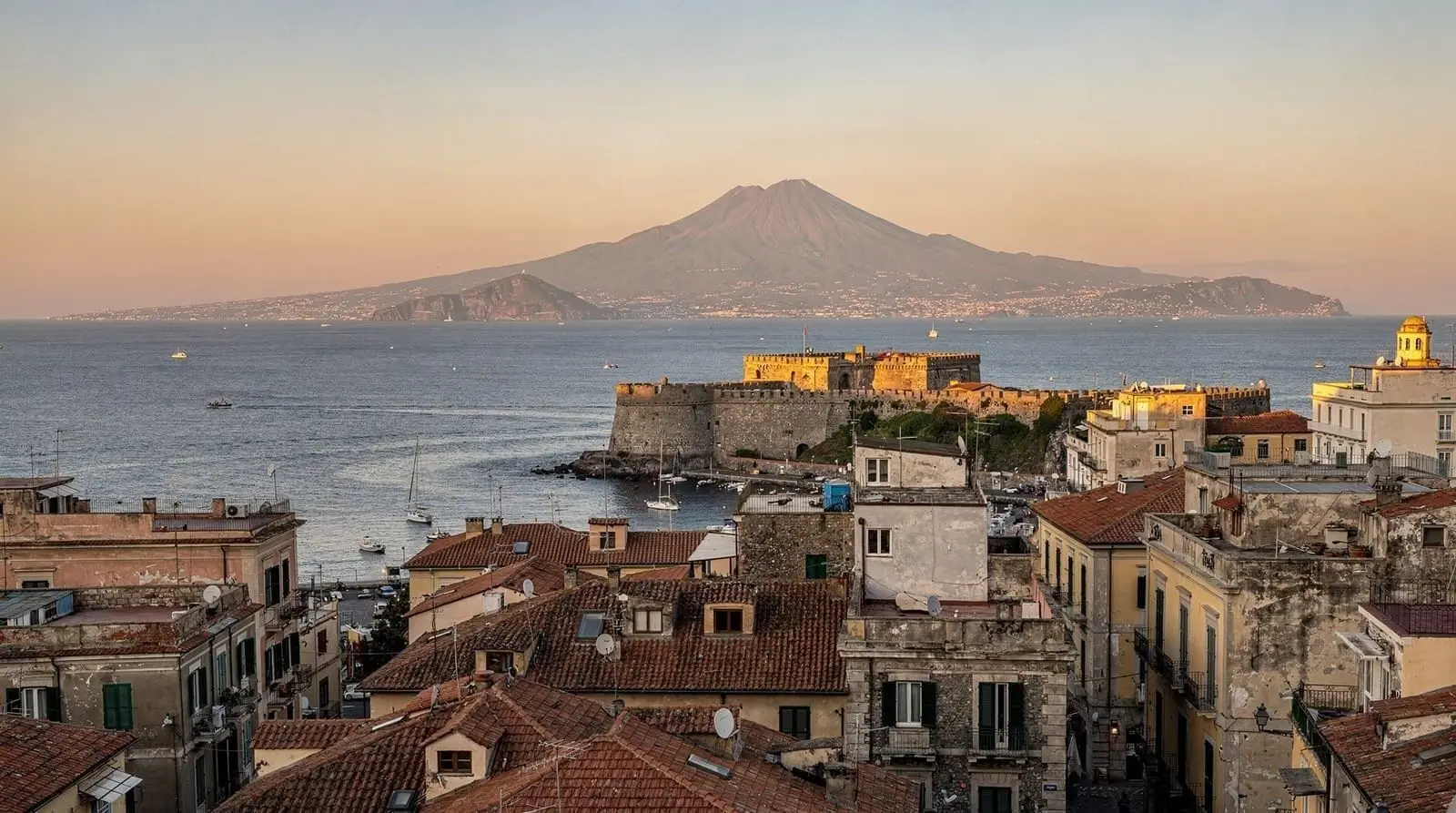
Chiaia and Posillipo: The wealthy western seafront districts, running along the Riviera di Chiaia with views of the Bay of Naples and Vesuvius. Good for an evening aperitivo, expensive restaurants, and the morning fish market (Mercato della Pignasecca, Via Pignasecca — actually closer to the centro storico but within walking distance of Chiaia). The Posillipo headland has sunset views over the bay from the Villa comunale park.
Piazza del Plebiscito: The largest piazza in Italy, framed by the Palazzo Reale (the Bourbon royal palace, now a museum) and the San Francesco di Paola church (inspired by the Pantheon in Rome). Worth 20 minutes to walk across. The Palazzo Reale interior is open to visitors; the royal apartments are a reasonable supplement to a half-day in Naples.
The National Archaeological Museum in detail
For anyone who has visited Pompeii or plans to, the MANN (Museo Archeologico Nazionale di Napoli) is where the best objects from the eruption sites are housed. Key sections:
The Pompeii Rooms (ground floor): The original Alexander Mosaic from the House of the Faun — a mosaic of approximately 1.5 million tesserae showing Alexander the Great defeating Darius at the Battle of Issus. It is one of the greatest works of ancient art and almost nobody who hasn’t already read about Naples knows it is here.
The Gabinetto Segreto (Secret Cabinet): A dedicated room housing erotic art from Pompeii, Herculaneum, and other sites — phallus-themed wind chimes, painted scenes from the lupanar, statues. It was locked for over a century (classified “unsuitable for women, children, and persons of immature sensibilities”); it is now open to all.
The Farnese Collection (upper floor): Enormous Roman-period sculptures including the Farnese Hercules (a copy of a Greek original showing an exhausted, post-Labours Hercules) and the Farnese Bull — the largest ancient sculpture known. Both were discovered in the Baths of Caracalla in Rome in the 16th century and sent to Naples by Pope Paul III for the Farnese family.
The Bronze Statues: Including the Resting Hermes and several extraordinary athlete bronzes from Herculaneum.
Allow 2–2.5 hours for a serious visit to the MANN. The building is large and not all sections are always open; check the museum’s website for the current rotation of rooms.
What not to do in Naples on a day trip from Rome
Do not attempt the Amalfi Coast on the same day. The Amalfi Coast from Naples involves a ferry from Mergellina or Beverello port (45–90 minutes to Positano), which then requires a return ferry and the train back to Rome. Unless you start before 06:00, the logistics are unsustainable. See Sorrento & the Amalfi Coast for how to do this properly.
Do not eat in the restaurants immediately around Napoli Centrale station. The train station environs have a concentration of tourist-trap restaurants serving mediocre pizza at €12–15. Walk at minimum 10 minutes into the centro storico before sitting down.
Do not ignore the transport zones. The Naples metro is useful (and cheap — €1.30 per single journey) but navigating between Line 1 (the elevated/underground line serving the historical centre) and the Circumvesuviana (which leaves from Porta Nolana, not the main metro stations) takes local knowledge. Map your transfers before you get off the Frecciarossa.
Do not pay for “skip the line” at major attractions unless you have pre-booked. Unofficial ticket sellers near the MANN and along the Spaccanapoli area offer “fast entry” at inflated prices. The genuine official ticket for the MANN costs €15 at the door; timed entry is not required (you can walk in). Save the skip-the-line premium for Pompeii, where it genuinely matters.
Naples vs Pompeii: which day trip should you choose
Both are 1–1.5 hours from Rome and both get bundled together in tour marketing, but they are honestly quite different days out. If you can only pick one:
| Naples | Pompeii | |
|---|---|---|
| What it is | A living city — food, museums, centro storico | Open-air ancient ruins, no modern city |
| Train from Rome | 1h10–1h15 (Frecciarossa to Napoli Centrale) | ~2h (Frecciarossa to Naples, then Circumvesuviana) |
| Best for | Food culture, art, underground history | Ancient Roman daily life, archaeology |
| Walking required | Moderate, mostly flat | Significant, uneven ground, little shade |
| Feasible with young kids | Yes, in short bursts | Harder — heat and distances add up |
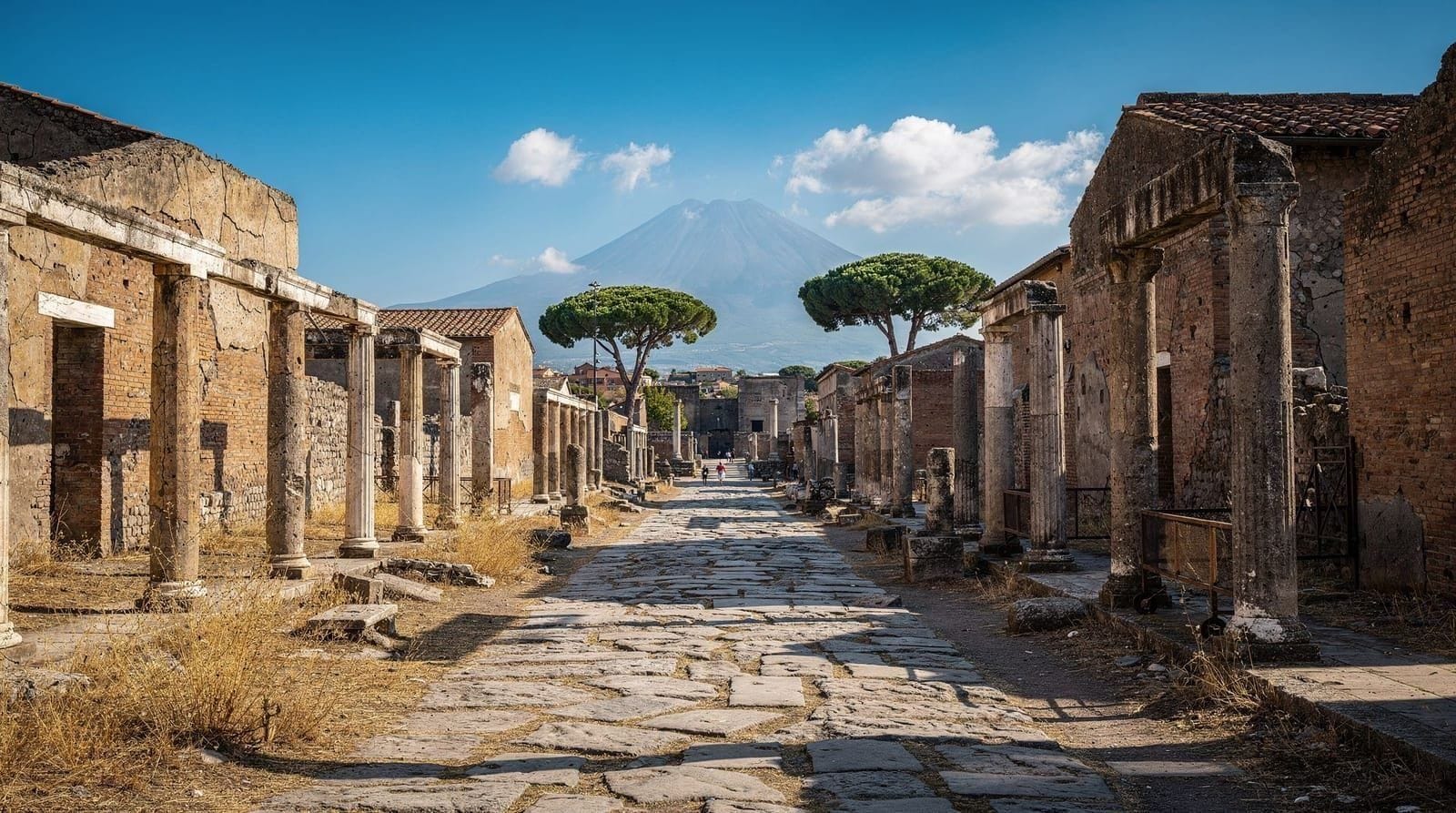
If time allows, combining both over two days from Rome (or from a Naples base) works better than trying to compress them into one — Naples has enough depth (museum, centro storico, food) to fill a relaxed day on its own, and rushing straight on to Pompeii the same afternoon tends to shortchange both. The Naples from Rome guide and Pompeii from Rome guide go deeper on each option individually, and the 5-day Rome–Naples–Pompeii itinerary shows how to structure a combined trip properly rather than rushing both into a single day.
This 3-day tour from Rome covers Naples, Pompeii, Sorrento, and Capri for travellers who want the fuller Campania experience with transport and logistics handled.
Coffee and everyday Naples
Neapolitan coffee culture has its own rules, distinct from Rome’s. The espresso is traditionally sweeter and more concentrated, often served pre-sugared unless you ask senza zucchero (without sugar), and the ritual of the caffè sospeso — paying for two coffees but only drinking one, leaving the second “suspended” for whoever can’t afford it — began here and is still practised in some old-school bars. Gran Caffè Gambrinus (Via Chiaia, on Piazza del Plebiscito) is the historic grand café of the city, ornate and touristy but worth one coffee for the setting; for a more everyday experience, any bar along Via dei Tribunali serves an excellent espresso at the counter for under €1.50. Neapolitans generally drink coffee standing at the bar rather than sitting at a table — sitting typically doubles the price at even modest cafés, a detail visitors from Rome sometimes miss because the practice is similar but the price gap is often larger here.
Frequently asked questions about Naples
Is Naples worth a day trip from Rome?
Yes — particularly for the pizza and the centro storico. The train takes 1h10, making Naples one of the fastest “completely different city” day trips in Europe. Focus on the food (Da Michele or Sorbillo at lunch) and one major site (Cappella Sansevero or the Archaeological Museum). That is a genuinely excellent day.
How long is the train from Rome to Naples?
The Frecciarossa or Italo high-speed trains cover the route in 1h10–1h15. Standard regional trains take 2h30 or more and are not practical for a day trip. Book the high-speed train from Roma Termini; check both Trenitalia and Italo for prices.
What is the best pizza restaurant in Naples?
Da Michele (Via Cesare Sersale 1) is the most famous — margherita or marinara only, €5–6, founded in 1870. Sorbillo (Via dei Tribunali 32) has longer hours and a wider menu. Concettina ai Tre Santi (Rione Sanità) is the contemporary quality option. All are excellent; all are authentically Neapolitan. Book Da Michele online to avoid queues.
Can you combine Naples and Pompeii in one day from Rome?
Technically yes but very rushed. Naples city + Pompeii archaeological site each deserve 3–4 hours minimum. Combining both in a single Rome day trip means leaving Rome at 07:00 and choosing very carefully. A more enjoyable approach: spend the day in Naples, stay overnight, and do Pompeii the following morning before returning to Rome.
Is Naples safe for tourists?
Generally yes, in the tourist areas. The real risk is petty theft (bag snatching, pickpocketing) rather than violent crime. Use a zipped cross-body bag, keep phones out of view in crowds, and stay in the centro storico and Posillipo areas. The central station area and some peripheral neighbourhoods warrant more caution at night.
What should I eat in Naples besides pizza?
Sfogliatella (a flaky or smooth pastry shell with ricotta filling — the best breakfast in Naples). Frittatina di pasta (fried pasta cakes, sold at street-food stalls). Ragù napoletano (slow-cooked meat sauce, quite different from Bolognese). Struffoli (honey-coated fried dough balls, particularly at Christmas). For seafood: spaghetti alle vongole is made differently here than in Rome — more briny, more garlic. Pastiera napoletana (Easter tart with ricotta and wheat).
Should I choose Naples or Pompeii if I only have one day trip from Rome?
Choose based on interest, not on which is more famous. Naples suits food and city-culture travellers; Pompeii suits those drawn to ancient ruins and ancient daily life. See the Naples vs Pompeii comparison above, or the Naples from Rome guide for a deeper dive.
Is Naples worth an overnight stay rather than just a day trip?
Yes, if you have 2–3 nights available. Naples opens up considerably with more time — Rione Sanità, Posillipo, the Capodimonte museum, and day trips onward to Pompeii or Capri all become realistic without rushing. A single day trip is genuinely worthwhile too, just narrower in scope.
Top experiences
Bookable activities with verified prices and instant confirmation on GetYourGuide.