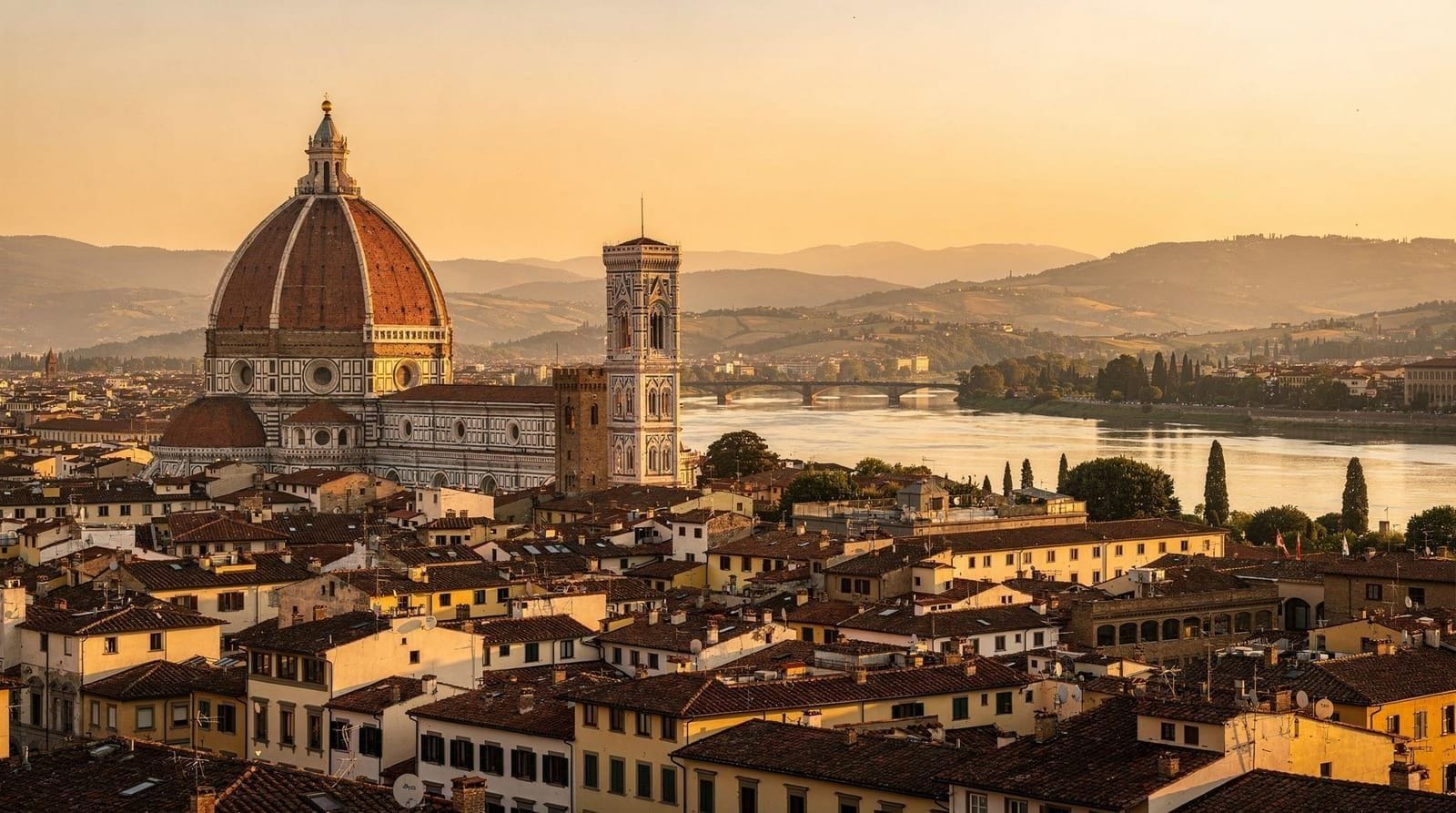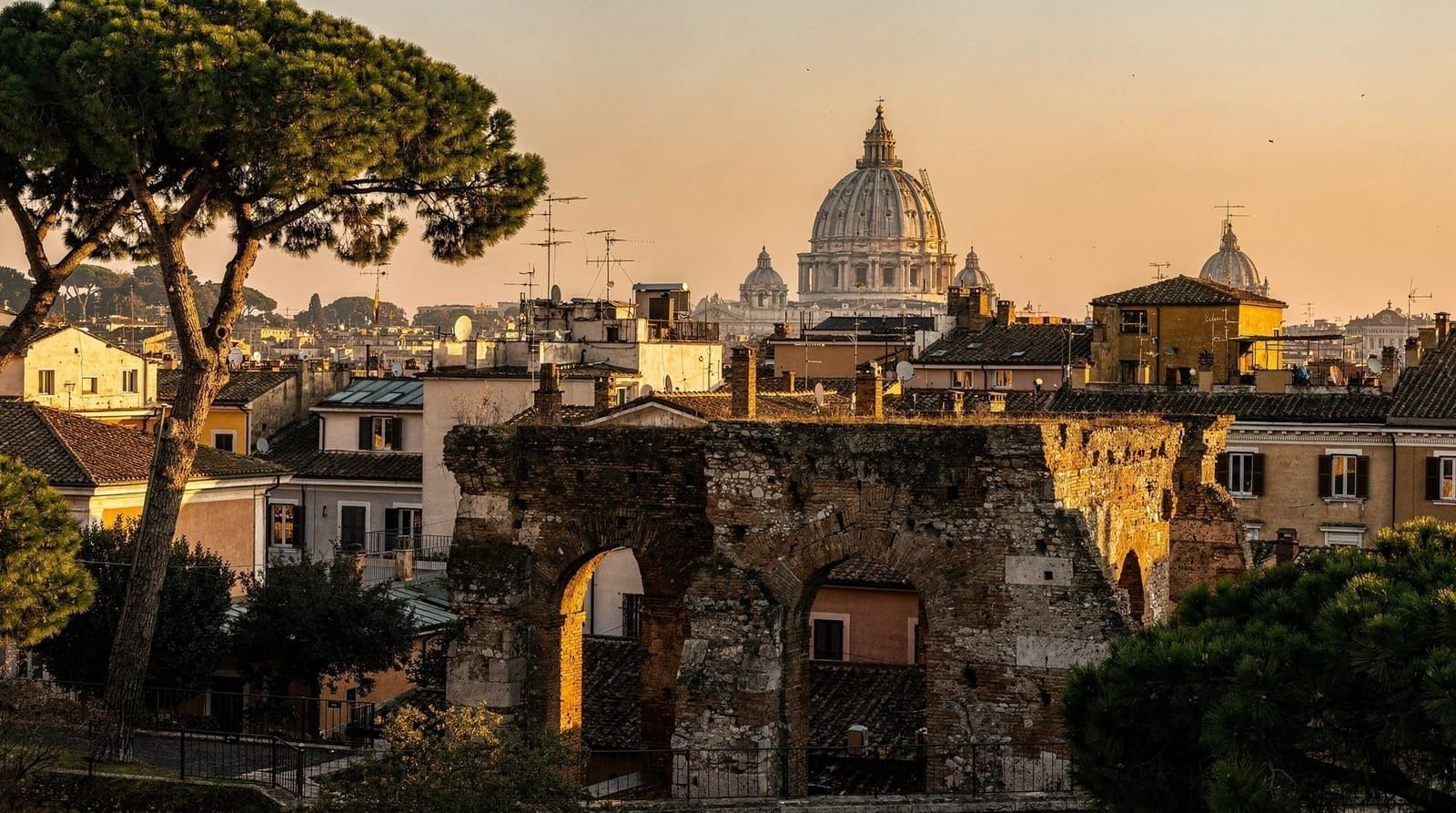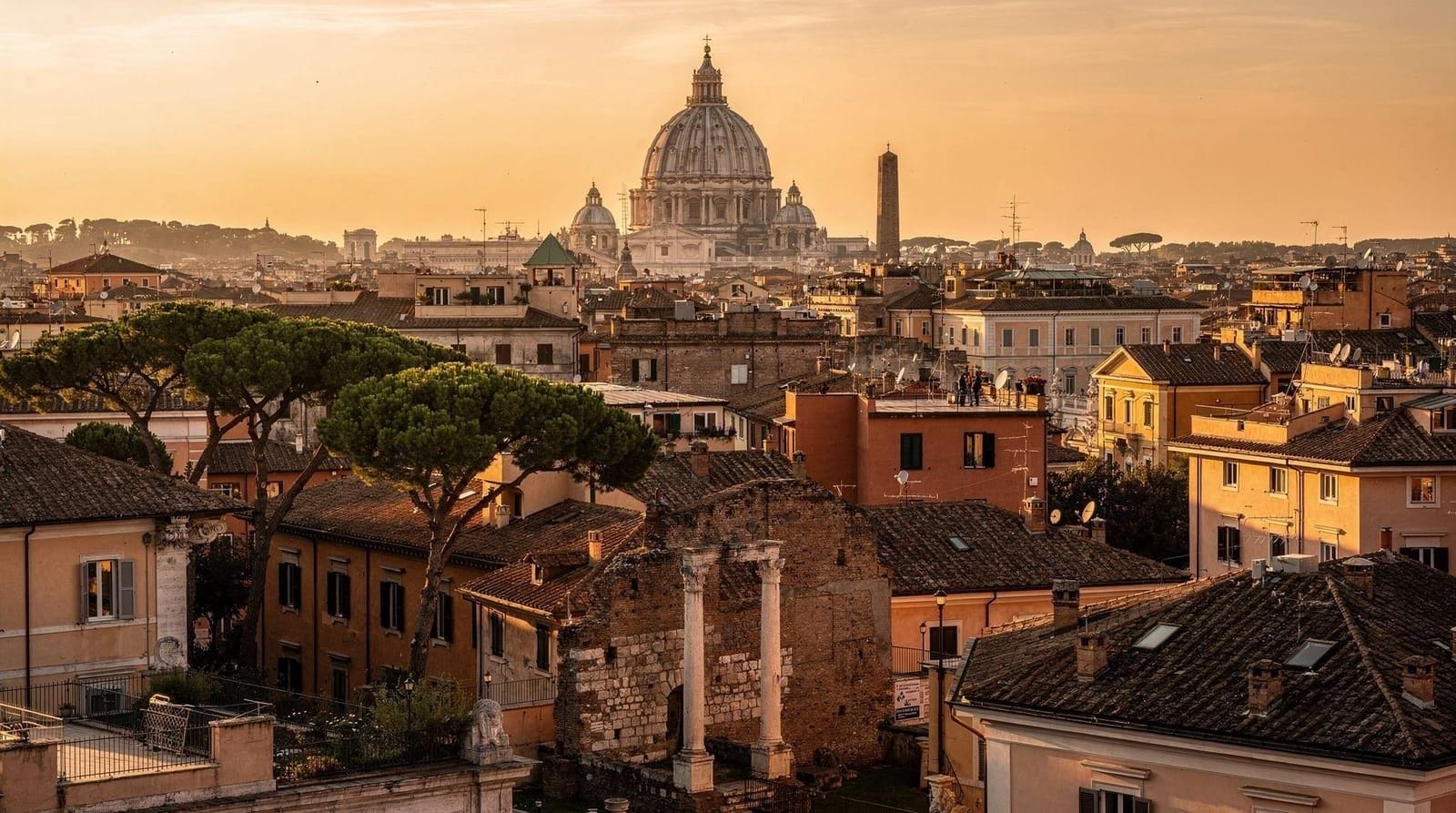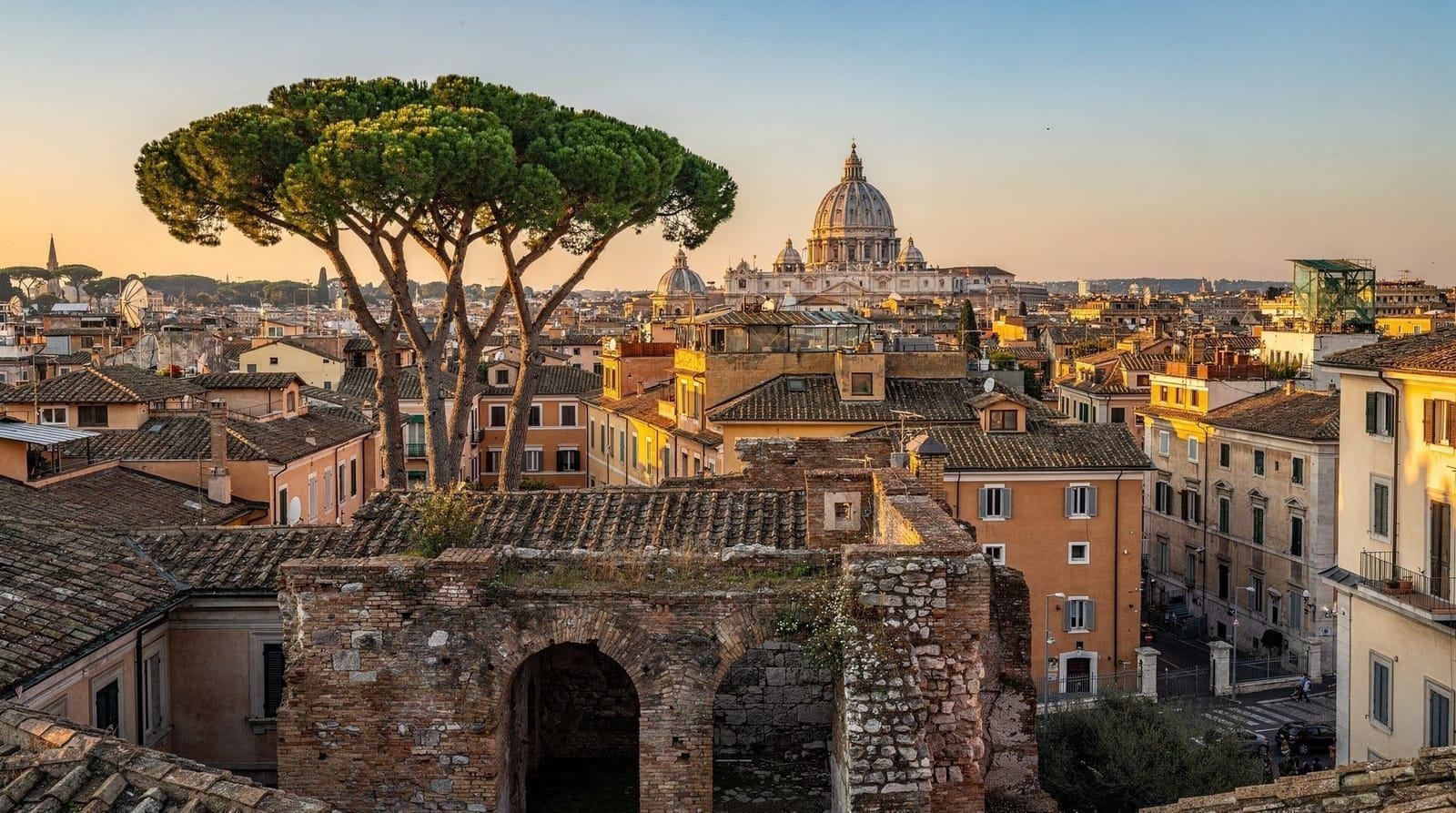
Rome vs Venice: how to choose (or combine)
Rome: Guided Tour of Colosseum, Roman Forum & Palatine Hill
Should I visit Rome or Venice?
Rome for first-timers to Italy — the historical depth, the range of experiences, and the day-trip options are simply larger. Venice for visitors who have already done Rome and want something unlike any other city on earth. If your trip is 10 or more days, combine them; Venice makes a 2-night add-on that is hard to regret.
Two cities with almost nothing in common
Rome and Venice are frequently paired because both appear on the same Italy itinerary shortlists. But they are about as different as two Italian cities can be. Rome is continental, ancient, chaotic, and layered over three thousand years. Venice is an island republic, medieval, architecturally singular, and — if you are being honest about it — increasingly a managed tourist spectacle of itself.
This is not a knock on Venice. It is genuinely extraordinary. The comparison matters for how you allocate your limited time in Italy, especially if you can only choose one.
| Train time | ~3h45 Rome–Venice by Frecciarossa, €29–80 |
| Best for first-timers | Rome — broader historical and food range |
| Best for repeat visitors | Venice — atmosphere and architecture unlike anywhere else |
| Minimum nights in Venice | 2, to see it beyond a rushed day |
| Cost difference | Venice runs 30–50% higher for accommodation and central dining |
What Rome delivers that Venice cannot
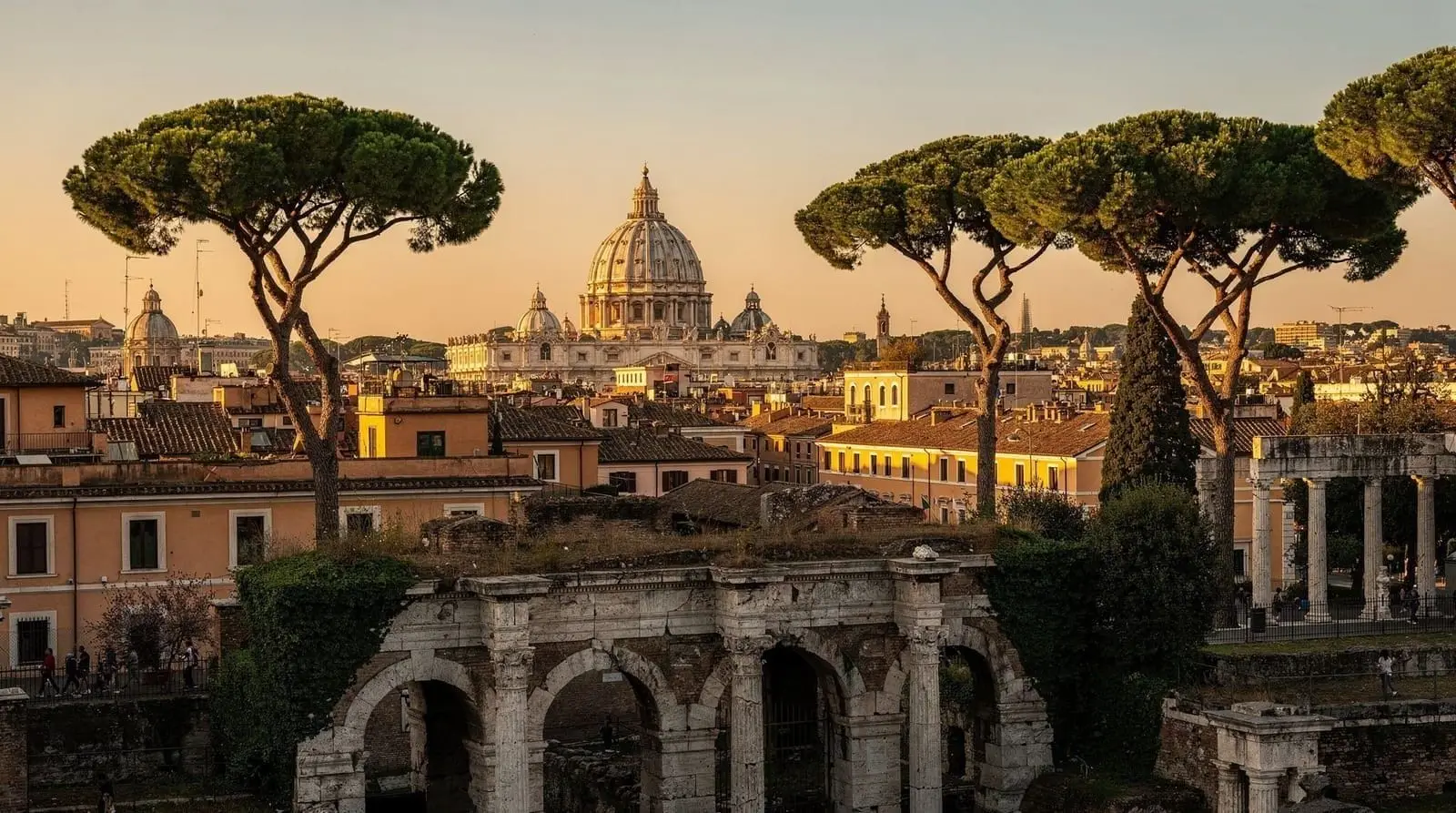
Rome’s fundamental offer is historical depth that nothing else in Europe matches. The Colosseum predates Venice as a city by roughly 600 years — the Colosseum was completed in 80 CE, while Venice began to take shape as a settlement in the 5th–6th centuries. The Roman Forum was the political centre of the Western world for more than a thousand years before Venice built its first major buildings.
Walking from the Pantheon to the Forum to the Palatine Hill in a single morning is to move through layers of time that Venice simply does not possess. The Pantheon was built in 125 CE; it predates the entire Venetian Republic by seven centuries. That temporal depth is not merely academic — it makes Rome feel rooted in a way Venice, for all its beauty, is not.
Beyond ancient Rome, the city has world-class museums (the Borghese Gallery with its Bernini sculptures, Capitoline Museums with Roman portrait sculpture, the vast Vatican Museums), major living neighbourhood culture (Trastevere, Testaccio, Monti, Prati), a serious and inexpensive food scene, and day-trip access to Pompeii, Tivoli, Ostia Antica, Orvieto, and the Amalfi Coast. See best day trips from Rome.
Venice’s historical period of greatest significance is roughly 9th–17th century. Its museum highlights — Doge’s Palace, the Gallerie dell’Accademia, and the Peggy Guggenheim Collection — are all excellent, and the Accademia is one of the finest collections of Venetian painting anywhere. But they operate in a narrower historical bandwidth than Rome’s range.
Guided Colosseum, Roman Forum and Palatine Hill tour — the Rome experience that has no Venice equivalent in terms of historical scaleWhat Venice delivers that Rome cannot
Venice is unlike any other place on earth. That sounds like a cliché, but it is literally accurate: a medieval city built on 118 islands, with no cars, navigated entirely by foot and boat, its 15th-century architecture reflected in green canals. This is not a reconstruction or a theme park — it is the original, still functioning as a living city (though its permanent population has dropped from 175,000 in 1950 to approximately 50,000 today, a trend that troubles urban planners and anyone who cares about authentic city life).
St. Mark’s Basilica (San Marco), with its Byzantine gold mosaics, improbable domes, and accumulated treasures looted from Constantinople during the Fourth Crusade in 1204, bears no resemblance to anything in Rome. The Doge’s Palace beside it — the seat of the Venetian government from 810 to 1797 — is a masterpiece of Gothic architecture that has no continental parallel. The Rialto market (still functioning, still selling fresh Adriatic fish and market vegetables to Venetian residents and chefs) is a genuine, working, medieval market, not a tourist attraction.
The specific experience Venice offers — the sound of the city without engines, the disorientation of identical stone bridges, the reflections in canal water, the bacaro cicchetti circuit of wine and small plates in late afternoon light — is available nowhere else. It does not need 2,000 years of Roman history to justify itself. It is completely and irreducibly itself.
For visitors who respond more strongly to atmosphere and architectural strangeness than to archaeological excavation and imperial history, Venice may provide the more lasting travel memory.
Cost comparison: Venice is significantly more expensive
Venice runs 30–50% more expensive than Rome for accommodation. A mid-range 3-star hotel near Cannaregio or Dorsoduro sestieri costs €180–280/night in peak season (May–October). Equivalent quality in Rome’s Monti or Prati neighbourhoods runs €130–200/night. Near San Marco or the Rialto, Venice 4-star hotel prices begin at €300+/night.
Restaurants around the Rialto and San Marco are aggressively priced. Pasta dishes cost €18–28 at tourist-facing restaurants. A simple lunch at a tourist-trap osteria can easily reach €40 per person before wine.
The savvy Venice eating strategy — cicchetti at bacaro wine bars in Cannaregio (try Osteria all’Arco, Cantina Do Mori, or Al Timon), away from the tourist spine — brings costs back toward normal Italian levels. Cicchetti (small sandwiches and snacks on slices of polenta or bread) cost €2–4 each; a glass of house prosecco or local Soave runs €3–5. A satisfying late-afternoon meal for two at a good bacaro costs €25–35 total.
Transport in Venice: no conventional taxis. The vaporetto (water bus) costs €9.50 for a 75-minute single pass or €25 for 24 hours unlimited travel. For most sightseeing purposes, walking is both faster and free. Water taxis (the taxi boats that look like polished mahogany speedboats) cost €70–100 for a basic transfer and are for budget-independent travellers.
Rome’s public transport is cheaper (€1.50 per journey, €22 for a 72-hour pass) and covers a larger city. Walking in Rome is free and often the most practical option between sites less than 2 km apart.
Crowds: both cities are heavily visited, but differently
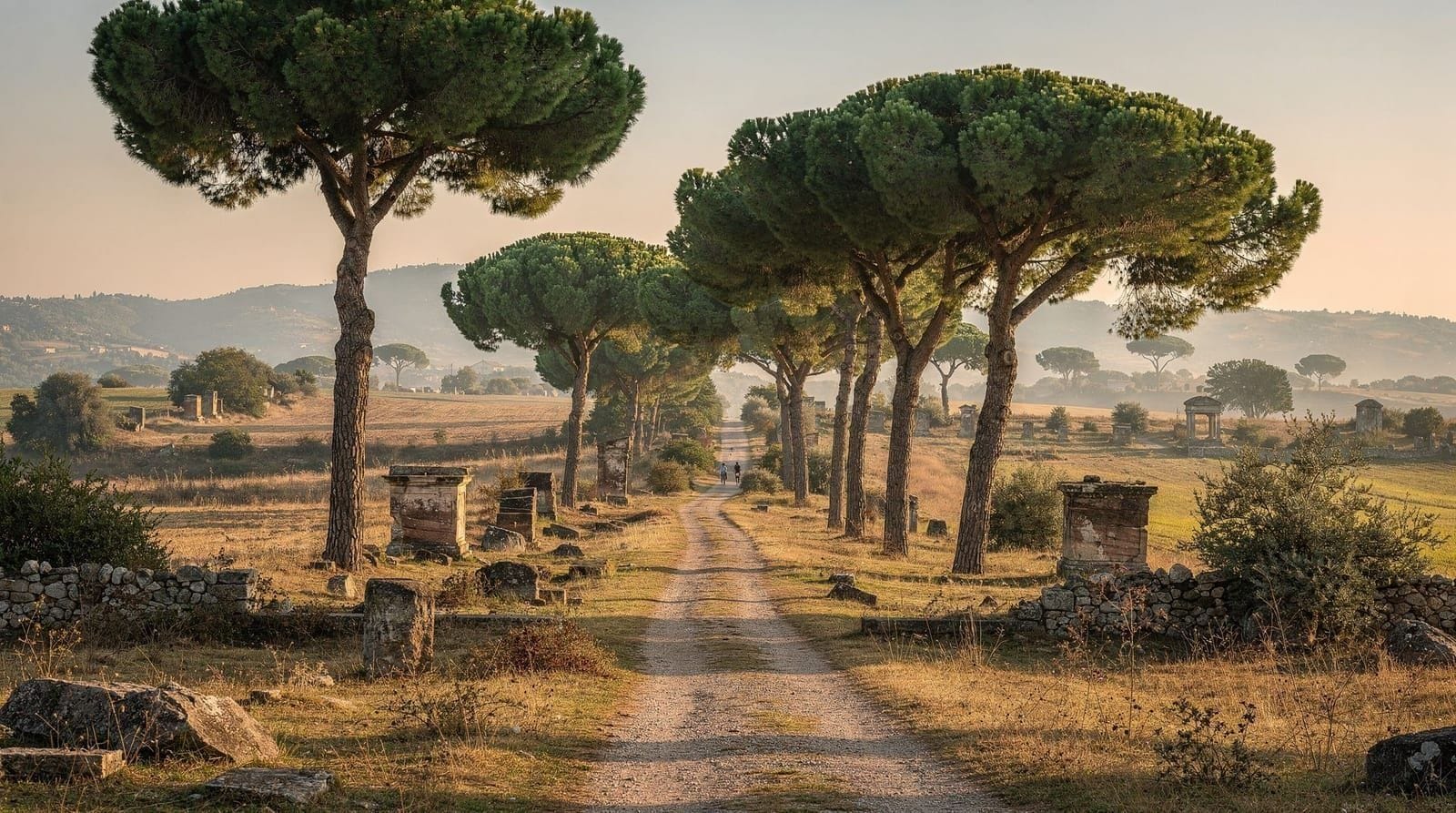
Rome receives 30+ million annual visitors but has enough scale and geographical spread that the crowds distribute. The area around the Trevi Fountain at 11:00 in August is genuinely unpleasant; Testaccio at the same time has normal neighbourhood traffic. Appia Antica on a Tuesday morning has almost no tourists.
Venice receives approximately 20 million annual visitors — including enormous cruise ship volumes that arrive for a few hours and depart — through a much smaller historic area. The San Marco–Rialto corridor on a midsummer day is among the most densely crowded tourist spaces in Europe. The narrow alleys (calli) connecting the major sites can become impossible to move through comfortably at peak times.
Venice’s city government introduced a day-tripper fee in 2024 (€5 on designated high-traffic days, announced in advance on the Venice website) in an attempt to manage flow. It has had partial success, but the structural problem — millions of tourists and a finite island — remains.
The practical solution: stay at least one night, visit San Marco at 07:00 before crowds arrive, and spend the majority of your time in Cannaregio, Dorsoduro, and Castello — the three sestieri (districts) that receive a fraction of the tourist density of the central area. The view from the Zattere promenade in Dorsoduro in the early evening, watching the sun set over the Giudecca canal, is one of the most peaceful experiences Venice offers, and it requires no ticket and no planning.
The honest verdict
Visit Rome first if this is your first or second Italy trip. The combination of ancient history, Vatican, food, neighbourhoods, and day-trip options makes it the more complete Italian experience. Rome earns its place on any Italy shortlist effortlessly.
Add Venice for 2 nights on any Italy trip of 8 or more days. The high-speed train makes the connection easy: Rome to Florence (1.5 hours) to Venice (2 hours from Florence on the Frecciarossa) is a natural three-city progression if you have 10+ days.
Visit Venice instead of Rome only in specific circumstances: you are a repeat Italy visitor with Rome already covered; you have a specific Venice focus (Carnival in February, the Venice Biennale in odd years, or the school of Venetian painting — Titian, Tintoretto, Veronese); or you have a particular reason to prioritise the Adriatic and lagoon experience over land-based Italy.
Vatican Museums and Sistine Chapel skip-the-line entry — Rome’s most celebrated attraction, requiring advance booking regardless of which city you prioritiseCombining Rome and Venice on one trip
A practical 8-night Rome and Venice itinerary:
Nights 1–5 in Rome (or 4 nights if tighter): Cover ancient Rome, the Vatican, two or three neighbourhoods, and one day trip — Tivoli or Ostia Antica are both under 1.5 hours. Borghese Gallery should be booked 10–12 days ahead. See how many days in Rome for the booking priorities.
Night 5–6 transit via Frecciarossa: Morning train Rome → Venice (3h45). Alternatively, break the journey with an afternoon in Florence (2 hours on the train) and continue to Venice the same evening, arriving around 20:00.
Nights 6–8 in Venice: Day one: San Marco, Doge’s Palace (book ahead at palazzoducale.visitmuve.it), Gallerie dell’Accademia. Day two: Cannaregio (Jewish Ghetto, some of Europe’s oldest, established 1516), a vaporetto to the outer islands — Murano for glass-blowing, Burano for the candy-coloured houses and lacemaking tradition. Day three: Dorsoduro, Peggy Guggenheim Collection (American modernism, unexpectedly excellent), the Zattere, and a sunset from the steps of Santa Maria della Salute.
The common mistake in this itinerary is giving Venice too few nights. Two nights is the minimum; three is the comfortable allocation that allows you to see the islands and spend time in the outer sestieri.
For Venice from Rome by train, book at trenitalia.com or italotreno.it. Frecciarossa prices start at €29 per person with 6+ weeks advance booking. Last-minute tickets run €70–90.
See Rome with day trips plan and trains from Rome day trips for the full logistics of building a combined Italy itinerary with Rome as the base.
What to actually do in Venice on 2 nights
Since combining Rome and Venice is the most common recommendation, here is a practical 2-night Venice itinerary that avoids the tourist traps while hitting the essential sites.
Day 1 in Venice: Arrive by train mid-afternoon and walk from Venice Santa Lucia station along the Lista di Spagna into Cannaregio — the most residential of the sestieri, where Venetians actually live and shop. Check into your hotel. Walk the route to San Marco by evening (the walk from Santa Lucia takes about 25 minutes through the city’s back streets, which is far more atmospheric than the vaporetto). Have dinner in Cannaregio: Osteria all’Arco on Calle dell’Arco, or Trattoria alla Rivetta near the Ponte della Paglia. Evening: walk over the Rialto Bridge at night, then down to San Marco. The piazza after 21:00, when the day-tripper coaches have all departed, is among the most beautiful public spaces in Europe.
Day 2 in Venice: Wake early and be at the Basilica di San Marco at 09:00 when it opens (free entry to the main nave; the Pala d’Oro golden altarpiece costs €3, the Marciano Museum and mosaics cost €7 — both worth it). The mosaics of San Marco — 8,000 square metres of gold ground mosaic accumulated between the 11th and 13th centuries — are the most extensive Byzantine mosaic cycle outside Constantinople. Allow 45–60 minutes before the queues build. Then walk 5 minutes to the Doge’s Palace (Palazzo Ducale): the seat of the Venetian government from the 9th to 18th centuries, containing Tintoretto’s enormous Paradiso (the largest oil painting in the world) and a tour of the chambers where the Council of Ten made decisions about life and death in the Republic. Book in advance at palazzoducale.visitmuve.it (€30 adult). Afternoon: the Gallerie dell’Accademia (€15, the best collection of Venetian school painting anywhere — Titian, Tintoretto, Veronese, Bellini) or the Peggy Guggenheim Collection (€18, extraordinary modern art in her former palazzo on the Grand Canal). Late afternoon: walk along the Zattere promenade in Dorsoduro with a gelato from Il Doge.
Day 3 in Venice (if staying): Take the vaporetto line 12 from Fondamente Nove to the island of Burano (50 minutes): the most colourful place in Italy, each house painted a different colour originally to allow fishermen to identify their homes through the lagoon fog. Burano is famous for its handmade lace tradition (now mostly for tourists, but the Museo del Merletto preserves the genuine history). Return via Murano (glass-blowing demonstrations at any of the major fornaci, most free to watch). Back in Venice by early afternoon for a final cicchetti circuit of Cannaregio bars before the return train.
The acqua alta question
Venice’s acqua alta (high water flooding) is a seasonal phenomenon between October and March. It is not a reason to avoid Venice in those months — in fact, October and November are among the best months to visit, with smaller crowds, lower hotel prices, and dramatic atmosphere. The city has a flooding alert system (sirens, app notifications via the “Venezia Unica” system) and most acqua alta events are temporary (lasting 2–4 hours). Waterproof boots or rubber overshoes (sold at kiosks throughout the city, €5–8) make any acqua alta event manageable. The MOSE flood barrier system, completed in 2024, has significantly reduced the frequency of major acqua alta events, though minor flooding in San Marco remains possible.
The key point: acqua alta is a genuine phenomenon and occasionally inconvenient, but it has been reported as far more disruptive to travel decisions than it is to actual visits. November in Venice remains highly recommended.
Solo travellers and photography: a quick note
Solo travellers generally find Rome easier to navigate socially — the neighbourhood bar culture, aperitivo hour, and hostel scene in areas like Monti and Trastevere make it simple to meet people or simply people-watch comfortably alone. Venice can feel more isolating for a solo traveller precisely because its charm is visual and architectural rather than social; the reward comes from quiet early mornings and empty back canals rather than bar culture. For photography, the calculus flips: Venice’s light on water, its uniform stone palette, and the total absence of cars make it one of the most consistently photogenic cities anywhere, while Rome rewards photographers more for its monuments and ruins than for everyday street scenes. Neither is a reason to choose one city over the other, but it is worth knowing before you arrive expecting the same kind of experience from both.
Getting in from the airport: a real difference in friction
Rome’s Fiumicino Airport has a direct rail link (the Leonardo Express) into Termini in 32 minutes for €14, plus a fixed-rate taxi at €55 to any point within the Aurelian Walls — both straightforward, no-surprises options. Venice’s Marco Polo Airport is more involved precisely because Venice has no roads: options are a land bus to Piazzale Roma (€10, then walk or vaporetto into the city), the Alilaguna water bus directly to San Marco or your sestiere of choice (€15–17, 60–90 minutes, scenic but slow), or a private water taxi (€120–150, dramatic but expensive). First-time Venice visitors are often caught off guard by how much longer and more expensive the airport transfer is compared with a mainland Italian city — budget an extra hour and €10–15 versus what a Rome airport transfer costs.
Rough 3-day budget: Rome versus Venice
| Category | Rome (3 days) | Venice (3 days) |
|---|---|---|
| Mid-range hotel | €390–600 | €540–840 |
| Museum/attraction tickets | €60–90 | €60–80 |
| Meals (mix of trattoria + casual) | €120–180 | €150–230 |
| Local transport | €22–30 | €25–75 (vaporetto passes) |
| Rough total per person | €590–900 | €775–1225 |
These are indicative ranges, not fixed prices — actual costs shift with season, exact neighbourhood, and how disciplined you are about avoiding the most tourist-facing restaurants in each city. The consistent pattern, though, is that Venice runs meaningfully higher across every category except attraction tickets, which are roughly comparable.
The verdict restated: how to think about the choice
Comparing Rome and Venice fairly requires being clear about what kind of traveller you are and what you expect from Italian cities.
Rome is for travellers who want historical scale, neighbourhood life, outdoor sightseeing, serious food culture, and logistical access to the rest of southern Italy. It is the right choice for first-time visitors to Italy who want to understand why this country and its civilisation shaped the world.
Venice is for travellers who want to be in a place that exists nowhere else — a medieval maritime republic preserved in amber, navigated by foot and boat, where the absence of cars creates a sound environment unlike any other major tourist city. It is the right choice for repeat visitors, for travellers who prioritise atmosphere over archaeology, and for anyone who has already absorbed the historical depth of Rome and wants something tonally different.
If you have done neither: Rome first, always. If you have done Rome: Venice as the next Italian city, ahead of Florence for visitors who want maximum contrast. If you have done both: Naples, which is rawer and more uncomfortable than either, and more revelatory for it.
For building a complete Italy itinerary around Rome, see Rome with day trips plan and how many days in Rome.
Frequently asked questions about Rome vs Venice: how to choose (or combine)
How do you get from Rome to Venice?
Is Venice more expensive than Rome?
Is Venice worth it for just one night?
Which city is better in summer?
Which city has better food?
Can I do Venice as a day trip from Rome?
How much extra should I budget for Venice versus Rome?
Is the Venice airport transfer really that different from Rome's?
Top experiences
Bookable activities with verified prices and instant confirmation on GetYourGuide.