Rome with kids: an honest family guide
Rome: Colosseum for Kids - A Journey through Gladiators
Is Rome a good destination for families with children?
Yes, though it requires planning. Rome rewards families who book tickets in advance (especially the Colosseum and Vatican), pace itineraries with rest time, and stay in walkable neighbourhoods. The biggest challenges are cobblestones (hard for strollers), summer heat, and long queues at top sites. Autumn, spring, and early winter are significantly better for families than July or August.
What families actually find when they arrive in Rome
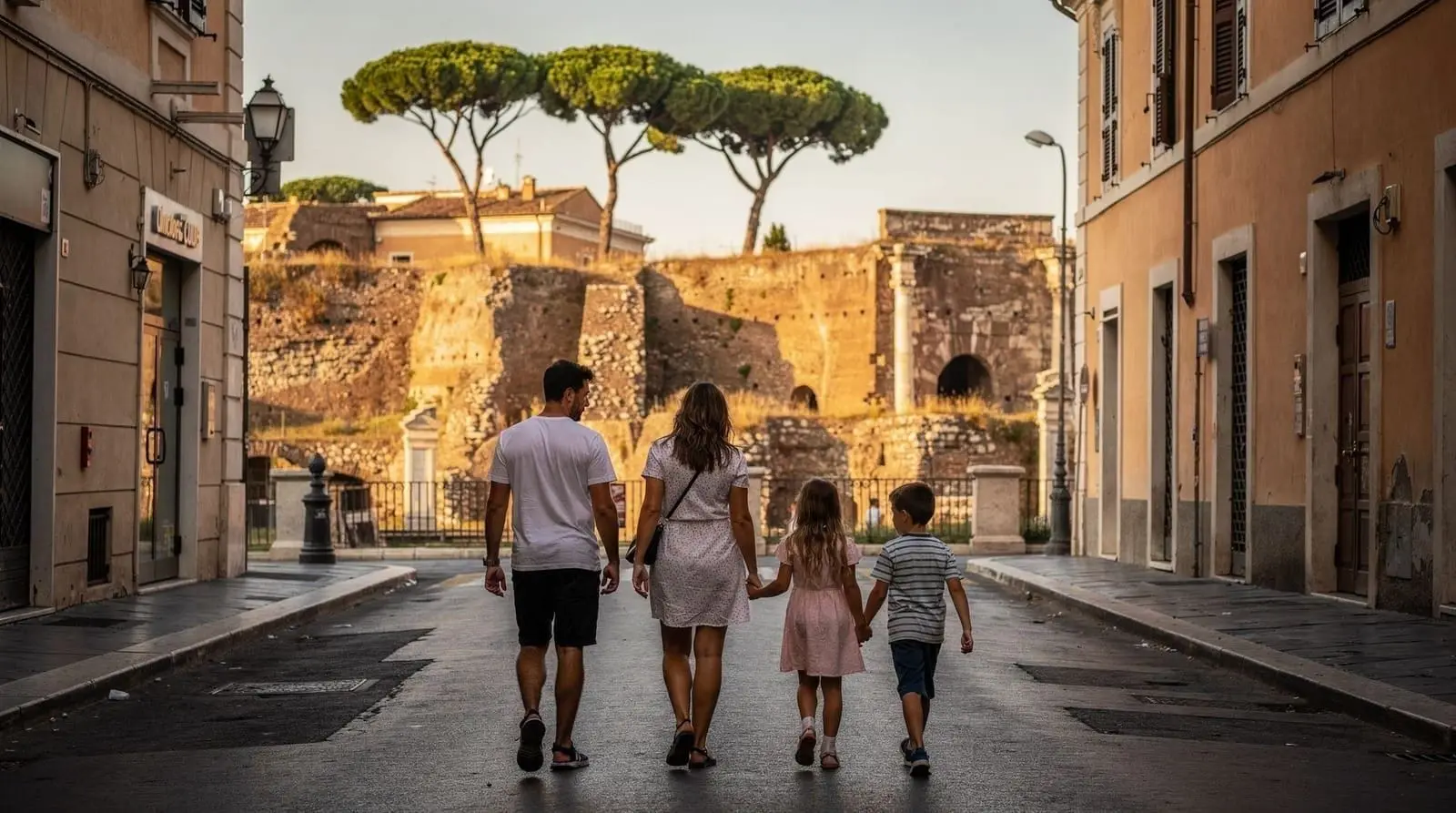
Rome is not a city designed for children. The pavements are uneven, the main attractions are densely crowded, and the heat in summer is formidable. Yet families return from Rome with some of their most vivid travel memories — because the city’s scale, history, and drama land differently with children than any theme park can.
This guide is an honest briefing on what works, what to skip, and how to plan a Rome trip that remains enjoyable for both adults and children. No sugarcoating the cobblestones.
| Where | Prati or Monti for a family base; Centro Storico for maximum central convenience |
| Cost | Under-6s free at most state sites; ages 6–17 pay reduced rates |
| Time needed | 4–5 days for the main family sites without rushing |
| Getting there | Metro Line B for Colosseum/Testaccio; walking or Line A for the Vatican |
| Best time | April–May, September–October; avoid July–August if possible |
The most important decision: when to go
The single biggest variable in a family Rome trip is the month. July and August are the hardest months — temperatures regularly hit 34–38 °C, every site is packed, outdoor dining is uncomfortable, and children overheat quickly. The Jubilee momentum continues into 2026, meaning the city is busier than in recent pre-pilgrimage years.
The best months for families are April, May, early June, September, and October. Temperatures in these periods are 18–26 °C, tourism is lower than peak, and children maintain energy through a full morning of sightseeing. October is genuinely excellent — leaf-fall colours in parks, no queues to speak of, and the city operating at its most local rhythm.
November through January is quieter still and Rome is beautiful in low-season light, though shorter days mean less flexibility with itinerary timing.
The Colosseum: the anchor of every family itinerary
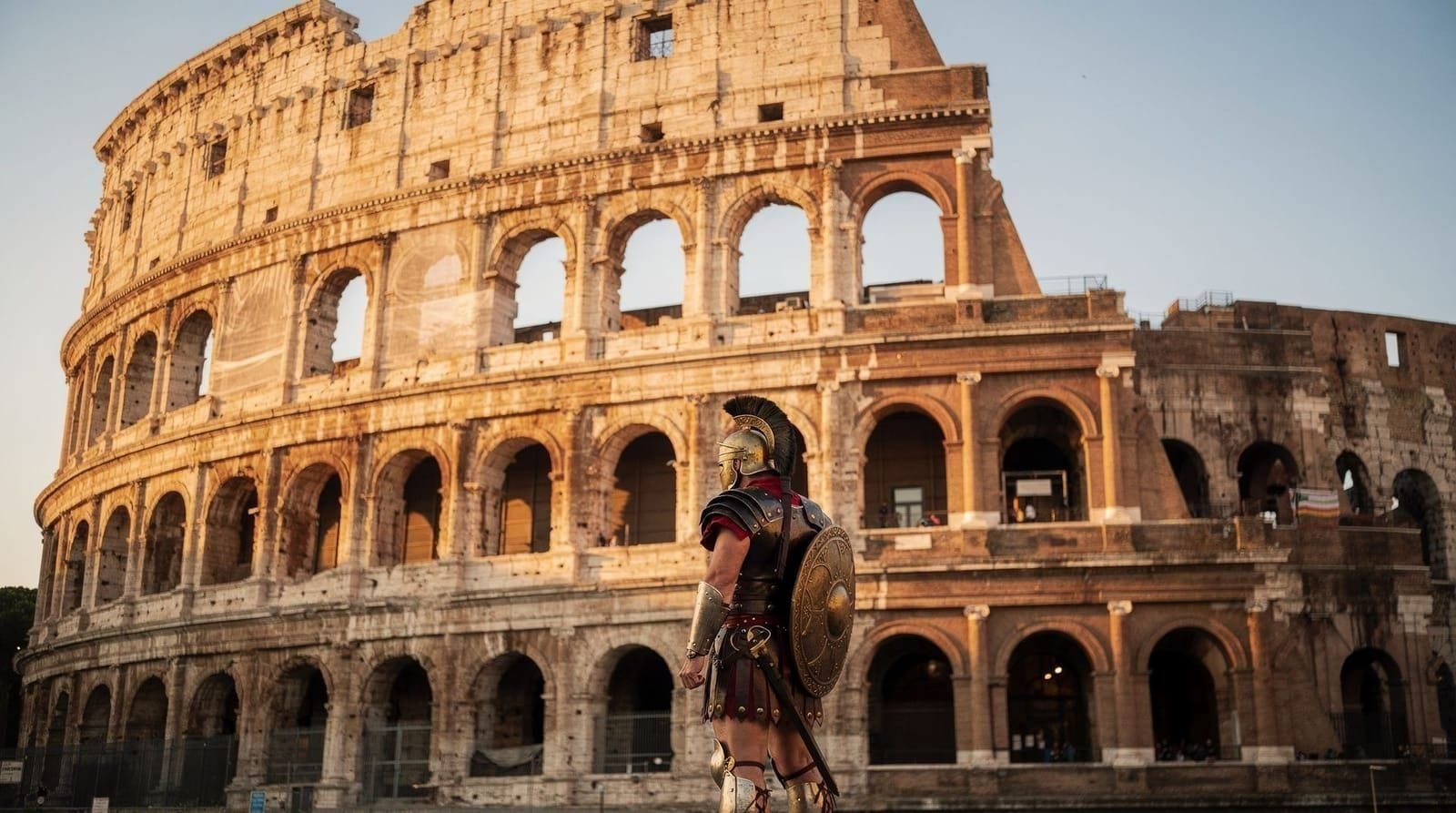
For most children aged 5 and up, the Colosseum is the single most memorable thing in Rome. The scale — 50,000 spectators, four stories, the arena floor where gladiators fought — is something most children have some frame of reference for, and seeing it in person exceeds expectations.
What you need to know:
- Book skip-the-line tickets in advance. Walk-up queues of 2–3 hours are common at peak periods. The ticket system is nominative — you must book specific timed-entry slots and the name on the booking must match ID.
- The combined Colosseum, Roman Forum, and Palatine Hill ticket (€18 adult, free under 6) gives you a full half-day of ancient Rome.
- The arena floor level requires an upgrade ticket — it is worth it for families because children can stand where gladiators stood, which is a different emotional register from looking down from the tiers.
- A family-focused guided tour transforms the experience. Standard audio guides are calibrated for adult knowledge; a guide who tells the gladiator stories in age-appropriate terms keeps children engaged.
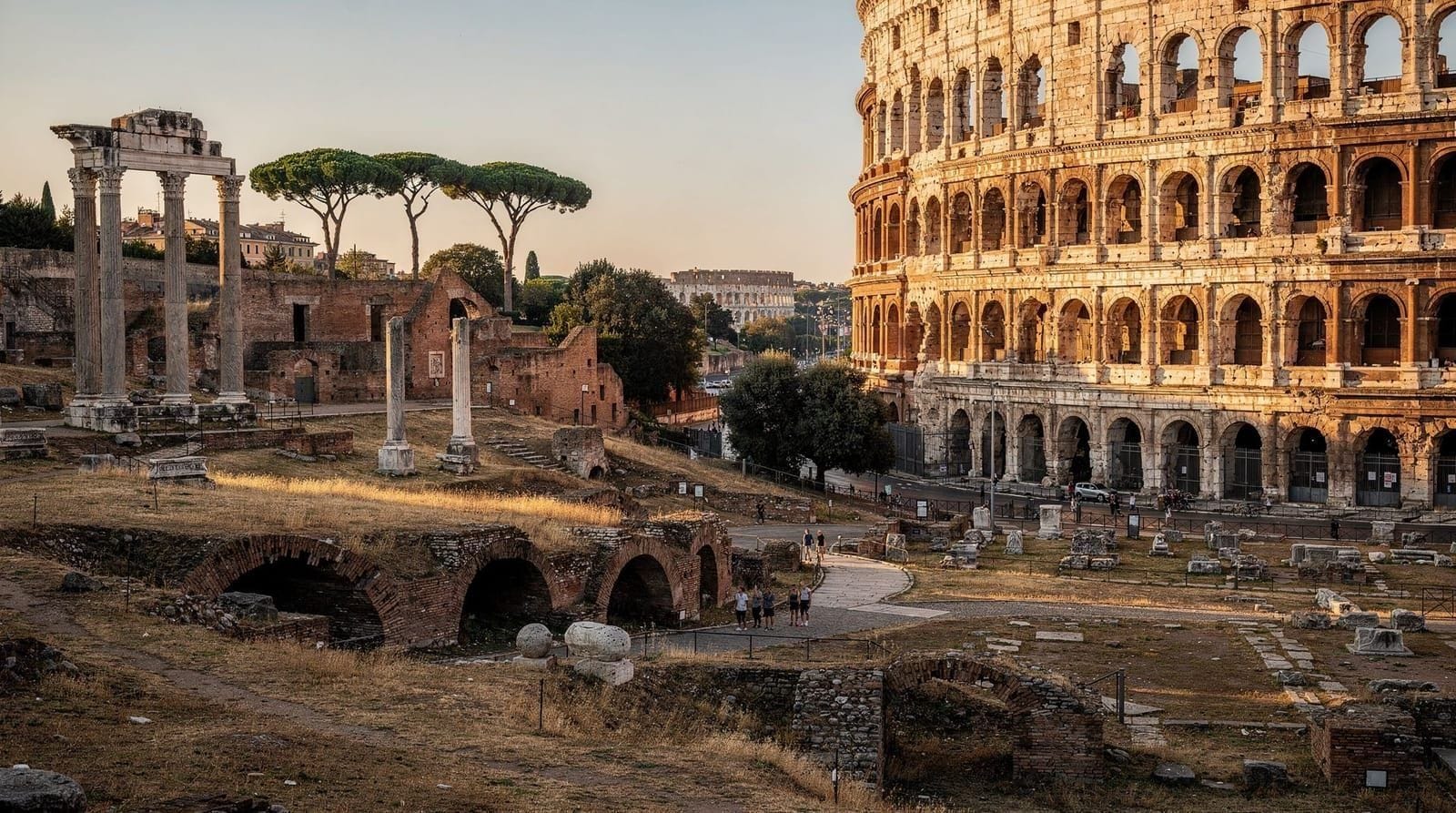
After the Colosseum, the Roman Forum is immediately adjacent and included in the combined ticket. Allow 60–90 minutes here; children under 8 may find it less engaging than the Colosseum (it requires more explanation to make sense), but the Palatine Hill above offers excellent views and open space to run.
The gladiator school: worth it or tourist trap?
The gladiator school experience near Rome (run by Gruppo Storico Romano) divides parents. Our honest assessment: for children aged 6–14, it is excellent. For parents of teenagers who want a more authentic historical experience, it is obviously theatrical.
Children dress in replica armour, learn basic gladiatorial moves from instructors in costume, and receive a “diploma” at the end. The two-hour format keeps energy levels up and provides concrete activity rather than passive looking. Children who had been glazing over at ruins are typically engaged immediately.
Rome Gladiator School — 2-hour costumed gladiator training session, suitable for all ages including adults who enjoy it more than they expect toIf the gladiator school is a priority, combine it with a Colosseum tour on the same day — the thematic connection reinforces both. See the detailed gladiator school guide for location logistics and age recommendations.
The Vatican with children: a calibrated investment
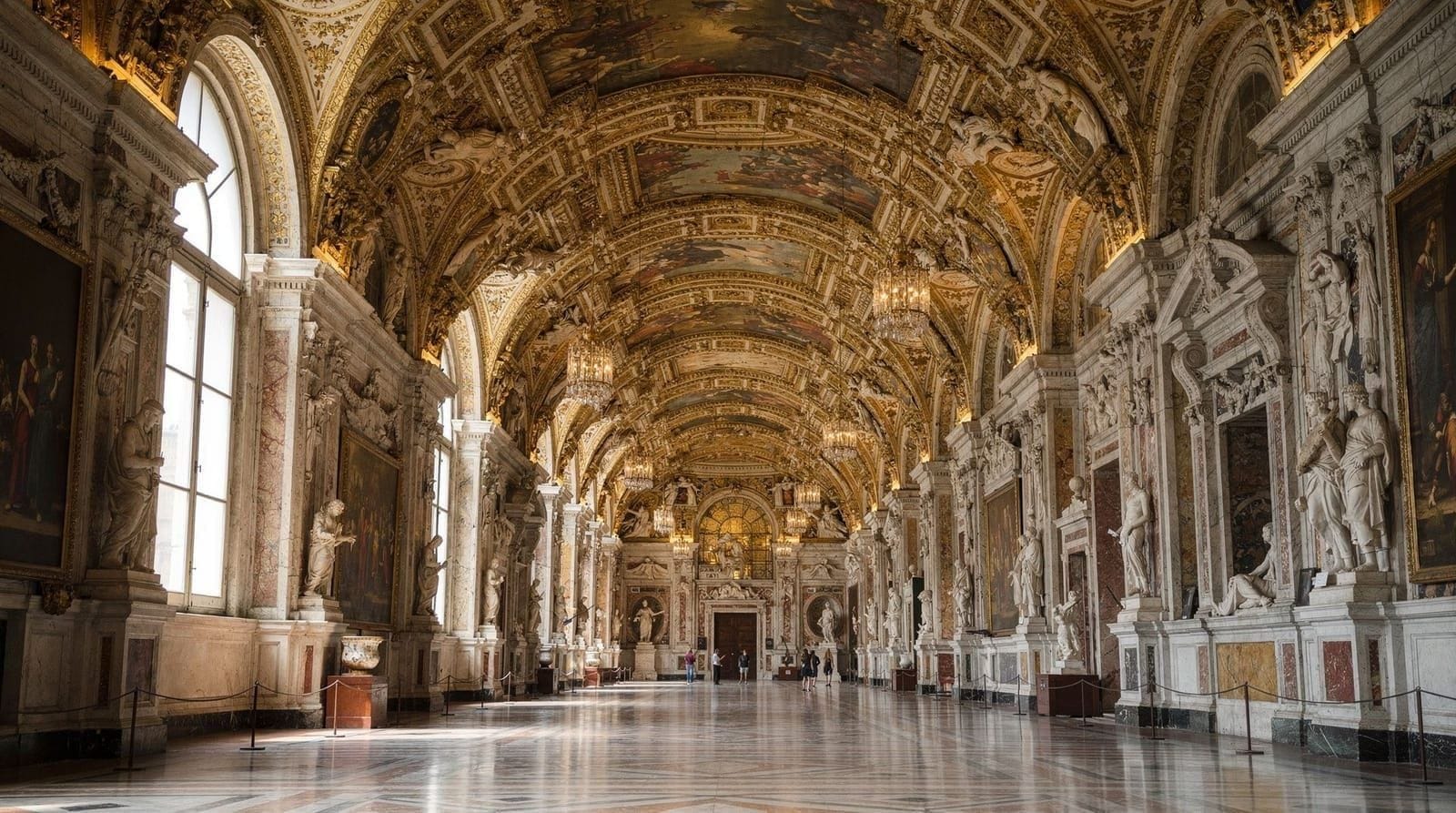
The Vatican Museums are demanding for young children — 7 km of gallery if you walk everything, intense crowds, and much of the content (Raphael Rooms, most painting galleries) is not inherently engaging for under-10s.
That said, the Egyptian Museum’s authentic mummies are reliably fascinating for ages 5+, and St. Peter’s Basilica is so physically overwhelming in scale that it makes an impression on children who are entirely uninterested in religion or art.
The strategy for families: book early morning timed entry (before 09:00), target the Egyptian Museum and Sistine Chapel, and exit into St. Peter’s Basilica via the Sistine Chapel exit. Limit to 2–2.5 hours. This covers the highlights without exhausting the group.
For the full family Vatican briefing, see the Vatican with kids guide.
Piazzas and fountains: free, flexible, child-friendly
Some of Rome’s best family moments cost nothing and require no advance booking.
Piazza Navona is the most reliably successful piazza for families — large, relatively closed to traffic, with the Fountain of the Four Rivers as a dramatic centrepiece, street performers, and gelato shops that are easily accessible. Evening visits (19:00–21:00) capture the piazza in full local life mode.
Trevi Fountain is small and extremely crowded. Children are fascinated by the scale of the fountain and the coin-throwing ritual, but manage expectations on space — at peak times you will be pressed against other visitors. Morning visits (before 08:00 if possible) or after 21:00 are significantly calmer. See the Trevi Fountain guide.
Spanish Steps has a vast staircase that children enjoy climbing. The view over Rome from the top is a straightforward reward for the effort. The area at the base is heavily commercialised — do not let children linger near the over-priced restaurant tables.
Practical logistics that families often underestimate
Strollers and cobblestones
The sampietrini cobblestones of the centro storico are a genuine obstacle for standard strollers. Compact travel strollers (Babyzen Yoyo, Bugaboo Butterfly, and similar) handle them significantly better than large prams. A sturdy baby carrier is useful for short distances in particularly cobbled areas like Trastevere.
Major archaeological sites (Colosseum complex, Ostia Antica) have paved main paths but may have uneven ground in secondary areas. The Vatican Museums have elevator access at most staircase points but some sections still require stroller lifting.
Ticket booking discipline
Book these tickets before arriving in Rome — do not assume walk-up availability:
- Colosseum (with specific timed-entry slot)
- Borghese Gallery (strictly limited to 180 visitors per 2-hour slot; books 7–10 days ahead in peak season)
- Vatican Museums (skip-the-line timed entry at minimum)
Walk-up queues at these three sites regularly exceed 2 hours. Standing in a summer queue with young children is one of the most reliably bad travel experiences.
The free water network: nasoni
Rome has hundreds of free-flowing water fountains called nasoni (little noses) distributed throughout the city. The water is safe to drink and cold. Carry refillable water bottles and use the nasoni network rather than buying bottled water. This is practical throughout the year but particularly useful in summer.
Eating with children in Rome
Roman restaurants are genuinely child-friendly in culture — Italian dining culture involves children, noise is normal, and staff are accustomed to families. The practical issue is timing: many good restaurants do not open for dinner until 19:30–20:00. Lunch (13:00–15:00) is often the better main meal for families with young children.
For the most child-reliable food in Rome: pizza al taglio (pizza by the slice, eaten standing or on steps, available from 11:00 onwards), gelato from artisanal shops (avoid the fluorescent mound displays aimed at tourists), and supplì (fried rice balls, a Roman street food staple). Testaccio market is excellent for this kind of informal eating — see the Testaccio neighbourhood guide.
A suggested 4-day family framework
This is a framework, not a strict schedule — adapt for your children’s ages and energy levels:
Day 1 — Ancient Rome Morning: Colosseum, Roman Forum, Palatine Hill (4–5 hours). Afternoon: lunch near Testaccio, then free time at Circus Maximus (open space, child-friendly, no entrance fee).
Day 2 — Vatican Morning: Vatican Museums (early entry, 2.5 hours). Lunch in Prati. Afternoon: Castel Sant’Angelo (dungeons and ramparts are a hit with ages 8+) or free time in Prati.
Day 3 — Gladiators and piazzas Morning: Gladiator School (book in advance, 2 hours). Afternoon: Piazza Navona, Pantheon (brief visit for all ages), Trevi Fountain.
Day 4 — Lower intensity Morning: Borghese Gallery or Villa Borghese gardens (the park has rowboats and open space). Afternoon: Spanish Steps, Via Veneto, or a neighbourhood walk in Monti. See the Monti neighbourhood guide for a relaxed, non-touristy area.
For families wanting a detailed hour-by-hour schedule, the Rome with kids 3-day itinerary provides a tighter framework.
The hop-on hop-off bus: a legitimate family tool
The hop-on hop-off buses are often dismissed as tourist traps, but for families with young children, they serve a real function: they reduce walking distance between sites considerably, children enjoy the open-top experience, and the audio guide provides commentary without requiring a group tour structure.
Rome City Sightseeing Hop-on Hop-off — multi-route coverage with audioguide; useful for families as a complement to walking, not a replacementUse it strategically: for the longer transfers (Vatican to Colosseum area, for instance) rather than for every stop. Walking remains the best way to experience Rome’s texture in the neighbourhoods between attractions.
What genuinely does not work well with children
The Borghese Gallery is magnificent but genuinely difficult with children under 10 — the strict 2-hour timed slot, the silence expected in the galleries, and the fine marble everywhere creates anxiety for parents of active small children. Worth doing with ages 11+ who have developed some museum tolerance.
Extensive walking tours of 3+ hours are too long for under-8s regardless of how good the guide is. Two hours is the realistic maximum for a structured tour with young children.
Restaurant meals with very young children in the evening — Italian dinner culture starts late (20:00 is normal) and services are slow. A 21:00 finish in a restaurant with tired under-5s is a grind. Lunch for the main sit-down meal, with a lighter dinner at 19:00, works better.
Day trips (Pompeii, Florence, Tivoli) involve early starts, long travel times, and usually full days on foot. These work better for families with children 10+ who have established travel stamina. The Tivoli day trip is the most manageable family day trip from Rome — shorter journey, more compact site.
Which activities suit which age band
Not every family activity in this guide works equally well across the full age range. This quick comparison helps target planning time to what will actually land with your children’s ages.
| Activity | Ages 3–6 | Ages 7–11 | Ages 12+ |
|---|---|---|---|
| Colosseum + Forum | Limited attention span | Strong — scale impresses | Strong, especially with history context |
| Gladiator School | Too advanced physically | Excellent | Good, some find it juvenile |
| Vatican Museums | Difficult, keep to 1 hour | Egyptian Museum works well | Full visit feasible |
| Borghese Gallery | Not recommended | Marginal, needs prep | Works well |
| Piazza Navona / gelato | Excellent, low effort | Excellent | Good but may want more |
| Catacombs | Not recommended (dark, still) | Good from age 8+ | Good |
| Day trips (Pompeii, Tivoli) | Too demanding | Tivoli manageable | Both manageable |
Unglamorous logistics: toilets, naps and the practical stuff
Public toilets are scarcer in central Rome than most visitors expect. Major sites (Colosseum, Vatican Museums, Borghese Gallery) all have facilities inside, but between sites your best bet is a café — ordering a coffee or water gives you an uncomplicated reason to use the bathroom, and most bar staff are used to this. Nappy-changing facilities are inconsistent outside larger museums; carry a portable changing mat for younger children. For nap logistics, many families build a genuine rest stop into the early afternoon — a gelateria with seating or a shaded piazza bench works as well as returning to the hotel, and avoids losing an hour to transit. If you are staying in Prati, the neighbourhood’s residential character means more normal-price cafés with usable facilities than the tourist-dense streets around the Pantheon.
Rome with teenagers specifically
Teenagers are a different planning problem from younger children — physical stamina is rarely the issue, but engagement and autonomy are. Teens generally respond well to the Colosseum’s underground and arena-floor add-ons (a more serious, less “kiddy” framing than the standard family tour), the Borghese Gallery’s Bernini sculptures, and neighbourhood exploration in Trastevere or Monti with some independence built in — even 30-60 minutes to explore a piazza or shop without a parent hovering can meaningfully improve the mood of an otherwise packed day. Food is also a bigger lever with teenagers than with younger children: a proper Roman dinner at a real trattoria, treated as an event rather than a logistics problem, often becomes a trip highlight in its own right. If Pompeii or Florence is on the itinerary, teens generally handle the full-day travel and walking better than younger siblings, making them a good candidate for the day trip while a co-parent takes younger children on a lighter Rome day.
A final honest note
Rome with children is logistically demanding compared to a beach holiday or a theme park. It requires advance planning, realistic pacing, and accepting that some days will be partly spent in a gelateria while a toddler naps. What you get in return is children who have stood in the Colosseum, learned to throw a coin into the Trevi Fountain, and watched the sun set over ruins that predate every other civilization they will ever encounter. Most families decide it is worth the effort.
For the planning tools specific to timing, tickets, and passes, see the Rome skip-the-line tickets guide and the how many days in Rome guide.
Frequently asked questions about Rome with kids: an honest family
What are the best sites in Rome for children?
Are cobblestones a real problem with a stroller in Rome?
Do children get free or reduced entry to Rome's major sites?
How many days do I need in Rome with children?
What is the best neighbourhood to stay in with children?
Is summer a bad time for families in Rome?
How do I handle pickpockets with children in Rome?
Is Rome a good destination for teenagers specifically?
Where can I find a bathroom for young children in central Rome?
Top experiences
Bookable activities with verified prices and instant confirmation on GetYourGuide.