Vatican with kids — practical guide for families visiting in 2026
Vatican Museums, Sistine Chapel & St. Peter's Basilica Tour
Is the Vatican suitable for young children?
Yes, with the right planning. Children under 6 enter free. The key challenges are queuing (book skip-the-line tickets), dress code (easy to manage with a scarf), and duration (limit visits to 2–2.5 hours maximum for under-10s). A family-focused guided tour beats self-guiding significantly for engagement. Book early morning to avoid the worst heat and crowds.
| Where | Vatican Museums, Viale Vaticano (Metro A Ottaviano) |
| Time needed | 2–2.5 hrs for under-10s, 5–6 hrs full adult day |
| Cost | Under 6 free; 6–17 reduced ~€8–10; adult €18 |
| Best time | 08:00 entry, coolest and calmest |
| Booking | Skip-the-line ticket or family tour essential |
The honest reality of Vatican visits with children
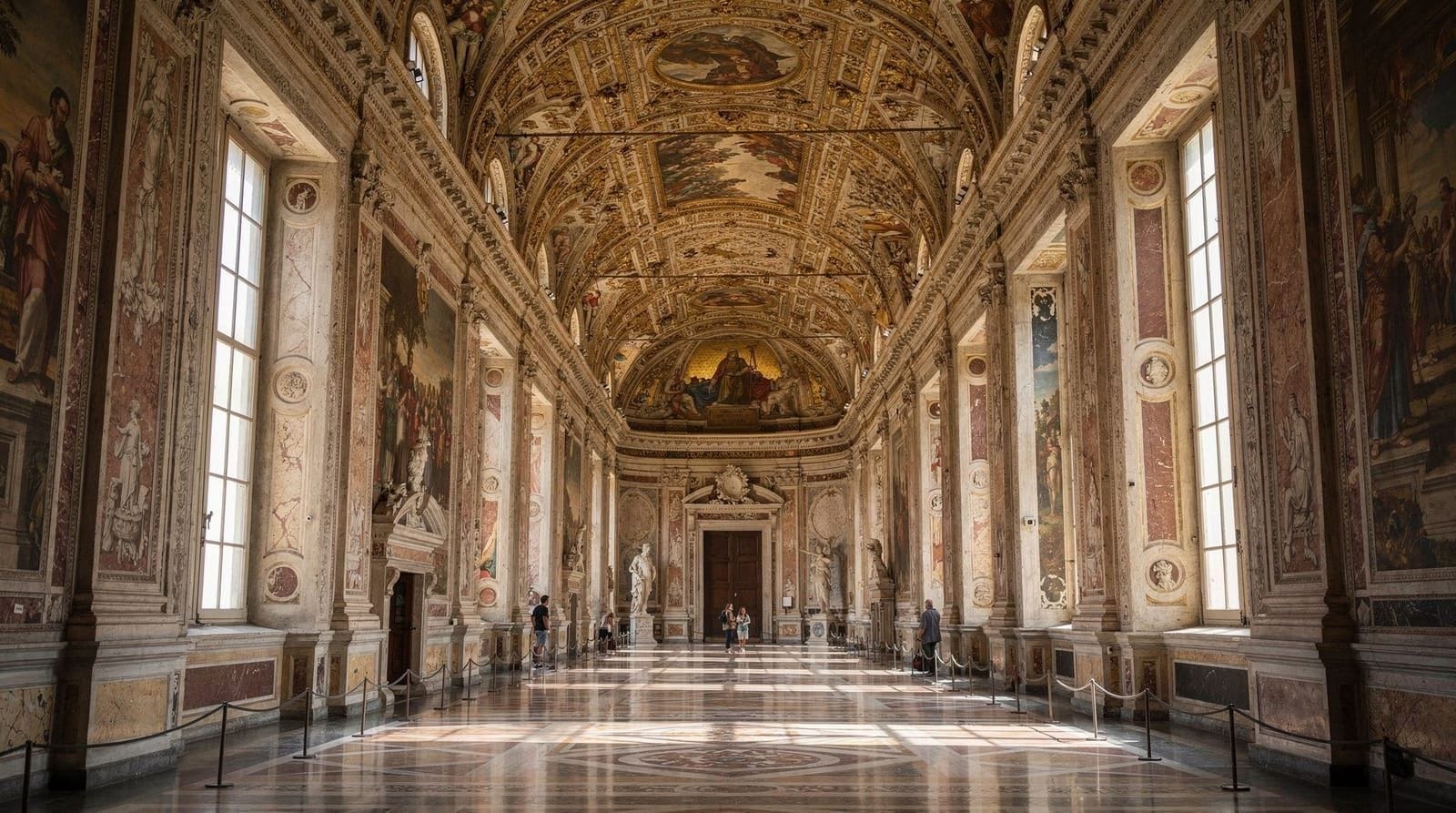
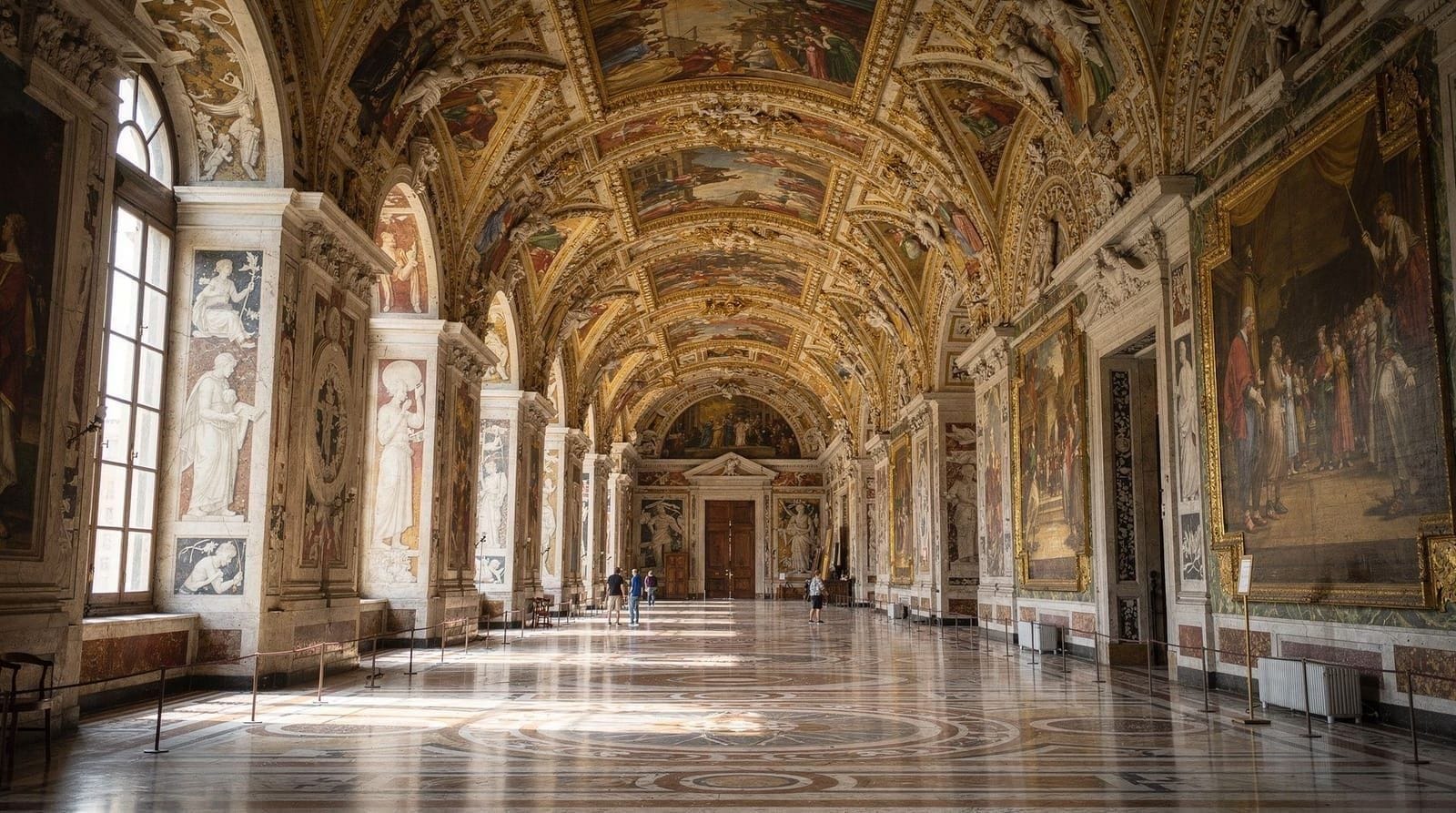
The Vatican Museums are genuinely challenging for young children. The route is long (7 km of galleries if you see everything), the crowds in peak season are intense, and the spaces most interesting to adults — the Sistine Chapel, the Raphael Rooms — are not inherently engaging for children who lack the art historical framework to appreciate them.
That said, the Vatican with children is entirely possible and can be rewarding with realistic expectations and the right preparation. The key is: shorter visit, earlier timing, and a guide or strategy that makes the content accessible to your specific children.
This guide gives you the practical framework for making it work.
Ages and what to expect
Under 5
Very young children can come, but the Vatican is primarily an adult destination. Children under 6 enter free. The practical challenges: stroller management (the route has stairs in some sections; escalators and elevators are available but crowded), long stretches of walking, loud environment, and no play areas.
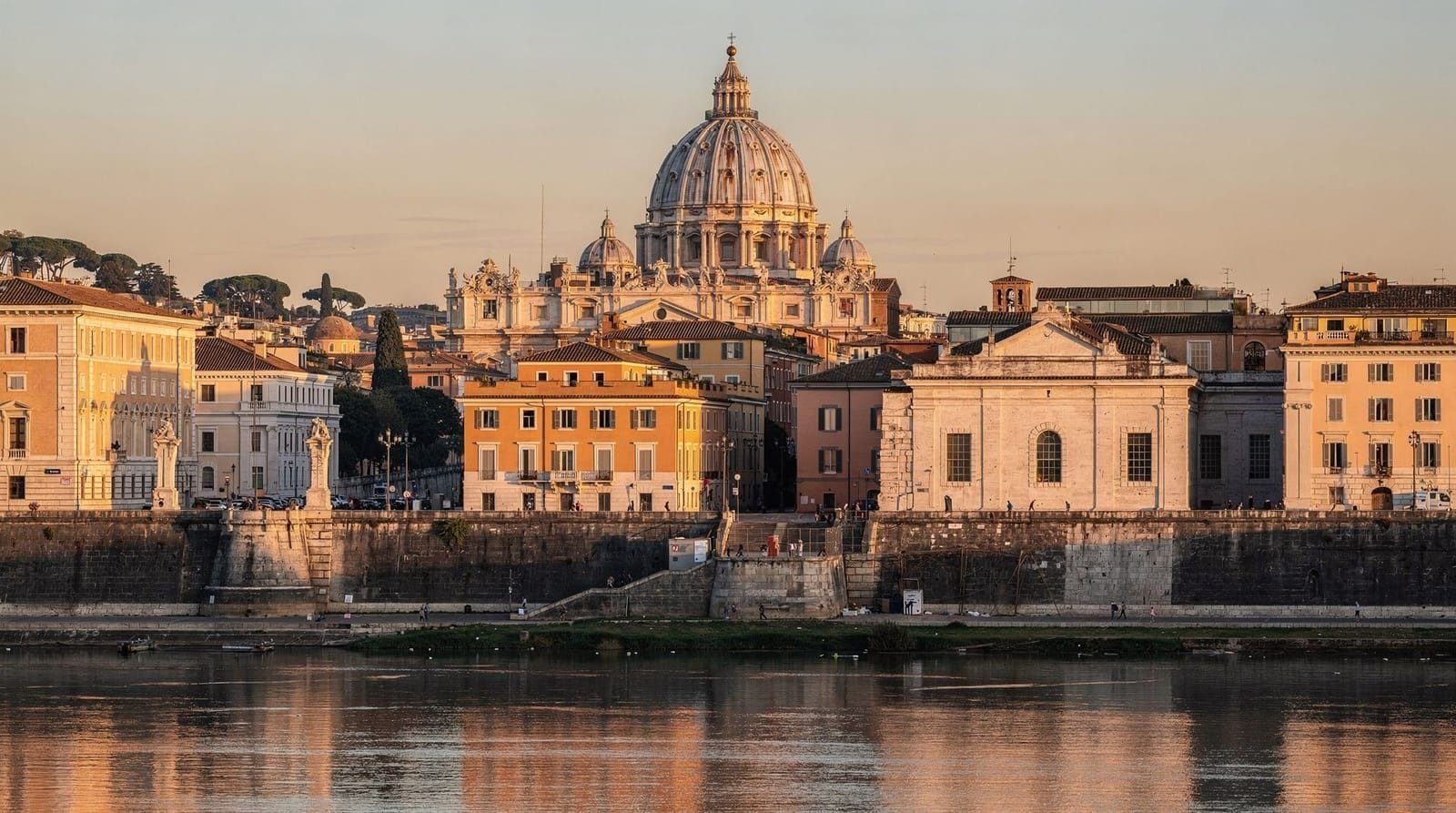
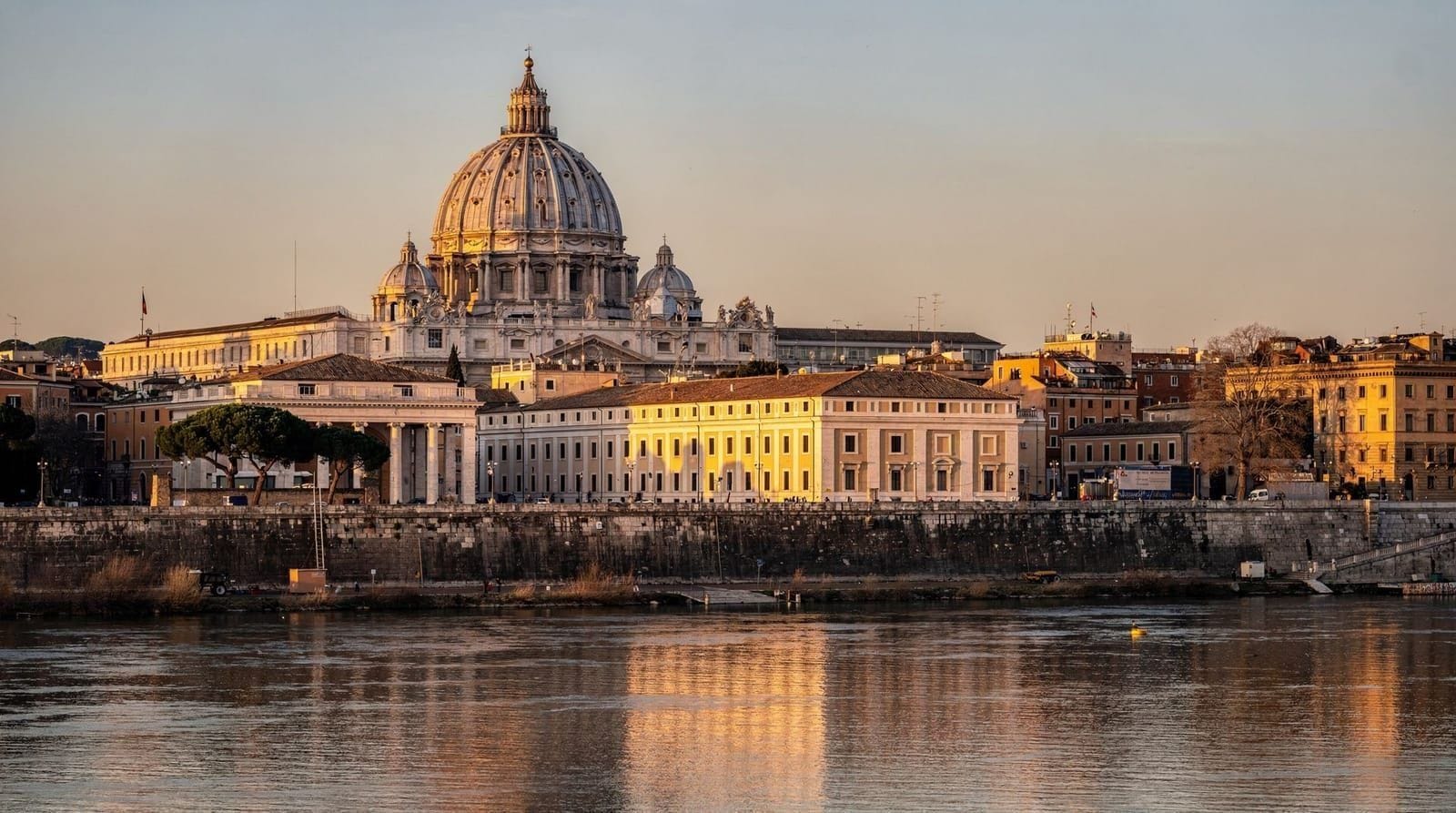
Honest recommendation: For children under 5, consider a brief visit to St. Peter’s Basilica (free, shorter, awe-inspiring scale) and skip the Museums unless a family ticket price or schedule makes it convenient. The Egyptian mummies in the museum entrance are often a genuine hit with the 4–5 age group.
Ages 5–9
This is the age group where a targeted strategy pays off. Kids in this range can handle 1.5–2 hours with engaging content. The Egyptian Museum’s mummies and sarcophagi (authentic, dramatic, age-appropriate) are typically the highlight. The Sistine Chapel can be presented as a 500-year-old comic book — each panel tells a story.
What helps: A family-focused guided tour designed for children. Good guides use stories, games (“find the hidden portrait”), and interactive questions to maintain attention. A standard adult tour will lose under-10s.
Ages 10–14
The Vatican becomes more accessible in this range. Pre-teens can engage with the Raphael Rooms and the Sistine Chapel as artistic and historical achievements. Background reading or a documentary before the trip (several exist) increases engagement dramatically.
Ages 15+
Teenagers with any interest in history, art, or religion will find the Vatican genuinely interesting. The challenge is more about managing the logistics (queues, heat) than the content.
Essential preparation: tickets and timing
Book skip-the-line tickets
Do not attempt the Vatican with children and a walk-up queue. A 2–3 hour queue in summer heat with children is a miserable experience that ends any goodwill before the visit begins.
Book timed-entry tickets at minimum, or a guided family tour.
Vatican Museums, Sistine Chapel & St. Peter’s guided tour — suitable for familiesChoose early morning
08:00 entry is the right choice for families. Reasons:
- Coolest temperatures (before the midday heat builds)
- Shortest queues at the entrance
- Least crowded Sistine Chapel
- Children at their best energy before midday
- Finished by 11:00–11:30, leaving afternoon free for child-friendly activities
For the earliest and least crowded experience, the early-morning tours (07:30 entry) are worth the premium for families in peak season.
Vatican early morning small-group tour — best for families avoiding midday heatChildren’s ticket pricing
- Under 6: free
- Ages 6–17: reduced price (check official Vatican site for current rates — approximately €8–€10)
- EU students 18–25: reduced (with student ID)
What to prioritise with children
Egyptian Museum (highly recommended)
Located immediately after the entrance. Genuine ancient Egyptian artefacts including mummies, canopic jars, sarcophagi, and small objects. Most children find mummies fascinating regardless of age. Allow 20–30 minutes here.
Gallery of Maps (quick pass)
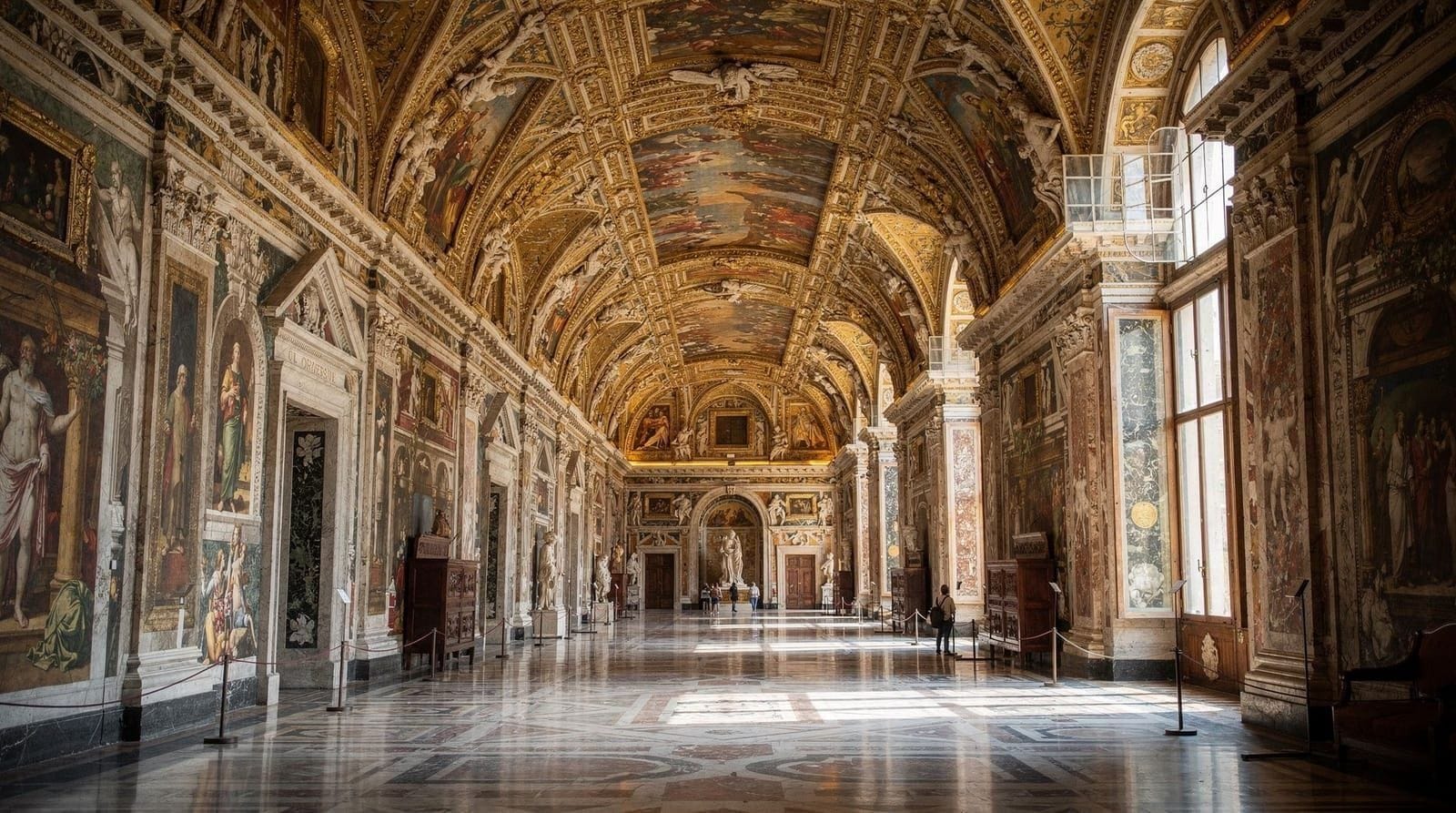
The 120-metre corridor of Italian map frescoes (1580) is visually impressive and quick to walk through. Point out the detail: ships in harbour, mountains, rivers, cities. 10–15 minutes.
Raphael Rooms
For ages 10+, worth spending 20–30 minutes. For younger children, walk through and point out the big colourful scenes without attempting explanation.
Sistine Chapel
For children, the presentation matters. Brief it in advance: “The ceiling was painted by one man lying on his back for four years” (not accurate but the myth is memorable and hooks interest). “Find the moment where God touches Adam but doesn’t quite touch him.” Age-appropriate mysteries keep children engaged for longer.
Time target: 20–30 minutes in the Sistine Chapel is realistic and sufficient for under-12s.
What to skip if time or patience is limited
- Pinacoteca (painting gallery) — interesting for adults, low appeal for children
- Modern Religious Art section
- Ethnological Museum
- Pio-Clementine Museum rooms beyond the basic highlights
Dress code for children
The dress code applies to children as well as adults: shoulders and knees covered. Children in swimwear or with bare shoulders will be turned away.
Practical approach:
- Pack a light scarf per child
- In summer, lightweight harem pants or thin trousers over shorts take 30 seconds to put on
- Keep cover-ups in your daypack and apply them at the entrance rather than making children wear them all day
For the full dress code rules with specific examples, see the Vatican dress code guide.
Managing the practicalities
Strollers
The Vatican Museums have escalator and elevator access at most staircase points, but the route is not fully stroller-friendly — some sections require a stroller to be lifted. Compact strollers or a baby carrier are more practical than large prams.
The Sistine Chapel and Raphael Rooms are crowded; a stroller in these spaces creates friction with other visitors. If you have a very young child, a baby carrier for the Museums and a stroller for street use is the most practical combination.
Toilets
Toilets are available at the entrance area and in the cafeteria area mid-route. In a 3-hour visit with children, identify them at the entrance and plan one break mid-visit.
Food and drinks
The Vatican Museums has a cafeteria at the midpoint. Prices are above average (€5–€8 for a simple plate). Pack snacks and a water bottle — the Vatican sells bottled water but at tourist prices. Outside the Vatican, Prati neighbourhood (5-minute walk from the Museums exit) has excellent bakeries and cafes at normal Roman prices.
Luggage storage
Free cloakroom at the entrance. Large backpacks must be deposited. A small daypack with essentials is practical.
After the Vatican: family-friendly next steps
Prati neighbourhood
The residential neighbourhood immediately north of the Vatican is clean, calm, and with none of the tourist-trap atmosphere of the immediate Vatican surrounds. Via Candia and Via Cola di Rienzo have good gelato shops (look for Gelateria dei Gracchi or similar artisanal shops, not the fluffy neon tubs near tourist streets).
Castel Sant’Angelo
A 15-minute walk east along the Tiber. The medieval castle has dungeon corridors, ramparts, and views — children typically find it engaging. The interior tells stories of papal escape routes, cannons, and prisoners. An hour here is well spent for ages 8+.
Piazza Navona
A 25-minute walk from the Vatican via the Tiber bridges. Open piazza with street performers, the Fountain of the Four Rivers, and good gelato. Lower-intensity than the Vatican morning; good for decompressing with children after a busy museum visit.
Frequently asked questions about the Vatican with kids
At what age can children manage the Vatican Museums?
Children from about 5–6 years can handle a targeted 2-hour visit with the right content framing. Under 5 is manageable but the Museums are not designed for very young children. The Egyptian Museum and the scale of St. Peter’s Basilica are the most reliably engaging elements for all ages.
Is the dome climb suitable for children?
The dome climb (551 steps, or 320 steps after the elevator) includes a narrow, tilting spiral staircase at the top. Most children aged 8+ manage it fine. The staircase can be frightening for children who are afraid of heights or enclosed spaces. You cannot turn back easily once in the final spiral — assess your child’s comfort level before committing.
Are there reduced tickets for children at the Vatican?
Children under 6 enter free. Ages 6–18 pay a reduced price (approximately €8–€10 vs €18 for adults). EU students 18–25 pay reduced with valid student ID. Check the official Vatican website (museivaticani.va) for current pricing.
Can I feed a baby or use a changing table in the Vatican Museums?
Changing facilities are available near the main cloakroom/entrance area. Breastfeeding is permitted; quiet areas in the cafeteria or on benches in the courtyard gardens are the most practical locations.
How can I make the Sistine Chapel engaging for children?
Brief them beforehand on the story of Genesis (even a brief summary helps). On site: “Find the picture where God almost touches Adam.” “Count how many different figures you can see on the ceiling.” “What are the people on the altar wall doing — are they going up or down?” Simple questions maintain attention better than explanations.
Which ticket type should I book for a family visit?
A skip-the-line entry ticket at minimum; a family-focused guided tour if your budget allows and your children are 6+. Compare all four Vatican ticket tiers — including the early-morning option discussed above — in our Vatican skip-the-line tickets guide and Vatican tickets guide.
Should I do the Vatican or the Colosseum first with children?
If both are on your itinerary, consider giving the Colosseum the earlier or higher-energy slot — its scale, outdoor space and gladiator narrative generally hold children’s attention better than the Vatican’s galleries. Our Vatican vs Colosseum priority guide covers the full trade-off, including why families often benefit from flipping the usual adult-visitor priority.
Family-specific tour options and what to look for
Not all Vatican guided tours work equally well for families with children. Standard adult tours are paced for adult attention spans and focus on art historical detail that children under 12 may not engage with. Look specifically for:
“Family” or “for kids” tour descriptions: These tours use age-appropriate storytelling, game-like elements (finding hidden portraits, guessing what scenes depict), and shorter visit structures. Duration is typically 2 hours rather than 3.
Private tours: More expensive (€120–€200 for 2 adults + children) but the guide can pace entirely to your family’s energy level. If a child needs a break, the tour pauses. If one panel generates 20 minutes of questions, the guide accommodates it.
Small-group tours with maximum 8–10 participants: Even if not specifically a “family tour,” a small group allows children to be visible and heard without disrupting a large party. Standard 20-person groups can overwhelm younger children.
The Egyptian Museum detour: Ask any guide if the route includes time in the Egyptian Museum specifically. Some abbreviated tours skip it to prioritise the Sistine Chapel. For families with younger children, the mummies are reliably the most engaging part of the Vatican visit — prioritising this section makes practical sense.
The Vatican through young eyes: what children actually respond to
Decades of family travel experience have surfaced consistent patterns in what children find memorable at the Vatican versus what adults expect them to find memorable.
High engagement (across ages 5–14):
- Egyptian mummies and sarcophagi — visceral, real, dramatic
- The scale of St. Peter’s Basilica — physically overwhelming for children accustomed to smaller spaces
- Bernini’s baldachin (the giant bronze canopy) — the engineering scale is comprehensible
- The dome climb — physical activity with a reward (the view)
- The obelisk in St. Peter’s Square — “that’s older than Jesus” lands well
Lower engagement than expected:
- The Sistine Chapel without preparation or guidance — confusing unless framed correctly
- The Gallery of Maps — adults love it; children under 10 are typically indifferent
- The Raphael Rooms — accessible for age 12+ with context, less so below
- Most of the painting galleries — without a specific hook, painting rooms feel interchangeable
The honest summary: Children’s Vatican engagement is primarily about scale and drama, not art history. The Basilica’s size, the dome’s height, the mummies’ age — these are the elements that generate genuine excitement. Art interpretation can layer on top of this, but the physical experience comes first.
Managing energy and expectations
A full Vatican Museums + Basilica day is 5–6 hours of walking, standing, and queuing. This is the adult version. For children, a targeted 2.5–3 hour version (Museums highlights + Basilica) is more sustainable and usually more memorable than an exhausting comprehensive visit.
The recovery hour: After finishing at the Basilica, children (and adults) benefit from 60 minutes of unstructured decompression. Prati neighbourhood has a playground at Piazza Risorgimento. The fountain courtyard inside the Museums (before the café) has seating and is calmer than the galleries.
Food as motivation: The Vatican cafeteria is the fallback; the better option is telling children that the visit ends at a gelato shop. Naming the specific gelateria (Gelateria dei Gracchi in Prati, for instance) and making it a concrete reward maintains cooperation through the later stages of a long morning.
Weather contingency: Rain makes queueing outside genuinely unpleasant. If your Vatican day falls during rain, the Museums experience itself is unaffected (almost entirely indoor), but the Basilica security queue and St. Peter’s Square become uncomfortable. Consider shifting the Square portion of the visit and spending more time in the Museums interior.
Itinerary options for families: 2 hours vs full day
Short family visit (2.5 hours)
- 08:00 Entry → Egyptian Museum (30 min)
- Gallery of Maps (15 min, walking pace)
- Sistine Chapel (25 min)
- Exit directly to St. Peter’s Basilica via Sistine Chapel exit
- Basilica interior highlights — Pietà, baldachin (40 min)
- Finish by 10:30–11:00
This format is practical for ages 4–8 and covers the iconic elements without exhausting young visitors.
Full family day (5–6 hours)
- 08:00 Vatican Museums early morning tour (3 hours)
- Lunch in Prati (1 hour)
- Basilica + dome climb for capable walkers (2 hours)
For ages 10+ who can handle the dome staircase and a full morning of museums, this is the comprehensive Vatican experience. Allow for a rest after lunch.
For the broader Rome family itinerary, see the Rome with kids guide and the Rome family itinerary tips.
Managing queues with children: the honest strategy
Queue management with children requires different thinking than queue management with adults.
The pre-booked ticket is non-negotiable. A 2-hour queue with children aged 4–9 is not simply unpleasant — it frequently ends the day before it starts. Children in a standing queue in summer heat become distressed, difficult, and unwilling to engage with the museum that follows. Book skip-the-line tickets or a guided family tour. This is not optional if you are travelling with under-10s in peak season.
Arrive 10–15 minutes early. Children need biological breaks at inconvenient moments. Arriving early creates buffer. The Vatican Museums entrance has toilets immediately inside; using them before entering the galleries avoids emergencies mid-route.
Have an exit strategy. Know where the nearest exit is before you commit to deeper galleries. If a child has a meltdown in the Raphael Rooms, you need to be able to leave without navigating back through 20 minutes of one-way galleries. The Vatican Museums exit from the Sistine Chapel (into St. Peter’s Basilica) is actually a flexible exit point — if a child is done, you can exit here even if you were not planning to visit the Basilica.
Snacks. The Vatican Museums’ cafeteria is mid-route and expensive. Carry snacks from outside — a couple of cornetti from a Prati bakery, fruit, water. Children who are fed manage better than children who are not. This is not specific to the Vatican.
Age-specific engagement hooks for each Vatican space
Egyptian Museum — all ages (5+) “That person died 3,000 years ago and we are looking at them right now.” This statement, delivered matter-of-factly, lands consistently with children. Let them count the layers of wrapping on a mummy. Point out the canopic jars — “these four jars each hold one of the mummy’s organs.” Visceral, specific, accurate.
Gallery of Maps (10+) “Find Italy on the map — does it look like a boot?” The shape of Italy is recognisable to most children who have seen a map of Europe. Pointing out the accuracy of the 1580 coastlines compared to a modern Google Maps view (if you have phone signal) is a quick visual proof of historical cartography quality.
Raphael Rooms (12+) “There are hidden portraits of real people — can you find the one Raphael painted of himself?” The self-portrait (lower right, second figure from the right, turning toward the viewer) is findable independently with a hint. For teenagers interested in art or history, this active search is more engaging than passive listening.
Sistine Chapel (8+, with briefing) The question game approach works well: “Which figure is God?” (the bearded old man with the flowing pink robe) “Is God flying?” (yes — supported by angels and in mid-air in most panels) “Are the people on the altar wall going up or down?” (both — left side ascending, right side descending toward Hell). Questions that have answers visible in the painting maintain engagement better than monologues.
Age group at a glance
| Age | Realistic duration | Highlight | Ticket strategy |
|---|---|---|---|
| Under 5 | 45–60 min | Egyptian mummies, Basilica scale | Basilica-only often enough |
| 5–9 | 1.5–2 hrs | Egyptian Museum, Sistine (briefed) | Family-focused guided tour |
| 10–14 | 2.5–3 hrs | Raphael Rooms, Sistine Chapel | Standard or family tour |
| 15+ | 3–4 hrs | Full Museums route | Standard entry ticket fine |
This is a guide, not a rule — a curious 7-year-old can outlast a bored 12-year-old. Use it to set expectations rather than as a strict cutoff, and default to the shorter end of the range if this is your child’s first extended museum visit.
Where to base your family for an easy Vatican morning
An early 08:00 slot is far easier to keep if your family is staying within walking distance rather than facing a pre-dawn Metro ride with tired children. Prati, immediately north of the Vatican, is calm, has proper supermarkets and playgrounds (Piazza Risorgimento), and puts the entrance a 10-minute walk away rather than a Metro connection. For families splitting time between the Vatican and the rest of Rome, see the broader where to stay in Rome guide for how Prati compares to Monti and Trastevere as a family base.
Top experiences
Bookable activities with verified prices and instant confirmation on GetYourGuide.