Planning a Rome family itinerary: pacing for kids
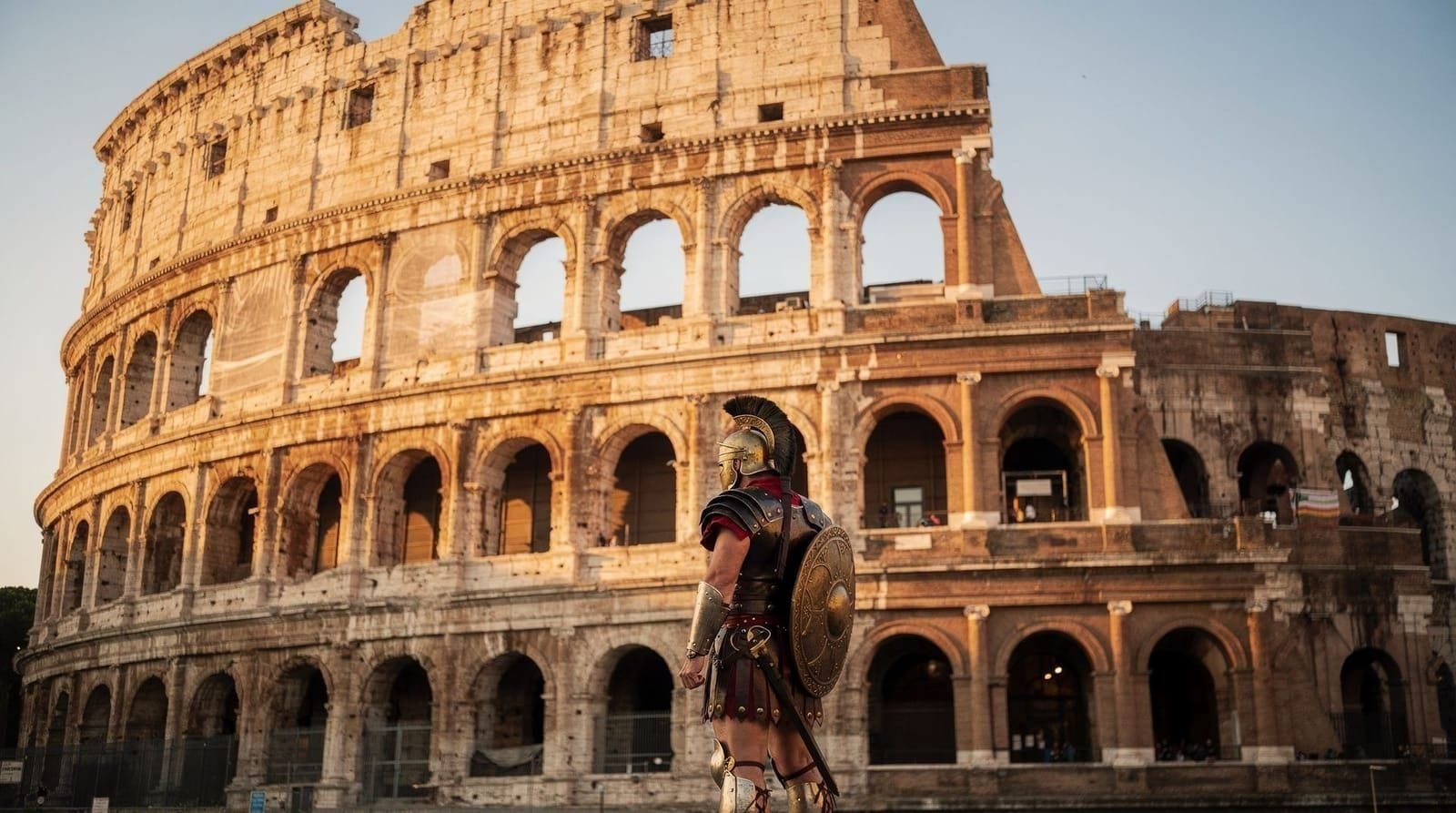
Rome: Colosseum for Kids - A Journey through Gladiators
How should I structure a daily itinerary in Rome with children?
Front-load the day. Book the most demanding or exciting activity for 09:00–12:00 when children have the most energy. Midday (12:00–15:00) is the hottest part of the day and the best time for lunch and a rest. Afternoons (15:30–18:30) suit lower-intensity neighbourhood exploration, piazza time, and gelato. Evenings with children are for dinner before 20:00, not extended sightseeing. One major ticketed attraction per day is the sustainable rhythm for under-10s.
| Daily maximum | One major ticketed site + one low-intensity activity |
| Best sightseeing window | 08:00–12:30 |
| Midday | Lunch + rest, non-negotiable in summer |
| Avoid pairing | Vatican + Colosseum in the same day |
| Booking lead time | Colosseum/Vatican 2–3 weeks; Borghese 7–10 days ahead |
The planning principle that makes family Rome trips work
Adult Rome itineraries are built around monuments and distance. Family Rome itineraries need to be built around energy levels.
Children’s energy is front-loaded and non-negotiable. The best sightseeing window is 08:30–12:00. After lunch, particularly in summer, there is a significant drop in willingness and capacity — not stubbornness, just biology. Any itinerary that ignores this and tries to run adult-paced sightseeing through the afternoon with under-10s will consistently produce bad afternoons.
This guide is about applying that principle to specific Rome contexts — which sites to pair together, which to separate, how to build in recovery, and how to use the city’s rhythms to your advantage.
The core daily structure
Morning (08:00–12:30): one major ticketed attraction
This window is for the Colosseum, Vatican, Borghese Gallery, catacombs, or gladiator school. Book the entry time for 08:00 or 09:00. Finish by 12:00–12:30. Children are cooperative, curious, and able to absorb new information in this window. A good guide or interactive tour format maximises the return on this energy.
Midday (12:30–15:30): lunch and rest
Not optional in summer. In any month, this is the right time for a sit-down restaurant meal (the main Italian meal is lunch), a return to the hotel for air conditioning and a rest, or (for families who do not do formal rests) a café stop and a slow walk back through a neighbourhood.
Do not try to fit a second major site into this window. You will arrive at it with tired children and leave with memories of the complaint.
Afternoon (15:30–18:30): neighbourhood and piazza time
This is when the city comes back to life after the midday lull. The Piazza Navona fills with locals and performers, the Trastevere streets fill up, the gelato queues reform. Children who have rested are able to engage with this lower-intensity exploration. Walking without a fixed destination is possible; a piazza stop with gelato is reliably successful.
Evening (19:00–20:30): early dinner
Italian restaurant culture starts dinner late — formal restaurants often do not open until 19:30 or 20:00, and the Roman locals dine at 21:00 or later. For families, dining at 19:00–19:30 and finishing by 20:30 is both practical and good: you avoid the busy service rush, children are still cooperating, and you get decent food rather than tourist-trap places that cater to hungry families who arrive at 18:30.
Which site combinations work together
The combinations that work
Colosseum + Roman Forum + Palatine Hill (one ticket, adjacent sites) This is the correct morning block for families. The combined ticket (€18 adults, free under 6) covers all three. The Colosseum takes 1.5–2 hours with a family guide. The Forum takes 45–60 minutes at a family pace. The Palatine Hill adds 30–45 minutes and provides elevated views and open grass — children who are running out of focus for ruins can run on the hill. Total: a well-structured 4-hour morning.
Colosseum for Kids family tour — covers the Colosseum with gladiator-focused storytelling that keeps children aged 5–14 engaged throughoutGladiator school + Colosseum (same day, morning and afternoon) If the gladiator school is in the morning (08:30–10:30) and the Colosseum in the afternoon (11:30–14:00), the thematic connection reinforces both. Children arrive at the Colosseum already primed with gladiatorial knowledge from the school. This is a high-energy day and works best for ages 6–12 with good stamina; not suitable for toddlers or children who need long afternoon rests.
Vatican + Castel Sant’Angelo + Prati (one zone, different intensity) Vatican Museums in the morning (early entry, 2.5 hours), lunch in Prati, Castel Sant’Angelo in the early afternoon (1.5 hours — dungeons and ramparts hold children’s interest). The sites are 15 minutes apart on foot and complement each other thematically (papal Rome, fortifications). The walk back along the Tiber towards Prati bridges the two. Total walking: approximately 3 km; manageable.
Ostia Antica (full morning, low pressure) A half-day at Ostia Antica is one of the best family itinerary choices in the Rome orbit. The ancient port city is spacious, uncrowded, and walkable with strollers on main paths. There are no strict timed-entry requirements; you arrive and wander. The amphitheatre has grass banks for children to sit on; the baths and bakery ruins are comprehensible without explanation. A great choice after two or three intense days in central Rome. See the Ostia Antica day trip guide for logistics.
The combinations to avoid
Vatican + Colosseum in one day: Too much for under-12s. The physical distance, the length of each site, and the total walking time (the Vatican alone involves 7 km of gallery if you do everything) makes this a miserable day for children. Separate these onto different days.
Two museum days back to back: Even if each individual museum is child-appropriate, two consecutive days of museum-visiting breaks most children under 12. Insert an outdoor activity day (Villa Borghese, Appian Way, Ostia) between museum days.
Borghese Gallery with under-8s: The strictly enforced 2-hour timed slot, the silence required in the galleries, and the fragile marble throughout creates anxiety for parents of active small children. Worth doing with ages 10+ or on a parent-only morning. Skip it with very young children.
Itinerary frameworks by family type
Ages 5–8, first Rome visit, 4 days
Day 1 — Colosseum morning 08:30 family Colosseum tour (2 hours). Roman Forum walk (45 min). Lunch near Testaccio. Afternoon free at Circus Maximus or neighbourhood walk in Testaccio.
Day 2 — Vatican 08:00 early Vatican entry. Egyptian Museum priority, Sistine Chapel (2.5 hours total). Lunch in Prati. Castel Sant’Angelo afternoon (1.5 hours, dungeons and ramparts).
Day 3 — Piazzas and gelato Morning: Piazza Navona, Pantheon exterior, Campo de’ Fiori market. No tickets required. Afternoon: Trastevere neighbourhood walk. Evening piazza stop.
Day 4 — Park day Full morning and afternoon at Villa Borghese. Rowboats, playground, picnic. Pincio terrace for the Rome view. Zero queues, no tickets, free.
Ages 8–12, second Rome visit or more curious children, 4 days
Day 1 — Ancient Rome deep dive 09:00 Colosseum with arena floor access (upgrade). Roman Forum (audio guide). Palatine Hill. Full morning (4 hours). Afternoon: catacombs on Via Appia Antica.
Day 2 — Gladiator school + neighbourhood 09:00 gladiator school (2 hours). Afternoon free in Monti neighbourhood — good for children interested in vintage shops and artisans.
Day 3 — Vatican 08:00 early Vatican entry. Egyptian Museum, Raphael Rooms, Sistine Chapel (3 hours). Lunch in Prati. Afternoon: St. Peter’s Basilica + St. Peter’s Square at leisure.
Day 4 — Ostia Antica or Appian Way cycling Full half-day excursion. Return to Rome for afternoon piazza time.
Ages 12–16, independent-minded teenagers, 3 days
Teenagers can handle adult-paced sightseeing if the content is interesting to them. The structure shifts: they can self-guide with audio guides more effectively than younger children, they may want more time in specific areas (photography, street art, specific historical periods), and they may resist being treated as “children” in tour contexts.
Recommended approach: Pre-book tickets but allow more self-directed time within sites. The Rome in 3 days overview adult framework works with modifications — add gladiator school if appropriate, allow evening neighbourhood exploration without rigid dinner timings.
Transport logistics and pacing
Walking distances
Rome’s centre is compact, but the distances between sites feel longer with children because cobblestones slow pace and tired legs amplify distance. Key walking times to factor in:
- Colosseum to Circus Maximus: 15 minutes
- Colosseum to Capitoline Hill: 10 minutes
- Pantheon to Piazza Navona: 5 minutes
- Piazza Navona to Campo de’ Fiori: 8 minutes
- Vatican Museums to Castel Sant’Angelo: 15 minutes
- Termini to Colosseum: 35 minutes walk (or 10 min by metro)
When to use the hop-on hop-off bus
The hop-on hop-off bus is a legitimate tool for families as a transit option rather than a primary activity. Using it for the 30-minute transfer from the Vatican area to the Colosseum area saves adult energy and is an experience children enjoy (open top, moving, no queuing for tickets). Book it as a two-day pass to give flexibility.
Rome City Sightseeing Hop-on Hop-off — multi-day pass gives transit flexibility for families moving between Vatican, Colosseum, and piazza zonesWhen to use a golf cart tour
For families who want to cover a large amount of Rome’s street-level sightseeing (Tiber, piazzas, major monuments from the outside) without the walking, electric golf cart tours offer a private, flexible alternative. Particularly useful for families with toddlers or children whose energy is flagging.
Rome Golf Cart City Tour — a flexible option for families wanting to see major sites without intensive walkingBooking discipline: what to book before departure
These require advance booking — do not arrive hoping for same-day availability:
Colosseum: Nominative timed-entry tickets. Book on the official Parco Archeologico del Colosseo site. Same-day booking is often impossible in peak season.
Vatican Museums: Timed-entry tickets at minimum; family/children’s guided tour ideally. Book 2–3 weeks ahead in peak season.
Borghese Gallery: Strictly 180 visitors per 2-hour slot. Books 7–10 days ahead in peak season. See the Borghese Gallery booking guide.
Gladiator school: Popular experience with limited slots. Book 3–7 days ahead.
For the comprehensive ticketing overview, see the Rome skip-the-line tickets guide.
Stroller, carrier and toilet logistics
Strollers work well at Ostia Antica, Villa Borghese and along the Tiber embankments, where paths are flat and paved. They struggle badly on the cobblestones (sanpietrini) of the Centro Storico, the Forum’s uneven ancient paving, and most of Trastevere’s narrow streets — a lightweight umbrella stroller copes better than a full-size one, but many families find a soft carrier more practical for toddlers on ancient-Rome days. Carriers are the better choice for the Colosseum, Forum and Palatine Hill, all of which have stairs, gravel and uneven ancient surfaces that strollers cannot navigate.
Toilets: Public facilities are limited in the historic centre. Major paid sites (Colosseum, Vatican Museums, Borghese Gallery) have adequate facilities inside. Between sites, a café stop (ordering something small) is the most reliable way to access a clean toilet — most bars will let a paying customer use theirs. Do not rely on finding a free public toilet at short notice; plan toilet stops around meals and site visits rather than assuming one will appear.
Managing picky eaters
Roman restaurant menus are not naturally set up for fussy young eaters, but a few reliable fallbacks exist everywhere: pasta al pomodoro or in bianco (plain butter or olive oil) is on nearly every menu even if not listed, and most trattorias will make it on request for a child. Pizza margherita is universal and rarely disappoints. Supplì (fried rice balls) work as a familiar, easy snack between sights. Gelato is the reliable reward at the end of a demanding morning — budget for one stop per day if a child’s cooperation depends on it. For a family meal where the whole table (adults included) eats well, see the where to stay in Rome guide for neighbourhoods with family-friendly trattoria density, particularly Testaccio and Monti.
Weather planning
April–June and September–October: Ideal. Temperatures 18–26 °C, manageable crowds, comfortable evenings.
July–August: Difficult. Heat 32–38 °C is physically challenging for children. If you must visit in summer: start by 08:00, be indoors or in shade by 12:00, use air-conditioned accommodation seriously as a midday refuge. Morning-only sightseeing is the sustainable structure.
November–March: Cool (8–16 °C), quiet, great for families who can pack layers. Shorter days limit afternoon outdoor time. Christmas season (December) adds atmosphere; the weeks between Christmas and New Year are busy; January is Rome’s quietest month.
A note on expectations
The families who have the best Rome trips with children are those who have accepted that the trip will not look like a pre-children Rome holiday. You will see fewer things, spend more time in cafes and parks, and have at least one afternoon that ends early because someone needs to be horizontal.
What you get in return is children who have stood in a 2,000-year-old arena and learned to be impressed by things that are not a screen. That is not a small thing. Plan for it honestly, pace for it correctly, and Rome delivers it consistently.
For the full family activity options list, see kid-friendly Rome activities. For Rome with very young children specifically, see the Rome with toddlers guide.
Frequently asked questions about Planning a Rome family itinerary: pacing for kids
How many sites can I realistically visit per day with children?
Which combination works best on the same day: Colosseum and Forum, or Colosseum and Vatican?
Should I book a guided tour or self-guide with children in Rome?
What time should we start sightseeing with children in Rome?
How do I handle the inevitable meltdown day?
Should I bring a stroller or a carrier for Rome with young children?
What do picky-eater children actually eat in Rome?
Top experiences
Bookable activities with verified prices and instant confirmation on GetYourGuide.