Trastevere Food Tours Rome — Honest Review 2026
Trastevere: Food and Drink Tour
Five tours, one neighbourhood — what actually separates them
Trastevere is Rome’s most popular food-tour neighbourhood, and the options on GetYourGuide reflect that: at any given time you can choose between half a dozen variations covering similar ground at prices ranging from €70 to €95 per person. The differences are not always obvious from the listing titles, so here is an honest breakdown of what each format delivers and who should book which.
The short version: all five tours covered here visit Trastevere, all involve wine, and all will leave you well-fed. The meaningful differences are in group size, timing, depth of tasting, and whether the tour extends to Campo de’ Fiori — which adds variety but sacrifices neighbourhood depth.
Trastevere Food and Drink TourThe flagship tour: Trastevere Food and Drink
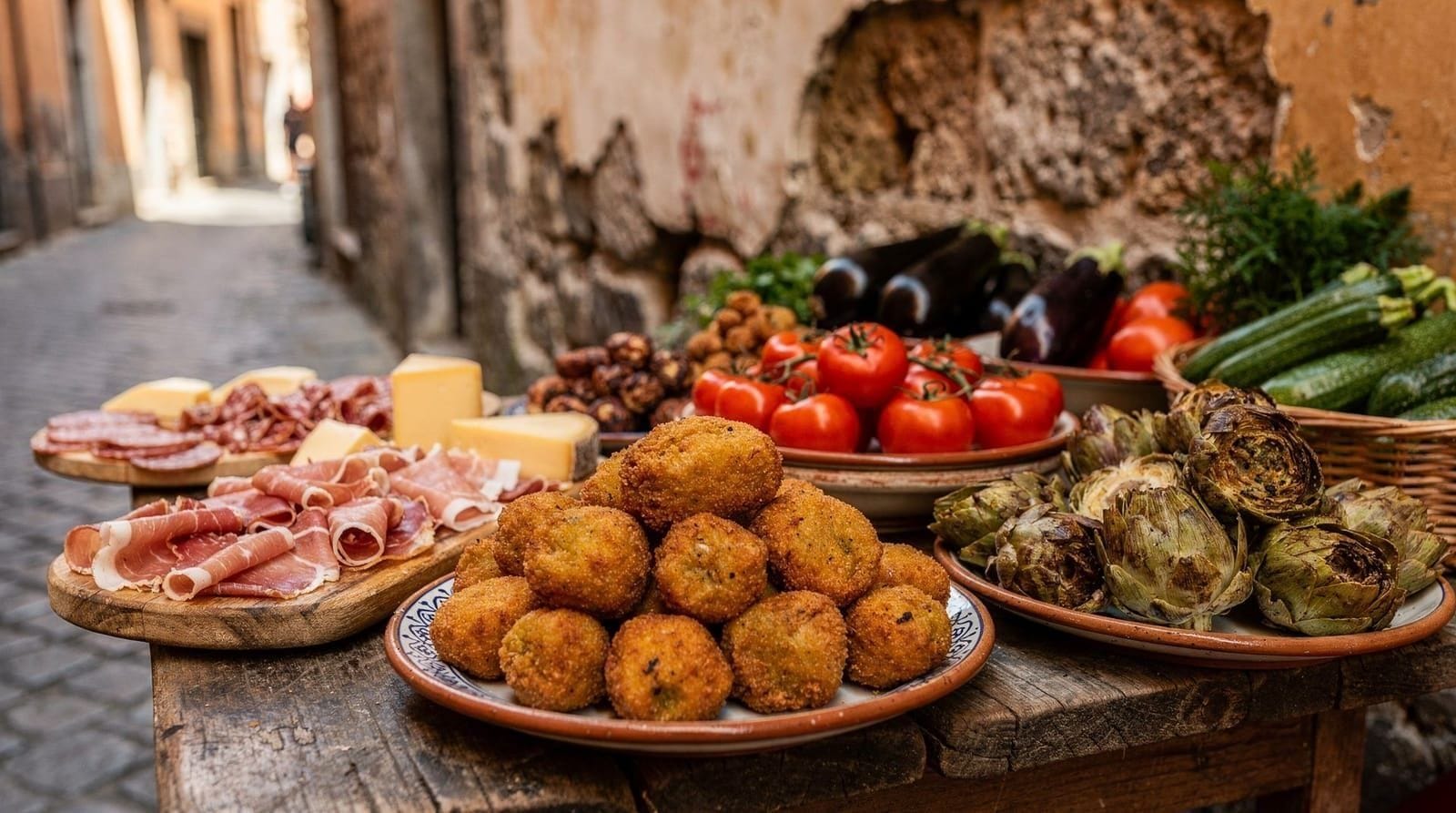
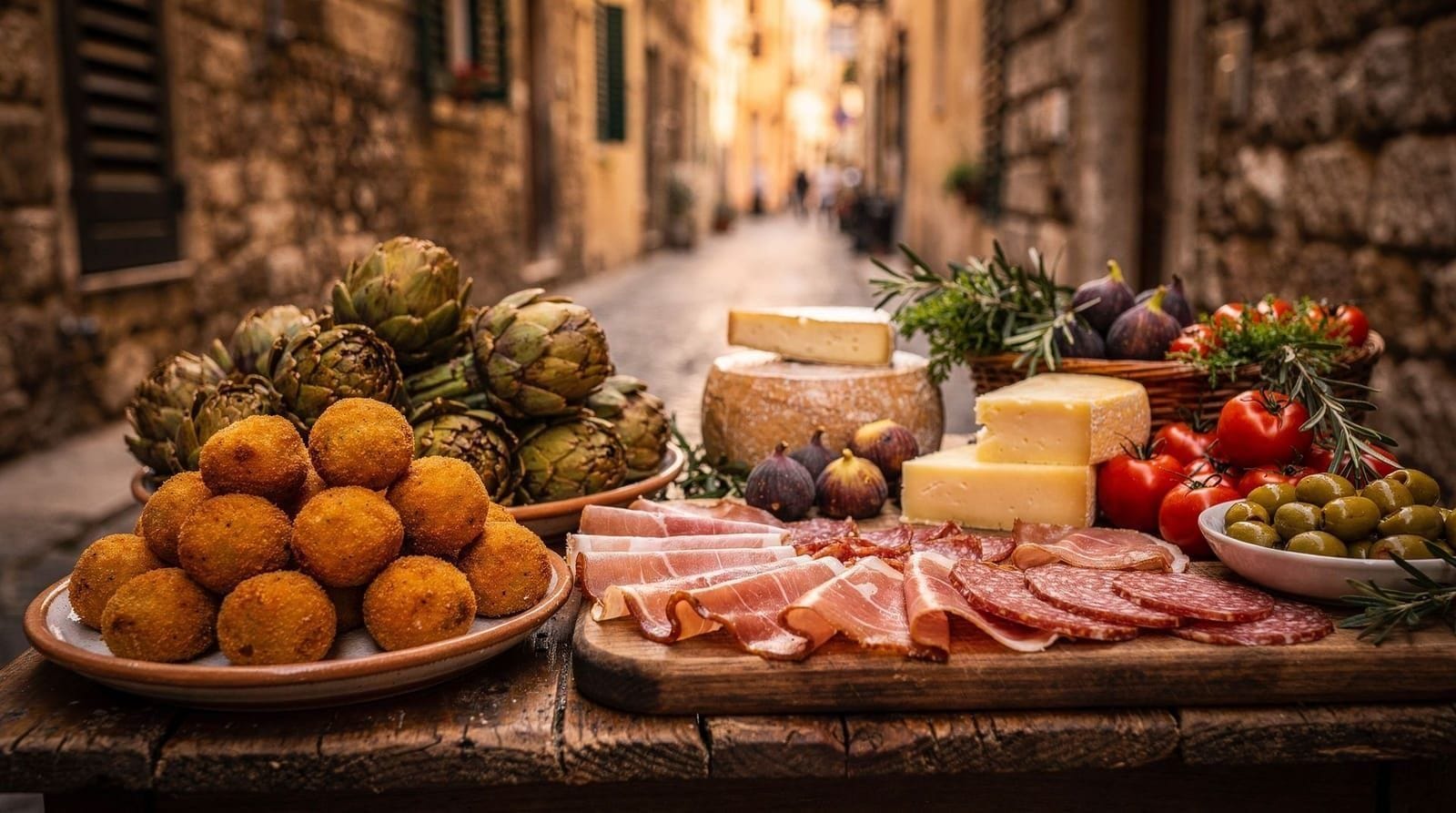
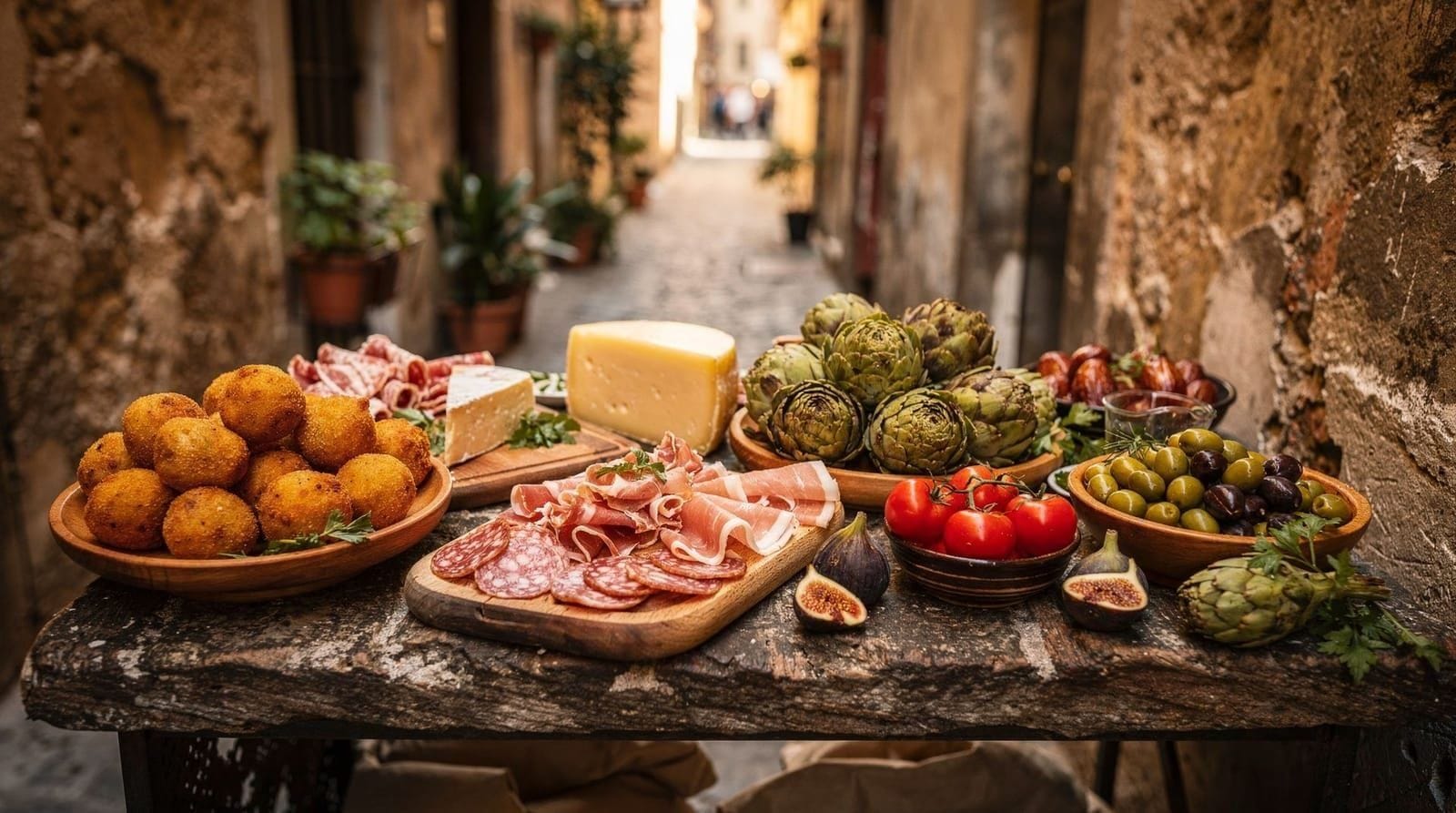
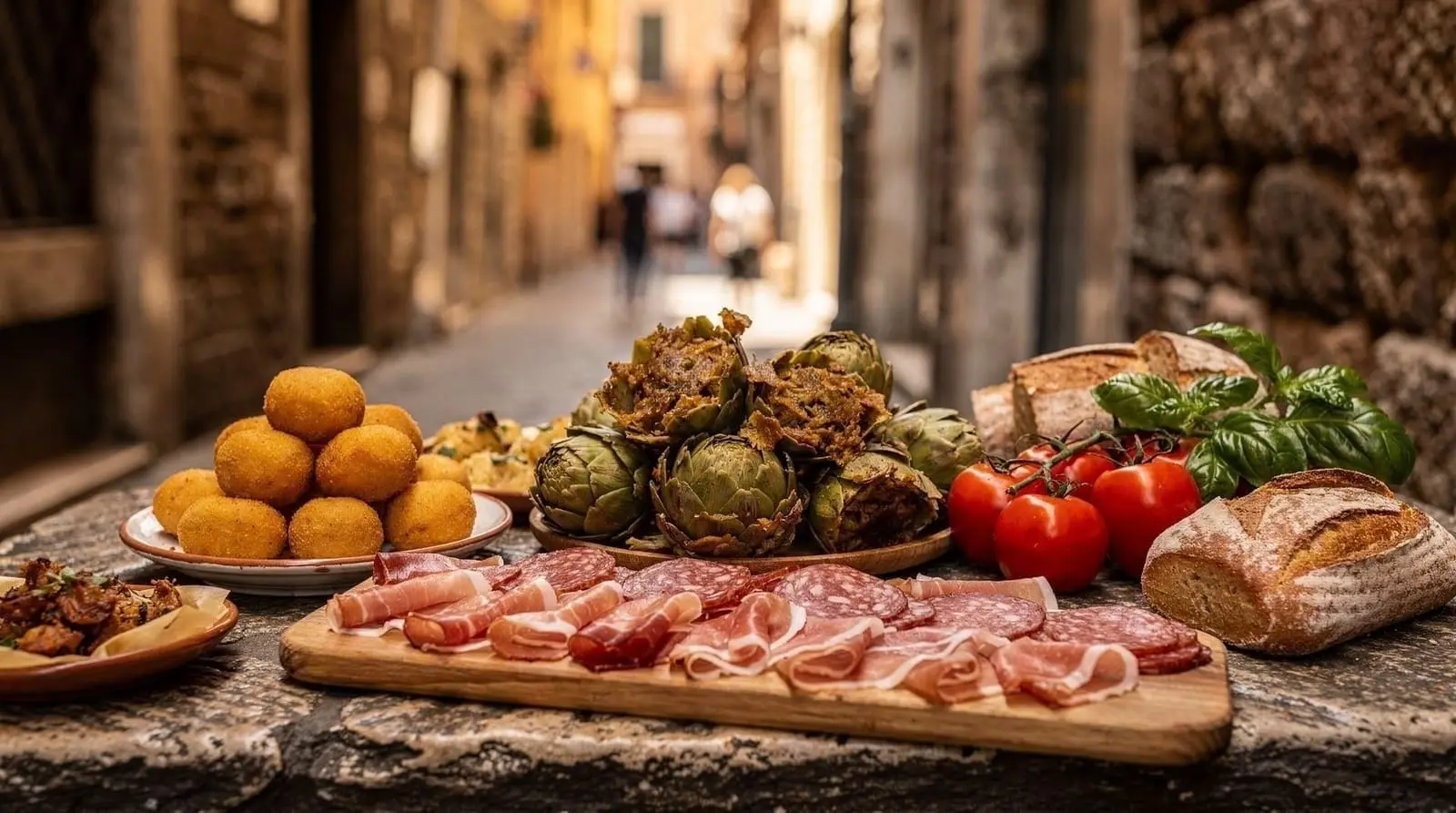
The standard-bearer format in this category is a focused 3-hour walk through Trastevere with stops at four to six local producers and trattorie. The Trastevere Food and Drink Tour keeps its group to around 12 people, moves at a comfortable pace, and hits the neighbourhood’s core: fresh pasta, supplì, artisanal cheese, cured pork, local wine, and a dessert stop. Expect to eat the equivalent of a substantial lunch.
The guide matters enormously on this type of tour. The best operators work with family-run spots — a producer who talks you through their olive oil, a butcher explaining guanciale versus pancetta for carbonara — rather than restaurant chains that survive on tour commissions. Check recent reviews for guide names: consistency is a good sign.
Pricing sits at approximately €75–€85 per person with wine included. This is reasonable value for central Rome given that a sit-down lunch with wine at a tourist-area trattoria costs €35–€50 and involves none of the explanation or variety.
Verdict: The most reliable choice for first-time visitors who want a solid Trastevere experience without committing to a longer evening.
The secret spots variant
The Trastevere Secret Food Tour pitches itself on off-the-beaten-path stops — venues that are not obvious to visitors walking independently. In practice this means the tour avoids the busiest piazzas (Piazza di Santa Maria in Trastevere at peak tourist hours) and routes through quieter side streets around Via della Lungaretta and Vicolo del Cinque. The stops include a deli that has been operating for decades, a bread bakery that supplies local restaurants, and a wine bar that opens in the late afternoon.
The claim of “secret” is relative — nothing is genuinely unknown in Trastevere in 2026 — but the routing is thoughtfully different from the standard format, and the guide typically provides more neighbourhood context: history of the Jewish and Syrian communities that shaped the area, the gentrification pressure pushing local families out, and where to eat when the tour ends. For visitors who have already been to Rome once, this is the more interesting choice.
Pricing is similar to the flagship at roughly €80–€90 per person. Group sizes tend to be smaller (8–10 people), which helps at the narrower stops.
Verdict: Better for repeat visitors to Rome or anyone who prefers cultural context alongside their food.
The twilight format: worth the extra time
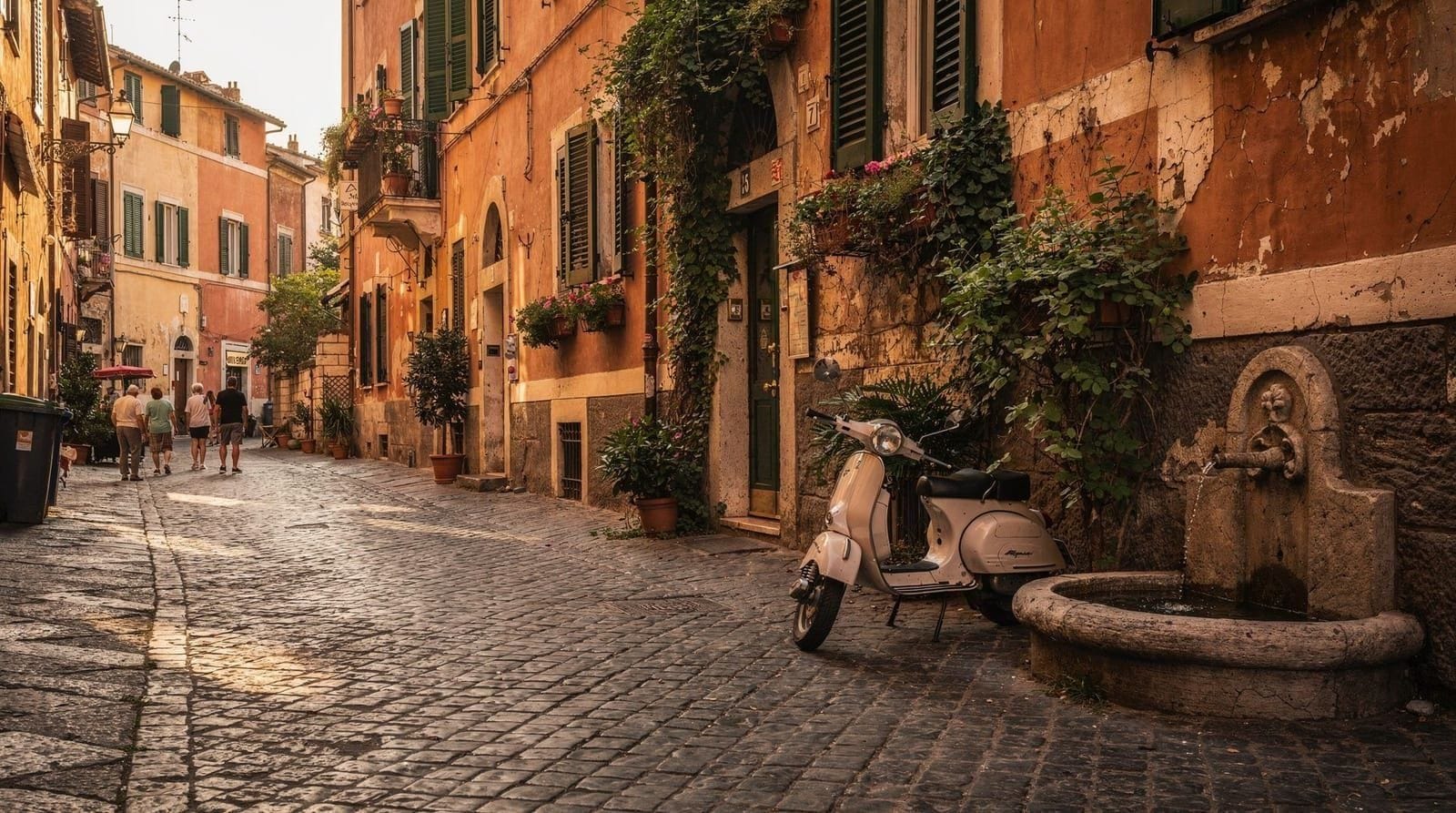
The Twilight Trastevere Food Tour runs 4 hours starting around 18:30, which is genuinely the best time to be in this neighbourhood. The cooler evening air, the amber light on the medieval streets, and the transition from aperitivo to dinner hour all work in the tour’s favour. The extra hour compared to daytime formats allows one or two sit-down stops — a short pasta course at a table rather than a bite standing at a counter — which changes the quality of the experience meaningfully.
The tasting count is higher (typically 8–10 stops), the wine flows more generously, and the evening pace feels less rushed. This format also suits the neighbourhood’s social dynamic: you finish around 22:30 in an area full of bars and restaurants, with good local knowledge from your guide about where to continue the evening.
At approximately €85–€95 per person, this is the most expensive format in the comparison — and one of the more justifiable food-tour spends in Rome. Trastevere at night is genuinely beautiful, and doing it with an informed guide changes how you read the neighbourhood.
Verdict: The best overall experience for visitors who want atmosphere alongside food. Ideal if you are staying in Trastevere or the Centro Storico.
The extended route: Trastevere plus Campo de’ Fiori
The Trastevere and Campo de’ Fiori Street Food Walking Tour covers two neighbourhoods in a 3.5–4 hour walk that crosses the Tiber and moves through the Campo de’ Fiori market area before settling into Trastevere. The street food format means more standing stops and quicker tastings — porchetta sandwich, pizza al taglio, artichoke preparation — and less sit-down depth.
The advantage is breadth: you see more of Rome’s food geography, and the Campo market section is genuinely excellent in the morning when the stalls are full. The trade-off is that neither neighbourhood gets the depth it deserves. Campo de’ Fiori without lingering over the stalls feels like a photo stop; Trastevere without a sit-down moment loses some of its character.
This format works best if you are already familiar with Trastevere and want to combine neighbourhood food exploration with a market visit. For first-timers choosing between this and the focused Trastevere formats above, the single-neighbourhood options deliver a more coherent experience.
Verdict: Good for second-visit Rome travellers who want to tick both neighbourhoods in one outing. Street food focus means lighter overall eating.
The gourmet tasting format
The Gourmet Food and Wine Tasting Tour in Trastevere differentiates itself with more formal wine pairings — a sommelier or wine-trained guide who pairs each food stop with a specific Lazio or Italian regional wine and explains the logic. The food stops themselves are similar to other formats (pasta, cheese, cured meat, dessert), but the wine selections are more deliberate: you might taste a Frascati Superiore with aged pecorino, a Cesanese del Piglio with salumi, and a Grechetto with a light antipasto.
For wine-focused visitors or those interested in Lazio wine, this adds real value. For visitors primarily interested in food and atmosphere, the extra formality can feel slightly at odds with the relaxed Trastevere vibe — you are stopping to swirl and sniff at a venue where the locals are drinking from tumblers.
Pricing tends to be at the top of the range (€90–€95), reflecting the sommelier expertise. Group sizes are small.
Verdict: The right choice if wine education is as important to you as the food. Less ideal if you just want to eat well and walk through a beautiful neighbourhood.
What to know before you book any of these tours
Dietary needs: All reputable operators accommodate vegetarian diets on request — the core Roman food canon (pasta, cheese, bread, vegetables, eggs) translates well. Vegans have a harder time given the prevalence of cured pork and dairy; contact operators directly before booking. Gluten-free is more problematic in a neighbourhood built on pasta and bread. See our guide to dietary options in Rome for broader context.
Group size reality: Listings often say “small group” but definitions vary. Up to 12 is genuinely small; up to 20 is a crowd at a narrow counter stop. Check the maximum group size in the tour details, not just the description.
What’s not included: Most tours do not include additional restaurant meals after the tour. Budget a small amount for extra tastings if your guide mentions a shop worth exploring. Gratuities for guides are customary but not included in the price — €5–€10 per person is appropriate for a well-run tour.
Trastevere’s geography: The neighbourhood’s narrow medieval lanes mean tour groups sometimes block the path. Evening tours after 19:00 are more comfortable on the streets than midday formats when delivery scooters and tourist traffic compete for the same space.
Who should skip a food tour entirely
If you have done a Trastevere food tour before, a second one from the same neighbourhood covers familiar ground. Consider instead a Testaccio food guide for a self-directed morning at the market, or a cooking class that builds your own skills with Roman ingredients. The five Roman pastas guide also gives you the context to eat independently with confidence.
If your main goal is the evening atmosphere rather than the food education, simply walking Trastevere at night with a aperitivo at Bar San Calisto and dinner at a neighbourhood trattoria costs half the price and involves no fixed itinerary.
The honest summary
Trastevere food tours at €70–€95 represent fair value compared to dining independently at tourist-area restaurants. The best formats — the twilight tour and the secret spots variant — add genuine value through local knowledge and atmosphere that would be hard to replicate solo. The weakest formats rush through too many stops without depth.
For most first-time visitors, the standard Trastevere Food and Drink Tour is the safe choice. For evening atmosphere and more time, go for the Twilight Food Tour. For wine depth, the Gourmet Wine and Food Tasting earns its premium. And if the neighbourhood itself interests you as much as the eating, the Secret Food Tour is the most interesting walk of the group.