An evening walk through Trastevere — no itinerary required
| Where | Piazza Santa Maria in Trastevere and the surrounding grid |
| Best time | 19:30-21:00 for the golden light and the aperitivo hour |
| Cost | free to walk; €8-14 for an aperitivo drink |
| Getting there | walk from Trastevere station, or tram 8 |
| Booking | not needed for the walk; book ahead for Da Enzo al 29 |
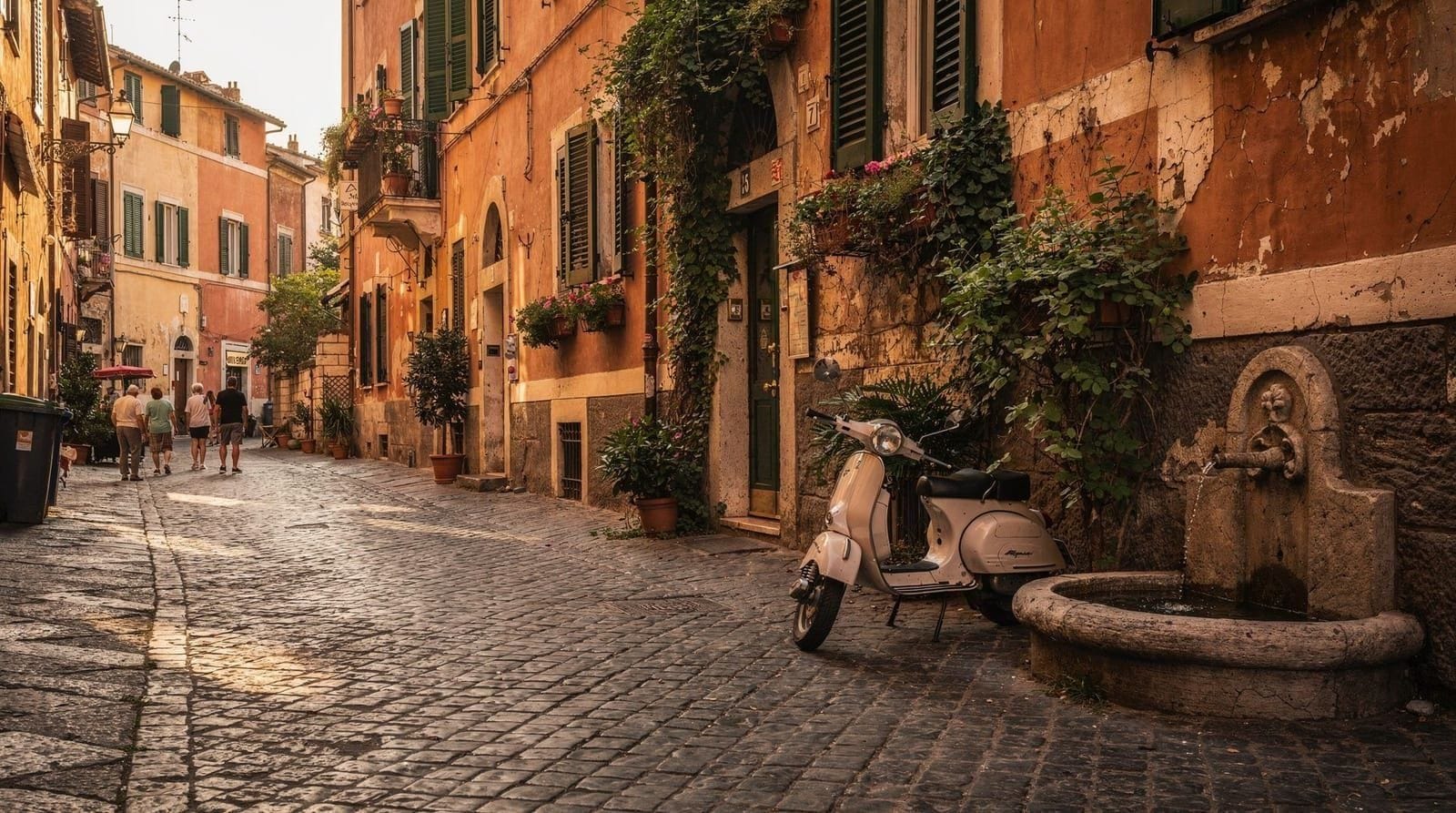
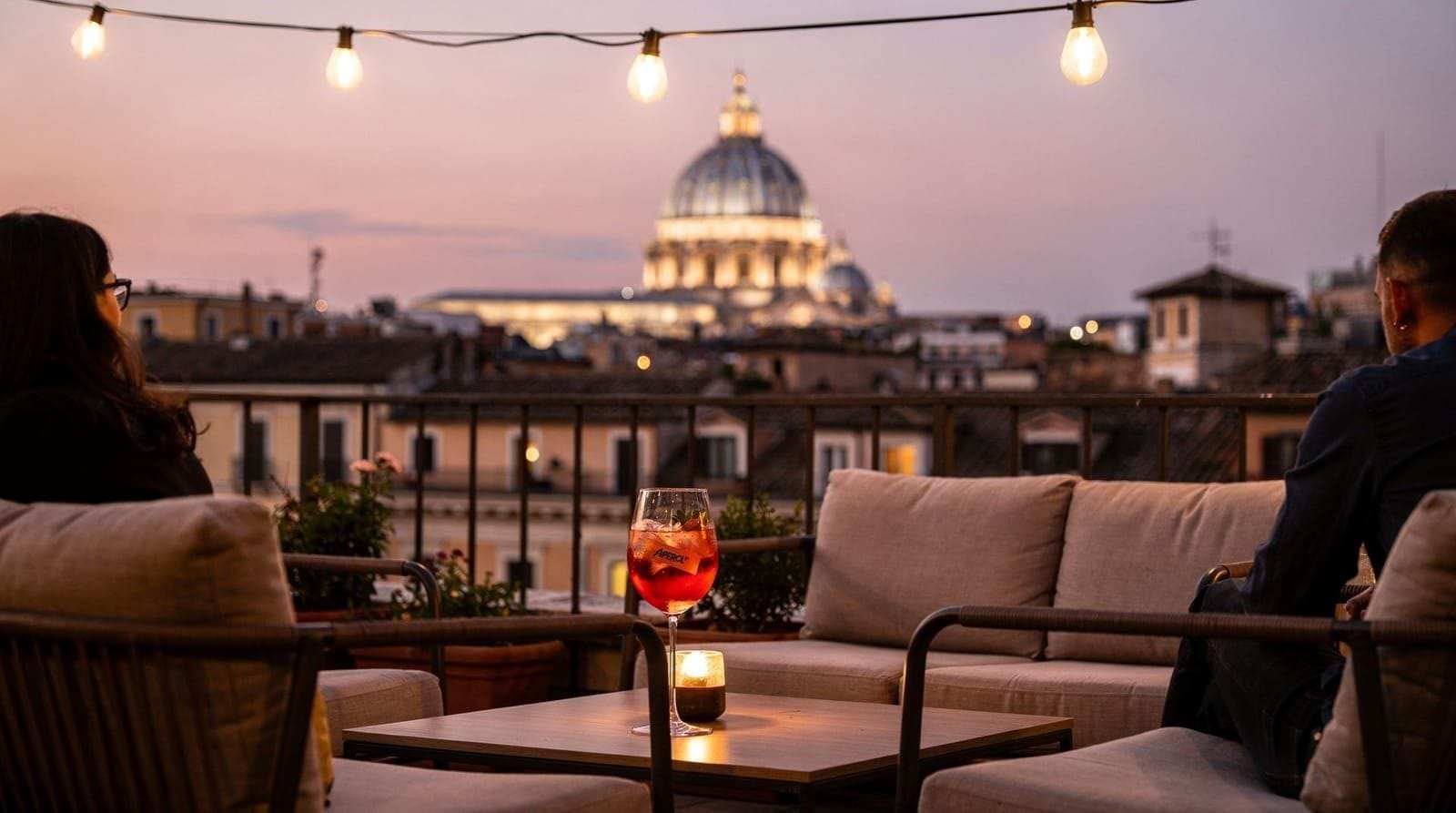
There is a specific hour in Trastevere — somewhere between 19:30 and 21:00, depending on the season — when the neighbourhood shifts from afternoon torpor into something genuinely alive. The light turns amber. The bars put their tables outside. The smell of food begins to come through open doors. If you happen to be walking the right streets at this hour, with nowhere urgent to be, Trastevere is about as good as an urban evening gets.
This is not a structured itinerary. Trastevere doesn’t benefit from a rigid timetable — it benefits from a rough starting point, a general direction, and the willingness to stop whenever something looks interesting. What follows is what an evening there actually looks like if you do it without over-planning.
Starting point: Piazza Santa Maria in Trastevere
The piazza in front of the Basilica di Santa Maria in Trastevere is the neighbourhood’s social centre. The basilica itself is extraordinary — one of the oldest churches dedicated to the Virgin in Rome, with a 12th-century mosaic façade that is lit at night and reflects gold even in the artificial light. The piazza around it is lively at most hours but particularly in the evening, when the fountain in the centre becomes a gathering point for young Romans sitting on the steps and tourists figuring out where to eat.
Sit on the fountain edge for ten minutes if you can find space. Watch the groups form and dissolve. The piazza has a density of human activity that makes it interesting simply to observe.
The basilica is usually open until 21:00. If it’s open, step inside. The mosaics in the apse — dating from the 12th and 13th centuries — are among the best-preserved in Rome. There is no admission charge.
Into the streets behind the piazza
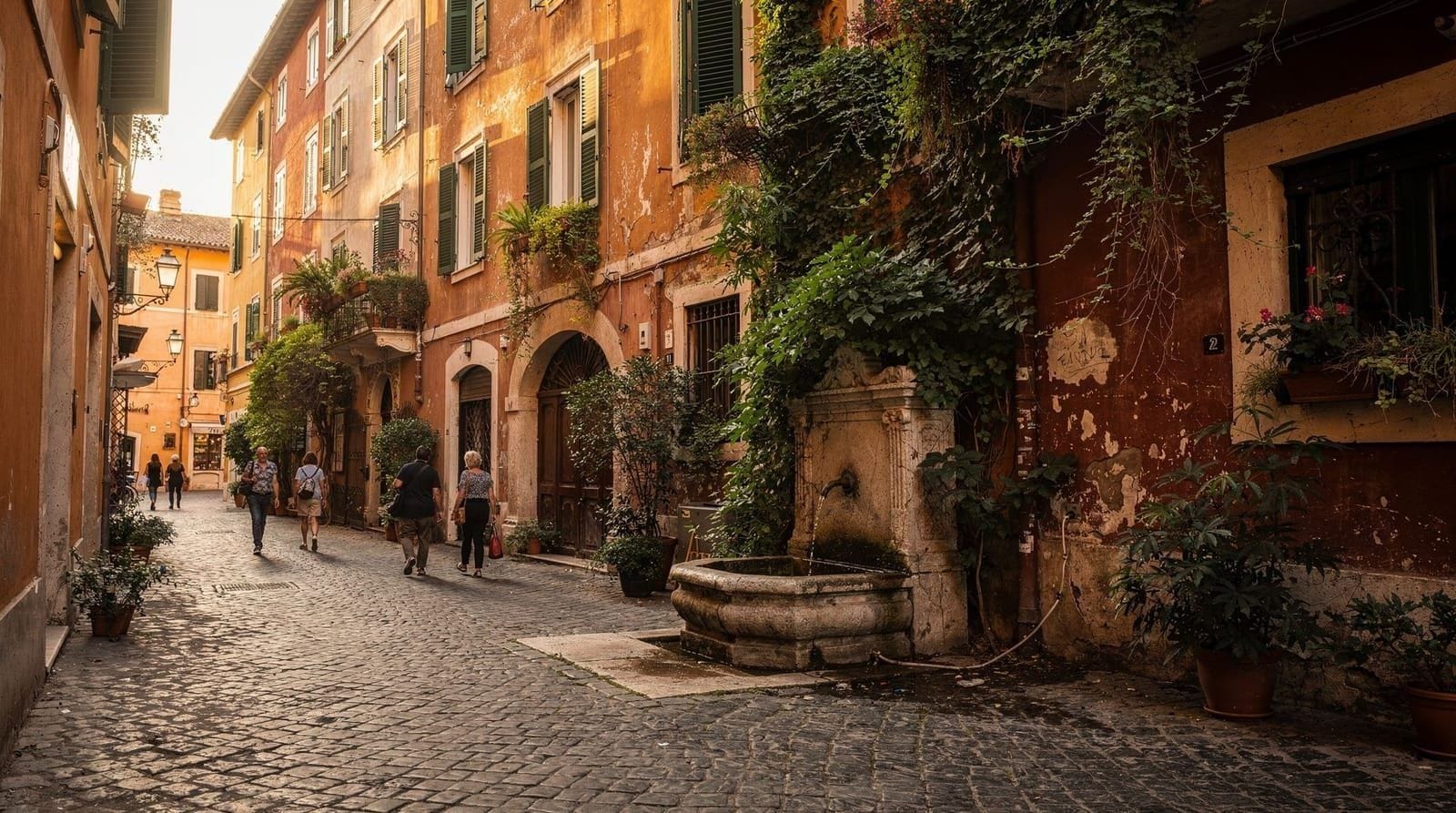
Trastevere’s attraction is specifically in the streets rather than on any individual landmark. From the piazza, walk in any direction into the residential grid behind the basilica and you will find the neighbourhood’s actual character: narrow lanes, vine-draped walls, cats sleeping on motorbike seats, the sound of cooking and television from open windows above.
Via della Lungaretta, running east from the piazza, is the main pedestrian artery and has more tourists per square metre than the streets to the north. The streets around Via dei Vascellari and Via della Scala to the northwest of the piazza are quieter and more residential. Via Garibaldi climbs toward the Gianicolo and is dramatic in the evening light.
None of this is prescriptive. The point is to walk without a particular destination for 30 or 40 minutes and let the neighbourhood present itself.
Aperitivo — where and what
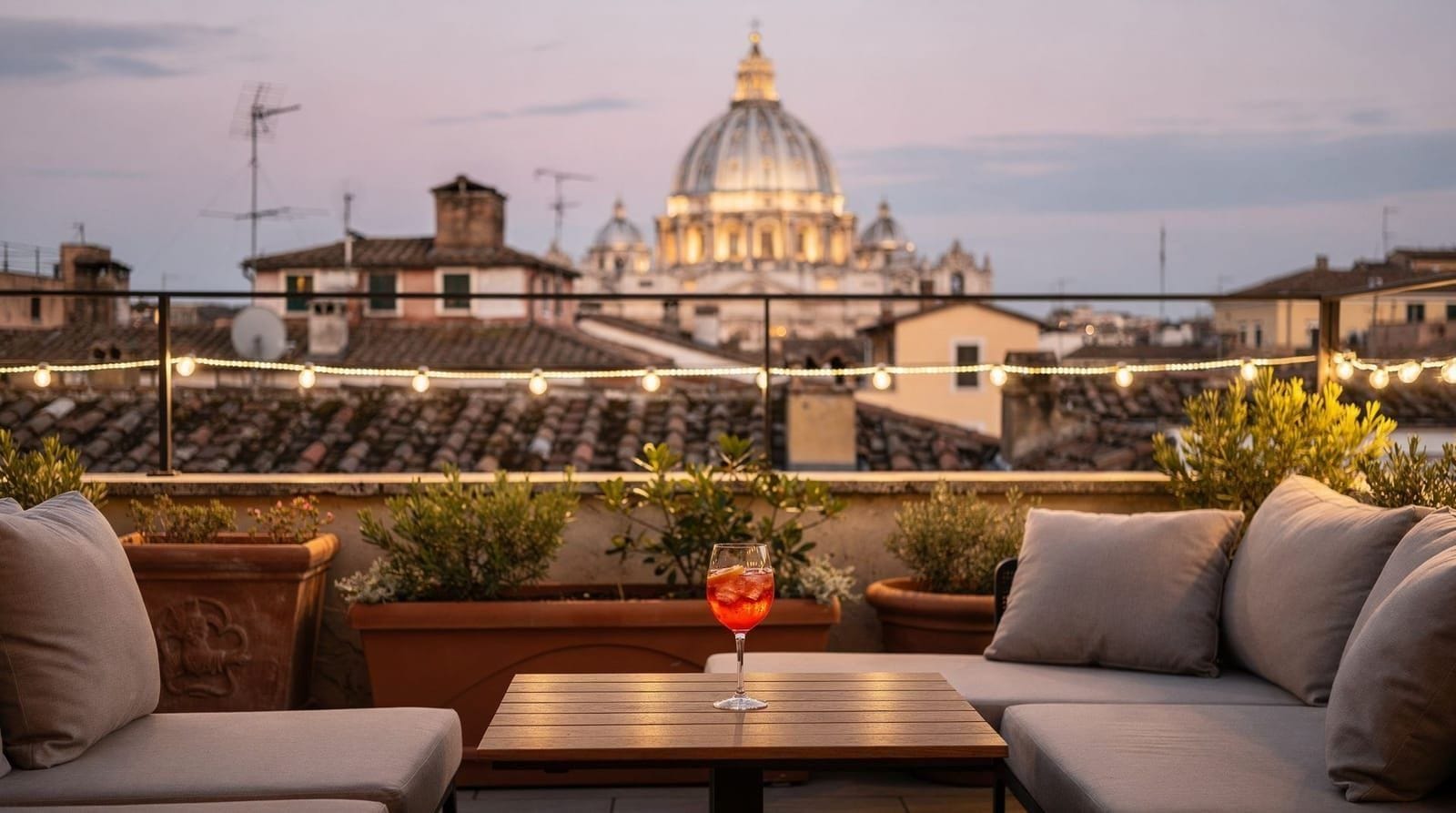
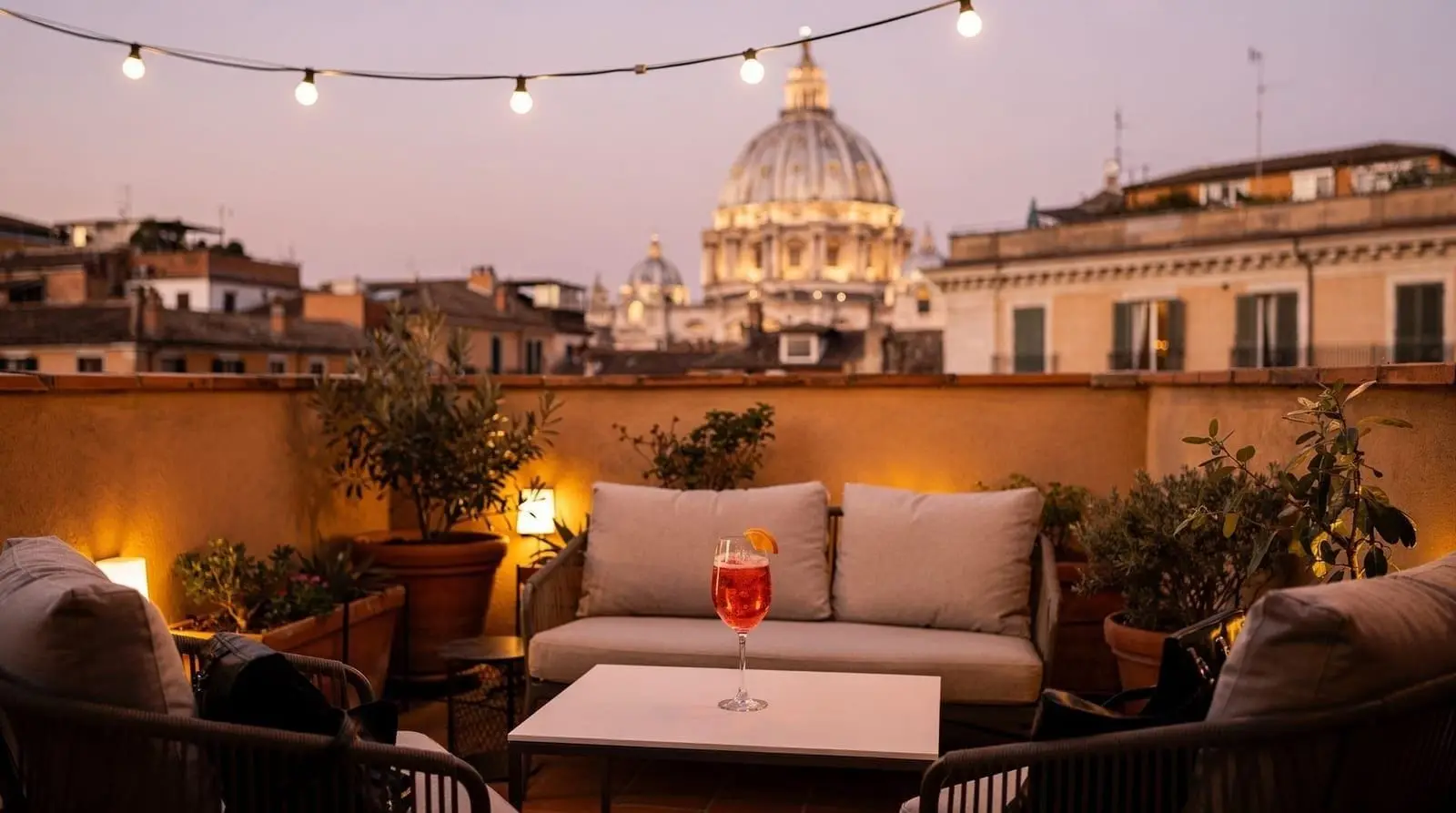
The Roman aperitivo tradition is less elaborate than Milan’s (no full buffet spread) but more present than in other parts of Italy. In Trastevere, aperitivo runs roughly 18:00–20:30, and the standard order is a Spritz (Aperol or Campari with prosecco) or a Negroni. Most bars include complimentary olives, chips, or small bites.
Freni e Frizioni, on Via del Politeama near the northern edge of Trastevere, is the most famous aperitivo bar in the neighbourhood. It occupies a converted old garage and spills onto the street in summer. The quality is good, the crowd is a mix of tourists and local students, and the Negroni is correctly made. It gets very crowded from 19:00; arrive earlier if you want to stand in the space rather than fight for it.
For something quieter, the bars on the smaller streets around Piazza Trilussa — the square at the Trastevere end of the Sisto bridge — are less packed and equally good.
Dinner choices and a straight opinion
Trastevere has a reputation as one of the best places to eat in Rome and a simultaneously well-deserved reputation for tourist traps. Both things are true and they coexist within the same streets. The distinction is roughly: restaurants on the main pedestrian lanes with laminated menus in six languages are usually indifferent and overpriced. Restaurants on the side streets, with handwritten or small-format menus, are usually much better.
Da Enzo al 29 on Via dei Vascellari is the most consistently recommended restaurant in the neighbourhood by people who know Rome well. The cacio e pepe is excellent, the portions are Roman (large), and the service is efficient rather than charming. Book ahead — they fill up quickly and don’t hold tables.
Tonnarello on Via della Lungaretta is less distinguished but more reliable for a straightforward Roman meal at a fair price. The outdoor tables on the cobblestones in summer are very pleasant.
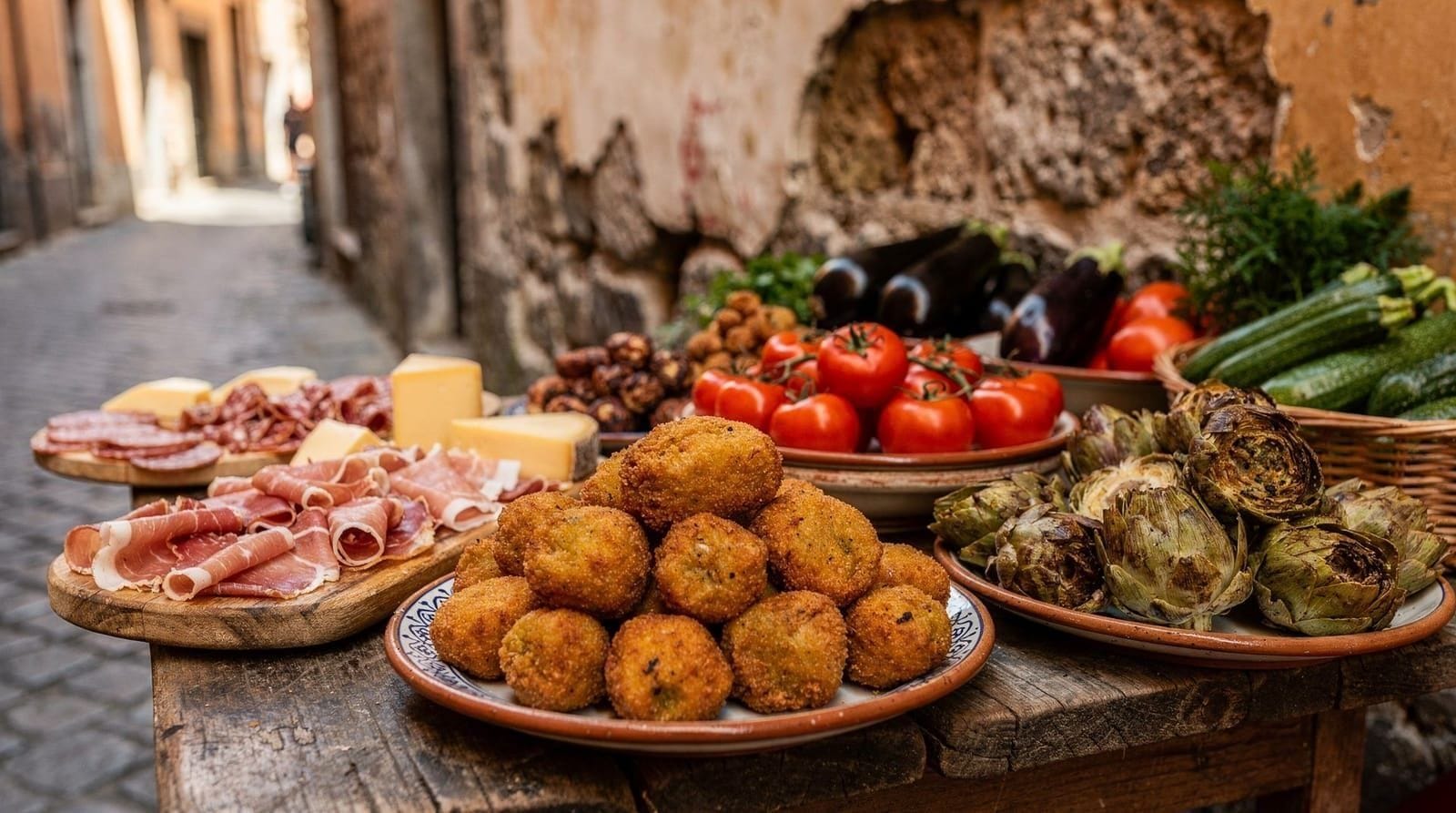
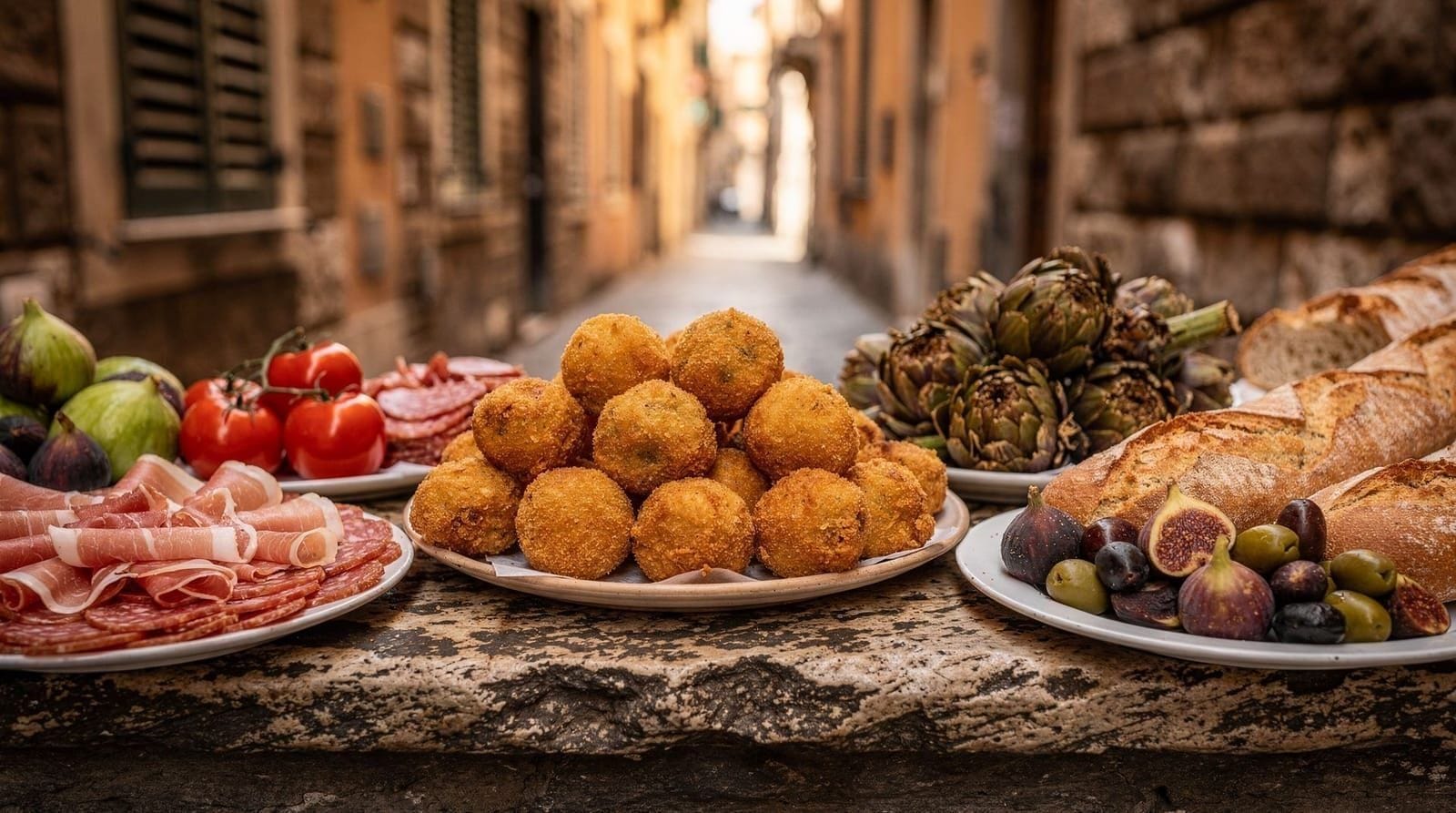
For something faster: supplì (fried rice balls with tomato sauce and mozzarella) from Supplì Roma on Via San Francesco a Ripa are excellent street food, €2–3 each, and can be eaten while walking. They are the Roman equivalent of arancini and should not be missed by anyone.
Rome: Trastevere secret food tour — if you want to eat your way through the neighbourhood with someone who knows which doors to knock on, a food tour covers the supplì, wine, pasta, and cheese stops that are easy to miss on a self-guided walk.
After dinner: the neighbourhood at night
Trastevere’s nightlife is centred on Piazza Santa Maria in Trastevere and the streets around it, with secondary clusters near Piazza Trilussa and Via della Scala. The scene is relatively young and relatively noisy from about 22:00 onward. If you want an early evening and a quiet walk home, leave by 21:30. If you want the Trastevere that Romans in their twenties actually frequent, stay later.
The neighbourhood is safe by any standard I’ve encountered in European cities, though the usual precautions apply: pickpockets operate in any crowded tourist area, and Trastevere in summer is a crowded tourist area in the evenings. Keep your phone in a front pocket.
Gelato and a final stop
No evening in Trastevere is complete without gelato, and the neighbourhood has several genuinely good options rather than the tourist-facing mounds you’ll find closer to the centro storico. Look for the same rule that applies across Rome — flat, covered pans rather than piled-high displays — and treat it as the natural closing stop after dinner rather than a separate errand.
If you’d rather end the evening on the water than on foot, the stretch of the Tiber near Ponte Sisto occasionally hosts summer pop-up bars and a walkway that’s pleasant after dark; it connects naturally toward Piazza Navona and the Pantheon if you want to extend the walk into the centro storico rather than stop in Trastevere.
Getting there and getting home
Trastevere sits just across the river from the centro storico, and most visitors arrive on foot across the Ponte Sisto or Ponte Garibaldi from the Campo de’ Fiori area — a 10-15 minute walk that’s part of the evening rather than a separate journey. From further afield, tram 8 connects to Largo di Torre Argentina, and Trastevere’s own train station has regional connections. Taxis are easy to find near Piazza Trilussa late at night if you’d rather not walk back. For a broader sense of how Trastevere fits with Rome’s other neighbourhoods for an evening out, the best bars by area guide compares it directly with Monti and the centro storico.
A note on the neighbourhood in context
Trastevere is not the “authentic Rome” of local life anymore — it was gentrified decades ago and is now a neighbourhood where a flat costs more than in central Milan. The “real” residential Rome exists further out, in places like Pigneto or Ostiense or the parts of Testaccio that haven’t been colonised by restaurants yet.
That said, Trastevere is genuinely pleasant in a way that many tourist-heavy neighbourhoods are not. The architecture is medieval, the streets are narrow enough to block cars from most of the core, and the density of good food and drink options makes an evening there effortless. It is a neighbourhood that has been attractive to visitors for a long time and has figured out how to remain liveable around that fact — not perfectly, but adequately.
For the full Trastevere neighbourhood guide, including daytime options, the best streets, the best bakery (Forno di Campo de’ Fiori adjacent, if you’re nearby), and transport connections to the rest of the city, that guide has the detail. This post is about one specific evening, which is really what Trastevere is best at: delivering a walk that requires nothing of you except to show up.
Frequently asked questions
What time does Trastevere feel most alive in the evening? Roughly 19:30 to 21:00, when the light turns amber, bars set up outdoor tables, and the piazza fills with both Romans and visitors. Before that window, the neighbourhood is noticeably quieter.
Do I need a reservation to eat in Trastevere at night? For the well-known spots like Da Enzo al 29, yes — book ahead, as they don’t hold tables for walk-ins. For a more spontaneous evening, the side streets away from Via della Lungaretta have plenty of good, less-booked options.