Rome Cooking Classes — Honest Review 2026
Rome: Fresh Pasta-Making Class with Italian Chef and Wine
Five classes, one question: do you actually learn anything?
Rome’s cooking class market has expanded significantly in the last five years, and the variance in quality is wider than the prices suggest. All five formats reviewed here are based in the city centre — the Centro Storico, Vatican area, or near Piazza Navona — and all include wine and a shared meal. What separates them is depth of teaching, class size, and whether the focus on fresh pasta, pizza, or a combination of both suits what you are actually trying to learn.
The short answer: a 3-hour cooking class in Rome is money well spent if you want a sociable, hands-on lunch that teaches a skill you can take home. It is not cooking school. Your pasta will be good. Your tiramisu will be excellent. You will understand why Roman pasta uses eggs and semolina rather than flour and water. That is genuinely useful knowledge worth €65–€90.
Fresh Pasta-Making Class with Italian Chef and WineThe pasta masterclass: depth over breadth
The Fresh Pasta-Making Class with Italian Chef and Wine is the most focused and technically instructive option in this comparison. The session covers handmade pasta from first principles: the flour types used in Roman cooking (hard wheat semolina, 00 flour, the difference and when to use each), egg ratios, kneading technique, and resting time. You make two or three pasta shapes from scratch — typically fettuccine and one stuffed form, often ravioli — and then cook and eat them with two or three sauces.
The class runs 3 hours with a maximum of 10–12 participants, working at individual stations with proper pasta boards and rolling pins. The chef circulates and corrects technique. Wine is poured throughout and paired loosely with the pasta you make. The location is a professional kitchen space in the city centre, not a restaurant kitchen drafted for tourism.
This is the best class for anyone who genuinely wants to replicate the recipes at home. The instructions are precise enough to follow, the chef explains the “why” alongside the “how”, and the techniques do transfer to a domestic kitchen. At around €75–€85 per person, it is mid-range for the format and justified by the instruction quality.
Verdict: The most educational pasta class in this comparison. Best for visitors who cook at home and want to bring real skills back.
The city-centre fettuccine class: accessible and social
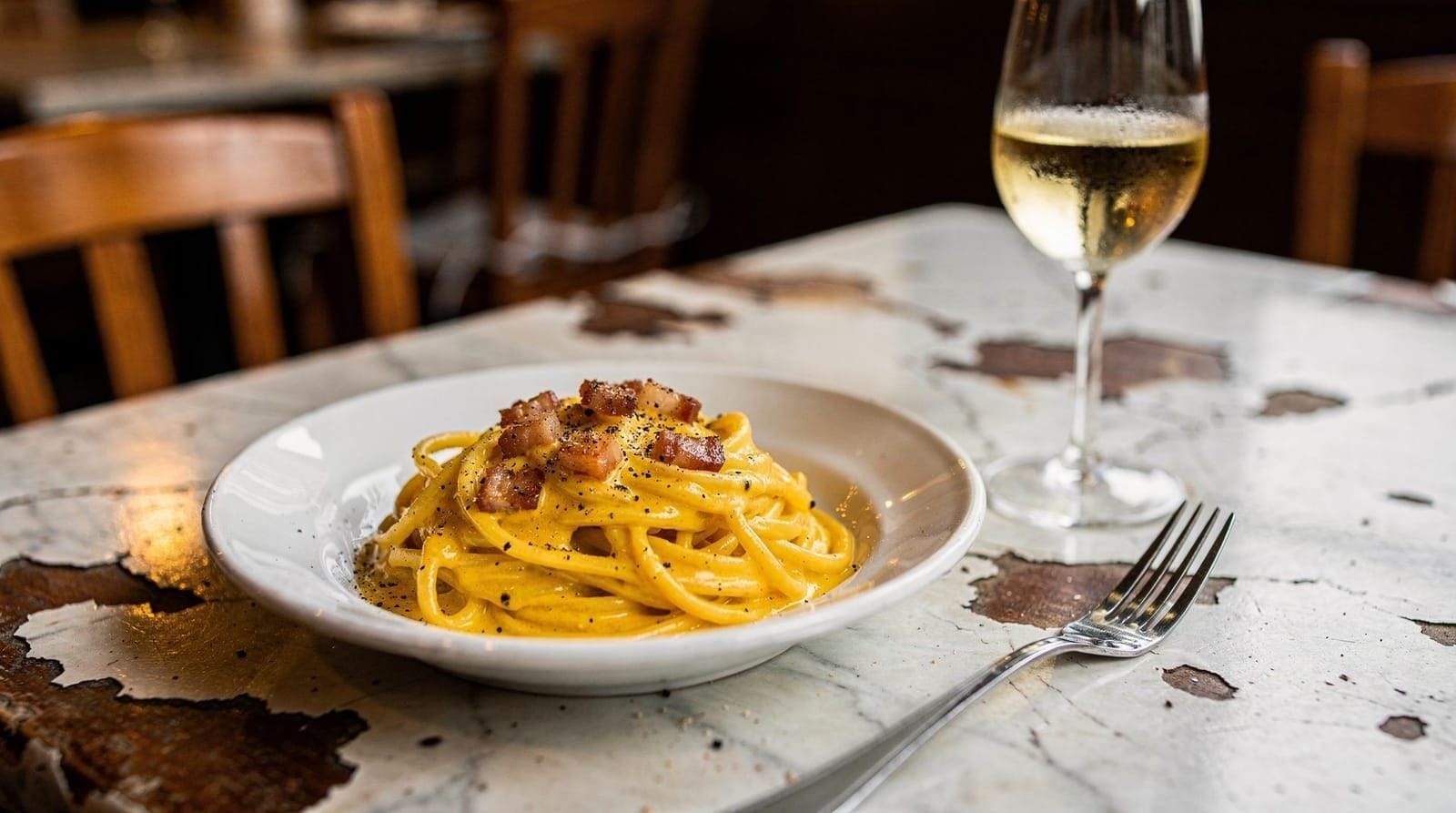
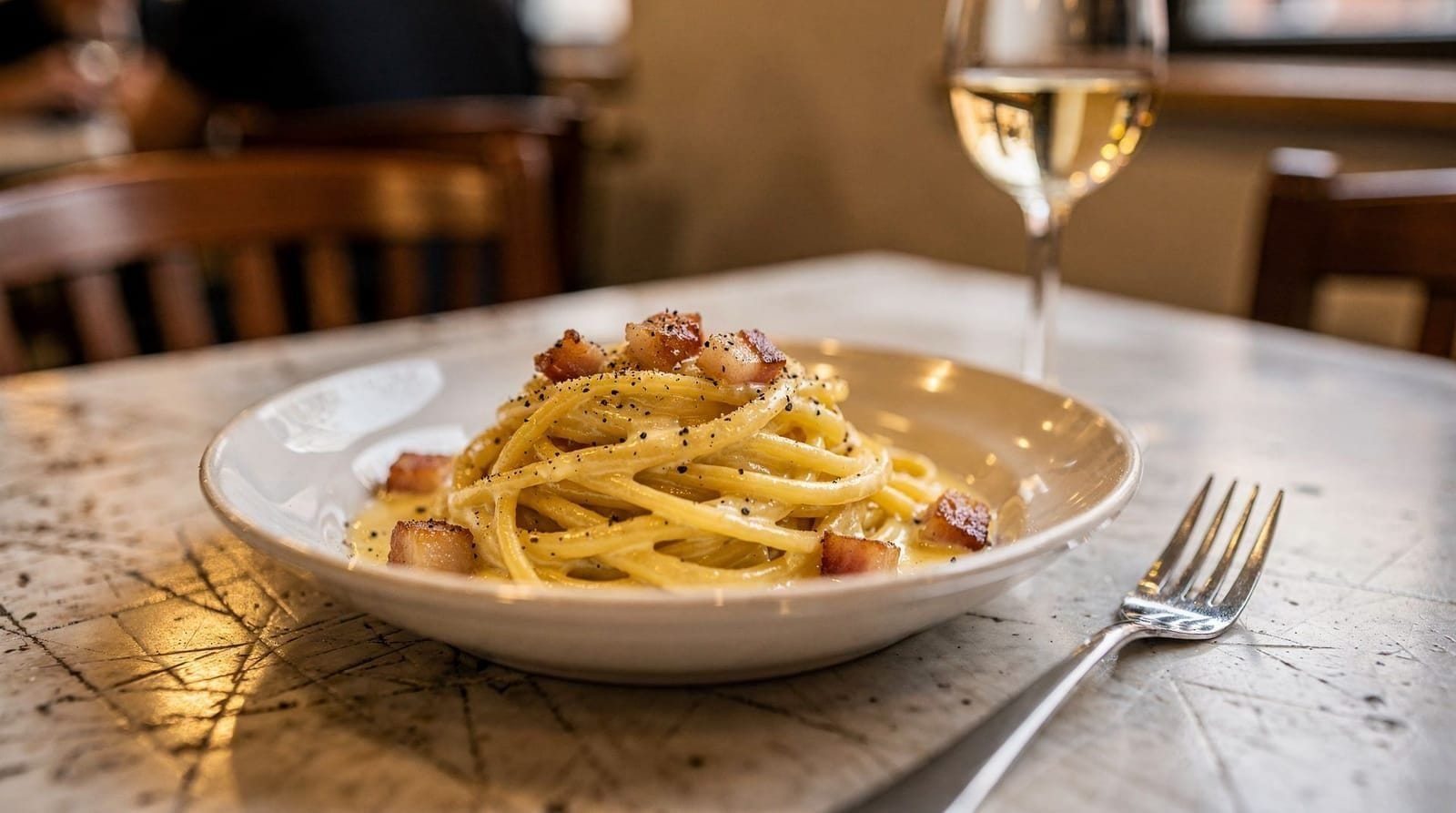
The City Centre Fettuccine Pasta Cooking Class focuses on a single shape — fettuccine — and covers one or two classic Roman sauces (often cacio e pepe and a simple ragù). The narrower scope means the class runs tighter and faster, with more time spent at the table eating than at the board working dough. For visitors who want the social experience more than the technical depth, this format is very enjoyable.
Group sizes tend to be slightly larger (up to 14), and the teaching is less individualised. You still make your pasta from scratch and understand the basic technique, but there is less correction of form and fewer variations to learn. The payoff is a lively, well-fed afternoon with a group that often includes a mix of couples, solo travellers, and small friend groups.
Pricing tends to come in at the lower end of the range, around €65–€75, making it a reasonable choice for budget-conscious visitors or those booking for a group who want a fun activity without taking the cooking too seriously.
Verdict: Best for social visitors who want an enjoyable activity rather than a precise skills transfer. Good value at the lower price point.
The pizza and pasta combo
The Combo Pizza and Pasta Cooking Class with Wine runs 4 hours and covers both disciplines in a single session. You make fresh pasta, you make pizza dough, you shape both, and you eat everything at the end with wine. It is the most filling class in the comparison and the best value for those who want maximum coverage.
The trade-off is depth: 4 hours split across two disciplines means each gets roughly the same attention as a 2-hour single-focus class. The pizza section typically covers dough mixing, hand stretching, and topping, but not the fermentation or oven temperature knowledge that separates genuinely good pizza from decent home cooking. Similarly, the pasta section covers one shape rather than the two or three you would manage in a dedicated pasta class.
For families or groups with mixed interests, this is a practical solution — everyone gets something. For individuals who specifically want to improve at pasta or at pizza, a single-focus class will teach more in the same time.
Verdict: Best for groups with mixed skill interests or families. Good fun, genuinely filling, and the most varied experience of the five.
The Vatican-area pasta and tiramisu class
The Pasta and Tiramisu Class with Fine Wine by the Vatican combines fresh pasta with a tiramisu-making session — two of Rome’s most transportable skills in one afternoon. The location near the Vatican makes it practical to combine with a morning museum visit before a lunchtime class.
The tiramisu section is genuinely useful: you learn mascarpone ratios, the importance of proper espresso soaking, and the choice between raw egg yolks and whipped cream variants. The recipe you make is classic, not a variation. The pasta section is solid but covers familiar fettuccine or tagliatelle rather than anything more adventurous.
Wine selections are described as “fine” in the marketing, and the quality is noticeably better than the house-pour level of cheaper classes — you are tasting proper Lazio whites and a structured red rather than anonymous table wine. This matters if wine is part of your Rome food and drink experience; it is less important if you mainly want to cook and eat.
At approximately €80–€90, this class prices toward the top of the range. The Vatican location does mean the surrounding streets have more tourist traffic, but the class space itself is a proper kitchen rather than a tourist venue.
Verdict: Best for visitors combining a Vatican morning with a cooking afternoon, or anyone who specifically wants to learn tiramisu alongside pasta.
The pizza class near Piazza Navona
The Traditional Pizza Cooking Class near Piazza Navona focuses entirely on Roman-style pizza — thinner and crisper than Neapolitan, cooked at high temperature with less puff — and is taught in a location a short walk from one of Rome’s most beautiful squares.
Pizza classes have a different energy from pasta classes. The dough kneading is physical, the shaping is harder to get right (most first-timers make an uneven disc on their first attempt), and the moment the pizza comes out of the oven is genuinely satisfying. The class covers two or three topping combinations, including a classic margherita and a more Roman variation.
The limitation is that replicating this at home requires an oven that reaches at least 250–280°C and ideally a pizza stone, equipment that not everyone has. The skills are real, but the home applicability is narrower than pasta. The class is nonetheless excellent fun and works well as an activity for two, for families, or as a social event for friend groups.
Located near Piazza Navona, the venue benefits from one of the city’s most atmospheric neighbourhoods. This class is among the better values in the comparison at around €65–€75.
Verdict: Best for pizza enthusiasts, groups looking for a fun shared activity, or anyone who wants to understand the difference between Roman and Neapolitan pizza.
Practical booking advice
Location matters more than you might think. All five classes are in the centre, but if you are visiting the Vatican in the morning, a class near Piazza Navona requires a 15–20 minute walk; the Vatican-area class starts immediately nearby. Plan your day around the class location, not the other way around.
Morning or afternoon? Morning classes (starting 10:00–11:00) combine well with an early museum visit and leave the afternoon and evening free. Afternoon classes (starting 14:00–15:00) mean a late lunch and let you avoid the morning heat in summer. Evening classes are less common but the pizza formats sometimes run at 18:00.
What to wear: Cooking involves flour, sauce, and oil. Wear clothes you are comfortable getting messy, or bring a spare layer. Aprons are provided but they are small.
Tying it into your food education: A cooking class works well alongside a food tour or a guide to Roman food culture. The class teaches you to make the food; the food tour shows you where to eat it in context. The five Roman pastas guide gives you the vocabulary to understand what you are being taught in the class before you arrive.
For visitors who want to go further, the Testaccio market the morning before a cooking class is the best way to understand where the ingredients come from — the market’s food stalls and butchers explain exactly the same raw materials you will cook with two hours later.
The honest verdict
A Rome cooking class at €65–€90 per person is a justified spend for any visitor interested in food, regardless of cooking skill level. You eat a proper meal, you drink decent wine, you learn something replicable, and you spend 3–4 hours in a social environment that feels distinctly Roman.
The Fresh Pasta Class with Chef and Wine is the most instructive. The Pizza and Pasta Combo delivers the most food and variety. The Vatican-area Pasta and Tiramisu Class pairs best with a Vatican morning. And if pizza is your priority, the Navona Pizza Class is the right choice — good value, good energy, good location.