Colosseum or Roman Forum first? The right order to visit
Rome: Guided Tour of Colosseum, Roman Forum & Palatine Hill
Should I visit the Colosseum or the Roman Forum first?
Visit the Colosseum first (morning, before 10:00), then walk to the Roman Forum and Palatine Hill for the rest of the morning. The Colosseum is most manageable early before heat and crowds build. The Forum and Palatine Hill reward slower exploration and are best approached when you have already absorbed the Roman historical context from the Colosseum visit.
Why the order matters more than you think
Most visitors to ancient Rome treat the Colosseum and Roman Forum as part of one combined half-day and go where the path takes them. The path, if you follow it from the Colosseo metro station on Line B, leads you directly to the Colosseum entrance. That is, as it happens, the right order — but understanding why helps you structure your time much more effectively.
The question of Colosseum versus Forum first is not arbitrary. It involves crowd management, heat management, cognitive sequencing, and the best use of your energy across a demanding 4–5 hour visit. This guide explains the reasoning and gives you a practical sequence to follow.
| Best order | Colosseum first, then Forum, then Palatine Hill |
| Total time needed | around 4–5 hours for all three |
| Ticket | one combined ticket, around €20 (Colosseum slot is timed; Forum/Palatine are not) |
| Best start time | earliest slot available, ideally 09:00–09:30 |
| When to flip the order | early arrival before a late Colosseum slot, repeat visits, or peak summer heat |
The practical case for Colosseum first
The Colosseum demands a timed entry slot booked in advance at coopculture.it, and that slot determines when you arrive at the complex. Your arrival time should be as early as possible: 09:00 or 09:30 if available.
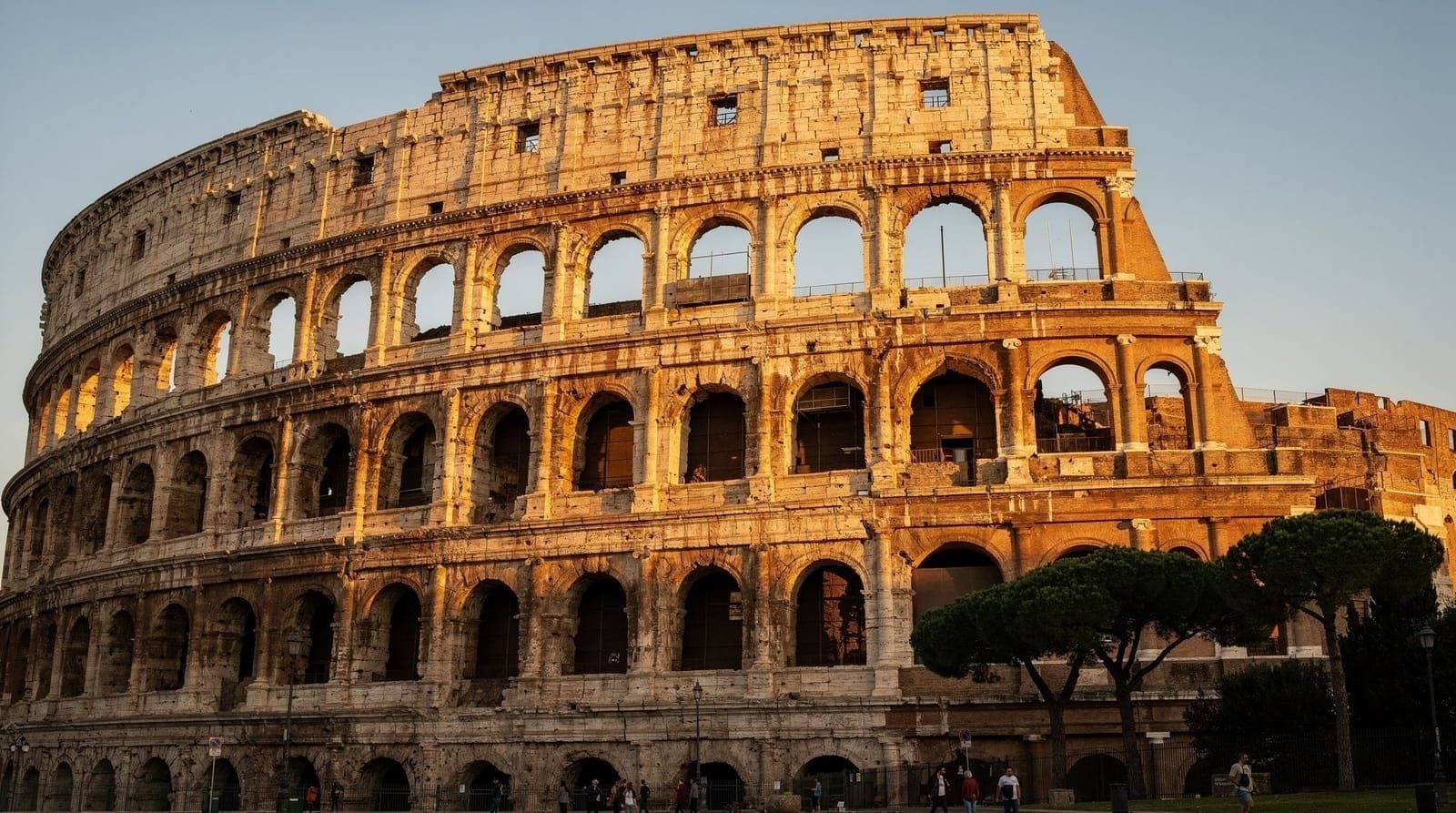
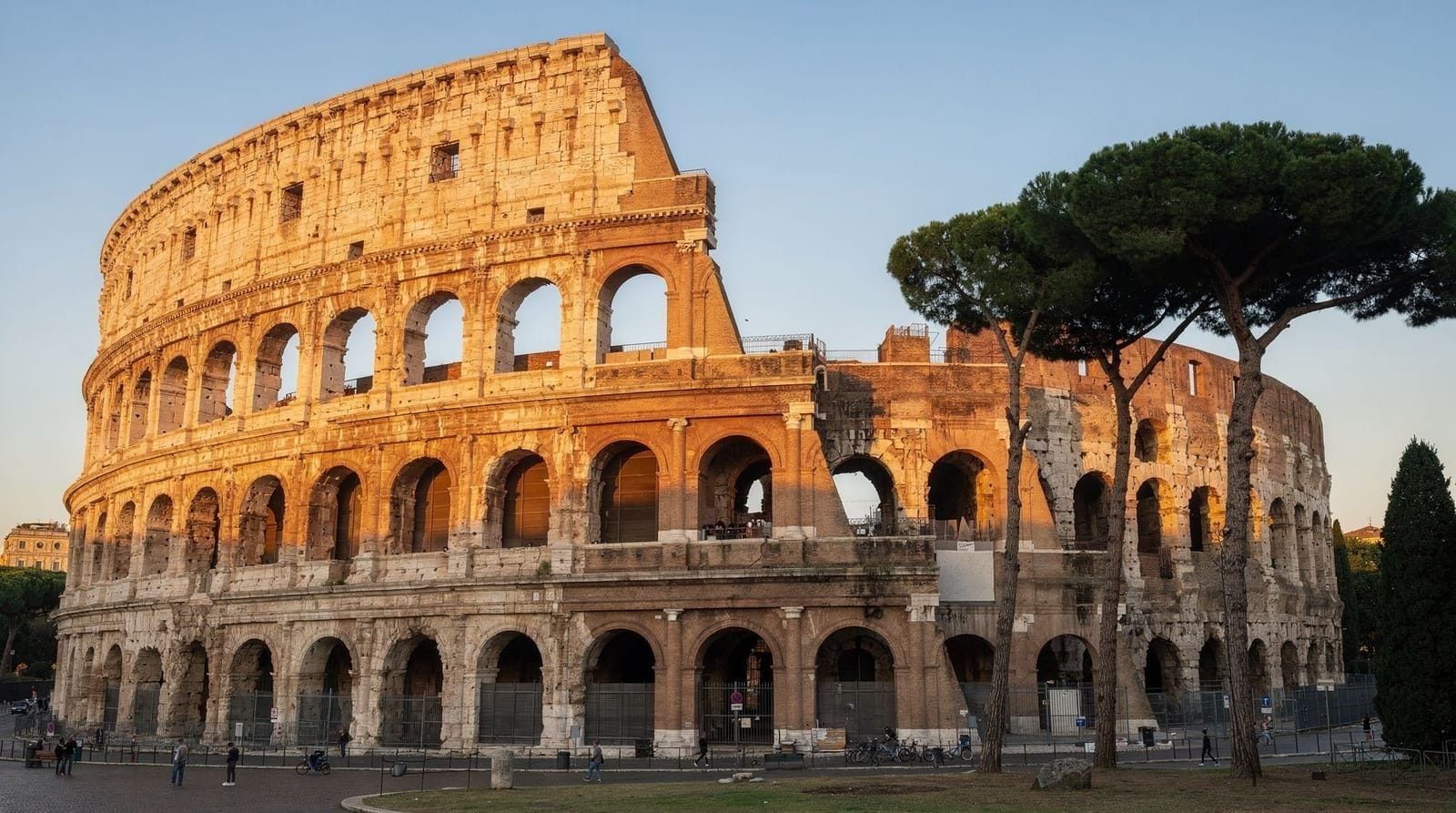
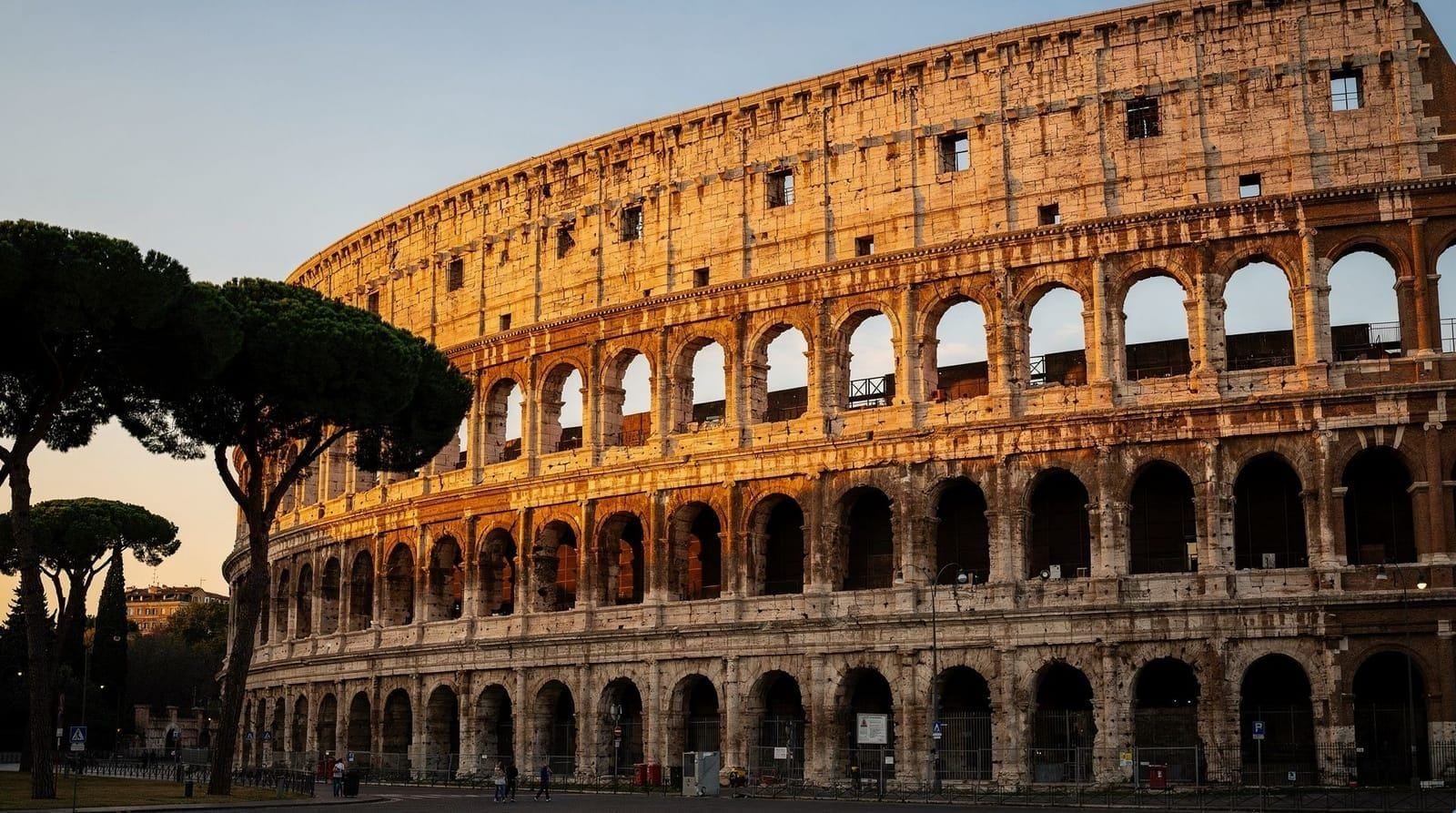
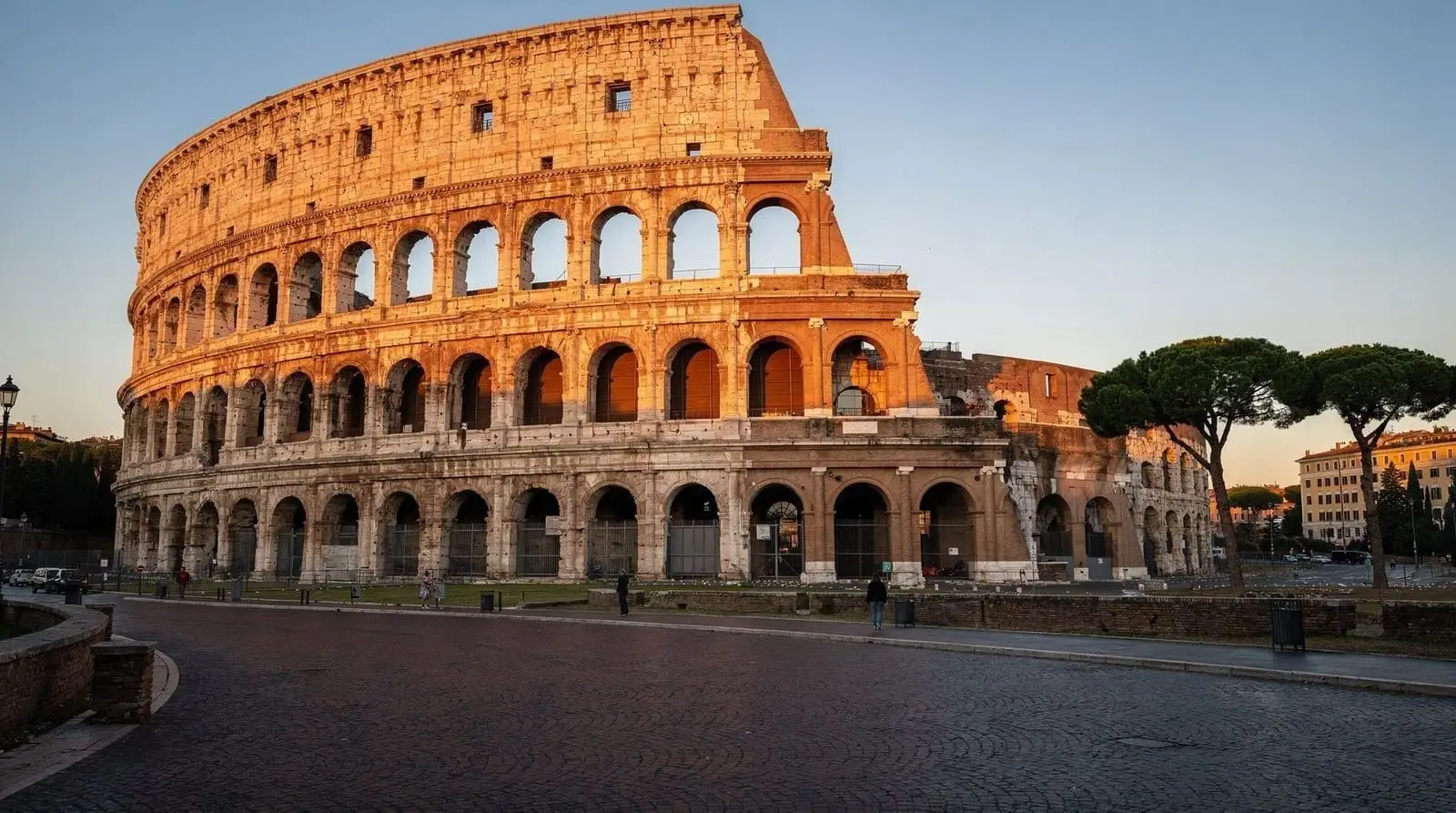
By 10:30, two things have happened inside the Colosseum: the temperature in the stone interior has risen significantly (the amphitheatre’s curved walls trap and amplify heat), and the foot traffic in the corridors and arena level has thickened to the point where photographs become difficult and movement requires patience. Arriving at 09:00 means you experience the Colosseum when it is at its most comfortable and its least congested. A 09:00 slot often feels surprisingly intimate compared to the same space two hours later.
The Roman Forum and Palatine Hill are open-air archaeological sites with more spatial variety. They are not measurably more crowded at 11:00 versus 10:00 in the same way the Colosseum is, and there is more shade, more grass, and more room to find a quiet spot. If you visit them after the Colosseum, the increasing midday heat is more manageable because you have more space and freedom of movement.
The cognitive case: context before detail
The Colosseum provides a single, immediately comprehensible structure that establishes the scale and character of ancient Rome within the first twenty minutes. Its function (gladiatorial combat, animal hunts, public executions), its engineering (80 arched entrances vomiting spectators onto the street in minutes, a retractable awning called the velarium operated by naval sailors, a hypogeum of tunnels and lifts beneath the arena floor), and its social meaning (free grain plus free entertainment — panem et circenses — as instruments of imperial social control) can all be absorbed in a single focused visit.
Having absorbed that context — the power, the engineering ambition, the social structure that sustained 50,000 people watching life-or-death spectacle — you enter the Roman Forum with a fundamentally richer framework for understanding what you are looking at. The Forum is complex: dozens of structures across ten centuries of Roman history, many of them fragmentary, requiring active interpretation to make sense of.
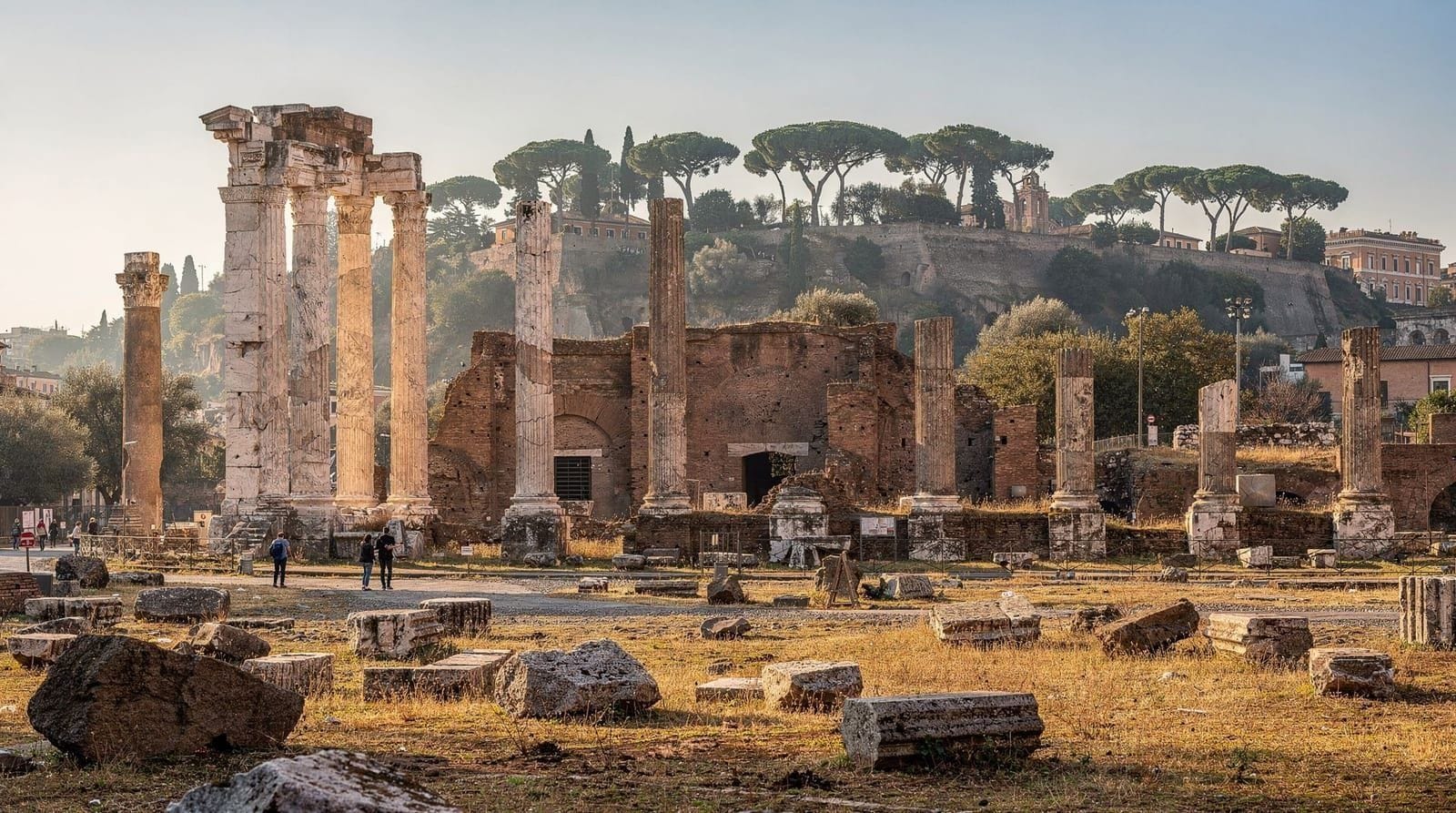
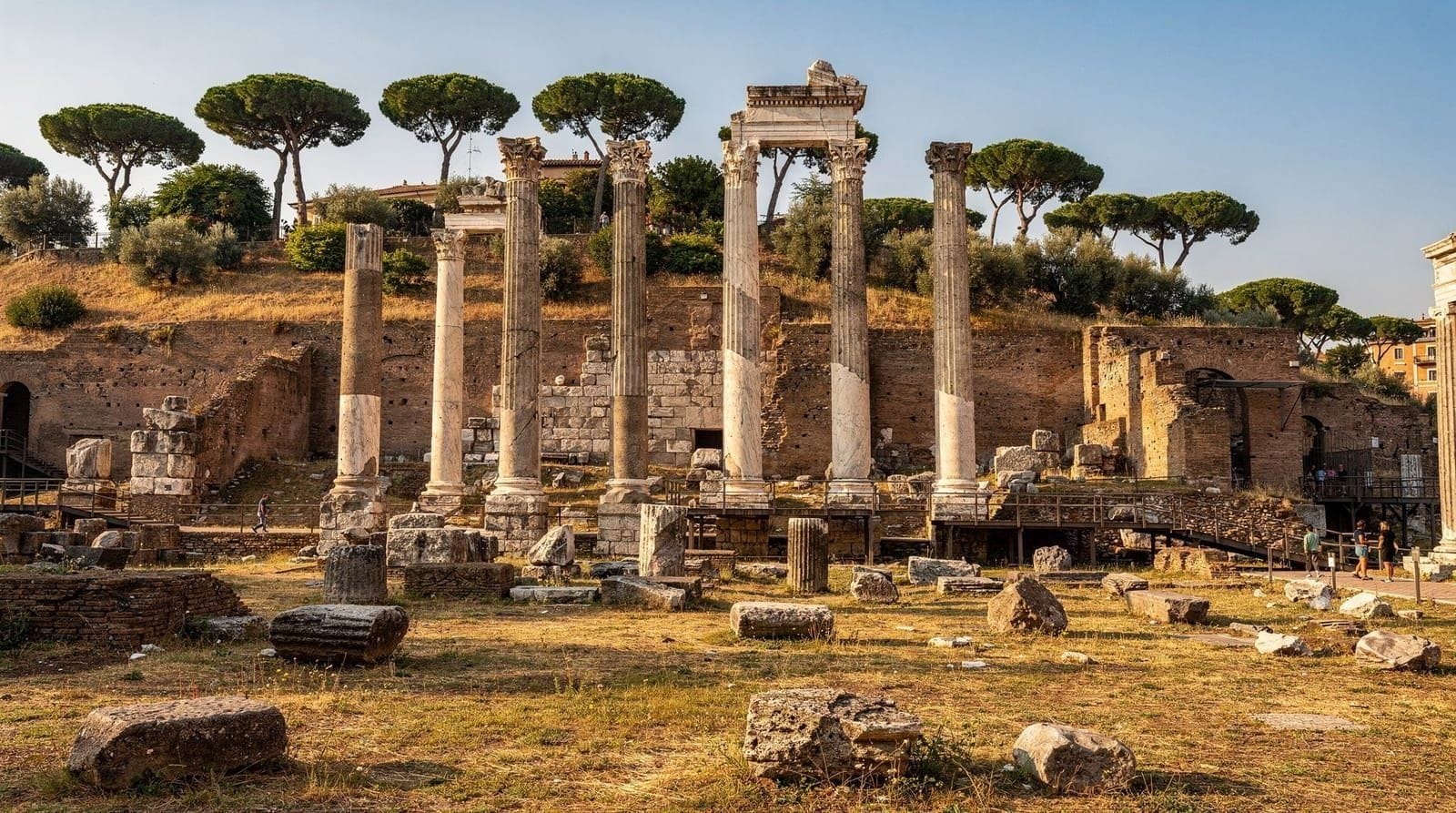
When you read the Forum’s ruins having already understood, via the Colosseum, the scale at which Rome operated and the ruthlessness with which it organised public life, the Temple of Vesta, the Rostra, and the Basilica of Maxentius begin to tell a coherent story rather than appearing as attractive rubble.
If you do the Forum first, it can feel like an archaeology problem without enough clues. The Colosseum first gives you the narrative framework that the Forum rewards.
The physical sequence: how to walk it
From the Colosseo metro station (Line B, blue line), you emerge directly in front of the Colosseum’s western face. This is your starting point for the entire ancient Rome itinerary.
09:00–10:30: Colosseum
Enter at your booked slot time. The security queue is typically 5–10 minutes with a pre-booked ticket. Walk the arena level (the floor has been partially restored with modern wood planking over parts of the hypogeum), the first and second tiers, and the interpretive panels that explain the events, the social hierarchy of seating (senators at the bottom, women at the top, plebeians in between by class), and the mechanical systems. If your ticket includes the third and fourth tiers (not all tickets do), the upper levels give the best overview of the arena and Palatine Hill beyond. Allow 1–1.5 hours for a thorough visit; 1 hour is enough for a focused one.
10:30–10:40: Arch of Constantine
Exit the Colosseum toward the Forum. The triumphal arch immediately adjacent to the Colosseum exit is worth a 5-minute stop. Built in 315 CE to commemorate Constantine’s victory at the Milvian Bridge in 312 CE — the battle that preceded his conversion to Christianity and changed the course of Western history — it is the best-preserved triumphal arch in Rome and a physical bridge between the pagan Colosseum world and the Christian Rome that supplanted it.
10:40: Roman Forum entrance via Via Sacra
Walk 3 minutes along the southern base of Palatine Hill to reach the Forum’s Via Sacra entrance near the Arch of Titus. This is the natural entry point. The Arch of Titus, built in 81 CE, commemorates the destruction of Jerusalem in 70 CE and contains the oldest surviving visual representation of the Menorah. Enter the Forum and walk west (toward the Capitoline Hill) along Via Sacra — the Sacred Road that was the spine of Roman civic life for a thousand years.
For the full walkthrough of the Forum’s key structures — Temple of Vesta, Basilica of Maxentius, Curia Julia senate house, the Rostra, Temple of Saturn — see our detailed Roman Forum guide.
12:00–13:30: Palatine Hill
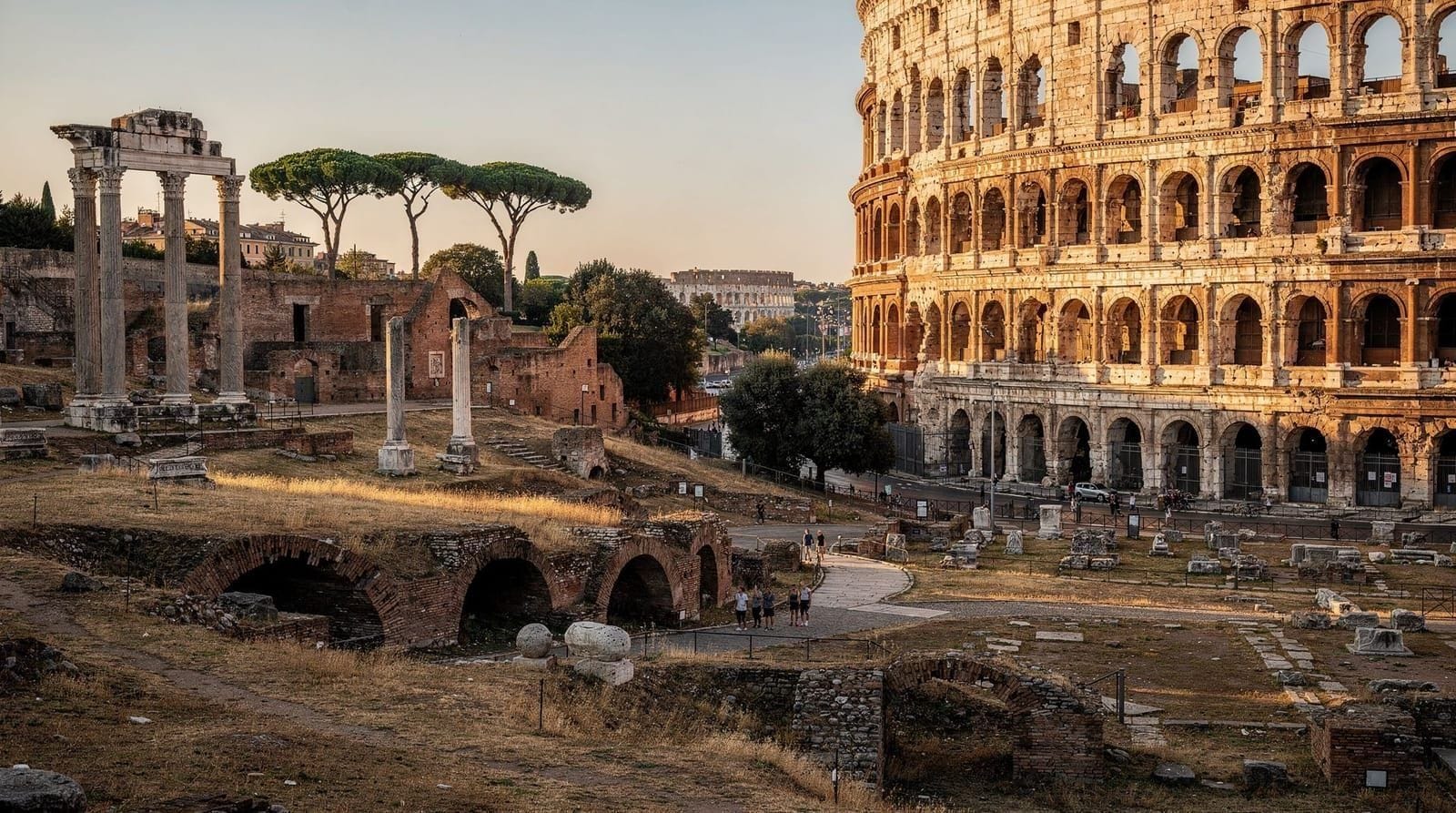
Access Palatine Hill from inside the Forum complex — walk uphill from the Temple of Vesta area on the east side of the Forum. The path climbs through fig trees and cypresses to the Farnese Gardens terraces, which occupy the site of the original Farnese family garden planted in the 16th century over the ruins of the Flavian Palace. From the terrace, looking down at the Forum with the Colosseum visible in the distance, the spatial logic of ancient Rome snaps into clarity in a way it cannot from ground level.
The Palatine Hill itself contains the foundations of several imperial palaces — the Domus Augustana, the Domus Tiberiana, the Domus Flavia — and the Cryptoporticus, a 130-metre tunnel connecting different wings of the Neronian and Flavian palaces. The imperial palace ruins are extensive but fragmentary; Palatine Hill rewards visitors who enjoy reconstructing scale from partial evidence. For detail on what to see, see our Palatine Hill guide.
Guided tour covering the Colosseum, Roman Forum and Palatine Hill — a licensed guide covers all three sites in the right order with expert commentary, typically 2.5–3 hoursWhat about Arena Floor and Underground levels?
Standard combined tickets (€20) do not include the Colosseum arena floor or the underground hypogeum. These require specific upgraded access:
Arena Floor access: Available on certain tour products and some ticket tiers. Standing on the wooden floor surface over the hypogeum, looking up at the 50,000-seat amphitheatre from the gladiators’ perspective, is a materially different experience from the standard tiers. The spatial relationship between the arena, the seating, and the underground mechanics is only legible from floor level.
Underground hypogeum: The 1st and 2nd century CE tunnels and chambers beneath the arena floor, where wild animals were housed in cages before the lifts raised them into the arena, and where gladiators waited before entering the arena through vomitorium tunnels. This adds 30–45 minutes and requires booking well in advance on specific tour products. Book at least 2–3 weeks ahead — hypogeum tours sell out faster than standard tickets.
If your schedule and budget allow, book an arena floor or underground tour for your earliest available morning slot. The upgrade adds €10–20 per person but significantly enriches the Colosseum visit.
Guided tour vs independent visit: the honest trade-off
For visitors who have read about Roman history beforehand, the audio guide (€5 at the Colosseum entrance kiosks) is sufficient for the Colosseum. The Forum is harder to interpret independently — without active guidance, many structures are difficult to identify from the fragmented remains and the interpretation panels are informative but not exhaustive. An audio guide for the Forum (also €5 at the entrance, worth buying) or a licensed guide is more valuable here than at the Colosseum.
Guided tours covering all three sites in 2.5–3 hours move at a brisk pace but hit every key point with expert commentary. They are particularly valuable on a first visit when you are still orienting. Independent visits, with more time and the audio guide, allow deeper exploration — you can spend 20 minutes at the Temple of Vesta if it interests you, without a group moving you on.
The honest trade-off: guided tours guarantee you understand what you are seeing; independent visits let you control the pace entirely. Both are legitimate approaches, and the best choice depends on how much you have already absorbed about Roman history before arriving.
The official guided Colosseum and ancient Rome tour includes expert commentary on both the Colosseum and Forum — skip-the-line access and the ancient Rome narrative in a single visitColosseum-first vs Forum-first: the trade-offs side by side
| Scenario | Colosseum first (default) | Forum first |
|---|---|---|
| Typical visitor | First-time visitor, standard slot | Early arrival before a late slot, or return visitor |
| Heat exposure | Colosseum cool at 09:00, Forum hotter later | Forum cool at 08:00, Colosseum hotter at your slot |
| Narrative flow | Context (Colosseum) before detail (Forum) | Forum first can feel like “clues without context” |
| Crowd pressure | Avoids the worst Colosseum congestion | Avoids nothing extra — Forum crowds build slowly either way |
| Best for | Most visitors, any season | Peak summer (July–August) or a second Rome trip |
When to visit the Forum first instead
There are situations where visiting the Forum before the Colosseum makes practical sense:
If you arrive early with time before your Colosseum slot: If your booked Colosseum slot is 11:00 and you arrive at the complex at 09:30, spend 90 minutes in the Forum first. The Forum opens at 09:00 and does not require a specific timed slot beyond the combined ticket. Walking the Via Sacra before the Colosseum visit then gives you a warm-up for the day rather than a cool-down.
If you are a return visitor: If you have visited the Colosseum previously and want to spend more time with the Forum archaeology on this trip, enter the Forum from the Capitoline Hill side (via the Tabularium passage, accessed through the Capitoline Museums ticket) for a different elevated perspective looking down onto the Forum — approaching from above rather than from Via Sacra.
Heat management in peak summer: In July and August, when temperatures reach 36–38°C by noon, arriving at the open-air Forum at 08:00 (slightly before the Colosseum’s first slot) gives you cooler Forum time before the Colosseum visit. The Colosseum in the late morning is hotter than the Forum because its stone walls retain and amplify heat; visiting it at your 11:00 slot rather than 09:00 means accepting that disadvantage.
Combining with Capitoline Hill
A natural extension to the Colosseum–Forum–Palatine sequence is the Capitoline Hill, which sits directly above the western end of the Forum.
After descending Palatine Hill, walk west through the Forum past the Temple of Saturn and the Arch of Septimius Severus to reach the Capitoline Hill steps (Cordonata, the broad ramp designed by Michelangelo). The Piazza del Campidoglio at the top offers the free, best elevated view of the Forum from the west, including the famous two-column view with the Colosseum in the background.
The Capitoline Museums (separate ticket, €15) house the world’s greatest collection of ancient Roman sculpture: the original equestrian bronze of Marcus Aurelius (the copy is in the piazza below), the original marble fragments of Constantine’s colossal statue, the Capitoline Wolf (the symbol of Rome, possibly Etruscan or possibly medieval — the debate is unresolved), and the Dying Gaul. Budget 1.5–2 hours for the museums.
For a complete sequence covering the Colosseum, Forum, Palatine Hill, and Capitoline Hill in a single demanding day, see our ancient Rome in one day guide.
Practical details for 2026
Buying tickets: The combined ticket (Colosseum + Forum + Palatine Hill) costs €20 adult, including the mandatory €2 advance booking fee. It cannot be purchased on the day without booking — do not arrive without a pre-booked slot. Tickets are non-transferable (your name is on the booking for Colosseum entry). Book at coopculture.it.
Free entry days: The first Sunday of every month offers free entry to all three sites. These days are extremely crowded — arrival at 07:00 (when the Forum opens but before the Colosseum’s first slot) is the only way to avoid the worst of it. Not recommended for a first visit.
Accessibility: The Colosseum has a dedicated accessible entrance at the south side of the building. Lifts access the arena level and first tier; upper levels require stairs. The Roman Forum has an accessible entrance on Via Sacra but many subsidiary areas involve uneven original stone surfaces and unpaved paths. The Palatine Hill access path from the Forum floor is a gradual ascent but includes uneven stone steps. Contact coopculture.it in advance for specific accessibility information.
What to eat nearby: After the Forum, the closest neighbourhood with good food is Testaccio — 15 minutes on foot south of the Circus Maximus. For lunch near the Colosseum itself, avoid the immediate tourist cafes and walk 10 minutes into the Celio neighbourhood (Via della Navicella has several honest trattorie). The Celio & Colosseum district guide covers the neighbourhood in full.
Weather planning: In summer (June–September), the Forum and Palatine Hill are exposed and hot. Bring a refillable water bottle — the Roman nasoni water fountains (free-flowing public taps) are located throughout the ancient area including inside the Forum site. Sunscreen and a hat are genuinely necessary in July and August when temperatures regularly reach 35–38°C by noon.
In winter (December–February), the sites are cold but much less crowded. The Forum and Palatine Hill under grey winter light have an atmosphere that summer visits lack. Opening hours shorten (Forum closes around 16:30 versus 19:15 in summer); check coopculture.it for exact dates.
The most common mistakes at ancient Rome: what to avoid
Arriving without a Colosseum booking: On any day from May to October, arriving at the Colosseum without a pre-booked ticket slot results in either a 2–3 hour queue or being turned away entirely. There is no on-the-day booking window. Book at coopculture.it at least 1–2 weeks ahead, and 3–4 weeks ahead in peak summer.
Spending too long in the Colosseum: Many visitors spend 2.5 hours in the Colosseum (especially those with standard-level tickets who did not book the arena floor or underground access) and then rush through the Forum because energy is depleted. The standard visit covers the two tiers efficiently in 1–1.5 hours. Reserve your energy.
Skipping Palatine Hill: Palatine Hill is included in the same combined ticket and is often skipped because visitors are tired by the time they reach the Forum exit. Do not skip it. The Farnese Gardens terraces and the view from above the Forum — looking down at the ruins with the Colosseum in the background — is the best view in the entire complex, only available from this spot.
Entering the Forum from the wrong end: If you have come from the Colosseum and enter from the Via Sacra near the Arch of Titus, you are walking the Forum in the historically correct west-to-east direction (toward the Capitoline Hill). If you enter from the Capitoline Hill side (via the Tabularium — which requires a Capitoline Museums ticket), you walk east to west. The Via Sacra direction makes more narrative sense for a first visit.
Not downloading the audio guide before arriving: Mobile data inside the Colosseum and Forum is often congested. Download the coopculture audio guide app before you arrive, or purchase a physical audio guide device at the entrance. Attempting to stream content inside the site is unreliable.
Photography: where the light works best in each order
Sequencing also affects your photos, since the Colosseum and Forum face different directions and the sun moves accordingly. Arriving at the Colosseum around 09:00 in spring or autumn gives soft, low-angle light on the eastern facade — the side most visitors photograph first from the metro exit. By the time you reach the Forum around 10:40–11:00, the sun has climbed enough to light the Temple of Saturn’s columns and the Arch of Septimius Severus more evenly, without the harsh shadows of midday. Doing the Forum first, by contrast, means photographing it in flatter early light and reaching the Colosseum closer to midday, when the sun sits almost directly overhead and produces harsher contrast on the amphitheatre’s arches. Neither order ruins your photos, but the Colosseum-first sequence lines up slightly better with how the light moves across the two sites. For a broader shortlist of vantage points across the city, see Rome’s best photo spots.
How this sequence changes with kids or mobility needs
Families and visitors with mobility considerations often need to adjust the pacing rather than the order itself. With young children, the Colosseum’s stairs and crowds are more tiring in the later tiers, so keep the visit to the ground level and Tier 1 where possible, and treat Palatine Hill’s Farnese Gardens as the reward stop — open lawns and shade where kids can decompress before lunch. The Rome with kids guide has more on pacing a demanding ancient-Rome day with children. For mobility-limited visitors, the accessible entrances noted above work with the same Colosseum-first order, but budget extra time at the Forum, where original stone paving slows movement regardless of route.
Where this fits your wider Rome plan
If this half-day is part of a longer stay, see how many days in Rome makes sense for your trip, and Rome for first-timers for how to sequence it against the Vatican and the historic centre. Booking logistics — including how to secure the Colosseum slot itself — are covered step by step in Colosseum booking step by step.
Frequently asked questions about Colosseum or Roman Forum first? The right order to visit
Can I visit the Colosseum and Roman Forum on the same ticket?
How much time do I need for both sites?
What is the best entry point for the Roman Forum?
Is the Roman Forum or Palatine Hill more interesting?
When is the best time to arrive at the Colosseum?
Can I split the Colosseum and Forum across two different days?
Is the guided tour worth it if I have already read about Roman history?
Top experiences
Bookable activities with verified prices and instant confirmation on GetYourGuide.