Castelli Romani day trip: wine towns in the Roman hills
Castelli Romani: 8-Hour Guided Tour of the Roman Castles
Duration: 8 hours
How do you get to Castelli Romani from Rome?
Take the regional train from Roma Termini to Frascati (about 40 minutes, €3–4). For Castel Gandolfo, take the train from Roma Laziali (Piazza dei Re di Roma) or a bus from Anagnina Metro station (Metro A). Most visitors base themselves in Frascati and take buses to other hill towns from there.
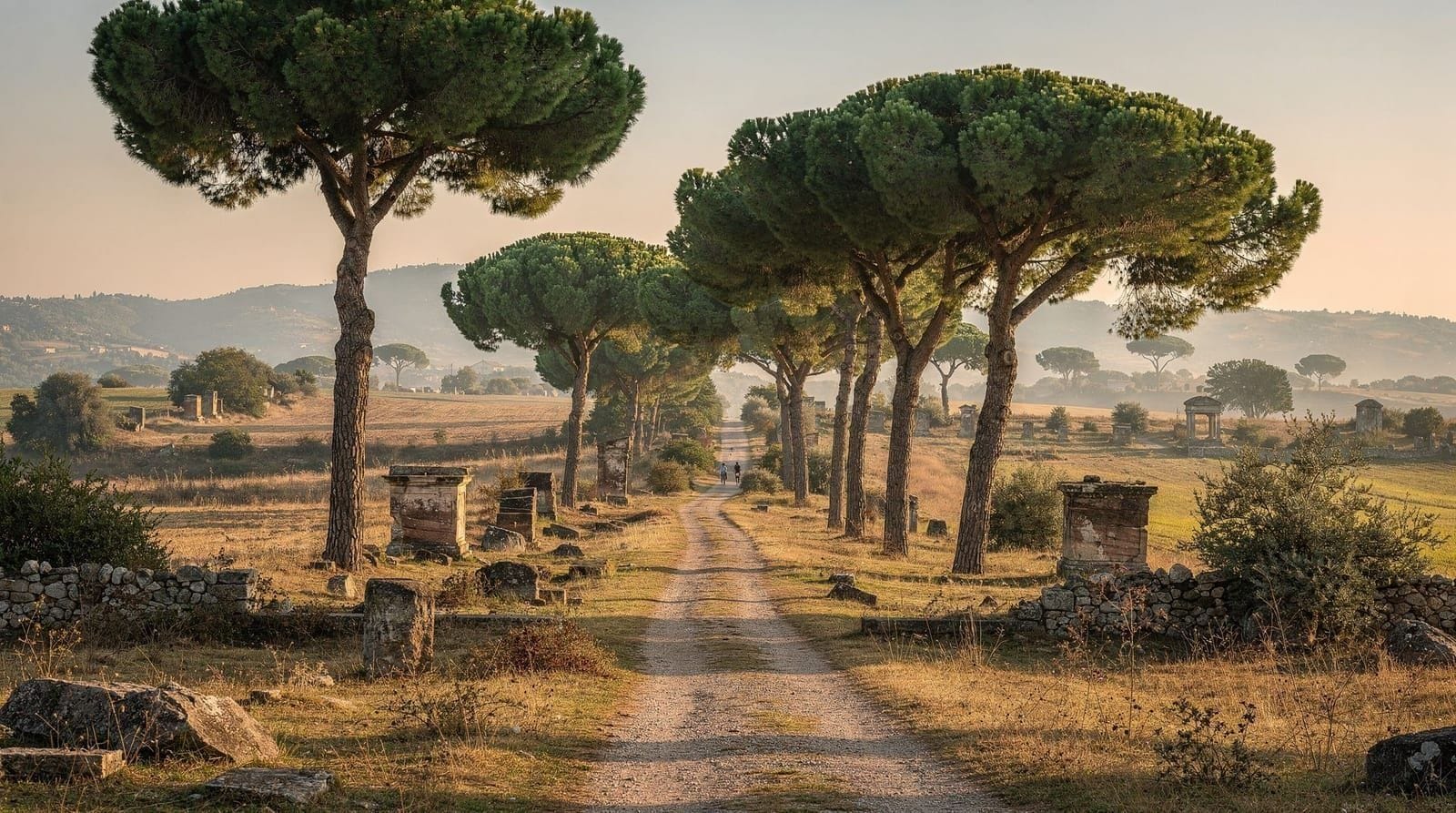
The hills that Romans escape to
Every Roman knows the Castelli Romani. On summer weekends, entire extended families pile into cars and head south into the Colli Albani for the same things they have been heading there for since the Republic: cooler air, fresh wine, porchetta, lake swimming, and the particular pleasure of eating too much in the shade of a terrace with a view.
These are not tourist attractions. They are where Romans go on their days off. Which is precisely what makes them worth a day of yours.
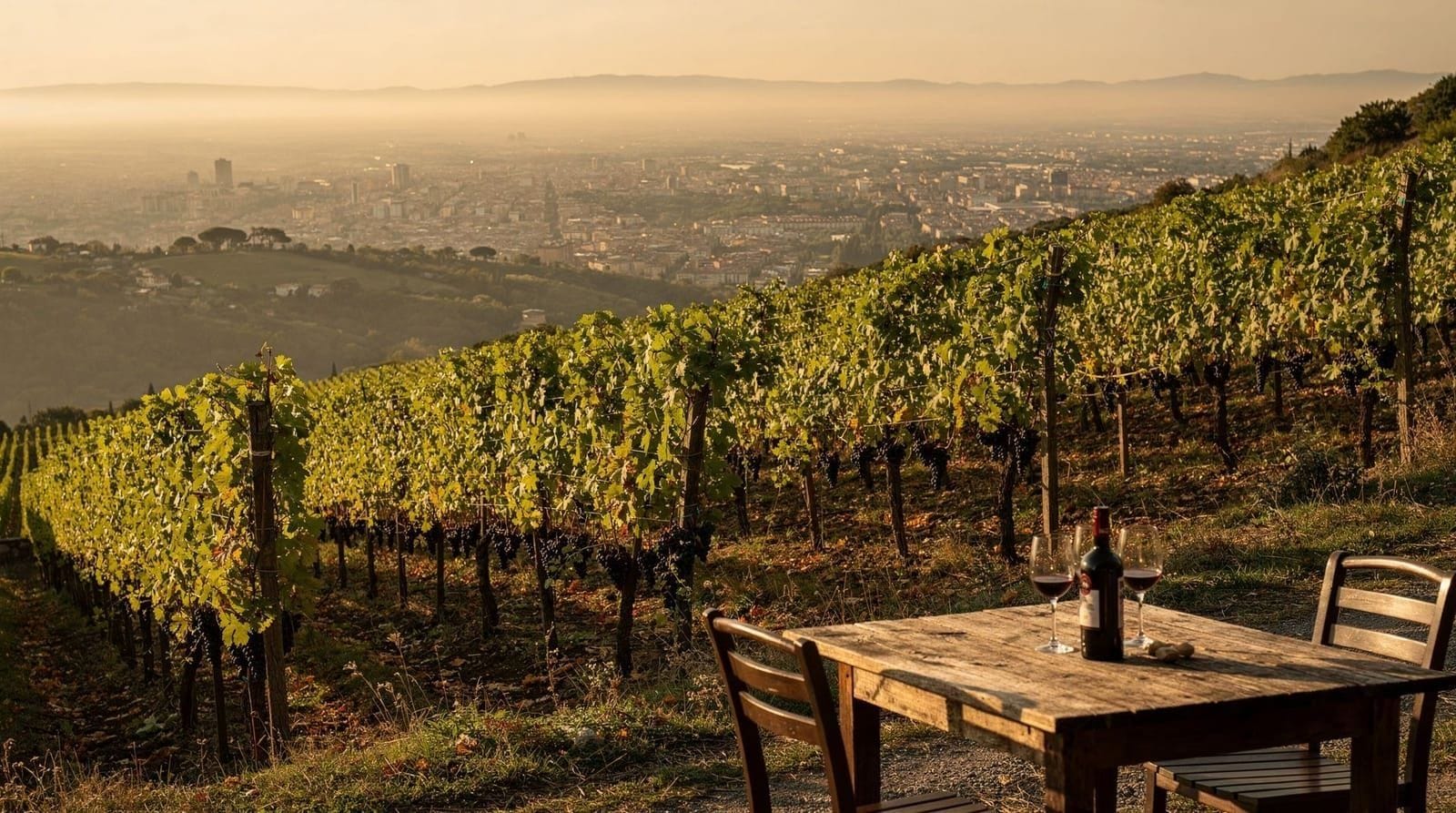
The Castelli Romani are a cluster of 13 towns spread across volcanic hill craters about 20–30km south of the city. They sit in a national park (Parco Regionale dei Castelli Romani), are surrounded by vineyards and chestnut forests, and contain one of the world’s oldest DOC wine zones (Frascati, producing continuously for at least 2,000 years). Two volcanic crater lakes — Lake Albano and Lake Nemi — fill the ancient calderas at the heart of the hills.
| Where | Colli Albani hills, 20-30km south of Rome |
| Cost | Train ~€3-4 each way; guided tour with wine and lunch ~€60-90 |
| Time needed | Full day for the circuit; half-day for Frascati alone |
| Getting there | Regional train from Roma Termini/Tuscolana (Frascati) or Roma Laziali (Castel Gandolfo) |
| Best time | May-June (strawberries) or September-October (harvest, porcini) |
Getting there from Rome
By train to Frascati: The direct regional train from Roma Termini (or Roma Tuscolana, closer to the Appio Latino neighbourhood) takes about 35–40 minutes and costs approximately €3–4 one way. Frascati station is a short walk from the town centre. Trains run roughly every hour — check the Trenitalia timetable before you go, as services are less frequent in the middle of the day.
For Castel Gandolfo: Take the regional train from Roma Laziali station (near Piazza dei Re di Roma, on Metro A line) to Castel Gandolfo — 35–40 minutes, approximately €3. Alternatively, buses from Anagnina Metro station (Metro A terminus) serve several Castelli towns.
By car: From Rome, take the Via Tuscolana (SS215) for Frascati or the Via Appia Nuova (SS7) for Castel Gandolfo and Albano Laziale. Journey time is 30–45 minutes without traffic. Parking in the hill towns is available; do not drive from central Rome itself.
By organised tour: A guided day tour with coach transport from Rome makes it easy to cover Frascati, Castel Gandolfo, and the lakeside in a single day without worrying about bus timetables. Tours typically include wine tasting and lunch, bringing the total cost to €60–90 per person.
Full-day guided tour of the Castelli Romani from Rome — Frascati, Castel Gandolfo, wine tasting and local lunch includedThe key towns
Frascati — wine and villas
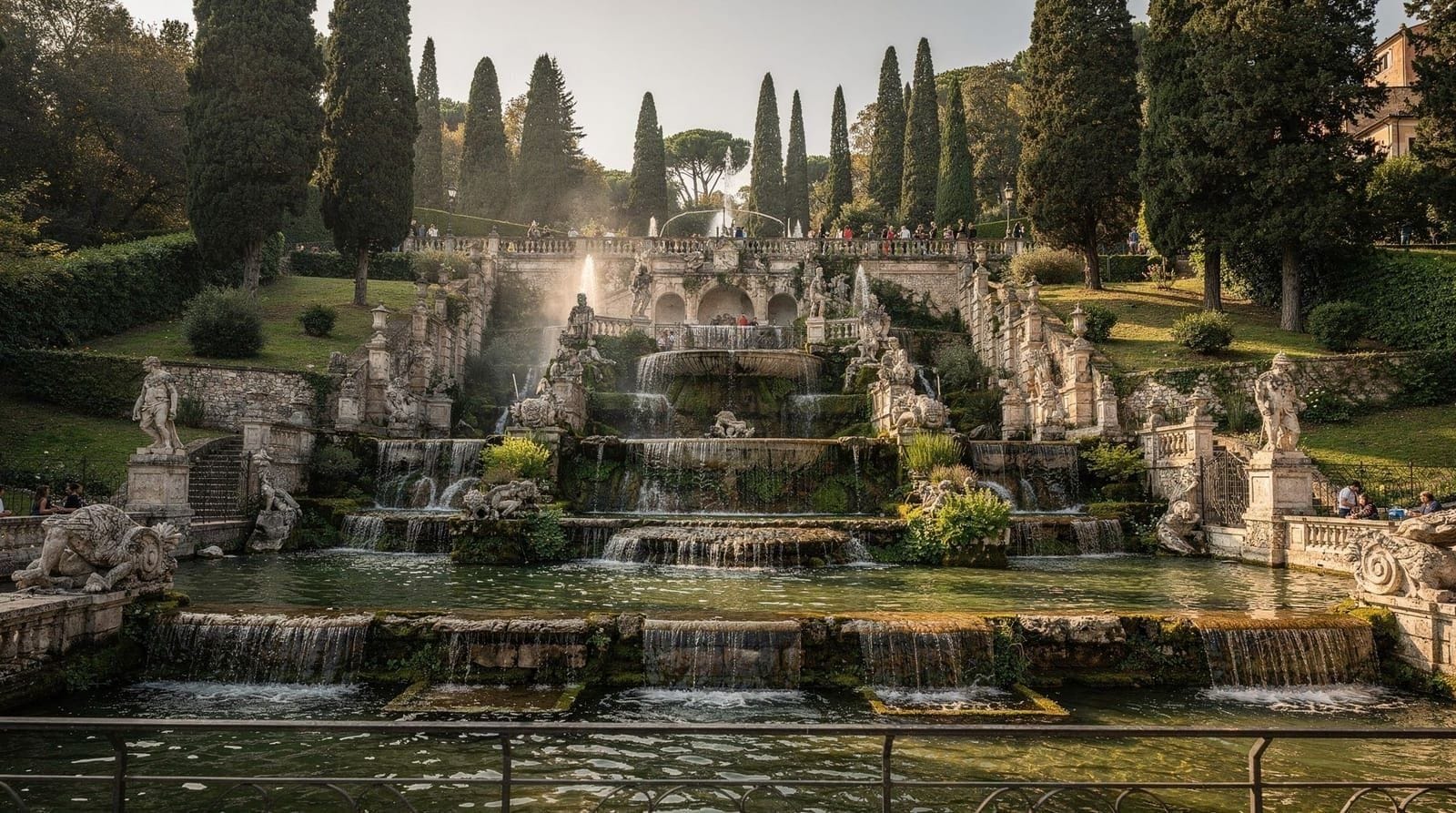
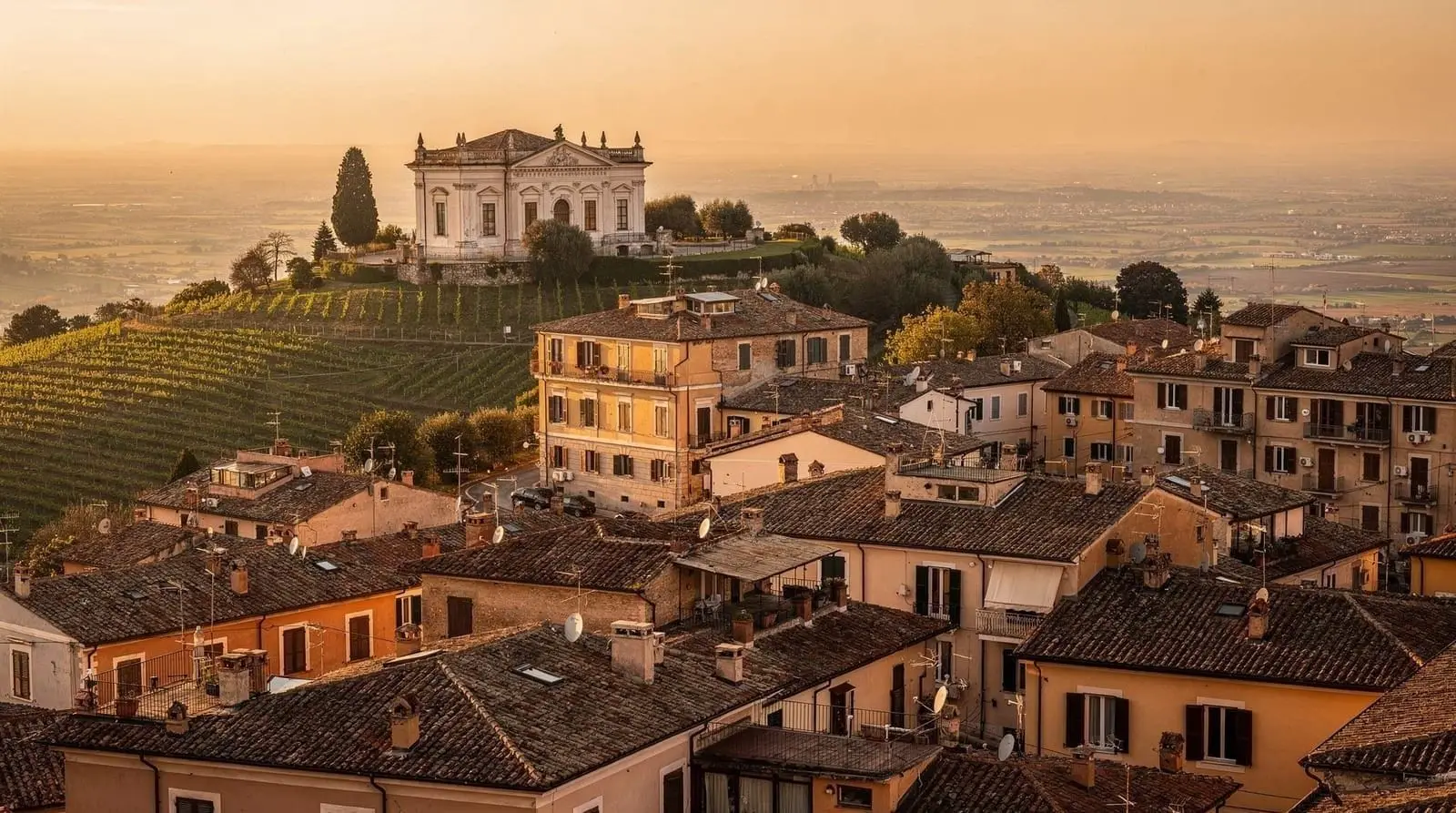
Frascati is the largest and most accessible of the Castelli towns, and the centre of the local wine industry. The elegant baroque Piazza Marconi in the town centre is dominated by the facade of the Aldobrandini Villa, the 16th-century summer palace of the Aldobrandini family (and later associated with Pope Clement VIII). The villa gardens are partially open to the public and include a water theatre — fountains and water jokes in the tradition of Villa d’Este, smaller in scale but charming.
The town itself is built on a hillside; the views over the Roman plain from the belvedere near the main piazza are impressive on clear days — on winter days, you can occasionally see the sea.
Wine in Frascati: The easiest approach is to eat lunch at a local trattoria and order the house Frascati by the carafe. More serious visitors will want to visit a cantina. Poggio Le Volpi (a short drive out of town) is consistently the best producer in the zone, making wines that have moved Frascati away from its reputation for thin tourist white. Villa Simone produces a structured single-vineyard Frascati worth seeking out. Frascati Superiore DOCG (the highest classification) is always dry.
Eating in Frascati: The central options cater significantly to Roman day-trippers who know what they want. Cacciani on Via Armando Diaz is the classic — established 1922, frequented by Roman politicians and journalists, serving cucina castillana (coda alla vaccinara, abbacchio, local pastas) with the best wine list in town. Budget €35–50 per person. For something simpler and cheaper, the porchetta vendors near the station sell the real thing — €4 for a sandwich.
Castel Gandolfo — lake and papal palace
Castel Gandolfo is perched dramatically above Lake Albano, with the Papal Palace occupying most of the town’s upper terrace. Since 2016, the Vatican’s Castel Gandolfo estate has been open to visitors as a museum: the pontifical apartments, the Vatican Astronomical Observatory (still operating), and the extensive Vatican Gardens (by advance booking only — guided tours must be reserved at museivaticani.va).
The views over Lake Albano from the main piazza are exceptional. The lake itself — deep blue-green, perfectly round, 3.5km across — fills a volcanic crater 293m above sea level. To reach the lakeside beach (Spiaggia Lido di Castel Gandolfo), you either walk down a steep path (20 minutes) or drive. A lido at the lakeside offers sun loungers (€10–15), food, and swimming access. The water is clean and calm, excellent for a summer afternoon swim.
Nemi — strawberries and a lake
Nemi is the smallest and most picturesque of the Castelli towns — a medieval village hanging above Lake Nemi, which fills a smaller volcanic crater below. The lake is famous for the Emperor Caligula’s pleasure barges: two enormous vessels (the largest over 70m long) sunk in the lake during antiquity and raised by Mussolini’s engineers in the 1930s, only to be burned by German troops in 1944. A museum at the lakeside (Museo delle Navi Romane) displays models and surviving bronze fittings.
Nemi is also famous for its wild strawberries (fragole di Nemi), which ripen in May and June and are sold from wooden trays throughout the village. The Sagra delle Fragole (Strawberry Festival) is held in June.
The main piazza has a handful of trattorias with terraces overlooking the lake. Simpler and cheaper than Frascati; more scenic.
Ariccia — the porchetta capital
Ariccia, a short drive or bus ride from Castel Gandolfo along the dramatic Bernini-designed viaduct bridge, is where Castelli porchetta reaches its purest form. The town’s fraschette — old-style wine-and-food taverns clustered on and around Piazza di Corte — serve porchetta by weight on paper-lined trays, alongside bruschetta, olives and house wine poured from unlabelled jugs. La Frasca and Ariccia da Elvira are two long-standing addresses locals still recommend, though the tradition is informal enough that walking the piazza and picking whichever tavern has the busiest tables on a Sunday works just as well. The town’s Palazzo Chigi, another Bernini-Baroque set piece, is open for guided tours and was used as a filming location for several period productions. Ariccia pairs naturally with Castel Gandolfo — the viaduct walk between them takes about 20 minutes and gives a view down into the wooded valley below.
Grottaferrata — the living abbey
Grottaferrata’s Basilica and Abbey of San Nilo is one of the oldest continuously functioning religious communities in the area — founded in 1004 CE by Greek Basilian monks, still operating as a Greek Catholic monastery, still following Byzantine rites. The monastery church (open to visitors) contains 12th-century Byzantine mosaics and frescoes in the narthex, with a painted interior unlike anything in Rome itself. The Greek-Oriental Museum adjacent to the abbey displays Byzantine icons and religious objects.
This is the least touristy stop on any Castelli circuit — genuinely interesting for anyone interested in the Greek Christian tradition in Italy and rarely mentioned in mainstream guides.
Train vs guided tour: the comparison
Train is good for Frascati. A solo visit to Frascati by direct train is simple and rewarding — wine tasting, lunch, a walk in the villa gardens, and the train home.
Tour is better for the full circuit. Covering Frascati, Castel Gandolfo, and Nemi in a single day requires either a car or an organised tour. Bus connections between the towns exist but run infrequently and require planning. Most people who arrive by train end up staying in Frascati, which is fine but misses the lake.
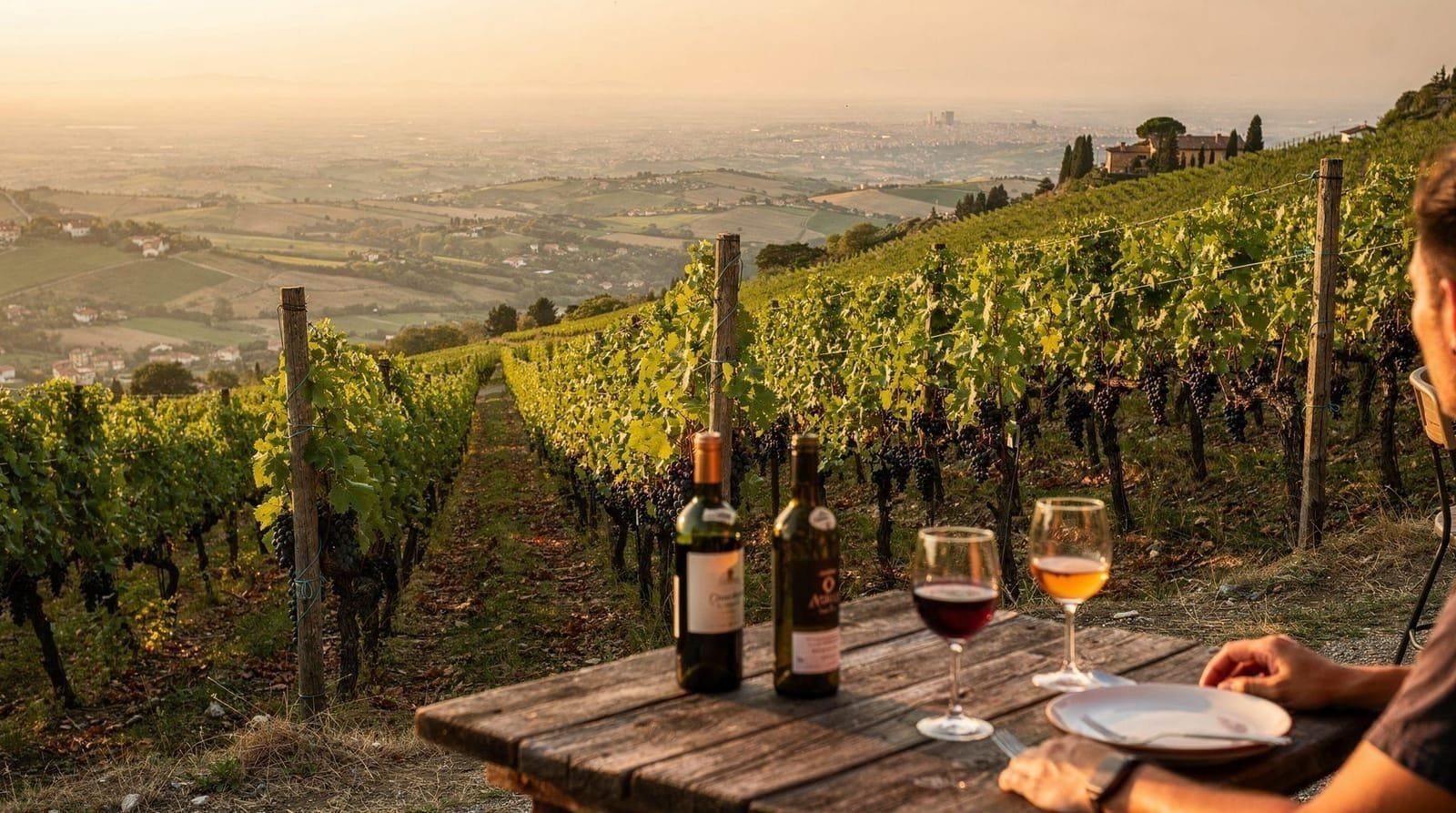
A wine-focused guided tour typically includes a cantina visit with professional tasting (3–4 wines), lunch at a local restaurant, transport between two or three towns, and a guide commentary on the history and terroir. Cost is approximately €60–90 per person for a full day.
Wine tasting and medieval town visit at Castelli Romani — includes cantina tour, tasting, and local foodThe wine
Frascati DOC and Frascati Superiore DOCG are the flagship wines of the zone, made primarily from Malvasia Bianca di Candia. At its best, Frascati is a dry, slightly mineral white with orchard fruit and a clean finish — a wine designed for food, not sipping on its own. The cheap versions (those €4 jugs in tourist restaurants) bear no resemblance to the well-made versions from serious producers.
Beyond Frascati, the Colli Albani DOC zone covers white wines from across the hills. For red wine enthusiasts, the Cesanese grape is grown further east in Piglio (outside the Castelli but accessible by car) — Cesanese del Piglio DOCG is arguably the best red wine produced in Lazio, full-bodied and spicy, unknown outside Italy. A detour if you have a car.
For a deeper guide to wine in the region, see Frascati and Castelli wine guide and Lazio wine guide.
The food
Porchetta: The defining food product of the Castelli Romani and particularly of Ariccia (another Castelli town), where whole pigs are roasted in wood-fired horizontal rotisseries, stuffed with rosemary, garlic, fennel, and black pepper. Properly made porchetta is extraordinarily good — crisp skin, tender herb-fragrant meat, fat rendered to silk. Buy it as a panino from a vendor for €3–5 or as a plate in a trattoria.
Abbacchio: Roman spring lamb, roasted with white wine, garlic, and anchovy (abbacchio alla cacciatora) or simply roasted with potatoes. The lamb in the Castelli is local; the autumn and spring versions are the best.
Funghi porcini: September and October bring fresh porcini mushrooms from the chestnut forests of the Colli Albani. Simple preparations — sautéed with garlic and parsley, or as a pasta sauce — show them best.
The fraschette tradition: Frascati’s traditional rough wine bars, called fraschette, were originally farmhouses that hung a bunch of fern (frasca) above the door to indicate wine for sale. You brought your own food, they provided the wine. A handful still operate in approximation of this tradition, though modern health regulations have changed the model significantly.
When to go: month by month
| Month | Conditions | Highlight |
|---|---|---|
| May-June | Warm, still green, fewer crowds than summer | Wild strawberries in Nemi, Sagra delle Fragole |
| July-August | Hot, hills cooler than Rome, weekends busy | Lake Albano swimming at the lido |
| September-October | Mild, harvest season | Grape harvest, fresh porcini from the chestnut forests |
| November-March | Cold, quiet, some venues reduce hours | Off-season wine tasting with no queues |
If lake swimming is the priority, come in summer and go on a weekday to avoid the Roman families who pack the Castel Gandolfo lido on weekends. If food and wine are the priority, September-October gives you harvest-season Frascati and fresh porcini on the same trip. For a broader seasonal picture of Rome itself, see best time to visit Rome.
Practical information
- Frascati train: Roma Termini or Roma Tuscolana to Frascati, about 35–40 minutes, approximately €3–4. Trains roughly hourly. See trains from Rome day trips for booking.
- Castel Gandolfo train: Roma Laziali to Castel Gandolfo, about 35–40 minutes, approximately €3.
- Papal Palace gardens, Castel Gandolfo: Book in advance at museivaticani.va.
- Best months: May–June (strawberries, wildflowers), September–October (harvest, porcini), or any of April–November. See best time to visit Rome for seasonal context.
- Summer (July–August): Good for lake swimming; busy on weekends, particularly at Lake Albano. Book lunch in advance at popular trattorias. See Rome in summer for heat and crowds planning.
- Getting around between towns: Car is most flexible. Tour coaches cover the main circuit. Buses (COTRAL) run between the towns but infrequently.
- Combined with: Tivoli day trip is in the opposite direction (east) and best saved for a separate day. For an overview of all options, see best day trips from Rome.
- Destination page: Castelli Romani and Frascati for the region overview.
Frequently asked questions
Can I do Castelli Romani without a car?
Yes for Frascati, which has a direct train service from Rome. For Castel Gandolfo and Nemi, the bus connections are workable but require patience. An organised tour is the most practical way to see multiple towns without a car.
Is Frascati wine worth trying?
Yes, if you try it in the right place. The house wine at tourist restaurants in Frascati is often mediocre. The good versions — Superiore DOCG from Poggio Le Volpi, Villa Simone, or Fontana Candida’s reserve label — are genuinely interesting wines that make sense with the local food. A cantina visit with a tasting is the best way to understand what Frascati can be.
How does Castelli Romani compare to other day trips from Rome?
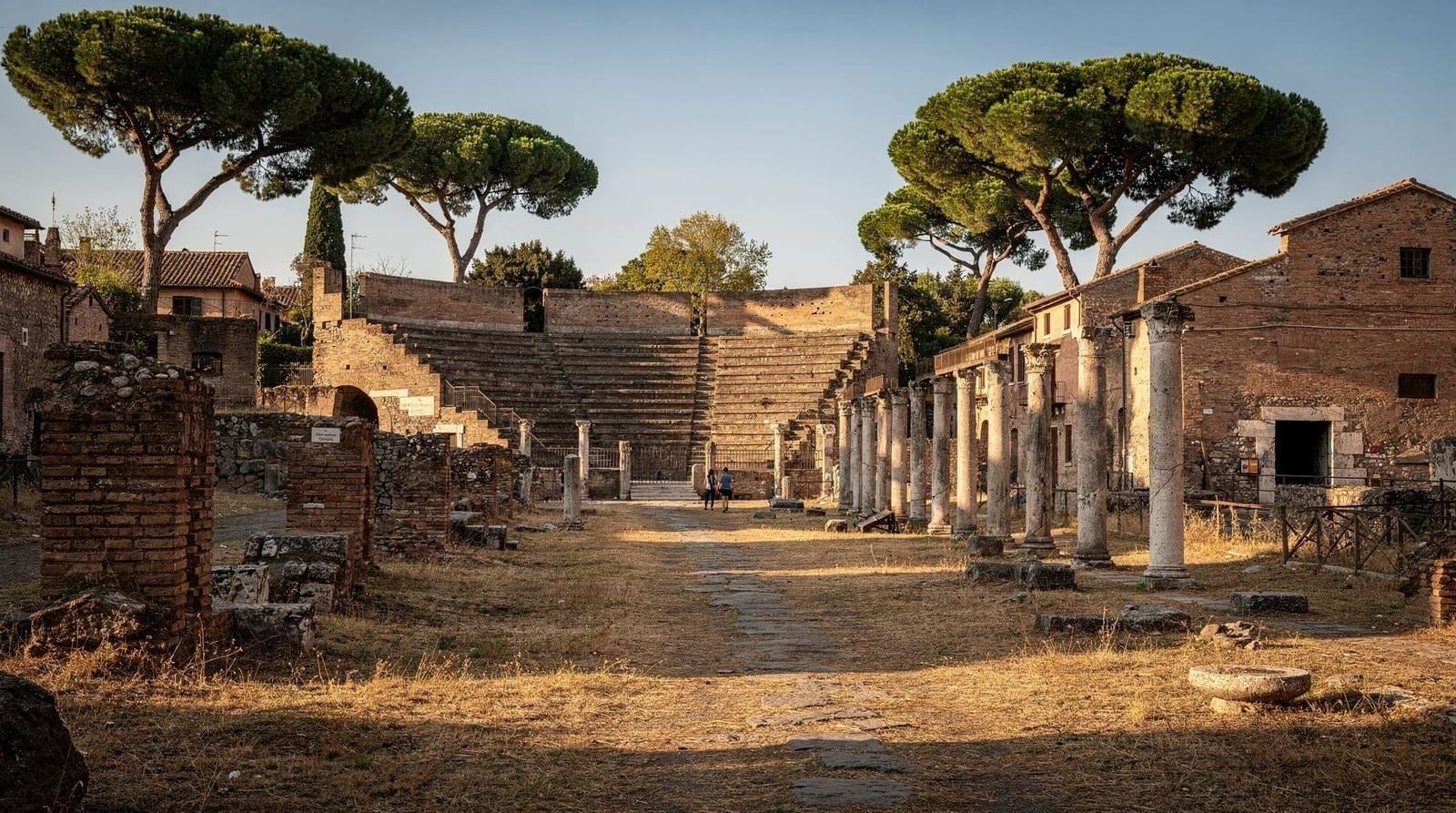
Castelli Romani is different in character from the archaeological day trips — Tivoli, Ostia Antica, Pompeii. It is primarily about landscape, food, wine, and the Roman countryside rather than ancient monuments. If you are choosing between Castelli and an archaeological site, base the decision on what you are in the mood for. Castelli is the best choice for anyone interested in Italian food and wine culture, lake swimming in summer, or a genuinely local experience away from the tourist circuit.
Can I combine Castelli Romani with the Alban Hills wine region in one day?
Yes — Frascati, Castel Gandolfo and Grottaferrata are close enough together (10-15 minutes apart by road) to combine in a single guided day, especially with coach transport. Nemi is further and adds real time, so most one-day itineraries pick either the lake circuit (Castel Gandolfo and Nemi) or the wine circuit (Frascati and Grottaferrata) rather than trying all four towns properly in one visit.
Top experiences
Bookable activities with verified prices and instant confirmation on GetYourGuide.