Castelli Romani & Frascati
Castelli Romani and Frascati: wine, porchetta, hilltop towns 40 min from Rome. Trains, fraschette, best villages, and honest visitor logistics.
Frascati Food & Wine: Full-Day Rome Countryside Tour
Quick facts
- Train to Frascati
- Direct from Roma Termini; ~35 min; €3 each way
- Train to Albano/Castel Gandolfo
- From Termini or Roma Tuscolana; ~35–45 min via Velletri line
- Frascati wine
- DOC white wine; Malvasia/Trebbiano blend; €5–10/litre at fraschette
- Villages
- 13 Castelli towns: Frascati, Castel Gandolfo, Grottaferrata, Nemi, Ariccia, Albano
- Porchetta di Ariccia
- IGP designation; available at every local fraschetta and market
- Best time
- October (wine harvest); May–June (moderate weather); Sundays (markets)
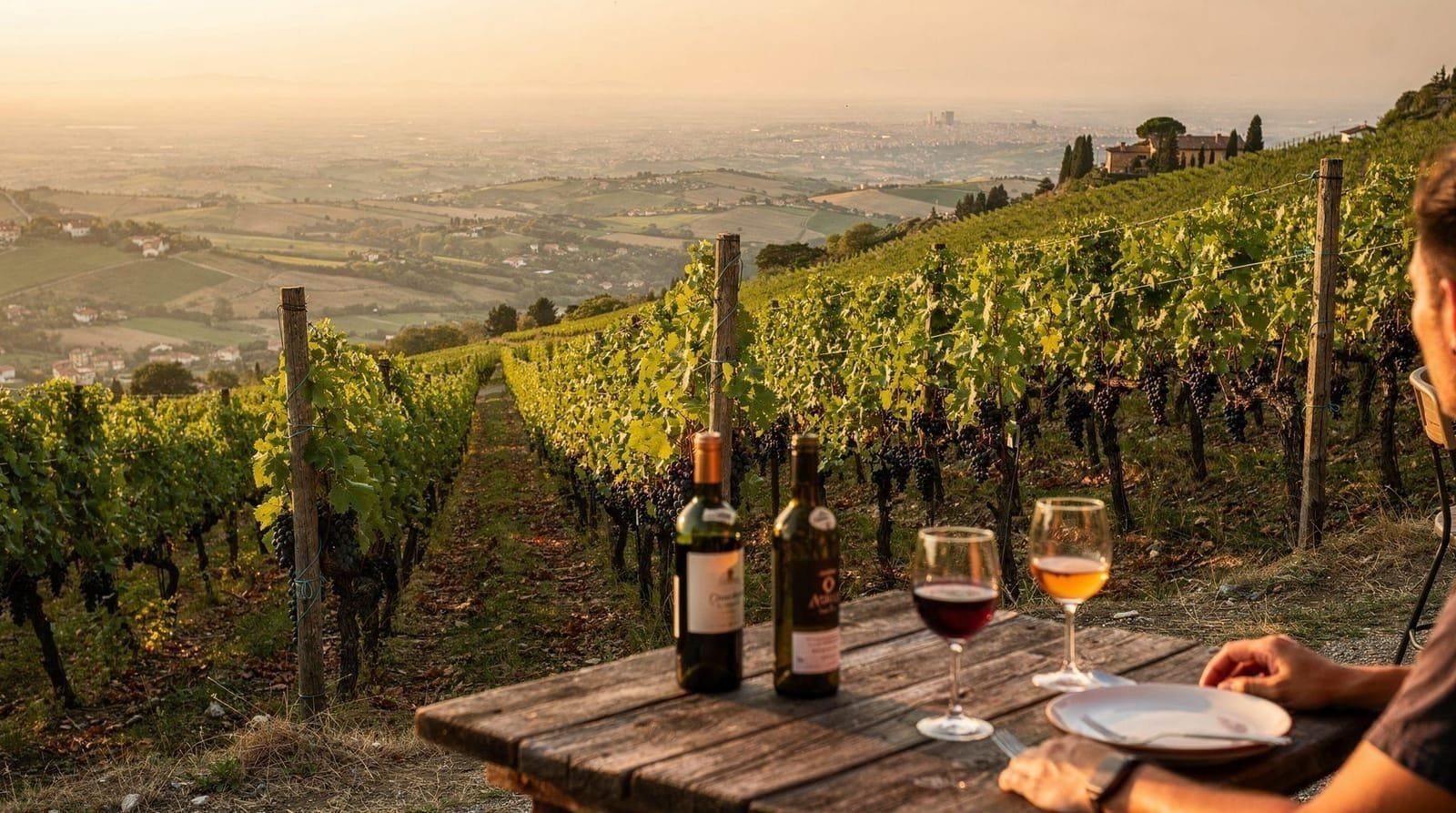
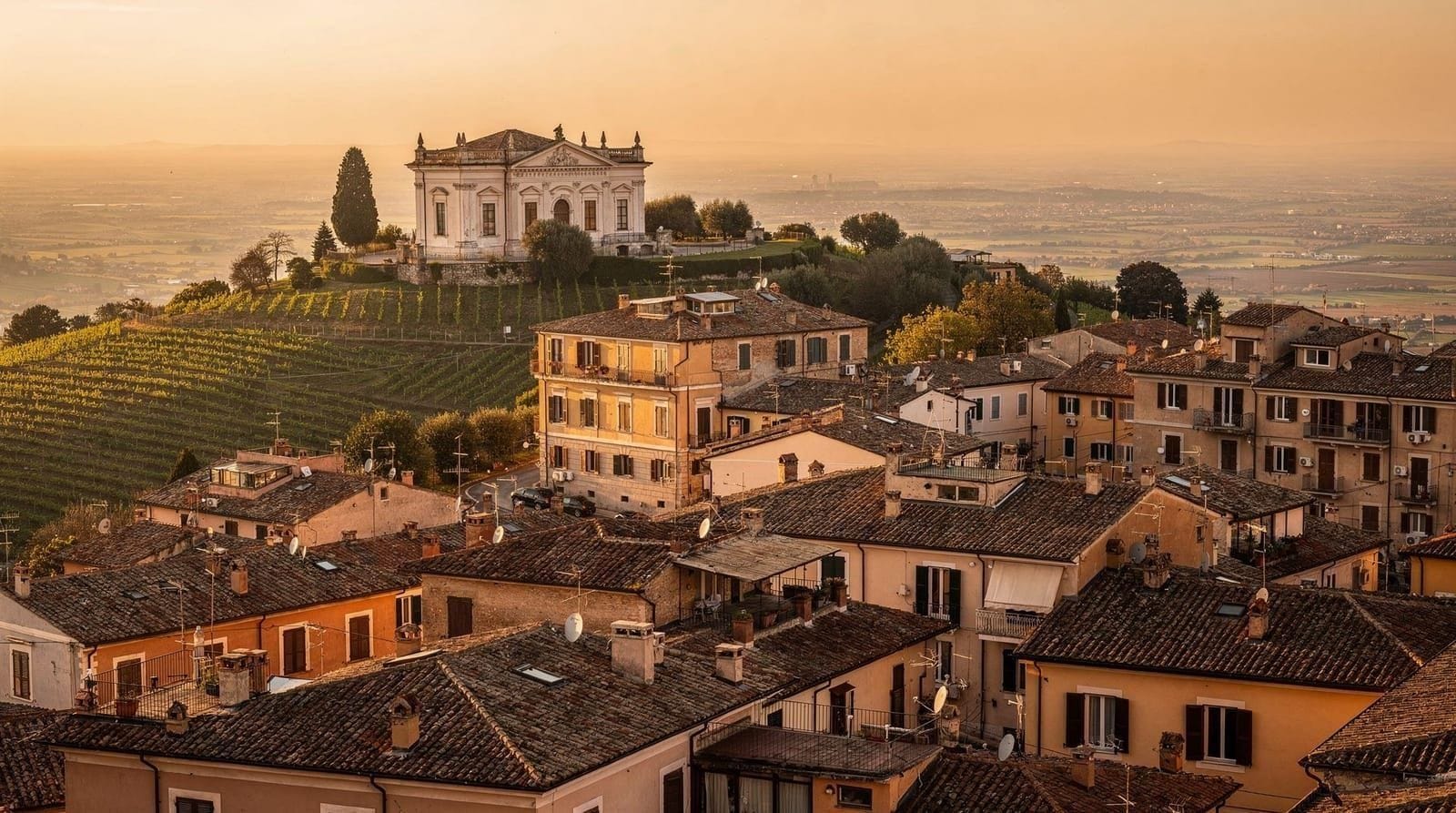
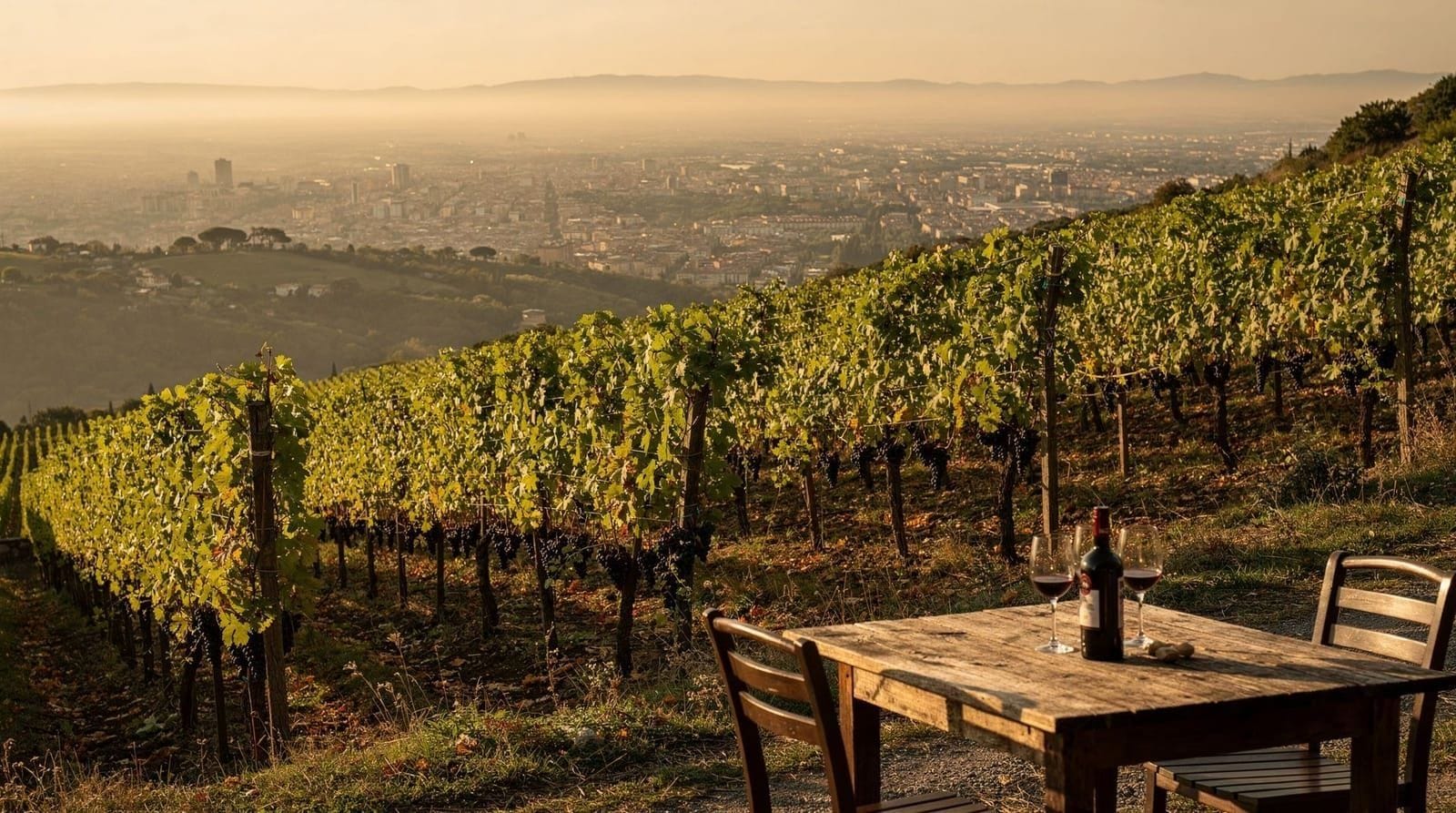
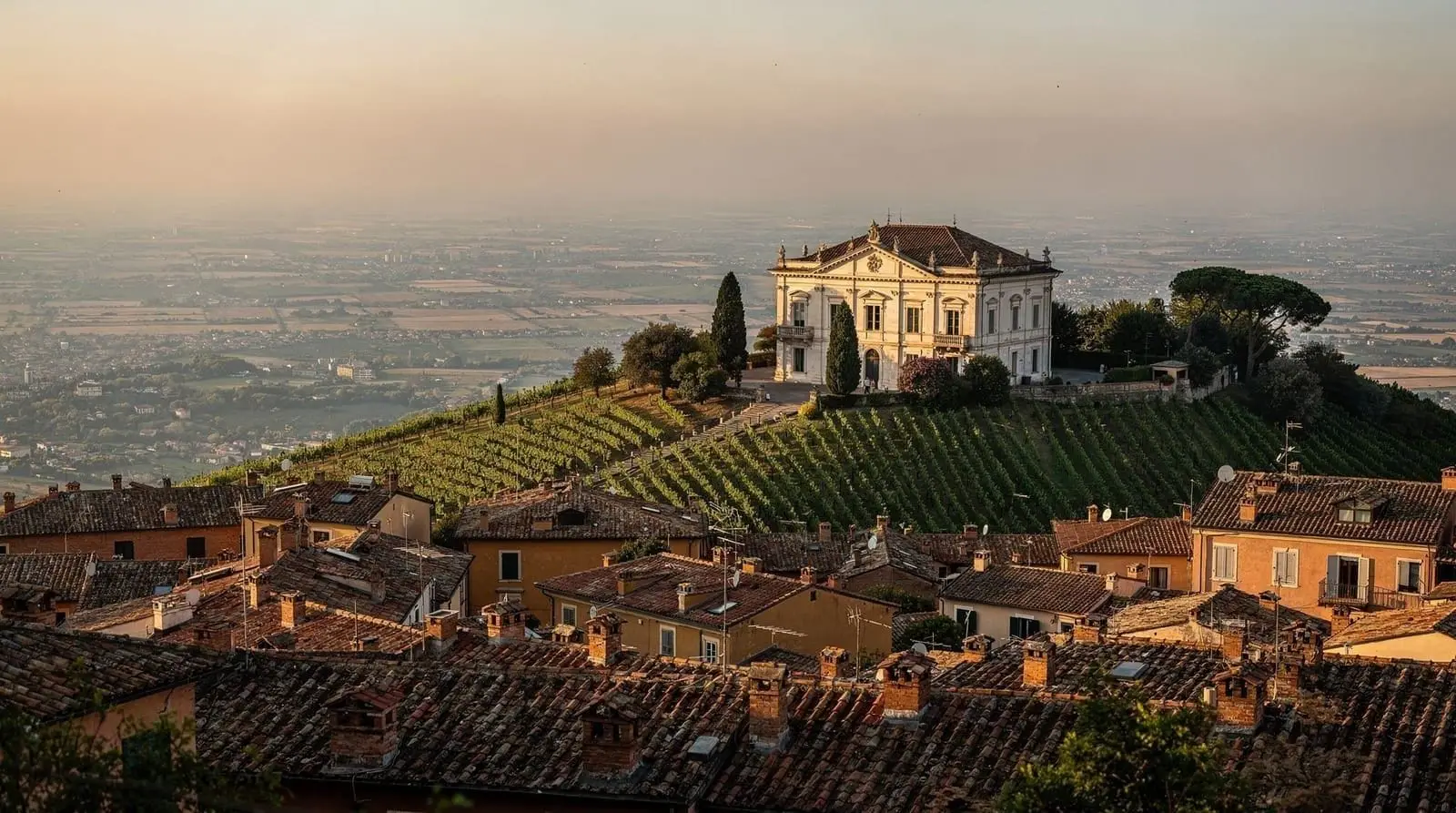
The Castelli Romani are 13 hilltop towns strung along the Alban Hills (Colli Albani) southeast of Rome — an extinct volcanic caldera whose two crater lakes (Lake Albano and Lake Nemi) and fertile hillsides have attracted Roman aristocracy, popes, and regular Romans seeking cool summer air for over 2,000 years. Today the Castelli are primarily known for Frascati white wine, Ariccia’s porchetta, and the summer palaces and villas that still dot the hills. For Rome visitors, the Castelli offer something the city itself cannot easily provide: a lunch table under a vine pergola with the hills and plain spread out below, a carafe of local wine poured from a terracotta jug, and no tourist menus in sight.
Frascati: the main town and wine centre
Frascati (population ~21,000, altitude 322m) is the most accessible and most visited of the Castelli towns, with a direct train from Roma Termini in about 35 minutes. It is the commercial centre of Frascati DOC wine production and has the highest concentration of functioning fraschette — the traditional wine taverns that have been serving local wine to Romans since the Renaissance.
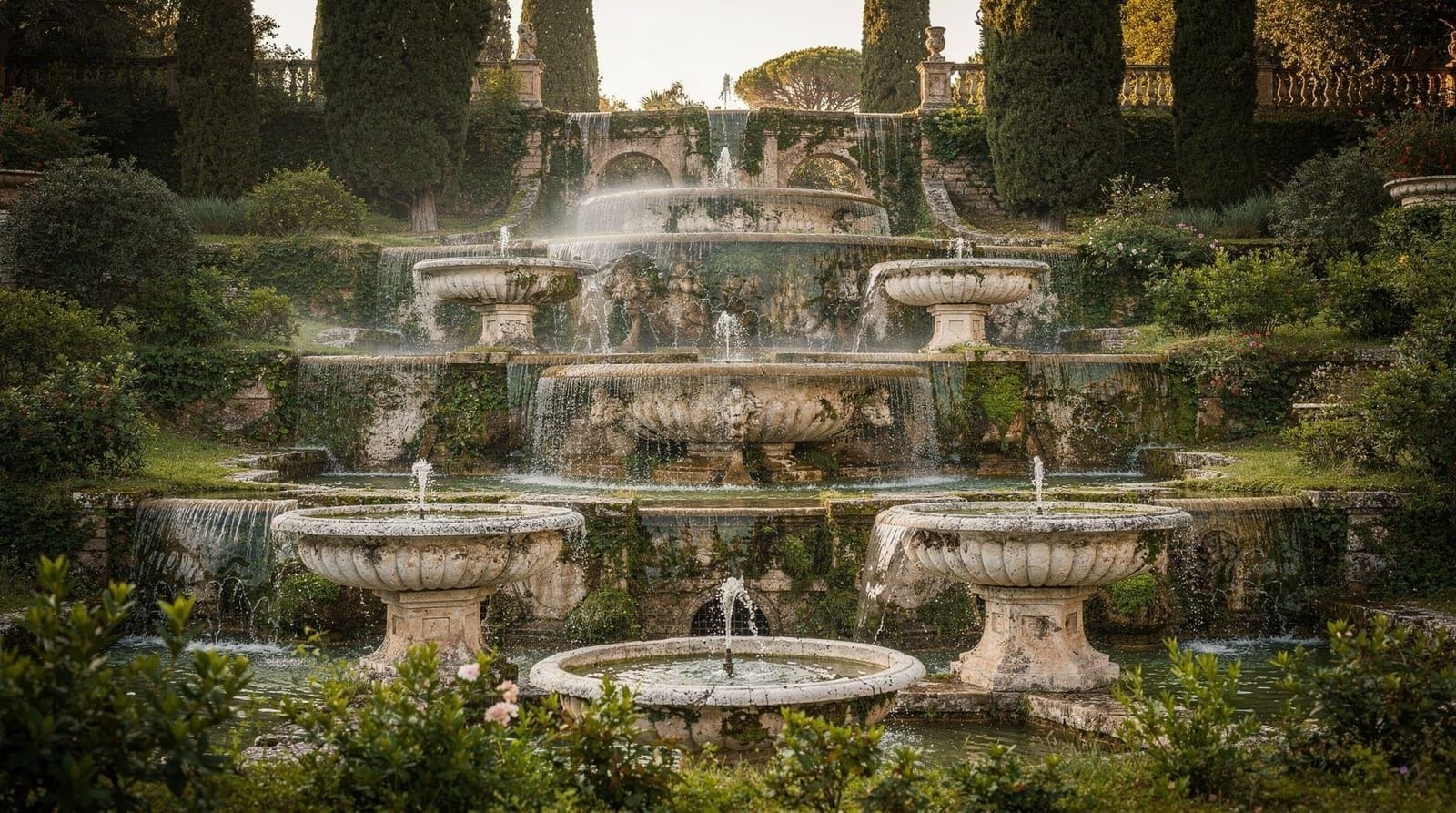
The town: Frascati’s centre is built around a belvedere piazza (Piazzale Marconi) with panoramic views over the Roman plain. On clear days you can identify Termini station and the basic shape of Rome from here. The cathedral (Cattedrale di San Pietro Apostolo) is modest; the town’s real architectural interest is in the network of Renaissance villas — built for popes and Cardinals — on its hillside. Villa Aldobrandini (1598–1603) is the most impressive, designed by della Porta and Maderno; the gardens are occasionally open for guided visits.
Frascati DOC wine: A blend of Malvasia di Candia, Malvasia del Lazio, Trebbiano, and other local varieties; light, dry to slightly sweet, low tannin. It is not a sophisticated wine by international standards. It is, however, very good when drunk chilled at a table in the sun where it was produced. Do not buy Frascati from a supermarket in Rome expecting the same experience — the wine is at its best at its source, poured fresh from the cantina. Price in a fraschetta: €5–10 per litre carafe.
Fraschette: The traditional Frascati eating and drinking house. The name comes from the custom of hanging a frasche (branch of leaves) outside the door to signal that new wine was available — the same signal used in Roman times. A modern fraschetta serves local wine by the carafe alongside simple food: bread, salumi, porchetta, local cheeses, occasionally pasta. No table service in the grand sense; often self-service or basic staff.
Top fraschette in Frascati:
- Fraschetta Burino (Via Regina Margherita 22): Old-school, no-frills, good porchetta sandwiches, house Frascati poured cold. Cheap.
- Osteria della Chioccia (Via dei Poggi 6): More of a full trattoria than a pure fraschetta; excellent abbacchio al forno (roast lamb) and local vegetable dishes. €15–18 per main.
- La Tavernaccia (Viale Gioacchino Belli 7): Mid-range, popular with Roman day-trippers on weekends; book ahead for Sunday lunch.
Ariccia and its porchetta
Ariccia (population ~21,000, altitude 412m) is a town of singular culinary fame: Porchetta di Ariccia IGP — whole suckling pig seasoned with rosemary, garlic, fennel, and black pepper, slow-roasted and sliced by hand — is the dish that has kept this town on the Roman culinary map for centuries. The IGP (Indicazione Geografica Protetta) designation was awarded in 2011, confirming that genuine Porchetta di Ariccia must be produced in specific municipalities under controlled methods.
Every food stall, trattoria and bar in Ariccia sells porchetta. The standard format is a sandwich (panino con la porchetta, €3–5) from a roadside van or market stall. This is not a tourist food — it is what Romans come to buy on weekend drives. The best vendors have long queues.
Ariccia is also home to the Palazzo Chigi — a 17th-century papal palace by Bernini on the main piazza — and a long viaduct built in 1854 spanning a wooded ravine. The town is a more authentic, less polished experience than Frascati.
Getting to Ariccia: Bus from Albano Laziale (the nearest train station on the Rome-Velletri line, about 45 min from Termini); or taxi from Albano (~€8).
Grottaferrata: the Greek Byzantine monastery
Grottaferrata (pop. ~22,000) sits between Frascati and the crater lake zone. Its main attraction is the Abbazia di Grottaferrata — a Basilian monastery (Greek Byzantine rite) founded in 1004 CE and still active with a community of Greek Catholic monks. The monastery is fortified (it served as a defensive structure in medieval times) and contains beautiful 12th-century mosaics in the main church. The contrast — a functioning Greek Orthodox community inside a medieval fortress in the Italian hills — is genuinely unusual. Entry to the church is free; a small museum has opening fees.
Nemi: the strawberry village
Nemi (pop. ~2,000, altitude 521m) sits on the crater rim above Lake Nemi — a small, perfectly circular volcanic crater lake 170 metres deep. The town is famous for its fragole di Nemi (tiny wild strawberries) celebrated in a June festival (Sagra delle Fragole). At other times, it is simply a quiet hilltop village with good lake views and a few trattorie. Worth a detour if you have a car; harder to reach by public transport (limited bus service from Albano).
Marino: the wine town of the Sagra dell’Uva
Marino (pop. ~40,000, altitude 355m) sits between Frascati and the Alban lakes and is less visited by tourists than Frascati despite producing its own respected DOC white wine, similar in blend to Frascati but with its own distinct character from Marino’s slightly different volcanic soils. The town is largely overlooked outside of one specific weekend: the first Sunday of October, when the Sagra dell’Uva (Grape Festival) takes over the town centre and, famously, the central fountain runs with wine instead of water for a set period during the celebrations — a tradition dating back to 1925.
Outside festival season, Marino is a pleasant, workaday Castelli town with a handful of good local wine bars and considerably fewer day-trippers than Frascati, making it worth a look for visitors who have already done the more famous stops and want a quieter, more local alternative. Reachable by COTRAL bus from Anagnina metro (Line A) or by car via Via Appia Nuova.
On festival weekend itself, expect very large crowds — this is one of the most attended local festivals in the whole Lazio region, drawing visitors from across central Italy, not just Rome. Arrive early if you want to see the fountain run before the crush of the afternoon, and book any restaurant table well ahead; casual walk-in dining is essentially impossible on the day itself.
Getting to the Castelli Romani: trains and buses
Frascati (most accessible): Direct Trenitalia regional train from Roma Termini, roughly every 30–60 minutes, 35 minutes journey, approximately €3 each way. Buy at Termini ticket machines or windows. The Frascati station is at the base of town; walk uphill (15 min) or take a local bus to the centre.
Albano Laziale/Castel Gandolfo (Rome-Velletri line): Regional train from Termini or Roma Tuscolana, direction Velletri/Nettuno; Albano Laziale stop approximately 45 minutes, €3.50. Castel Gandolfo is one stop before Albano (see Castel Gandolfo & Lake Albano).
Frascati + other villages (best approach): Many visitors base in Frascati and use local COTRAL buses to reach Grottaferrata, Ariccia, and Nemi. Buses are infrequent; check timetables before relying on them. A hired car or taxi for the loop between villages is significantly more practical.
Organised wine tour: For visitors whose primary interest is the wine and food rather than the logistics, a guided day tour from Rome that handles the transport between cantinas and fraschette is the most relaxed option.
Castelli Romani food and wine full-day tour from Rome — cantina visits, fraschetta lunchWine harvest season: October
October is the peak month for the Castelli Romani experience. The vendemmia (grape harvest) runs through October; many cantinas open their doors, wine festivals (sagre) take place in multiple towns, and the combination of harvest activity and mild autumn weather makes the whole area feel alive. The Sagra dell’Uva in Marino (first Sunday of October) is one of the most celebrated, with fountains running wine instead of water. Frascati’s harvest festival in late September/early October draws large crowds of Romans.
Booking accommodation or tour places for October well in advance is necessary.
Practical tips
Sunday in the Castelli: Sundays are when Romans come to the Castelli for lunch and wine. Fraschette and trattorias will be full from 12:30 onwards; book ahead for weekend lunches.
Driving vs train: A car gives you full freedom to explore multiple villages in a loop. The drive from Rome on the Via Tuscolana or Via Appia Nuova takes 30–40 minutes without traffic. Parking in most towns is available at the periphery. The Castelli roads are narrow and winding — fine for experienced drivers; potentially stressful for visitors unused to Italian hill roads.
What to buy to take home: Frascati wine (buy at a cantina, not a tourist shop), local olive oil (the volcanic soil produces excellent oil), fresh ricotta and pecorino from local dairy farms at roadside stands along the provincial roads.
The geology behind the Castelli
The Castelli Romani owe everything to geology. The Colli Albani (Alban Hills) are a dormant volcanic complex — a series of nested calderas formed by eruptions beginning approximately 600,000 years ago. The most recent significant eruption was about 40,000 years ago; the complex is classified as potentially active but dormant, with no historic eruption recorded. The two crater lakes — Lake Albano (3.5 km long, up to 170m deep) and Lake Nemi (1.6 km diameter, 33m deep) — fill the two main volcanic craters.
The volcanic soils are extremely fertile: the deep black tufo (tuff) and pozzolana (volcanic ash) subsoil, combined with good rainfall from the elevated position, produce a distinctive agricultural landscape. Vines grow particularly well — the Malvasia and Trebbiano grapes used for Frascati DOC thrive in these soils. Olive trees, hazelnuts, and small fruit farms (including the tiny wild strawberries of Nemi) complete the picture.
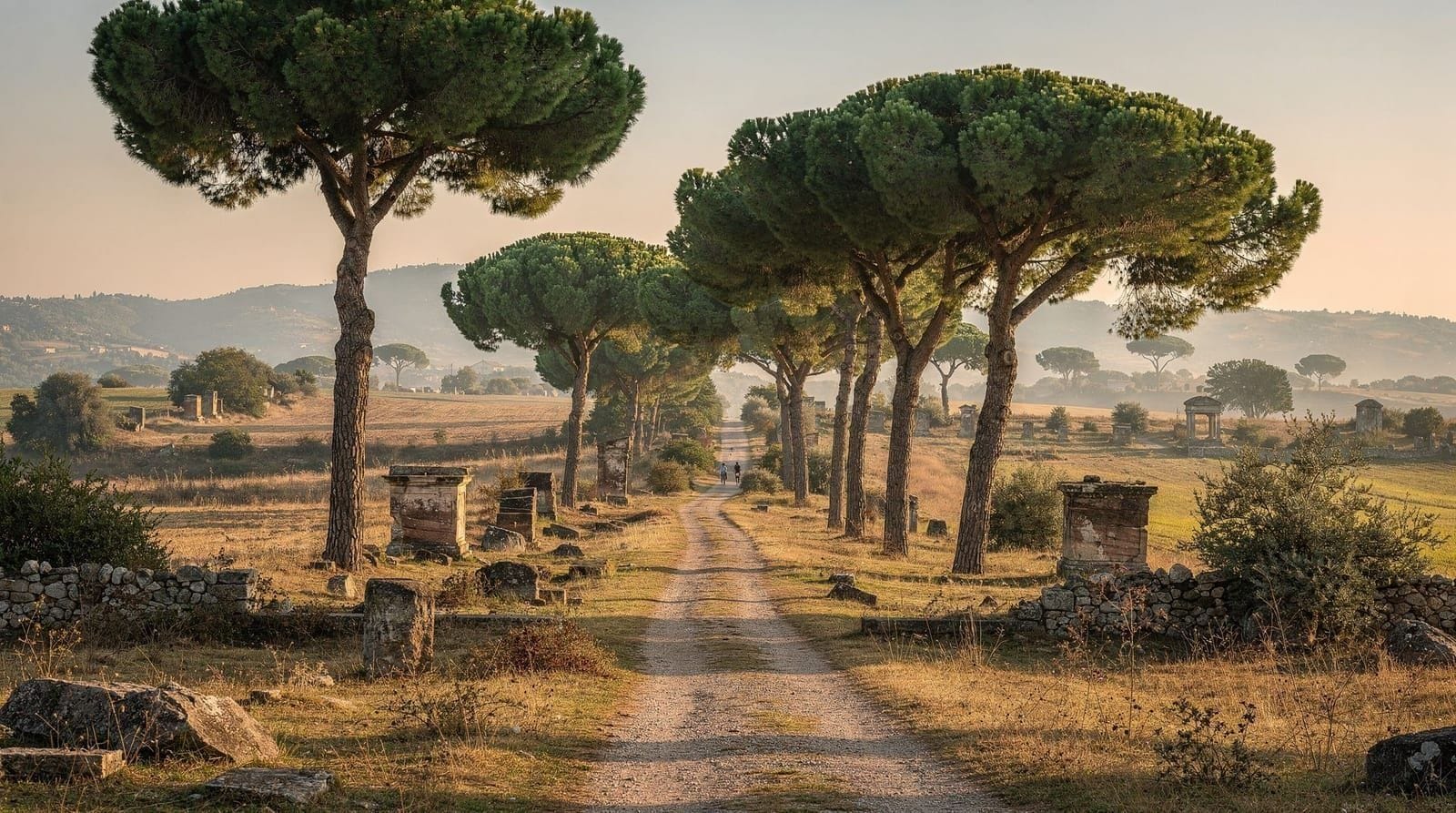
The Romans exploited this fertility from early in their history: Lake Albano has a Roman-era emissary tunnel (dating to 397 BCE) that drained part of the lake to irrigate the plain below — one of the most ambitious hydraulic engineering works of the early Republic, still partially functional today.
Roman and papal history in the Castelli
The combination of fertile land, elevated position, cool summer air, and proximity to Rome made the Castelli the preferred retreat of Rome’s elite for at least 2,000 years.
Julius Caesar had a villa near Bovillae, on the Appian Way at the foot of the Alban Hills.
Emperor Domitian built a substantial summer palace complex on the shores of Lake Albano (85–95 CE) — much of it incorporated into Castel Gandolfo.
Cicero wrote his philosophical works at his Tusculum villa (identified near Frascati) — the word “Tusculan” entered Latin as a synonym for literary and intellectual leisure.
Popes: From the medieval period onwards, the papal court retreated to the Castelli during Rome’s malaria season (roughly July–September). Various towns hosted papal residences. Castel Gandolfo became the primary papal summer residence from the 17th century. In 1870, when Italian unification ended temporal papal power, the Castelli remained accessible to the popes who increasingly defined themselves as “prisoners of the Vatican.” The papal gardens at Castel Gandolfo were the main outdoor space available to the papacy until 1929 when the Lateran Treaty restored some sovereignty.
The DOC wine system: reading a Frascati label
Frascati DOC is one of Italy’s oldest wine denominations. The rules:
Grapes permitted: Malvasia di Candia, Malvasia del Lazio (Malvasia Puntinata), Trebbiano Toscano, Trebbiano Giallo, and up to 30% other authorised white varieties. The best Frascati relies heavily on the native Malvasia Puntinata for aromatic character.
Styles: Frascati Secco (dry), Frascati Amabile (medium-sweet), and Frascati Cannellino (sweet dessert wine, made from late-harvest or dried grapes). The dry style is what most people mean by “Frascati.” The Cannellino is rarely seen outside the production area.
Frascati Superiore DOCG: An elevated denomination (Denominazione di Origine Controllata e Garantita) for wines meeting stricter standards on grape sourcing and yield. Better producers aim for Superiore; it is the version worth seeking out at a cantina.
Producers worth visiting:
- Cantina Principe Pallavicini (Via Casilina, near Colonna): Family estate producing Frascati Superiore from native varieties. Tasting room with views. Open by appointment.
- Cantine San Marco (Via di Vermicino 58, Frascati): A mid-size cooperative using both native varieties and international blends. More accessible for walk-in visits.
- Casale Marchese (Via di Vermicino 68, Frascati): Known for Frascati Superiore and a Malvasia Puntinata single-varietal. Excellent for understanding what the native grape tastes like in isolation.
Ariccia’s porchetta in detail
The distinction that matters: Porchetta di Ariccia IGP is a specific protected product, not a generic Roman street food. The IGP designation (since 2011) requires:
- Whole pig (male or female, minimum 90 kg live weight)
- Seasoned with salt, black pepper, garlic, and fresh or dried herbs (rosemary and/or wild fennel mandatory; sage, basil optional)
- Slow-roasted in a wood-fired oven at 160–190°C for a minimum of 3 hours
- Produced within the Ariccia municipality (and immediately adjacent areas)
The result: crisp crackling (cotica), moist meat, and herbed internal layers. The fat-to-lean ratio is higher than commercial porchetta sold elsewhere. The IGP guarantee means you know what you are getting.
Finding the genuine article: Any food stall in Ariccia selling porchetta is almost certainly selling the genuine article — the local economy runs on it, and the competition keeps quality high. The key quality indicators: the crackling should shatter when pressed, the meat should be visibly moist but not greasy, the rosemary scent should be dominant. A standard panino costs €3–5.
Which Castelli towns fit your time budget
With thirteen towns and limited public transport between most of them, prioritising matters more here than in almost any other Rome day trip.
| Time available | Recommended plan |
|---|---|
| Half day | Frascati only — train access, wine, fraschette, views |
| Full day, no car | Frascati + Castel Gandolfo by bus/taxi between the two |
| Full day, with car | Frascati + Ariccia + Grottaferrata loop |
| Wine-focused day | Guided cantina tour hitting 2–3 producers plus a fraschetta lunch |
| Scenic priority | Nemi and Lake Albano — car strongly recommended given limited bus service |
For comparing the Castelli against Rome’s other classic day trips — Tivoli’s villas and gardens, or the ancient port of Ostia Antica — see best day trips from Rome, the direct Tivoli vs. Ostia comparison, and day trips by train from Rome for what’s realistically reachable without a car. If wine is the priority beyond just Frascati, the Lazio wine guide covers Cesanese and other regional reds worth seeking out alongside the area’s whites, and Rome’s best wine bars is useful if you’d rather sample Castelli wines back in the city instead of travelling out for them.
Frequently asked questions about the Castelli Romani
What are the Castelli Romani?
Thirteen hilltop towns built on the rim of the Alban Hills (extinct volcanic caldera) southeast of Rome. The towns — including Frascati, Castel Gandolfo, Ariccia, Grottaferrata, Nemi, and Albano Laziale — have historically been summer retreats for Roman aristocracy and popes. Today they are primarily known for Frascati DOC wine and Ariccia porchetta.
How do I get to Frascati from Rome?
Direct Trenitalia regional train from Roma Termini, approximately 35 minutes, €3 each way. Trains run hourly (more frequently at peak times). The station is at the base of town; walk or take a bus uphill to the centre.
What is a fraschetta?
A traditional wine tavern serving local Frascati wine by the carafe alongside simple food — bread, porchetta, salumi, cheese. The name derives from the practice of hanging a branch (frasca) outside to signal fresh wine was available. Still common in Frascati and other Castelli towns; often cheap, informal, and excellent.
Is Frascati wine worth drinking?
At source, yes. Frascati DOC is a light, fresh white wine best drunk cold and young. It is not a great wine by international standards but is very good paired with porchetta or pecorino on a hot day where it was produced. Order it at a local fraschetta rather than buying it at home.
Which Castelli towns should I visit?
For a half-day: Frascati (train access, wine, views, fraschette). For a full day: add Ariccia (porchetta, Bernini palace, viaduct) and Grottaferrata (Greek monastery). For wine enthusiasts: guided cantina tour hitting multiple producers. For scenic priority: Lake Nemi from Nemi village (car recommended).
Is October the best time for Castelli Romani?
October is excellent: grape harvest festivals, wine cantinas open for tastings, mild weather. The Sagra dell’Uva in Marino (first Sunday of October, famous for its wine-running fountains) and harvest festivals in Frascati are highlights. Book tables and tours well in advance for October.
Can I visit the Castelli Romani without a car?
Yes, but plan around it — Frascati and Albano Laziale/Castel Gandolfo both have direct trains from Roma Termini, making a Frascati-only or Frascati-plus-Castel Gandolfo day entirely feasible without a car. Reaching Ariccia, Grottaferrata or Nemi without a car means relying on infrequent COTRAL buses or taxis, which is workable but requires patience; see day trips by train from Rome for the realistic public-transport options.
Should I choose the Castelli Romani or Tivoli for a day trip?
They serve different interests — the Castelli are about wine, food and hilltop views, while Tivoli is about Renaissance and ancient Roman gardens (Villa d’Este, Hadrian’s Villa). If food and wine matter more than garden architecture, choose the Castelli; the direct Tivoli vs. Ostia comparison and best day trips from Rome can help decide if you only have time for one.
Top experiences
Bookable activities with verified prices and instant confirmation on GetYourGuide.