Assisi from Rome: St Francis's hill town in a day
From Rome: Assisi and St. Francis Basilica Day Trip
Is Assisi worth a day trip from Rome?
Yes — if you leave early and appreciate Franciscan art and medieval Umbria. The journey takes 2h–2h30 with one change (Roma Termini to Foligno or Perugia, then regional to Assisi). The Basilica of San Francesco alone justifies the trip. Plan to arrive by 10:00 and leave no later than 17:00. An organised tour removes the logistics stress but adds cost.
Why Assisi deserves the journey
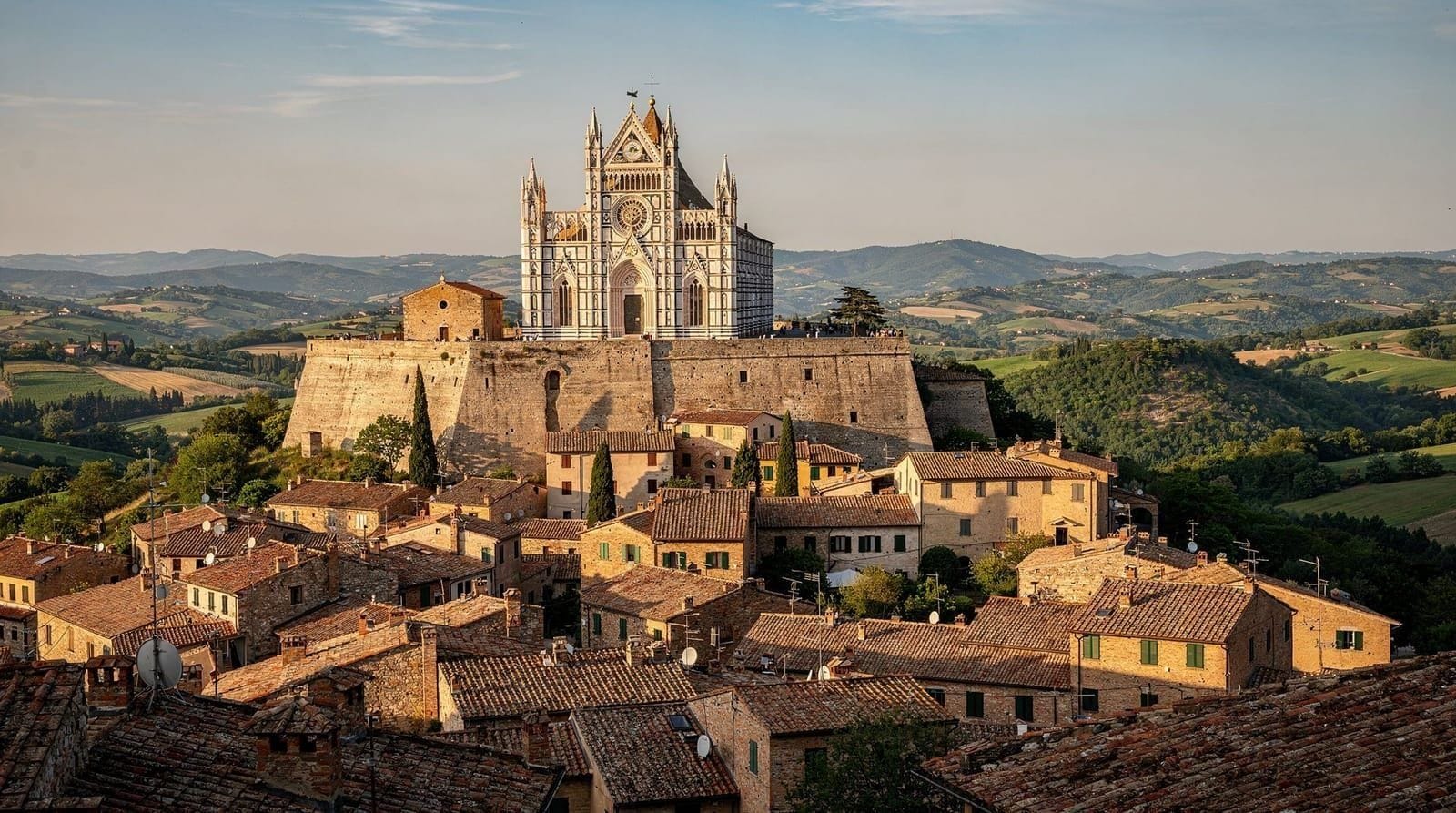
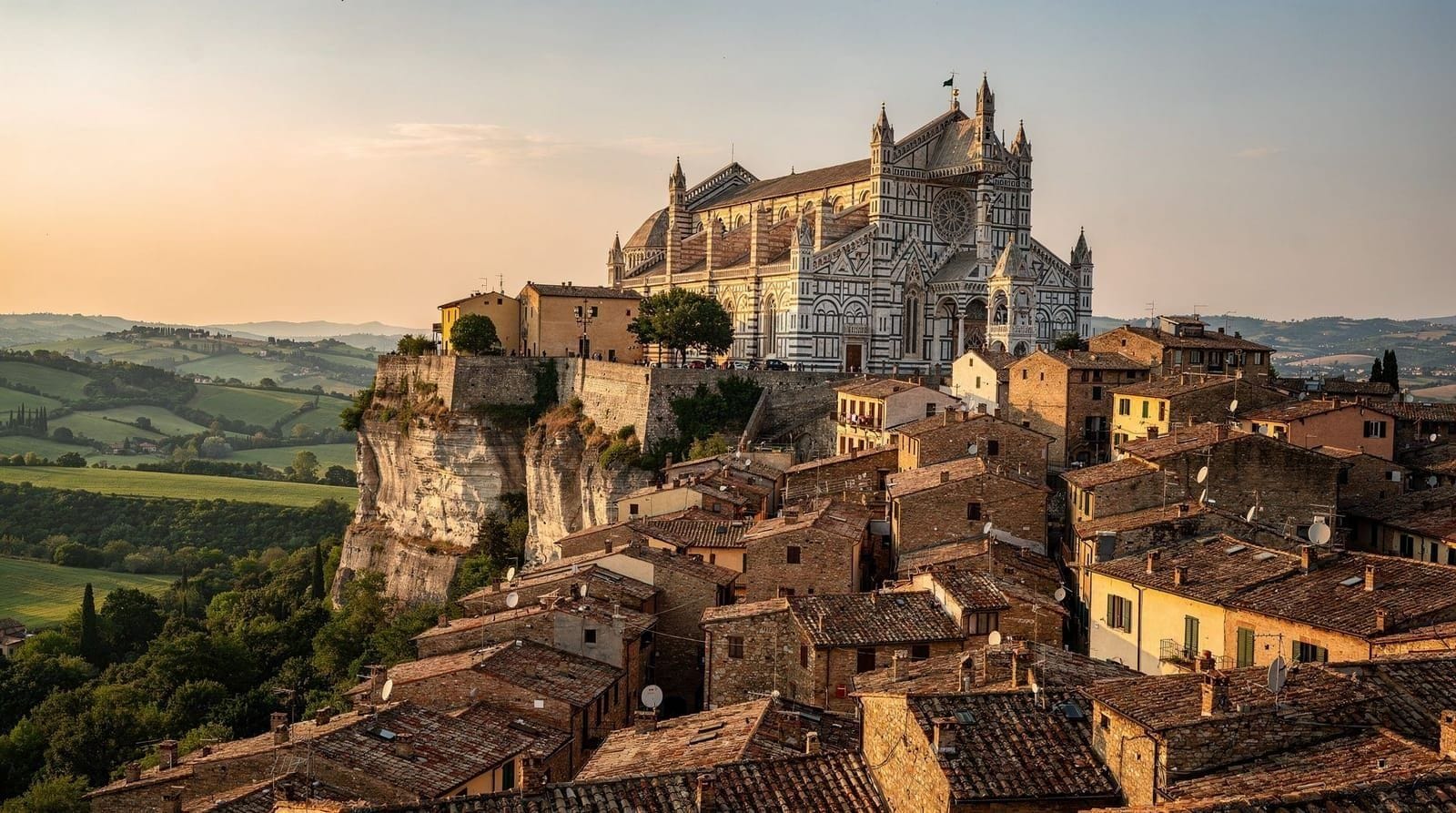
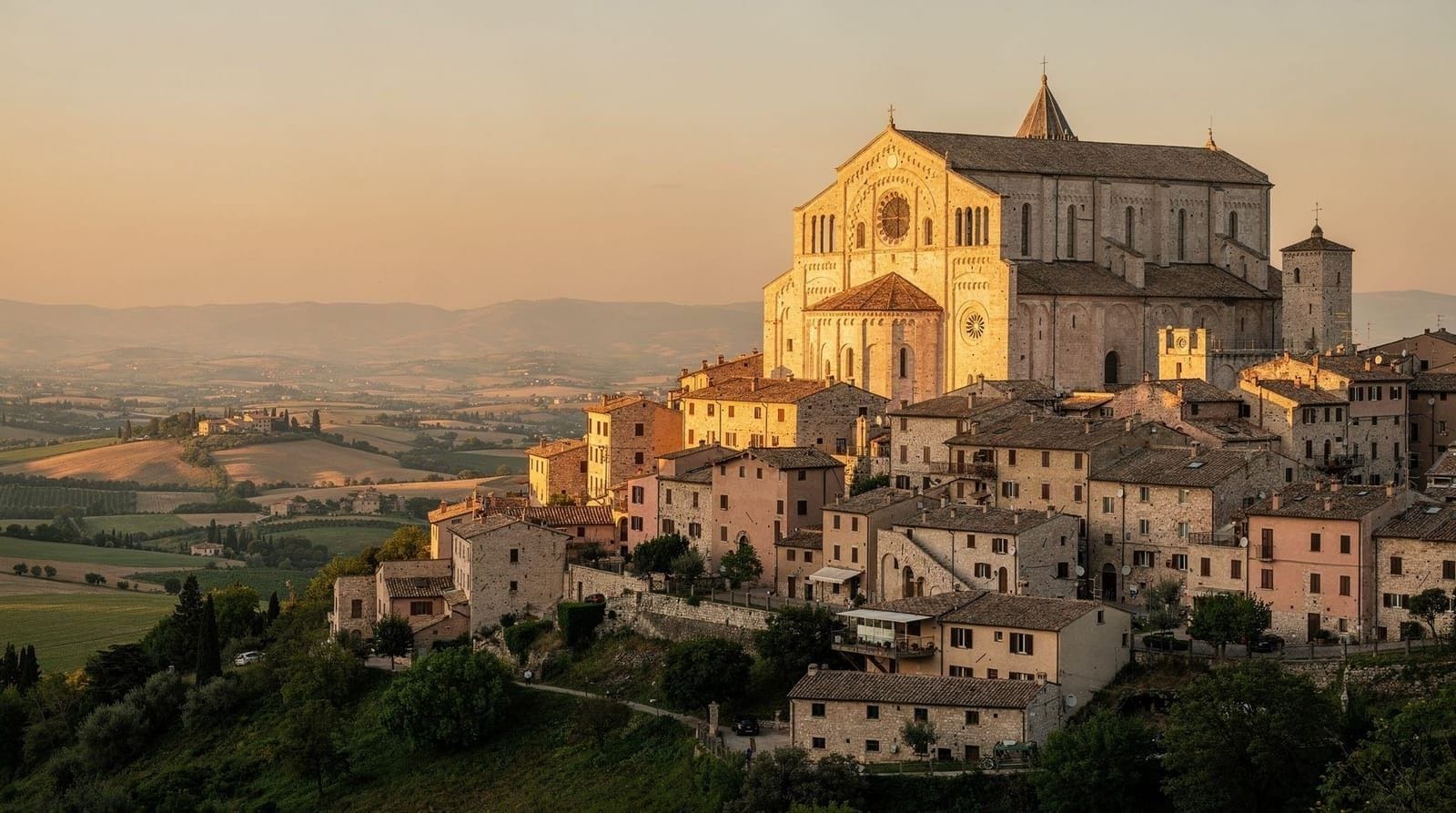
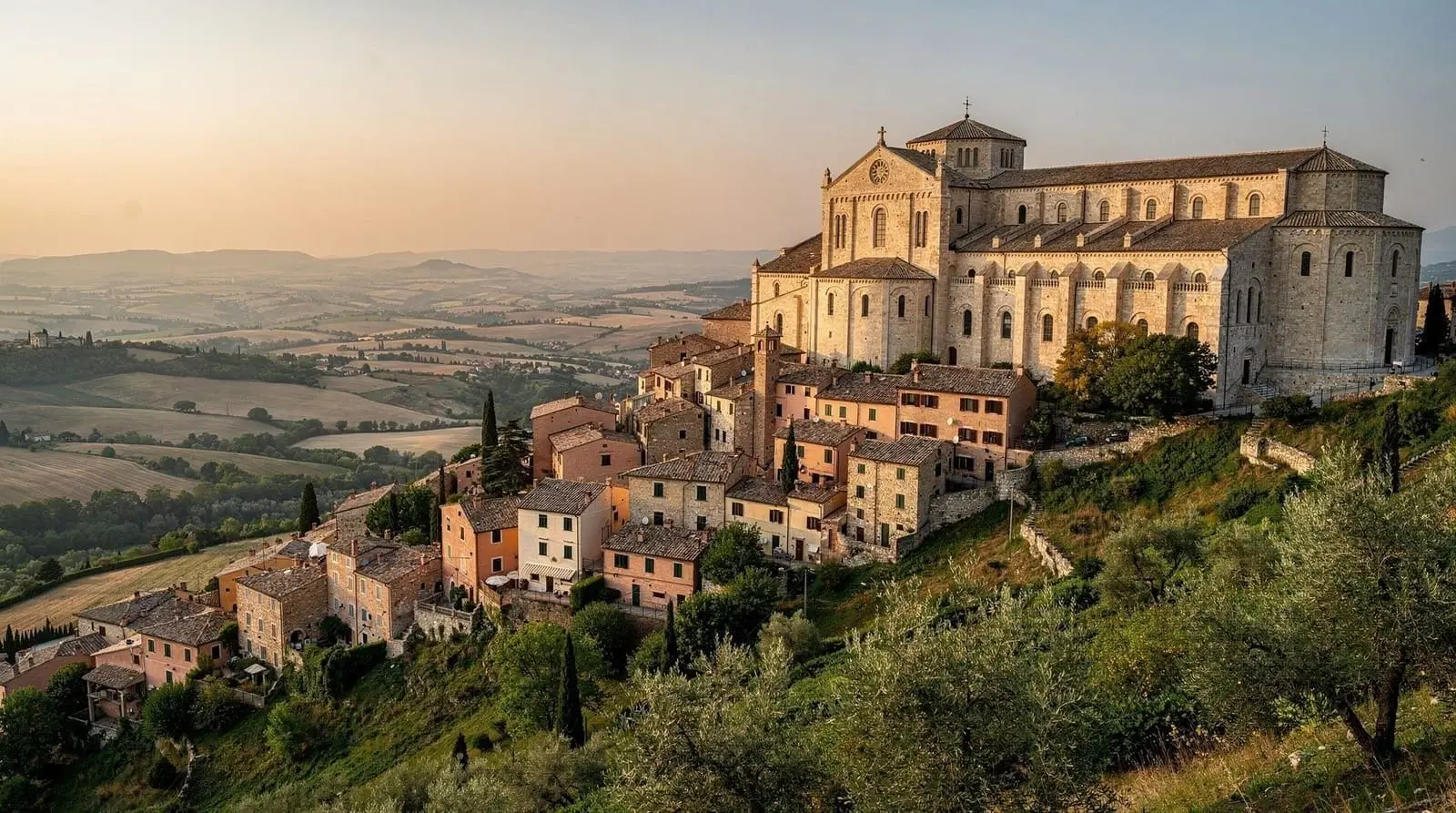
Assisi is not merely a pilgrimage site. It is one of the most beautifully preserved medieval hill towns in Italy — pink-tinged stone streets climbing to a mountain fortress, a sweeping view across the Umbrian plain, and at its heart, one of the most important cycles of medieval fresco painting anywhere in the world.
The Basilica of San Francesco, built over the site of St. Francis’s burial, houses Giotto’s revolutionary narrative frescoes in the upper church. These paintings, completed around 1296–1304, are the point at which Western painting begins its slow turn from Byzantine icon toward Renaissance realism. If you care about art history — even a little — standing beneath them is a different kind of experience than reading about them in a book.
From Rome, Assisi takes 2h–2h30 by train with one change. That is longer than Tivoli (40–60 minutes) or Orvieto (under 90 minutes), but the additional hour is justified by what you find at the other end.
| Where | Assisi, Umbria, hilltop town on the Umbrian plain |
| Travel time | Around 2h–2h30 each way by train, one change |
| Cost | €25–45 return by train, or €60–90 guided tour |
| Time needed | 5–8 hours in town for a satisfying visit |
| Getting there | Roma Termini → Foligno → Assisi (regional) |
| Booking | Trains turn-up-and-go outside peak; book IC seats ahead in summer |
Getting to Assisi from Rome: the train route
The standard route from Rome to Assisi by train:
Roma Termini → Foligno (IC or regional, approximately 1h45) then a short change onto the regional line to Assisi (approximately 20 minutes). The Assisi station (Santa Maria degli Angeli) is in the valley below the town — you will need to take a local bus (line C, approximately 15 minutes, €1.30) or a taxi (€8–12) up the hill to the historic centre.
Alternatively, some travellers route via Roma Termini → Terontola-Cortona → Perugia → Assisi, a slower option that adds variety but increases journey time to 3h+. Not recommended for a day trip.
The earliest Trenitalia departures from Termini for this route leave around 06:30–07:00, putting you in Assisi by 09:00–09:30 — which gives a comfortable 7–8 hours in the town before an early evening return.
Ticket cost: €12–22 one way depending on service type (IC vs regional) and booking window. No high-speed train serves Assisi directly — do not look for Frecciarossa connections.
Return logistics: Trains back to Rome run until early evening. The last convenient connection is typically around 17:30–18:00 from Assisi station, arriving at Termini around 20:00–20:30. Check trenitalia.com for exact schedules.
Getting to Assisi with an organised tour
The alternative to independent train travel is an organised day trip from Rome. These tours typically depart by minibus or coach from a Rome meeting point at 07:30–08:00, include a local guide in Assisi, and return to Rome by 19:30–20:00. Prices range from €60–90 per person depending on group size and inclusions.
The case for a tour: the logistics (train changes, bus from station to town, orientation in the historic centre) are handled for you; and a knowledgeable guide at the Basilica transforms what you understand about the frescoes. The case against: you lose flexibility over timing and pace. If you enjoy independent travel and have experience navigating Italian trains, the DIY option is more rewarding and substantially cheaper.
Guided day trip from Rome to Assisi with a local expert at the Basilica of San Francesco — transport and commentary included.What to see in Assisi: the essential list
Basilica of San Francesco (mandatory)
The twin basilica — lower church (mid-13th century) and upper church (1228–1253) — is the entire reason most visitors make this journey. Set aside at least 90 minutes here.
Lower church: Dark, atmospheric, Byzantine in feeling. Frescoes by Simone Martini and Pietro Lorenzetti line the walls. The tomb of St. Francis is in the crypt below — simple, stone, and genuinely moving regardless of religious affiliation. The space rewards slow looking.
Upper church: The light floods in. Giotto’s 28-scene cycle along the nave walls tells the life of St. Francis from birth to canonisation. Each scene is a discrete composition with architectural staging, individualised human figures, and proto-realistic spatial depth — revolutionary for their time. The Isaac Master frescoes in the apse predate Giotto’s cycle and show what the previous generation of painting looked like: the contrast between them and Giotto’s innovation is visible in the same building.
Admission to the Basilica is free. Audio guides are available on-site (€5). Opening hours are approximately 08:30–19:00 in summer, closing earlier in winter.
Rocca Maggiore
The fortress above the town dates in its current form largely to 1365 and offers the best panoramic views over the Umbrian plain — on a clear day you can see to Perugia, Spello, and across to the Apennines. The climb from the Basilica takes about 20 minutes on foot. Entry €5.50 adult. Worth the effort if the weather is clear.
Basilica di Santa Chiara
The Gothic church of St. Clare (d. 1253), founder of the Order of Poor Ladies (Clarissines), contains the famous Byzantine crucifix that is said to have spoken to St. Francis (“Francis, go and repair my church”). The church interior is austere and peaceful, with good 14th-century frescoes. Free entry.
Via San Francesco and the medieval centre
The main street between the Basilica and the central Piazza del Comune is lined with medieval buildings, small shops, and a succession of decent trattorias. The Oratorio dei Pellegrini (15th-century, frescoed interior) is a worthwhile 10-minute detour. The Piazza del Comune itself has the Roman Temple of Minerva (now a church), one of the best-preserved Roman temple facades in Italy — incongruous and excellent.
The Assisi itinerary: how to structure a day trip
08:30 — Arrive Assisi. Take bus or taxi to historic centre.
09:00 — Basilica di San Francesco. Lower church and crypt first (45 minutes). Upper church (45–60 minutes). Leave before the midday pilgrimage and school group rush.
10:45 — Walk via Via San Francesco to Piazza del Comune. Coffee at Bar Sensi or any bar in the square.
11:15 — Rocca Maggiore (if weather is clear and you have energy — 20-minute walk up, good views).
12:30 — Lunch in the centro storico. Trattoria da Erminio (Via Montecavallo 19) for hearty Umbrian food; Osteria della Piazzetta (Via Patrono d’Italia 35) for something slightly lighter.
14:00 — Basilica di Santa Chiara (30 minutes) and Oratorio dei Pellegrini.
15:00 — Free time in the medieval lanes, gelato, and shopping for local Umbrian goods (truffle paste, Perugina chocolates, ceramics).
16:30 — Walk or taxi down to Santa Maria degli Angeli station.
17:00–17:30 — Train back toward Rome (check exact schedule on trenitalia.com).
Train vs tour: the honest comparison
By train independently: Cost approximately €25–45 return (€12–22 each way). Total day budget around €60–80 including entry fees, lunch, and incidentals. Requires navigating two train changes and a bus or taxi up the hill. Suitable for confident independent travellers.
Organised tour: Cost approximately €60–90 per person inclusive. Adds expert local context at the Basilica, removes logistics stress. Less flexible on timing and pace.
The honest verdict: For first-time visitors to Umbria who are not regular Italian train travellers, a guided tour adds genuine value — particularly for understanding the frescoes. For anyone who has navigated Italian regional trains before, the independent route is perfectly manageable and gives you the freedom to linger longer at the Basilica.
Assisi and Orvieto combined day trip from Rome — two Umbrian destinations in a single guided day.Assisi combined with Orvieto
Many tour operators combine Assisi and Orvieto in a single day from Rome. This is feasible — Orvieto is approximately 90 minutes by road from Assisi, and the combination gives you a morning in one Umbrian hilltop town and an afternoon in another.
The downside: you get 2–3 hours at each location instead of 5–6 at one. If Assisi is primarily about the Basilica and Giotto’s frescoes, 2–3 hours is enough to cover it. If you want to explore the medieval lanes, visit the fortress, and eat a proper lunch, 2 hours feels rushed.
Our recommendation: If you have only one day for Umbria, choose either Assisi or Orvieto, not both. If you have a car (or book a private tour), the combination works well at a more leisurely pace. See our Orvieto from Rome guide for comparison, and the Civita di Bagnoregio day trip guide if you are considering a third Umbria/Lazio hill town option instead.
How Assisi compares to Rome’s other day trips
If you are still deciding between Umbria and other regions, it helps to see Assisi against the alternatives directly. Naples and Florence are both reachable in under 1h30 by high-speed train and offer a completely different, more urban day. Viterbo and the Tuscia is closer than Assisi and gives a similar medieval-hill-town flavour with a shorter journey, though without a monument as significant as the Basilica of San Francesco. Our train vs tour day trips guide has the general framework for deciding between DIY and guided options across all of Rome’s day trips, and the day trips with Rome plan overview helps you slot Assisi into a longer itinerary alongside other excursions.
Combining the Assisi and Orvieto tour with a full-day option
For those who want the full Umbria experience in one day and prefer organised logistics:
Full-day tour from Rome covering Assisi and Orvieto — guided visits to the Basilica of San Francesco and Orvieto Cathedral included.Practical details for 2026
Best months: April, May, September, and October. June and July are warm but busy. August is very busy and hot (though Assisi’s elevation keeps it 3–4°C cooler than Rome). The Feast of St. Francis (4 October) draws large pilgrimage crowds — extraordinary atmosphere, but accommodation books out far in advance.
Trains: Book on trenitalia.com. For the Rome–Foligno intercity service, seats are assigned and booking in advance is recommended in peak season. Regional trains (Foligno–Assisi) are turn-up-and-go.
Assisi station to town: Local bus line C runs approximately every 30 minutes. Taxis are available outside the station. There is no automatic assumption of English at the station — have your destination written down.
Cash: Assisi is a small town — carry cash for buses, smaller cafes, and the Rocca Maggiore entry. Most restaurants accept cards.
Walking: The town is hilly. The main drag from the Basilica up to the Rocca involves significant elevation change. Good walking shoes are necessary; high heels are not appropriate.
What to bring home
Assisi’s shops sell genuine Umbrian products rather than generic Rome souvenirs: local truffle products (paste, oil, honey with truffle shavings), Perugina chocolate (Perugia is 25 minutes away and the brand is an Umbrian institution), olive oil from the surrounding hills, and hand-painted ceramics in the Umbrian majolica style — deeper blues and greens than the more famous Deruta ware, though Deruta pieces are also widely sold here. Prices in Assisi’s shops are noticeably fairer than equivalent souvenirs near Rome’s major monuments; this is one of the better places on a Rome-based itinerary to actually buy something rather than just look.
If mobility is a concern
Assisi is built on a steep hillside, and the historic centre involves sustained inclines between the Basilica, Piazza del Comune and the Rocca Maggiore — there is no flat route through the town. Wheelchair users and anyone with significant mobility limitations should expect to see the Basilica of San Francesco (which has step-free access at the main entrances) and treat the Rocca climb and the steepest lanes as optional rather than core. A taxi from the station directly to the Basilica, rather than the bus plus a walk, removes one variable from an already demanding day.
For the wider picture of day trips from Rome — including how Assisi compares to Orvieto, Naples, and the Amalfi Coast — see our best day trips from Rome guide and our day trips by train from Rome overview.
Frequently asked questions about Assisi from Rome: St Francis's hill town in a day
How do I get from Rome to Assisi by train?
Is Assisi easy to visit without a guided tour?
Can I combine Assisi and Orvieto in one day?
How long should I spend in Assisi?
What is the dress code at the Basilica of San Francesco?
Is Assisi busy in summer?
What should I eat in Assisi?
Is there a GYG tour that goes directly to Assisi from Rome?
Top experiences
Bookable activities with verified prices and instant confirmation on GetYourGuide.