Rome cooking classes: pasta, pizza and gelato workshops compared
Rome: City Center Fettuccine Pasta Cooking Class
What is the best cooking class in Rome?
The best value for most visitors is a 3–4 hour pasta class that teaches two shapes (fettuccine plus a stuffed pasta like ravioli), includes wine and ends with eating what you've made. Budget €65–85/person. Pizza classes are a more straightforward skill to acquire and are slightly cheaper. Gelato classes are shorter (1.5–2 hours), cheaper (€35–55) and teach less. The best operators run small groups (8–12 people) in professional kitchens near the historic centre.
Why take a cooking class in Rome
The argument for a cooking class over a restaurant meal isn’t about food quality — a very good Roman trattoria will produce pasta you couldn’t beat at home. The argument is skill transfer. The 90 minutes you spend learning how to make egg pasta dough, roll it to the right thickness and shape fettuccine is the only 90 minutes in which you can acquire the physical memory that lets you do it again at home.
Rome is a particularly good place to do this because the Roman pasta tradition is among the most technically interesting in Italian cooking — the emulsion in cacio e pepe, the timing in carbonara, the right fat ratio in amatriciana. These are not things you can learn from a recipe. They require someone who knows the technique to show you in real time, correct your errors and explain what the dough or sauce should feel like at each stage.
This guide compares the main formats available — pasta, pizza, gelato and combinations — so you can book what matches your objective.
| Typical duration | 2.5–4 hours (pasta/pizza); 1.5–2 hours (gelato) |
| Cost | €55–110 per person depending on format and group size |
| Best value | 3–4 hour pasta class, two shapes plus a Roman sauce |
| Booking | At least a week ahead; 2–3 weeks in peak season |
| Group size | 6–15 typical; private classes from €130–180/person |
Pasta cooking classes
Pasta classes are the most common format and, done well, the most satisfying. A serious class covers making the dough, resting it, rolling (by hand or pasta machine), shaping and saucing. The best classes cover at least two pasta shapes.
What to look for in a pasta class
Two shapes minimum: A class that only teaches fettuccine is teaching you one of the simplest cuts. A class that adds ravioli (requiring you to make a filling, fill and seal the pasta) or a different cut (gnocchi, pici) adds meaningfully to the skill set.
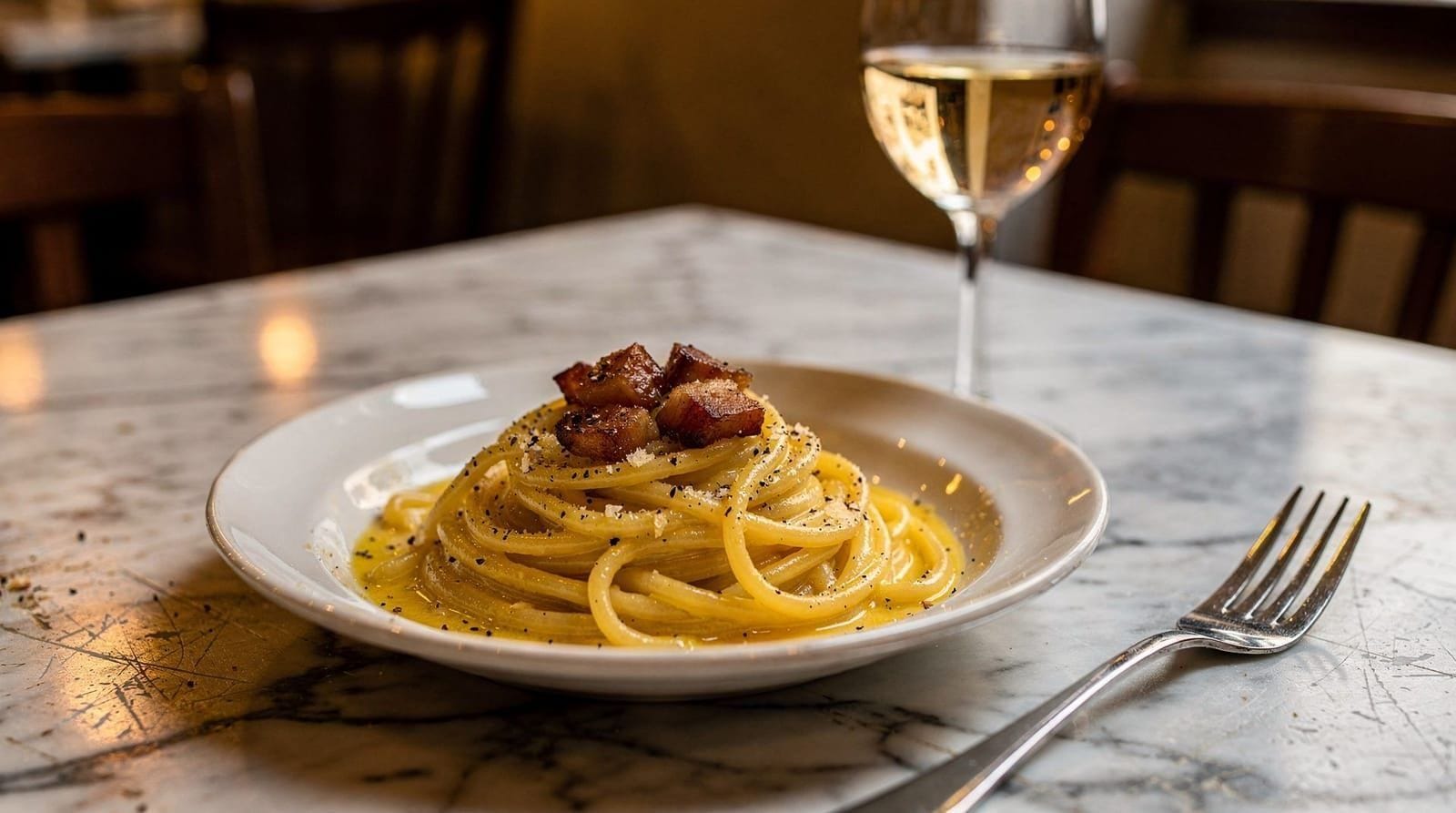
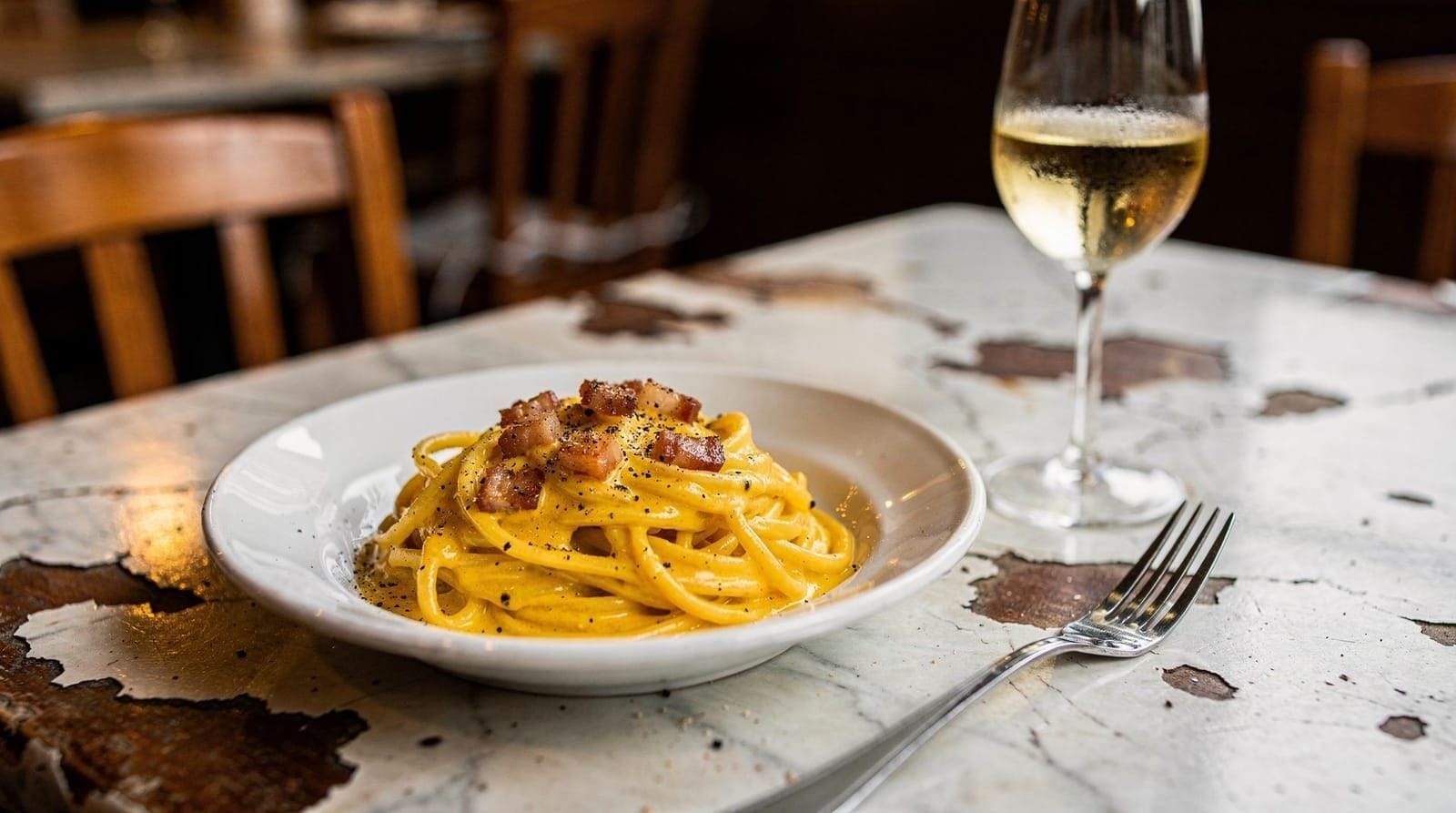
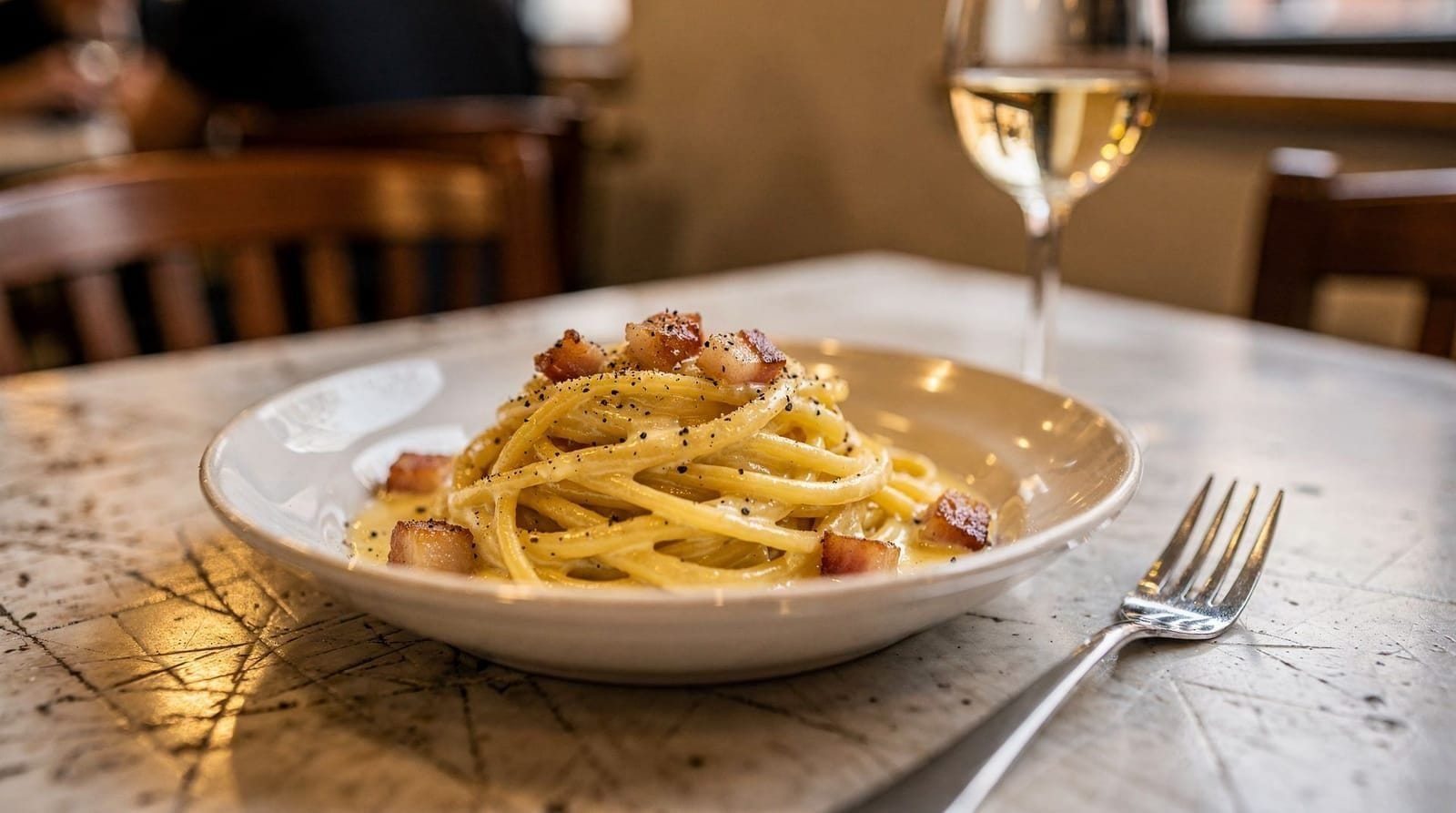
Sauce technique included: Making pasta and then being handed a pre-made sauce is a partial class. Look for classes that show you how to make at least one classic Roman sauce — ideally carbonara or cacio e pepe, which require technique (temperature control, emulsification) rather than just combining ingredients.
Working kitchen, not demonstration: Some classes are more watching than doing. Look for reviews that confirm every participant made their own dough, not one batch shared among eight people.
Wine included: A three-hour class that produces a full meal you eat at the end is better experienced with wine. Check whether wine is included or sold separately.
The city centre fettuccine pasta cooking class runs 3 hours in a professional kitchen near the historic centre. Small group format, hands-on for each participant, includes fettuccine from scratch and a Roman sauce. Well-rated with consistent reviews on technique instruction.The fettuccine-ravioli-tiramisu combination
One of the best-value formats: a single class that covers fresh pasta dough (fettuccine), a stuffed pasta (ravioli with a classic filling), and tiramisu as the dessert course. This 3-in-1 structure gives you both pasta technique and dessert technique, which travel well together — both are skills you’ll use at home.
The 3-in-1 fettuccine, ravioli and tiramisu class is one of the more comprehensive single-session cooking classes in Rome — covering two pasta shapes and the dessert, with wine during the meal.Fresh pasta with chef and wine
If you want more individual attention and a higher-end setting, some classes are structured as small masterclasses (4–6 people) with a working chef as the instructor. These run at a premium price (€85–110/person) but the technique instruction is more personalised.
The fresh pasta-making class with Italian chef and wine is a smaller-group option with professional chef instruction — the right choice if you want more intensive technique coverage and can justify the higher per-person cost.Pasta and tiramisu by the Vatican
An option worth knowing for visitors staying in the Prati or Vatican area: a pasta class near the Vatican with good access from the metro (Ottaviano station, Line A), which eliminates a cross-city commute to a central kitchen.
The pasta and tiramisu class near the Vatican is convenient for Vatican-area visitors and covers fresh pasta and dessert in a single session with wine — well-rated for instruction quality and group size.Pizza cooking classes
Pizza is a different skill set from pasta. Roman-style pizza (thin, crispy, baked in a wood-fired or very hot electric oven) requires:
- Getting the dough hydration right
- Proper gluten development (mixing time)
- Understanding fermentation (most home bakers underferment)
- Managing a high-heat oven
Pizza classes are generally shorter than pasta classes (2.5–3.5 hours) and slightly cheaper. They’re a good choice if pizza is what you actually cook at home.
Roman vs Neapolitan pizza in a class context
Most Rome cooking classes teach Roman-style pizza (thin, flat, crispy). Some teach Neapolitan-style (thicker, softer, higher crust). The techniques are different. If you want to make the kind of pizza you see at Pizzarium or in Roman pizzerie al taglio, a Roman-style class is the right one. If you’re interested in making pizza at home in a standard oven, the Roman style is more achievable without a commercial oven.
The traditional pizza cooking class near Piazza Navona teaches Roman-style pizza in a central kitchen — straightforward format, good location for visitors staying near Campo de’ Fiori or Navona.The pizza-and-pasta combination
The most common format is a combined pizza and pasta class (4–4.5 hours), which covers both doughs, both techniques and produces a full meal. This is the right choice if you want maximum skill coverage in one session, and good value since the time per euro is high.
The combo pizza and pasta cooking class with wine runs 4 hours, covers both Roman pasta shapes and Roman-style pizza, and includes wine throughout. The best single-session option for covering the most Roman kitchen ground.Gelato workshops
Gelato classes are a different category — shorter (1.5–2 hours), cheaper (€35–55/person) and focused on a single product. You typically learn:
- The difference between artisanal gelato and commercial ice cream (fat content, air incorporation, temperature)
- How to make a base (milk/cream/egg vs sorbet base)
- Flavoring and churning
- How to taste for balance
The skill transfer is moderate — making gelato at home requires an ice cream machine, which most households don’t have. The value of a gelato class is more in the understanding of what good gelato is and how to identify it, rather than a replicable at-home skill.
Gelato workshops are best as a shorter activity for food-curious visitors who want insight into the product without committing to a full cooking class day.
The pasta workshop + dinner format
A variant worth mentioning: some operators run classes that flow directly into dinner, where you eat what you’ve cooked in a more formal dining room setting with additional courses. These run 4–5 hours and cost €85–110/person — effectively a cooking class plus a restaurant experience. They work well for groups or special occasions.
Comparing the formats: a practical summary
| Format | Duration | Price range | Skills gained | Best for |
|---|---|---|---|---|
| Pasta (1 shape) | 2.5 hours | €55–70 | Basic pasta dough + shaping | Short on time |
| Pasta (2 shapes + sauce) | 3–4 hours | €65–85 | Pasta + sauce technique | Most visitors |
| Pasta + tiramisu | 3 hours | €70–85 | Pasta + dessert | Want skills to take home |
| Pizza | 2.5–3 hours | €55–75 | Pizza dough + technique | Pizza-focused |
| Pizza + pasta combined | 4 hours | €75–95 | Broadest skill set | Maximum coverage |
| Gelato workshop | 1.5–2 hours | €35–55 | Gelato knowledge | Shorter activity |
| Chef masterclass | 3–4 hours | €85–110 | More personal instruction | Serious learners |
What you’ll actually learn and remember
The lasting value of a cooking class depends on how much physical practice it includes versus demonstration. There’s a simple test: after the class, can you reproduce what you learned? If yes, the class did its job. If your primary memory is watching a chef, it was a cooking show, not a class.
For pasta specifically, the critical physical skills are:
Making the dough: The feel of properly developed pasta dough is not something you can describe; you have to experience it. Properly worked dough is smooth, slightly tacky but not sticky, elastic but pliable. Under-worked dough tears when rolled. Over-worked dough is too elastic and springs back. A 10-minute hand-kneading session leaves a physical memory you can replicate at home.
Rolling to the right thickness: Too thick and the pasta is chewy and heavy. Too thin and it tears during shaping or dissolves in the water. The right thickness for fettuccine (about 1–2mm) feels different from the right thickness for ravioli (slightly thicker to contain the filling). A class that uses only a pasta machine (rather than also practicing with a rolling pin) produces a slightly more limited skill transfer.
The sauce emulsion: Making carbonara at home and watching it scramble is the most common failure. The physical skill is keeping the pan off direct heat while adding the egg-cheese mixture and understanding what the sauce looks like at each stage. You can only learn this by doing it, making the mistake once (or almost making it), and course-correcting with guidance.
Tiramisu timing: Less technical than pasta, but making tiramisu and then eating it 15 minutes later (as most classes do) is not ideal — tiramisu needs to set overnight. The class experience is valuable for learning the technique; the eating-the-tiramisu-you-made aspect is slightly theatre.
Choosing between group and private classes
Most Rome cooking classes operate in groups of 6–15 people. Private classes (just you and your party, with the instructor) are available from most operators at a significant premium — typically €130–180/person for a private pasta class versus €65–85 for a group session.
Private classes are worth considering if:
- Your group has specific dietary restrictions that would disrupt a shared class
- You want significantly more one-on-one instruction time
- You’re celebrating a special occasion
Group classes are fine for most visitors. The learning is social, the price is reasonable and the mistake-correction happens organically as the instructor works through the group.
Booking tips
Book at least a week ahead for popular sessions. Morning slots (10:00–11:00 start) fill faster than afternoon slots. If you’re visiting during peak season (April to June, September to October), book 2–3 weeks in advance.
Check the meeting point carefully. Rome cooking classes often meet at a different address from the kitchen — sometimes at a landmark near Campo de’ Fiori or Navona, then walk to the kitchen together. The exact meeting point is in your booking confirmation.
Communicate dietary restrictions in advance. Most operators are accommodating with advance notice. A last-minute “I don’t eat eggs” at a pasta class creates problems — the class is built around egg pasta. Email ahead.
What to wear: Aprons are provided but you’ll be working with flour. Avoid white or precious clothing. Comfortable, closed-toe shoes are standard advice for kitchen environments.
Cooking classes for families and non-cooks
Not every cooking class format suits every traveller, and being clear about this avoids a disappointing booking.
With children: Pizza classes generally work better than pasta for families — the dough handling is more forgiving of small hands, the outcome is immediately recognisable and satisfying, and the wood-fired oven element holds children’s attention in a way that rolling pasta dough does not. Look specifically for operators who advertise family-friendly or kid-suitable sessions, since some kitchens are set up for adult-paced instruction only. Gelato workshops are also a reliably good choice for families given the shorter duration and lower stakes.
For a partner who “doesn’t cook”: A shared pasta or pizza class is a genuinely good couple’s activity precisely because it does not require existing skill — the instructor manages everyone at the same starting point. For a date-oriented version of this, see the romantic Rome guide, which covers cooking classes alongside other couple-focused experiences.
For solo travellers: Group classes of 8–15 people are a natural way to meet other travellers over a shared task, and solo bookings are common and unremarkable — you will not be seated apart from the group or charged a premium for booking alone.
What cooking classes don’t replace
A cooking class teaches you technique in a professional kitchen with good ingredients. It doesn’t teach you to navigate Rome’s food scene independently — for that, you need the Trastevere food guide and Testaccio food guide. It doesn’t tell you which Roman restaurants to trust — the where to eat in Rome guide covers that ground.
For understanding the four Roman pastas before you make them, the five Roman pastas guide is the right preparation. For the cacio e pepe and carbonara techniques in detail, the carbonara and cacio e pepe guide covers the principles you’ll execute in class.
If you prefer eating to cooking, the Rome food tours compared guide covers the guided tasting tour options that put you in front of Rome’s best food without requiring you to make it yourself.
Frequently asked questions about Rome cooking classes: pasta, pizza and gelato workshops compared
How long does a typical Rome cooking class last?
What is the right cooking class for someone who has never made fresh pasta?
Do Rome cooking classes include wine?
Can I do a cooking class in Rome with dietary restrictions?
Where are Rome cooking classes typically held?
Is a cooking class better than a food tour in Rome?
What should I expect to make in a Rome pasta cooking class?
Top experiences
Bookable activities with verified prices and instant confirmation on GetYourGuide.