Best time to visit the Vatican — crowds, weather, and when to book
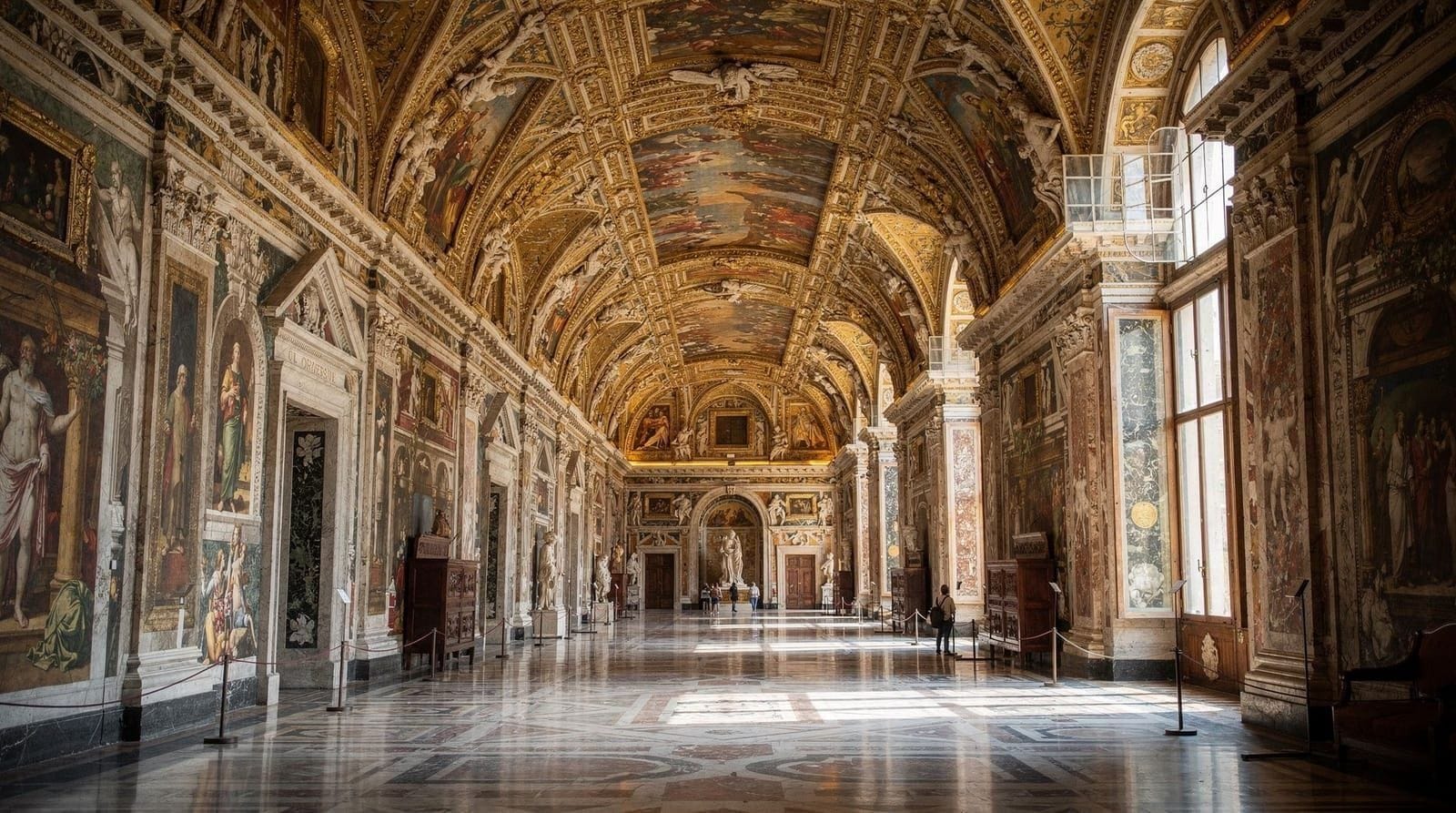
Rome: Early-Entry Vatican Museums & Sistine Chapel Tour
When is the best time to visit the Vatican?
The best months are April (excluding Easter week), May, late September, and October — good weather, manageable crowds, and reasonable prices. For the Sistine Chapel without crowds, book an early-morning tour (07:30–08:00) regardless of season. Avoid July and August middays (35°C+ heat, maximum crowds); avoid last Sunday of the month (free entry means extreme queues).
The two factors that determine your Vatican experience
Two variables shape how pleasant a Vatican visit is: weather (temperature and rain risk) and crowds (queue length, museum density, Sistine Chapel capacity).
These two factors do not move together. The best weather (July–August) coincides with the worst crowds and the most extreme heat. The lowest crowds (January–February) come with cold temperatures and limited daylight. The genuinely good windows are the shoulder months: April–May and late September–October.
The second factor — time of day — is actually more impactful than month of year. An 08:00 entry in August is a better experience than an 11:00 entry in October. This guide breaks down both dimensions.
| Best months | April (post-Easter), May, late September, October |
| Best entry time | 07:30–08:00, any season |
| Avoid | Last Sunday of the month, Easter week, July–August middays |
| Booking window | 3–6 weeks peak season, 1–2 weeks shoulder |
| Best base for early entry | Prati (10 min walk) or Trastevere (20 min) |
Month-by-month Vatican conditions
January
Weather: 8–12°C, some rain, short days (sunset ~17:00) Crowds: Lowest of the year — many days the Museums feel spacious Ticket availability: Easy; same-week booking possible Verdict: Quiet, cold, atmospheric. Good choice if you handle cool weather. Hotel prices in Vatican/Prati area are significantly lower.
February
Weather: 10–14°C, variable rain, gradually improving light Crowds: Very low; some uptick in school groups mid-month Ticket availability: Easy Verdict: Similar to January. Rome has a genuine charm in late February — sparse tourist crowds, golden winter light in the afternoon.
March
Weather: 14–18°C, spring beginning to arrive, some rain Crowds: Building from mid-month; can spike around school breaks Ticket availability: 1–2 weeks ahead usually sufficient Verdict: Good value and increasingly pleasant weather. Easter (falling in April in 2026) means the last week of March can be a preview of Easter crowds if Holy Week starts early.
April
Weather: 17–22°C, generally excellent, some showers Crowds: Very high around Easter (5 April 2026); manageable otherwise Ticket availability: Book 4–6 weeks ahead, especially post-Easter Verdict: Pre-Easter (before 3 April 2026) is excellent. Easter week itself is the Vatican’s absolute peak — queues, crowds, and hotel prices at maximum. Post-Easter (late April) is a sweet spot: spring flowers, good weather, crowds easing from the Easter spike.
May
Weather: 22–26°C, warm and stable — arguably the best weather month Crowds: High but not extreme; generally the busiest “nice” month Ticket availability: Book 3–4 weeks ahead Verdict: The classic best month for first-time Rome and Vatican visitors. Weather is consistently pleasant, the Vatican Gardens are at their peak bloom, and the days are long (sunset ~20:30). Expect to pay peak accommodation prices.
June
Weather: 27–31°C, heat building, very long days Crowds: High and building toward summer peak Ticket availability: Book 3–4 weeks ahead; early-morning tours sell out fastest Verdict: Early June (1–15) is still acceptable. Late June is getting genuinely hot (28–32°C by 10:00) and the evening twilight is beautiful but the midday Vatican visit becomes an endurance exercise. Early morning is essential.
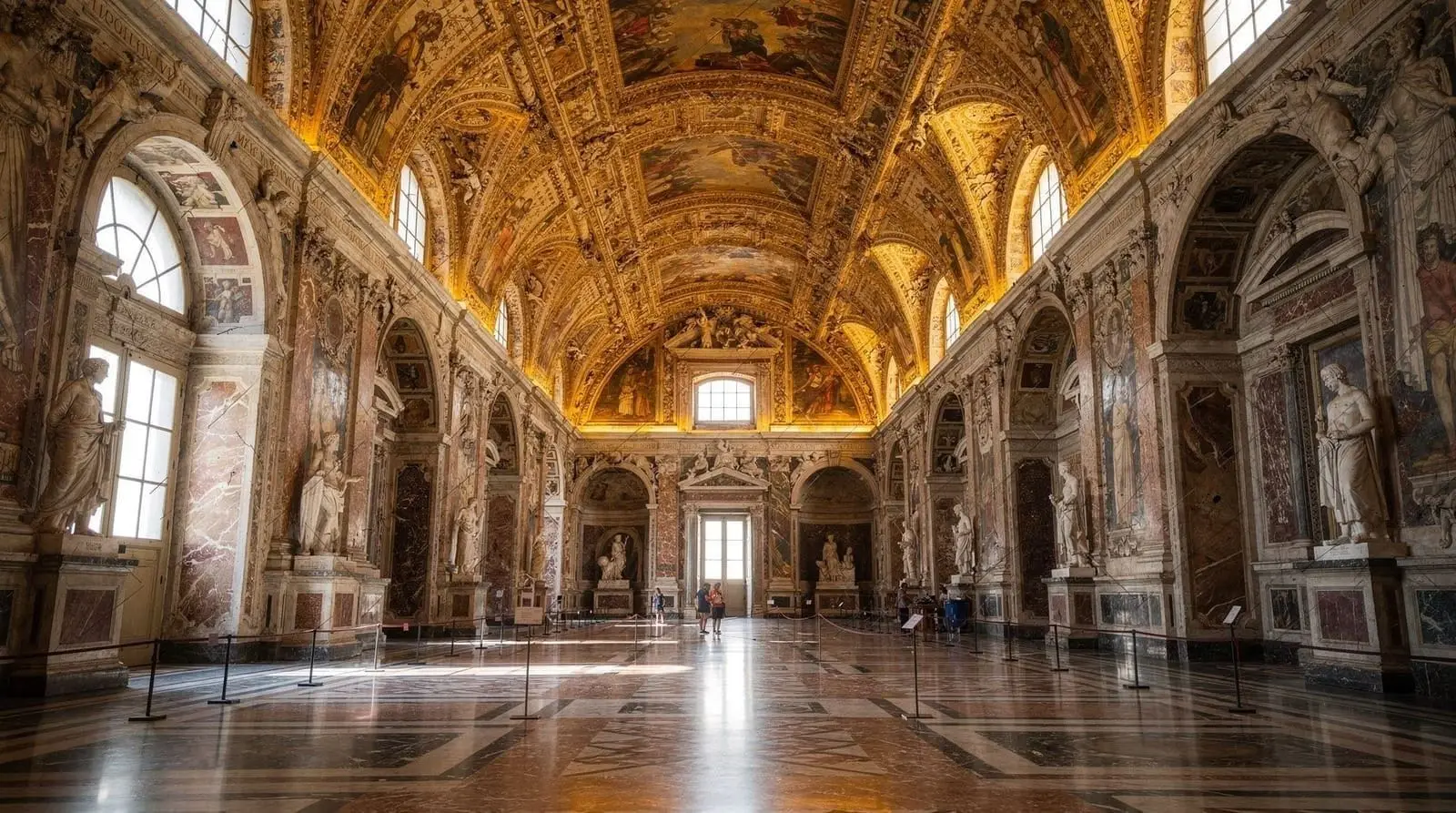
Vatican early-entry tour — beat the summer heat and crowdsJuly
Weather: 32–36°C daily high, heat waves to 38°C+ Crowds: Maximum — Jubilee post-momentum, school holidays, summer tourism peak Ticket availability: Book 4–6 weeks ahead; early tours often sold out Verdict: Possible but genuinely difficult. If July is your only option: 07:30 early-morning tour, finish by 11:00, afternoon at the hotel. The heat inside the Vatican (no air conditioning in most galleries) is significant by 11:00. Do not bring young children in July unless you have a very early tour.
August
Weather: 33–38°C, Ferragosto (15 Aug) sees many local businesses close Crowds: Tourist maximum, though locals leave Rome mid-month Ticket availability: Book 4–6 weeks ahead Verdict: The worst month for a Vatican visit for most visitors. The combination of extreme heat and maximum tourist density is punishing. If August is unavoidable: 07:30 entry, carry water, wear the lightest possible clothing that still satisfies the dress code.
September
Weather: 28°C early, declining to 22°C by late month — the best late-summer conditions Crowds: Declining from August peak; late September is noticeably more pleasant Ticket availability: 2–4 weeks ahead Verdict: Late September (20th–30th) is one of the best Vatican windows of the year. Crowds drop significantly from the summer peak, temperatures are ideal (22–25°C), the light is golden, and ticket availability improves.
October
Weather: 22°C early, declining to 17°C by month’s end — mild, pleasant Crowds: Moderate; school groups present but tourism broadly declining Ticket availability: 1–2 weeks ahead Verdict: Excellent all-round choice. Good weather, manageable crowds, significantly lower hotel prices than summer, and autumn light for photography.
November
Weather: 15–18°C, some rain, atmospheric Crowds: Low — the Vatican feels spacious Ticket availability: Often possible same-week Verdict: Underrated. The Vatican in November with few other visitors is a qualitatively different experience from peak summer. The cafeteria is not overcrowded, the Sistine Chapel has breathing room at standard hours, and the atmosphere in St. Peter’s is more reflective.
December
Weather: 10–14°C, festive atmosphere Crowds: Spikes in Christmas week (20–27 Dec) and New Year; quieter otherwise Ticket availability: Easy except Christmas week (book 3 weeks ahead) Verdict: Good in early December; stressful during Christmas week. The Vatican’s Christmas Mass and Urbi et Orbi blessing (Christmas Day) attract 200,000+ people to St. Peter’s Square.
Best days of the week
Tuesday, Wednesday, Thursday: Quietest days. Monday (post-weekend surge) and Friday (weekend anticipation) are busier.
Wednesday morning: The Papal Audience draws crowds to St. Peter’s Square but many visitors spend the morning there rather than in the Museums — counterintuitively, the Museums can be slightly less busy on Wednesday mornings during audience time.
Saturday: Busiest day of the week. Weekend tourism plus Roman residents.
Sunday: Papal Angelus at noon draws crowds to the square; Museum crowds also peak. The last Sunday of the month is free-entry day — the worst single day to visit (see below).
The last Sunday of the month: avoid it
The Vatican Museums offer free entry on the last Sunday of each month. This sounds like a deal; in practice it is the worst day to visit.
Queue times at opening (09:00) regularly reach 2–3 hours, formed by people who have been waiting since 07:00. Inside, the Sistine Chapel exceeds normal capacity limits. Enforcement degrades. The cafeteria and bathrooms are overwhelmed.
The honest calculation: You save €18 on the ticket. You spend 3 extra hours in a queue and have a significantly worse experience. Unless budget is genuinely tight and time is not, pay for a weekday timed-entry.
Best time of day: the most impactful variable
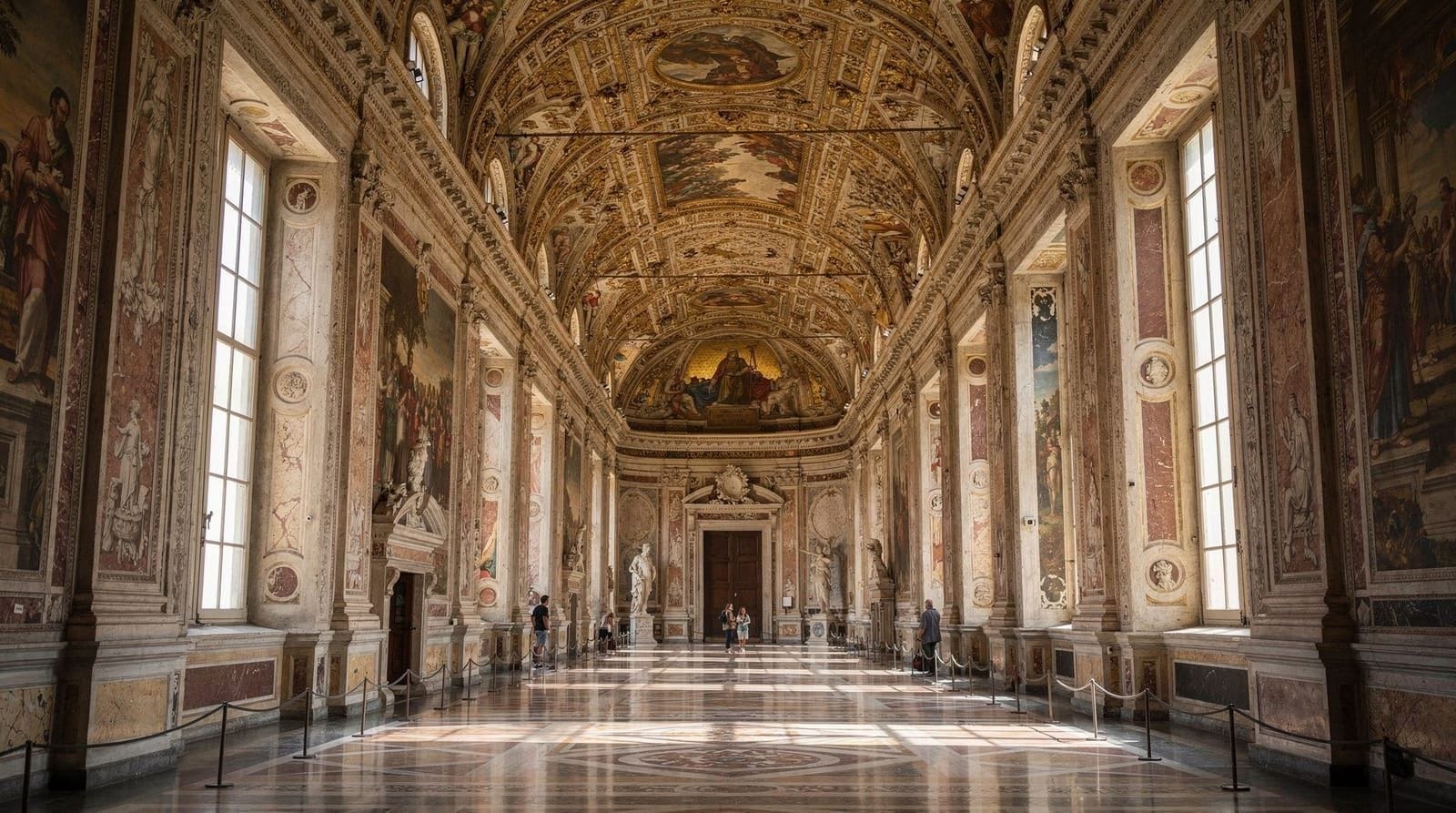
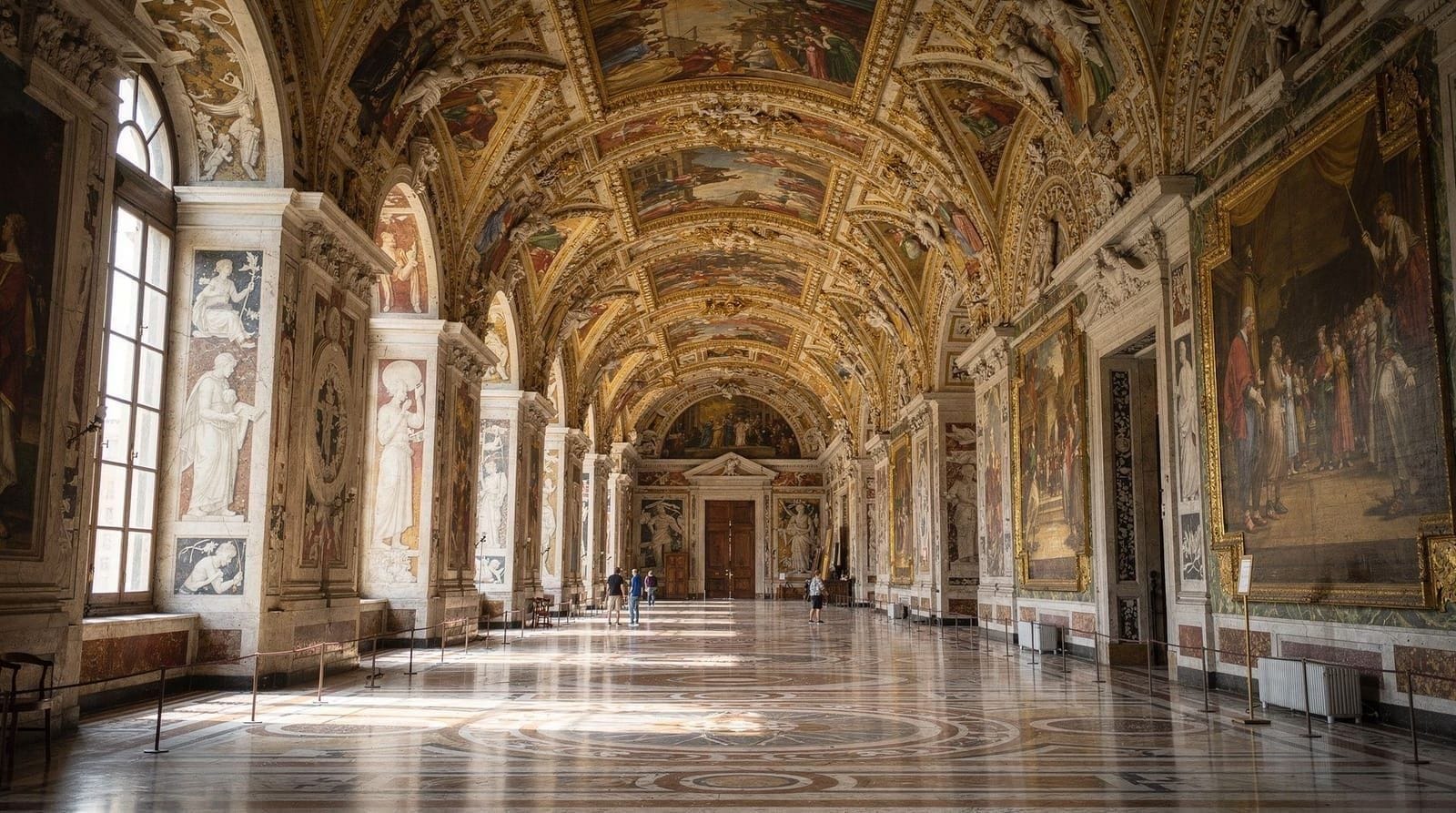
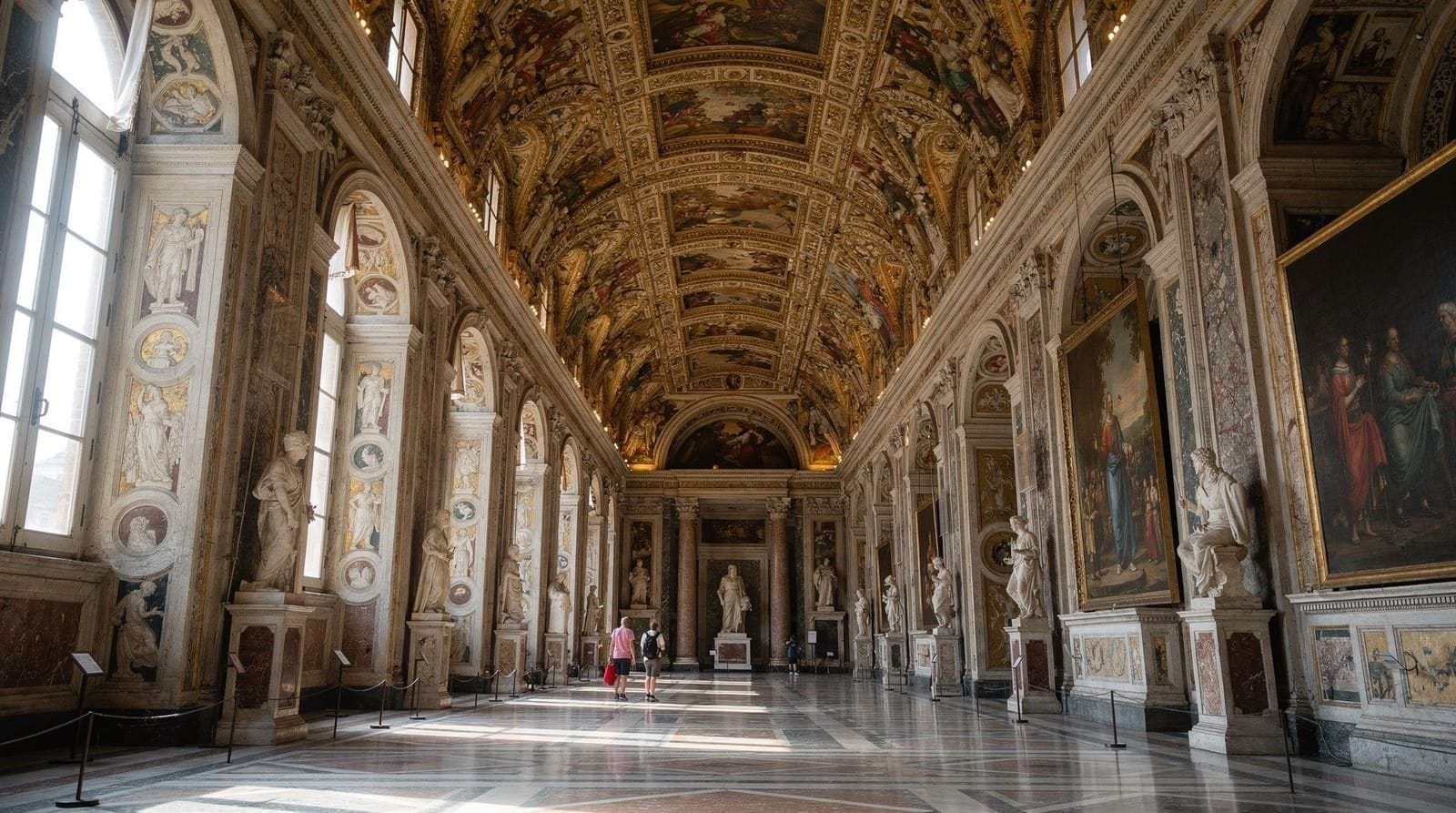
Regardless of month, 08:00 is the best entry time for the Vatican Museums.
| Entry time | Sistine Chapel crowd | Temperature (August) | Queue at entry |
|---|---|---|---|
| 07:30 (early tour) | 15–30 people | 25°C | None |
| 08:00 | 50–80 people | 26°C | Under 5 min |
| 09:30 | 150–200 people | 28°C | 5–15 min |
| 11:00 | 300–400 people | 32°C | 15–30 min |
| 14:00 | 250–350 people (easing) | 35°C | 10–20 min |
2026 context: Jubilee year aftermath
The 2025 Jubilee Holy Year drew approximately 33 million visitors to Rome — a 50% increase over 2024. This elevated tourism momentum continues into 2026. Vatican-area hotel prices remain above historical averages, and booking windows remain longer than pre-Jubilee patterns.
For 2026 Vatican bookings:
- Add 1–2 weeks to your normal advance booking window
- Vatican-area accommodation (Vatican/Prati neighborhood) is significantly more expensive and scarce — consider staying in Monti, Trastevere, or Testaccio and commuting to the Vatican
- Easter 2026 (5 April) will be the single biggest Vatican crowd event of the year; avoid the week of 1–8 April if at all possible
For the full Jubilee context, see the Rome Jubilee 2025–2026 guide.
Frequently asked questions about when to visit the Vatican
Is it worth visiting the Vatican in summer despite the heat?
If summer is your only option, yes — book a 07:30 or 08:00 early-morning tour and finish by 11:00. The heat becomes genuinely difficult by 11:00–12:00 both inside and outside the museums. Early entry significantly mitigates the summer experience problem.
What is the best month for the Vatican Gardens?
April and May, when the formal Italian gardens are in bloom and the temperature is comfortable. The roses in the central garden typically peak in May.
Does the Vatican close on any days?
The Vatican Museums are closed every Sunday (except the last Sunday of the month for free entry) and on a list of Catholic feast days. St. Peter’s Basilica is open on Sundays but access may be restricted during Masses. Check the Vatican’s official calendar before booking.
How long does the Vatican typically require of advance booking?
In peak season (April–October): 3–6 weeks for standard timed-entry, 4–8 weeks for early-morning tours. In shoulder season (March, November): 1–2 weeks. In low season (December–February): sometimes same-week. These are practical targets, not guarantees — early access tours in particular can sell out well ahead of the stated window.
Should I book an early-access breakfast tour, or is standard early entry enough?
Standard early entry (08:00) already captures most of the benefit — smaller crowds, cooler temperatures, better light. The early-access breakfast tour goes further, getting you inside before the general public and adding breakfast in the Vatican’s own courtyard, which is a genuinely different experience rather than just an earlier version of the same one. It costs more and requires an earlier start, so it’s worth it primarily for visitors who want the Sistine Chapel as close to empty as it gets.
What should I wear, and does the season change the dress code?
No — the Vatican’s dress code (shoulders and knees covered, for everyone, enforced at the door) applies year-round regardless of temperature. In summer this means planning lightweight clothing that still meets the rule rather than skipping the requirement; see the Vatican dress code guide for specifics on what passes and what gets turned away.
Vatican vs Colosseum: which to prioritise if you can only do one
For most first-time Rome visitors, this is the most practically important Vatican timing question: if you have limited days and have to choose between a Vatican morning and a Colosseum morning, which comes first?
Arguments for Vatican first:
- The Vatican Museums are a 3–4 hour commitment minimum; the Sistine Chapel alone requires context to appreciate
- Early-morning Vatican tours are the most impactful upgrade available in Rome — the Colosseum does not have a comparable early-access option
- Vatican booking windows are longer (4–6 weeks ahead in peak season vs 2–3 weeks for Colosseum)
Arguments for Colosseum first:
- The Colosseum is Rome’s defining symbol; for first-timers it is often the emotional centrepiece
- The Colosseum + Roman Forum + Palatine Hill combination takes 3–4 hours and covers an enormous amount of history
- The Colosseum experience does not depend as much on timing within the day
The honest verdict: Neither is “wrong.” The Vatican’s early-morning advantage is steeper — the Sistine Chapel at 07:30 vs 11:00 is a more significant difference than the Colosseum at 08:00 vs 11:00 (both are memorable). If forced to choose, book Vatican for the earlier visit and Colosseum for the second day.
For the full comparison, see Vatican vs Colosseum — which to prioritise.
How the 2026 Easter calendar affects Vatican visit planning
Easter 2026 falls on 5 April. This is the Vatican’s single busiest event of the year — crowds in St. Peter’s Square for the Easter Sunday Urbi et Orbi blessing reach 100,000–200,000 people. Hotel prices in Vatican/Prati and across central Rome reach annual peaks in Holy Week (29 March – 5 April 2026).
Avoid completely: 29 March – 6 April 2026 for Vatican access. This is a week-long crowd spike, not just Easter Sunday.
Post-Easter sweet spot: From 7–20 April 2026, crowds rapidly decline from the Easter peak. The second and third weeks of April are typically among the best in the year — spring weather without Easter pricing or crowd levels.
If you must visit during Easter: Book the Vatican 6–8 weeks ahead. Expect 3–5 days of ticket availability to evaporate immediately after booking opens for these dates. Early-morning tours in Holy Week sell out faster than any other Vatican period of the year.
Neighbourhood and accommodation timing considerations
Where you stay in Rome affects how easily you manage Vatican timing. For early-morning Vatican visits (07:30–08:00), the ideal base is Prati (10-minute walk to the Museums entrance) or Trastevere (20 minutes on foot via Tiber bridges).
Staying in Monti or near the Colosseum adds 25–35 minutes transit time each way — manageable, but worth factoring into your early-morning timing if a 07:30 tour start requires a 06:30 departure from your hotel.
Metro Line A to Ottaviano is the most direct transit option from most of central Rome, but avoid it during rush hour with luggage. At 07:00–07:30, the metro is quiet and the journey from Termini to Ottaviano takes 12 minutes.
For accommodation choices in each neighbourhood and how they affect logistics, the where to stay in Rome guide has specific neighbourhood analysis.
Practical crowd-avoidance strategies beyond timing
Choosing the right month and entry time is the primary lever, but several secondary tactics reduce crowd impact significantly.
Move against the route flow (partially)
The Vatican Museums route is designed as a one-way circuit ending at the Sistine Chapel. The crowds accumulate progressively — the Sistine Chapel at 11:00 is the endpoint of everyone who entered between 08:00 and 10:00. The Egyptian Museum at 11:00 is nearly empty because everyone is already past it.
If you have a late slot (11:00+), consider spending extra time in the Egyptian Museum and earlier galleries before rushing forward. This does not reduce Sistine Chapel crowd density — you will hit it regardless — but it means you spend the less-crowded early time in sections where crowds are actually lower rather than rushing past them.
Midweek timing
Tuesday through Thursday consistently see 10–20% fewer visitors than Monday, Friday, Saturday, and Sunday. The difference is most pronounced at the Sistine Chapel: a Thursday 08:30 entry is perceptibly less crowded than a Saturday 08:30 entry at the same time of year.
Vatican closure pattern awareness
The Vatican Museums close every Sunday (except the last Sunday of the month). This channels the Sunday visitor load to St. Peter’s Basilica and Square exclusively — which means the Basilica on Sundays is among the most crowded days of the week. If you want to visit both, choose different days: Museums on a Tuesday, Basilica on a Thursday.
Weather contingency planning
Rome’s spring and autumn shoulder seasons carry a genuine rain risk that summer largely avoids — April and October both see measurable rainfall on roughly a third of days. This does not usually disrupt a Vatican visit (the Museums and Sistine Chapel are indoors), but it does affect St. Peter’s Square, which has no significant shelter, and any Vatican Gardens add-on, which is entirely outdoors. If rain is forecast, prioritise the indoor Museums and Basilica for that day and shift an outdoor Gardens tour to a clearer day later in your trip if your itinerary allows the flexibility.
Groups and school seasons
Italian schools schedule group visits to the Vatican heavily in spring (late March through May) and autumn (October–November). On days when multiple school groups visit simultaneously, the Raphael Rooms and the Gallery of Maps become particularly congested — school groups move in formation and occupy significant floor space.
The early-morning tours specifically avoid school group congestion, since school groups typically have 09:00–10:00 entry. Another advantage of the pre-opening access window.
Vatican timing for specific travel profiles
Solo traveller on a budget
Aim for November or early March. Last-Sunday-of-the-month free entry is logistically difficult but possible if you arrive at 07:30 and are prepared for the queue. Most November and March days have standard availability with standard 1–2 week advance booking.
Couples / honeymoon
May or late September for best atmosphere. Early-morning tour is the premium choice: the Sistine Chapel at 07:30 with 20 people is a genuinely different experience that is remembered differently from the standard crowded visit. Worth the €20–€40 premium over standard entry.
Families with young children
Late April or early October — past the Easter peak, with pleasant temperatures and manageable crowds. Morning entry (08:00) is essential. A 2.5-hour targeted visit is better than a comprehensive 4-hour visit for under-10s.
Photography-focused visitors
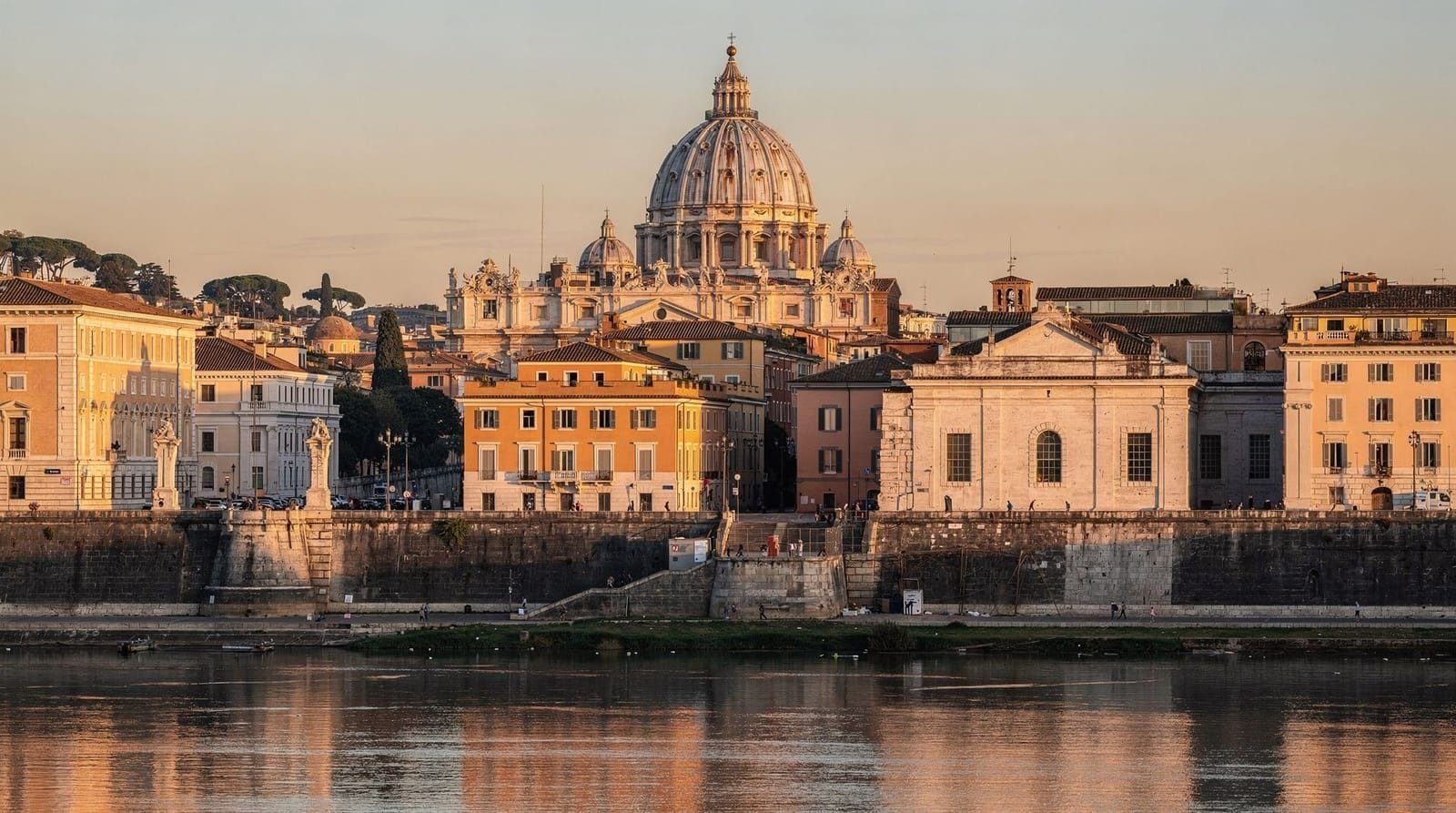
Early morning in April or May provides the best combination of good light (spring morning sun on the Basilica facade) and low interior crowd density. The Golden Hour in Rome in late April falls around 06:30–07:30 — finish your dawn photography in the city before the Vatican opens.
First-time visitors on a one-week Rome trip
Any shoulder-season month (April excl. Easter, May, late September, October) with a 08:00–08:30 entry time. Do not skip the Vatican regardless of how “not a museum person” you are — the experience at the correct scale does not compare to any photograph.
Repeat visitors who want something different
January or February for the Museums in genuine quiet. Or book a Vatican Gardens tour in May when the gardens are best. Or specifically book a Papal Audience on a Wednesday — an event most tourists never attend but which is logistically accessible and free.
How this fits your broader Rome timing decisions
Vatican timing does not exist in isolation from the rest of your Rome trip. If you are choosing when to visit Rome at all, our best time to visit Rome guide covers the city-wide version of this same shoulder-season logic. If summer is your only window, the Rome in summer heat guide has broader strategies for managing the same heat that makes a midday Vatican visit difficult, and the Rome in spring guide covers the April–May period in more general detail beyond the Vatican specifically. For crowd-avoidance tactics that apply across the Colosseum, Forum, and other major sites in addition to the Vatican, see our avoid Rome crowds guide. And once you’ve settled on timing, our Vatican Museums and Sistine Chapel guide, St. Peter’s Basilica guide, and Vatican skip-the-line tickets guide cover what to actually do once you’re inside.
Top experiences
Bookable activities with verified prices and instant confirmation on GetYourGuide.