Rome in winter — what to expect from December to February
Rome: Vatican, Sistine Chapel, St. Peter Early Morning Tour
Is Rome worth visiting in winter?
Yes — winter is excellent for indoor sights, budget travellers and photographers who prefer Rome without summer crowds. Temperatures range 8–15°C, some rain is possible, but snow is rare. January and February offer the lowest hotel prices and shortest queues of the year. Christmas and New Year bring festive atmosphere but short crowd spikes near the Vatican.
Winter in Rome: what nobody tells you
Rome in winter is substantially better than its reputation. The post-summer travel industry has pushed spring and autumn so hard that winter Rome remains genuinely underexplored — and that is exactly what makes it interesting.
From mid-January through February, the Colosseum queue is short enough to walk in with a pre-booked ticket and minimal waiting. The Vatican Museums, which in summer require arriving at 07:30 for a 09:00 opening to beat the crowd, feel almost spacious. Hotels drop to their annual lows. Local restaurants are operating at full local capacity without the tourist surge.
The trade-off is weather. Rome in winter is not Scandinavian cold — but a damp 8°C with wind is notably different from the 22°C of October. Proper layering is necessary.
| Temperature | 8-15°C, damp rather than freezing |
| Crowds | Lowest of the year, except around Christmas/New Year |
| Cheapest window | Mid-January through February |
| Booking lead time | Days rather than weeks, outside the Christmas fortnight |
| Pack | Mid-weight coat, waterproof layer, grip-soled shoes |
| Month | Crowds | Best for | Watch out for |
|---|---|---|---|
| December | Rising toward Christmas | Festive markets, presepi | Late Dec-6 Jan Vatican surge |
| January | Lowest of the year | Museums, budget travel | Cold, damp evenings |
| February | Still very quiet | Value, first spring signs | Valentine’s week restaurant demand |
December: festive but still busy
Weather: Average high 13°C, low 5°C. Rain is possible, though December sees less rain than November. Occasional clear, cold days with brilliant light.
Atmosphere: Rome leans into Christmas. The main piazzas — Piazza Navona, Piazza Venezia, the area around the Pantheon — host nativity scenes and Christmas markets. The Piazza Navona market is the most famous; it has become somewhat touristy but remains atmospheric.
Crowds: December has two personalities. The first two weeks are relatively quiet — post-autumn, pre-Christmas. From around 20 December through 6 January, crowds surge around the Vatican (Christmas is a major pilgrimage moment), and hotel prices spike.
Key events:
- The Pope’s Christmas Eve Mass and Christmas Day Urbi et Orbi blessing at St Peter’s Square draw enormous crowds — if you want to attend, arrive very early and accept significant security queues
- New Year’s Eve concerts and events in various piazzas
- Feast of the Immaculate Conception (8 December): a bank holiday; some sites have reduced hours
Booking: Book Vatican entry well in advance if visiting in late December — slots for the week around Christmas fill completely months ahead.
January: Rome’s quietest window
Weather: Average high 12°C, low 3°C. Rome occasionally sees temperatures below freezing overnight, but extended cold spells are rare. Snow falls approximately every 5–10 years in central Rome.
Crowds: After Epiphany (6 January), Rome empties dramatically. Mid-January through late February is the quietest period of the year — the city returns entirely to its local rhythms.
What this means practically:
- Borghese Gallery slots available within days of booking, not weeks
- Colosseum with standard advance booking, not 4+ weeks ahead
- Vatican Museums without the August sense of managed chaos
- Restaurants at full local capacity — you eat alongside Romans, not just tourists
- Hotel prices at annual lows
Honest note about January: Rome is genuinely cold in January evenings. Wind chill near the river or on elevated piazzas is significant. A proper coat, not just a light jacket, is needed. The city is walkable in daylight hours with appropriate gear, but extended outdoor sightseeing without shelter requires preparation.
February: cold, quiet, excellent value
Weather: Average high 13°C, low 4°C. Days can be surprisingly mild when the sun appears, reaching 15–17°C in favourable conditions. Rain is possible.
Why February works: Everything January offers, plus the first stirrings of spring towards month’s end. Almond trees in Villa Borghese and orange trees on the Aventino sometimes begin to blossom by late February.
Valentine’s Day brings a short spike of couples-focused visits — restaurant reservations worth making in advance if you are travelling as a couple during the second week.
Carnival (Carnevale): While Rome does not have the spectacle of Venice or Viareggio, some neighbourhood celebrations occur, particularly with children in costume on streets and in piazzas in the week before Ash Wednesday.
Indoor sights for winter days
Winter is the natural season for Rome’s interior attractions, and it rewards visitors who prioritise them:
Vatican Museums and Sistine Chapel Even in winter, this is busy by tourist-attraction standards — but “busy” in February means manageable crowds rather than August’s moving press of bodies. Book in advance; the official Vatican site and licensed tour operators both sell timed entries. The Raphael Rooms and the galleries of maps are extraordinary regardless of season.
Capitoline Museums One of Rome’s greatest and least-crowded collections. The Palazzo dei Conservatori and Palazzo Nuovo house the original bronze Marcus Aurelius, the Capitoline Wolf, and the world’s most coherent collection of Roman portrait sculpture. In winter, you can spend serious time with individual pieces without jostling.
Borghese Gallery The city’s most intimate gallery experience — strict 2-hour time slots, 180 visitors maximum, Bernini sculptures and Caravaggio paintings in an 18th-century villa. In winter, booking 5–7 days ahead is often sufficient (versus 10–14 days in shoulder season, or weeks in summer).
Palazzo Doria Pamphilj An undervisited treasure in the Centro Storico. Velázquez’s portrait of Pope Innocent X, Caravaggio’s Rest on the Flight to Egypt, and 400+ other works across private apartments still owned by the Doria Pamphilj family. Winter queues: essentially none.
Baths of Diocletian / National Roman Museum The massive thermae complex converted into a museum offers some of Rome’s best ancient inscriptions, mosaics and sculpture in grand neoclassical halls. Quiet year-round; especially peaceful in winter.
Eating and drinking in winter Rome
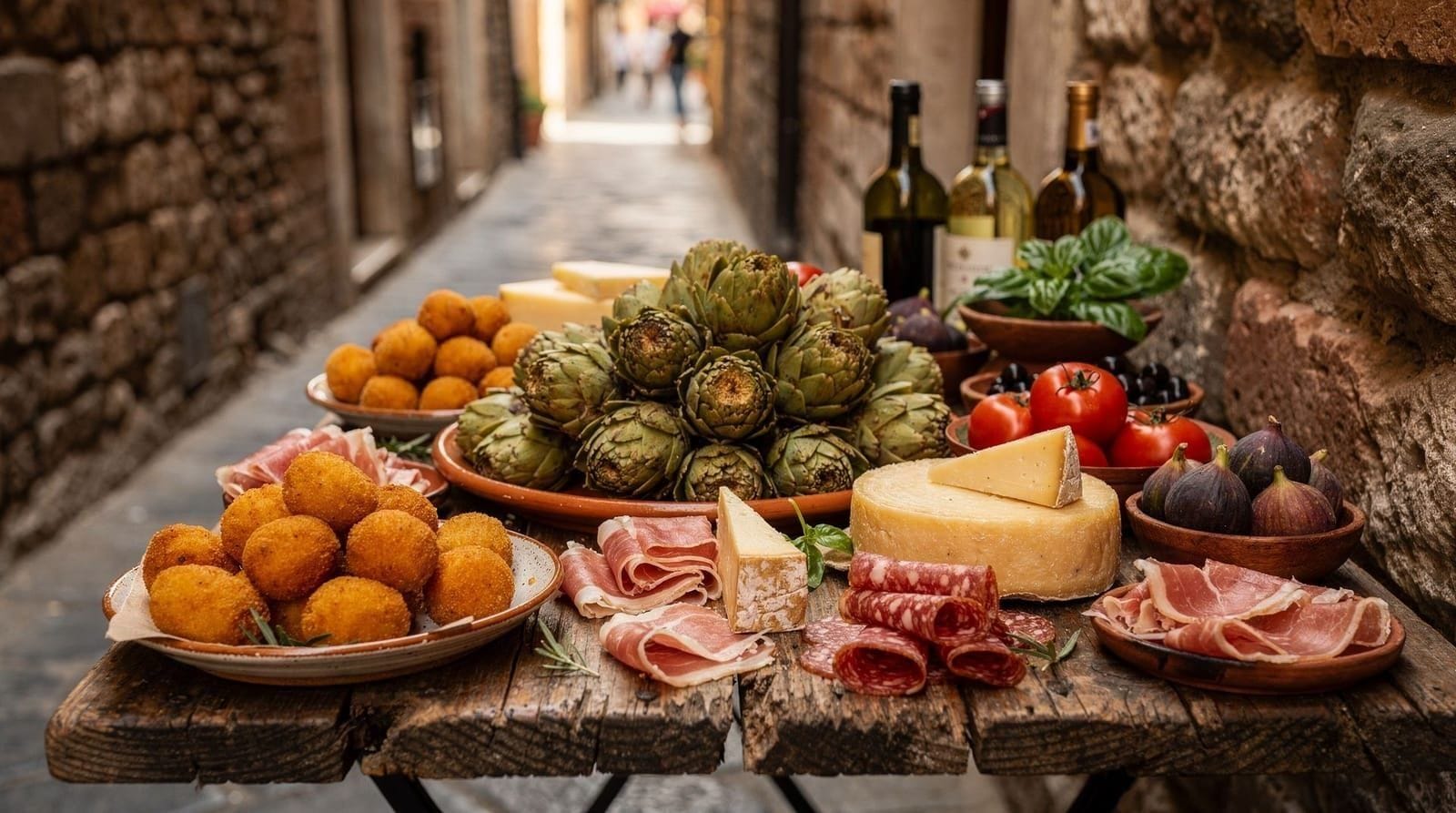
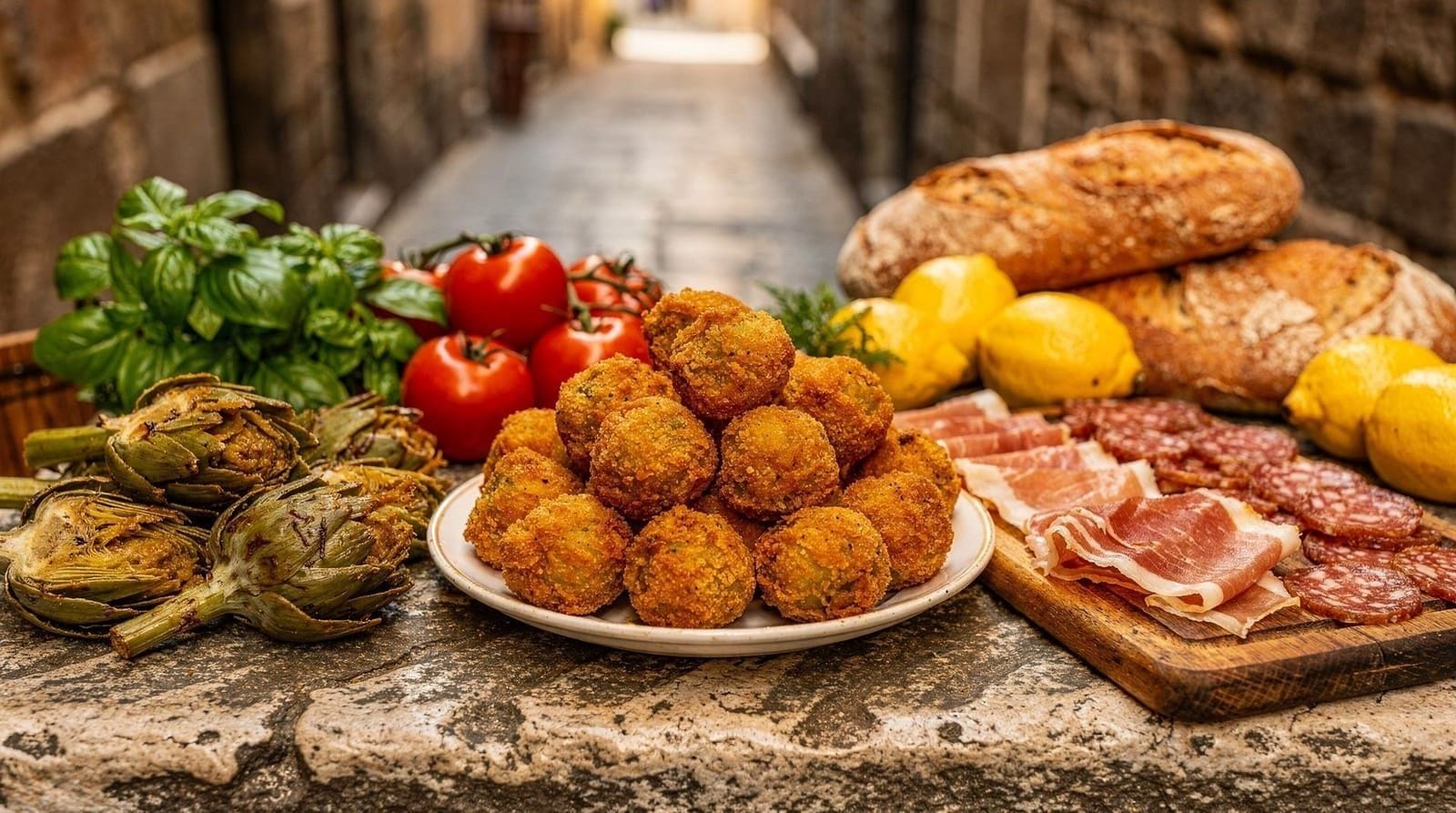
Winter is the season of Rome’s heartiest cooking. The dishes the city is famous for — carbonara, coda alla vaccinara (oxtail stew), trippa alla romana (tripe), abbacchio (Roman lamb), carciofi alla giudia (Jewish artichokes, season peaks January–April) — are winter food. Trattorias in Testaccio and Trastevere operate at their authentic best when the tourist burden is lower.
Coffee culture shifts slightly: the Roman espresso tradition does not change with the season, but the pleasure of a warm cornetto and cappuccino at a bar counter on a cold morning has a different quality from a summer terrazzo.
Wine in winter: Rome’s wine-bar (enoteca) scene thrives in cooler months. Establishments in Monti, Prati and Trastevere fill with locals in the evening — try Roscioli Salumeria or Sorpasso in Prati for a genuine local-crowd evening.
What to pack for winter Rome
- Mid-weight wool or down jacket (not just a fleece)
- Waterproof outer layer
- Comfortable walking shoes that are warm enough for 5°C evenings
- Light scarf for churches (required for shoulders/knees regardless of temperature)
- Comfortable layers — Roman heating in hotels and restaurants is generally adequate; interiors are warm
Winter transport and logistics
Rome’s public transport operates normally through winter. The metro, buses and trams run on their regular schedules. There are no weather-related service disruptions in a typical Rome winter — snowfall severe enough to affect transport happens only every decade or so.
Walking in winter: Roman cobblestone streets (sanpietrini) become very slippery when wet, particularly the polished, rounded ones in high-traffic tourist areas near the Pantheon and Trevi Fountain. Rubber-soled shoes with grip are essential — leather-soled dress shoes are genuinely risky on wet basalt cobblestones.
Driving in winter: The ZTL zones operate identically year-round. There is no winter exemption. See the Rome driving and ZTL warning guide before considering a rental car for any part of your Rome visit.
Christmas in Rome: specific sites
Beyond the general festive atmosphere, several Rome-specific Christmas experiences are worth knowing:
Nativity scenes (Presepi): Rome takes its presepi (nativity scenes) seriously. The most elaborate are at Santa Maria Maggiore (one of the largest in Italy), the Vatican Museums courtyard, and St Peter’s Square. Smaller parish churches throughout the city display traditional presepi; the ones in the Jewish Ghetto neighbourhood occasionally incorporate Baroque-era figurines of considerable age.
Piazza Navona market: Runs from early December to Epiphany (6 January). The market has become heavily commercialised with inflated-price stalls — the atmosphere is better than the shopping. Go for a hot cup of vin brûlé (mulled wine) and the sensory experience; buy gifts elsewhere.
The Vatican Christmas Crib: Erected each year in St Peter’s Square in early December, typically dedicated to a specific Italian region and crafted by regional artisans. The accompanying Christmas tree from a different country each year is illuminated in a ceremony presided over by the Pope.
Christmas Mass at St Peter’s: Christmas Eve midnight Mass (Messa di mezzanotte, though now often moved to 19:30 or 22:00 for logistical reasons) at St Peter’s Basilica requires free tickets obtained well in advance from the Papal Prefecture. Without a ticket, you can watch on screens in the square.
Winter photography
Winter light in Rome is among the best in Europe. The low solar angle (the sun reaches about 25–30° above the horizon at noon in January) creates dramatically long shadows on ancient stone, golden-hour light that can extend for 2+ hours, and a clarity of atmosphere without summer haze.
Best winter photography windows:
- Sunrise at the Colosseum: the Forum valley fills with golden light as the sun clears the Caelian Hill. First-morning light on the Arch of Constantine is particularly striking.
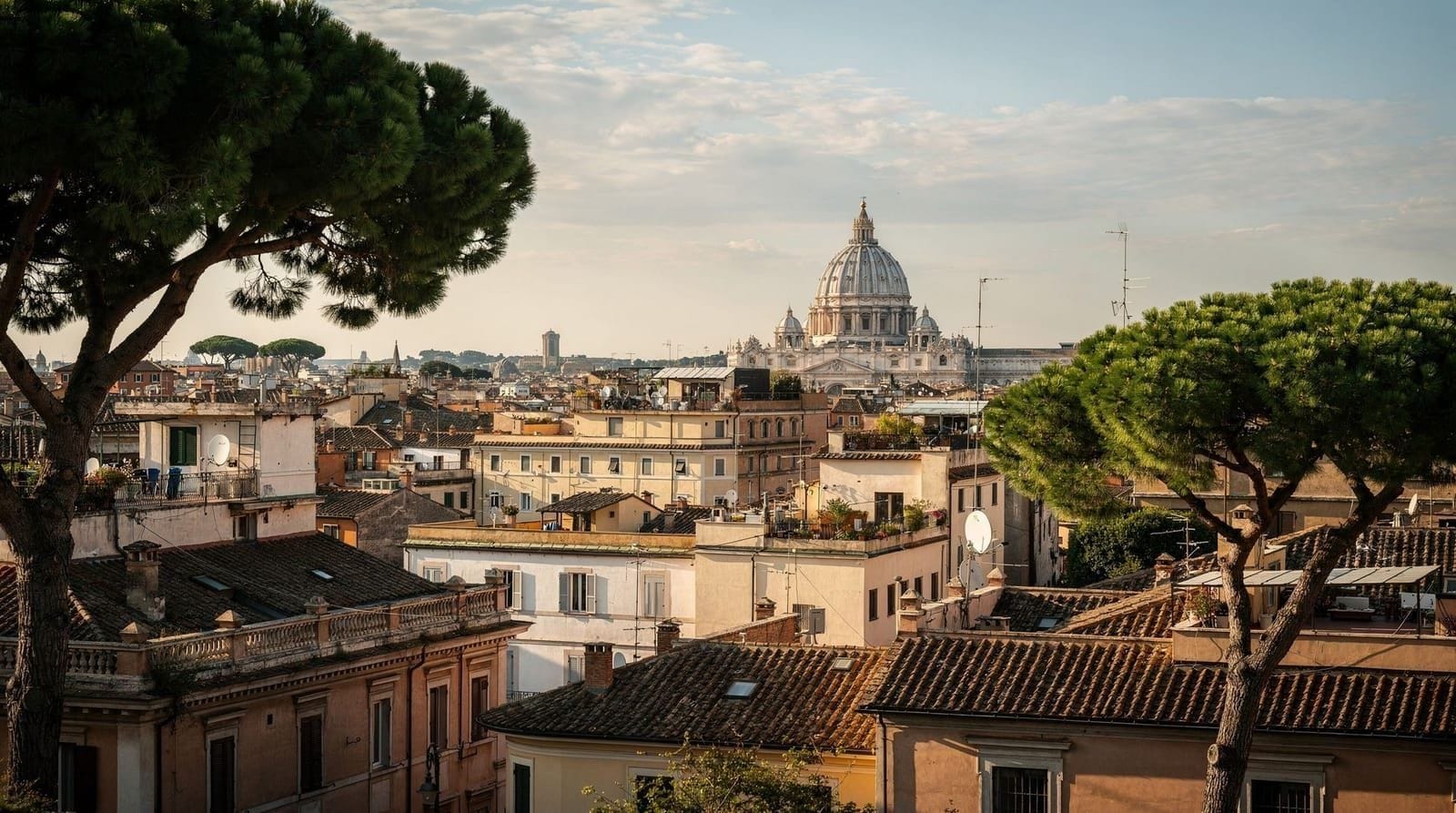
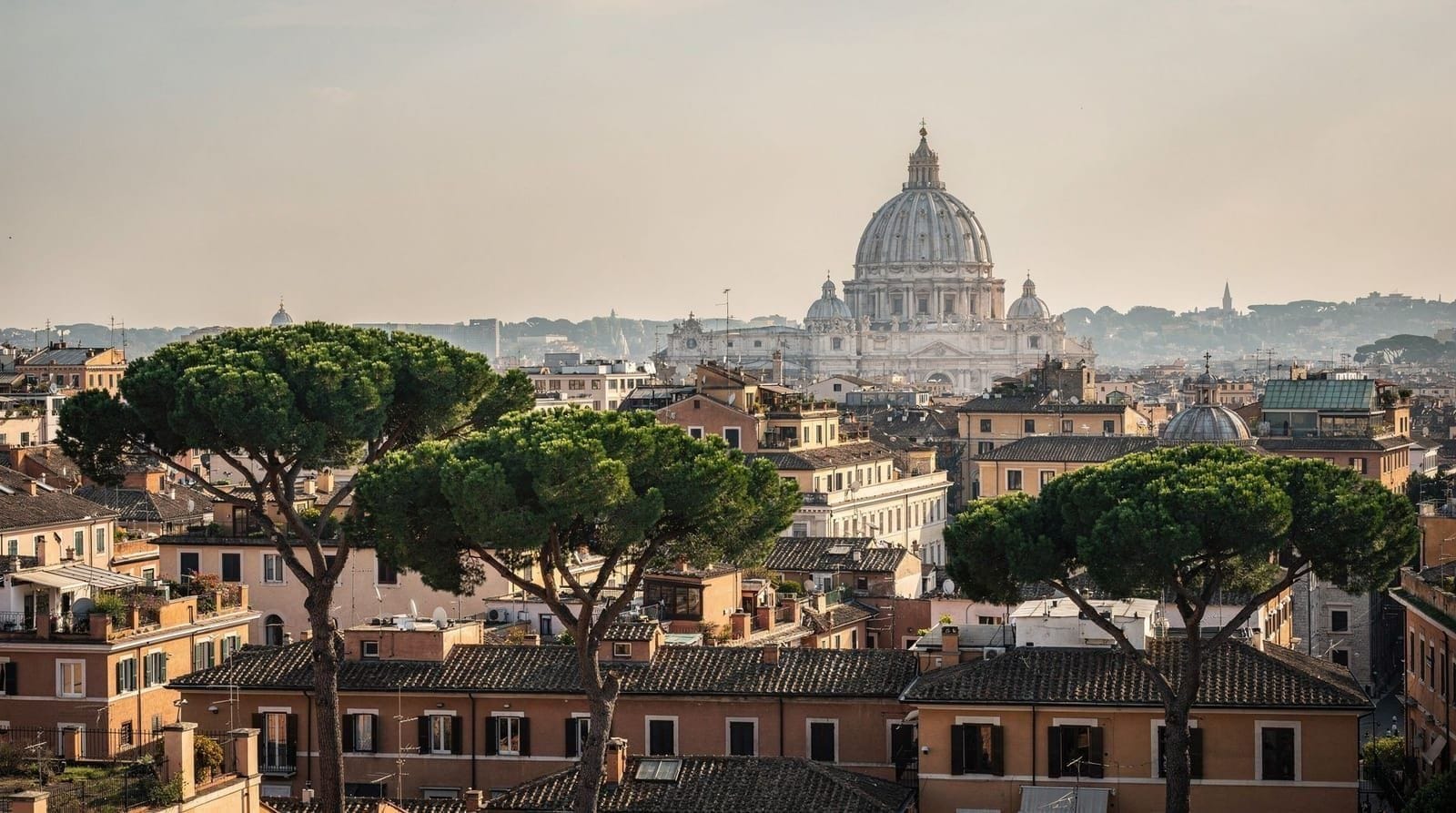
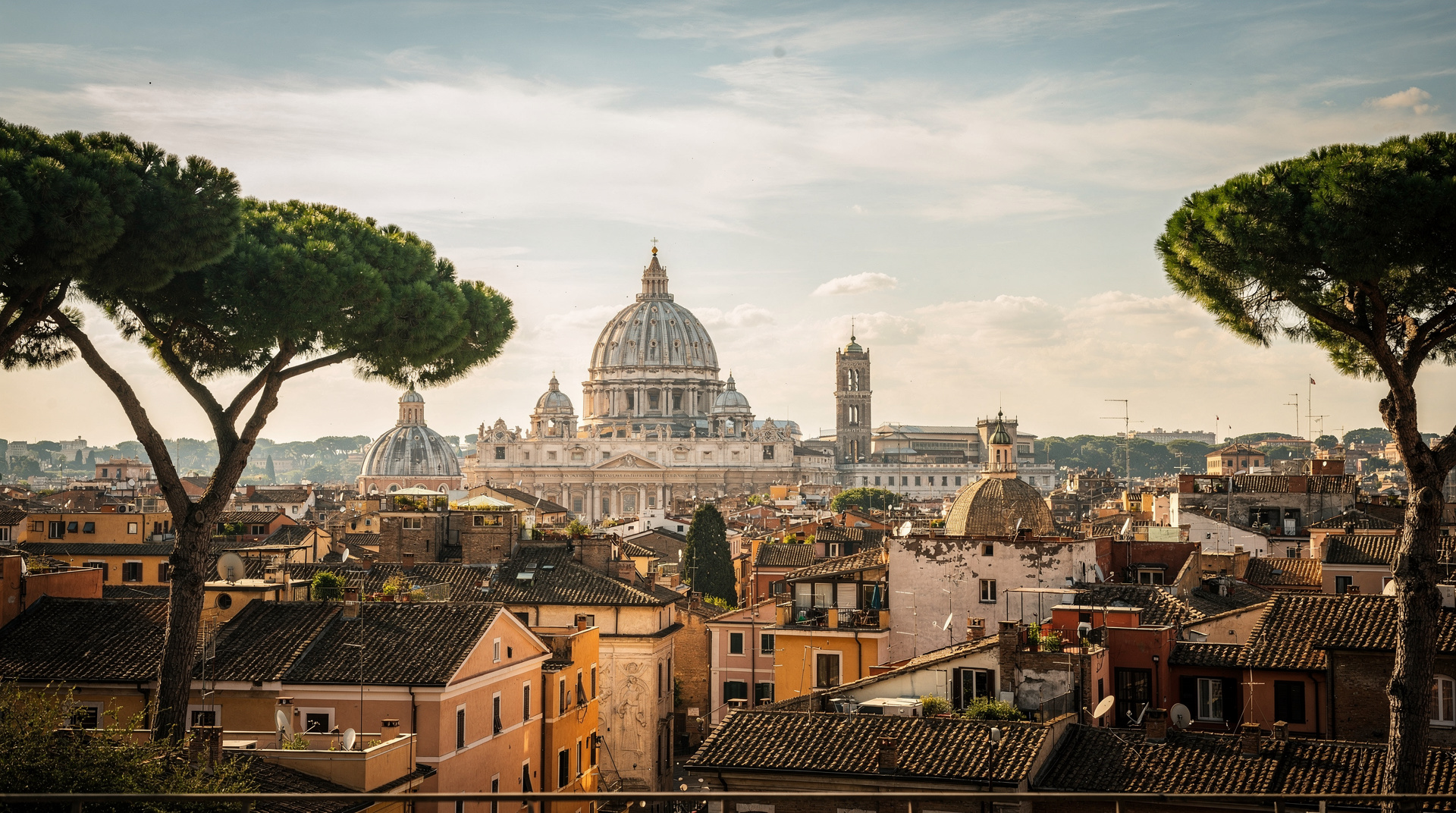
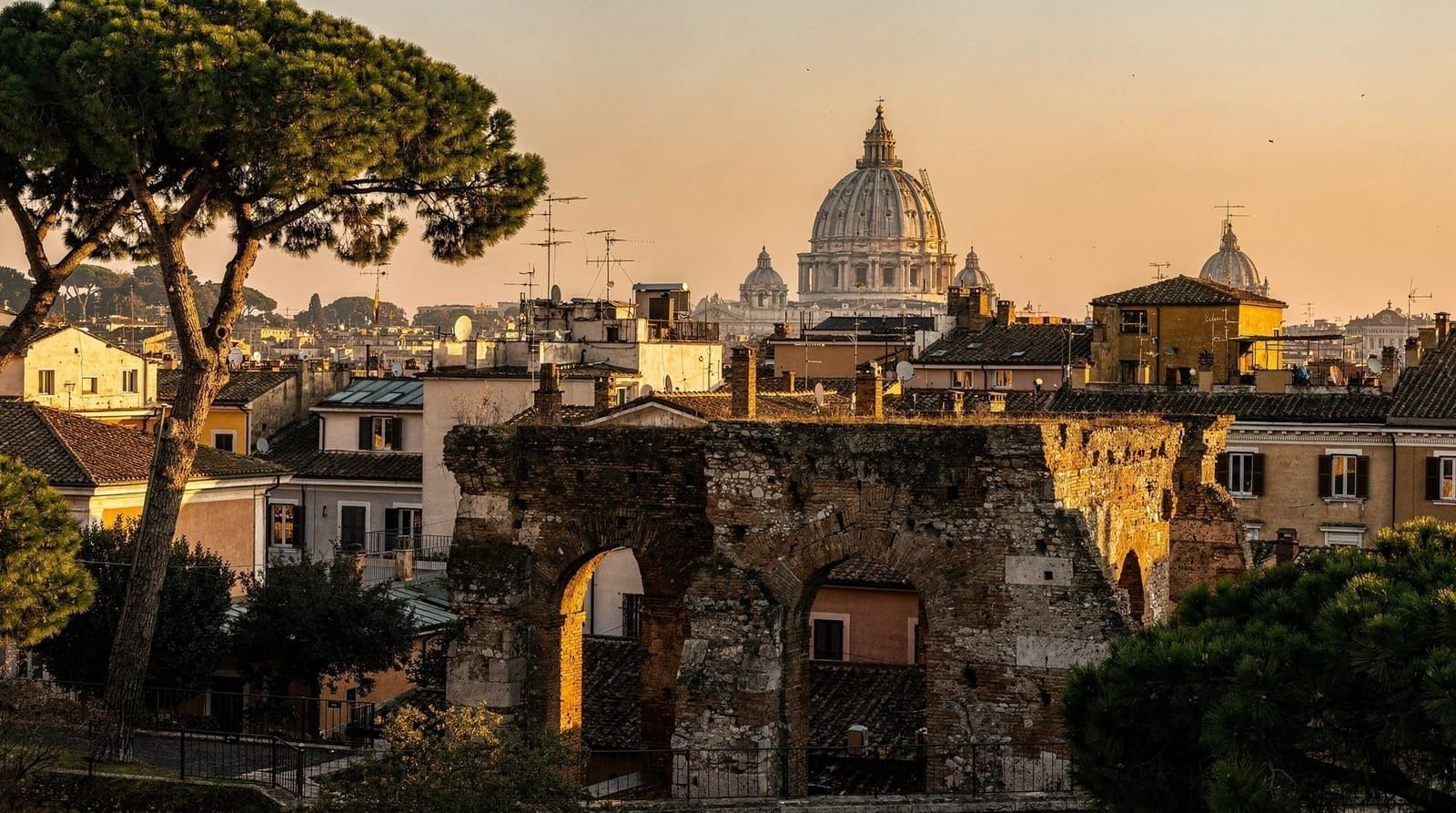
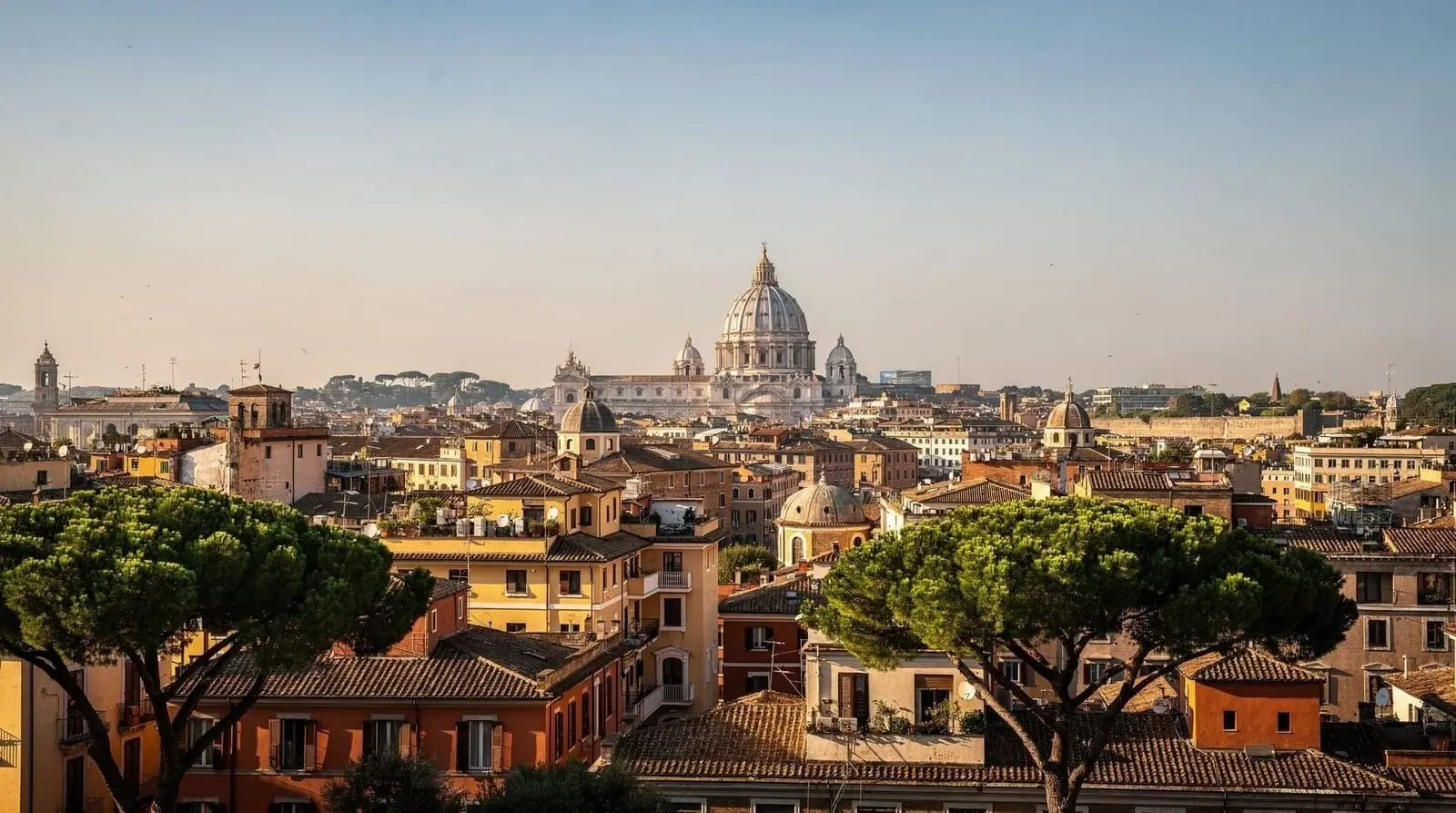
- The Aventino Keyhole view: the famous view of St Peter’s dome framed through the Knights of Malta priory keyhole — the frame of umbrella pines and the distant dome are particularly clean and photogenic in winter light without summer atmospheric haze.
- Piazza Navona after rain: the wet cobblestones reflect Bernini’s fountains in winter light with no crowd obstruction.
- The Pantheon from Via della Rotonda: winter morning mist occasionally sits in the piazza; the portico columns in early morning winter light with almost no tourists is a scene that no summer visitor can replicate.
What stays open and what doesn’t
Rome in winter is not an off-season destination in the way that some beach towns become ghost towns — it is a year-round city with a full operational restaurant and museum calendar. However:
Reduced hours at some outdoor sites: The Colosseum and Roman Forum complex operates on slightly reduced winter hours (check the official Colosseo site for current seasonal hours). The Vatican Museums have shorter winter hours than in summer.
Church restoration works: Some minor churches close for maintenance in winter — particularly smaller ones that rely on volunteer or limited staff. This is difficult to predict; if a specific small church is on your list, verify via the Vicariate of Rome’s official church listings before making it a specific destination.
Seasonal restaurants: A small number of tourist-dependent restaurants (particularly those in highly visible tourist zones near the major sights) reduce hours or close for part of January–February. Neighbourhood trattorias and local restaurants continue normally.
Gardens and parks: Villa Borghese, the Pincian Hill gardens, the Orange Garden on the Aventino, and the Villa Doria Pamphilj park are all open year-round. Shorter daylight hours mean evening visits are cold and dark — plan outdoor gardens for late morning or early afternoon.
For planning your winter itinerary, see the Rome itinerary planning guide and the Rome on a budget guide to make the most of winter’s lower prices. For a full year-round overview, see the best time to visit Rome guide.
Budget advantages of winter in detail
Winter’s financial benefits extend beyond hotel prices:
Museum and site costs are unchanged — the Colosseum, Borghese Gallery and Vatican charge the same entrance fees year-round. But the time cost (queue) drops significantly. In February, a 09:00 Borghese Gallery slot can be booked 3–4 days ahead rather than 10–14. The Colosseum booked 1–2 weeks ahead finds Saturday morning availability.
Restaurant pricing: Rome’s restaurants (with the exception of tourist-trap establishments that operate on tourist demand, not local economics) do not have seasonal pricing. A plate of cacio e pepe at Roscioli costs the same in February as in August. But in February, you can walk in without a reservation. In August, Roscioli typically requires booking 1–3 days ahead even for lunch.
Flights: Low-season flights from most European cities and transatlantic routes are significantly cheaper. London–Rome economy return in February often ranges €100–180 (budget carriers); the same route in July–August is frequently €250–400.
Hotels: A central 3-star hotel at €130–150/night in May can be found at €75–100 in February. The quality is identical; the price differential is pure demand management.
Winter day-trips: the train advantage
Winter is excellent for Rome’s day-trip train connections:
- High-speed trains (Frecciarossa, Italo) to Florence and Naples run on their full schedule year-round
- Florence in winter: the Uffizi without summer queues, the city largely to yourself, grey winter light on the Arno
- Pompeii in winter: the site is extraordinary in any season; winter often brings clearer air than summer haze and no midday heat problems
- Tivoli (Villa d’Este, Hadrian’s Villa) in winter: the gardens have bare trees but the architecture of both villas is at least as impressive; you almost certainly have the site to yourself
Winter food and wine highlights
Winter Roman cooking is some of the most satisfying anywhere in Italy:
Slow-braised dishes: Coda alla vaccinara (oxtail stewed with celery and chocolate/spices, a Testaccio tradition), abbacchio alla romana (slow-roasted spring lamb, available early spring — December/January), cinghiale (wild boar) from the Castelli Romani hills.
Soups and legumes: Pasta e ceci (pasta with chickpeas), pasta e fagioli (with beans), ribollita if Tuscan-leaning trattorias carry it. These winter staples appear on seasonal menus in October–March.
White truffles: While the primary white truffle region is Piedmont/Umbria, Rome’s restaurants offer seasonal truffle dishes from October through January. Restaurants in Prati and Monti frequently feature truffle risotto and pasta as winter specials; expect to pay €30–60 for a truffle-shaved dish.
Castelli Romani wines in winter: The crisp Frascati and Marino whites produced in the Castelli hills are served well-chilled in summer but have a more rounded character enjoyed at cellar temperature in winter. Any enoteca in Rome will pour them by the glass.
Staying warm while sightseeing outdoors
Rome’s winter is mild by northern European standards but demands preparation for sustained outdoor sightseeing:
The Colosseum’s open-air arena and walking paths through the Roman Forum are fully exposed. On a 7°C January morning with wind, 2–3 hours at the Forum requires adequate layers — a base layer, mid-layer, and windproof jacket minimum.
The Forum is also at its most evocative in winter: mist sometimes sits in the valley, cat colonies shelter among the ruins, and the absence of summer tour groups allows you to actually hear the site.
Practical cold-weather gear priorities:
- Merino wool base layer: lightweight, non-bulky, excellent temperature regulation
- Mid-weight down jacket rather than a heavy coat — you can add a scarf and hat for sub-5°C conditions without the bulk
- Waterproof outer layer that blocks wind as well as rain
- Grip-soled waterproof shoes or boots — this is non-negotiable for wet sanpietrini cobblestones
Winter versus the other shoulder seasons
Winter is often framed purely as “the cheap season,” but it is worth being specific about what it actually trades away compared to spring or autumn. You lose long daylight hours (sunset around 16:30-17:00 in December-January, versus 19:30-20:30 in spring) and outdoor dining comfort — Rome’s terraces in January need heaters and blankets, not just a jacket. In exchange, you gain the lowest prices and shortest queues of the entire year, a genuine chance to book Borghese Gallery or a Vatican slot with only days of notice, and a version of the major museums that feels closer to a private viewing than a managed queue. For a visitor who prioritises depth over daylight — more time inside the Sistine Chapel and Capitoline Museums, less time on outdoor terraces — winter is arguably the best-value season in the calendar, not merely the cheapest. Compare directly with Rome in spring or the best time to visit Rome guide for the full year-round trade-off.
Travellers who have already done a first Rome visit in spring or summer are, in practice, some of the best candidates for a winter return: the essentials are covered, and a quieter, museum-heavy winter trip suits a second visit better than it suits a first one crammed with the Colosseum, Vatican and Trevi Fountain all fighting for daylight hours. The second visit to Rome guide pairs naturally with a winter trip for exactly this reason.
A practical winter Vatican morning
A guided small-group tour is worth particular consideration in winter: with shorter days and the Museums’ reduced winter hours, a guide who moves your group efficiently through the 7 km of corridors to the Sistine Chapel and out through St Peter’s Basilica makes better use of the limited daylight than navigating alone, and January-February availability means booking just a few days ahead is often enough. The same logic applies to the Borghese Gallery: with only 180 visitors per two-hour slot, a January or February booking secured a few days out gives close to the private-viewing experience that a summer visitor pays a premium and waits weeks for.
Vatican Museums early morning small-group tour — efficient winter pacing through the galleries and Sistine Chapel while daylight and opening hours are shorter than in summer.