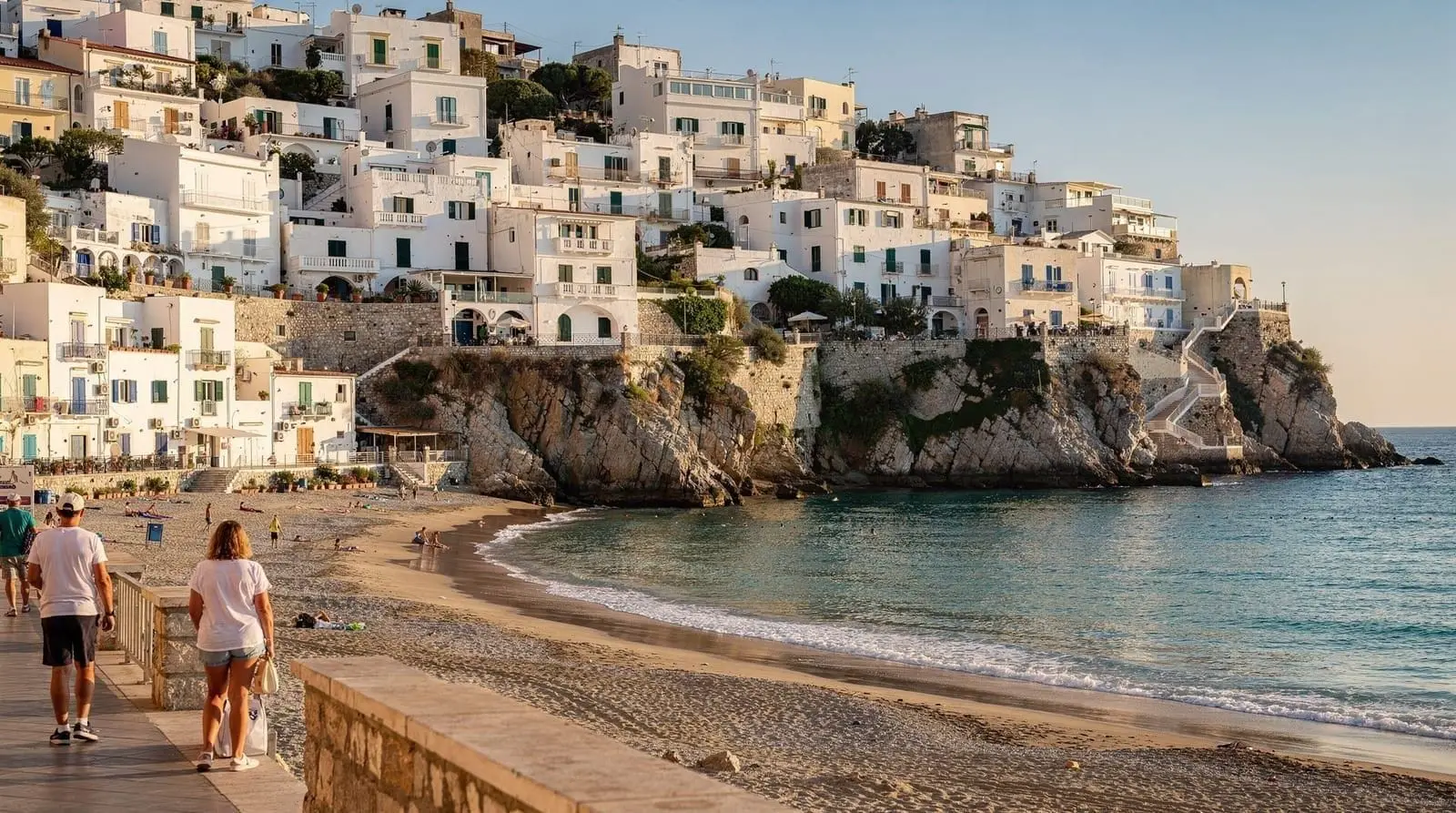
Sperlonga beach day trip: Rome's best seaside escape
From Rome: Ostia Antica Guided Half-Day Trip by Train
Duration: 4 hours
Is Sperlonga worth a day trip from Rome?
Yes — especially in late May, June, and September when the beach is calm and the water clear. The journey takes approximately 1h45–2h (train from Roma Termini to Fondi-Sperlonga, then bus or taxi to the village). The medieval hilltop town above a wide white-sand beach is genuinely one of the most attractive spots on the Lazio coast. There are no GYG guided tours to Sperlonga — this is a DIY destination reached by regional train.
Sperlonga: the Lazio coast’s best-kept secret
Most visitors to Rome who want a beach day trip head to Ostia — the closest option, 45 minutes from the city centre. Ostia has a beach. It also has dense development, murky water influenced by the Tiber estuary, and the particular atmosphere of a heavily urbanised Roman seaside suburb.
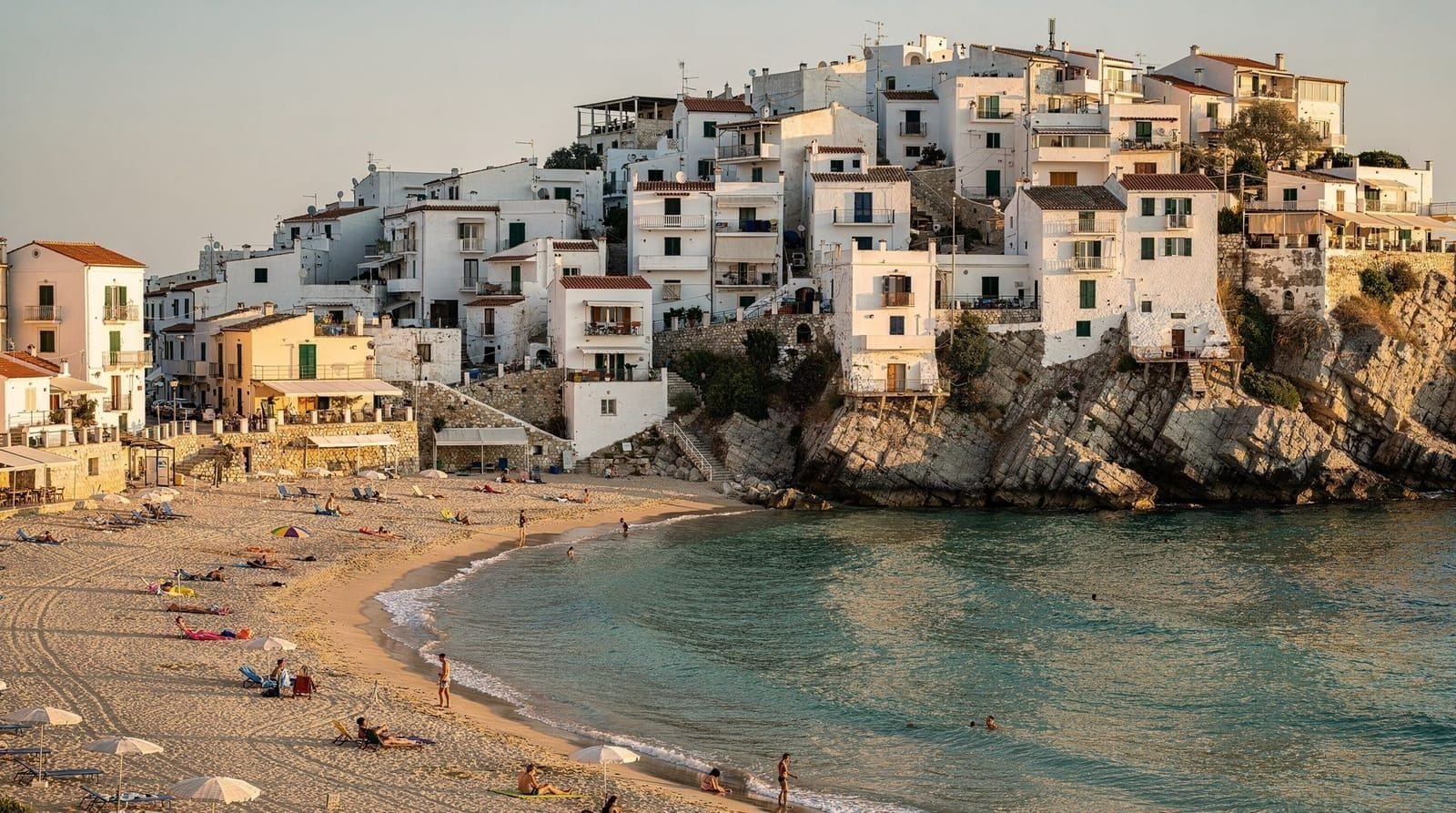
Sperlonga is 1h45–2h from Rome and is something else entirely. A medieval hilltop village perched on a limestone headland, white-painted and maze-like, with two arcs of clean sandy beach on either side and the Tyrrhenian Sea in a shade of turquoise that genuinely surprises people arriving from the city. It is one of the most attractive coastal towns in Lazio and remains less overrun than the Amalfi Coast or the Sicilian towns that appear in most Italian beach photography.
There are no guided tours operating to Sperlonga from Rome — this is a regional train-and-bus destination, which partly explains why it stays under the international tourist radar. That is exactly what makes it worth the slightly longer journey.
| Where | Lazio coast, ~130 km south of Rome |
| Cost | Train from ~€10–18 return; beach club ~€15–25/day (optional) |
| Time needed | Full day (roughly 1h45–2h each way) |
| Getting there | Train from Roma Termini to Fondi-Sperlonga, then bus/taxi |
| Best time | Late May, June, or September for calm, clear water |
Getting to Sperlonga from Rome
By train and bus (recommended)
Take a Trenitalia regional or intercity train from Roma Termini to Fondi-Sperlonga station. Journey time varies by service:
- Direct intercity (IC): approximately 1h30–1h45
- Regional stopping service: approximately 1h50–2h10
Trains run several times per day but not every hour — check trenitalia.com for the exact daily timetable. The first morning departure useful for a day trip is typically around 07:30–08:00 from Termini. Fares: approximately €10–18 one way depending on service type.
From Fondi-Sperlonga station, a local bus runs to Sperlonga village (approximately 10–15 minutes, €1.30, buy at the station newsagent or on board). The bus runs in coordination with train arrivals — ask at the station if you are unsure. A taxi from the station to Sperlonga costs approximately €10–15 and is available on call (the station staff can summon one).
By car
Sperlonga is approximately 130 km south of Rome via the A1 and A2 motorways (exit Itri), then SS7 toward Sperlonga. Journey time by car: 1h30–1h45 with light traffic. Parking in the village itself is limited — there is a large car park below the hill at the entrance to the old town (approximately €3–5 per day in summer). A car allows you to stop at Gaeta (beautiful medieval port 15 km north) or the Torre Orlando archaeological site en route.
What to do in Sperlonga
The medieval village
Sperlonga’s historic centre (centro storico) sits on the limestone headland between the two beaches. The village is compact — perhaps 800 metres from one end to the other — but densely layered, with whitewashed houses, vaulted passageways, flower-decorated balconies, and ceramic-tiled street names. The main lane (Corso San Leone) runs through the centre to the lighthouse viewpoint, where the panorama over both beaches and out to sea is one of the best coastal views in Lazio.
Walk the lanes in the morning before the beach beckons — the light is better and the village is quieter. Several small artisan shops sell ceramics, beach wraps, and local preserve products. The village church, the Chiesa di San Leone, has a modest interior but a good position on the headland.
Spiaggia di Levante (north beach)
The longer beach, stretching north from the village headland toward Terracina. Sand is fine and generally clean. The beach club section is well-organised with good facilities (bar, showers, toilets, sun lounger rental). The free section is at the far northern end, less crowded but with fewer facilities. The water is shallow for 30–40 metres from the shore, making it excellent for swimming with children.
Spiaggia di Ponente (south beach)
The smaller, quieter beach south of the headland, closer to the archaeological museum. Less developed, with a higher proportion of free beach relative to beach clubs. The views back up to the village are particularly good from here. The rocky section near the headland is good for snorkelling.
Museo Nazionale Archeologico di Sperlonga and the Tiberius Grotto
This is the cultural highlight of Sperlonga and is genuinely remarkable. Emperor Tiberius maintained a seaside villa here in the 1st century CE, and the grotto adjacent to his dining room was decorated with an extraordinary group of Hellenistic marble sculptures — scenes from the Odyssey, including the attack of Scylla, Odysseus blinding the Cyclops Polyphemus, and the theft of the Palladium. The sculptures were smashed and scattered in antiquity; the museum (built inside a modern structure around the grotto) displays the reassembled fragments along with explanatory panels.
The grotto itself — a natural cave opening to the sea, with the remains of Tiberius’s dining room visible — is accessible as part of the museum visit. Entry approximately €6 adult. Open Tuesday–Sunday, typically 08:30–19:30 in summer.
This museum is significantly undervisited relative to its quality. The Scylla group alone is among the most vivid pieces of Hellenistic sculpture outside major international collections. Art history visitors should prioritise it.
Snorkelling and rock swimming
Beyond the two main sandy beaches, the rocky coastline near Spiaggia di Ponente and along the headland walk offers decent snorkelling in clear water, particularly around the small coves near the museum. Bring your own mask and snorkel, as rental isn’t reliably available in the village; visibility is best in calmer morning conditions before afternoon boat traffic and wind pick up. This isn’t a destination-level snorkelling spot compared to somewhere like Capri, but it’s a pleasant bonus for anyone who enjoys a bit of rock swimming alongside the main sandy beach.
The headland walk
A path runs along the rocky coastline south of Spiaggia di Ponente, past the museum and continuing to several small rocky swimming platforms accessible by steps cut into the cliff. The walk takes about 20–30 minutes one way and offers continuously good views back to the village and headland. Good shoes are recommended — the path is rocky and sometimes wet from sea spray.
Sperlonga itinerary: a day trip structure
08:30 — Train from Roma Termini toward Fondi-Sperlonga
10:15–10:30 — Arrive Fondi-Sperlonga station. Bus or taxi to village.
10:45 — Walk the medieval village (Corso San Leone, lighthouse viewpoint). Coffee or pastry at Bar 2000 near the village entrance.
12:00 — Museo Nazionale Archeologico (1h). Tiberius’s grotto and the Hellenistic sculpture groups.
13:15 — Lunch at a beachfront trattoria or take-away seafood from the village. Da Rocco or similar.
14:30 — Beach on Spiaggia di Levante or Ponente. Swimming, sunbathing. This is the main event — allow 2–3 hours.
17:00 — Walk back up to the village for a final coffee or gelato at the viewpoint.
17:30 — Bus or taxi back to the station.
18:00 approx — Train back toward Rome Termini (arriving approximately 19:45–20:15).
Why Sperlonga beats Ostia for a beach day
The comparison is straightforward:
Ostia: 45 minutes from Rome (Roma–Lido regional train, covered by €1.50 ATAC ticket). Beach is long and accessible. Water quality is variable — the Tiber estuary influences the northern section. Ostia is a working Roman beach suburb with all the infrastructure that implies. Good for a quick dip but not a destination in itself.
Sperlonga: 1h45–2h from Rome. Cleaner water. More attractive village. Archaeological museum with significant content. Less developed, less crowded (outside August peak). Better food options. The extra hour each way is well spent.
If you are looking for a beach day that is also genuinely memorable — where the swimming is clean and there is something interesting to do beyond lying on sand — Sperlonga is the answer. If you need a beach in 45 minutes, Ostia is fine.
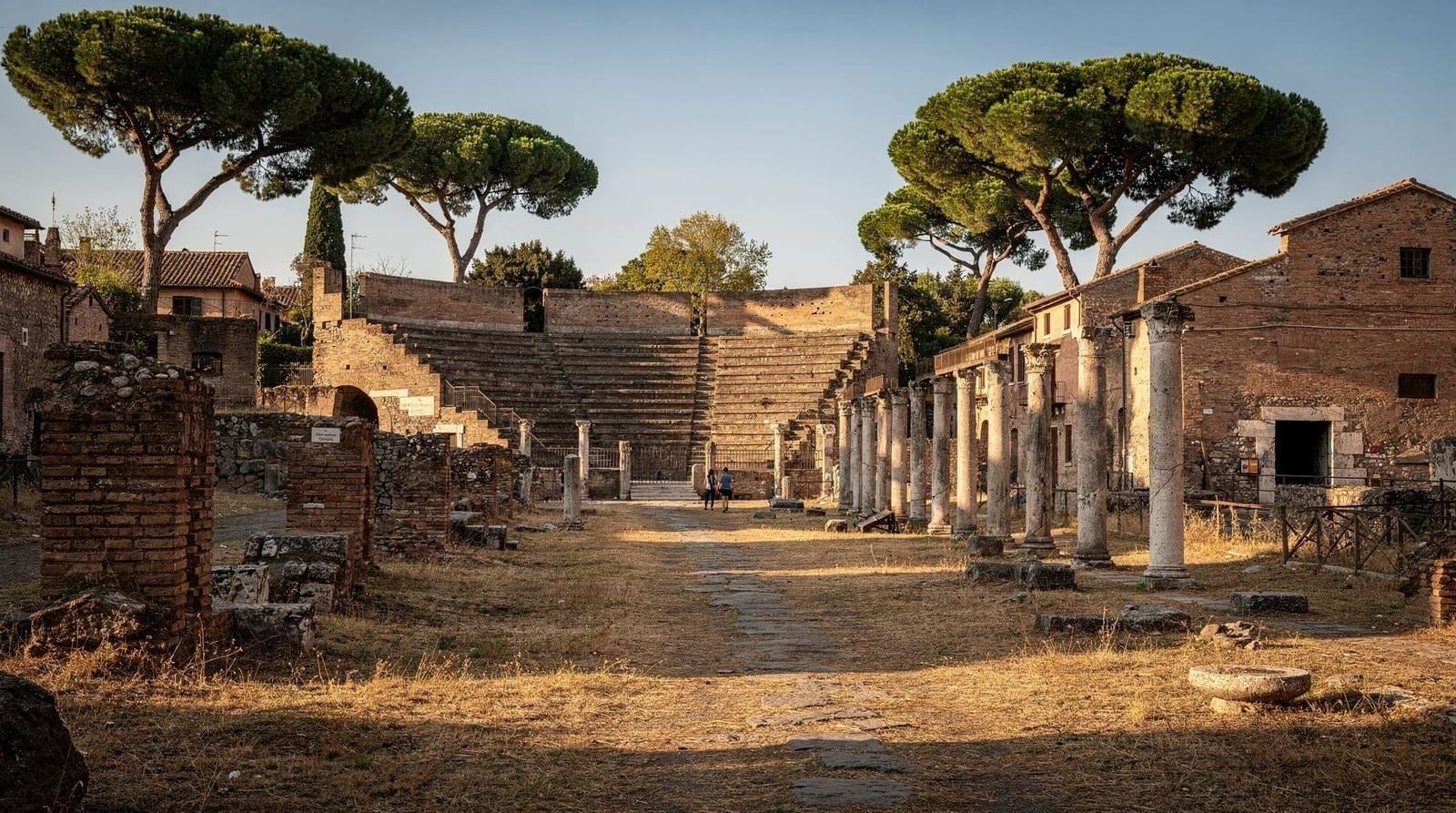
For beach-seekers who also want some archaeological content, Ostia Antica (the ancient port city, not the modern beach suburb) is 45 minutes from Rome and excellent — though it is an archaeological site, not a swimming destination.
If you’d rather join a guided day trip instead
Because Sperlonga has no guided tour option from Rome, some visitors prefer a day trip that comes with transport and a guide included. It won’t be the same coastal-village-plus-beach combination, but the closest guided equivalents in terms of a full day out of the city are Tivoli’s villas or the Castelli Romani wine towns:
Tivoli’s UNESCO villas day trip — guided, no train planning requiredIf your priority is simply “a relaxed full day away from Rome with minimal logistics,” a guided option removes the train-timetable planning that Sperlonga otherwise requires. If your priority is specifically clean-water swimming and a beach village atmosphere, no guided alternative matches Sperlonga — the DIY train trip is worth the extra planning.
Sperlonga in context: the Lazio coast
Sperlonga sits on a stretch of coast that is sometimes called the Riviera di Ulisse — the coastline between Terracina and Gaeta, associated in mythology with the journeys of Odysseus (hence the Tiberius Grotto’s Odyssey sculptures). The coastal landscape here is dramatically different from the flat, low shore near Rome: limestone cliffs, sea stacks, clear water, and small fortified medieval towns.
Other towns on this stretch worth knowing about:
| Town | Distinctive feature | Reachable with Sperlonga’s train? |
|---|---|---|
| Sperlonga | Medieval headland village, Tiberius’s grotto | — |
| Gaeta (15 km north) | Larger medieval town, impressive castle, good seafood | No — change at Formia |
| Terracina (30 km north) | Roman Temple of Jupiter at the clifftop | No — different bus line |
A car is more practical for combining coastal stops in a single day; by train, Sperlonga is best treated as a standalone day trip. For general logistics on getting around outside central Rome, see our getting around Rome guide, and for the summer heat context that affects beach timing, our Rome in summer guide.
What to pack for a Sperlonga day trip
Because this is a full day out with limited chances to buy forgotten items cheaply, pack deliberately: swimwear, a change of clothes for the train home, a beach towel (even if renting a beach club umbrella, most don’t include towels), reef-safe sunscreen, a hat, and a refillable water bottle — village shops sell water but at higher prices than a supermarket. If visiting the archaeological museum, bring a light layer, as the grotto and museum interior are noticeably cooler than the beach. Cash in small denominations is useful for the bus (€1.30) and for smaller village shops that may not take cards. Comfortable closed shoes are worth packing separately if you plan to do the headland walk, since it is uneven underfoot in places sandals don’t handle well.
Practical details for 2026
Train booking: Trenitalia regional and IC trains to Fondi-Sperlonga. Book in advance (trenitalia.com) — IC services have reserved seats and sell out on summer weekends. Regional trains are turn-up-and-go but may be crowded on August weekends.
Beach clubs: In July and August, sun loungers at popular beach clubs are often reserved by 10:00. If you want a spot, arrive early or book ahead where possible (some clubs accept online reservations in peak season).
Water: Bring plenty of water for the journey and for the beach — the village has bars but prices at beach-adjacent bars are higher than in the centre.
ATAC vs Trenitalia: The Fondi-Sperlonga train is a Trenitalia ticket (not covered by the €1.50 Rome ATAC pass). Budget for a separate train ticket.
Sun protection: The beach faces west and gets afternoon sun strongly. Bring high-SPF sunscreen, especially if visiting in June–August when UV index is very high.
For an overview of all train-accessible destinations from Rome and a broader comparison of day trip options, see our day trips by train from Rome guide and our best day trips from Rome guide.
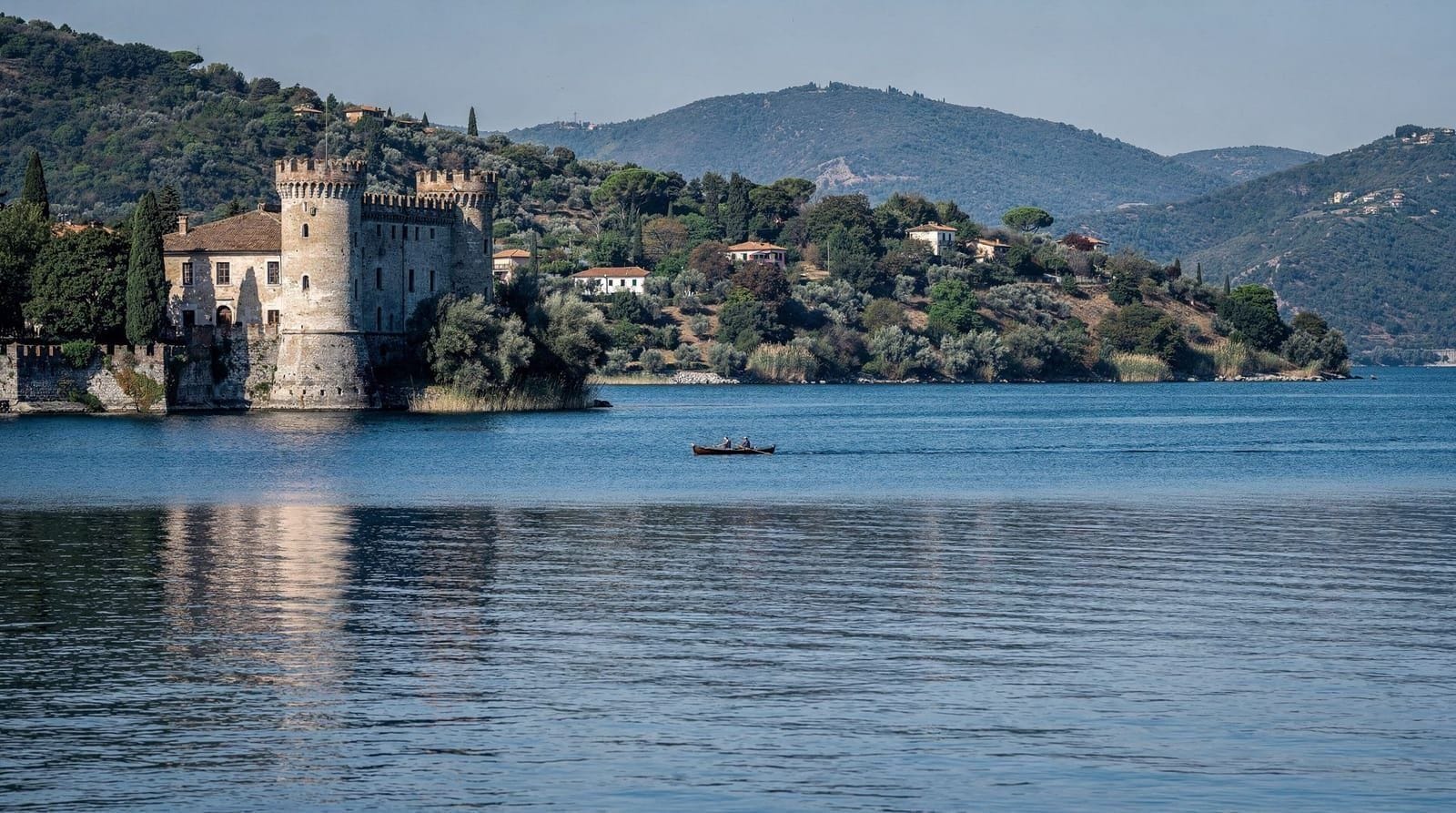
In terms of lake alternatives to a coastal beach day, our Lake Bracciano day trip guide covers the nearest freshwater swimming option to Rome. For a wine-and-countryside alternative that doesn’t involve swimming, see our Castelli Romani day trip guide.
Frequently asked questions about Sperlonga beach day trip: Rome's best seaside escape
How do I get from Rome to Sperlonga?
Is Sperlonga beach good for swimming?
Is there a beach club or can I use the beach for free?
What is there to do in Sperlonga beyond the beach?
Is Sperlonga safe for families?
How long is the beach at Sperlonga?
When is the worst time to visit Sperlonga?
Are there restaurants in Sperlonga?
Top experiences
Bookable activities with verified prices and instant confirmation on GetYourGuide.