How to avoid the crowds in Rome: timing, routes and tactics
Rome: Guided Tour of Colosseum, Roman Forum & Palatine Hill
How do you avoid crowds at Rome's main attractions?
The single most effective tactic is timing: Colosseum before 09:30 or after 16:00, Vatican on an early-morning tour (access before standard opening), Trevi Fountain before 07:30 or after 21:00, Borghese Gallery by advance booking only. For the Roman Forum, late afternoon (after 15:00) in any season dramatically reduces density. Avoid July and August for all outdoor sites.
The honest premise about Rome’s crowds
Rome has approximately 35 million visitors per year. On a peak summer day, 25,000-30,000 people enter the Colosseum. The Vatican receives up to 23,000 visitors daily in high season. These are not numbers you can entirely escape — the question is whether you are inside the crowd at its peak or whether you have moved around it.
Crowd avoidance in Rome is primarily a timing strategy, secondarily a routing strategy, and only lastly a seasonal strategy. This guide addresses all three.
| Worst crowd months | July–August, Easter week |
| Best crowd months | November–February, late Sept–Oct as a compromise |
| Worst site | Trevi Fountain (no timed entry, no mitigation midday) |
| Best fix | Book Colosseum/Vatican early-morning or last-hour slots |
| Quietest weekdays | Tuesday and Wednesday |
| Booking lead time | Colosseum 4–8 weeks, Borghese 10–14 days in peak |
Quick reference: timing by site
| Site | Best time | Worst time | Advance booking |
|---|---|---|---|
| Colosseum/Forum | 09:00 or after 15:30 | 10:30–14:00 | 4–8 weeks (peak season) |
| Vatican Museums | Pre-opening tour or Friday evening | 10:30 onward | 3–4 weeks in 2026 |
| Trevi Fountain | Before 07:30 or after 21:00 | 10:00–20:00 | None — no timed entry exists |
| Borghese Gallery | Any booked slot (capped anyway) | N/A — capacity-limited | 10–14 days minimum |
| Pantheon | 09:00 opening or last hour | 10:00–14:00 | Not required, but recommended |
Timing: the primary tool
The pattern across virtually every Rome attraction is the same: crowds build from mid-morning, peak between 11:00 and 14:00, decline slightly in mid-afternoon, and thin dramatically in the final 1-2 hours before closing.
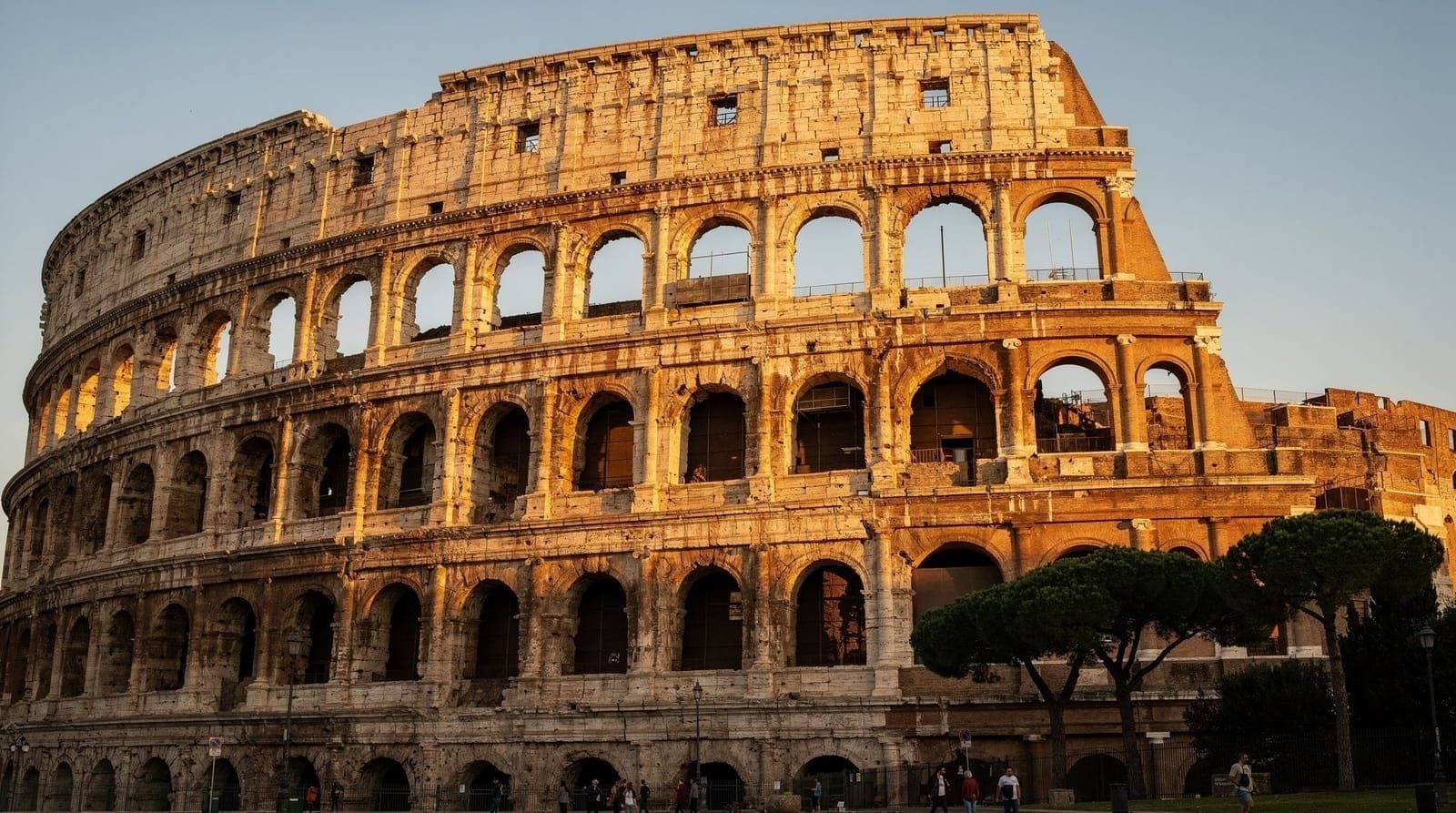
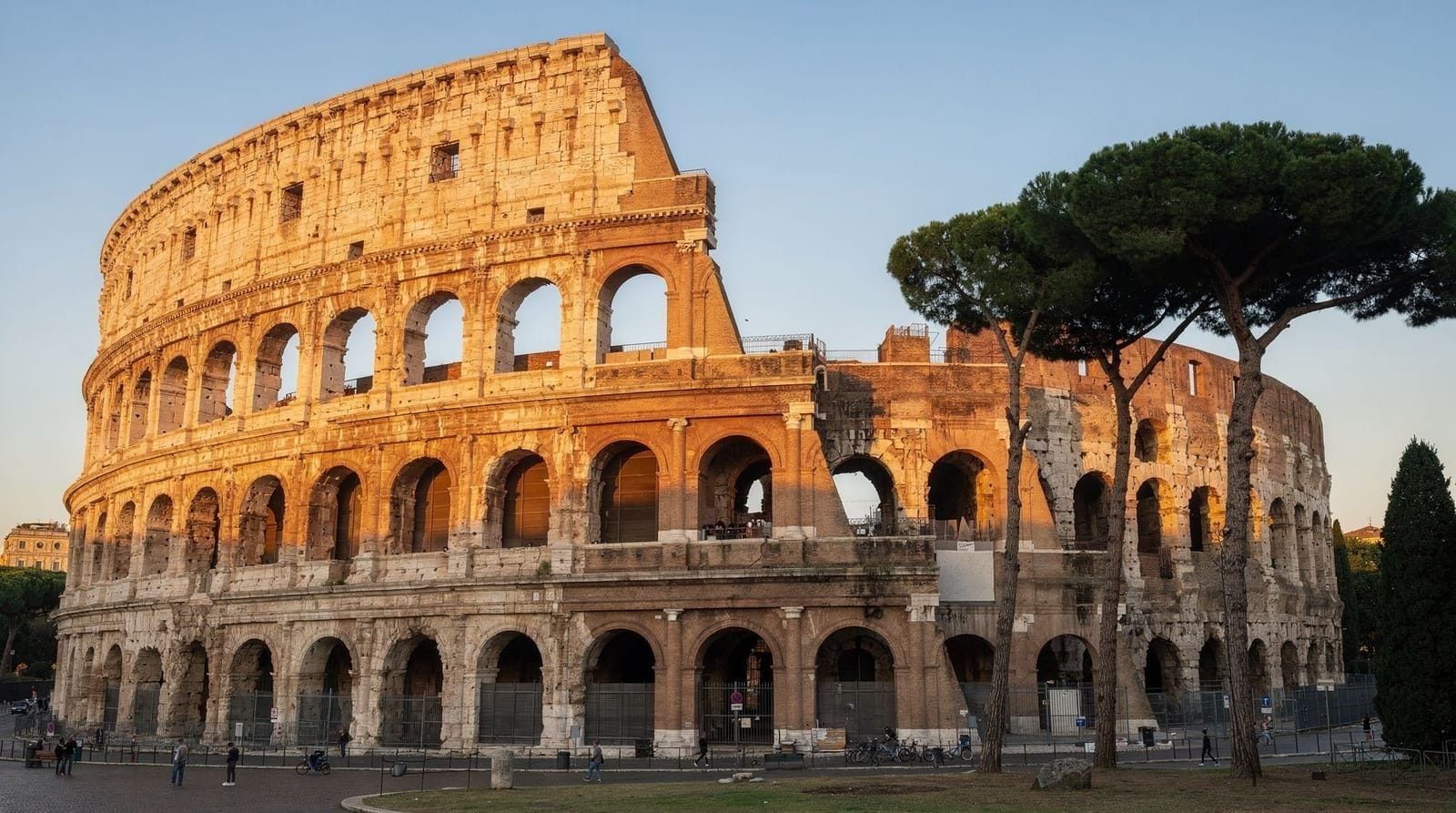
Colosseum and Roman Forum: Best entry time: 09:00-09:30 (first slot of the day, when the complex is freshest) or after 15:30 (when day-trip tour groups have departed and the site empties). The worst time is 10:30-14:00, when multiple tour groups arrive simultaneously. With a pre-booked timed ticket, the actual entry process is efficient regardless of the queue outside — but the site itself is still more pleasant at less peak hours.
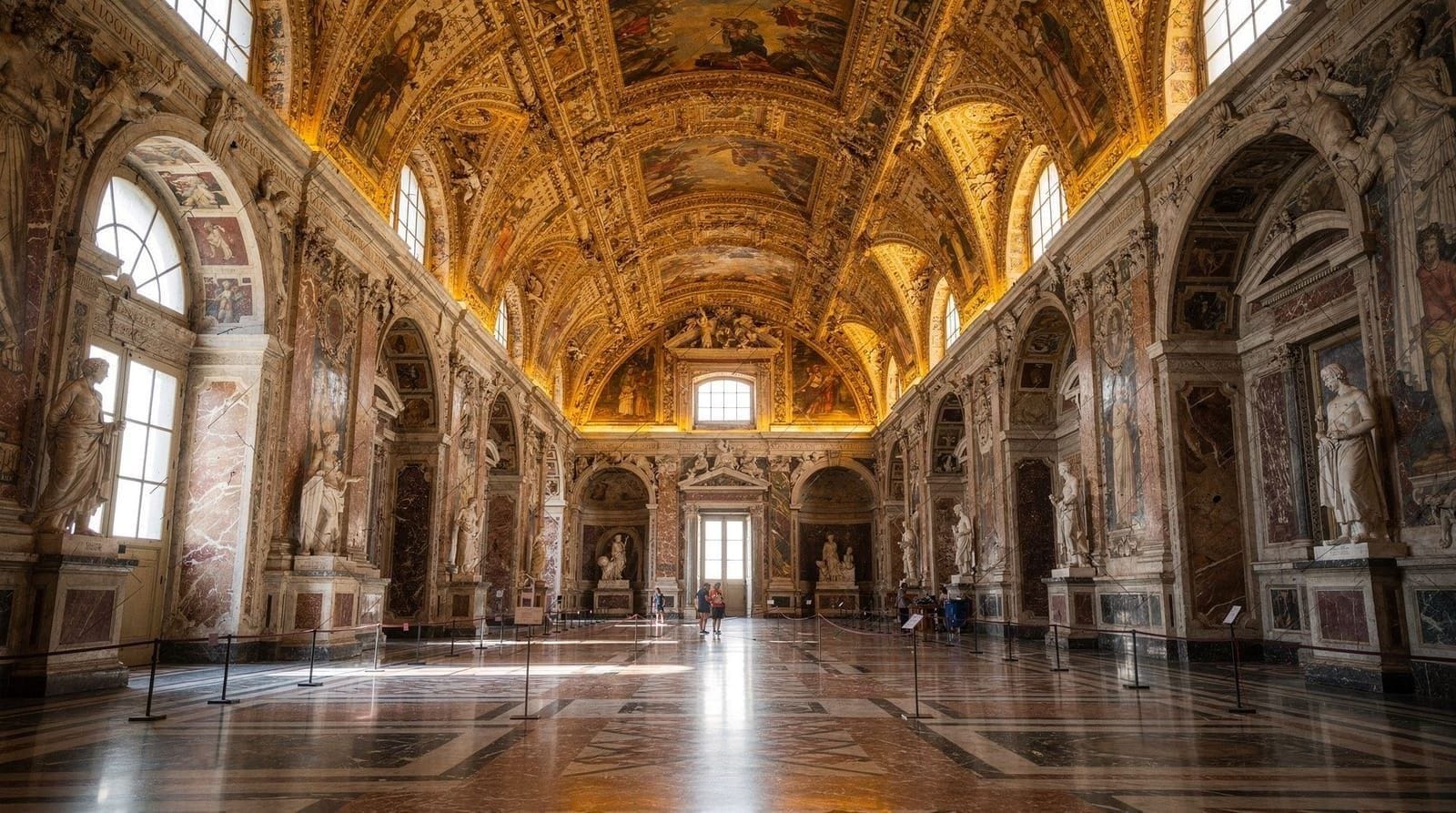
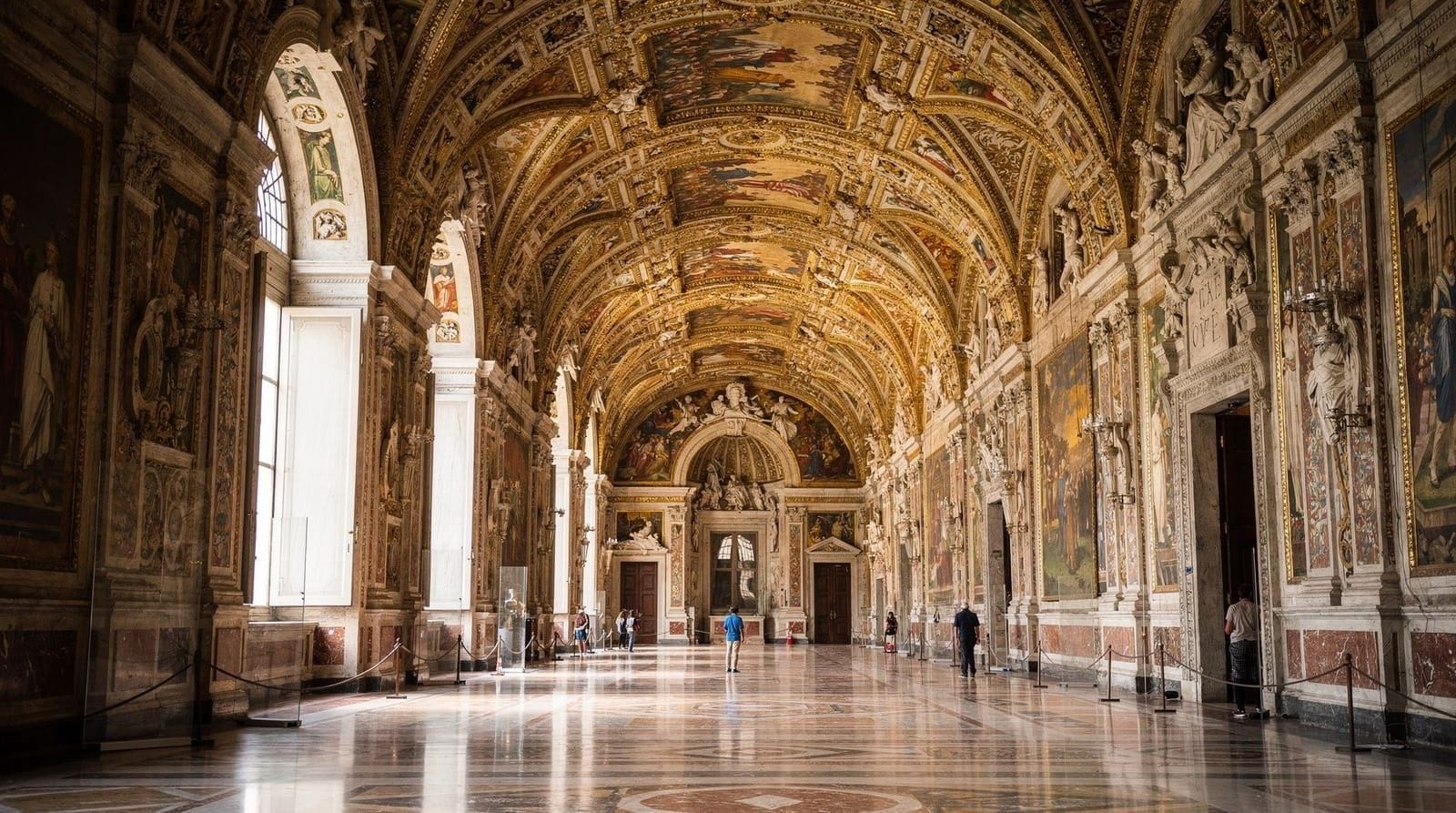
Vatican Museums: The standard opening is 09:00. By 10:30 the main galleries are dense. The practical options for crowd avoidance:
- Book an early morning tour with pre-opening access (07:30-08:30 entry before public opening). These tours cost more but deliver the Sistine Chapel with dramatically fewer people.
- Book a standard 09:00 timed slot and move rapidly to the Sistine Chapel before the mid-morning surge arrives from other sections.
- Visit on Friday evening — the Vatican Museums have late-night opening on Friday (until 23:00, last entry 21:30). This is significantly less crowded than weekday mornings.
See our detailed Vatican best time to visit guide.
Trevi Fountain: Crowd curve is extreme — from 09:00, density builds; by noon it can be physically difficult to move. After 20:00, crowds thin substantially. After 21:00, with the fountain lit, the crowd is manageable and the atmosphere is better than any daytime visit. There is no alternative route or access — the fountain is what it is, and the only variable is when you arrive.
Borghese Gallery: No crowd problem exists for the simple reason that strict capacity limits (180 people per 2-hour session) prevent overcrowding. The challenge is not crowds but availability — booking opens significantly in advance and popular slots sell out. Book 10-14 days ahead minimum. See our Borghese booking guide.
Pantheon: Since the 5 € entry charge was introduced in 2023, the Pantheon’s spontaneous visitor density has reduced. Still busy between 10:00 and 14:00 but less overwhelming than previously. Best visited at opening (09:00) or in the last hour (19:00 in summer).
A guided tour of the Colosseum, Forum and Palatine includes timed entry coordination — the guide manages the entry process, which is the most time-sensitive part of the visit.Seasonal strategy
The broad hierarchy of crowd intensity, from worst to best:
July and August: Maximum. Heat (32-38°C) drives visitors into air-conditioned attractions simultaneously, so indoor sites are particularly dense. Outdoor queues in full sun are genuinely unpleasant. Many local Romans leave in August, reducing the authenticity of neighbourhood restaurant scenes. If your only option is July-August, compensate with very early morning starts (08:00 at every outdoor site), midday breaks, and evening activities.
Easter week and the two weeks on either side: Very high. Italian domestic tourism plus international Easter pilgrimage creates the most concentrated visitor peak of the year. Prices double. Book everything 6-8 weeks ahead.
June and late September through mid-October: High but manageable. Advance booking handles the major sites. Temperatures are reasonable. October is arguably Rome’s best month.
April and May: Moderate to high. Spring flowers, good weather, and school trip season. Italian school groups dominate the Colosseum and Vatican on weekday mornings.
November through early December: Low. Some days will be cold and wet but the city is accessible and calm. Hotel prices are at their lowest.
January and February: Very low. Cold (8-15°C days), some closures and shorter hours. The city is genuinely quiet. Christmas decoration residue is still visible early January.
See our full best time to visit Rome guide for month-by-month detail.
Routing: the secondary tool
For the Colosseum and Roman Forum, the standard tourist flow runs: Metro to Colosseo → main Colosseum entrance → back toward Forum. A countervailing route that often encounters fewer queues: enter the Forum from the Via Sacra entrance (near Arch of Titus) first, walk the Forum when groups are still at the Colosseum, then enter the Colosseum from the Forum side in mid-morning when the main entrance queue is at its worst.
For the Vatican, the standard flow is: entrance on Viale Vaticano → through the galleries → Sistine Chapel → St. Peter’s Basilica. The counterintuitive approach: enter at opening, bypass the early galleries quickly (you can return on the way back), reach the Sistine Chapel before the mass of visitors arriving mid-morning. The gallery sequence is not mandatory in one direction — experienced visitors walk past exhibits on the way in and examine them on the way out, after the Chapel.
For Piazza Navona: the square fills from noon onwards. The bars and cafés around the perimeter are tourist-priced regardless of time, but the fountain (Fontana dei Quattro Fiumi) and the Bernini composition are best examined before 10:00 or after 20:00 when you can actually look at them without dozens of people simultaneously in your sightline.
Strategic alternatives: going somewhere else
The cleanest crowd-avoidance strategy is not timing the main sites better — it is substituting less-visited equivalents.
Instead of Pompeii (overwhelmingly crowded in peak season), go to Ostia Antica: comparable ancient urban archaeology, 30 minutes from Rome, a fraction of the visitors.
Instead of the Vatican Museums on a Saturday in July, visit the Palazzo Doria Pamphilj: private palace gallery with Velázquez and Caravaggio, almost never crowded, 15 minutes’ walk from the Pantheon.
Instead of the Colosseum on first Sunday (free, two-hour queue), go to the Baths of Caracalla on the same morning: ancient Rome, enormous scale, fraction of the Colosseum crowd.
The Appia Antica on a Sunday morning (no cars) is a genuinely uncrowded ancient Rome experience that requires no booking and costs nothing.
The Catacombs and Appian Way experience is one of the best crowd-free ancient Rome half-days — the catacombs themselves require a guide and have managed entry, which naturally limits density.The booking imperative
In 2026, not booking in advance means:
- Colosseum: potential 1-3 hour queue on weekends and school trip season (spring weekdays)
- Vatican: potential 90-minute walk-up queue, and often no availability for same-day timed entry
- Borghese Gallery: the single most booking-dependent attraction in Rome — without a reservation, entry is simply not possible regardless of how long you wait
The counter-argument (“I prefer to be spontaneous”) is not realistic for Rome’s major sites. Pre-booking does not eliminate flexibility — it adds it, because you know exactly when your attraction slot is and can structure everything else around it.
All legitimate booking sources for Rome’s major sites:
- Colosseum: coopculture.it
- Vatican: museivaticani.va
- Borghese Gallery: tosc.it/borghese
- GYG for guided tours: provides access at roughly the same entry timing as independent tickets but with a licensed guide included
Crowd avoidance in specific neighbourhoods
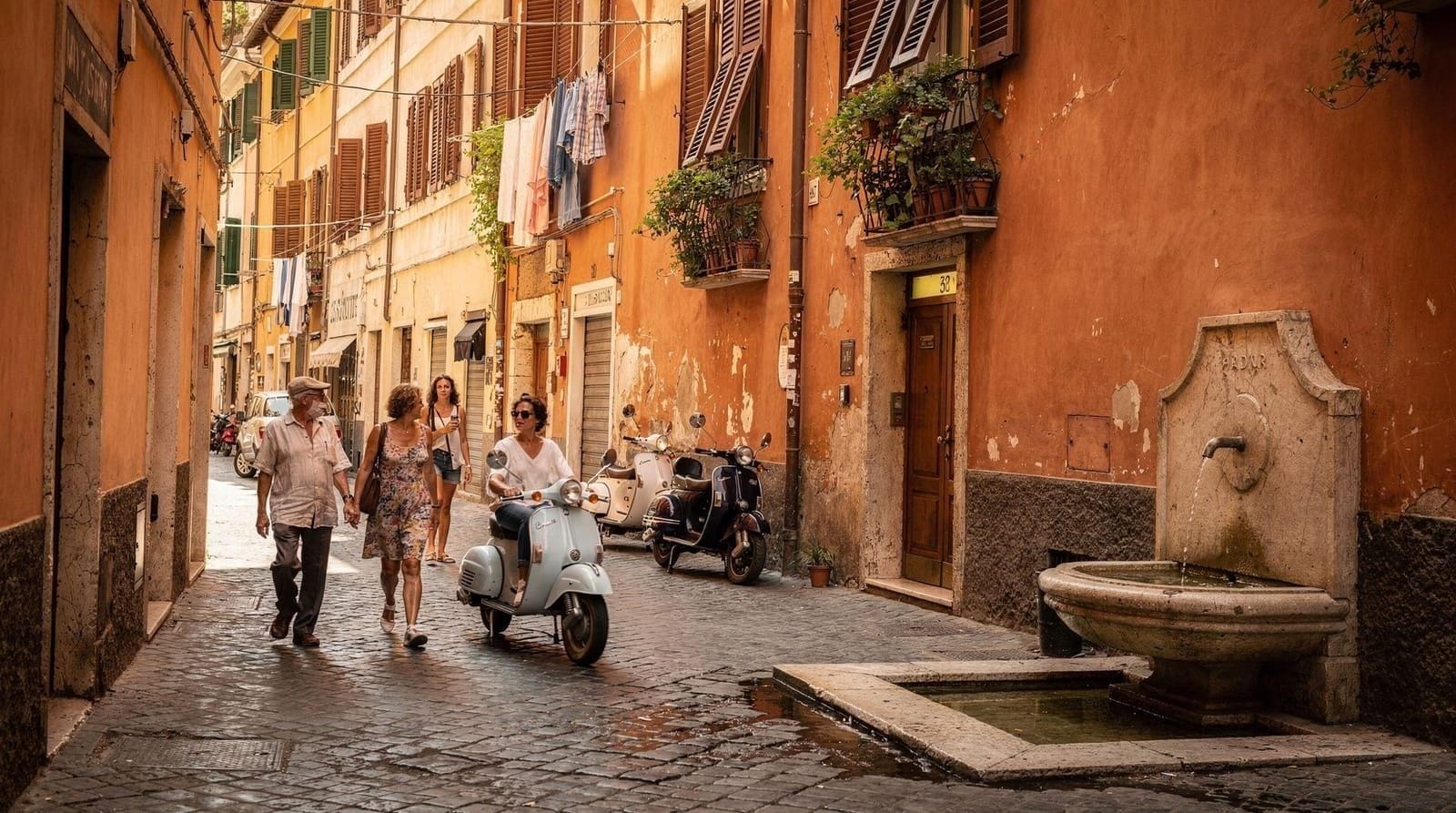
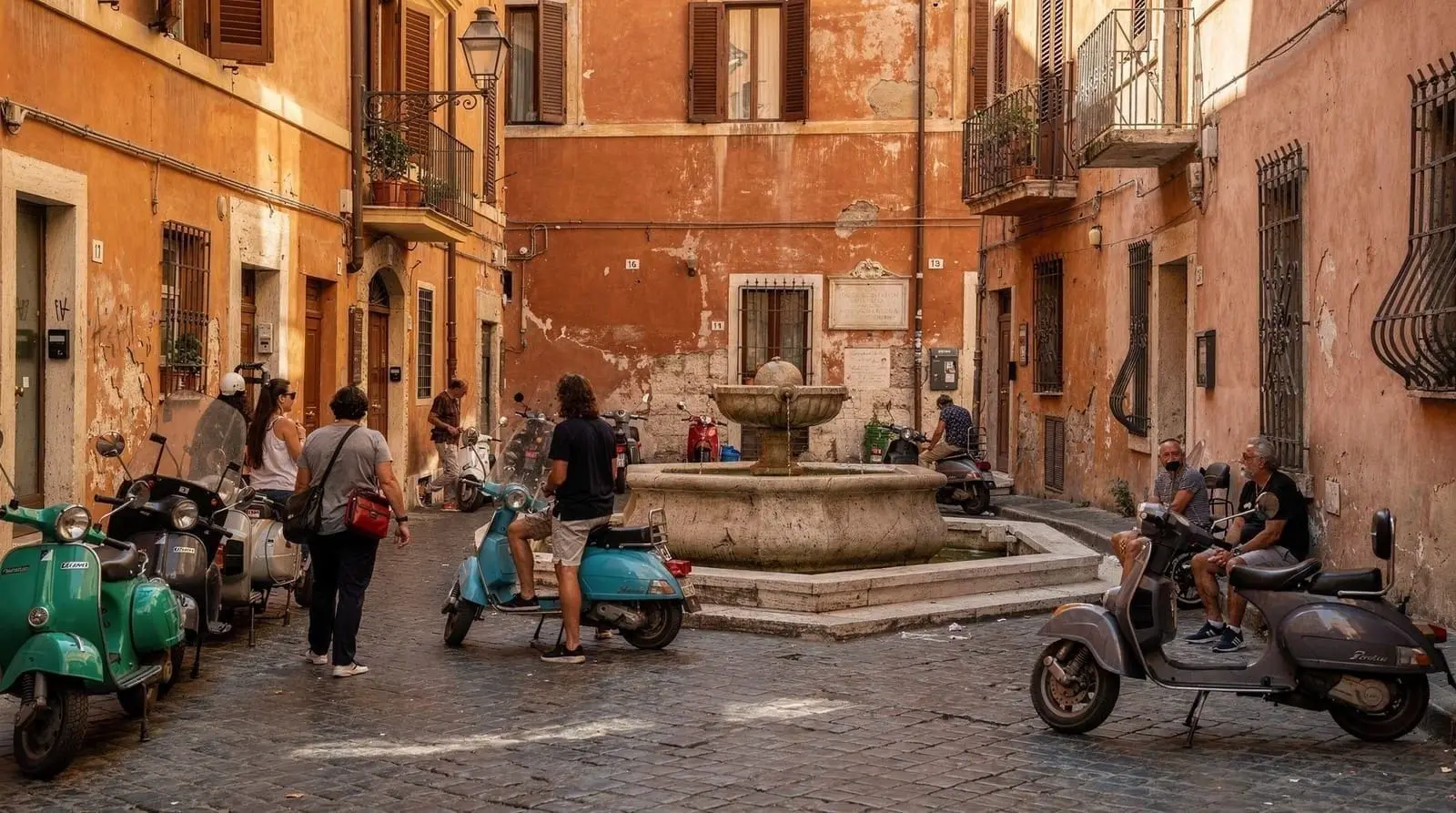
Trastevere: Crowded on summer evenings, particularly around Piazza Santa Maria in Trastevere. Less crowded on weekend mornings (most tourists sleep late). The narrow streets one block back from the main tourist squares are significantly calmer at all times.
Campo de’ Fiori: The market (morning until 13:00) is genuinely local and worth experiencing. The evening bar scene from 19:00 onwards is predominantly tourist-facing and noisy. Morning visit, not evening, is the correct approach for the authentic experience.
Piazza Navona: Perpetually busy in high season. Best at dawn or late evening.
Monti neighbourhood: Generally manageable even in peak season because it is not on standard tourist itineraries. Busier on Saturday afternoons when Roman shoppers come. See the Monti neighbourhood guide.
The evening option
Rome’s historical centre at night (20:00 onwards) is genuinely different from daytime: quieter, more beautiful under the street lights, the fountains illuminated, and the restaurant/bar energy is local rather than tour-group-focused.
An evening walking itinerary covering Navona, Campo de’ Fiori, the Jewish Ghetto, and the Tiber embankment involves the same places as a daytime tour but with a completely different quality of experience. The major downside is that entrance to paid sites is no longer available, so this works only as a complement to daytime museum visits.
Rome’s evening walking tour covers the historic centre at the time of day when it is most accessible and most beautiful — a structured way to experience the city with manageable crowd levels.Restaurant and dining crowds
Crowd avoidance is not only about monuments — the most-recommended trattorias in Trastevere, Testaccio and the centro storico fill up on the same predictable curve as the sights. A table at a popular Roman restaurant between 20:00 and 21:30 typically means a wait, even with a reservation, whereas the same restaurant at 19:00 or after 21:45 seats you immediately and the kitchen is less stretched. Lunch has an equivalent pattern: 13:00–14:00 is peak, while arriving at 12:30 or 14:15 avoids it almost entirely. This matters most at destination restaurants that do not take reservations (common in Trastevere and Testaccio) — arriving at the edges of service rather than the centre of it is the only real crowd-avoidance tool available.
What to do when crowds are unavoidable
Some situations: you arrive in Rome on a Saturday in June with no advance bookings. The Colosseum queue is two hours. The Vatican is not accepting walk-ups.
Practical responses:
- Do the free half-day: Capitoline Hill terrace (view of the Forum, free), church of San Luigi dei Francesi (Caravaggio, free), Piazza Navona (free to walk), Campo de’ Fiori market if it is morning.
- Book same-day evening or next-morning slots online. The Colosseum often has availability for same-day booking if you check in the morning for afternoon slots.
- Pivot to the less-visited sites: Palazzo Doria Pamphilj, Palazzo Barberini, Museo Nazionale Romano. All have substantially lower visitor volumes even on busy days.
The worst response is to queue for two hours at an attraction you did not plan for, in heat, without water, with tired travelling companions. Rome has enough content that queuing is almost never necessary if you are willing to reorganise.
The Jubilé effect in 2026
2025 was a Holy Year for the Catholic Church, bringing elevated pilgrimage traffic to Rome throughout the year. The visitor momentum from the Jubilée continues into 2026, with higher-than-normal volumes at Vatican sites in particular. Hotels near the Vatican and at Termini are running at higher occupancy than pre-Jubilée baselines.
This means advance booking for Vatican entry in 2026 is more important than it has been in previous non-Jubilée years. Book Vatican tickets 3-4 weeks ahead for any visit between April and October.
Italian public holidays that spike crowds
Beyond the general seasonal pattern, specific Italian public holidays create sharp, predictable crowd spikes that catch visitors off guard because they are not obviously “tourist season” dates:
- 25 April (Liberation Day) and 1 May (Labour Day): Often bridged into a long weekend by Italians, creating a domestic tourism surge on top of the already-busy spring international crowd.
- 2 June (Republic Day): A national holiday with a military parade in Rome itself — expect road closures around the centre and elevated crowds at major monuments that day.
- 15 August (Ferragosto): Counterintuitively, central Rome’s major sights stay busy with international tourists even though many Romans leave the city entirely; restaurants in residential neighbourhoods may close for the week while the tourist core remains crowded.
- 1 November (All Saints’) and 8 December (Immaculate Conception): Both fall in otherwise quiet shoulder-season windows and create a one- or two-day local crowd spike, particularly at churches.
- 29 June (Feast of Saints Peter and Paul): A Rome-specific public holiday (not observed nationally) that noticeably increases crowds at St. Peter’s and Vatican-area sites specifically.
None of these require avoiding Rome altogether, but knowing the dates lets you shift a Colosseum or Vatican visit by a day and avoid a completely avoidable spike.
The crowd mathematics of Rome’s sites
Understanding crowd volume helps prioritise. Some rough 2026 estimates for peak season visitor numbers at key sites:
- Colosseum: 23,000-28,000 visitors per day in July (entrance staggered by timed tickets, but inside capacity management is limited)
- Vatican Museums: Up to 23,000 per day in high season
- Trevi Fountain: No formal counting, but the piazza holds approximately 500-800 people at capacity — which is reached daily from 10:00-20:00 in peak season
- Pantheon: Around 6,000 per day since entry fees were introduced
- Borghese Gallery: Capped at 180 per 2-hour session = maximum 900 per day
The implications:
- At the Colosseum, even with timed entry, you will share the interior with hundreds of other visitors. This is unavoidable. The choice is whether to arrive early (relatively fresh crowd, good light on the western side) or late (tired crowd, better light on the eastern side for photography).
- At the Vatican, the gallery experience is density-management even with advance booking. The only real escape is early morning tour access.
- At Trevi, there is genuinely no accessible mitigation during daytime hours. Early morning (before 08:00) and evening (after 21:00) are the only quiet windows.
Pickpocket hotspots and crowd caution
Beyond queuing, crowd density in Rome creates pickpocket risk. The highest-risk zones are specifically the crowded public transport connections:
- Metro Line A between Termini and Ottaviano: This is the Vatican direction route that carries enormous tourist volumes. Pickpocket teams operate specifically during rush-hour crush at Termini, Barberini, and Ottaviano stops. Keep phones and wallets in front pockets or inside zipped bags.
- Bus 64 and Bus 40 (Termini to Vatican): Both buses are specific pickpocket targets because they carry obvious tourists with cameras and luggage. Single tickets and day passes are sold at the stops — validate immediately on boarding.
- Trevi Fountain midday crowd: The concentrated crowd around the fountain is a pickpocket environment. Do not use your phone for photography in the densest part of the crowd without securing it with a strap or case.
This is not cause for paranoia — the overwhelming majority of visitors experience nothing. It is cause for the same awareness you would apply in any major European city’s crowded tourist space. See our Rome scams guide for a full breakdown of what to watch for.
Public transport crowd patterns
Rome’s public transport has its own crowd curve, distinct from the sights themselves. Metro Line A and Line B are at their most crowded during the local commuter rush (roughly 07:30–09:00 and 17:30–19:30 on weekdays), which overlaps uncomfortably with the tourist morning rush toward the Vatican or Colosseum. Travelling just outside those windows — an 06:45 or a 09:45 metro ride rather than 08:15 — is noticeably more comfortable and reduces the pickpocket-risk crush described above. Buses toward the Vatican (40 and 64) are consistently packed regardless of time of day in peak season, so the metro is generally the better choice when both options exist. Weekends shift the pattern: Saturday afternoon shopping traffic on Via del Corso and around Piazza di Spagna rivals weekday commuter density, while Sunday mornings are the quietest transport window of the week.
Building a crowd-aware itinerary structure
The practical approach to a 3-4 day Rome itinerary that manages crowd effectively:
Day 1: Colosseum area — morning Book a 09:00 Colosseum entry. Move through the Colosseum, descend to the Roman Forum, walk the Forum floor, climb to Palatine Hill. Finish by 13:00. Afternoon is free for neighbourhood walking (Monti or Trastevere).
Day 2: Vatican — early morning Book either an early morning tour (07:30 entry) or standard 09:00 timed entry on the official Vatican site. Move directly to the Sistine Chapel first. Allow 3-4 hours. Afternoon: St. Peter’s Basilica (free, no timed entry required, but verify dress code — shoulders and knees covered).
Day 3: Borghese Gallery — advance booked slot Take the morning slot (typically 09:00) at the Borghese Gallery. The gallery takes exactly 2 hours. Combine with the Borghese Gardens and the Pincio Hill terrace view for a half-day. Afternoon free for Palazzo Doria Pamphilj, a Caravaggio church circuit, or Testaccio.
Day 4: The uncrowded circuit Ostia Antica (train, 30 minutes), or the Appian Way (bus 118), or the Baths of Caracalla plus the Aventino keyhole. None require advance booking. All are accessible with a transport day pass.
See our full Rome itinerary planning guide and how many days in Rome guide for detailed day-by-day structures.
Frequently asked questions about How to avoid the crowds in Rome: timing, routes and tactics
What is the least crowded time of year to visit Rome?
Can I visit the Vatican without crowds?
Is there a less crowded alternative to the main Colosseum entrance?
When is Trevi Fountain quiet?
Does rainy weather reduce crowds at Rome's sites?
What day of the week has the fewest crowds?
Top experiences
Bookable activities with verified prices and instant confirmation on GetYourGuide.