Amalfi Coast: day trip vs overnight from Rome
From Rome: Day Trip to the Amalfi Coast and Positano
Is a day trip to the Amalfi Coast from Rome worth it?
A day trip is worth it only if an overnight stay is genuinely not possible — it gives you the view and the atmosphere in a compressed format, but it is long and tiring. Two nights on the coast (Sorrento as a base, or Positano for splurge) transforms it from a tick-the-box excursion into a real experience. If you have 7+ days in Italy, build in at least one night.
The most debated day trip from Rome
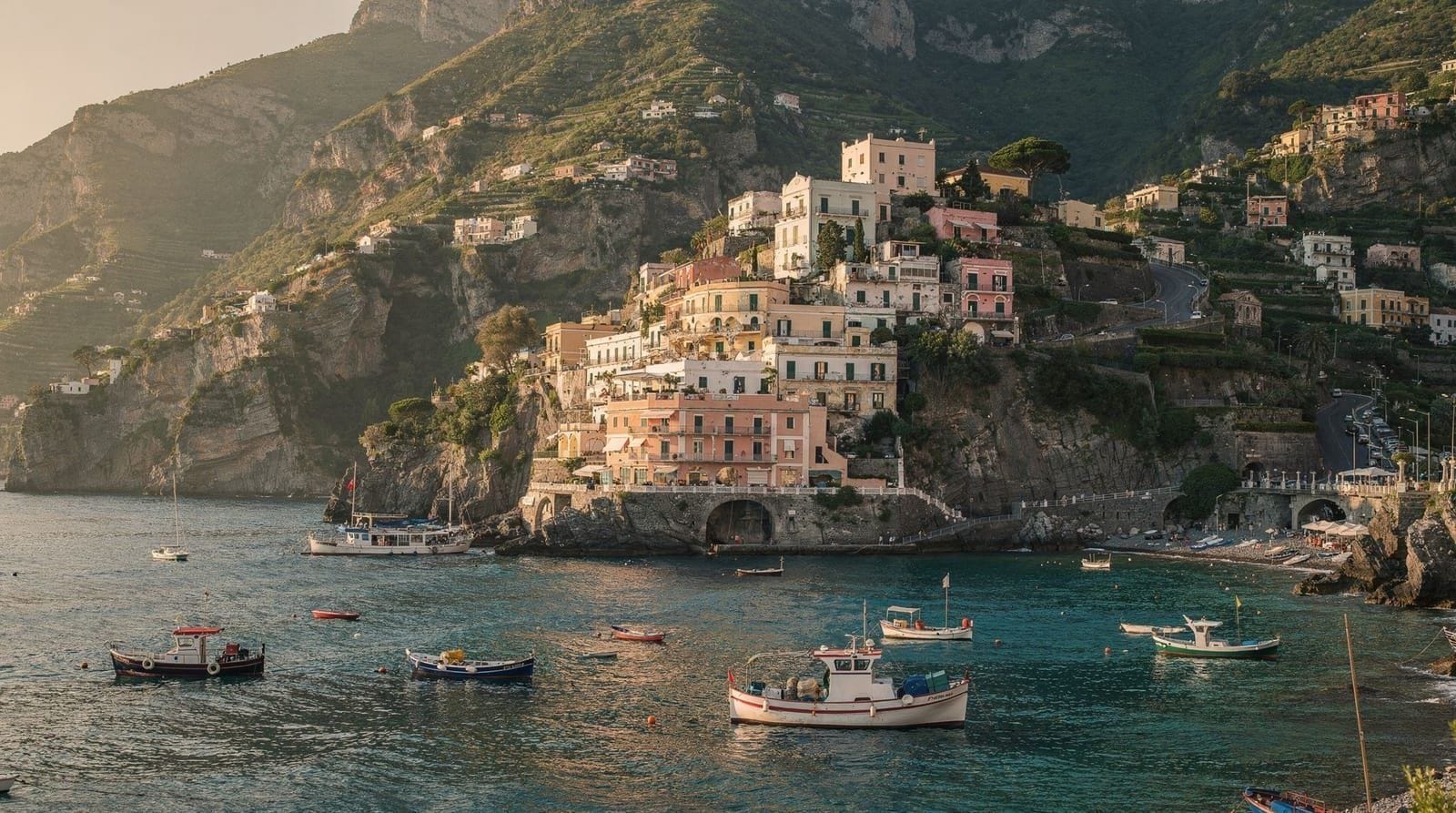
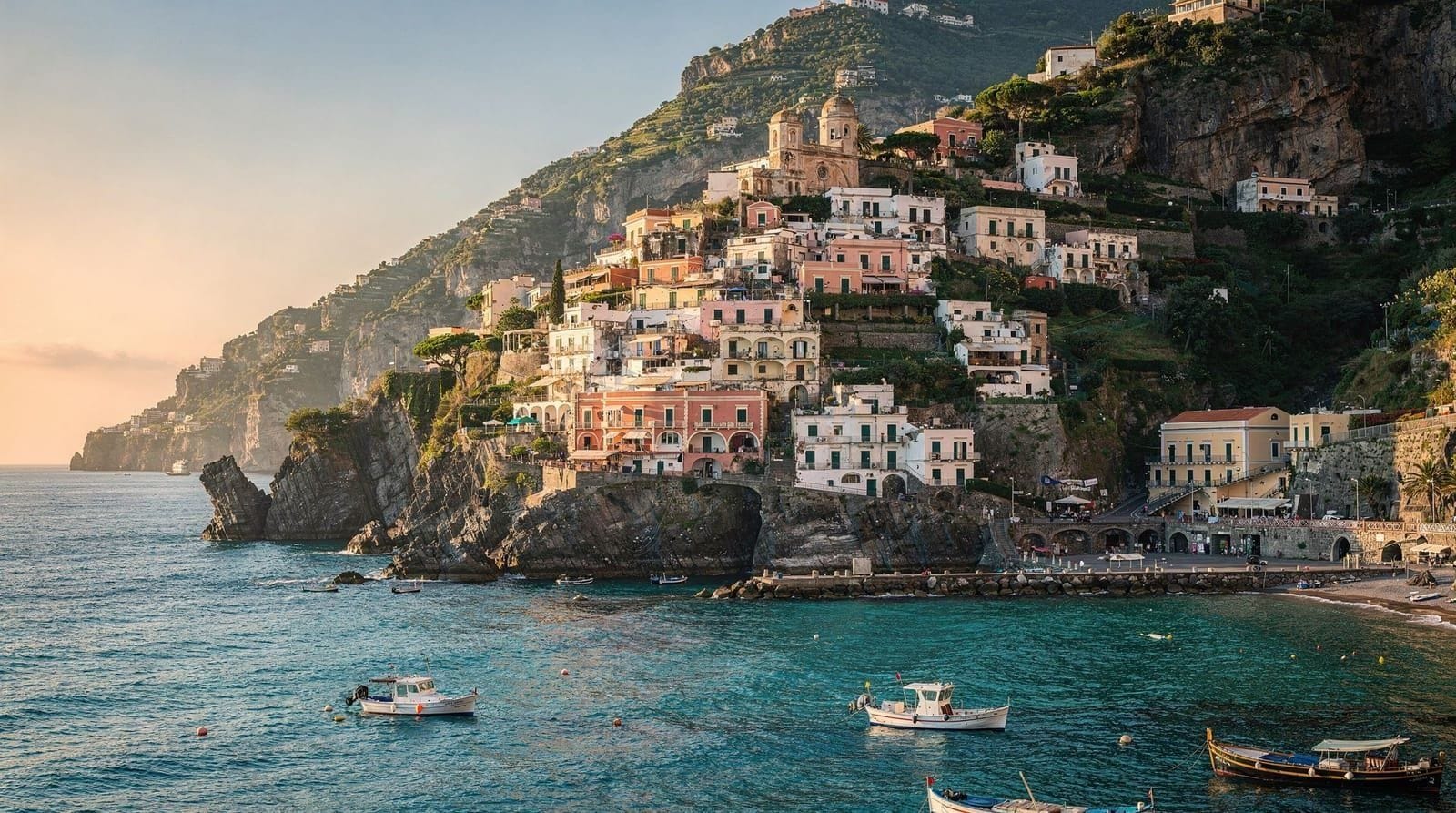
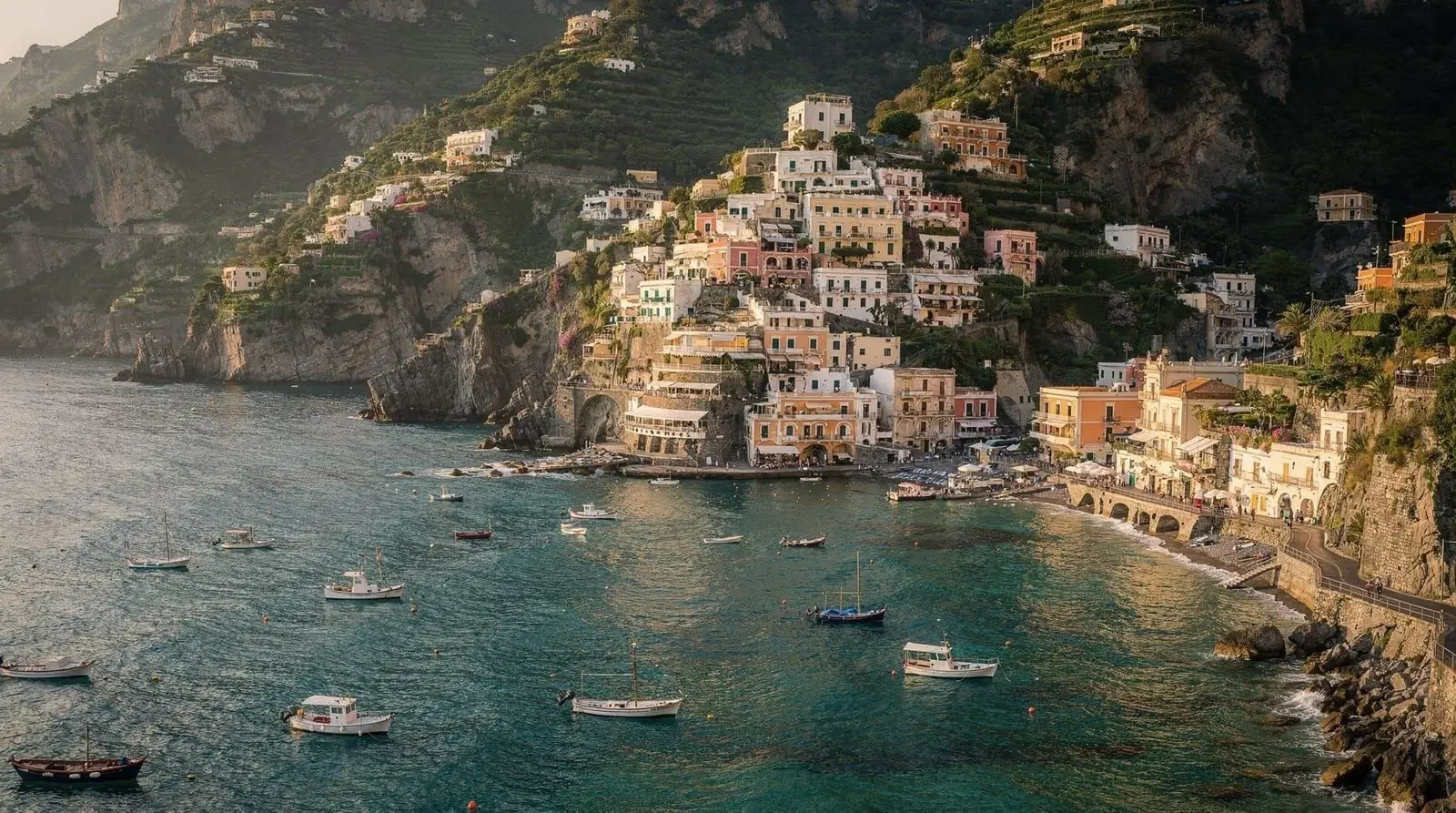
The Amalfi Coast is one of the world’s most celebrated stretches of coastline — 50 km of limestone cliffs dropping into turquoise water, with whitewashed villages built into the cliff face, lemon groves terraced on impossible gradients, and fishing boats in harbours that look unchanged since the 16th century. It is also, from Rome, at the end of a genuinely long logistics chain. The debate between a day trip and an overnight stay is not about which is more enjoyable — an overnight is always more enjoyable — but about what is realistic for different trip lengths and priorities.
This guide provides an honest, detailed picture of what each option actually delivers and what it costs in time, money, and energy.
| Distance from Rome | around 250 km / 3–3.5 hrs door-to-water each way |
| Day trip cost | around €110–165/person (independent) or €75–120 (organised tour) |
| Overnight cost | around €280–400/person for one night in Sorrento |
| Best base for a stay | Sorrento (practical) or Positano (splurge) |
| Best time to go | late May–June or September–October |
Compare this against a shorter, easier alternative: Tivoli vs Ostia Antica covers two day trips that need no overnight stay at all, if the Amalfi logistics feel like too much for your itinerary.
Understanding the logistics: why it is further than it looks
Rome to the Amalfi Coast is not a single journey. It involves at least three legs, regardless of how you do it:
Leg 1: Rome Termini → Naples Centrale by Frecciarossa high-speed train (1 hour 10 minutes, from €9.90 with early booking). This part is easy and comfortable — the Frecciarossa is a modern high-speed train with comfortable seats, onboard café, and reliable punctuality.
Leg 2: Naples Centrale → Sorrento by circumvesuviana regional train. The circumvesuviana departs from Napoli Porta Nolana station (10 minutes on foot or by taxi from Naples Centrale). The journey to Sorrento takes 1 hour 5 minutes through the sprawling Naples suburbs, past Herculaneum (Ercolano) and Pompeii, and through increasingly scenic hillside towns. The circumvesuviana is a crowded, ageing regional train rather than a high-speed service — more patience required.
Leg 3: Sorrento → Positano (or Amalfi town, or Ravello) by ferry or SITA bus. Sorrento is the transportation hub of the peninsula. Ferries to Positano take approximately 35 minutes and cost €18–22 each way; buses along the SS163 coastal road take 45–60 minutes and cost €2–3 but are subject to traffic delays. In summer, the coastal road can experience extreme congestion.
Total Rome to Positano: minimum 3 hours of actual travel time, typically 3.5 hours accounting for transfers and waiting.
The day trip: what you actually get
A day trip from Rome to the Amalfi Coast requires leaving Rome early — by 07:00 is the right ambition.
A realistic day trip sequence:
- 07:00: Depart Rome Termini (Frecciarossa to Naples)
- 08:10: Arrive Naples Centrale, walk or taxi to Napoli Porta Nolana (10 minutes)
- 08:30: Circumvesuviana departs toward Sorrento
- 09:35: Arrive Sorrento
- 10:15: Ferry from Sorrento port to Positano (departures typically 09:00, 09:45, 10:30)
- 11:00: Arrive Positano
You now have approximately 4.5 hours before you need to begin the return journey to reach Rome by 22:00–23:00.
What those 4.5 hours can realistically include: arrival at Positano’s Spiaggia Grande (the main beach) via water taxi or walk down from the upper bus stop; a beach club for a swim (€25–40 for a lounger and umbrella at Bagno d’Arienzo or La Scogliera); lunch at a restaurant with a sea view (La Cambusa, Chez Black, and Lo Guarracino are the most-recommended mid-range options); a walk up through the village to the church of Santa Maria Assunta (12th-century Byzantine icon on the altar, worth 10 minutes); and the walk back down to the port for the return ferry.
It is legitimately beautiful. The view of Positano from the sea, the coloured tiles of the church dome, the extraordinary quality of light — these are real. What it is not is deep. You are seeing the postcard version of the Amalfi Coast, compressed into 4 hours with logistics consuming the edges of your day.
The day trip’s real limitation is the coastal road. The SS163 Amalfitana — the single-lane cliff road connecting Positano, Amalfi town, Ravello, and Cetara — is magnificent when it moves and infuriating when it does not. In July and August, SITA buses between towns can take 90 minutes for 15 km due to traffic. Day-trippers typically see one or two towns (Positano, at most Amalfi town) rather than the full range of the coast. Ravello, arguably the most beautiful and least touristed of the main towns, is a 45-minute bus ride above Amalfi town and is rarely reached on a day trip.
Day trip from Rome to the Amalfi Coast and Positano — organised transport handles all connections so you focus on the coast rather than the logisticsThe day trip with Pompeii: the ambitious combination
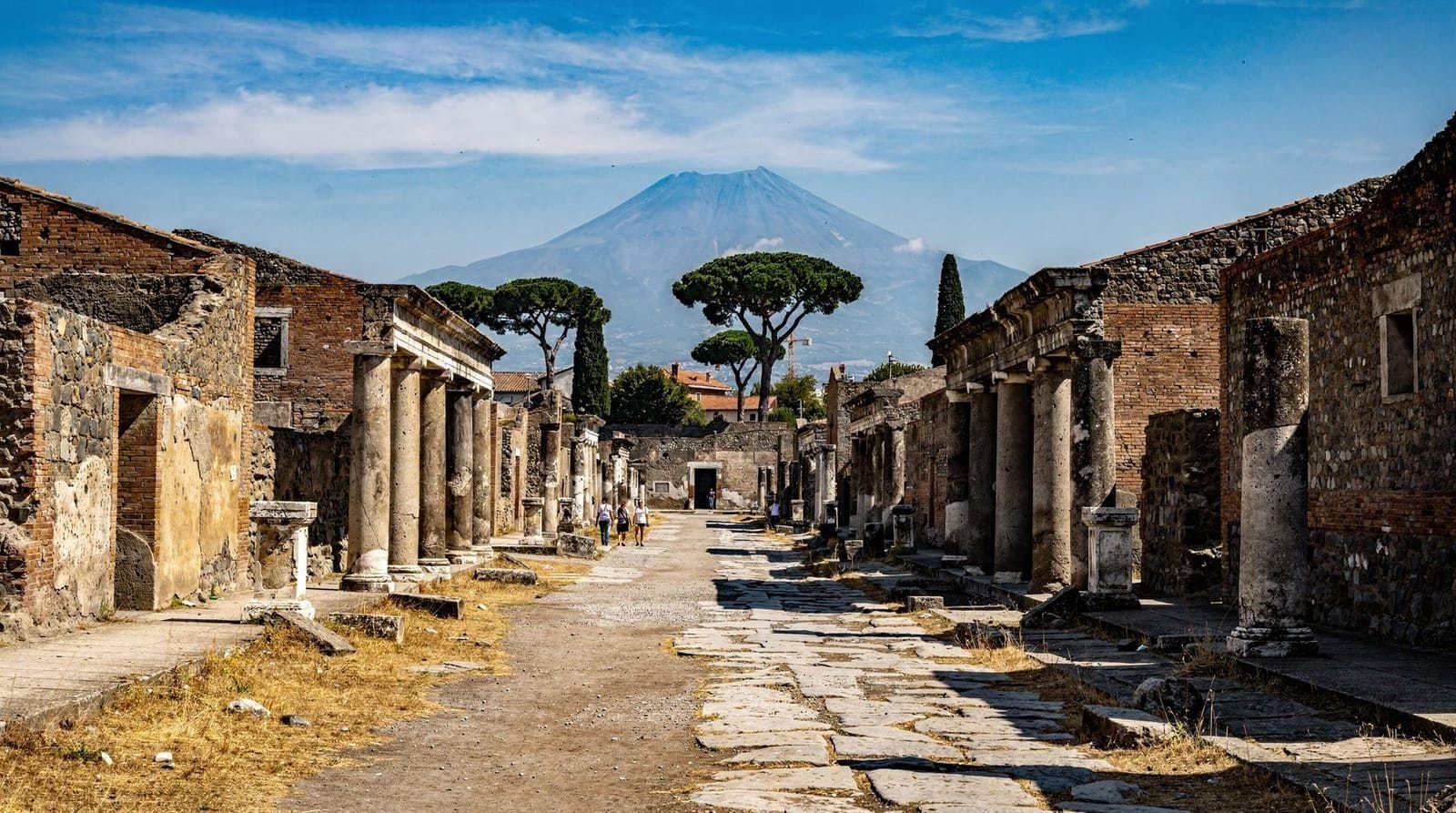
The most popular extended day trip from Rome combines Pompeii in the morning with the Amalfi Coast (specifically Positano) in the afternoon. This is more achievable than it sounds because of the geographic proximity — Pompeii and Sorrento are 30 km apart, connected by the same circumvesuviana line.
A realistic Pompeii + Amalfi Coast sequence:
- 06:30: Depart Rome Termini
- 07:40: Arrive Naples, transfer to circumvesuviana
- 08:25: Arrive Pompeii Scavi station (35 minutes from Naples)
- 08:30–11:30: Visit Pompeii ruins (book at pompeiisite.org, €16 adult, timed entry available)
- 11:45: Circumvesuviana from Pompeii toward Sorrento (25 minutes)
- 12:20: Arrive Sorrento, lunch at a restaurant near the piazza (several good options on Via degli Aranci)
- 13:30: Ferry from Sorrento to Positano (35 minutes)
- 14:10–17:30: Positano: beach, walk, gelato, the view
- 18:00: Ferry back to Sorrento
- 18:45: Circumvesuviana to Naples
- 19:50: Frecciarossa from Naples back to Rome
- 21:00: Arrive Rome Termini
This is approximately 14.5 hours door to door. It is a long day that many visitors describe as the best single day of their Italy trip. It requires advance Pompeii booking and the right Frecciarossa connection from Naples.
Pompeii and Amalfi Coast combined day trip from Rome — handles all transport connections for both sites in one organised excursionThe overnight stay: what fundamentally changes
Staying one or two nights on the coast changes the experience in ways that cannot be replicated by adding more day-trip hours.
The empty evening coast: Day-trippers leave the Amalfi Coast by approximately 18:00 on the last ferries. What remains after they leave is the town as its residents experience it: local families having aperitivo on terraces, restaurant service moving at a different pace, the light going golden and then amber over the water. This version of the coast — the one that exists when 3,000 tourists are not in it simultaneously — is what overnight visitors experience. For anyone who values atmosphere over coverage, this alone justifies the extra night.
Early morning before crowds arrive: The Spiaggia Grande in Positano before 09:00 is a different place than the Spiaggia Grande at 11:00. A swim before the beach clubs open, with the village still quiet and the morning fishing boats visible, is one of the genuinely memorable Italian coastal experiences. Day-trippers arrive at this beach after 11:00; overnight visitors own the morning.
The towns you cannot reach on a day trip: Ravello, 350 metres above the sea on a ridge between the Dragone and Regina Maggiore valleys, is accessible from Amalfi town by a steep 20-minute walk or a local bus. Its two great gardens — Villa Rufolo (13th century, the inspiration for Wagner’s Parsifal) and Villa Cimbrone (20th century, with a terrace offering what Gore Vidal called “the most beautiful view in the world”) — take a full morning to see properly. Cetara, a small fishing village famous for its colatura di alici (anchovy extract sauce, the modern descendant of Roman garum), receives almost no independent tourists. Both are impossible to reach on a Positano-focused day trip.
Capri as an addition: From Sorrento, Capri is 20–25 minutes by high-speed ferry (€22 each way; book at caremar.it or navigazionegolfidinapoli.it). With an overnight in Sorrento, Capri becomes a half-day or full day add-on — the Blue Grotto (Grotta Azzurra, accessible by small rowing boat, €14 entry), Monte Solaro by chairlift (€13, best view in the Gulf of Naples), and the Via Krupp zigzag path. This combination — Amalfi Coast one day, Capri the next — uses Sorrento as a hub and represents one of the best 3-night excursions possible from a Rome base.
Cost comparison: day trip vs overnight
Day trip (Rome base, train + ferry option):
- Frecciarossa round trip: €20–40 (book early)
- Circumvesuviana round trip: €6
- Ferry Sorrento–Positano return: €36–44
- Beach club entry: €25–40
- Lunch: €25–35
- Total approximately: €110–165 per person (plus whatever you spend on food and shopping)
Organised day trip tour from Rome:
- Tours including coach + guide typically cost €75–110 per person, including transport but not always ferry or beach entry
One overnight (Sorrento base):
- Day trip transport costs as above, but one-way instead of return
- Hotel in Sorrento: €120–200/night (mid-range)
- Dinner: €35–50 per person
- Return Frecciarossa: €10–35
- Total approximately: €280–400 per person (transport + hotel + meals)
The premium for an overnight stay — roughly €150–200 more per person than a day trip — buys the morning swimming, the empty evening town, the access to Ravello and Cetara, and the Capri option. For most visitors who have come this far, it is the best-value upgrade available.
Which option is right for you?
Do the day trip if: You have fewer than 6 days in Italy and Rome is the core priority. You have already visited the Amalfi Coast. You are on a tight budget. You want to tick the box efficiently.
Stay overnight if: You have 7 or more days in Italy. You want to swim in the sea at 07:30 without company. You specifically want Ravello, Cetara, or the less-visited coast. You are travelling as a couple for whom the atmosphere matters as much as the sightseeing.
The minimum sensible overnight is 2 nights. One night in Sorrento means you arrive in the late evening and leave the next afternoon — giving you only one morning and a few hours of coast time. Two nights lets you do Positano one day and Ravello (or Capri) the next.
See our Amalfi Coast from Rome guide for full transport logistics, accommodation recommendations, and seasonal timing advice.
The towns of the Amalfi Coast: what each offers
One of the key advantages of an overnight stay over a day trip is access to the full range of Amalfi Coast towns. A day trip typically reaches one town (Positano); an overnight stay allows you to range across three or four.
Positano: The most photographed, most visited, and most expensive town on the coast. The coloured houses stacked vertically on the cliff face, the church of Santa Maria Assunta with its majolica-tiled dome, and Spiaggia Grande are the canonical Amalfi Coast images. For all that, it is genuinely beautiful and the beach is good for swimming (though small and crowded in summer). Best experienced early morning before 10:00.
Amalfi town: The historical capital of the former Maritime Republic of Amalfi (9th–11th century CE), when the town rivalled Venice and Genoa as a Mediterranean trading power. The Duomo di Sant’Andrea, with its Arab-Norman facade and Byzantine interior, is the most architecturally significant church on the coast. The town itself is more of a working town than Positano — less scenically arranged but more historically substantial. The Valle dei Mulini (Valley of the Mills) behind the town, where 15th-century paper mills produced the paper used across the Mediterranean, is a 30-minute walk up a riverbed.
Ravello: On the ridge 350 metres above sea level, Ravello is the least tourist-intensive of the main towns and arguably the most beautiful. Villa Rufolo (13th century, the terraced garden that inspired Wagner’s Parsifal) and Villa Cimbrone (20th century, with the Terrace of Infinity overlooking the Gulf of Salerno) are both extraordinary in their different ways. The Ravello Music Festival runs June–September and includes performances in Villa Rufolo’s garden under open sky. Ravello requires more effort to reach (bus or walk from Amalfi town) but rewards it.
Cetara: An authentic fishing village 4 km east of Vietri sul Mare, at the far eastern end of the coast from Positano. Cetara is famous for its alici (anchovies) and specifically for colatura di alici — a fermented anchovy extract that is the direct descendant of ancient Roman garum. The village has no particular tourist infrastructure but several good seafood restaurants and a beach that remains relatively uncrowded. Reachable by SITA bus from Amalfi town in 30 minutes.
Accommodation guide: where to stay
Sorrento (recommended base): The most practical Amalfi base for visitors coming from Rome. Direct circumvesuviana train from Naples in 1 hour 5 minutes. Hotel Imperial Tramontano (€180–350/night, historic Grand Tour hotel), NH Sorrento (€130–200/night, good value chain), and the Relais Antiche Mura (€100–160/night, boutique hotel in a former convent) are reliable options across price points. Most accommodation in Sorrento is on the clifftop — the walk down to the marina for ferries is approximately 10–15 minutes on foot or by funicular.
Positano (romantic splurge): Absolutely beautiful but expensive at every level. Hotel Buca di Bacco (€250–400/night, directly on Spiaggia Grande), Le Sirenuse (€700–1,200/night, the definitive luxury option), and Villa La Tartana (€180–280/night, good mid-range) represent the range. Budget accommodation in Positano essentially does not exist.
Amalfi town (central option): More affordable than Positano. Hotel dei Cavalieri (€100–160/night) and Hotel Residence (€90–140/night) are reliable mid-range options. Central location means ferries to other towns are accessible from the harbour.
Seasonal timing at a glance
| Period | Weather | Crowds | Value |
|---|---|---|---|
| April–May | Warm, 18–24°C | Manageable | Best value, some beach clubs not yet open |
| June | Warm, sea warming | Building | Good, not yet extreme |
| July–August | Hot, 30°C+ | Extreme, traffic jams | Peak prices, most pressured experience |
| September | Warm, sea 24–25°C | Diminishing | Arguably the best month overall |
| October | Mild, sea 21°C | Quiet | Good deals, some beach clubs closed |
| Nov–March | Cool, limited services | Very quiet | Sorrento only realistic base |
Seasonal timing: month by month
April–May: Ideal. Warm (18–24°C), lemon blossoms out, manageable crowds, prices 20–30% below August. Some beach clubs not yet open, but the coast is fully operational.
June: Still good. Crowds beginning to build but not yet extreme. Sea temperature rising toward comfortable swimming levels (22°C+).
July–August: Extreme crowds, traffic jams on the coastal road, peak accommodation prices. The experience is still beautiful but pressured. If visiting in August, stay in Sorrento and use ferries exclusively to avoid the bus traffic.
September: Excellent. Summer crowds diminishing, sea still warm (24–25°C), accommodation prices starting to fall. Late September is arguably the best single month on the coast.
October: Good for walking and sightseeing; sea temperature dropping (21°C). Many beach clubs close by mid-October. Quieter accommodation deals available.
November–March: Most tourist accommodation closed on the coast itself. Sorrento remains open year-round. The coast is dramatic in winter storms but has very limited services.
What to pack for either option
A day trip and an overnight stay call for slightly different packing. For a day trip, bring a swimsuit and a quick-dry towel even if you are unsure you will swim — beach clubs rarely rent towels, and an unplanned dip is common once you see the water. Comfortable walking shoes matter more than sandals, since Positano’s streets are steep stepped lanes rather than flat pavement. Bring cash in smaller denominations — beach clubs and some smaller restaurants on the coast are not always card-friendly, and ATMs are less frequent than in Rome. For an overnight stay, add layers for the evening (coastal towns cool noticeably after sunset even in summer), and consider a small day bag if you plan to move between towns rather than basing yourself in one place the whole stay.
What the organised tour option looks like vs independent
For visitors who decide that an organised day tour from Rome is the right choice for the Amalfi Coast, here is what to look for and what to expect.
Coach-based tours from Rome: Depart from central Rome (Termini area or Campo de’ Fiori) at approximately 07:00–07:30. Coach drives south via the A1 autostrada toward Naples, then along the A3 toward Sorrento. Journey time is 3.5–4 hours to reach the coast, depending on traffic. The tour typically includes Positano (2–3 hours) and sometimes Amalfi town (1–2 hours), with a guided walk and free time for lunch and the beach. Return to Rome typically around 21:00–22:00. Total cost: €75–110 per person including transport and guide; beach and lunch are extra.
Train-based organised tours: Higher-quality operators use the Frecciarossa Rome–Naples + circumvesuviana Naples–Sorrento combination, which is faster and more comfortable than a coach for the Rome–Naples leg. These tours cost slightly more (€90–120 per person all in) but the train journey is significantly more pleasant than 3.5 hours on a motorway coach. From Sorrento, ferries are used to reach Positano and other coastal towns.
What to look for: A reputable Amalfi day tour should include: the Frecciarossa (or Italo) rather than a coach for the Rome–Naples leg; a licensed guide (not just a coordinator); clear specification of which towns are included; ferry transport along the coast rather than the congested coastal bus; and entry to any specific sites stated in the itinerary.
What to avoid: Tours that claim to include Positano, Amalfi town, Ravello, and Sorrento in a single day trip from Rome — this is physically impossible to do with any depth. The best day tours focus on 1–2 towns done properly rather than 4 towns driven through at speed. For a broader look at when a train-based day trip beats a coach tour in general, see train vs tour day trips.
How this fits into a longer Italy trip
If Amalfi is one stop among several, it changes the calculus. A Pompeii from Rome day trip pairs naturally with the coast, as covered above, and both Sorrento and the Amalfi Coast and Capri work well as a combined 2–3 night detour from a Rome base rather than a rushed single day. If you are still deciding how to allocate your days across Rome and its surroundings, best day trips from Rome and Rome with day trips, 7 days both help you weigh Amalfi against closer, easier options. For travellers with a longer Rome stay who can absorb a 2-night detour without shortening the city itself, see Rome in 5 days for how the timing typically works out.
Frequently asked questions about Amalfi Coast: day trip vs overnight from Rome
How long does it take to get from Rome to the Amalfi Coast?
What does a day trip from Rome actually give you?
Where is the best base for an overnight Amalfi stay?
Is the Amalfi Coast expensive?
What is the best time of year to visit?
Can I combine Pompeii with the Amalfi Coast in one day?
Is Capri better than the Amalfi Coast for a day trip from Rome?
Should I book the Amalfi Coast day trip as an organised tour or independently?
Top experiences
Bookable activities with verified prices and instant confirmation on GetYourGuide.