Chianti wine from Rome: visiting Tuscany's vineyards in a day
From Rome: Siena, Chianti, Wine Tasting and Lunch
Can I visit Chianti vineyards from Rome in one day?
Yes, but with a realistic understanding of what a day trip achieves. High-speed trains reach Florence in 1.5 hours and Siena in about 3 hours. The Chianti Classico zone between them requires a car or organised tour. Organised day tours from Rome to Siena and San Gimignano with Chianti wine tasting are the most practical option — they handle transport and estate access. Allow 11–12 hours door to door for a full day.
Chianti from Rome is ambitious but workable
The Chianti Classico zone sits between Florence and Siena — roughly 270 km from Rome by road. This makes it a long day trip, but Italian infrastructure makes it feasible: high-speed trains cover the Rome–Florence leg in 1 hour 20 minutes, and organised day tours depart from central Rome and handle all logistics.
The honest caveat: a day trip to Chianti from Rome is an introduction, not an immersion. You will taste wine, drive through vineyards (or be driven), visit one or two estates, and arrive back in Rome tired but satisfied. Understanding the nuances between Panzano and Gaiole, between a 2018 and 2022 Gran Selezione, requires multiple visits. But the introduction is worth making, particularly for wine drinkers who want context for what they are ordering in Rome’s restaurants.
| Where | Chianti Classico zone, between Florence and Siena |
| Cost | Organised day tour from Rome around €90-150/person incl. tasting and lunch |
| Time needed | 11-12 hours door to door as a day trip |
| Getting there | High-speed train to Florence (~1h20) or Siena (~3h via change), or guided tour with transport included |
| Best time | September-October for harvest; April-June for green landscapes |
The Chianti Classico zone: a brief orientation
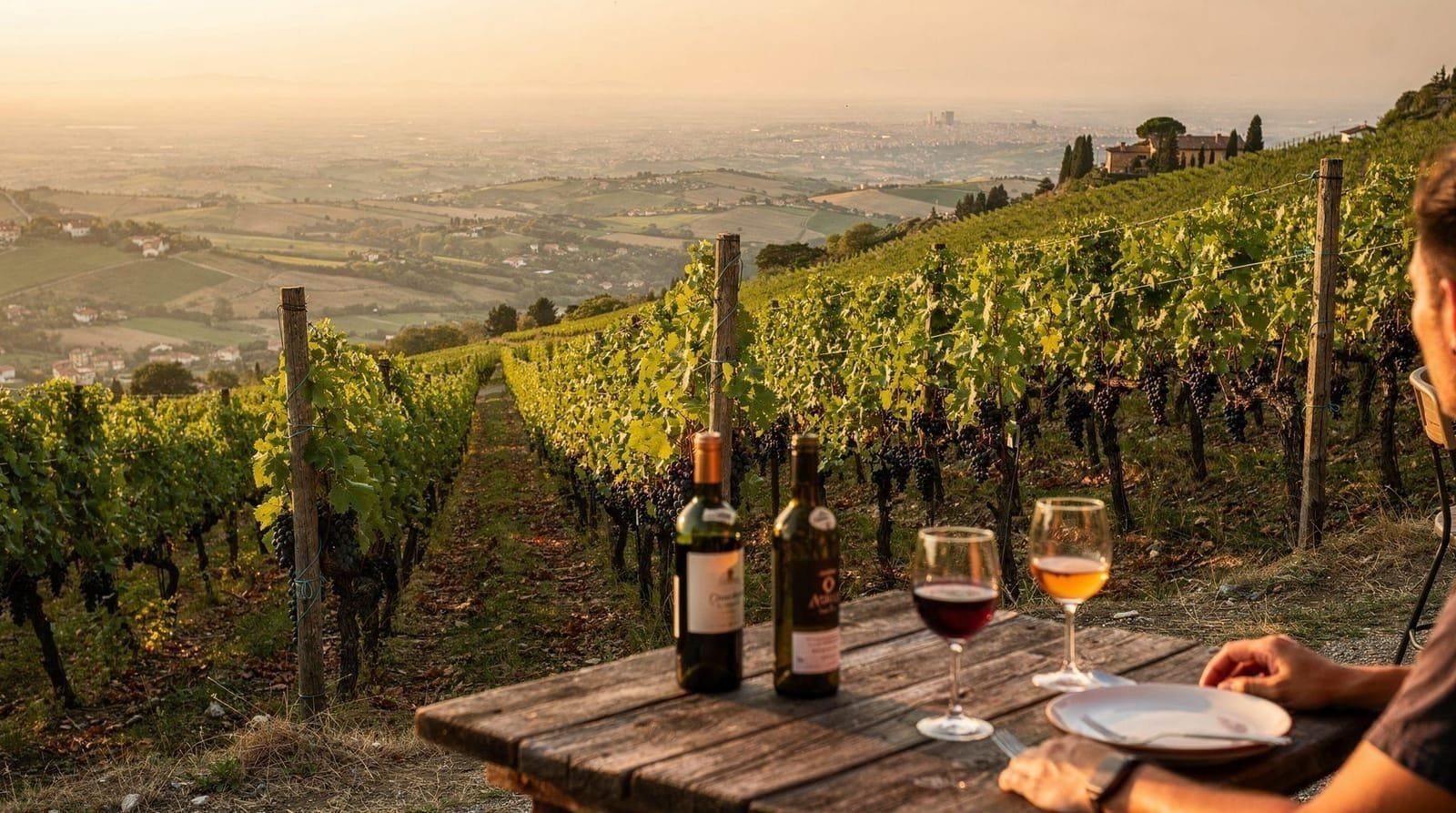
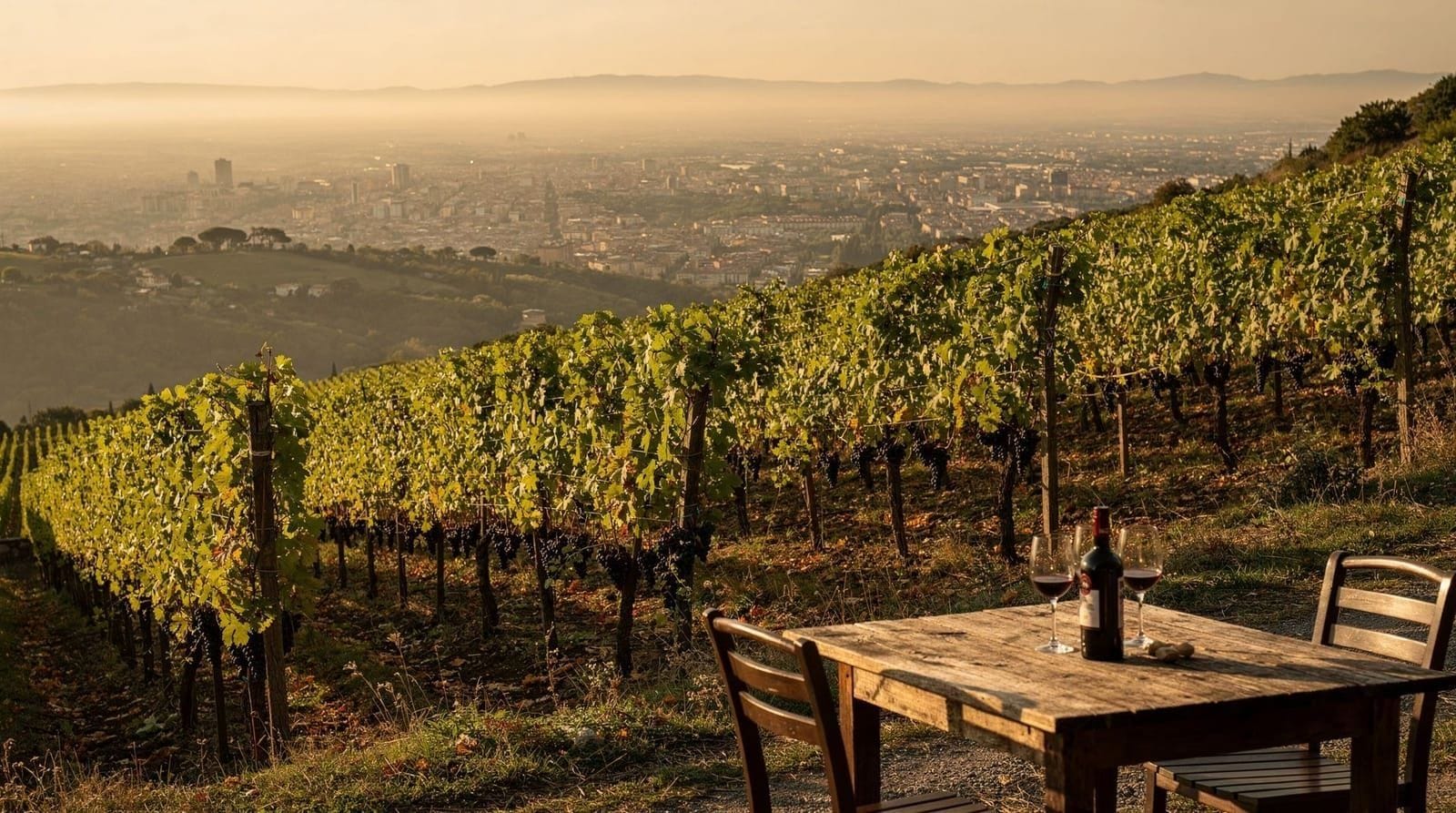
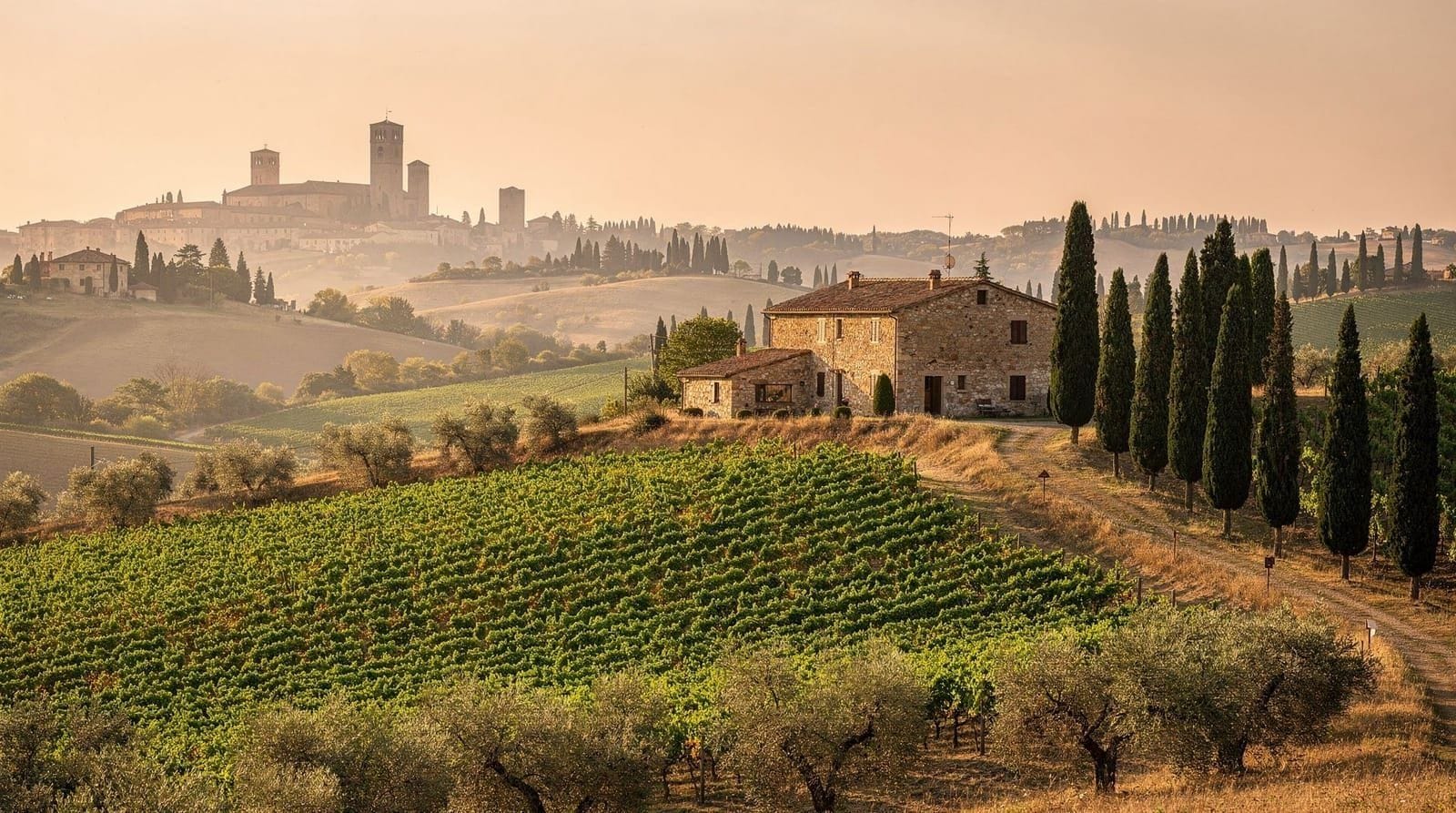
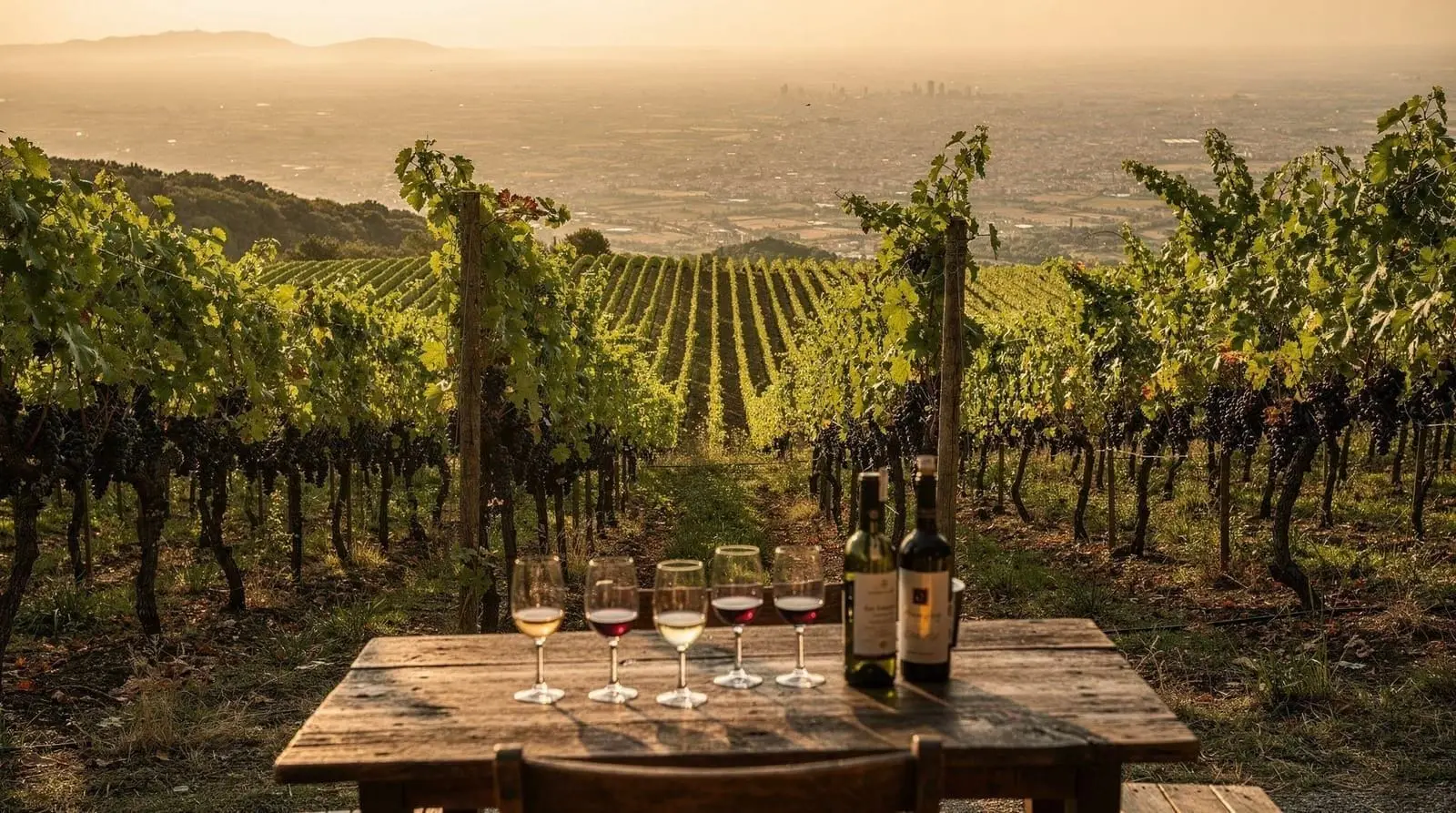
The Gallo Nero (Black Rooster) zone lies in the hills between Florence and Siena in the province of Chianti. The terrain is characteristically Tuscan: rolling hills covered in Sangiovese vines, interspersed with olive groves, cypress trees, medieval towers and fortified farms (fattorie). The Arno valley is visible to the north; the Siena hills rise to the south.
Sangiovese dominates — at least 80% is required for Chianti Classico DOCG. Permitted supporting varieties include Canaiolo, Colorino, Ciliegiolo and, controversially, small amounts of Merlot and Cabernet Sauvignon (though purists resist these international varieties). The best Chianti Classico expresses the Sangiovese character: tart cherry, dried herbs, leather and medium tannins, with strong acidity that makes it excellent with food.
Within the zone, subzones produce distinct styles:
- Panzano in Chianti is associated with powerful, modern-style Sangiovese — Fontodi is the defining estate.
- Greve in Chianti is the commercial hub, with accessible estates and a useful enoteca.
- Radda in Chianti is higher altitude, producing tighter, more austere wines that age well.
- Gaiole in Chianti has some of the zone’s most historic estates, including Brolio (Ricasoli), Badia a Coltibuono and Castello di Ama.
- Castelnuovo Berardenga marks the southern edge, closer to Siena, with warmer conditions and riper wines.
Getting there: three options from Rome
Option 1: Organised day tour from Rome The most practical approach. Organised tours combine Siena, San Gimignano and a Chianti estate visit in a structured day departing from central Rome. Transport, entrance fees, estate visits and often a included lunch are handled by the operator. These tours run approximately 11–12 hours.
Full-day tour from Rome to Siena and the Chianti hills with wine tasting and lunch — includes transport, estate visit and guided commentary throughout.Option 2: High-speed train to Florence, then car hire Trenitalia Frecciargento or Italo trains reach Florence (Santa Maria Novella) from Rome Termini in approximately 1 hour 20 minutes; prices from €19 one-way if booked in advance, up to €60+ for last-minute flexible tickets. From Florence, renting a car and driving south into the Chianti zone takes 30–45 minutes to Greve in Chianti. Return the car to Florence and catch the evening train back to Rome.
This option gives maximum flexibility but uses travel time efficiently only if you book fast trains at good prices. Driving in Italy is straightforward outside city centres; the Chiantigiana (SR222) connecting Florence and Siena is a scenic two-lane road through the heart of the zone.
Option 3: High-speed train to Siena (via Florence) Siena has no high-speed rail connection — you must change at Empoli or Florence for a regional train, making total journey time approximately 3 hours from Rome Termini. Worth it if you want to spend the morning in Siena (one of Italy’s great medieval cities) and the afternoon visiting a Chianti estate, but the logistics require planning. Car rental is available from Siena.
Day trip from Rome to Siena and San Gimignano with Chianti wine tasting — combines two remarkable hill towns with a wine estate visit in a single day.What to do in Siena before heading into the wine country
Siena is worth at least two hours before any wine activity begins. The Piazza del Campo — the shell-shaped medieval square that hosts the famous Palio horse race — is one of the most beautiful public spaces in Italy. Walk it, sit with a coffee, then climb the Torre del Mangia for the view over the Sienese hills toward the Chianti zone.
The Duomo di Siena is architecturally extraordinary — its striped marble facade and interior are unlike any other Italian cathedral. The Piccolomini Library inside contains Renaissance frescoes by Pinturicchio depicting the life of Pope Pius II. Allow 45 minutes.
For lunch or a pre-visit aperitivo, Osteria Le Logge (Via del Porrione) is the most-cited local address — a converted pharmacy with Roman-Sienese cooking and an excellent wine list. Enoteche Italiane on the Fortezza Medicea stocks a comprehensive selection of Italian wines including Chianti Classico.
See our Siena and Chianti destination guide for more detail on the city.
Estate visits: what to expect and how to book
Most Chianti Classico estates require advance booking for wine tastings, particularly in high season (May–October). Walk-in visits are possible at some but not reliable. When booking directly, specify the type of visit: basic tasting (2–3 wines, €10–20 per person), cellar tour and tasting (€25–45), or lunch with tasting (€50–80+).
Practical advice for independent visitors:
Bring a cooler bag or insulated bag if you plan to buy wine. Bottles purchased at estates are often reasonably priced (€12–30 for a good Chianti Classico Annata, €30–70+ for Riserva or Gran Selezione) but can get warm in a car or bag on a summer day.
Most estates speak English at their hospitality desks; smaller producers may have limited English at the cellar level. Be patient and use the universal language of indicating a bottle and asking “questo?” (this one?).
Check road conditions: the Chiantigiana is in good condition but smaller roads to back-road estates can be rough. A mid-range car handles them fine; a sports car with low clearance can be inconvenient.
Recommended Chianti estates for day-trippers from Rome
Badia a Coltibuono (Gaiole in Chianti): A 12th-century Vallombrosan abbey now operating as a winery, restaurant and cooking school. The historic setting is exceptional. The wines — particularly their Sangioveto — are consistently rated among the Chianti Classico zone’s best. The restaurant is open for lunch. Book ahead.
Fontodi (Panzano in Chianti): Produces “Flaccianello della Pieve,” one of Italy’s most celebrated Sangiovese wines. The standard Chianti Classico is also excellent and more affordable. The cantina is biodynamically certified. Book tastings months ahead in high season.
Castello di Ama (Gaiole in Chianti): An estate that combines exceptional wine with a contemporary art collection — each vintage label is designed by a different artist, and site-specific artworks by major names (Anselm Kiefer, Louise Bourgeois) are installed around the property. One of the more distinctive wine estate experiences in Italy.
Greve in Chianti cooperative and enotecas: If you don’t have estate appointments, Greve is the commercial heart of the zone. The central piazza has wine shops and the Enoteca Falorni with a broad selection of Chianti Classico. The covered medieval market building contains cheese and charcuterie shops. Useful as a walk-in option.
Chianti versus Frascati: an honest comparison
For Roman visitors weighing whether to day-trip to Chianti versus the Frascati and Castelli Romani wine country, the comparison is simple:
Frascati is easier, shorter (40 minutes by train), inexpensive and pairs naturally with a walk in the Alban Hills. The wine is lighter and less complex but authentic.
Chianti is a serious wine region producing some of Italy’s best reds. The day trip is longer and more expensive, but you return with a different understanding of Italian wine. Both are worth doing; if you only have one wine day trip from Rome, personal preference should guide you: white wine and easy countryside versus serious red wine and medieval Tuscan towns.
Rome to Florence and Tuscany by high-speed train with wine tasting — the fastest option for combining Florence sightseeing with a Chianti wine experience.What to buy and bring home
Italian wine can be brought into most countries in checked luggage. Wine purchased at a Chianti estate in a 750ml bottle weighs roughly 1.3 kg each; most airlines allow 23 kg checked bags, so 10–12 bottles are feasible weight-wise but require careful packing.
Wine-packing services are available at some estates and in most airport duty-free shops. The Trenitalia luggage allowance for the high-speed train is generous; regional trains are less accommodating for bulky bags.
What to buy for value: Chianti Classico Annata (the standard tier, no Riserva or Gran Selezione label) from a good estate costs €12–25 at source. This is the wine designed for everyday drinking with food and represents outstanding value — the same bottle in a London or New York wine shop costs considerably more. If you want something special, a Riserva (minimum 24 months ageing, 12 in oak) from a good producer in a strong vintage (2019, 2021 were excellent years) is a more impressive purchase.
How Chianti fits into a Rome and Tuscany itinerary
Most visitors to Rome who extend their trip into Tuscany choose between Florence, Siena and the Chianti countryside. Understanding how the wine region connects to the cities helps with planning.
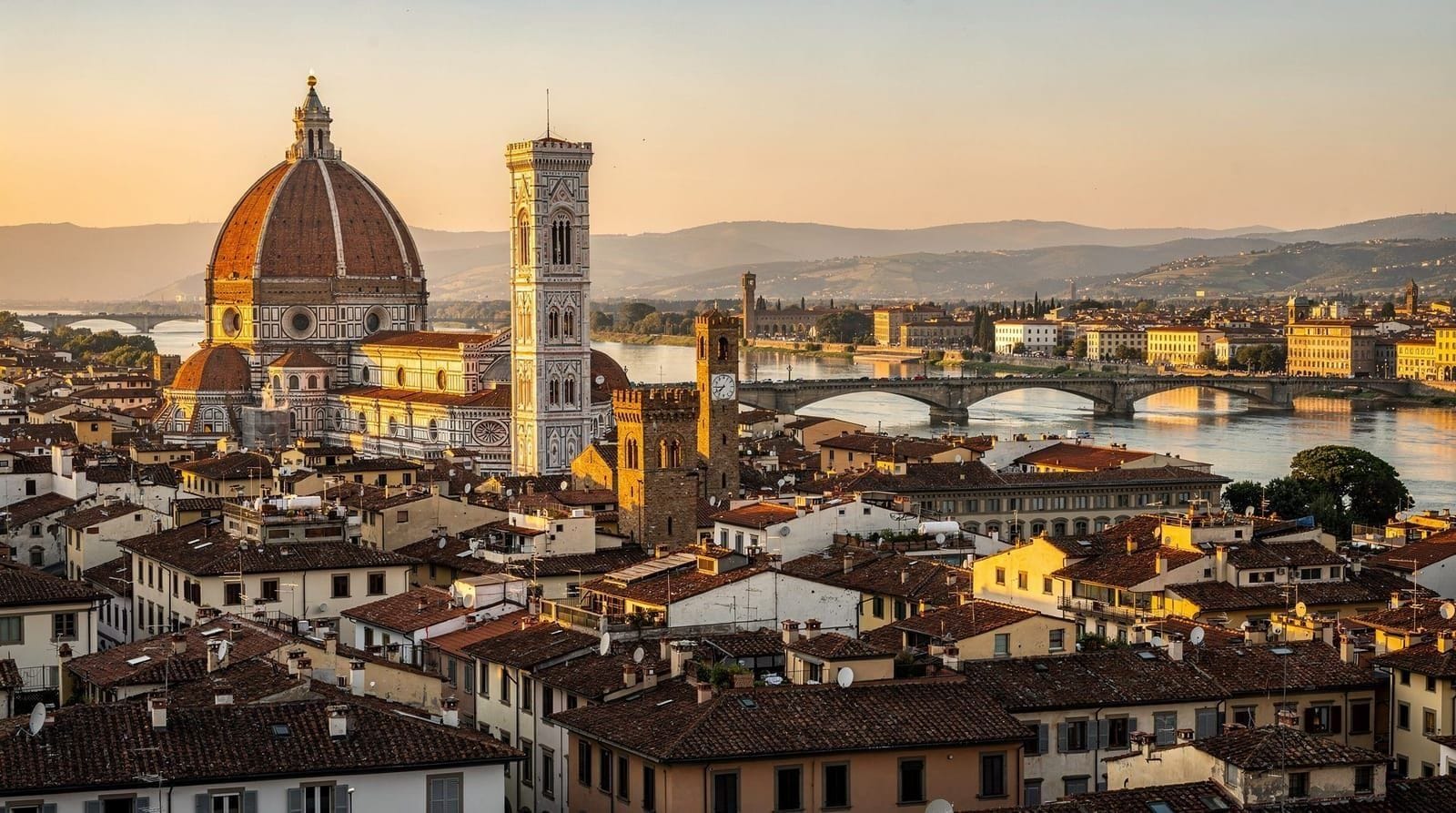
Florence and the Chianti Classico zone are naturally combined in the same trip. The northern part of the zone — around Greve in Chianti, Panzano and Radda — is 30–50 minutes south of Florence by car. A day trip from Rome that starts with the Uffizi Gallery or the Duomo and ends at a Panzano estate for tasting and dinner is entirely feasible, if a long day.
Siena and the southern Chianti zone are equally natural partners. Castelnuovo Berardenga, Gaiole and the estates around Brolio are 20–40 minutes from Siena. Visiting Siena’s Piazza del Campo in the morning and having a wine lunch at Badia a Coltibuono in the afternoon is a coherent day.
For a week or longer that combines Rome and Tuscany properly, our Rome Florence Tuscany 7-day itinerary provides a planned sequence that balances the cities and the countryside without the rush of pure day-tripping.
Chianti food: what to eat with the wine
Chianti Classico was designed to accompany Tuscan food — the tannins and acidity balance against the fat-rich, earthy cooking of the region. The classic pairings:
Bistecca alla Fiorentina: The defining Tuscan meat dish — a T-bone or porterhouse of Chianina beef, cooked rare over wood coals, served with olive oil and coarse salt. Nothing goes better with a serious Chianti Classico Riserva.
Pici al cinghiale: Fat hand-rolled pasta (pici) with wild boar ragù, a Sienese speciality. The gamey depth of the sauce needs the tannic grip of Sangiovese to be complete.
Ribollita: The classic Tuscan bread and vegetable soup — dense, earthy, made from leftover minestrone. A young, fruity Chianti Classico Annata alongside ribollita is one of those food and wine pairings that makes complete sense the first time you try it.
Lardo di Colonnata and bruschetta: Aged lard from the Apuan Alps, spread on grilled bread — an antipasto that appears on every Chianti hill-town restaurant menu. The white pork fat against a glass of young Chianti is a combination Romans visiting Tuscany understand before Tuscans explaining it.
In Greve in Chianti, Macelleria Falorni (adjacent to the Enoteca Falorni in the main piazza) is one of Italy’s most celebrated butcher-salumerie — the place for Chianti-specific charcuterie, including Finocchiona (fennel salami) and local lard preparations. Buy here even if you are only passing through.
Understanding the vintage variation
Chianti Classico, like all Sangiovese-based wines from central Italy, is significantly influenced by vintage conditions. A brief overview for buying decisions:
2021: Generally considered excellent — warm, balanced growing season; high concentration wines with good acid structure. Worth seeking for both current drinking and cellaring.
2020: Variable — hot year in much of Tuscany with some stress on vines. Better producers managed well; check reviews for specific estates.
2019: Outstanding across the board. Deep concentration, great structure, wines that will reward 10–15 years of cellaring. The Gran Selezione wines from this vintage are amongst the most impressive Chianti Classico made in a generation.
2018: A difficult, wet vintage. Honest producers made decent wines; lesser producers struggled. Less certain as a purchase.
2017: Hot and dry. Concentrated, forward wines that drink well young. Lower acidity than typical.
Vintage knowledge allows you to make better purchase decisions at estate shops and at home when selecting from a wine list. A 2019 Riserva from Fontodi is a significantly different proposition from a 2018 of the same wine.
Train or tour: the honest logistics comparison
| Organised tour | Independent train + car | |
|---|---|---|
| Effort | Low — transport, estate access and lunch handled | High — booking trains, hiring a car, navigating |
| Flexibility | Fixed itinerary and estate | Choose your own estates and pace |
| Cost | ~€90-150/person all-in | Train ~€19-60 + car hire ~€50-80/day + tastings |
| Best for | First visit, no car experience in Italy, time-limited days | Wine-focused travelers who want to pick specific estates |
For the broader question of train versus guided tour for any Rome day trip, see our train vs tour day trips guide, and day trips by train from Rome for the practicalities of the rail network itself. If Florence rather than the wine is your main draw, our dedicated Florence from Rome guide covers the city in full. Back in Rome, our Rome wine bars and enoteche guide is where to keep drinking Chianti Classico by the glass once you’re home.
Frequently asked questions about Chianti wine from Rome: visiting Tuscany's vineyards in a day
What is Chianti Classico and how does it differ from regular Chianti?
Which is better for a day trip: Florence or Siena as a base?
What Chianti producers are worth visiting?
Is a day trip to Chianti enough to understand the wine?
What is the best time of year to visit Chianti?
Is it better to do Chianti as a day trip or stay overnight?
Do I need to speak Italian to visit Chianti wine estates?
Top experiences
Bookable activities with verified prices and instant confirmation on GetYourGuide.