Accessible Rome: wheelchair access, cobbles and step-free routes
Rome: City Highlights Golf Cart Tour with Local Guide
Is Rome accessible for wheelchair users?
Partially, and it requires planning. The sampietrini cobblestones covering most of the centro storico are a significant obstacle — genuinely hard to navigate in a manual wheelchair and uncomfortable in a power chair. However, major sites have made real accessibility investments: the Colosseum has ramps and lifts; the Vatican Museums has elevator access throughout; the Vatican has a dedicated accessible route. The key is knowing which areas work, which do not, and planning routes in advance rather than navigating spontaneously.
The honest accessibility picture
Rome is one of the world’s most visited cities. It is also, by the standards of modern accessibility planning, a genuinely difficult city for wheelchair users and visitors with limited mobility. The combination of ancient, uneven cobblestones (sampietrini), steps at the entrances to historic buildings, and steep alleys in the most characterful neighbourhoods creates real barriers that no amount of optimism removes.
The honest thing to say first: if you are expecting Rome to be seamlessly accessible in the way that purpose-built modern cities or post-ADA American cities are, you will be disappointed. If you go in knowing the specific obstacles and the specific routes that work, you can have a rewarding visit to most of Rome’s major attractions.
This guide covers both the obstacles and the practical solutions, site by site and neighbourhood by neighbourhood.
| Hardest surface | Sampietrini cobblestones — most of the centro storico and Trastevere |
| Best-adapted major sites | Colosseum, Vatican Museums, Pantheon, Borghese Gallery |
| Best base neighbourhood | Prati (flat, close to Vatican’s accessible entrance) |
| Reliable transport | Accessible taxis, golf cart tours; not the metro |
| Carer entry | Usually free at major sites with disability documentation |
| Plan ahead | Book accessible entrances/routes in advance where possible |
Understanding the cobblestone problem
The sampietrini are not simply decorative. They are the original road surface of historic Rome — square-cut basalt blocks set in a sand base, used since the medieval period and actively maintained as heritage. They are irregular in height, gap-filled, and set on a surface that shifts over time.
For a manual wheelchair user, the sampietrini present three problems: jarring vibration over any distance, gaps that can catch small front casters, and the uneven surface making directional control difficult. For power chairs, the vibration is less severe but the gaps can still be an issue with smaller tyres.
The areas where sampietrini are heaviest and most problematic:
- Trastevere: the entire neighbourhood. Steep in places, heavily cobbled throughout.
- Campo de’ Fiori and surrounding streets: dense centro storico cobbles.
- Around the Pantheon: the piazza itself is partly paved with flatter stones, but approach streets are cobbled.
- Via del Corso and nearby shopping streets: smoother but still cobbled in many stretches.
- The Appian Way: genuinely ancient original paving — beautiful but impassable for most wheelchair users on the main ancient section.
The areas with better surface conditions:
- Prati: relatively flat, mix of smooth and lightly cobbled streets, overall manageable.
- EUR: entirely modern, smooth streets — but far from the main sights.
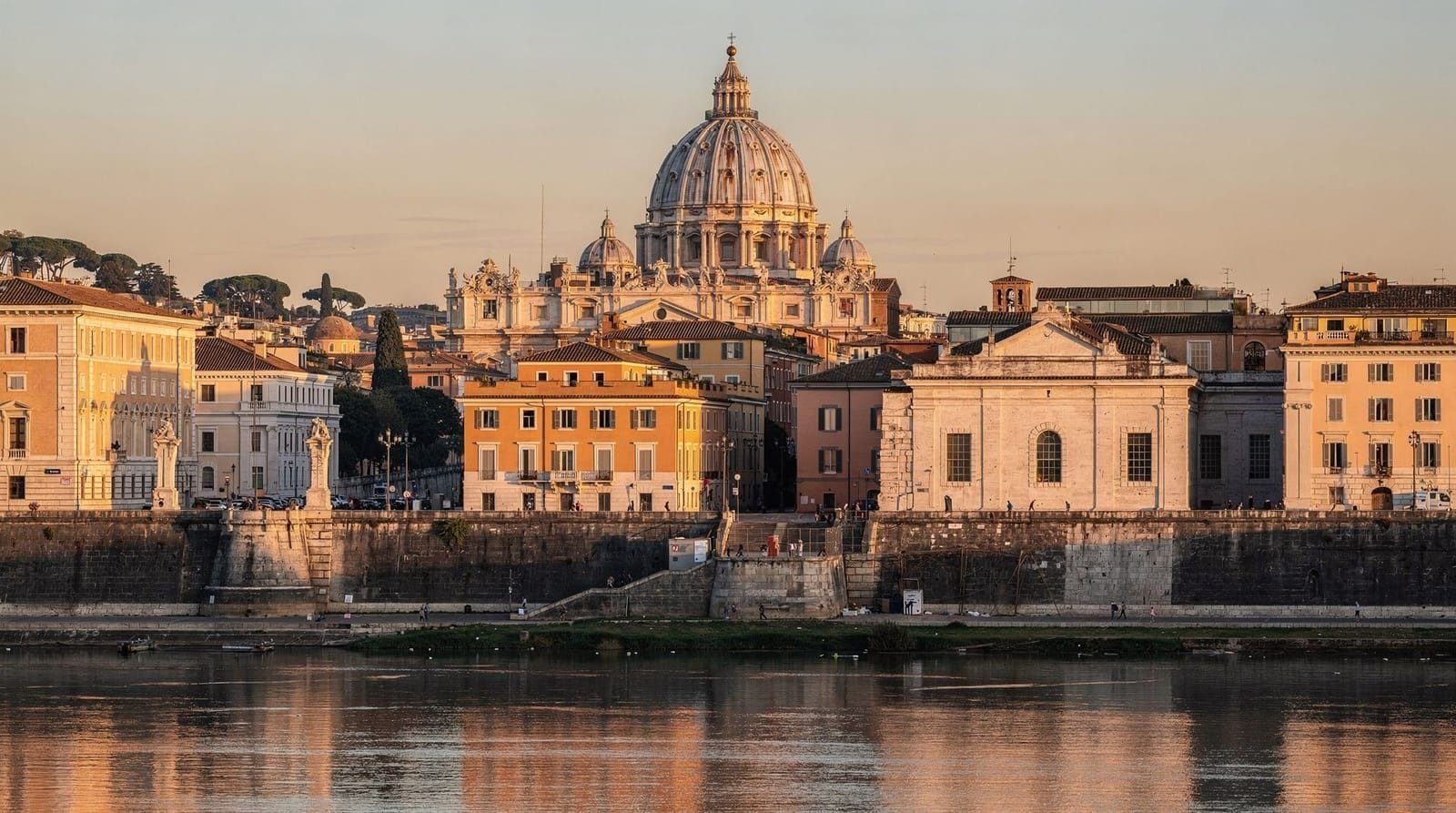
- Lungotevere (riverside embankments): paved and relatively smooth, good for longer wheelchair trips along the Tiber.
- Main approach paths to major sites: the Vatican, Colosseum, and Borghese Gallery have paved approach paths specifically for visitor access.
The Colosseum: accessibility in practice
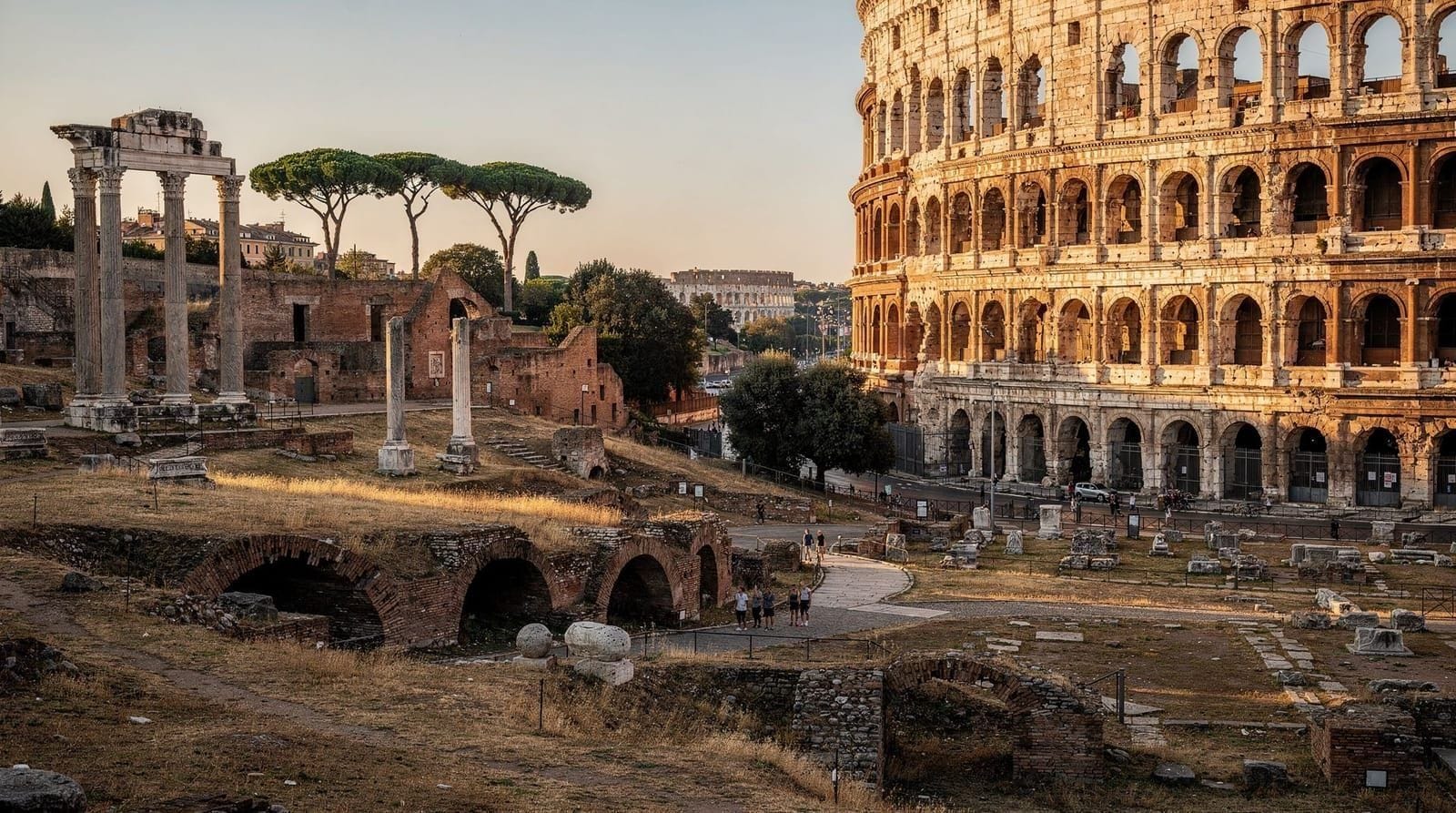
The Colosseum is one of the better-adapted major archaeological sites in Italy. This is notable because it could easily not be — the structure is 2,000 years old and was not built with wheelchair access in mind.
Accessible entrance: On the south side of the Colosseum, accessible from the Via Sacra entrance area. This entrance bypasses the main tourist queue and staircase and provides lift access to the main visitor level.
Inside the Colosseum: The main visit tier (ground level and first tier) is accessible by lift. The arena floor level — which requires an upgraded ticket — has step-free access via the same lift system. Upper tiers are not accessible for wheelchair users; the main experience is achievable without them.
Practical note: The Colosseum’s accessible route tends to be less crowded than the standard entry. Booking tickets in advance and specifying accessibility needs at booking stage is recommended.
The Roman Forum, included in the same combined ticket, has a more challenging accessibility profile. The main Via Sacra path (the central spine of the Forum) is paved with ancient stone that is navigable for most power chairs. Many subsidiary areas within the Forum are unpaved or have step access. The accessible route is a partial visit rather than a comprehensive one. The Palatine Hill, also on the combined ticket, is the most difficult of the three — it is built on genuine hillside terrain with unpaved paths and elevation changes, and there is no realistic step-free route to the upper viewpoints. Most wheelchair users treat the Colosseum as the priority and the Forum as a partial add-on, skipping the Palatine climb. For how the three sites fit together on one ticket, see the Colosseum, Forum and Palatine guide.
The Vatican: the accessible route
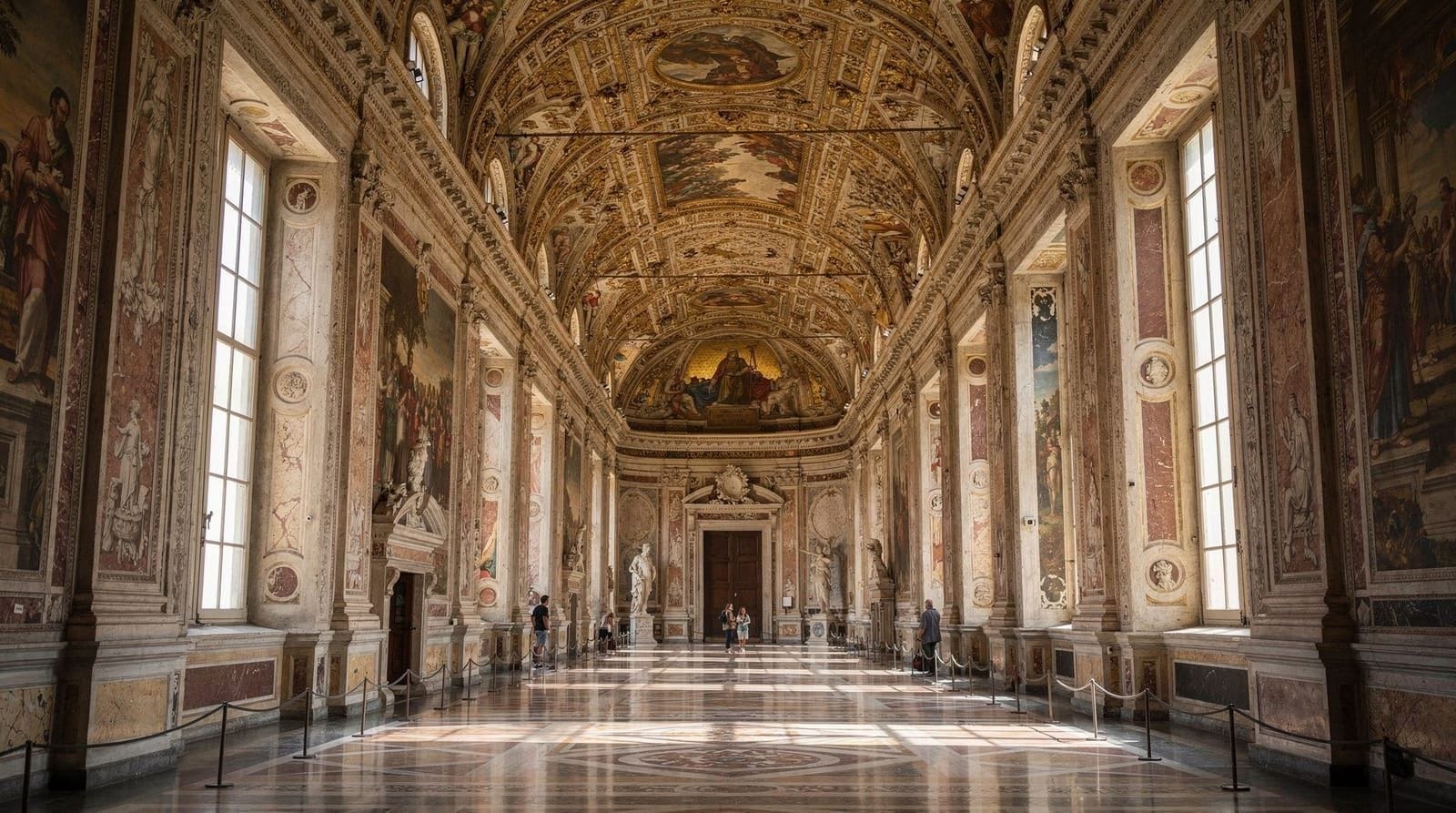
The Vatican has made substantial accessibility investments. The Museums have elevators at virtually all staircase points, and there is a dedicated wheelchair-accessible route through the main galleries that avoids steps entirely.
Accessible Vatican Museums route:
- Enter via the accessible entrance on the left side of the main entrance plaza (separate from the main ticket queue)
- Elevator access from entrance level to gallery level
- The designated route covers: Egyptian Museum → Gallery of Maps → Raphael Rooms → Sistine Chapel
- The Sistine Chapel accessible exit (into St. Peter’s Basilica) is available; notify the guard on duty.
Free carer entry: One companion of a disabled visitor enters free. This is official Vatican policy; bring documentation (national disability card, official certification, or equivalent).
St. Peter’s Basilica: The main piazza and basilica interior are wheelchair accessible. There are ramps at the main entrance; the interior has a smooth marble floor throughout. The dome climb (551 steps, or 320 after the elevator) is not accessible for most wheelchair users — the final spiral staircase is narrow, steep, and uneven. See the St. Peter’s Basilica guide for the full visit and the Vatican Museums and Sistine Chapel guide for the gallery route in detail.
Accessible Vatican approach: The approach from Prati (Via Candia, Via Crescenzio) is reasonably flat and has mixed cobbled and paved surfaces. The main esplanade in front of the Vatican entrance is paved.
The Borghese Gallery: accessible art
The Borghese Gallery has elevator access and a flat internal floor throughout. The sculpture rooms — Bernini’s major works including Apollo and Daphne, The Rape of Persephone, and David — are all accessible on the ground floor. The painting gallery is on the first floor, accessible by lift.
The challenge is the booking process: the Borghese Gallery’s strictly limited 180-visitor, 2-hour timed slots make it important to book well in advance. The gallery does not have a specific accessible booking track — book through standard channels and note accessibility needs in the booking comments.
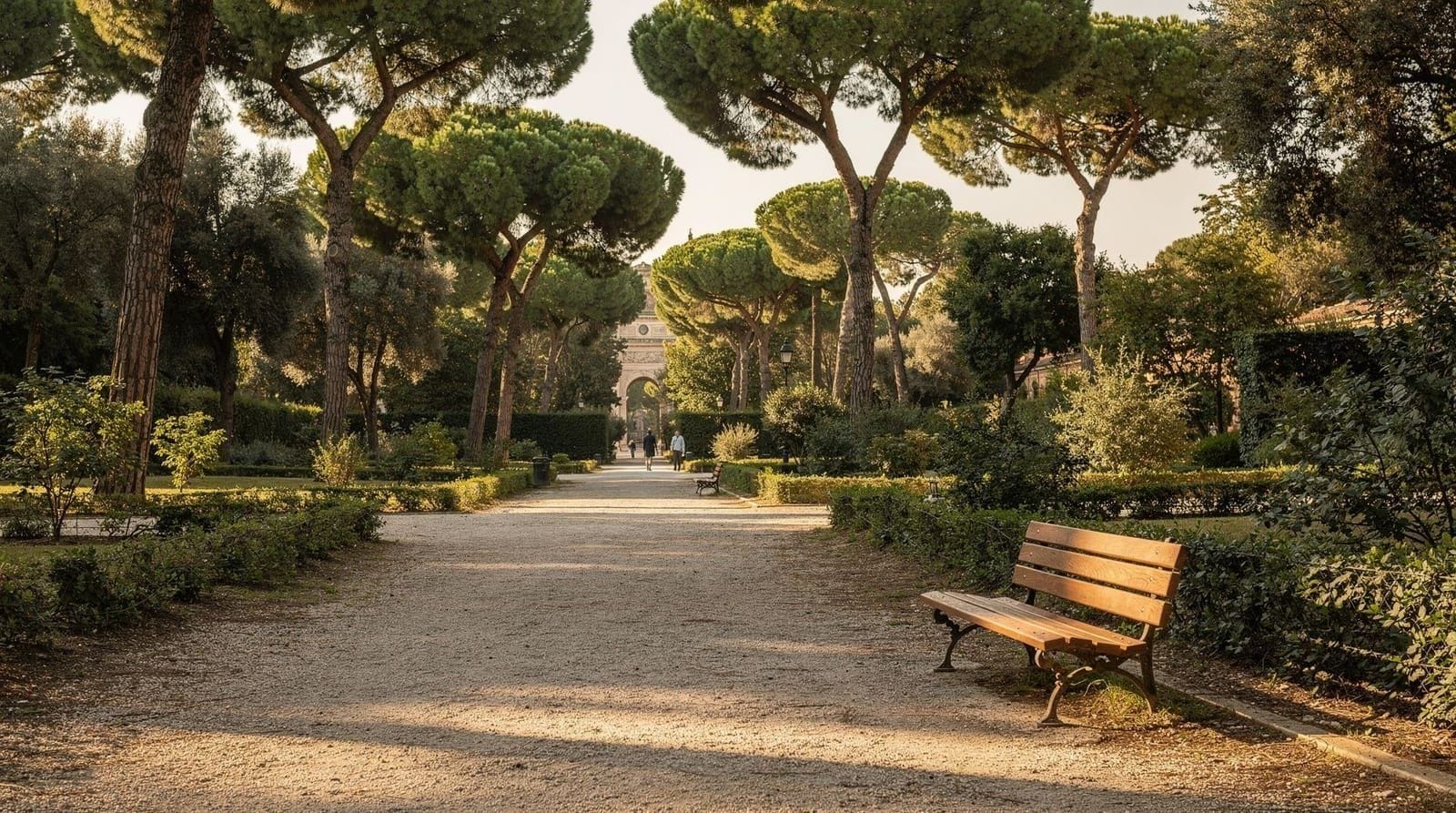
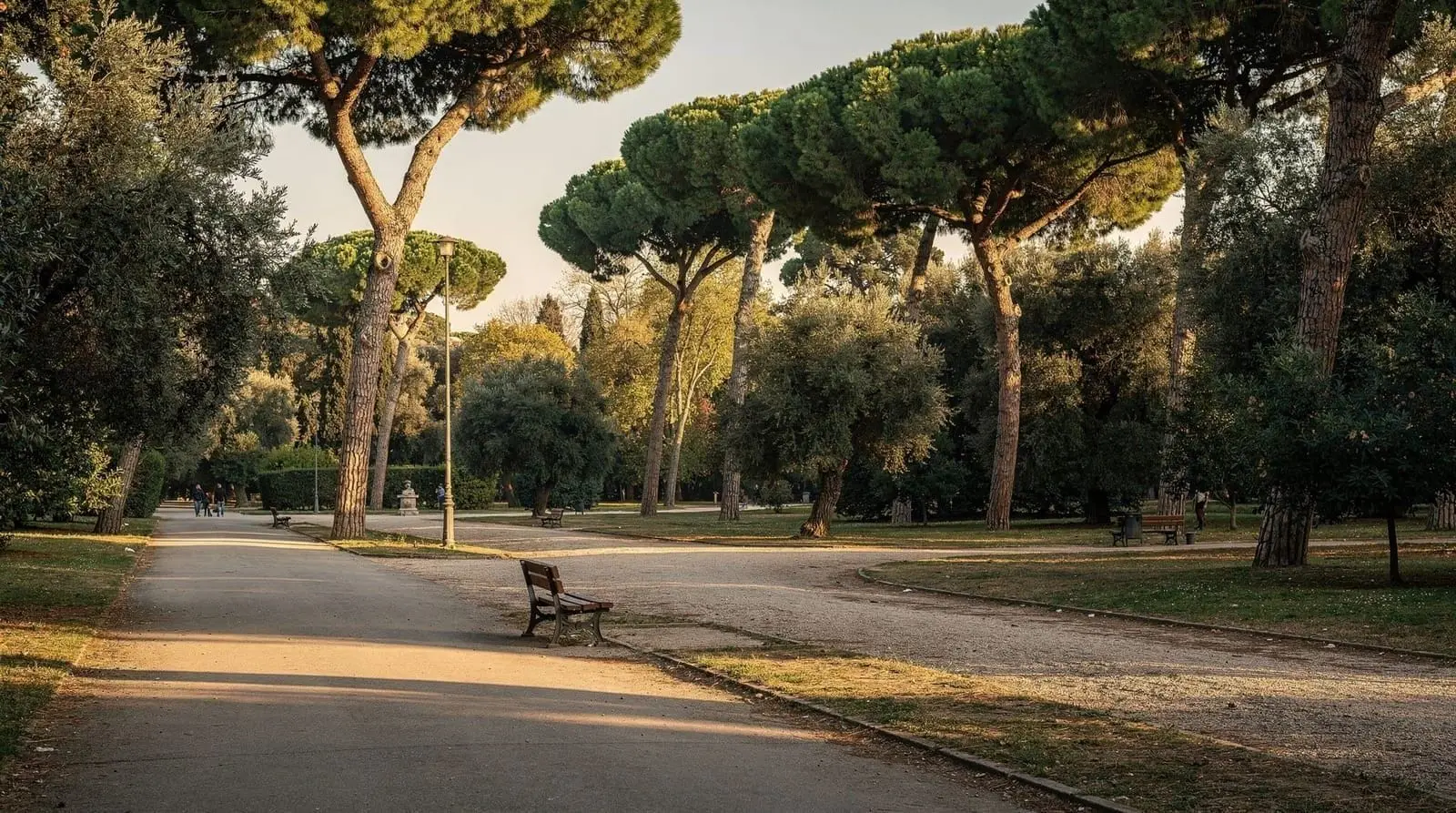
Villa Borghese park surrounding the gallery has smooth gravel and asphalt paths throughout — among the best accessible park experiences in Rome.
The Pantheon: a genuine accessible success
The Pantheon is one of Rome’s most straightforward accessible monuments. The entrance from the piazza is level — no steps at the main door. The interior is a single circular space on one level with a smooth floor. The oculus light display changes through the day and is viewed from a standing or seated position equally well.
The approach from the piazza involves the piazza’s cobbled surface, which is challenging in a wheelchair but manageable with effort — the Piazza della Rotonda cobbles are more worn and smoother than typical sampietrini.
Practical note: The Pantheon is now a ticketed site (€5 fee introduced in 2023); timed-entry booking is recommended to avoid queuing at the entrance.
Transport comparison for wheelchair users
| Option | Accessibility | Best for |
|---|---|---|
| Accessible taxi | Ramp/lift on request; book ahead | Point-to-point, airport transfers, restaurants |
| Golf cart tour | Seated transfer assisted by driver | Covering wide areas without long wheeling |
| Hop-on hop-off bus | Low-floor on some vehicles; confirm at booking | Fixed-route sightseeing, budget option |
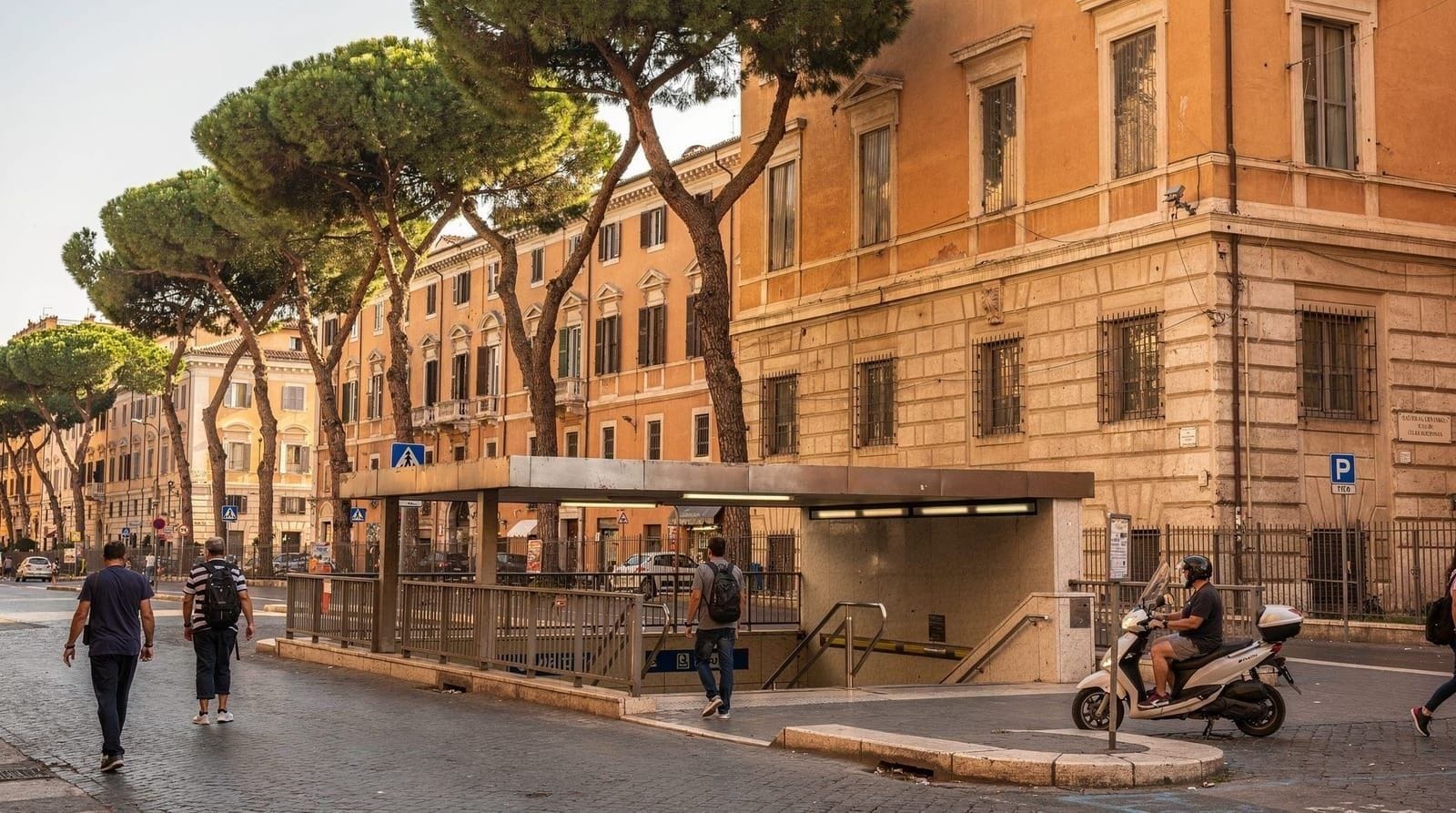
| Metro Line B / Line C | Reliable lifts | Termini–EUR corridor, newer stations |
| Metro Line A | Lifts frequently out of order | Avoid as primary transport |
| Walking centro storico | Cobbled, exhausting over distance | Short piazza-to-piazza stretches only |
For the wider transport picture beyond wheelchair-specific options, see the getting around Rome guide and the Rome metro guide.
Transport: what works for wheelchair users
Accessible taxis: Rome has a fleet of adapted taxis (taxi per disabili) with ramp or lift access for wheelchair users. Book in advance through:
- Roma Taxi 3570 (largest accessible fleet)
- ItaloTaxi application (has an accessible vehicle filter)
- Hotel concierges can usually book these on your behalf
Hop-on hop-off bus: Some City Sightseeing buses operating in Rome have low-floor access and ramps for wheelchair users. Confirm with the operator when booking that the specific departure vehicle is wheelchair-equipped.
Rome City Sightseeing Hop-on Hop-off — covers major sites; confirm wheelchair-accessible vehicle availability when bookingGolf cart tours: The electric golf cart city tours navigate streets that buses cannot reach and offer private booking options that can accommodate most mobility aids. The seated, open-air experience requires transferring from a wheelchair to the cart seating; the driver typically assists. This is a practical way to cover a large amount of Rome’s street-level sightseeing without extended wheelchair use on cobblestones.
Rome City Highlights Golf Cart Tour with Local Guide — private option available; a practical city sightseeing alternative for visitors who find cobblestone distances difficultNeighbourhood-by-neighbourhood assessment
Prati (recommended base): The most accessible neighbourhood in central Rome for visitors with mobility limitations. Flat, with mixed pavement quality but generally manageable. Good supermarket access, pharmacies, medical facilities, and close to the Vatican’s accessible entrance.
Centro Storico (Navona, Pantheon, Campo de’ Fiori area): Possible but challenging. The main piazzas are navigable; the connecting streets are heavily cobbled. A half-day visit is feasible for manual wheelchair users with strong self-propulsion ability or an assisting companion; longer visits become exhausting.
Testaccio: Flatter than Trastevere, more manageable cobble surfaces. The Testaccio market is accessible (modern market building with smooth floors). Good neighbourhood for accessible food exploration.
Trastevere: Honest assessment — this neighbourhood is the least accessible area in central Rome for wheelchair users. Steep, narrow, heavily cobbled alleys. Beautiful but physically demanding. Even the famous piazza (Santa Maria in Trastevere) is surrounded by cobbled approaches.
EUR: Modern, smooth, fully accessible. Contains the Palazzo della Civiltà Italiana (famous fascist-era building) and the Museo della Civiltà Romana, both accessible. 40 minutes from the centro by metro Line B (accessible at EUR Fermi and EUR Palasport stations).
For a fuller comparison of where to base yourself beyond accessibility alone, see the where to stay in Rome guide — and the Prati neighbourhood guide, Trastevere neighbourhood guide and Testaccio neighbourhood guide for what each area is actually like to stay in day to day.
Restaurants, toilets and everyday practicalities
Accessible public toilets are scarce outside major sites; the Colosseum, Vatican Museums and larger museums have accessible facilities, but expect to rely on café and restaurant toilets elsewhere, and many of those are down a step or through a narrow doorway in older buildings. Modern chain cafés and larger restaurants near the main sights are the safer bet. For dining, ground-floor trattorias in Prati and along the Lungotevere are generally easier to enter than the characterful but cramped, split-level places common in Trastevere and the centro storico — call ahead if a step-free table matters, since many restaurants will happily rearrange seating if asked in advance.
Planning resources and practical contacts
Accessible Italy (accessibleitaly.com): The most comprehensive English-language resource for disability travel in Italy, with Rome-specific guides and tour operator referrals.
Roma Capitale disability services: The city of Rome maintains accessibility information at romasuperabile.it (Italian only; Google Translate renders it usable).
Vatican accessibility booking: +39 06 6988 3541 — the Vatican’s accessibility liaison line for pre-visit planning and tour adaptation.
For the practical companion guide covering Rome for seniors and visitors with general mobility limitations rather than wheelchair users specifically, see the Rome for seniors guide.
Frequently asked questions about Accessible Rome: wheelchair access, cobbles and step-free routes
Which Rome attractions are genuinely wheelchair accessible?
Are the cobblestones (sampietrini) as bad as people say?
Do disabled visitors get free carer entry at Rome's major sites?
Which neighbourhood is best to stay in for accessibility?
Is the Rome metro accessible for wheelchair users?
Are there accessible guided tours of Rome?
Are the nasoni water fountains accessible?
Top experiences
Bookable activities with verified prices and instant confirmation on GetYourGuide.