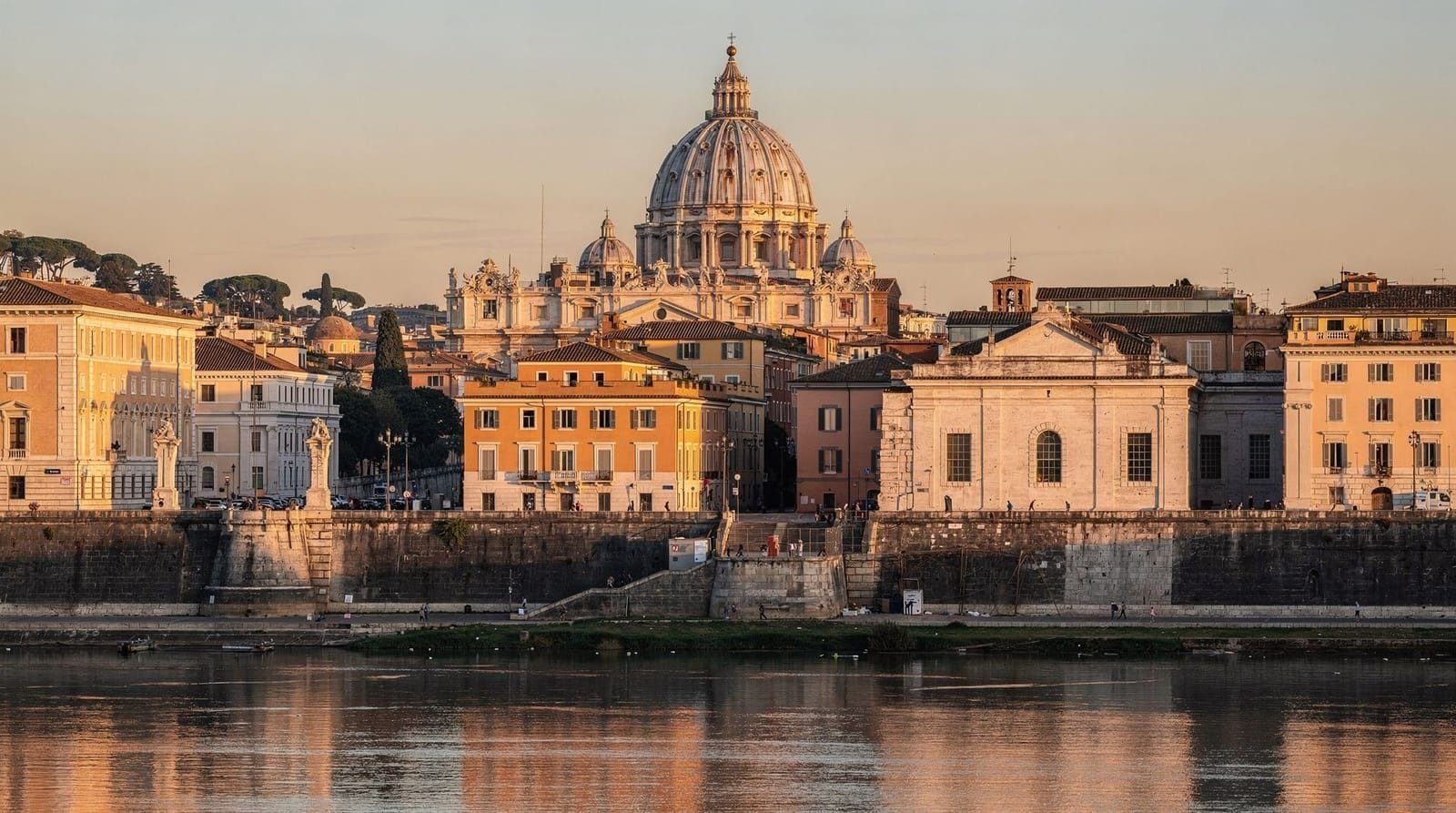
Rome for seniors and limited mobility: a practical guide
Rome: City Highlights Golf Cart Tour with Local Guide
Is Rome a good destination for older travellers and those with limited mobility?
Yes, with realistic planning. Rome's most famous sites are achievable without being young or highly mobile. The practical challenges — cobblestones, heat in summer, long queues — have specific solutions: spring or autumn travel, advance ticket booking, strategic midday rests, and knowing which sites have step-free access. The cultural richness Rome offers is disproportionate to the physical effort required if you are selective about sites and pacing.
Rome at a measured pace: why it works for older visitors
Rome rewards slow travel. The city’s layered history — 3,000 years of civilization visible in a single morning walk — is better absorbed at a pace that allows stopping, sitting, looking again. The Roman habit of taking long lunches, followed by rest, followed by late afternoon activity, is designed for exactly the kind of measured rhythm that suits older travellers.
The practical challenges are real — the cobblestones, the summer heat, the distances — but they are specific and addressable. This guide covers both the challenges and the solutions, so that the experience matches the genuine richness of what Rome offers.
| Best months | April–early June, September–November |
| Avoid | July–August heat (32–38°C) |
| Realistic daily walking | 4–6 km with taxi/golf-cart transfers between zones |
| Most accessible major sites | Pantheon, Vatican Museums, Borghese Gallery, Colosseum |
| Book ahead always | Borghese Gallery (7–10 days), Colosseum/Vatican skip-the-line |
Timing: the most important decision
For seniors and visitors with limited mobility, the timing of a Rome visit may matter more than any other single factor.
The ideal windows:
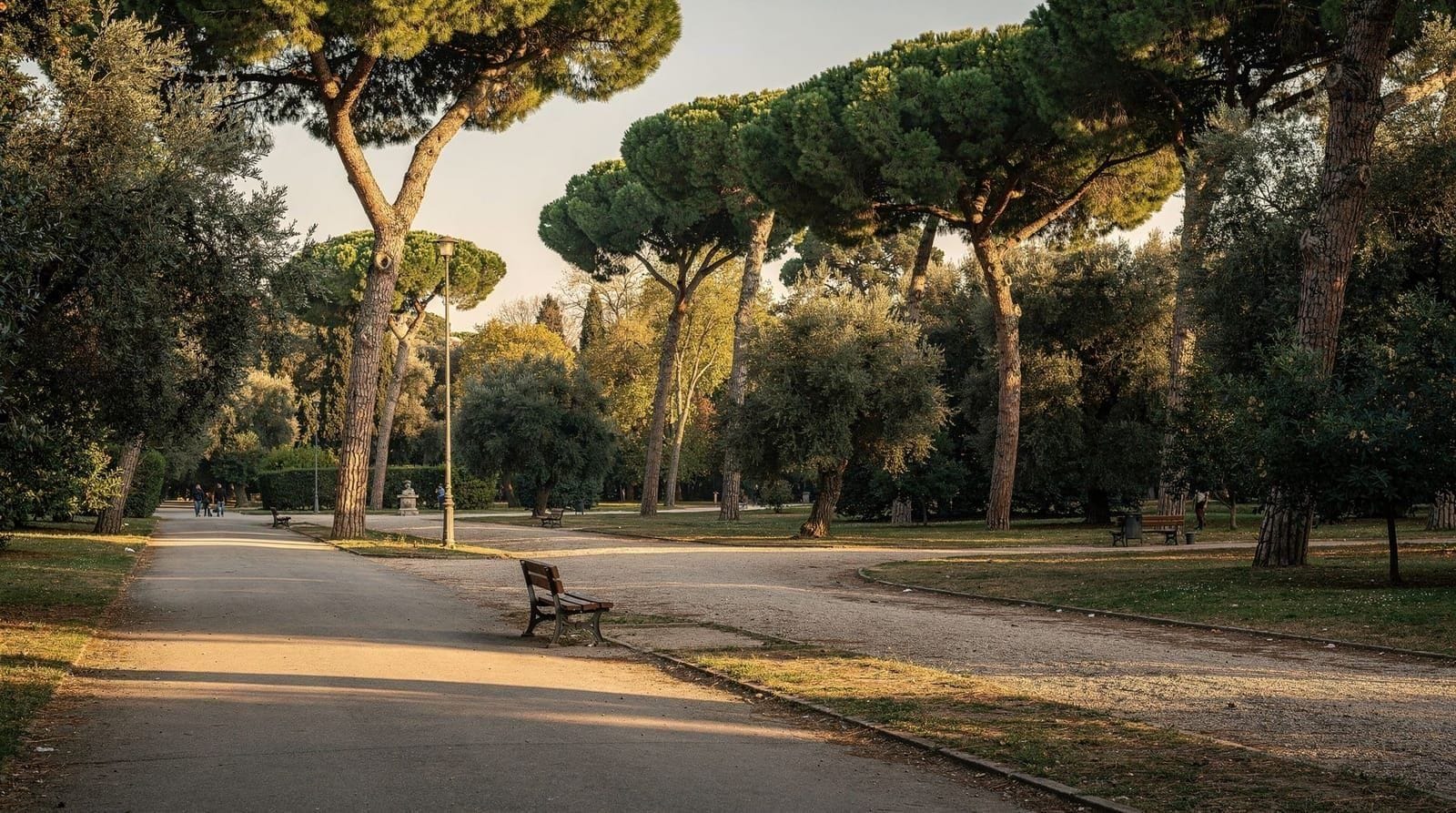
- April–early June: 16–22 °C, manageable crowds, spring gardens at their best (Villa Borghese, the Pincio). The best all-round months for older visitors.
- September–October: 20–26 °C in September, cooling to 14–20 °C in October. Lighter summer tourist numbers recede, queues shorten, and the city returns to its own rhythm.
- November–early December: 10–16 °C, very quiet, shorter days but gentle pace. Christmas decorations from late November add atmosphere. Quiet museums.
The months to avoid:
- July–August: 32–38 °C. Heat this severe makes outdoor sightseeing between 11:00 and 16:00 physically taxing for most people regardless of age, and genuinely risky for older visitors with cardiovascular conditions. Morning-only sightseeing is the only viable structure.
The Jubilee 2025–2026 momentum means Rome is busier than in recent years throughout the entire year. The off-peak timing advantage is proportionally more valuable in this context.
Footwear: the detail that determines everything
More than any other single factor, footwear determines how well an older visitor manages Rome’s streets.
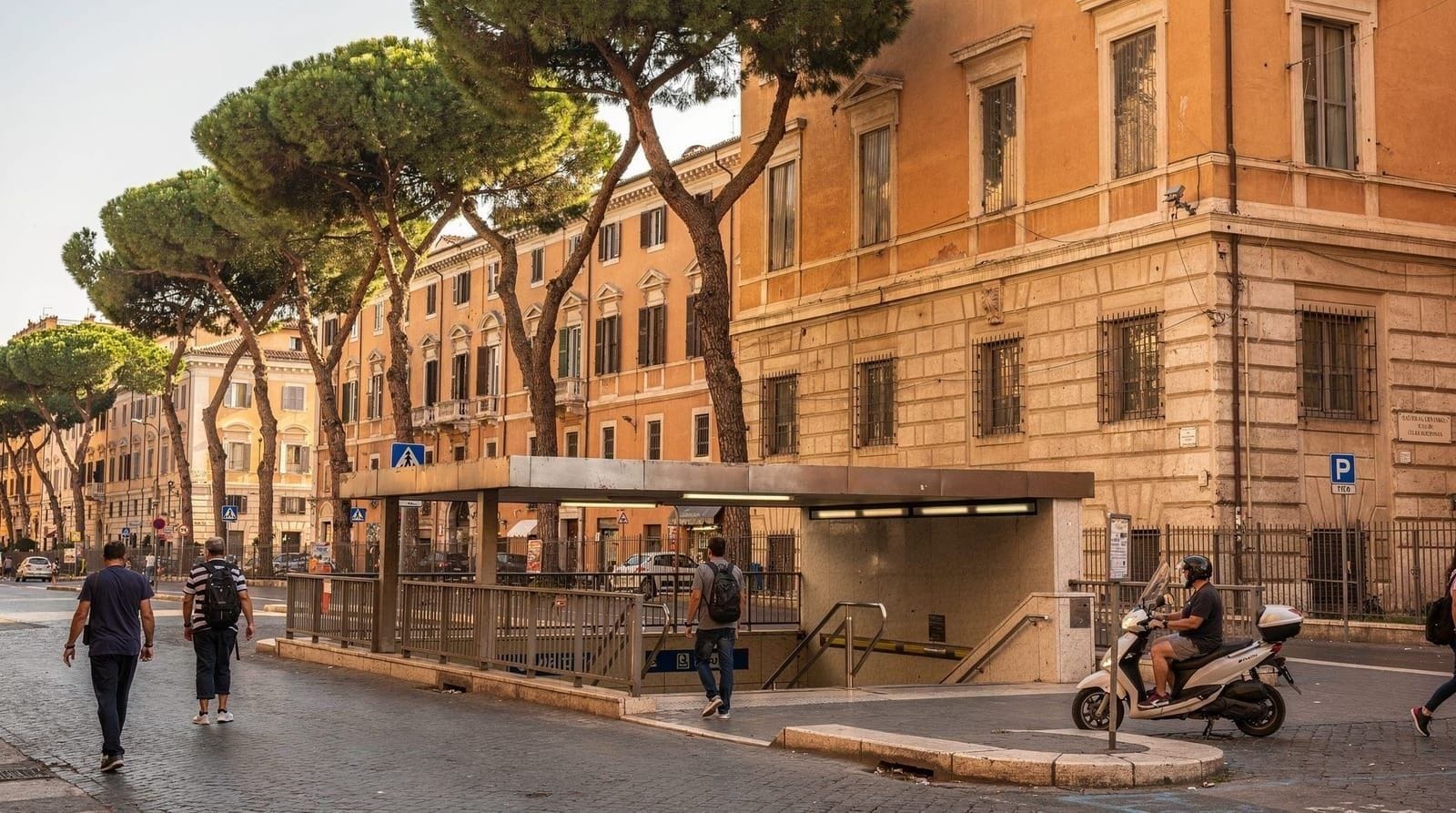
The sampietrini are not smooth cobbles. They are irregular, hand-cut basalt blocks in a sand setting, uneven across their surface and often with gaps between them. Standard flat shoes — cushioned trainers, leather soles — are less effective than footwear with:
- Ankle support: Either a low-cut shoe with good heel support or a lightweight ankle-height walking boot.
- Firm sole: Soft soles absorb individual stone irregularities poorly; a firmer sole distributes pressure better.
- Good grip: Leather and smooth rubber soles slide on wet sampietrini. Textured rubber soles grip better.
Walking poles or a single stick with a rubber tip are effective on sampietrini. The rubber tip grips the stone surface reliably. Carbon-fibre collapsible poles (available at outdoor shops) are light enough to carry when not needed without becoming a burden.
Getting around: the transport options
Accessible taxis
The most practical inter-site transport for visitors with mobility limitations. Rome’s licensed taxis (white cars with “TAXI” roof signs) can accommodate mobility aids in the boot, and the city has a fleet of adapted accessible taxis (with ramp or lift access) bookable through:
- Roma Taxi 3570: the largest fleet, reliable phone and app booking
- Radiotaxi 06.6645: the second main Rome taxi cooperative
- Hotel concierges reliably book accessible taxis on request
Key taxi fare rule: Rome has fixed airport fares (FCO to any point within the Aurelian Walls: €55; Ciampino to the same area: €40). Within the city, fares are metered. From the Vatican to the Colosseum area costs approximately €10–12.
Avoid unofficial drivers at the airport who approach you — only use vehicles with the yellow “TAXI” roof sign or pre-arranged airport transfers.
The hop-on hop-off bus
For covering longer distances across the city with minimal walking, the hop-on hop-off buses are a legitimate option for seniors and mobility-limited visitors. The open-top format and multiple stops near major sites make it a practical way to visit different zones of the city across a day without booking multiple taxis.
Rome City Sightseeing Hop-on Hop-off — covers the main tourist circuit; useful for reducing walking distances between zonesNote on accessibility: Not all hop-on hop-off vehicles are fully accessible for wheelchair users. If wheelchair access is required, confirm with the operator when booking. For visitors who can board standard bus steps (with or without a handrail), the buses are generally manageable.
Electric golf carts
The electric golf cart city tours have become a popular option for older visitors who want to cover significant ground — piazzas, rivers, major monuments from street level — without extended walking. The carts are open-air (pleasant in mild weather, exposed in rain), small-group (typically 4–6 passengers), and driven by a guide who narrates the route.
Rome City Highlights Golf Cart Tour with Local Guide — covers major monuments from street level with minimal walking; private booking available for individual travellers or couplesThis is particularly useful for the first day of a trip when overall condition and tolerance for walking is not yet established, or for an afternoon when morning sightseeing has already consumed the day’s walking budget.
Site-by-site practical assessment
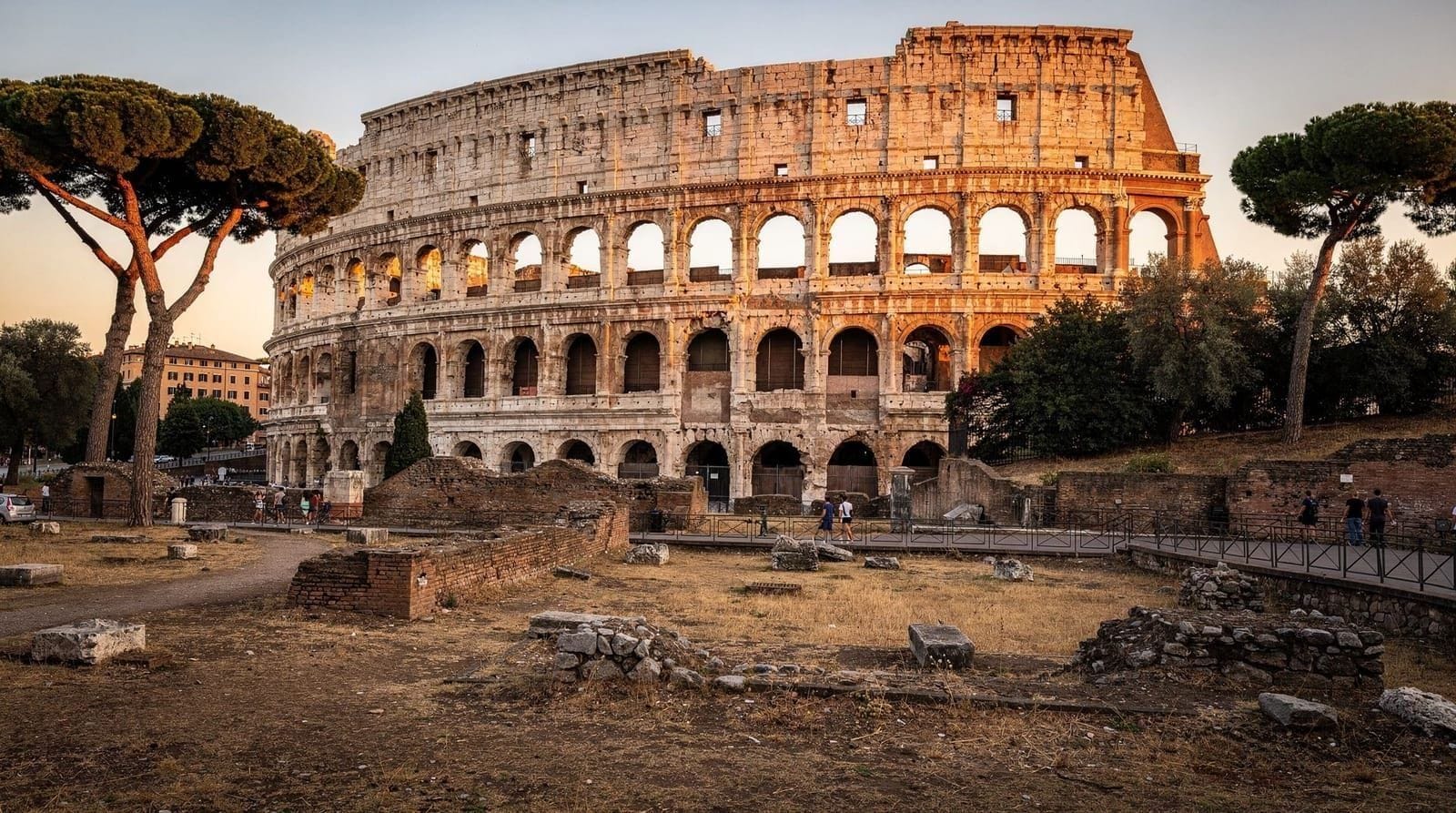
The Colosseum and Roman Forum
Accessibility level: Good for the Colosseum; moderate for the Forum.
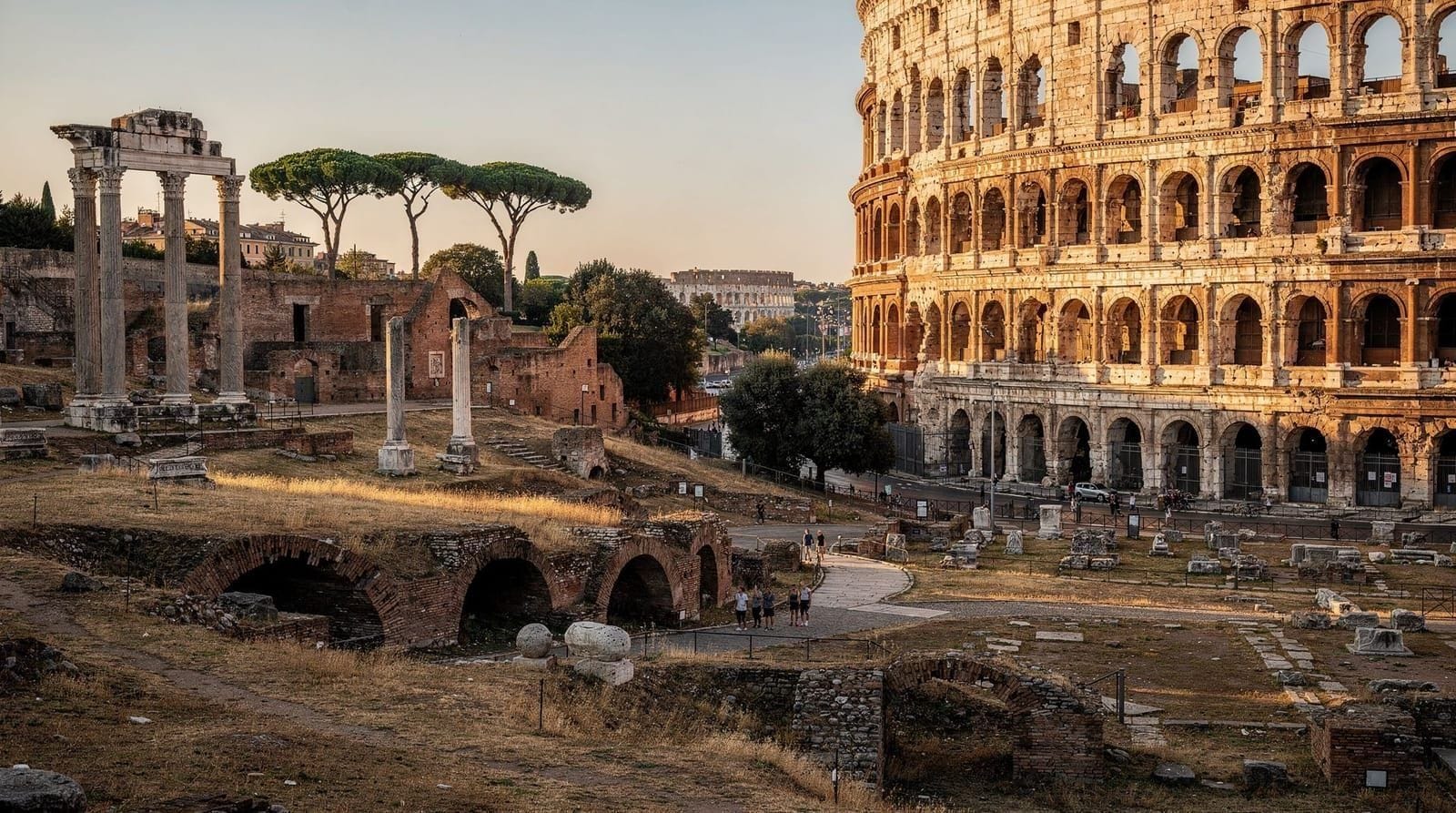
The Colosseum has an accessible entrance on the south side (Via Sacra approach), lift access to main visitor levels, and the main experience tier is navigable without stairs. The arena floor (upgraded ticket) is also accessible. One of the better-adapted major monuments in Italy.
The Roman Forum (included in the same combined ticket) has the main Via Sacra path as its accessible route — navigable for most visitors. Subsidiary areas involve uneven original paving and unpaved ground. A partial Forum visit covering the main axis is achievable; comprehensive Forum exploration is harder for visitors with limited mobility.
The practical advice: book skip-the-line tickets to avoid queuing at the main entrance. Queuing in summer heat for 2 hours before entering the site is the hardest element of the Colosseum visit, not the site itself.
The Vatican
Accessibility level: Good — one of the most systematically adapted heritage sites in Rome.
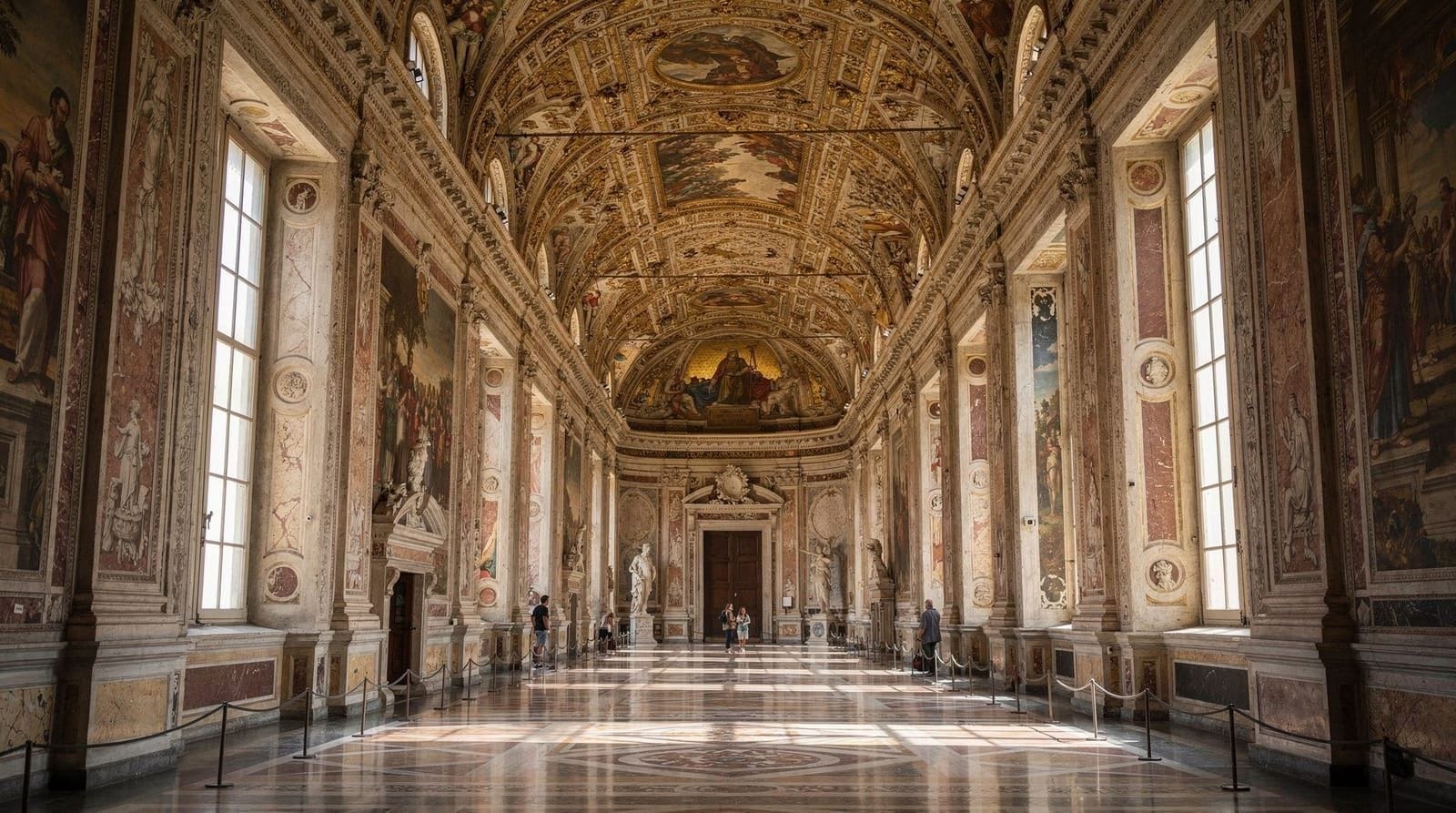
The Vatican Museums have elevator access at all major staircase points. There is a designated wheelchair and limited-mobility route through the main galleries (Egyptian Museum → Gallery of Maps → Raphael Rooms → Sistine Chapel) that avoids steps entirely. For visitors who use a walking stick or have limited stamina rather than being wheelchair users, the elevator access removes the main physical barrier.
Free entry for disabled visitors and one carer is official Vatican policy — bring documentation.
St. Peter’s Basilica has a flat marble interior and ramp access at the main entrance. The piazza is wide and paved. The dome climb (551 steps, or 320 after the elevator) involves a narrow, angled spiral staircase at the top — not recommended for visitors with vertigo, claustrophobia, or significant knee or hip limitations.
Borghese Gallery
Accessibility level: Good.
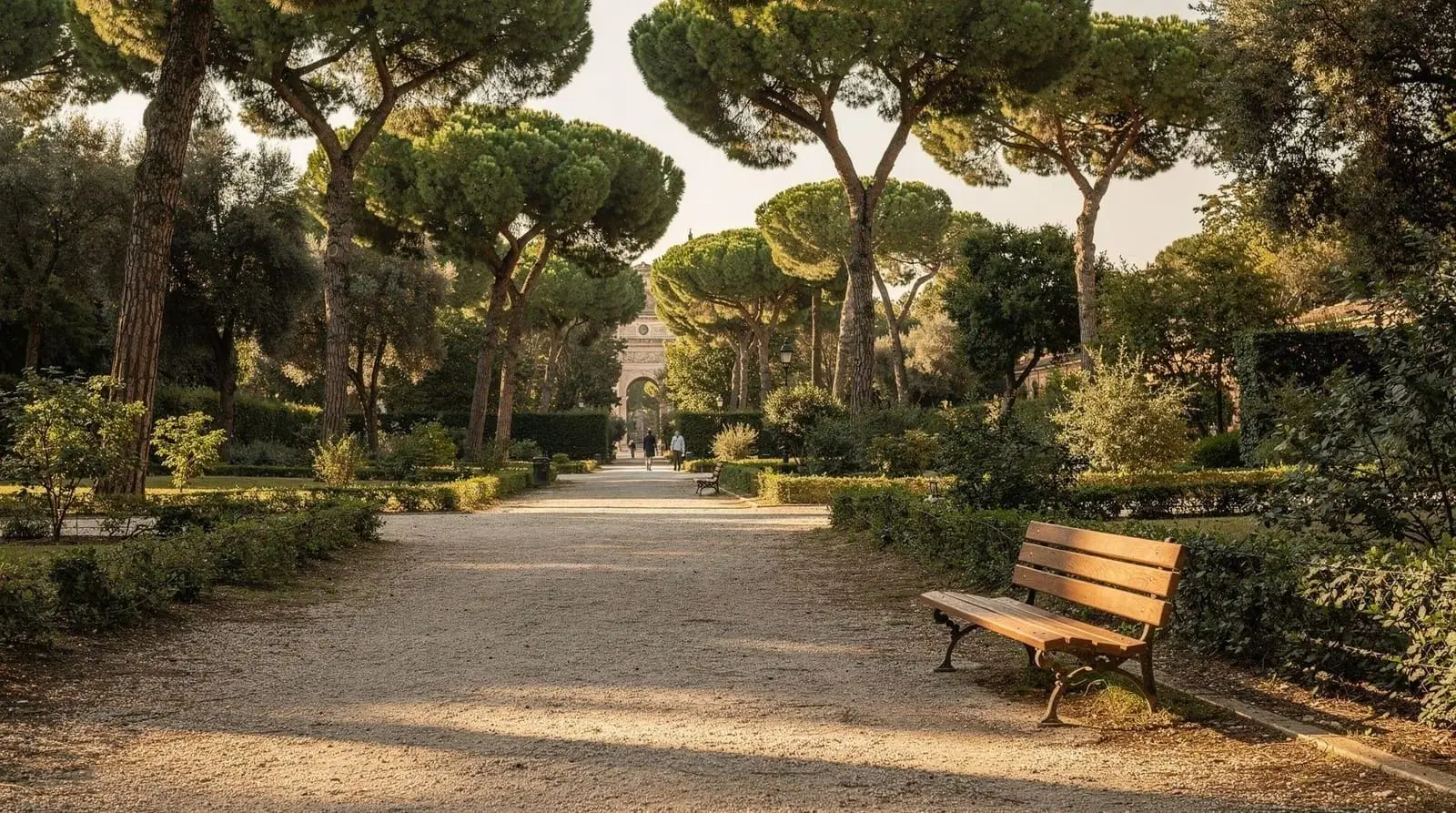
The Borghese Gallery has elevator access and a level interior throughout. Bernini’s sculpture rooms are on the ground floor; the painting gallery is on the first floor accessible by lift. The surrounding Villa Borghese park has smooth paths ideal for leisurely walking.
The strict 2-hour timed entry and 180-person cap means pre-booking well in advance (7–10 days ahead in peak season) is essential. See the Borghese Gallery booking guide.
Castel Sant’Angelo
Accessibility level: Moderate.
The outer approach is paved and manageable. The castle interior involves a combination of ramps (the ancient helical ramp core is accessible for most walking visitors) and stairs at various points. A partial accessible visit covering the main levels is feasible; the highest rampart level involves steps.
The Pantheon
Accessibility level: Very good.
Level entrance from Piazza della Rotonda. Single-space interior on one floor, smooth marble flooring throughout. One of the most physically straightforward major monuments in Rome. The piazza approach is cobbled but worn smooth in the central pedestrian paths.
Ostia Antica
Accessibility level: Good for the main paths.
The ancient port city has wide paved main paths through the site. The overall scale means it is a long visit if you cover everything; but the relaxed atmosphere and uncrowded paths allow a slow, stopping pace that is often more accessible than central Rome’s crowded streets. An excellent half-day option for older visitors who want archaeological Rome without the Colosseum crowds. See the Ostia Antica day trip guide.
Site accessibility compared
| Site | Accessibility level | Key detail |
|---|---|---|
| Pantheon | Very good | Level single-space interior, smooth marble floor |
| Vatican Museums | Good | Elevator access, dedicated step-free route to Sistine Chapel |
| Borghese Gallery | Good | Elevator, level floors; strict advance booking required |
| Colosseum | Good | Accessible entrance, lift to main tier, arena floor accessible |
| Roman Forum | Moderate | Main Via Sacra path navigable; side areas uneven and unpaved |
| Ostia Antica | Good on main paths | Wide paved main routes, but a long site if covering it all |
| Castel Sant’Angelo | Moderate | Helical ramp core accessible; upper ramparts involve stairs |
| St. Peter’s dome climb | Not recommended | Narrow spiral stairs; skip if vertigo or knee/hip limitations |
This complements the fuller wheelchair-specific route planning in the Accessible Rome guide, which covers step-free routing in more technical detail than the general pacing advice here.
Choosing sites and tours that reduce physical strain
Several of Rome’s major sites can be seen with a guide who manages pace and queuing on your behalf — often the single highest-value decision for older travellers. Skip-the-line access is covered in detail in the Rome skip-the-line tickets guide, and timing your visit against the citywide best time to visit Rome guide reinforces the shoulder-season recommendation above with month-by-month detail. For the Vatican specifically, the Vatican Museums and Sistine Chapel guide and St. Peter’s Basilica guide go into the step-free routing and the dome-climb decision in more depth than is practical to cover fully here.
Managing heat: essential for summer visits
For any visit between June and September, heat management is non-negotiable for older visitors.
The Rome heat day structure:
- 08:00–11:30: The window for outdoor sightseeing. Do the major outdoor monument before the heat peaks.
- 12:00–15:30: Mandatory rest. Air-conditioned hotel, restaurant for a slow lunch, or an air-conditioned museum (Vatican Museums, Capitoline Museums, Borghese Gallery are all air-conditioned).
- 16:00–19:00: Resume outdoor activity for the cooler late afternoon.
Museums with air conditioning provide a natural midday refuge: the Vatican Museums, Capitoline Museums, Museo Nazionale Romano, and Borghese Gallery are all fully air-conditioned and suitable for a 2-hour midday break.
Carry water at all times. The nasoni (free-flowing street water fountains) are distributed throughout the city — water is safe and cold. Staying hydrated in 35 °C heat requires conscious effort; 2 litres per day is a minimum.
Daily pacing: a sustainable Rome rhythm
Morning (08:00–11:30): One major ticketed site. Use skip-the-line booking to avoid standing in heat queues.
Midday (11:30–15:00): Lunch at a sit-down trattoria (not a tourist-facing restaurant with a menu turistico) followed by hotel rest. This is the Italian rhythm — the midday meal is the main meal of the day in local culture, and restaurants serve it well.
Afternoon (15:30–18:30): Lower-intensity activity. A neighbourhood walk in Prati or Monti, a piazza visit (Navona, Campo de’ Fiori), a café stop. No major ticketed sites.
Evening (19:00–20:30): Dinner. Early dining (19:00–19:30) is practical for visitors who are tired — local Romans dine at 21:00, so this timing is slightly before the main service rush and finds restaurants at their calmest.
Rest days: For visits of 5+ days, building one full rest day (or low-intensity park day) into the schedule resets stamina for the remainder of the trip.
Accommodation considerations
Ground floor or elevator access: Confirm before booking that the hotel or apartment has elevator access to the room. Many characterful Rome hotels occupy historic buildings with narrow stairs and no lift. This is fine for fit travellers and inadvisable for those with mobility limitations.
Location priority: Staying within 15 minutes’ walking distance (or one taxi ride) of your daily main attraction reduces daily transit demands. Prati for Vatican days; Monti or Celio for Colosseum days.
Air conditioning: Mandatory in summer. Not all hotels in historic buildings have effective air conditioning — confirm this explicitly when booking, not as an assumption.
For wheelchair users and the most mobility-limited visitors, the detailed Accessible Rome guide covers specific route planning and adapted transport options in more depth.
For planning the overall trip length and sequence around this pacing, see the Rome itinerary planning guide and the Rome first visit plan, both of which can be adapted by simply halving the sights-per-day target and building in the rest windows described above. Choosing where to stay in Rome with this pacing in mind — prioritising proximity over the cheapest rate — makes as much difference to a comfortable trip as any single site decision.
Frequently asked questions about Rome for seniors and limited mobility: a practical
What is the most important thing to know about Rome's cobblestones?
Which months are best for older travellers in Rome?
Are there reduced prices for seniors at Rome's major attractions?
How many kilometres of walking is realistic per day with limited mobility?
Are there chairs or seating inside Rome's major monuments?
Is it worth joining a guided tour as an older traveller?
Top experiences
Bookable activities with verified prices and instant confirmation on GetYourGuide.