Castelli Romani Food & Wine Tour from Rome — Honest Review 2026
Frascati Food & Wine: Full-Day Rome Countryside Tour
Rome’s wine country, 30 km away
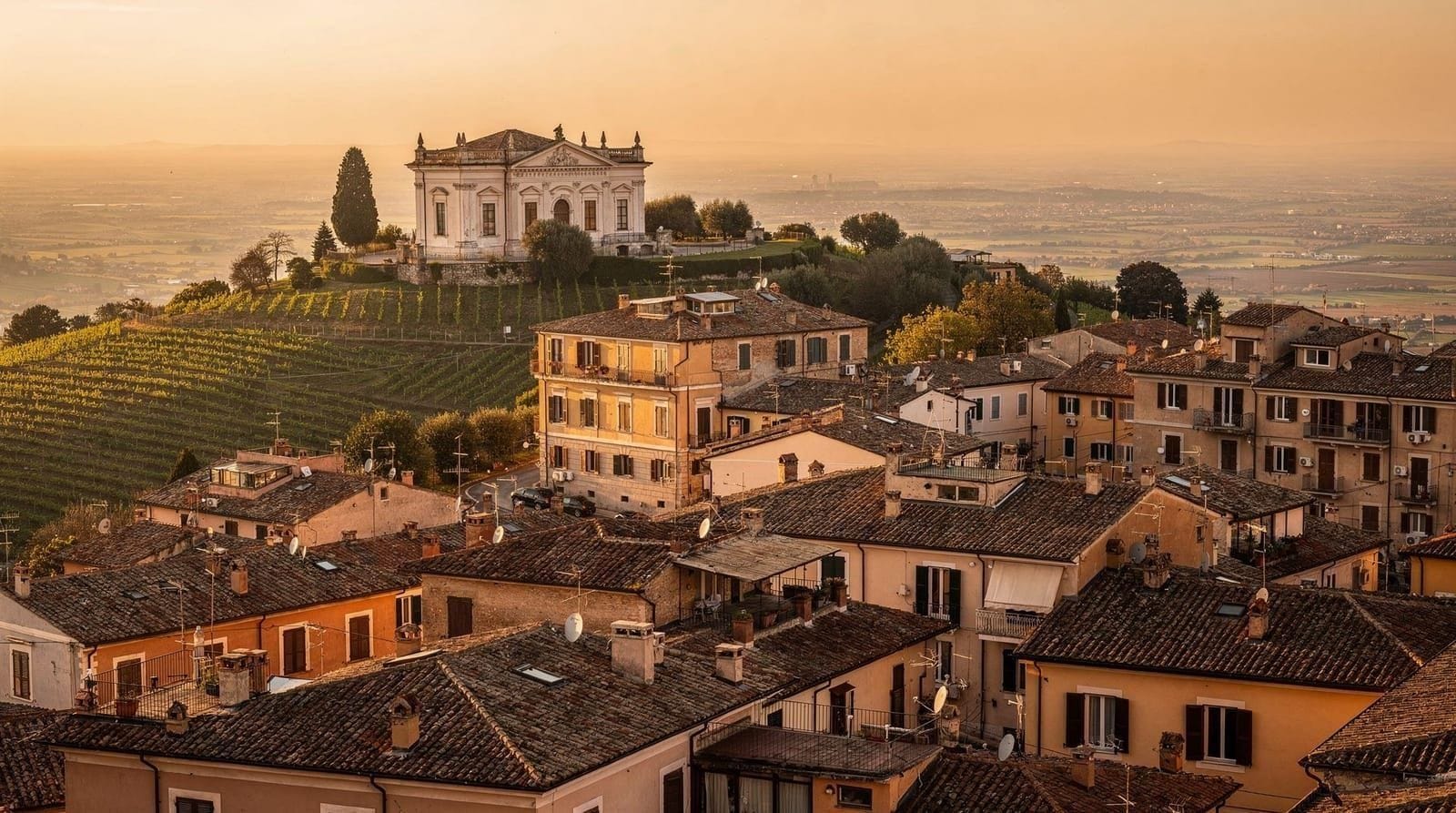
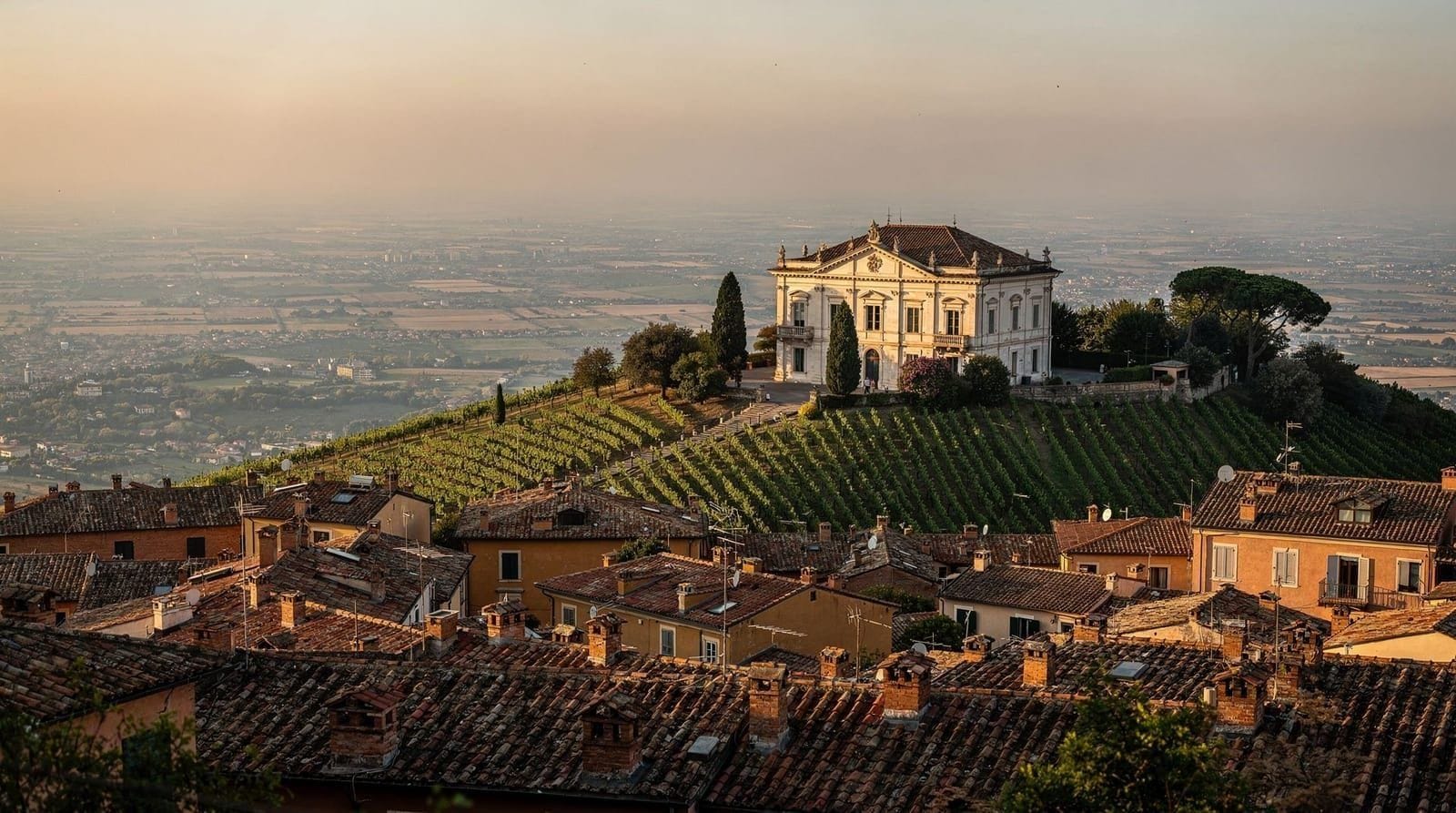
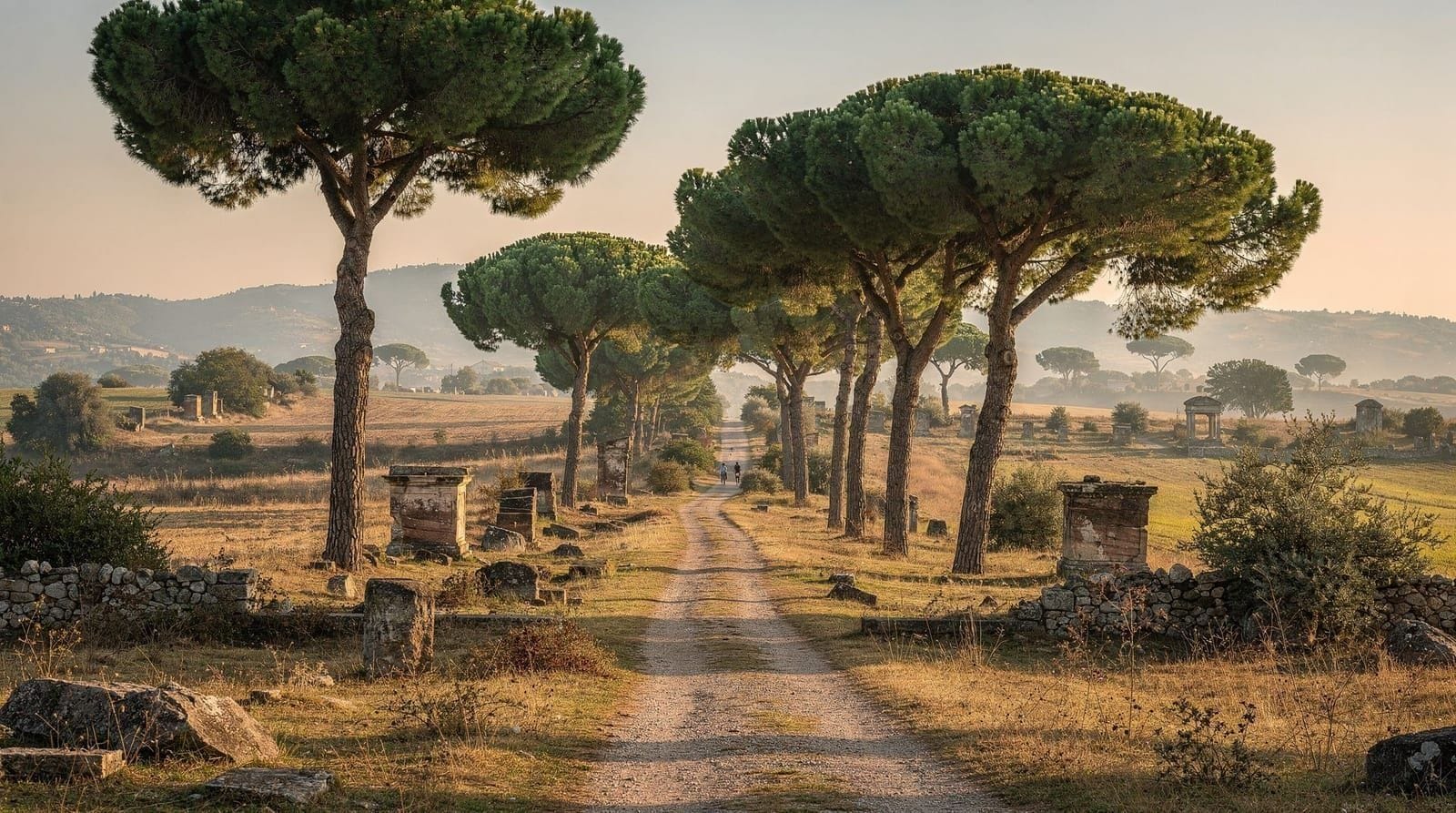
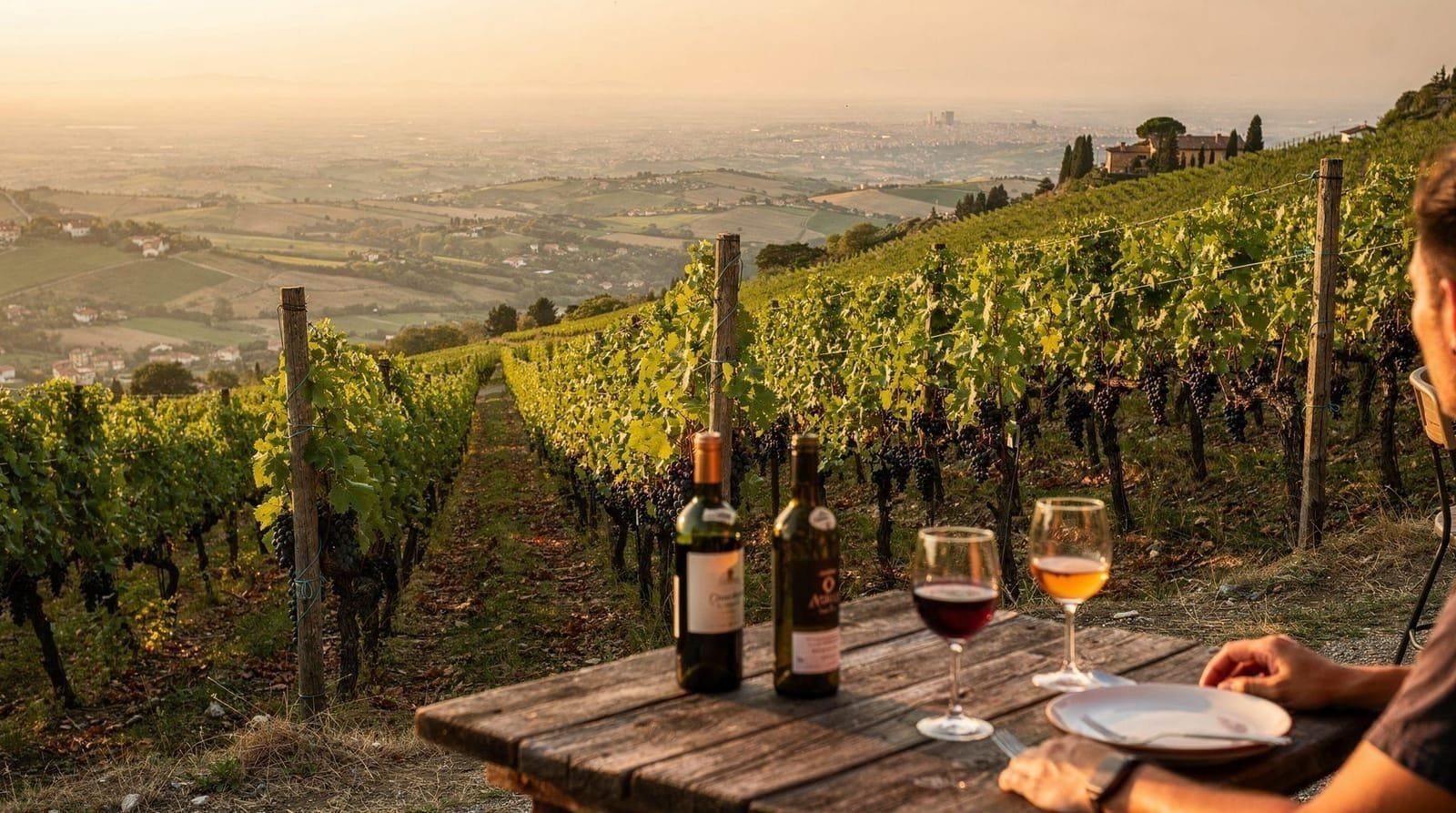
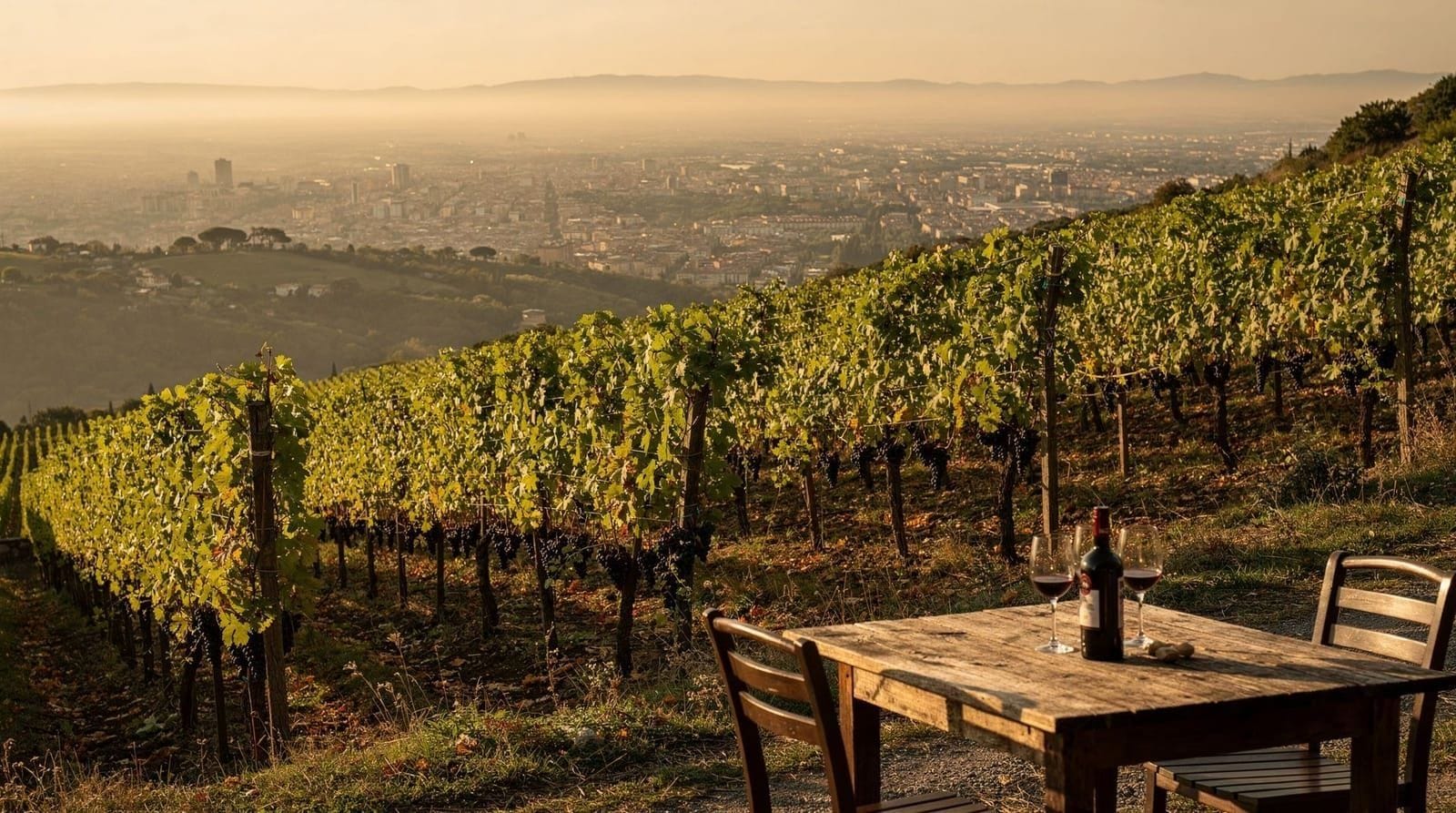
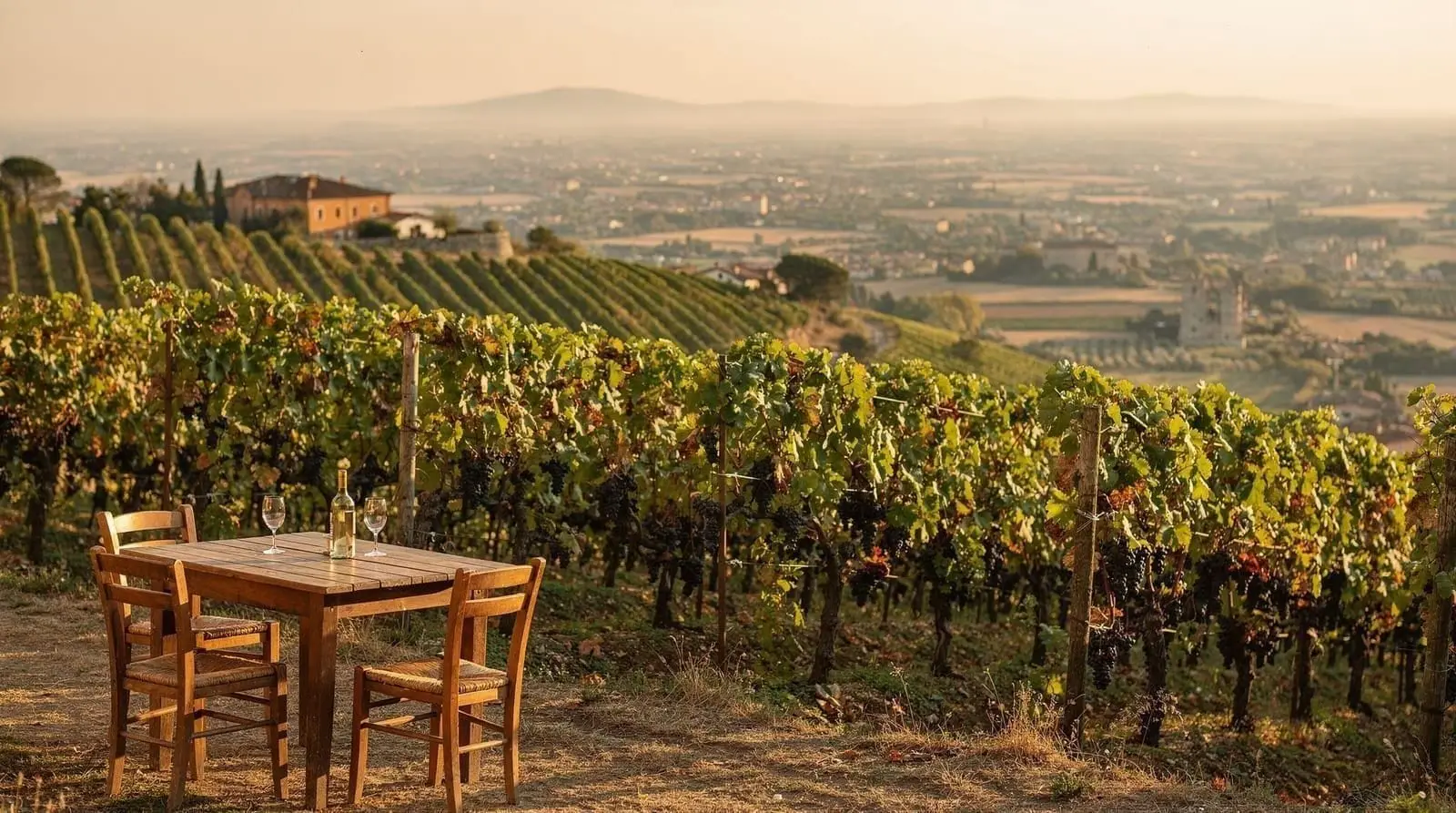
Most visitors to Rome never make it to the Castelli Romani, which is their loss. The volcanic hills southeast of the city — the ancient Alban Hills — have supplied Rome with wine, olive oil and summer retreats since the Roman Republic. The same 20 kilometres of distance that makes them easy to dismiss on a tight Rome itinerary makes them one of the most rewarding half-day escapes available.
The Frascati food and wine full-day tour from Rome is the core format: a guided day in the Alban Hills combining a winery visit, a medieval town stop, and a tasting of local food and wine. It is neither a demanding trek nor a superficial bus tour — it is exactly what it sounds like, and it delivers.
What the Castelli Romani actually offer
The Castelli Romani (literally “Roman Castles”) is the collective name for 13 towns in the Alban Hills, each with its own character and claim to fame. The volcanic soil — rich in potassium and minerals from ancient eruptions of the Monte Cavo and Colle Cimino — gives the local wines their distinctive character and the produce its quality.
Frascati is the wine capital. Its central piazza has survived successive wars and rebuilding, and the rows of fraschette — traditional wine taverns that began as simple places to sell the season’s wine — still operate around the main piazza. A glass of Frascati Superiore at a local bar costs €2 to €3; the same wine in a Rome restaurant costs €6 to €10. The DOC and DOCG designations recognise genuine quality improvements in the best producers over the past two decades.
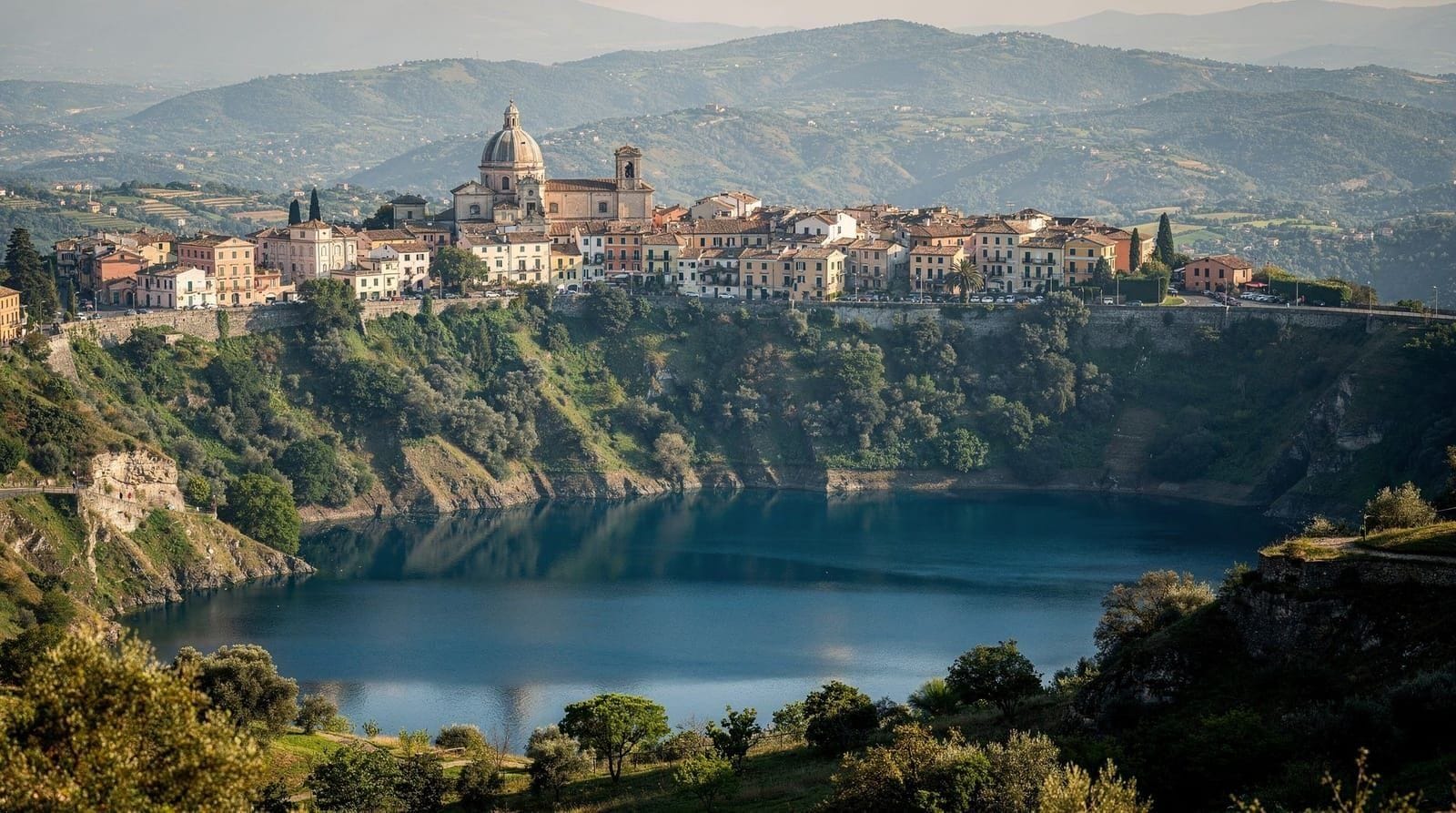
Castel Gandolfo sits on the western rim of the Albano crater lake, which occupies the caldera of an ancient volcano. The papal summer palace — used by popes for 400 years — dominates the town, and the lake views from the terraces are among the finest in Lazio. The town is small, elegant and well-maintained; the vegetable garden of the papal estate produces some of the best zucchini and artichokes in the region.
Comparing the tour formats
The wine tasting and medieval town visit at Castelli Romani is the mid-range group format: a winery visit, a sitting tasting with food, and time in one of the hill towns. This covers the essential experience without adding complexity or cost. Group sizes are typically 15 to 25 people — large enough to be efficient, small enough to hear the guide and ask questions at the winery.
The Frascati and Castelli Romani private wine tour from Rome is worth considering for couples and small groups who want the flexibility to choose the winery based on specific preferences (natural wine, biodynamic production, specific grape varieties), to linger at tastings, and to adapt the town itinerary to the group’s interests. Private tours in wine country earn their premium more clearly than at heavily tourist-managed sites — the difference between a tasting selected for your party’s preferences and a standard group tasting is real.
The Frascati wine region tour with private wine tasting from Rome focuses specifically on the tasting experience with a smaller group and a more curated selection — worth comparing with the full private tour if the wine is the primary motivation and the town visits are secondary.
The Chianti comparison
The Siena, Chianti wine tasting and lunch from Rome is a meaningful alternative for visitors whose wine interest extends to Tuscany’s more internationally recognised territory. The Chianti Classico zone — Sangiovese-dominant reds, Gallo Nero label, the landscape between Florence and Siena — produces wines with a different profile and a different price point.
The practical difference: Chianti requires the high-speed train to Florence (1h30) and a further car transfer into the hills (30 to 45 minutes each way), making it a 12-hour day minimum from Rome. The Castelli Romani is 45 minutes door-to-first-stop. If you have a specific Chianti wine interest or want the Tuscan landscape specifically, the day is worth the commitment; if you want wine country in a half-day with less exhaustion, the Castelli is the better choice.
The Chianti wine from Rome guide and Lazio wine guide help distinguish between the two wine cultures if the grape varieties and styles matter to your decision.
What to eat and drink
The food culture of the Castelli Romani is closely tied to Rome’s cucina povera tradition, with some distinctive local features. Porchetta di Ariccia — roast pork seasoned with rosemary, garlic and black pepper, cooked in a wood oven — is the iconic product; Ariccia is considered the porchetta capital of Italy and a warm roll filled with freshly carved porchetta is the best possible mid-morning snack. The strawberries of Nemi (available June and July) are small, intensely flavoured wild varieties served with cream or wine.
At a winery tasting, typical accompaniments include Frascati DOC, Frascati Superiore DOCG (the better category), and possibly a local Cesanese red, paired with local pecorino romano (young and aged), salumi, olive oil, and bread. Better tour operators select producers with interesting stories — family estates that have been producing for generations, or newer producers experimenting with lower-intervention methods.
Rome’s wine bars and enoteche is worth reading if you want to continue the Lazio wine exploration when you return to the city; several good enoteche stock Castelli Romani wines that are impossible to find outside the region.
Who this day suits
The Castelli Romani food and wine tour is ideal for: visitors who have covered Rome’s main historical and cultural sites and want a different pace for a day; food and wine enthusiasts with a specific interest in local Italian wine culture; those who find full-day exhausting day trips to Naples or Florence unappealing; couples looking for a more relaxed and scenic day; and anyone who appreciates the landscape around Rome as much as the city.
It is less suited to: visitors on a first Rome trip who are still working through the Colosseum, Vatican and Borghese Gallery (save the Castelli for a longer trip); those with little interest in wine who would prefer the archaeological depth of Ostia Antica or Tivoli; and those who need a headline attraction they can explain to people back home (Frascati is less glamorous than Florence or Pompeii but is a deeply pleasant day).
The Castelli Romani day trip guide covers the full picture including public transport options (the Frascati train is practical and cheap), and the best day trips from Rome overview compares all the options across difficulty, journey time and type of experience.
Verdict
A Castelli Romani food and wine day is one of the most relaxed and genuinely enjoyable day trips from Rome in the entire repertoire. It does not try to be Tuscany and it does not need to be: the volcanic wine country 30 km from the city centre has its own distinct character, flavour and history. The logistics are simple, the food is excellent, and the pace is calmer than anything involving a high-speed train and a museum queue.
For a repeat Rome visitor, this day should be near the top of the list. For a first visit with limited time, it sits comfortably after the main city sites as a change of gear. The private tour format adds meaningful value in wine country specifically, where the winery selection and tasting curation can make a real difference to the experience.