Lake Bracciano day trip: a castle and a swim near Rome
Rome: Tivoli Day Trip with Villa d'Este and Villa Adriana
Is Lake Bracciano worth a day trip from Rome?
Yes — especially as a summer swimming escape or a short cultural excursion. The train from Roma San Pietro takes 55–65 minutes to Bracciano station, and the lake is one of the cleanest in Lazio. The medieval Castello Orsini-Odescalchi above the town is one of the best-preserved Renaissance fortresses in Italy. The combination of a castle visit and lake swimming makes this a genuinely satisfying half-day or full-day trip.
Lake Bracciano: the closest clean lake to Rome
Rome is not near the sea in a useful sense for most visitors — Ostia is 45 minutes away but the beach quality is mediocre. What Rome does have, almost within sight of the city, is a series of volcanic crater lakes in the Colli Laziali and northern Lazio: Nemi, Albano, Vico, and Bracciano.
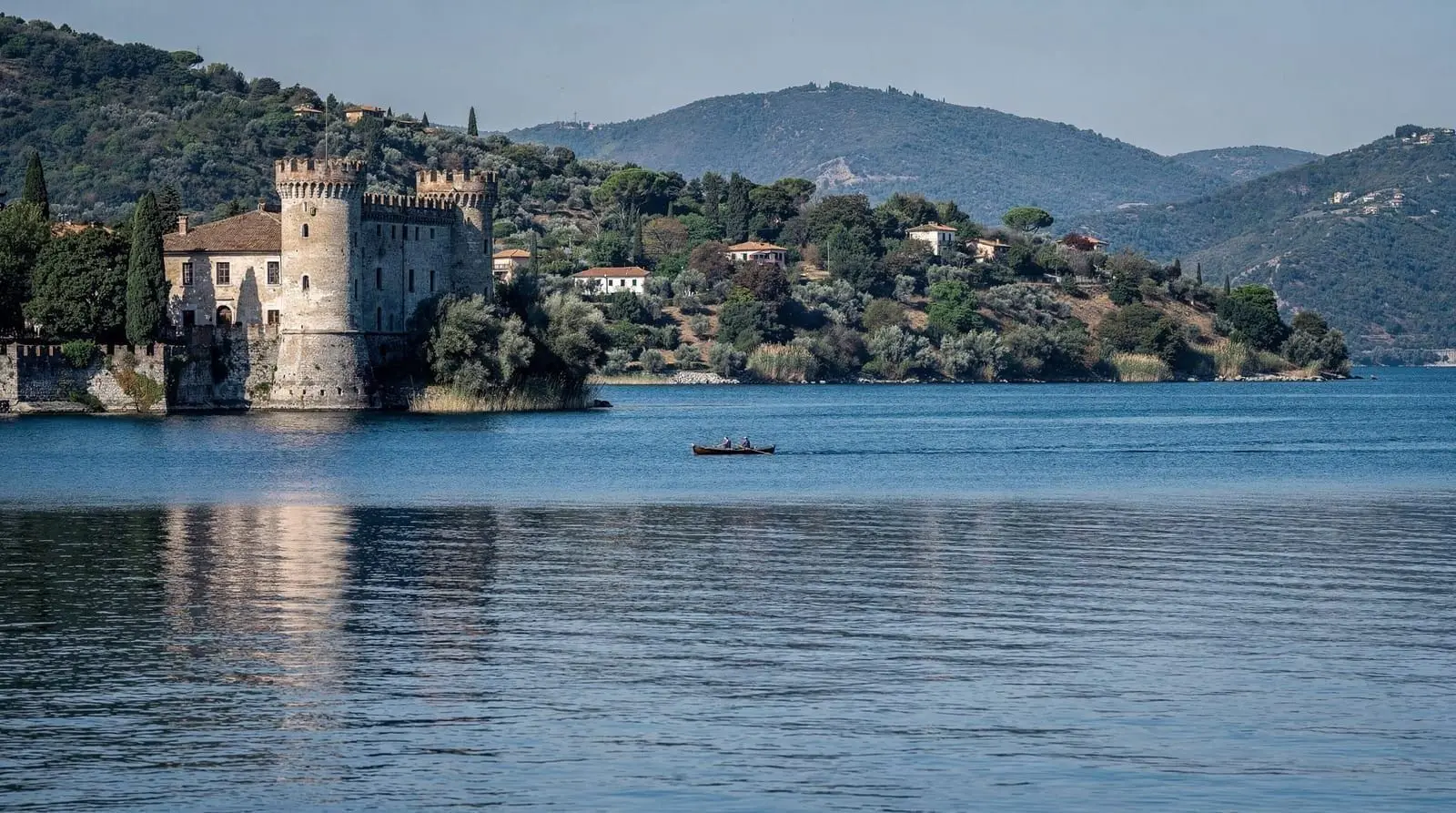
Lake Bracciano (Lago di Bracciano) is the largest and most accessible from the city. It sits 32 km northwest of central Rome — about as far as Tivoli is to the east — and is reachable by regional train in under an hour. The lake is clean, the swimming is genuine, and above the main town a 15th-century castle looks down over the water with enough original furnishings inside to make a proper visit worthwhile.
As day trips from Rome go, this is one of the most effortless. Short journey, combination of culture (castle) and nature (lake swimming), no complicated logistics, and back in Rome for dinner.
| Where | 32km northwest of Rome, reached via Roma San Pietro or Trastevere station |
| Cost | ~€4–5 train + €10–12 castle entry + €10–20 lido (optional) |
| Time needed | Half day for the castle alone; full day with swimming |
| Getting there | FL3 regional train, 55–65 minutes, no reservation needed |
| Best time | June–September for swimming; weekdays to avoid Roman weekend crowds |
Getting to Lake Bracciano from Rome
By train (recommended)
The train from Roma San Pietro station (on the Metro A/Viterbo FL3 line, accessible from Ottaviano station or directly if you are staying near the Vatican) stops at Bracciano after approximately 55–65 minutes. The line continues to Viterbo — Bracciano is the first major stop in the Bracciano area.
From Roma Trastevere station, the same FL3 line runs via Trastevere — journey approximately 70 minutes. If you are staying in Trastevere or the south of the city, this avoids needing to cross the centre.
Trains run approximately every 30–60 minutes on this line. No reservation required — buy a ticket at the station (approximately €4–5 one way) or via the Trenitalia app. Validate the ticket before boarding.
By car
Lake Bracciano is approximately 45 minutes by car from central Rome via the Via Cassia (SS2) or the via Claudia/Braccianese. Parking in Bracciano is available on the lakeside Lungolago and in the town below the castle. A car gives you the flexibility to drive around the lake and visit Anguillara Sabazia and Trevignano Romano in a single day.
No guided tours from Rome
There are no significant GetYourGuide products specifically for Lake Bracciano — it is a genuine DIY destination. This is part of its appeal: you arrive on a regional train with local commuters, walk to the lake, and spend the day among Italian families rather than international tour groups.
Castello Orsini-Odescalchi
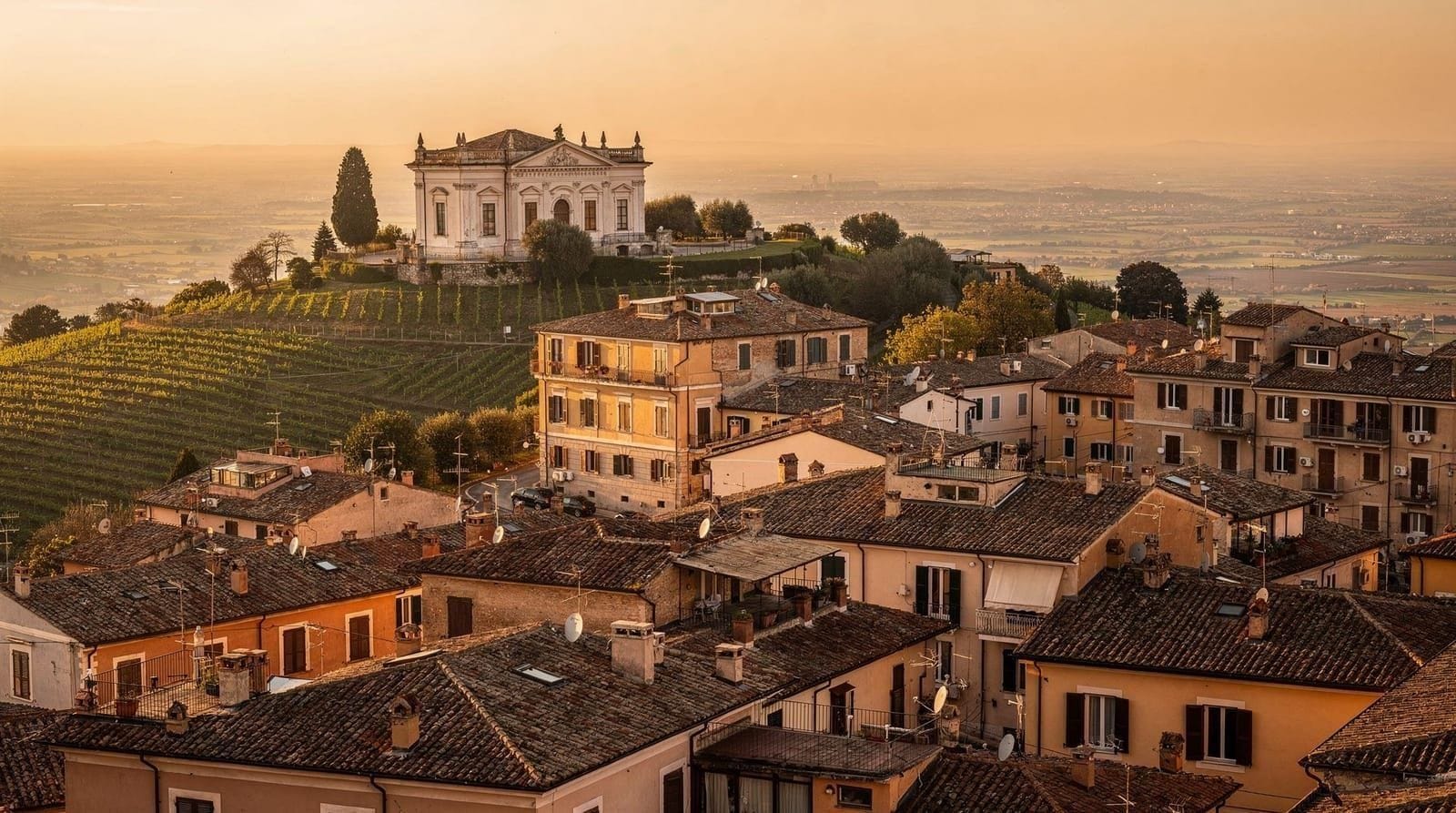
The castle dominates the town from its position on the hill, and it is the single best reason to combine a lake swimming day with a cultural visit.
History: Built by the Orsini family from 1470 onward, the castle replaced an earlier medieval fortification. The Orsini were one of Rome’s most powerful noble families, and Bracciano was a key stronghold. The castle passed to the Odescalchi family (relatives of Pope Innocent XI) in 1696 and remains their private property — but is opened for guided tours. Isabella of Aragon died here in 1524. Tom Cruise and Katie Holmes held their wedding here in 2006 — a fact noted in the guided tour with a certain amused Italian pride.
What to see: The guided tour (approximately 45–60 minutes, runs at set times — check the official website) covers the main courtyard, the towers with their panoramic views over the lake, and several furnished rooms including the Orsini family’s private chapel, a salone with original 16th-century furnishings, and an armoury with period weaponry. The star map ceiling in one of the upper rooms, painted according to the astronomical configuration at the time of a family birth, is particularly striking.
Practical: Entry approximately €10–12 adult, €7–8 reduced. Tours run in Italian with English commentary available on request. The castle is 15–20 minutes’ walk uphill from the station, or €5–8 by taxi. Closed Mondays; check the official website (castellobracciano.com) for current hours as they vary seasonally.
Swimming at Lake Bracciano
The lake occupies a volcanic crater — it is roughly circular, approximately 57 km² in area, and reaches a maximum depth of 160 metres. The water is clean (the lake feeds Rome’s water supply via the Acquedotto Paolo, an aqueduct built in 1611) and the bottom is generally soft without strong currents.
Main swimming areas from Bracciano town:
-
Lungolago Argenti (below the castle): The most central free swimming area. Rocky shore with access to water — not a sandy beach but a genuinely good swimming point. Views back up to the castle are excellent.
-
Lido di Bracciano (various operators): Several private lidos operate along the shore south of the town offering sun loungers, umbrellas, showers, and bar service. Cost approximately €10–20 per person for a full-day sun lounger. In summer these fill by 11:00 — arrive early or book ahead where possible.
Anguillara Sabazia (by train, 15 minutes from Bracciano):
The next station south on the FL3 line is Anguillara — a pretty town on the lake’s western shore with a better lido setup than Bracciano itself. The main public beach is a short walk from the station; paid lidos are immediately adjacent. The town has a small medieval historic centre on the hill above with a good view over the water.
Trevignano Romano (by car or Cotral bus, 10 km north of Bracciano):
The most attractive of the lakeside towns — quieter than Bracciano, with an old town of terracotta houses above the lake, a free pebbly beach, and excellent fish restaurants on the lakefront. Not directly served by the FL3 train (use a Cotral bus from Bracciano or drive). Worth the extra effort if you have a car.
A Lake Bracciano day itinerary
09:00 — Train from Roma San Pietro toward Viterbo
10:00–10:10 — Arrive Bracciano station. Walk uphill to castle (20 minutes) or take taxi.
10:30 — Castello Orsini-Odescalchi guided tour (approximately 60 minutes). Check tour times on the website before you go.
11:30–12:00 — Walk down through the old town. Coffee or pastry in the main piazza.
12:00 — Lunch in Bracciano. Ristorante Il Castello (Via Castello 31) has lakeside views and simple fish dishes. Alternatively, grab supplies at the alimentari and eat at the lakeside.
13:30–16:30 — Swimming at Lungolago Argenti or a private lido. Bring towel and sunscreen.
16:30 — Walk back to station (15 minutes).
17:00 approx — Train back toward Rome (arriving approximately 18:00–18:15 at Roma San Pietro).
Lake Bracciano vs Castel Gandolfo and Lake Albano
The Castelli Romani hills south of Rome include Lake Albano, visible from Castel Gandolfo — another volcanic crater lake reachable from Rome by train (Albano Laziale station, 35 minutes from Termini). The comparison:
Lake Bracciano: Larger, cleaner, better castle (Orsini-Odescalchi), less crowded on average, quieter lakeside towns. Further from Rome (55–65 min vs 35 min).
Lake Albano / Castel Gandolfo: Closer to Rome, combined with the Papal summer residence (now open for public visits), surrounded by the Castelli Romani wine towns (Frascati, Marino, Nemi). More typical day-tripper infrastructure. The lake itself is a spectacular crater but swimming access is more limited than Bracciano.
If the priority is swimming, Lake Bracciano is better. If the priority is wine, food, and combining with other Castelli Romani towns, see our Castelli Romani day trip guide.
The lake in context: Villa Giulia’s Roman connections
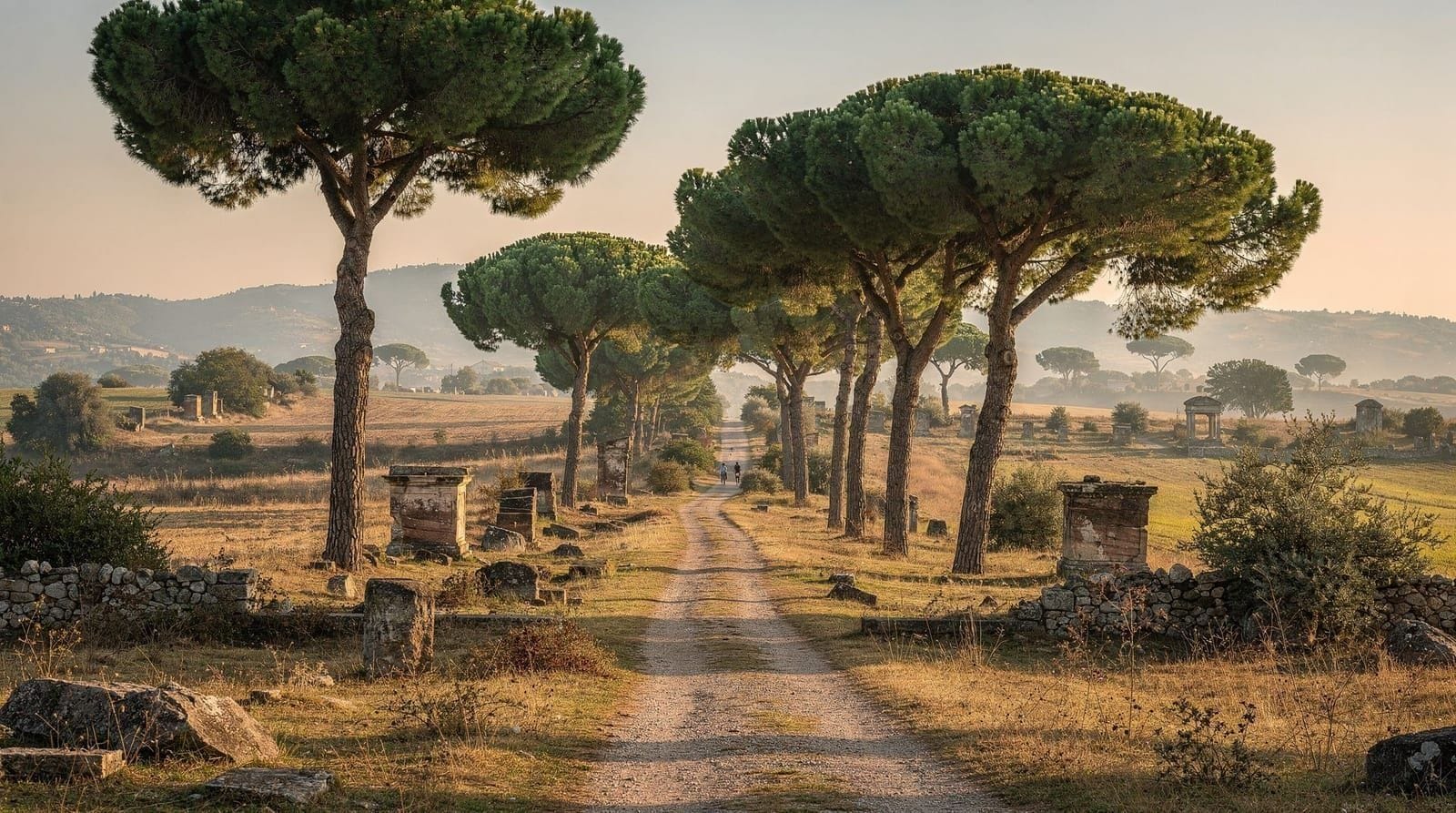
It is worth knowing that Lake Bracciano sits within a landscape that was heavily used by ancient Romans. The Via Claudia (still visible in places as a track through the surrounding fields) connected Rome to the Bracciano basin in antiquity. The emperor Claudius used this route. The Aqua Traiana (Trajan’s aqueduct, 109 CE) carried Bracciano water to Rome — a predecessor of the Acquedotto Paolo that still carries Bracciano water today.
None of this is obvious from the lakeside, but it adds texture to what is otherwise a purely pleasant afternoon. The lake is not just a geographic accident — it has been central to Rome’s water economy for two millennia.
Because the lake still supplies part of Rome’s drinking water, there are restrictions on motorised boat traffic and certain shoreline developments — one reason the water has stayed clean rather than becoming crowded with marinas and jet-ski rental as has happened at some other Italian lakes. This regulatory quirk is, in effect, why the swimming experience has remained as good as it has for as long as it has.
Practical details for 2026
Train line: FL3 (Viterbo direction), operated by Trenitalia. Departs from Roma Ostiense, Roma Trastevere, and Roma San Pietro. If travelling from the north or centre of Rome, San Pietro is the most convenient starting point. Validate your ticket before boarding.
Castle hours: Typically Tuesday–Sunday, guided tours at specific times. Check castellobracciano.com — hours change seasonally and the castle closes for private events (including weddings). Worth checking before committing to a trip primarily for the castle visit.
Summer crowds: July and August weekends see significant numbers of Romans escaping the city heat. A weekday visit in July is much more relaxed than a Saturday. Arrive early to secure lido spots.
Bicycles: Bracciano and several of the other lakeside towns have bicycle rental (approximately €10–15 per half-day). A lakeside cycle is attractive on the paved lakeside road — though the full circuit of the lake is approximately 30 km and better suited to a half-day cycle than an incidental activity.
Water safety: The lake is generally safe for swimming. There are no lifeguards at the free public beach areas. Children should be supervised — the bottom drops away quickly from the shore in some areas.
For a broader picture of all day trip options from Rome, including how Lake Bracciano compares to the Amalfi Coast, Capri, and Assisi, see our best day trips from Rome guide. For the complete picture of what is reachable by train, see our day trips by train from Rome guide.
What to pack and what to skip
Bring a towel, sunscreen, water shoes if you’re sensitive to a rocky lakebed, and cash for the smaller lidos and the alimentari in town (card acceptance is inconsistent at the more informal spots). Skip bringing an inflatable or large beach gear from Rome — the lidos rent sun loungers and umbrellas cheaply, and hauling equipment on a regional train adds friction for little benefit. A change of dry clothes for the train ride back is worth the small extra bag space, since swimwear dries slowly in a backpack on a 55-minute journey.
How Lake Bracciano compares on value to other Lazio day trips
Set against Rome’s other classic day-trip options, Bracciano occupies a specific niche: it’s less culturally dense than Tivoli or Ostia Antica, but it delivers something neither does — genuine, clean, safe swimming within an hour of the city. If a full day of archaeology is the goal, Ostia Antica or Tivoli deliver more historical density per hour. If the goal is a relaxed day that mixes one solid cultural stop (the castle) with genuine downtime (swimming), Bracciano is hard to beat for the price and effort involved. Families weighing a beach day against a lake day should also compare against Sperlonga, which trades the castle for a proper sea beach at a longer travel time.
Frequently asked questions about Lake Bracciano day trip: a castle and a swim near Rome
How do I get from Rome to Lake Bracciano by train?
Is Lake Bracciano clean and safe to swim in?
Where exactly do people swim at Lake Bracciano?
What is the Castello Orsini-Odescalchi?
Can I walk from the train station to the castle?
What other towns are on Lake Bracciano and are they worth visiting?
Is Lake Bracciano good for families?
When is the best time to visit Lake Bracciano?
Top experiences
Bookable activities with verified prices and instant confirmation on GetYourGuide.