Lake Bracciano
Escape Rome's heat at Lake Bracciano. Medieval Orsini castle, swimming, local seafood — 40 minutes by train. Honest guide with train times and tips.
Rome: City Highlights Tour by Electric Golf Cart
Duration: 2.5 hours
Quick facts
- Distance from Rome
- 40 km northwest
- Train from Roma San Pietro
- 40–50 min, FL3 line, €3–4
- Best months
- May–June, September–October
- Swim season
- June–September
- Castle entry
- ~€10 adults, ~€7 reduced
A volcanic lake, a medieval fortress, and a working fishing village — 40 minutes from Rome
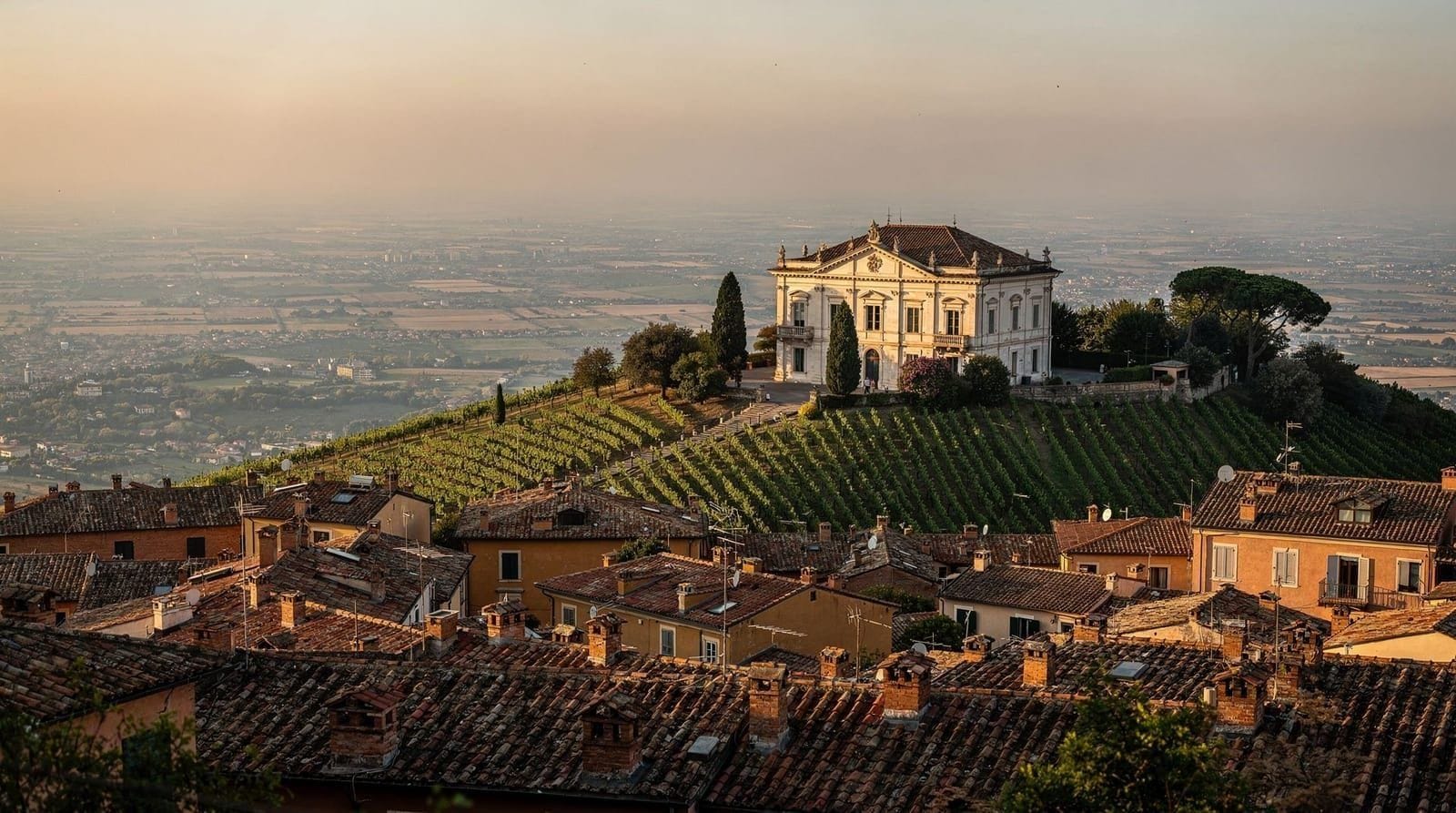
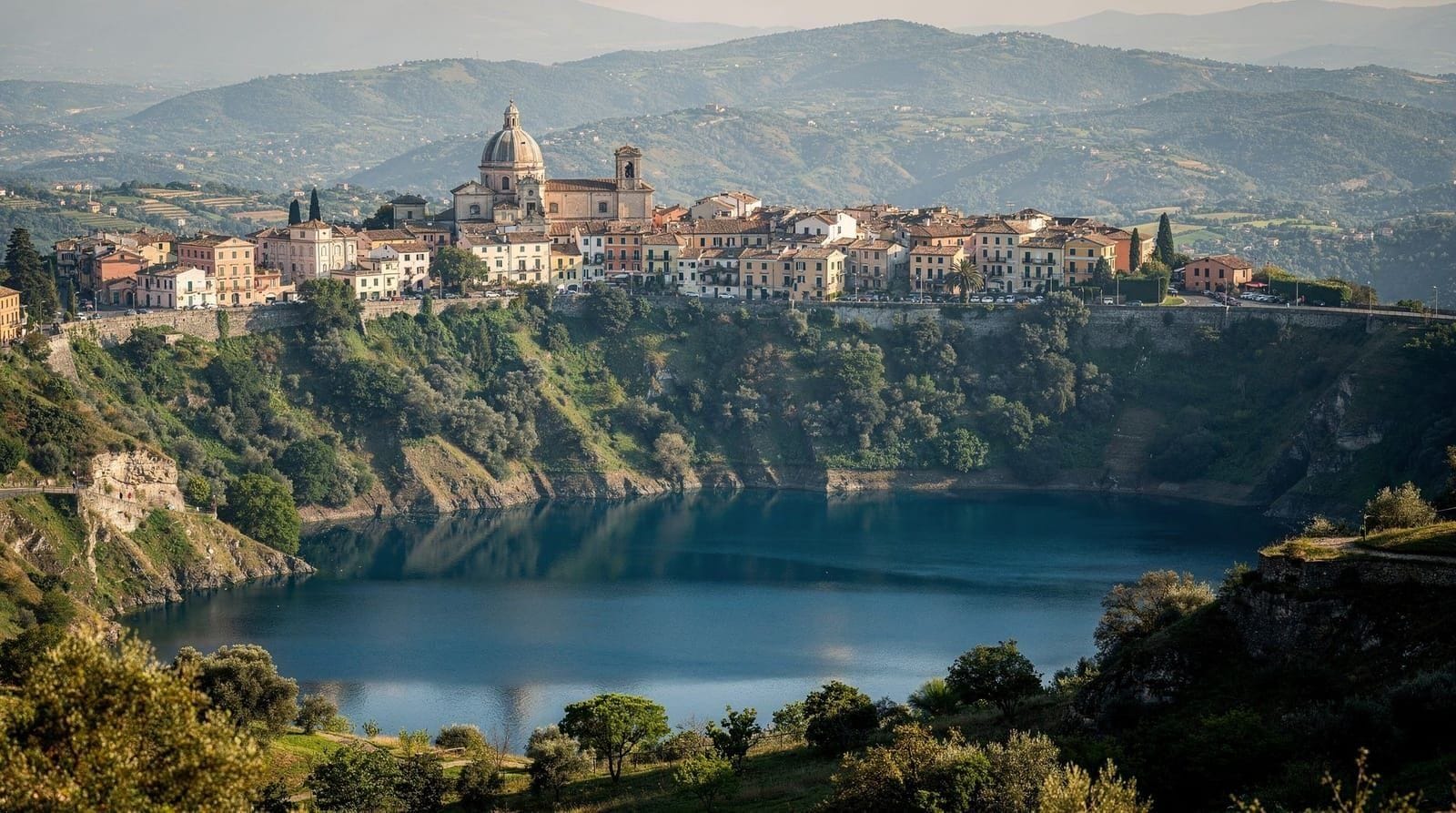
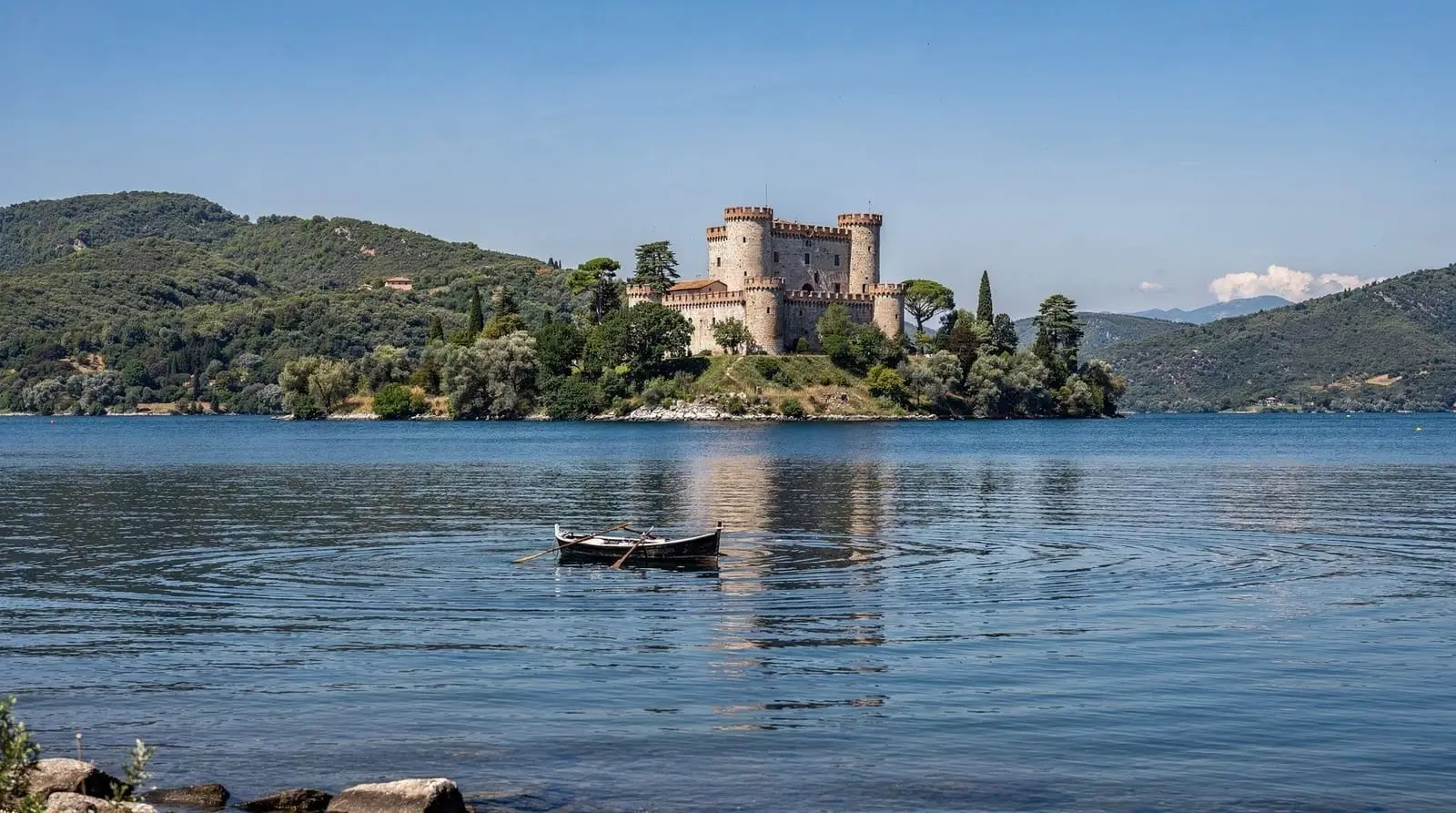
Lake Bracciano (Lago di Bracciano) sits in the Sabatini volcanic crater northwest of Rome. It is one of the cleanest lakes in central Italy — the city of Rome actually draws drinking water from it — which means no jet skis, no speedboats, and strictly regulated swimming zones. The result is a genuinely calm place: water that smells like nothing, views of forested hills, and a medieval town crowned by one of the best-preserved Renaissance castles in Lazio.
This is not a famous destination. You will not find English-speaking crowds lining up at gelato shops. The lakeside towns of Bracciano, Anguillara Sabazia, and Trevignano Romano cater mostly to Romans escaping the city on weekends. That is precisely why it works as a day trip — it feels nothing like the tourist circuit and offers real reward for minimal effort.
Getting to Lake Bracciano from Rome
By train (recommended)
The most reliable option is the FL3 regional line departing from Roma Ostiense, Roma Trastevere, or Roma San Pietro. Trains run roughly every 30–60 minutes and take 40–50 minutes to Bracciano station. The fare is around €3–4 each way (standard regional tariff zone).
From Bracciano station, the old town and the castle are a 10-minute uphill walk. The lakefront is slightly further — about 15 minutes on foot or 5 minutes by local bus.
Key detail: Check Trenitalia’s website before your visit. Service on this line is regular but not frequent — missing a train means waiting up to an hour for the next one. Plan the last return departure before you leave the hotel.
By car
Driving is practical and gives you flexibility to visit multiple lake towns (Anguillara and Trevignano are both worth including). The A2 motorway northwest from Rome takes about 35–40 minutes to Bracciano. Parking in the old town is limited; the lakefront has a larger free car park. Reminder: do not drive into Rome’s ZTL zone — pick up any rental outside the historic centre to avoid automatic fines of €84–335.
By organized tour
An organized day trip from Rome that combines Lake Bracciano with nearby Viterbo or the Castelli Romani makes geographical sense if you want a broader northern Lazio sweep in one day. See the Castelli Romani wine tours for comparison.
This guided 8-hour tour of the Castelli Romani from Rome covers Frascati and Castel Gandolfo and works well as an alternative if you want the Lazio hill-and-lake experience with a guide rather than navigating independently.What to do in Bracciano
Castello Orsini-Odescalchi
The castle is the main event and it earns its reputation. Built by the Orsini family in the 15th century and remarkably intact, it contains original frescoes, period furniture, and armour collections. Guided tours run at set times — check the official schedule on arrival as they are not continuous. Entry is around €10 for adults, €7 reduced.
The castle gained modern fame as the venue for a 2006 Tom Cruise–Katie Holmes wedding, which the staff will mention unprompted. More interesting is the collection of medieval weapons and the view from the upper terrace across the lake to the wooded crater rim.
Practical note: The castle can be closed on Mondays. Confirm opening hours via the official Castello Orsini-Odescalchi website before travelling.
Swimming and the lakefront
The Lungolago (lakefront promenade) in Bracciano town has organized lido areas and free access points. Water quality in Bracciano is consistently rated among the best in Lazio — it is classified as “excellent” for bathing under EU standards. Bring your own towel and footwear for the pebbly shores.
If you want a quieter swim, consider heading to Anguillara Sabazia — a small fortified town 8 km south along the lake, accessible by bus or car. It has a prettier mediaeval centre perched above the water and less crowded swimming areas.
Trevignano Romano, at the northern end of the lake, is another option with a good weekly market (Sundays) and a few waterfront restaurants worth sitting at for an hour.
Eating around the lake
Lake Bracciano has its own fishing tradition — the coregone (whitefish), tinca (tench), and anguilla (eel) are local specialities rarely seen in Rome. The lakefront restaurants in Bracciano town and Trevignano serve these grilled or in pasta.
Reliable options around the Bracciano lakefront include Ristorante il Cacciatore (Via del Lungolago, Trevignano Romano) and Da Luciano in Anguillara, both known for lake fish at honest prices. A full pasta and second course lunch will cost €25–35 per person with wine. Avoid restaurants that paste laminated English menus on the door — the family-run places further from the main piazza are significantly better value.
Practical tips for the day trip
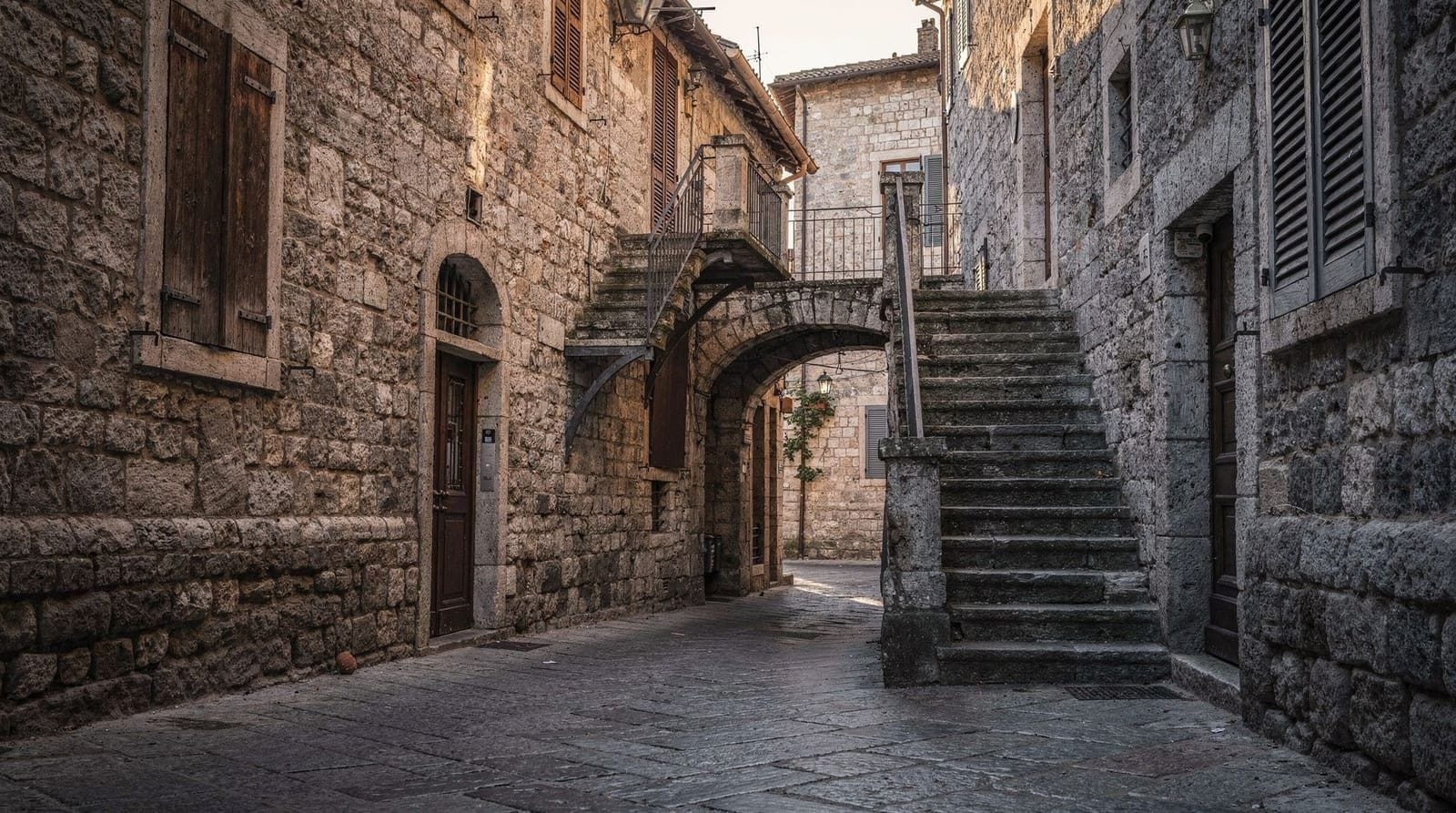
What to pack: Swimwear and sunscreen in summer. A layer for the castle’s cool interior. Comfortable shoes — the old town has steep cobbled streets.
Water: Bracciano’s tap water is safe. The lake water itself is, remarkably, the source of Rome’s tap water — but drink from the tap or bring a reusable bottle rather than buying single-use plastic.
Timing: Aim to arrive by 10:00 to catch the castle on the first guided tour slot. Lunch at the lake, then a swim in the afternoon before the 17:00–18:00 return train. That gives a full, unhurried day.
Budget: Castle entry ~€10 + train return ~€8 + lunch ~€30 = well under €60 for the day, not counting drinks. This makes Lake Bracciano one of the most cost-effective day trips from Rome.
Summer weekends: Bracciano fills with Roman families from mid-June through August, particularly on Saturdays and Sundays. If you visit in this period, arrive early and expect parking to be difficult. Weekday visits in summer are considerably quieter.
The three lakeside towns compared
Lake Bracciano has three distinct towns worth knowing:
Bracciano is the largest and most visited. The old town sits on a hill above the lake with the castle at its peak, a handful of good restaurants, and a well-developed lakefront promenade. It is the easiest base — the train station is here, most accommodation is here, and the castle is the primary draw. In summer, the lakefront fills with Romans on weekday afternoons and is genuinely crowded on weekends.
Anguillara Sabazia (8 km south by car, accessible by bus from Bracciano) is many visitors’ favourite. It sits on a small promontory with medieval walls partially intact, a compact old centre with good views, and less tourist infrastructure than Bracciano — which means cheaper restaurants and a more genuinely local feel. The south-facing shoreline here gets excellent afternoon sun. Worth the extra effort to reach.
Trevignano Romano (18 km north, on the opposite shore) is the quietest of the three. It is primarily a residential town for Romans with second homes, with a Sunday market (Mercato di Trevignano, local produce and antiques), a small boat harbour, and several waterfront restaurants that serve lake fish at honest prices. The drive or bus journey around the lake from Bracciano adds 30–40 minutes but the overall experience is noticeably more peaceful.
If you are travelling by train, base your day in Bracciano. If you have a car, build in at least one of the other two towns.
Wildlife and nature around the lake
The Sabatini volcanic crater that contains Lake Bracciano is a protected natural area (Parco Naturale Regionale del Lago di Bracciano–Martignano). The forested hillsides around the lake are home to roe deer, wild boar, and various raptors — the crater rim walking paths offer genuine hiking with lake views, not just lakeside promenading.
Lago di Martignano: A smaller, completely undeveloped volcanic lake sits about 5 km south of Lake Bracciano. There is no vehicle access to the shore — just a dirt track and a 20-minute walk. The result is a wild swimming spot with no facilities, no lido, and nobody selling you things. Bring your own food, towel, and water. Open June–September; small access fee (approximately €3–5) at the entrance barrier. If you have a car and want the most authentically peaceful water experience near Rome, this is it.
Planning your day: a practical sample itinerary
This structure works well for a self-guided day trip from Rome:
- 08:30: FL3 train from Roma Ostiense or Roma San Pietro
- 09:20–09:30: Arrive Bracciano. Walk up to the castle.
- 09:30–11:00: Visit Castello Orsini-Odescalchi (guided tour ~€10)
- 11:00–12:30: Walk the old town; coffee at a bar on the main piazza
- 12:30–14:00: Lunch at Ristorante il Cacciatore (Trevignano) or a lakefront trattoria in Bracciano
- 14:00–17:00: Swimming at the lido or a free access point; relax on the lakefront
- 17:00–17:30: Stroll to Anguillara or return to Bracciano for the evening train
- 17:30–18:30: FL3 train back to Rome
This is a genuinely relaxed day with no rushing — the castello, food, and lake each get proper time. Total out-of-pocket cost (train, castle, lunch, lido entry): approximately €55–70. No queues. No advance booking required beyond checking the castle schedule.
Combining Lake Bracciano with other northern Lazio destinations
Lake Bracciano pairs naturally with Viterbo and Civita di Bagnoregio if you have a car, though that makes for a long day. A more manageable combination is Bracciano in the morning and Anguillara Sabazia for a long lunch.
From Rome, the Castelli Romani (Frascati, Castel Gandolfo) and Castel Gandolfo offer a similar “escape the city” mood to the south of Rome, with excellent wine and papal connections — compare what interests you most before deciding.
If you are planning multiple day trips, check the Rome day-trip guide overview and the best time to visit Rome for seasonal advice that applies to all Lazio excursions.
Historical context: the Orsini family and the Duchy of Bracciano
The Castello Orsini-Odescalchi is inseparable from the history of one of Rome’s most powerful medieval families. The Orsini were one of the two dominant noble houses of Rome (the other being the Colonna), and their rivalry shaped the medieval papacy — several popes were Orsini, and the family’s control of territory north of Rome (including Bracciano) was a direct extension of their political power.
The castle was built in the 1470s under Napoleone Orsini and his son Gentil Virginio, on the site of earlier medieval fortifications. Its construction coincided with the height of Orsini power in central Italy. The unusual feature of the castle is its pentagonal plan with round towers — a Renaissance military design that reflected the advent of gunpowder artillery, requiring angled walls to deflect cannon fire rather than the square towers of earlier medieval fortifications.
The Orsini line died out in the late 17th century, and the castle passed to the Odescalchi family (a Milanese noble family with close ties to the papacy — Pope Innocent XI was an Odescalchi) in 1696. The Odescalchi still own the castle today, making it one of the rare Italian heritage sites still in private aristocratic hands. This is why the guided tour requires booking through a private entity rather than through the state museum system.
The 2006 Tom Cruise–Katie Holmes wedding that the guides will inevitably mention was chosen specifically for this privately-owned, non-museum character — the castle is fully rentable for events. This has funded its ongoing conservation but also creates occasional closures for private events; always check availability before travelling.
The local wine of northern Lazio
Lake Bracciano sits at the edge of a wine-producing zone — the hills of the Sabatini volcanic complex produce DOC Cerveteri wines (red and white) from the western slopes down toward the coast. The volcanic soil, similar to that which produces the famous wines of the Castelli Romani to the south, gives the wines mineral character.
Local restaurants around the lake serve house wine (vino della casa) from the area, typically a simple Malvasia or Trebbiano white — crisp, mineral, unpretentious, and very cheap (€5–8 for a 500ml jug). If you want to compare more formally with the Frascati-area wines available in Castelli Romani, the Bracciano wines are lighter and less famous, which translates directly to lower prices and greater authenticity at the table.
The town of Cerveteri (30 km southwest by car, toward the coast) is the centre of this wine zone and also has the most important Etruscan necropolis in Lazio — the Necropoli della Banditaccia, a UNESCO site with hundreds of tumulus tombs scattered across an extraordinary landscape. If you are driving to Lake Bracciano from Rome, a 30-minute detour to Cerveteri adds significant archaeological value to the day.
Best time of year to visit Lake Bracciano
Lake Bracciano works in almost any season, but the experience changes a great deal between a July swim day and a quiet November walk. If beating Rome’s summer heat is your main goal, see the Rome in summer guide for how the city compares; for a fuller month-by-month picture across the region, the Rome weather by month guide is a useful companion.
| Season | Conditions | Crowds | Best for |
|---|---|---|---|
| May–June | Warm, lake still cool | Moderate, mostly weekends | Castle visits, walking, early swims |
| July–August | Hot, full swim season | Heavy on weekends, quieter weekdays | Swimming, lido days |
| September–October | Warm days, cooler evenings | Light | Castle + lake combined, best overall balance |
| November–April | Cool, occasionally wet | Very light | Castle tour, lakeside walks, off-season prices |
If you can only pick one window, September is the sweet spot: the water is still warm enough from the summer, the light is good for photos across the crater, and the crowds of July and August have thinned out. Winter visits are perfectly viable too — the castle interior is unaffected by the cold, restaurants stay open (if with shorter hours), and having the lakefront promenade almost to yourself is its own reward, even without a swim.
Getting active around the lake: hiking, cycling and paddling
Lake Bracciano rewards visitors who want to do more than sit on a lido towel. A track circles almost the entire lake — roughly 30 km — and is popular with cyclists from Rome on weekend mornings; bike rental is available in Bracciano and Anguillara Sabazia for those without their own. The crater rim above the lake has waymarked hiking paths through the Parco Naturale Regionale, with views down over the water that most day-trippers never see because they stay at lake level.
On the water itself, small operators in Bracciano and Trevignano Romano rent kayaks, stand-up paddleboards, and pedal boats by the hour, typically €10–15. Because motorboats are banned across most of the lake, paddling here is calm and genuinely pleasant rather than a dodge-the-jet-skis exercise. Families travelling with children will find this a lower-key alternative to the lido, and it pairs naturally with a picnic lunch bought at the Bracciano old-town market rather than a sit-down restaurant. For more on planning a Rome trip around children generally, see the kid-friendly Rome activities guide.
Frequently asked questions about Lake Bracciano
Is Lake Bracciano worth visiting from Rome?
Yes — particularly if you want a genuine break from the city’s tourist density. It is easy by train, the castle is excellent, and the lake is clean enough to swim in. It works best as a half-day to full-day trip between May and October.
How do I get from Rome to Lake Bracciano without a car?
Take the FL3 regional train from Roma Ostiense, Roma Trastevere, or Roma San Pietro to Bracciano station. Journey time is 40–50 minutes; fare is approximately €3–4 each way. Trains run roughly every 30–60 minutes. No reservation needed — buy at the machine or counter before boarding.
Can you swim in Lake Bracciano?
Yes. The lake is classified as excellent quality for bathing by EU standards. The lakefront in Bracciano town has both organized lido areas (small fee) and free access points. The water is cleaner than most Italian lakes because motorized boats are prohibited and the lake serves as a drinking water source for Rome.
What is the Castello Orsini-Odescalchi and how much does it cost?
It is a 15th-century Orsini family fortress, remarkably preserved, with frescoes, armour collections, and lake views. Guided entry costs approximately €10 for adults and €7 reduced. Tours run at set times — confirm the current schedule on arrival. The castle may close on Mondays.
What local food should I try at Lake Bracciano?
The lake has a fishing tradition distinct from Rome. Look for coregone (whitefish), tinca (tench), and anguilla (eel) — served grilled or in pasta. These appear on menus in Bracciano, Anguillara Sabazia, and Trevignano Romano. A full lunch with house wine runs €25–35 per person.
Is Lake Bracciano better than Castelli Romani as a day trip?
Different mood entirely. Castelli Romani (Frascati, Castel Gandolfo) means wine, porchetta, hill towns, and papal heritage — more structured sightseeing. Lake Bracciano is quieter, centred on the castle and the water. If you want to swim, Bracciano wins. If you want wine and hilltop towns, see Castelli Romani.
Is Lake Bracciano a good option to escape Rome’s summer heat?
Yes — it’s one of the better heat-escape options within an hour of the city, precisely because swimming is genuinely possible and the water and lakeside towns cool down in the evening. See the Rome in summer guide for how it compares with staying in the city and using fountains or air-conditioned museums instead.
Can I rent a kayak or paddleboard at Lake Bracciano?
Yes. Small operators in Bracciano town and Trevignano Romano rent kayaks, SUPs, and pedal boats by the hour, typically €10–15. Since motorboats are largely banned on the lake, the water stays calm and pleasant for paddling throughout the day.
Top experiences
Bookable activities with verified prices and instant confirmation on GetYourGuide.