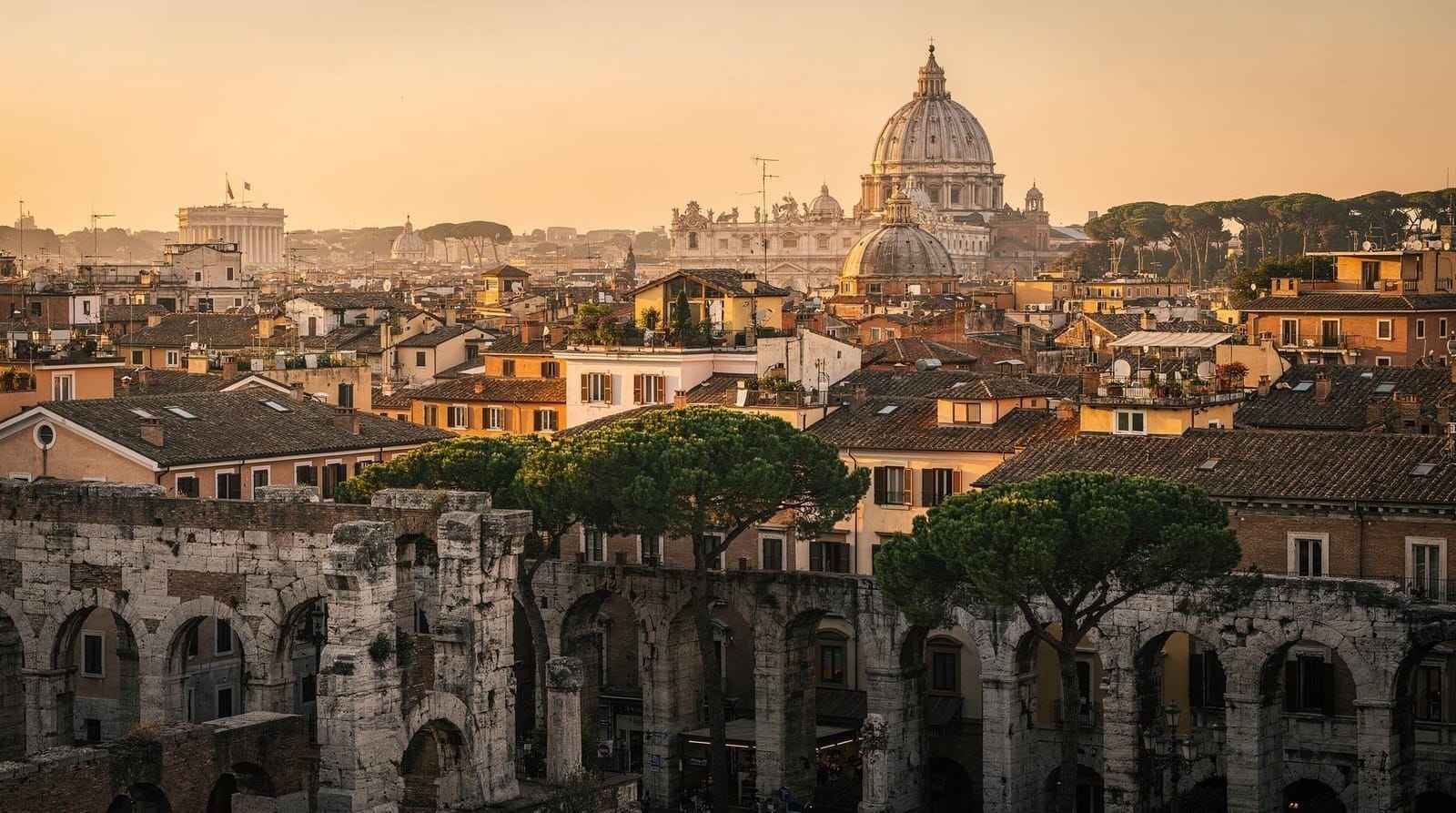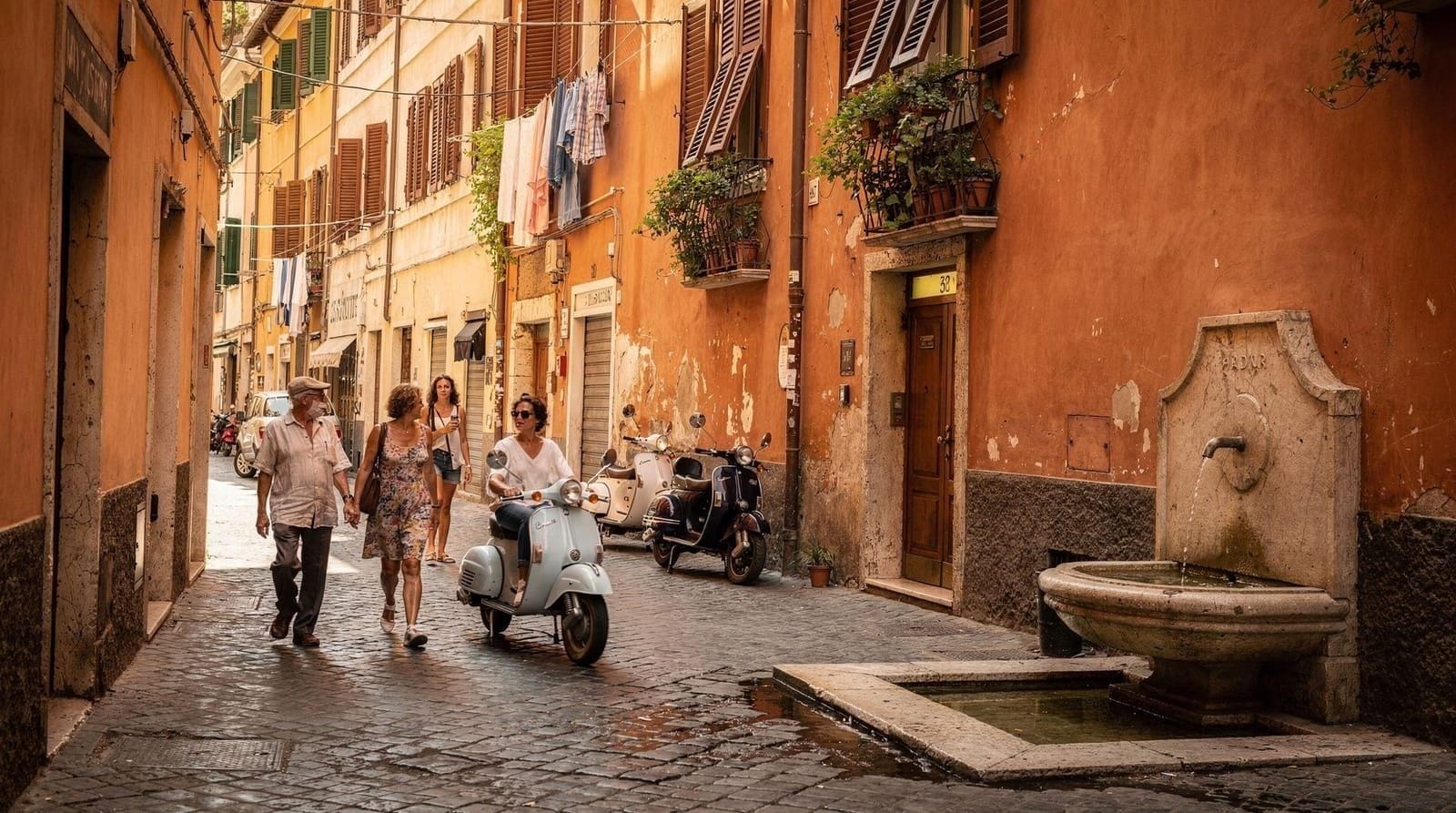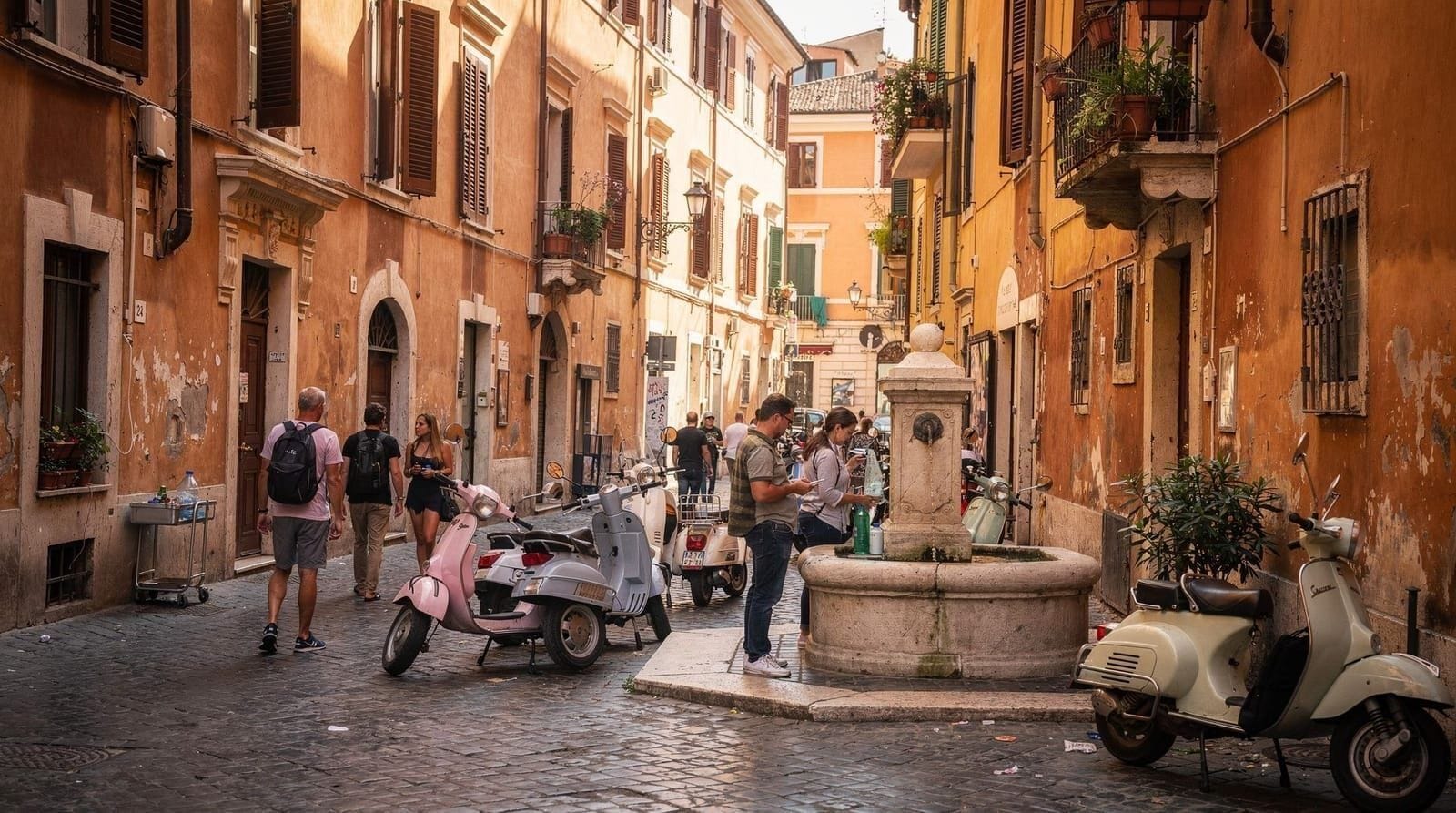
Rome first-timer mistakes: the ones that actually ruin trips
The most common mistakes in Rome are not about culture or language. They are logistics — specific, avoidable decisions that seem reasonable in the moment and cost you hours, money, or the experience you came for. Having watched a considerable number of tourists make all of them (and having made some of them myself in an earlier life), here is the list that actually matters.
| Biggest money leak | tourist-adjacent restaurants and cafés |
| Biggest time leak | underestimating walking distances |
| Biggest booking risk | Colosseum and Borghese Gallery sold out |
| Biggest legal risk | driving into a ZTL zone |
| Cheapest fix | comfortable shoes and a validated transport ticket |
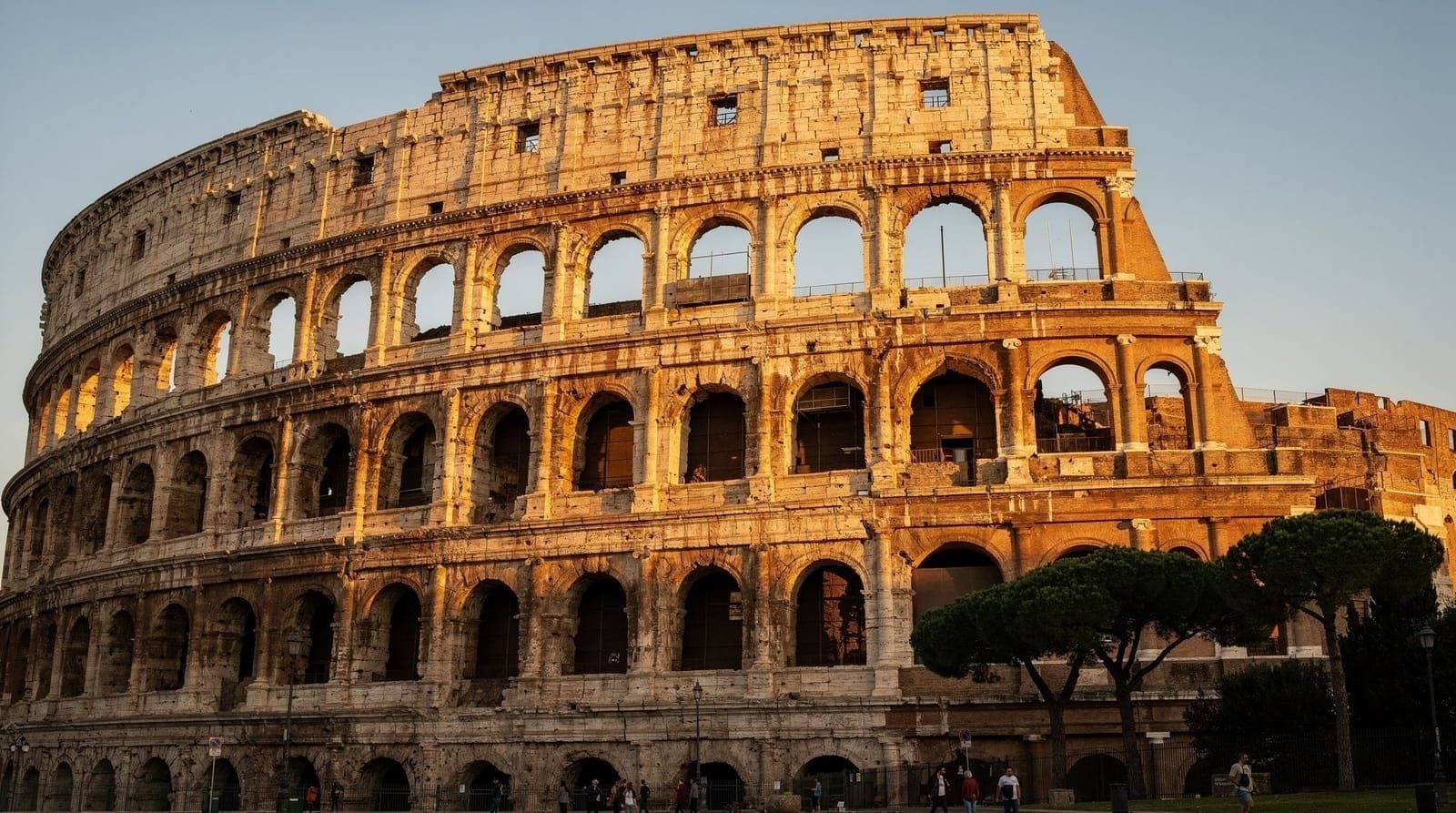
Mistake 1: arriving at the Colosseum without tickets
The Colosseum sells out. Not sometimes — routinely, for weeks in advance during peak season. The standard ticket (€18 plus €2 reservation fee) needs to be booked through the official Colosseo website, and you need a specific time slot, and your name goes on the ticket. You cannot transfer it. You cannot buy it on the day from a ticket window and walk in. The people offering tickets outside are scalpers, and their prices reflect their captive audience.
Book before you leave home. Minimum one to two weeks ahead in low season, three to four weeks in spring and autumn, six weeks in July and August. The same goes for the Borghese Gallery (strictly 180 visitors per two-hour slot; frequently booked ten days out) and for the Vatican with any guided access.
Mistake 2: sitting down at a bar near a major sight
The coperto — the cover charge for sitting at a table — is legal, normal, and listed on the menu in small print. Near the Pantheon, Piazza Navona, or Trevi, it can reach €3–5 per person on top of an already inflated drink price. A cappuccino that would cost €1.20 standing at the bar of a neighbourhood café near a major tourist sight, ordered sitting down, can cost €5–8.
This is not a scam in the legal sense. It is a straightforward price premium for a very valuable seat in a very high-demand location. But first-timers, accustomed to the idea that a coffee is a coffee, are regularly surprised by the bill.
The practical response: stand at the bar for drinks. In Italian café culture this is the normal way to drink coffee in any case — Italians almost always drink espresso standing at the bar, in two minutes, and leave. Sit down only when you’ve checked the menu posted at the entrance and understand what you’re paying for.
Mistake 3: trying to drive in Rome
Do not drive in Rome’s city centre. The ZTL — Zona Traffico Limitato — is a network of restricted traffic zones covering most of the historic centre, enforced by automatic cameras. You will not see a policeman stopping you; you will see a camera, drive through it, and receive a fine of €84–335 several weeks later, often charged automatically via the rental company to your credit card.
The ZTL signs are easy to miss when you’re navigating unfamiliar streets. The fines are not proportional to the infraction — they are simply large. Rental companies add their own administrative fees on top. A €100 fine becomes a €180 charge once the rental company processes it.
Rome’s public transport — metro (lines A, B, and the newer C), trams, and buses — covers the vast majority of tourist sights. Getting around Rome by public transport is genuinely manageable once you understand the system. Taxis are regulated and metered. The only time renting a car makes sense is for day trips to areas without train connections (some of the Castelli Romani villages, Civita di Bagnoregio, Lake Bracciano).
Mistake 4: eating within 200 metres of a major sight
The restaurants within immediate view of the Pantheon, the Spanish Steps, Piazza Navona, and the Colosseum charge tourist prices for tourist-grade food. This is not a universal rule — exceptions exist — but the correlation is strong enough to be treated as a guideline.
A pasta dish at one of these restaurants typically costs €16–24. The same dish, from a trattoria two or three streets removed from the tourist axis, costs €10–14. The quality difference often favours the cheaper option.
Testaccio and Monti are the neighbourhoods where Romans themselves eat. Trastevere has been heavily discovered but still has good options on its side streets, away from the main squares. Prati, near the Vatican, has a working-neighbourhood restaurant scene that is competitively priced and rarely recommended in tourist guides.
Mistake 5: underestimating distances (and the hills)
Rome looks compact on a map. It is not, in practice. The walk from the Vatican to the Colosseum is about 5 kilometres; the walk from Trastevere to the Borghese Gallery is about 4.5 kilometres with a climb involved. First-timers routinely schedule four or five sights in a day that would require eight to ten kilometres of walking plus queue times and thorough visits at each location.
The rule of thumb that works: plan three meaningful sights per day at most, with one as your anchor and two supporting. Leave an afternoon unplanned and use it to get lost in a neighbourhood rather than rushing between checklist items.
Rome also has hills. The Palatine Hill climb, the path up to the Aventino for the keyhole view, the streets of Trastevere’s upper section — comfortable shoes are non-negotiable, and “comfortable” means broken-in walking shoes, not fashionable sneakers you’ve had for a week.
Mistake 6: not checking the dress code before entering a church
Rome’s major churches — including St. Peter’s Basilica at the Vatican — require covered shoulders and knees. This is enforced, particularly at the Vatican, where staff do turn people away. If you’re visiting in summer in shorts and a sleeveless top, you need a scarf or sarong to cover up at the entrance.
The mistake is not going unprepared — most visitors know about this. The mistake is forgetting which of the day’s sights is a functioning religious building and which is a museum. San Pietro is a church. The Vatican Museums are not. The rules apply at the former; the latter will let you in in whatever you’re wearing.
Mistake 7: not buying a validated transport ticket
Rome’s metro and bus system requires a validated ticket for each journey. Ticket inspectors do operate, particularly on the trams and on bus routes 40 and 64 (the Vatican bus lines, which are heavily patrolled). Fines for riding without a validated ticket are €50–100.
Single tickets cost €1.50 and are valid for 100 minutes (unlimited bus/tram, one metro journey). Daily tickets are €7, 48-hour tickets €12.50. Buy them at metro stations, tabacchi (tobacco shops), or newsagents — not from machines on buses, which don’t always accept cards.
Mistake 8: using taxis that approach you
Licensed Rome taxis are white, with a taxi sign on the roof and a meter. They can be hailed on the street (look for taxi ranks, particularly outside major stations and sights) or booked via the ItTaxi or Roma Servizi app.
Drivers who approach you outside Termini, Fiumicino, or the Colosseum offering fixed prices are unregulated. Their prices are usually higher than the metered fare, and there is no recourse if the journey goes wrong. The official fixed-rate taxi from Fiumicino airport to central Rome is €55 to any destination within the Aurelian Walls — that is the only legitimate fixed-price taxi in the city.
Mistake 9: falling for the classic ticket scams
Beyond ordinary tourist-price markups, Rome has a specific set of ticket scams worth naming: unofficial “skip the line” vendors near the Colosseum or Vatican who sell tickets at a large markup (sometimes for tours that don’t exist), “free” combined tickets that bundle in an unnecessary guided tour at inflated cost, and street sellers claiming the official ticket office is closed or sold out when it isn’t. The rome-ticket-scams-avoid guide and the broader rome-scams-to-avoid guide go through the specific patterns in detail — the short version is: book major sights only through the official site or a recognisable, established tour operator, never from someone approaching you on the street.
The pattern behind most of these mistakes
If there’s a single thread connecting nearly all of these, it’s proximity to famous landmarks. The rome-tourist-traps guide makes the broader case that almost every mistake on this list — the overpriced coffee, the mediocre restaurant, the pushy ticket seller — clusters within a couple of hundred metres of the Colosseum, the Pantheon, Trevi, or the Vatican. Walking two or three streets away from any major sight before deciding where to eat or drink solves most of these problems at once. For a full plan that’s built around avoiding these traps from day one, see Rome for first-timers.
Getting these things right won’t make Rome magical — that happens on its own, usually when you’re not trying. But getting them wrong costs time and money that you’d rather spend on a genuinely good dinner or an extra morning at one of the sites you came to see.
FAQ
Is it worth renting a car for a first Rome trip? Generally no. The historic centre is covered by ZTL restricted zones enforced by cameras, fines are steep and often processed weeks later through the rental company, and public transport covers nearly every sight a first-time visitor wants to see.
What’s the single most costly first-timer mistake? Not booking the Colosseum (and, to a lesser extent, the Borghese Gallery) far enough in advance. Both sell out routinely in peak season, and last-minute alternatives are either unavailable or scalped at a steep markup.