Rome ticket scams to avoid — a consumer-protection guide for 2026
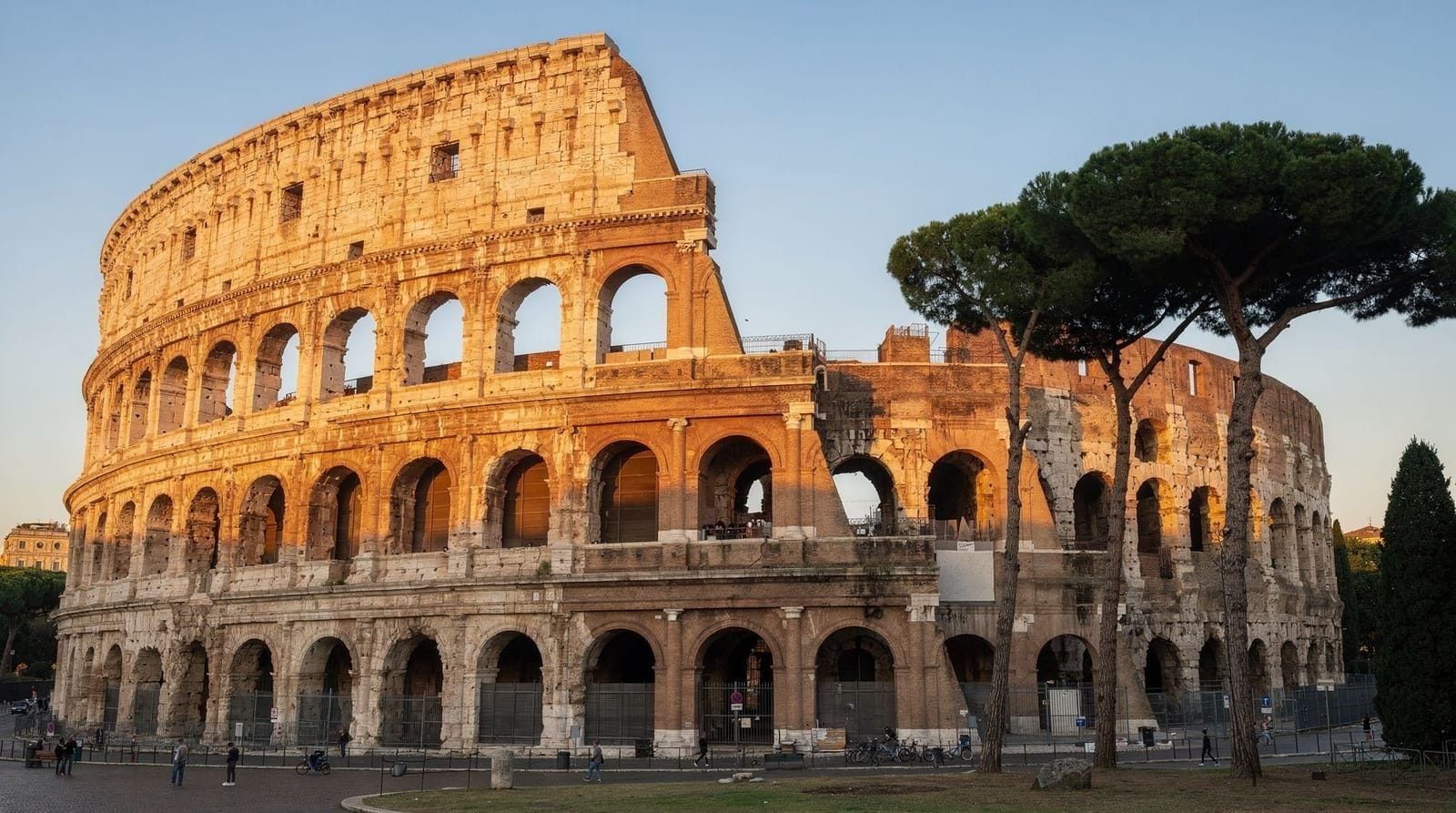
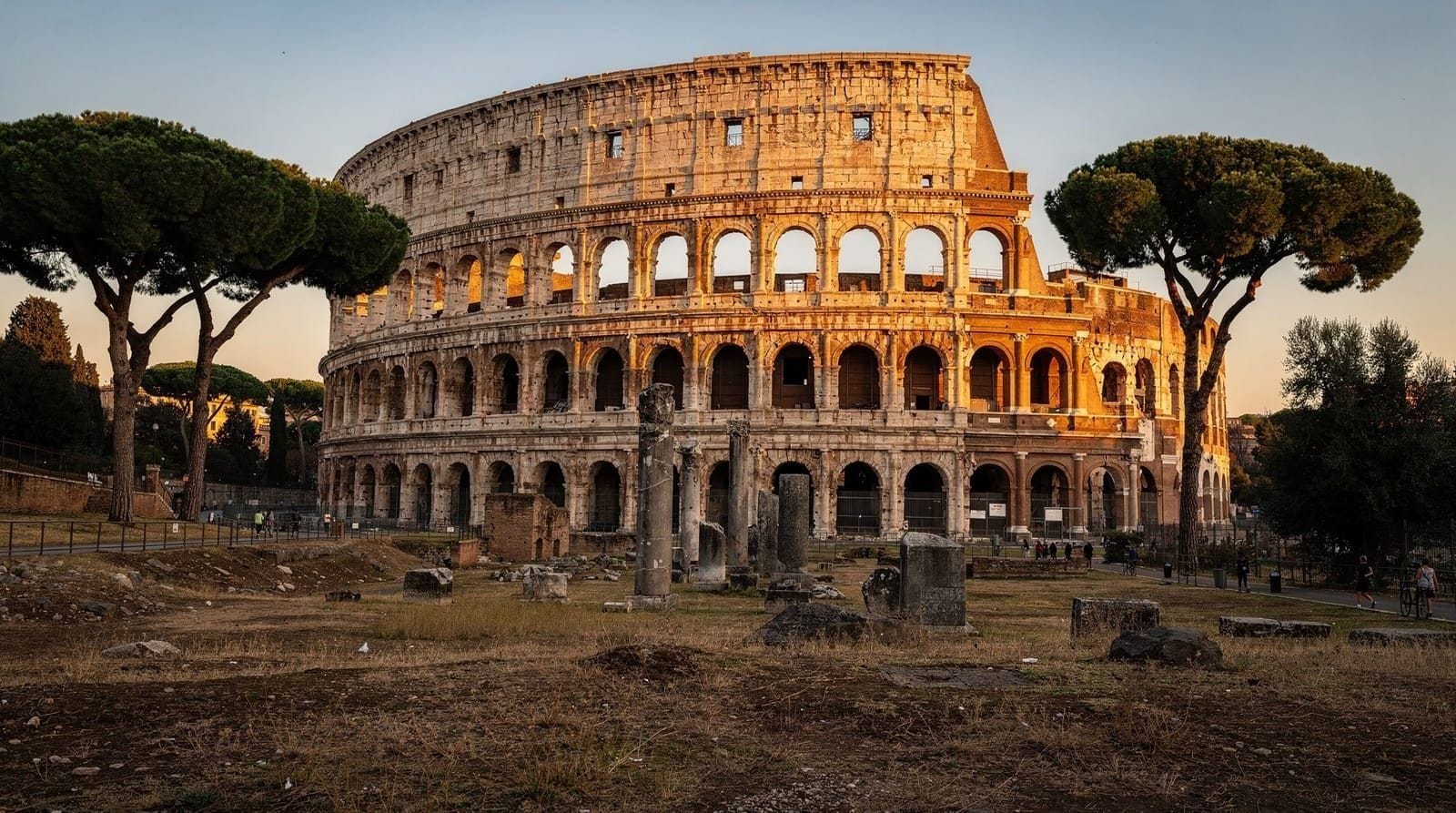
Rome: Colosseum & Ancient Rome Official Guided Tour
What are the most common ticket scams in Rome?
The biggest risks are fake "official" booking websites charging inflated prices for legitimate tickets, street touts near the Colosseum and Vatican selling overpriced same-day tours, and third-party resellers with no verifiable contact details. Booking directly on coopculture.it (Colosseum) and museivaticani.va (Vatican) eliminates most of these risks.
The honest landscape
Rome is one of the most visited cities on earth. That concentration of tourist spending creates commercial incentives — some legitimate, some exploitative. Most of what gets called “scams” in Rome is not illegal: resellers are permitted to mark up tickets, touts can offer tours, and people in gladiator costumes can request payment for photos. The problem is asymmetric information: travellers who do not know the normal price pay far above it.
This guide provides specific, factual consumer protection information about the ticket and booking landscape in Rome, focused on where real money is lost and how to avoid it.
| Where it happens | Colosseum approach, Vatican walk-up queue, Pantheon, Trevi, Spanish Steps |
| Typical markup | 20–150% over official price, more for cash street sales |
| Safest booking route | Official site (coopculture.it, museivaticani.va) or a vetted GYG operator |
| Payment rule | Card only, never cash to an unprompted approach |
| Recourse if overcharged | Chargeback possible on card payments; cash to street sellers is rarely recoverable |
The fake official website problem
Search “buy Colosseum tickets” on Google. The first two or three results are advertisements. These are almost always third-party resellers, not the official booking platform. The ads use professional designs, names like “Rome Tickets Official” or “Colosseum Skip Line Tickets,” and charge €26–45 for a ticket that costs €20 on the actual official site.
Official sites:
- Colosseum: coopculture.it (look for the CoopCulture logo)
- Vatican Museums: museivaticani.va/en (the .va domain is the Vatican’s; not .com, .org, or .net)
- Borghese Gallery: tosc.it/borghese
- Pantheon: panteondroma.it
Any other domain offering these tickets is a reseller. That is not illegal, but it means you pay extra for no additional service. If you would rather skip the whois-checking step entirely, a guided ticket from a vetted operator removes the guesswork — see our Colosseum booking walkthrough for the exact steps, or book directly:
Rome Colosseum official guided tour with skip-the-line entryHow to check: Before entering credit card details, copy the website URL and check the “whois” registration (search “whois [domain]”). Legitimate official booking sites were registered years ago and have public institutional contacts. Sites registered in the past 6–18 months with private registrations are resellers.
The Colosseum tout ecosystem
The area immediately around the Colosseum (Via Sacra, the main pedestrian approach from the Metro) hosts legitimate tour guides, unofficial touts, and the gladiator costume operators. Understanding who is who:
Legitimate: Licensed guides (identifiable by a municipal guide badge with photo and number) offering tours at marked prices. GetYourGuide and Viator have printed documentation. These are legitimate services at fair market prices — but you will pay more than booking in advance online.
The grey zone: Unlicensed “tour managers” who offer to find you tickets. These people are often brokers who purchase allocated slots and resell at a markup. Their tours may run as described. You may pay €40–80 for a €22 experience.
The gladiator photo-op: Costumed centurions and gladiators near the main Colosseum entrance. Accepting a pose leads to a demand for €15–30 per person in cash. This is not illegal — it is a street performance — but it is designed to create social awkwardness that makes it hard to walk away without paying. The tactic: do not make eye contact, do not accept the offered pose. If you have already accepted a photo and are being pressured, you can legally walk away.
Vatican tourist traps
The queue-jump “broker”: Outside the Vatican Museums entrance on Viale Vaticano, individuals approach people in the walk-up queue offering to sell immediate skip-the-line access for €30–50. In most cases they are selling legitimate guided tour places at an inflated price. The tour exists and runs, but the premium over online booking is €15–30 per person.
Fake charity collectors: Near St. Peter’s Square and Piazza del Risorgimento, individuals in clerical-looking clothing approach tourists with clipboards collecting for “charitable causes.” These are not authorised charitable collections — the Catholic Church does not conduct street collections. Do not hand over personal details or money.
Aggressive souvenir touts: Around St. Peter’s Square, insistent sellers of rosaries, keyrings, and Vatican souvenirs. Items are legal to purchase; the issue is the pressure tactics. “This is for you, no charge” followed by a demand for payment when you accept the item is a classic technique. Take nothing you are not prepared to buy.
The single most effective fix for all three Vatican-area problems is simply not queuing on the street at all. Our full Vatican tickets guide walks through every entry option, and a pre-booked skip-the-line slot removes any reason to talk to a broker:
Vatican Museums and Sistine Chapel skip-the-line ticketsThird-party ticket reseller risks
Using a reseller is not inherently risky — many are legitimate businesses providing a convenience service for a markup. The risk is specific:
Unvalidated tickets: Some resellers sell tickets that were not properly registered in the attraction’s system, leading to “invalid ticket” errors at the gate. This is more common for Vatican Museums tickets, where the official site has a strict anti-scalping system. Stick to GYG-listed operators for third-party bookings; they are vetted and insured.
Name mismatch: The Colosseum and Vatican use nominative tickets — the ticket is issued to a specific name. A ticket bought from a reseller in someone else’s name is invalid. Never buy second-hand Colosseum or Vatican tickets.
Non-refundable inflated packages: Some hotel concierges in tourist-heavy areas (particularly near Termini and in the Centro Storico) sell package “Rome day tours” that bundle multiple attractions with a guide for €100–180 per person. The guide quality varies enormously. These are not scams but often poor value compared to self-booking. If a concierge offers to “help with tickets,” smile, note the recommendation, and book independently.
The bracelet and friendship scam
Near the Pantheon, Trevi Fountain, and Spanish Steps, individuals tie friendship bracelets or rosemary sprigs onto the wrists of passing tourists and then demand cash. The tactic is:
- Approach with a friendly gesture.
- Before you can refuse, attach the item to your person.
- Demand payment; refuse to remove it without payment.
- If you refuse to pay, crowd around you with other sellers.
The money amounts are small (€5–10) but the experience is intimidating and the bracelets are worthless. Prevention: walk with a deliberate pace, keep hands in pockets in these areas, do not slow down to look.
How to verify a legitimate GYG operator
Bookings made through GetYourGuide’s platform are generally safe because GYG vets its operators and provides buyer protection (refunds if the tour does not run). Indicators of quality:
- More than 50 verified reviews with specific content (not generic five-star ratings).
- Operator has been active on GYG for 2+ years.
- Tour description specifies the maximum group size.
- Clear cancellation policy (most legitimate tours offer free cancellation 24 hours before).
Avoid: operators with fewer than 10 reviews, vague descriptions, and no mention of group size.
Price reference guide (2026 legitimate prices)
| Attraction | Official price | Legitimate operator range | Avoid above |
|---|---|---|---|
| Colosseum + Forum | €20 (incl booking fee) | €25–55 with guide | €70 for standard access |
| Vatican Museums | €17–20 | €45–70 guided | €85 for standard access |
| Borghese Gallery | €17 | €25–45 with guide | €60 for standard access |
| Castel Sant’Angelo | €15 | €22–35 with guide | €50 for standard access |
| Pantheon | €5 | €18–30 with guide | €40 |
Where scams cluster (and where they mostly don’t)
Scam density in Rome is not evenly spread — it follows footfall. The Colosseum approach from the Metro, the Vatican walk-up queue on Viale Vaticano, and the pedestrian triangle between the Pantheon, Trevi Fountain and Piazza Navona account for the large majority of reported overcharging and pressure tactics, simply because that is where the volume of first-time, unprepared visitors is highest. Quieter major sights — the Borghese Gallery, Castel Sant’Angelo, the Capitoline Museums — see far less street-level hassle because their entrances are less crowded and slower-moving. That does not mean they are risk-free online: fake booking sites exist for every major attraction, so the whois check above still applies regardless of how quiet the physical entrance feels.
If you have already paid a tout, what actually happens next
Two outcomes are common, and it helps to know which one you are in before you decide how hard to push for a refund. If the tour or ticket you bought from an unlicensed broker does run — most do, since brokers are usually reselling a genuine allocation — you have received a real service at an inflated price, and there is no fraud to report, only a poor-value purchase. If the ticket fails to scan at the gate (more common with resold, nominative Vatican and Colosseum tickets), you are the victim of an invalid resale, and staff at the entrance can usually confirm this on the spot. In that second case, keep every screenshot, the seller’s location and description, and your payment method’s transaction record; report it to Polizia di Stato via the tourist help desk near major sites, and initiate a card chargeback the same day. Prevention remains far more reliable than recovery — our skip-the-line tickets guide and attraction reservations overview cover how to book everything correctly the first time.
A wider view: scams versus ordinary tourist traps
It is worth separating true scams (fraud, invalid tickets, intimidation) from ordinary tourist traps — legal but poor-value experiences such as overpriced set-menu restaurants next to major sights or mediocre gelato bars with photogenic displays. Our Rome tourist traps guide and the broader Rome scams to avoid overview cover that adjacent ground in full; this page focuses specifically on ticketing and booking, where the financial stakes per incident are highest. If your goal is simply a well-planned, low-hassle first visit, start with Rome for first-timers, and check the free entry days calendar before paying full price for anything — several state museums, including some Colosseum-area sites, waive admission on the first Sunday of the month.
Frequently asked questions about Rome ticket scams
If I realise I’ve been overcharged, can I get a refund?
If you paid by credit card through a website (not cash to a person), you have rights under Italian consumer law and European card protection. File a chargeback with your bank if the service was materially misrepresented. If you paid cash to a street seller for a ticket, recovery is extremely unlikely.
Are “last-minute” Vatican tours at the door legitimate?
Generally yes — they typically represent operators with unsold slots from pre-purchased allocations selling at face value or slightly above. The guides are licensed. The issue is you have no consumer protection (no written contract, no credit card trace). Pay by card if possible; get a receipt.
What is the safest way to avoid all Rome ticket scams?
Book all tickets before you leave home, directly from official sites and GYG (for tours). Print confirmation codes. Do not buy anything from anyone who approaches you unprompted near a monument.
Should I buy Hop-On Hop-Off bus tickets from touts?
Hop-on hop-off bus sellers operate at several points in the city. The buses are legitimate (City Sightseeing and Big Bus both operate in Rome) but tout pricing is often €5–15 above the website rate. Book online. See Getting around Rome for a full transport comparison.
Are tour guides who wait near the Colosseum entrance licensed?
Some are, some are not. Licensed guides in Rome carry a regional guide licence (licenza di guida turistica del Lazio) with a photo ID card. You can ask to see this. Non-licensed “guides” operate illegally for groups but you have no mechanism to verify their credentials on the spot. Booking with a GYG operator guarantees a licensed guide under the operator’s documentation.
Can my hotel reception be trusted to book tickets for me?
Most hotel staff act in good faith, but they often partner with a specific tour desk or concierge service that pays them a commission, so the “recommendation” is not neutral. The tickets or tours they arrange are usually genuine, just priced at the packaged-tour rate rather than the self-booked rate. It is fine to accept the convenience if you understand you are paying for it — but always compare the quoted price to the official site or a listed GYG operator first.
What should I do if my ticket QR code won’t scan at the entrance?
Staff at the Colosseum and Vatican Museums see this daily and will usually try to look up the booking by name or confirmation number, so keep both on hand along with the original payment email. If the ticket turns out to be an invalid resale, ask for a written note or photo of the rejection screen before you leave the gate — this is the documentation you will need for a card chargeback. Do not pay a second time to a bystander who offers to “sort it out” for cash.
Top experiences
Bookable activities with verified prices and instant confirmation on GetYourGuide.