Colosseum Tours Compared — Honest Review 2026
Rome: Guided Tour of Colosseum, Roman Forum & Palatine Hill
What Colosseum tours actually cover
The Colosseum is the most visited monument in Italy and one of the most booked attractions in Europe. That popularity creates a practical problem: without a pre-booked timed entry, you will queue. In peak season — April through June and September through October — ticket-office queues at the Colosseum regularly reach two to three hours. The single most important thing any tour does is solve that logistical problem by delivering a confirmed time slot.
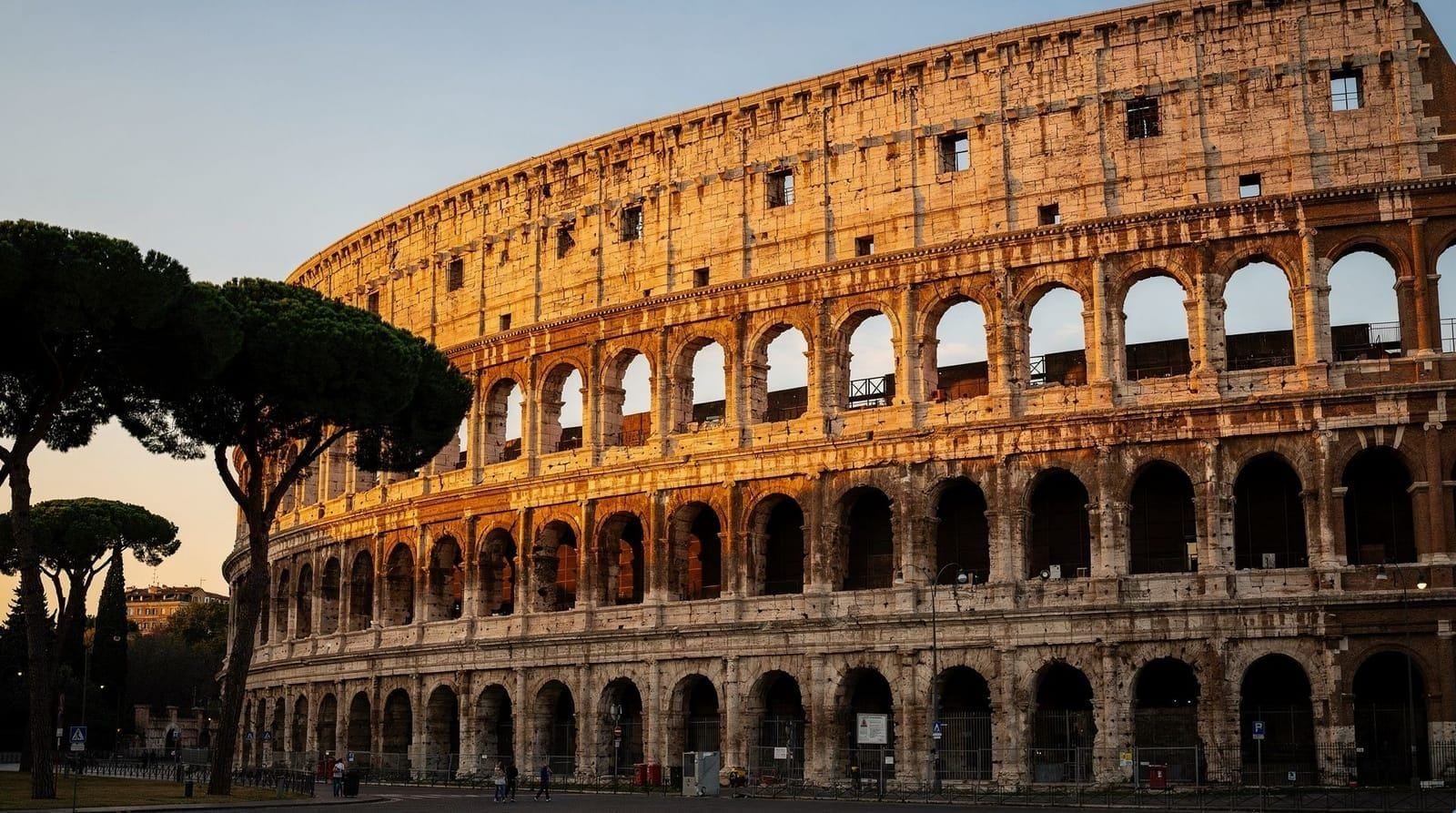
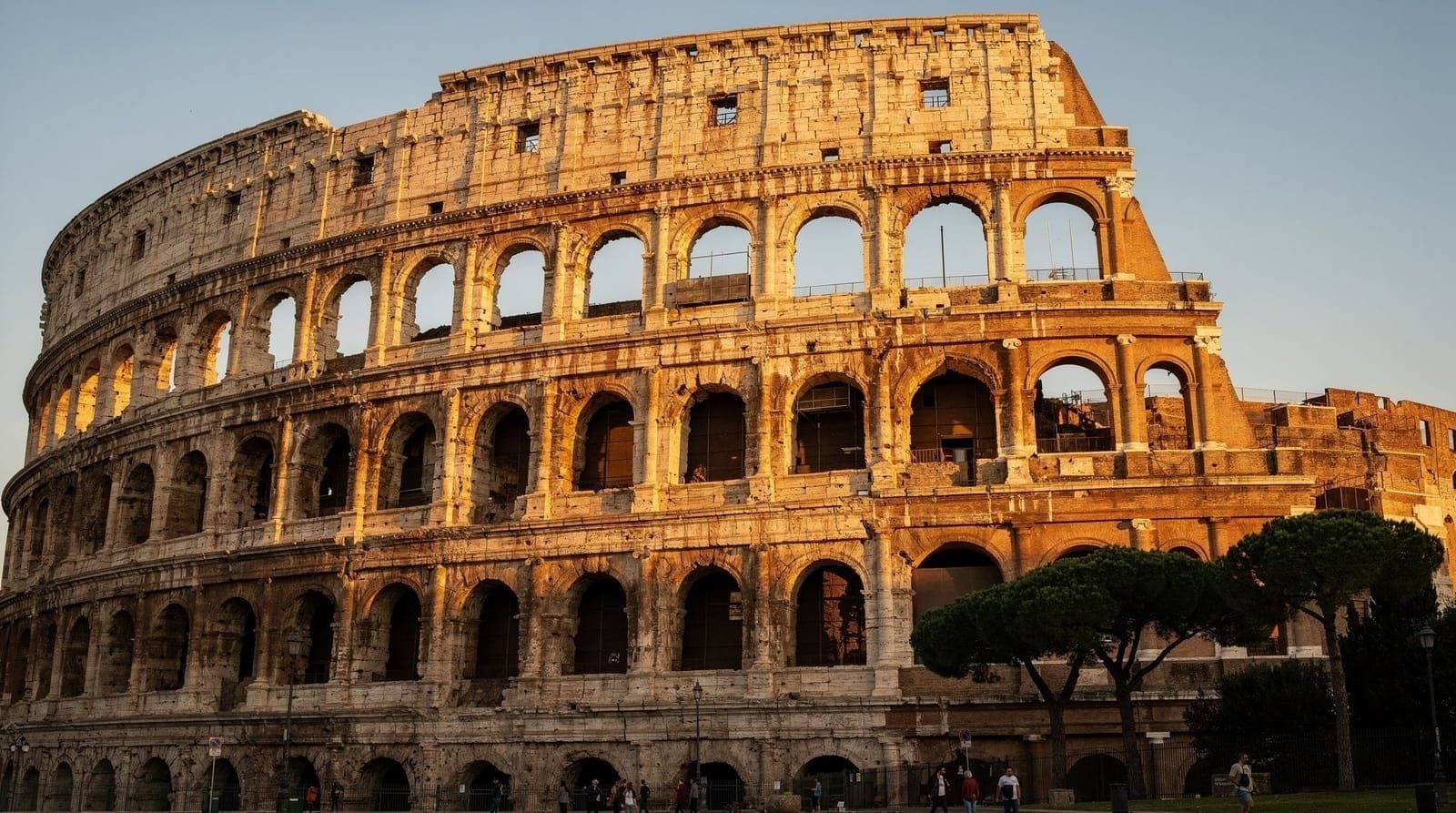
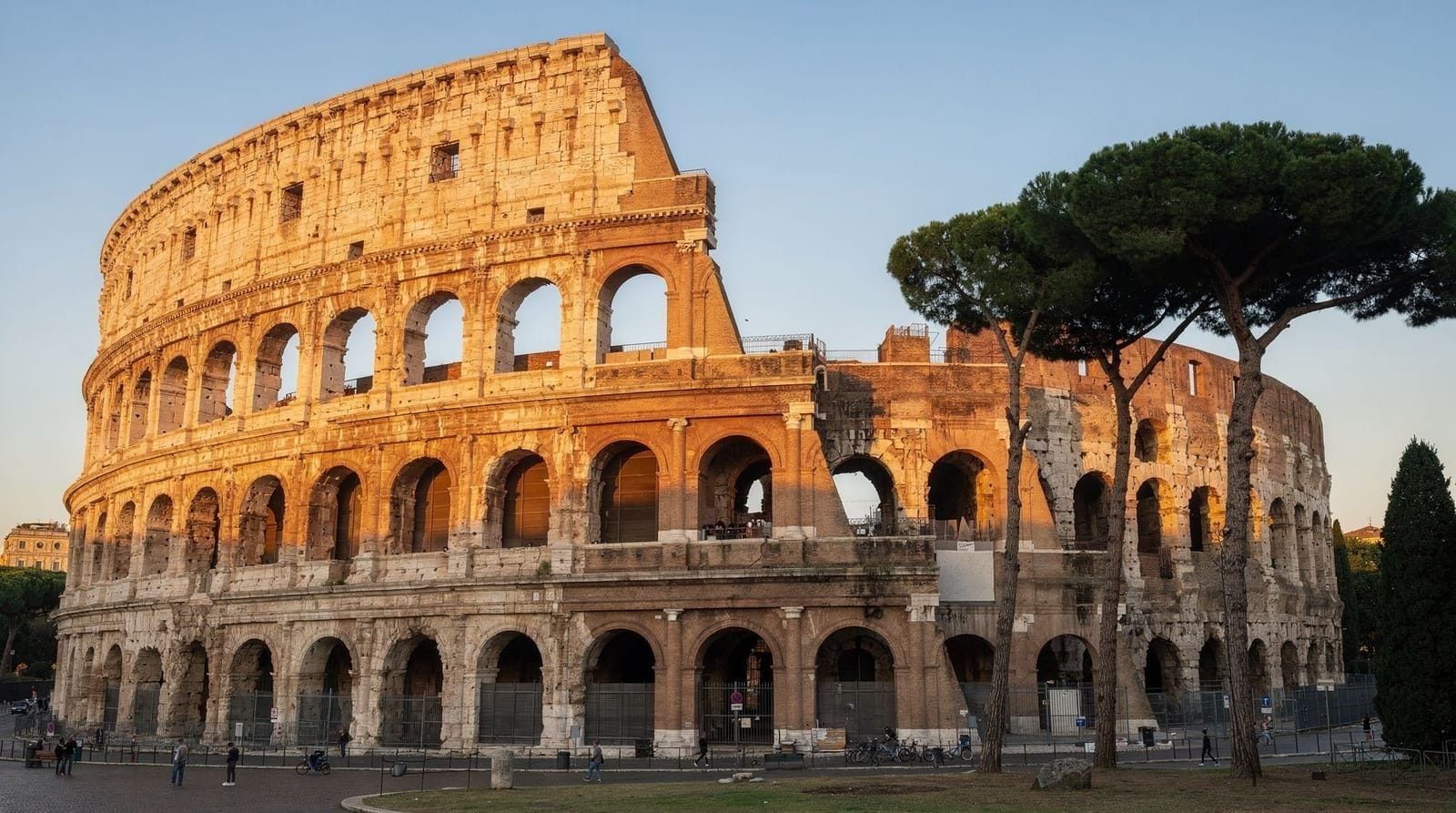
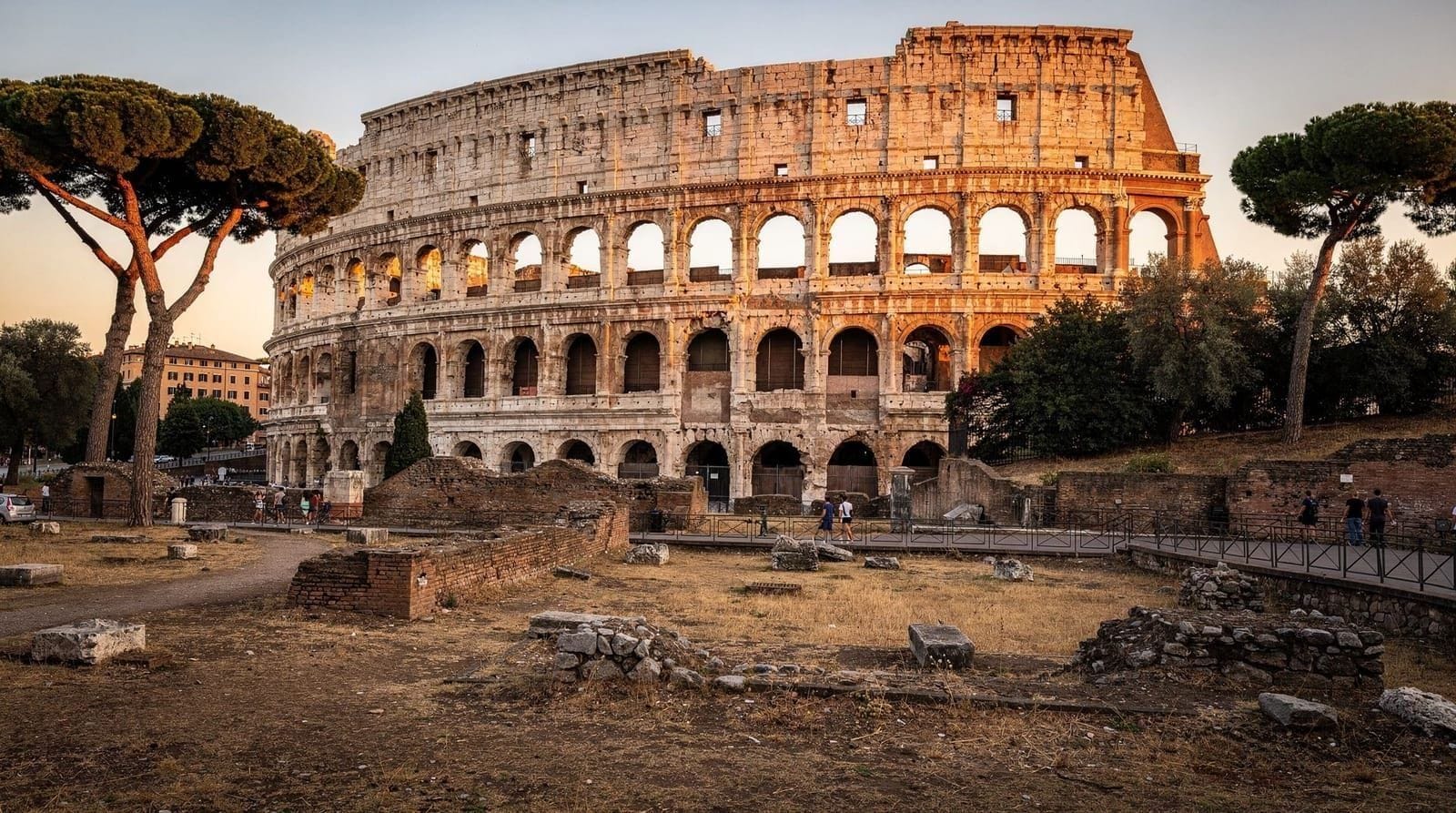
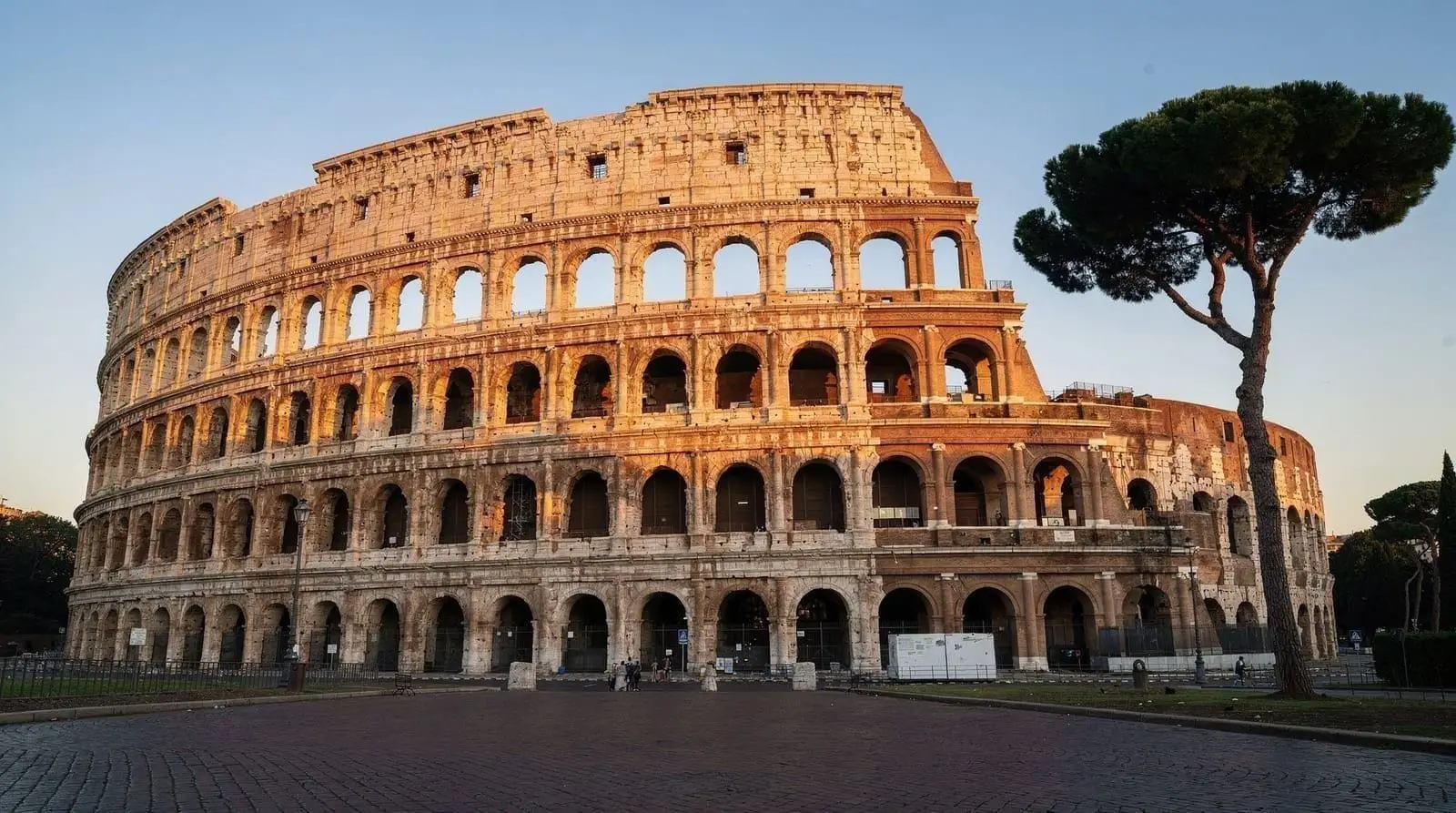
Beyond queue management, the right tour depends on what you want from the visit. The Colosseum is genuinely impressive as a piece of Roman engineering — an elliptical amphitheatre holding 50,000 to 80,000 spectators, built between 70 and 80 CE, with a retractable awning (the velarium), a network of underground passages (the hypogeum), and a sophisticated crowd-flow system of 80 arched entrances. None of that context is obvious from looking at the structure. A guide makes a real difference.
But not every tour makes equal sense for every visitor. Below is an honest breakdown of the main options currently available.
Colosseum, Roman Forum and Palatine Hill group tourThe five main options compared
Option 1: Full group tour — Colosseum, Forum and Palatine Hill
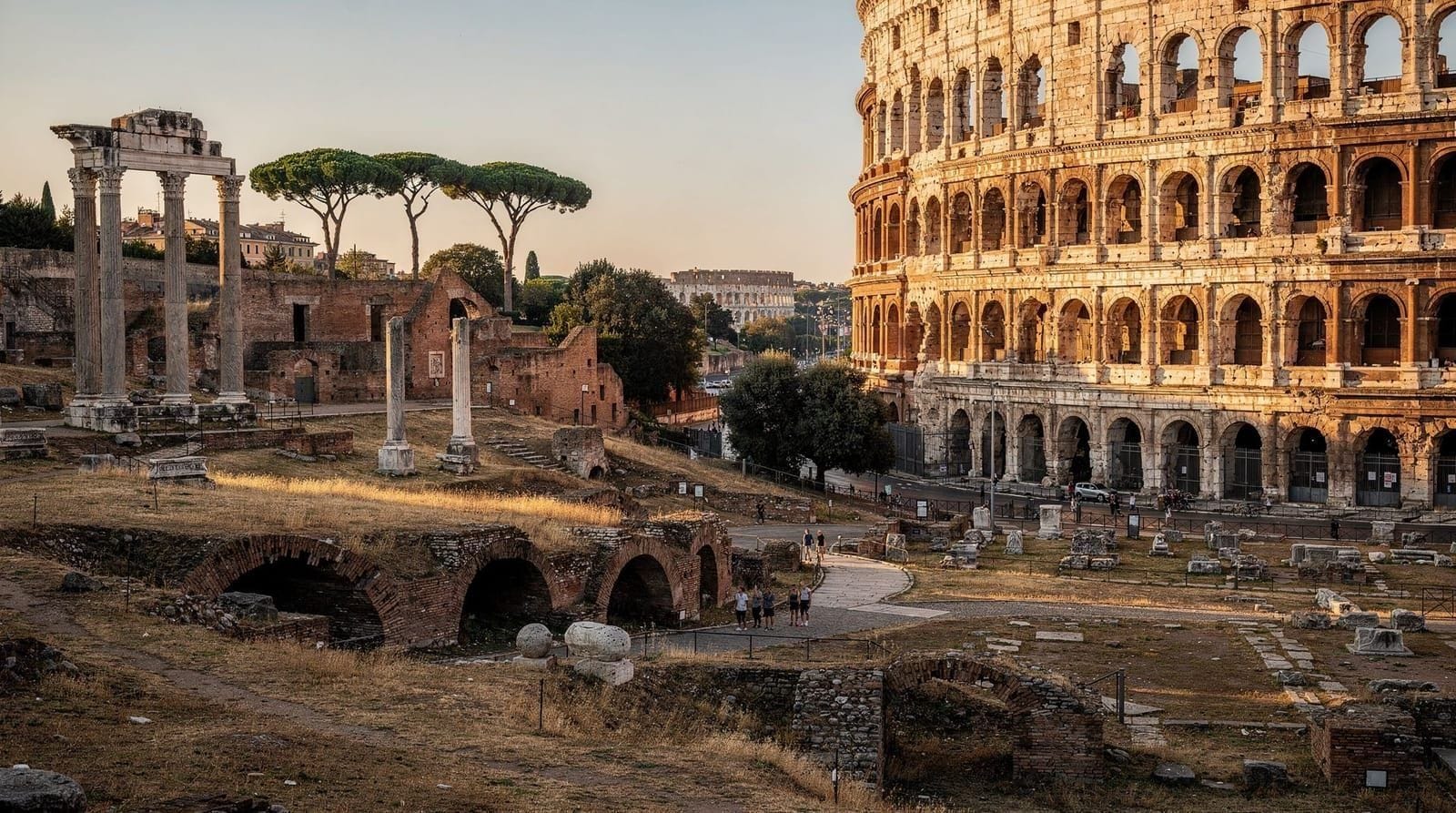
The Colosseum, Forum and Palatine Hill group tour is the flagship format and typically runs 3 hours. You visit the main tiers of the Colosseum with a licensed guide (groups of 20–25 people), then walk through the Roman Forum and up to Palatine Hill. This is the most comprehensive way to understand the ancient centre of Rome as a connected whole rather than three separate monuments.
Price range: approximately €50–€75 per person. Group sizes vary by operator; look for tours capping at 20 people for a better experience. The main limitation is pace — a 3-hour group tour moves at the group’s average speed, not yours.
Who should book this: First-time visitors who want historical depth, anyone interested in the Forum and Palatine beyond a casual walk-through, and visitors who find audio guides insufficient.
Option 2: Ancient Rome and skip-the-line Colosseum tour
The Ancient Rome and skip-the-line Colosseum tour takes a different approach, beginning the tour outside with a broader overview of ancient Rome’s urban landscape before entering the Colosseum. This is particularly useful for contextualising the Colosseum within the city’s ancient topography — the relationship between the Circus Maximus, the Forum, the Palatine and the Colosseum makes more sense when you see it from outside first.
Price range: approximately €45–€65 per person. Duration is typically 2.5–3 hours. A good choice if you want to understand Rome’s ancient layout, not just the Colosseum interior.
Option 3: Official guided tour
The Colosseum official guided tour carries the backing of the site’s official concession and is typically run by guides trained specifically for this monument. The scholarship tends to be higher, with more precise discussion of Roman spectacle culture, gladiatorial ranks, and the Flavian dynasty’s political motivations for building the amphitheatre. Groups are generally smaller.
Price range: approximately €55–€85 per person. The “official” designation matters: these guides are licensed by the Ministry of Cultural Heritage and are not the unlicensed street guides who approach visitors outside. If historical accuracy matters to you, this tour has an edge.
Option 4: Arena floor guided tour
The skip-the-line Colosseum and arena floor guided tour adds access to the arena floor level — the wooden reconstruction that covers the hypogeum — on top of the standard upper tiers visit. Standing on the arena floor with the tiers of seats rising around you is a qualitatively different experience from looking down from above. The scale becomes personal.
Price range: approximately €60–€90 per person including the arena floor supplement (which costs around €9 if added independently to a base ticket). Duration is typically 1.5 hours. This is the option to choose if you’ve visited the Colosseum before and want a more immersive experience, or if you care about photography. The limitation is that it stays within the Colosseum itself and does not include the Forum and Palatine.
Option 5: One-hour skip-the-line tour
The 1-hour Colosseum skip-the-line guided tour is the lean version: in and out in an hour, covering the main arena tiers with a focused commentary. It does not include the Forum or Palatine Hill, and it moves quickly. The primary use case is travellers on a very tight schedule — a cruise day-tripper with limited time, a visitor who has already seen the Forum separately, or families with young children who will not sustain 3 hours.
Price range: approximately €35–€55 per person. Do not underestimate how much ground a good guide can cover in an hour; the major interpretive points — the crowd management system, the hypogeum, the gladiatorial hierarchy, the awning logistics — can be covered in 45 focused minutes. But it is genuinely a highlight reel, not a deep visit.
What the base ticket gets you without a guide
A standard Colosseum entry ticket currently costs €18 for adults (reduced to €2 for EU citizens aged 18–25 on the first Sunday of each month, when entry is free for EU nationals). The ticket includes the main arena, the middle and upper tiers, a permanent exhibition on the ground floor, and access to the Roman Forum and Palatine Hill on the same day.
With a good audio guide (available via the official app or rented on-site for approximately €6) and prior reading, independent visitors do perfectly well. The Colosseum’s permanent exhibition covers the key interpretive content. The argument for a guided tour is not that you cannot understand the site without one — it is that a good guide condenses what would take hours of reading into an engaging 90-minute experience, and that time-slot logistics at this site specifically justify booking a tour package over navigating ticket purchase separately.
What to avoid
Freelance guides outside the entrance. Men in Roman costume or carrying cardboard tour signs outside the Colosseum are not licensed guides. Joining them means no consumer protection, highly variable quality, and often a pitch for additional services.
Tours that claim “underground access” without specifying this clearly. The Colosseum hypogeum (underground tunnels) requires a specific and more expensive ticket tier; tours that mention “underground” vaguely often mean simply the ground-floor level, not the actual hypogeum. If the hypogeum matters to you, confirm explicitly before booking.
Booking tickets on the day. The Colosseum’s online booking system caps timed-entry slots in advance. In April, May, June, September and October, the good time slots — early morning especially — sell out 2–4 weeks ahead. Booking on arrival means either a very long queue or very poor time options.
When to visit and practical notes
The best time slots are 08:30–10:00 for lower crowds and better light. The Celio and Colosseum district immediately around the monument is manageable on foot; allow 20 minutes to walk from the Colosseo metro stop (Line B). The nearest bus stops are on Via dei Fori Imperiali.
Dress code: no specific requirements, but sensible shoes — the monument’s upper tiers involve uneven stone surfaces and metal grating. There is no cloakroom; large bags go through airport-style security screening.
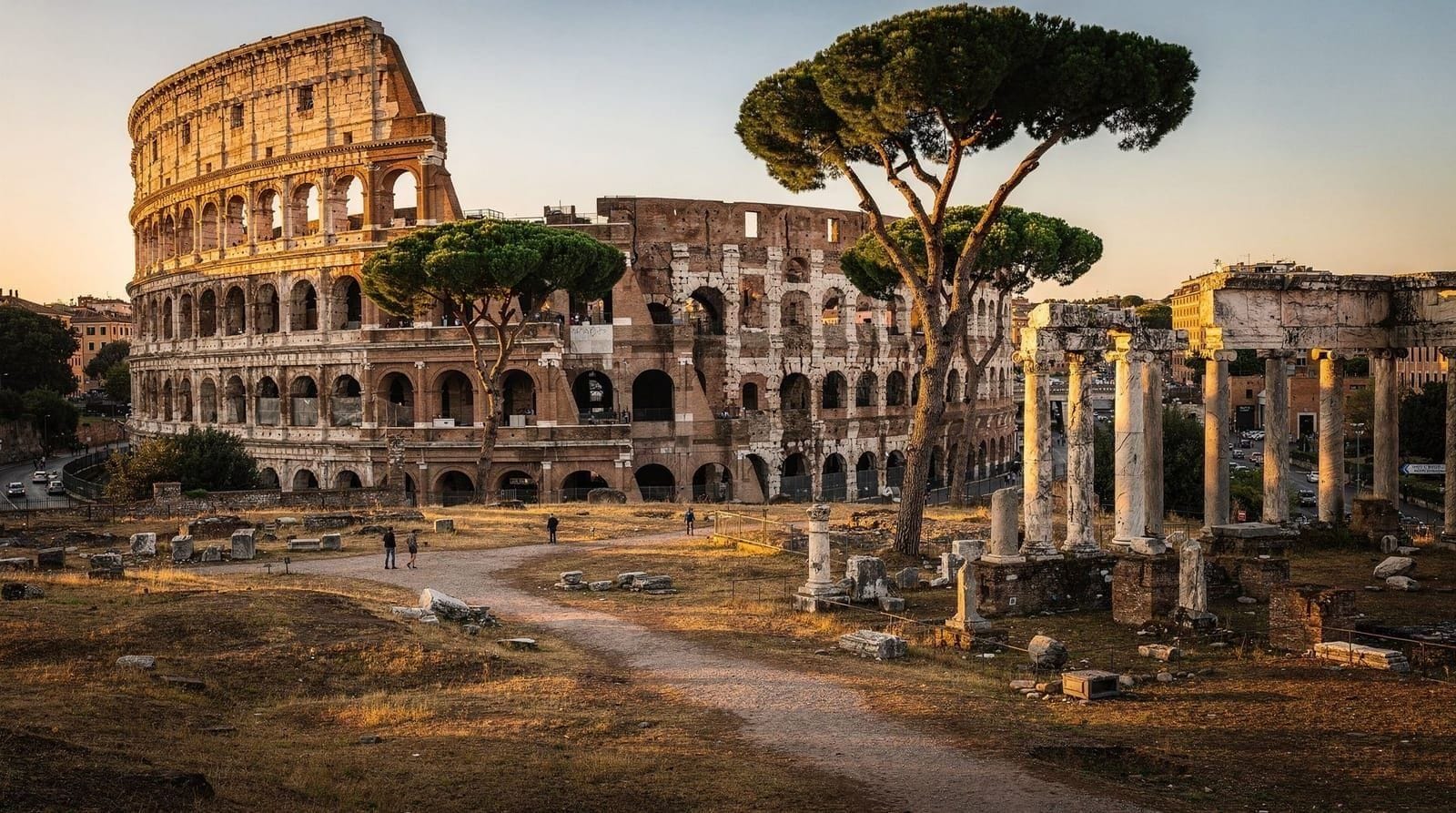
For broader ancient Rome context before or after your visit, the Roman Forum and Palatine Hill are included in the same ticket and easily fill another 2–3 hours. The Palatine Hill guide is particularly useful if you want to understand the Hill’s residential history above and beyond its views of the Forum.
See also the Colosseum tickets guide for a step-by-step walkthrough of the booking process, and how to avoid Colosseum crowds for timing strategies in peak season.
Verdict: which tour to book
For most first-time visitors: the Colosseum, Forum and Palatine group tour gives the best balance of coverage and context. Three hours feels long in theory and genuinely valuable in practice.
For travellers who want depth specifically in the Colosseum rather than the Forum: the arena floor guided tour is worth the premium and delivers an experience that the standard tiers visit cannot replicate.
For tight schedules or families with young children: the 1-hour skip-the-line option is honest about what it delivers and delivers it well.
For independent travellers comfortable with self-guided exploring: buy the standard ticket online in advance, download the official app, and use the Roman Forum time to slow down.
The rome-skip-the-line-tickets guide covers how the wider pre-booking system works across Rome’s major monuments, which is worth reading before your trip if the Colosseum is one of several timed-entry sites you’re planning.