How to avoid Colosseum crowds — the honest version
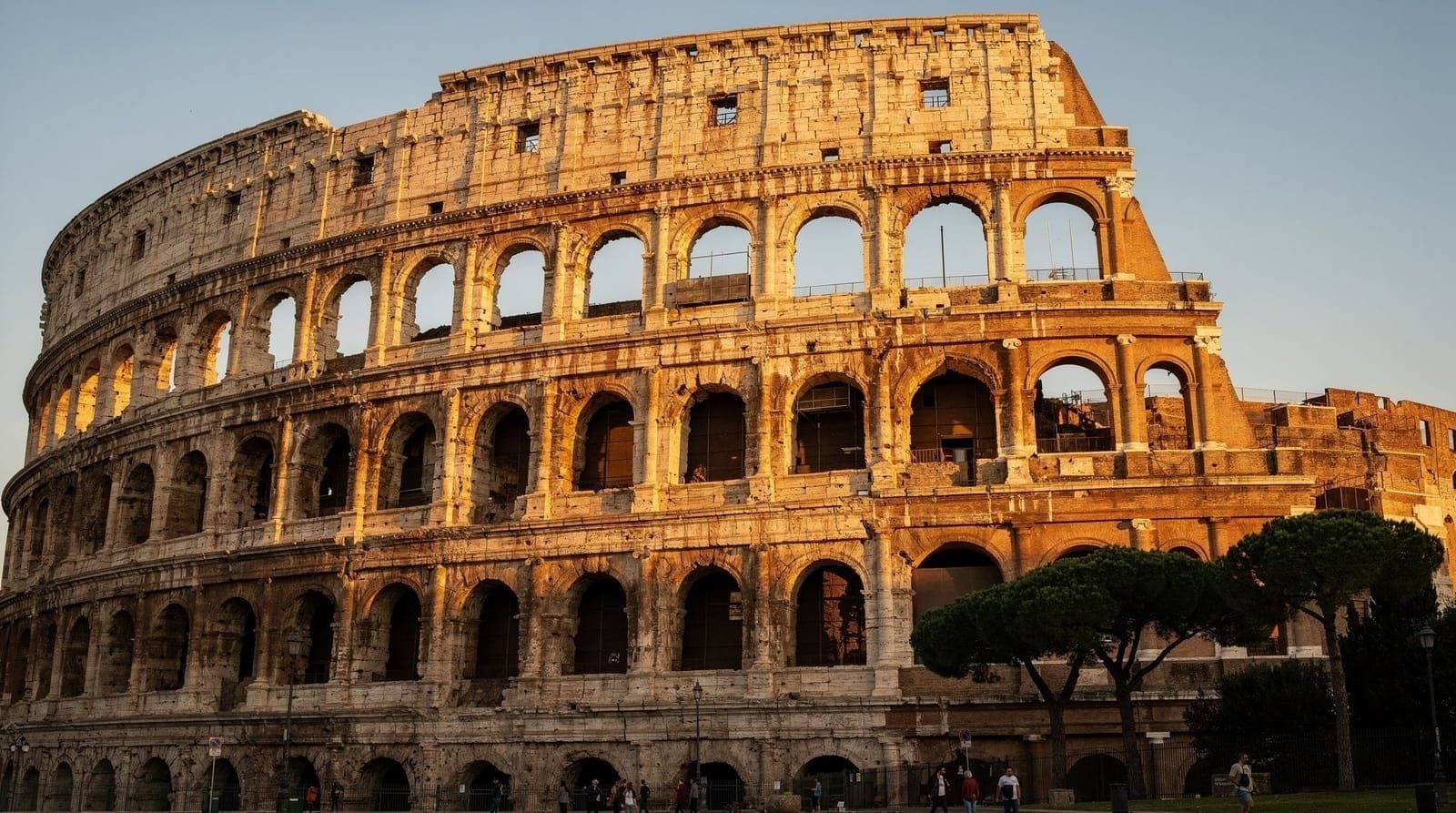
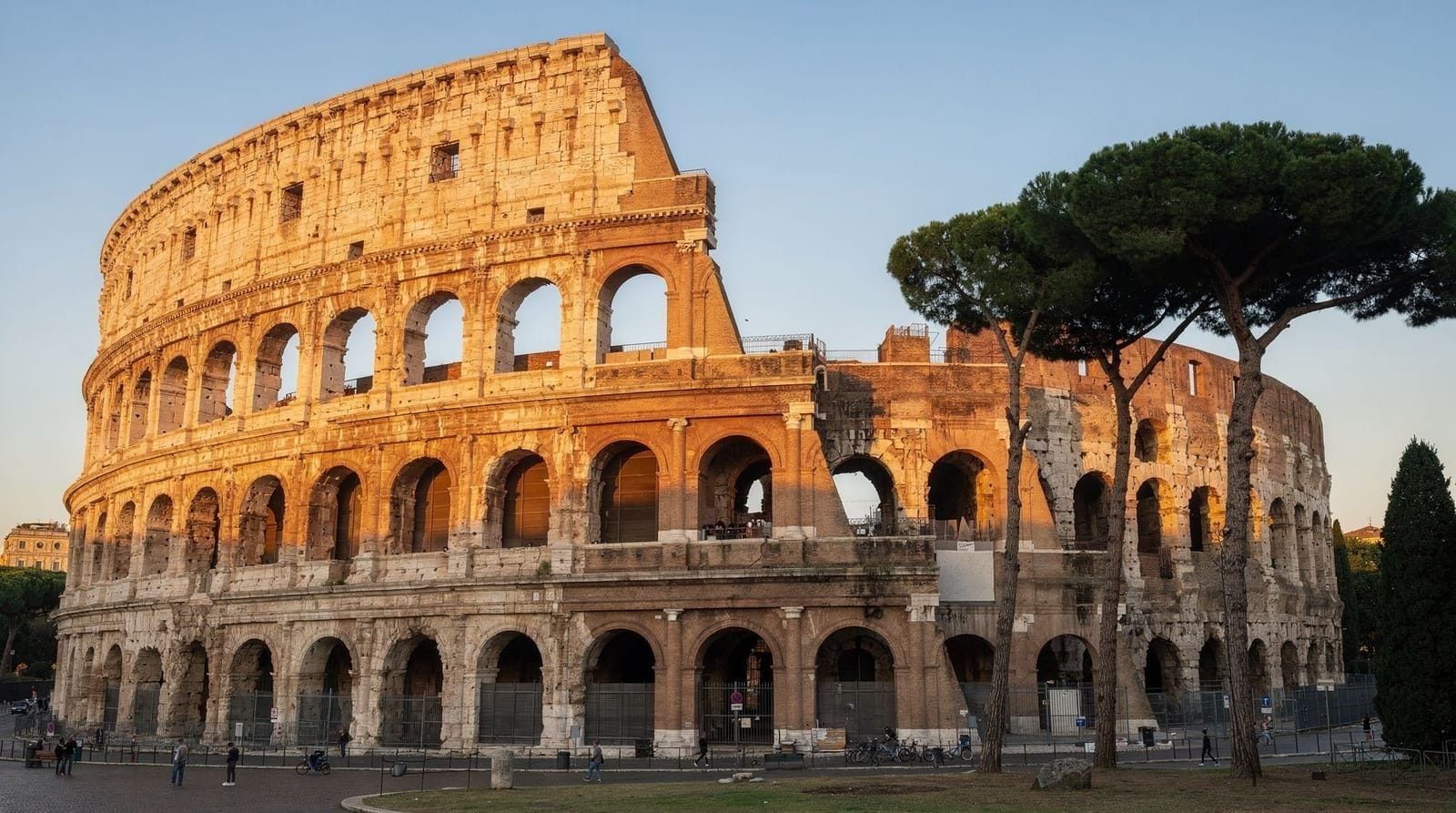
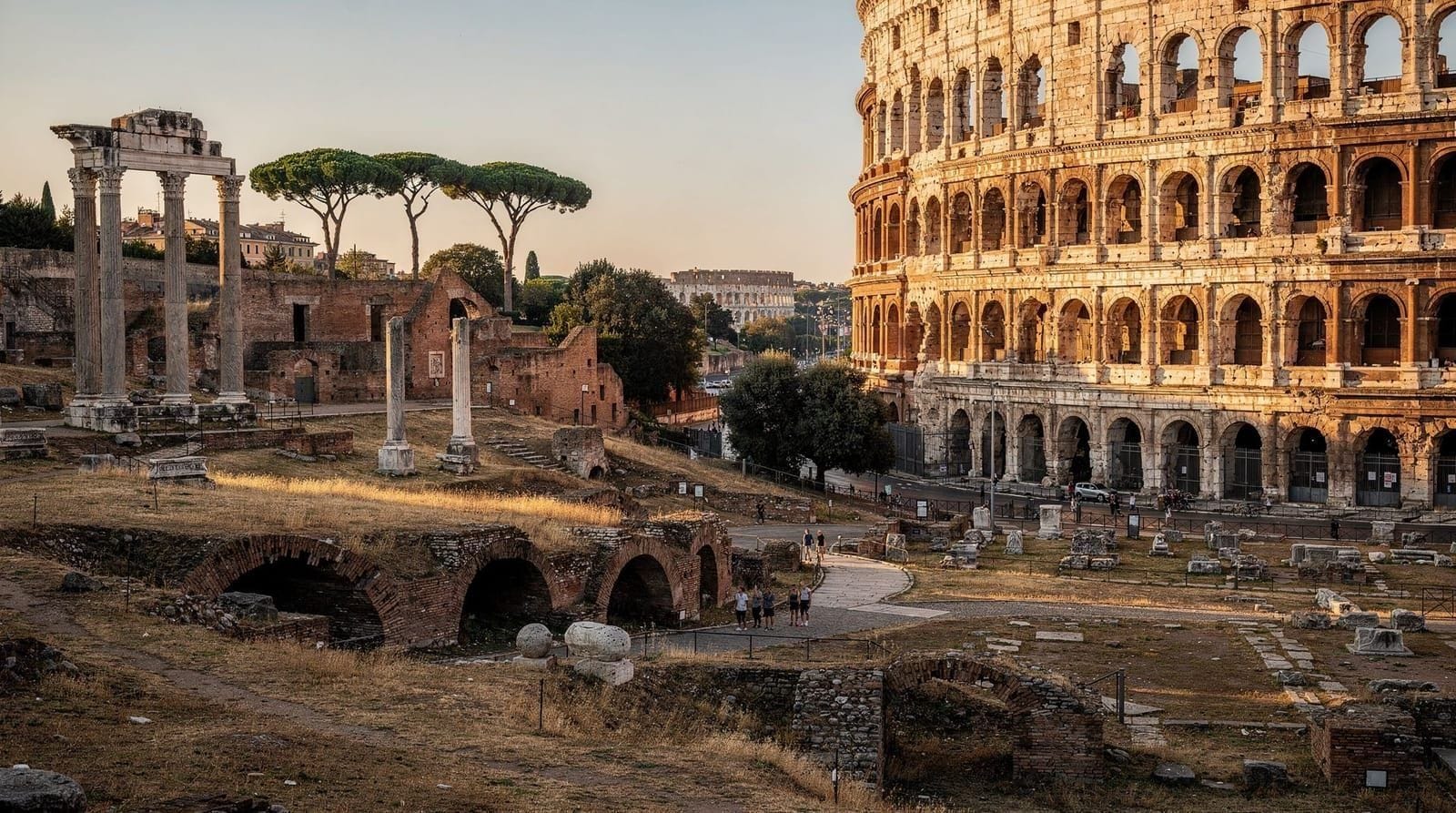
Here is the honest situation at the Colosseum: there is no way to visit it without a ticket booked well in advance, and there is no magic time slot that gives you the place to yourself. The Colosseum receives around 7.5 million visitors per year. It is one of the most visited monuments on Earth. Anyone selling the idea of a “secret” entry or a crowd-free experience is either lying or describing a different era.
That said, there’s a significant difference between visiting at the worst possible moment — 11am on a Saturday in July — and visiting at a genuinely manageable time. The difference runs to roughly an hour and a half of standing outside in the sun, which in high summer is not a trivial thing.
| Best time slot | 9:00–9:30am first admission |
| Worst time | 10am–2pm, April–October |
| Booking window | 2 weeks ahead (2026 season), 3–4 weeks for Easter/August |
| Security queue | Around 10–20 min even with skip-the-line |
| Ticket type | Nominative — issued to a named person |
Best vs worst visiting windows
| Time slot | Crowd level | Notes |
|---|---|---|
| 9:00–9:30am | Low | Best light, best temperature, groups not yet arrived |
| 10:30am–2pm | Highest | Bulk of day-trippers and cruise-transfer buses |
| Late afternoon (last entry) | Moderate–low | Better light, cooler, but Forum closes same time |
Why the standard ticket system fails most visitors
The Colosseum uses a nominative booking system. Your ticket is issued to a named person. This means you can’t buy it from a tout, you can’t use someone else’s booking, and it doesn’t matter if you’re there at the right time without the right ticket — you won’t get in. The number of tickets available per entry slot is capped, and on peak days that cap is reached weeks in advance.
The official website (coopculture.it) sells tickets directly, but it’s somewhat opaque and frustrating to navigate, and availability for popular slots disappears fast. This is why most visitors end up using third-party booking platforms, which add a small premium but are more user-friendly and hold inventory allocated specifically to tour operators.
The key point that many visitors miss: book a minimum of two weeks in advance for April through October. Three to four weeks ahead during Easter, school holidays, and August. Showing up and expecting to buy a ticket at the door is not a viable strategy for the main Colosseum circuit.
The times that actually help
First admission is 9am. Tickets for the 9am–9:30am slot are consistently the best of the day — the light is good, the temperature is manageable even in summer, and the group tours (which tend to use midday slots when the pickup-and-transfer logistics work) haven’t arrived in force yet. By 10:30am the site is significantly busier.
The other window worth considering is late afternoon: the last entry is about 90 minutes before closing, which varies by season (typically 4:30pm in winter, 7pm in summer). Late afternoon gives better light for photography, cooler temperatures in summer, and a site that has discharged most of the day-trip groups. The downside is that the Roman Forum closes at the same time, so you’ll need to sequence your visit carefully if you want both.
Avoid: Tuesday to Sunday mornings from 10am to 2pm between April and October. This is when the bulk of day-trippers arrive. Also avoid the days around Italian public holidays and any week when multiple cruise ships dock at Civitavecchia — the transfer times mean buses arrive at the Colosseum between 10am and noon.
What a guided tour actually buys you
A guided tour with skip-the-line access doesn’t mean you skip the security queue entirely — it means your guide processes the group tickets, and you enter via the tour operator lane rather than queuing for the ticket desk. The security and bag-check queue is the same for everyone. On a busy day this queue is typically 10–20 minutes. Not zero, but not the hour-plus that the walk-up ticket desk line can reach in peak season.
The value of a guide at the Colosseum is real: the site has relatively little interpretive infrastructure inside, and without context, you’re walking around a very impressive ruin that you don’t quite understand. A good guide explains the hypogeum (the underground chambers), the velarium (the awning system), the seating hierarchy that put senators in the front rows and women in the back, and the spectacle economics that made Roman emperors fund games as a political tool. That context transforms the experience.
Guided tour of the Colosseum, Roman Forum, and Palatine Hill with skip-the-line accessThe combined Colosseum, Roman Forum, and Palatine Hill ticket is the standard entry that most people should book. The Forum and Palatine are included in the same ticket price (around €16–20 for the base ticket, more with a guide), and walking the Forum immediately after the Colosseum gives the ancient Rome visit a complete shape — you see the entertainment venue and the political and commercial heart of the empire in sequence.
Arena floor and underground: worth the premium?
There are two upgraded options that cost significantly more: arena floor access and underground/hypogeum tours. Both are genuinely worth it if you’re interested in Roman history — the arena floor puts you in the space where the gladiators fought, looking up at the tiered seating from ground level, which is a powerful spatial experience. The underground shows the mechanisms — the cages, the lifts, the corridors — that staged the spectacle.
These premium options require separate, specific bookings and are more limited in availability. For the underground in particular, book six to eight weeks ahead for summer visits. The guides for these tours are typically specialists and the group sizes are smaller, which makes them better value per hour of quality content than the standard tour.
The Roma Pass question
A quick note here: the Roma Pass gives you free entry to two attractions, and the Colosseum is on the list. But — and this is critical — you still need to book a specific timed entry slot via the Roma Pass booking system. The card does not let you queue-jump; it replaces the ticket. Holders without a pre-booked slot join the walk-up queue and wait like everyone else. The Roma Pass guide covers this in more detail and explains whether the card makes financial sense for your itinerary.
What to bring and what to know at the gate
The Colosseum bans large bags (over a certain size). There are bag storage facilities nearby but they add time to your visit. Bring a small daypack only. Water is allowed through security.
The security queue uses metal detectors and an X-ray belt, like an airport. Keep your phone and keys in your bag. The guide will meet you either at a specific gate or in the immediate vicinity — confirm the exact meeting point when you book, because the Colosseum has multiple entrances and “at the Colosseum” is not specific enough.
Pickpockets concentrate around the queuing areas and on the Metro line A between Termini and the Colosseo stop (line B). Keep your phone in a front pocket and keep bags close. This is standard advice for Rome generally but the Colosseum area is one of the higher-risk zones.
After the Colosseum: the afternoon plan
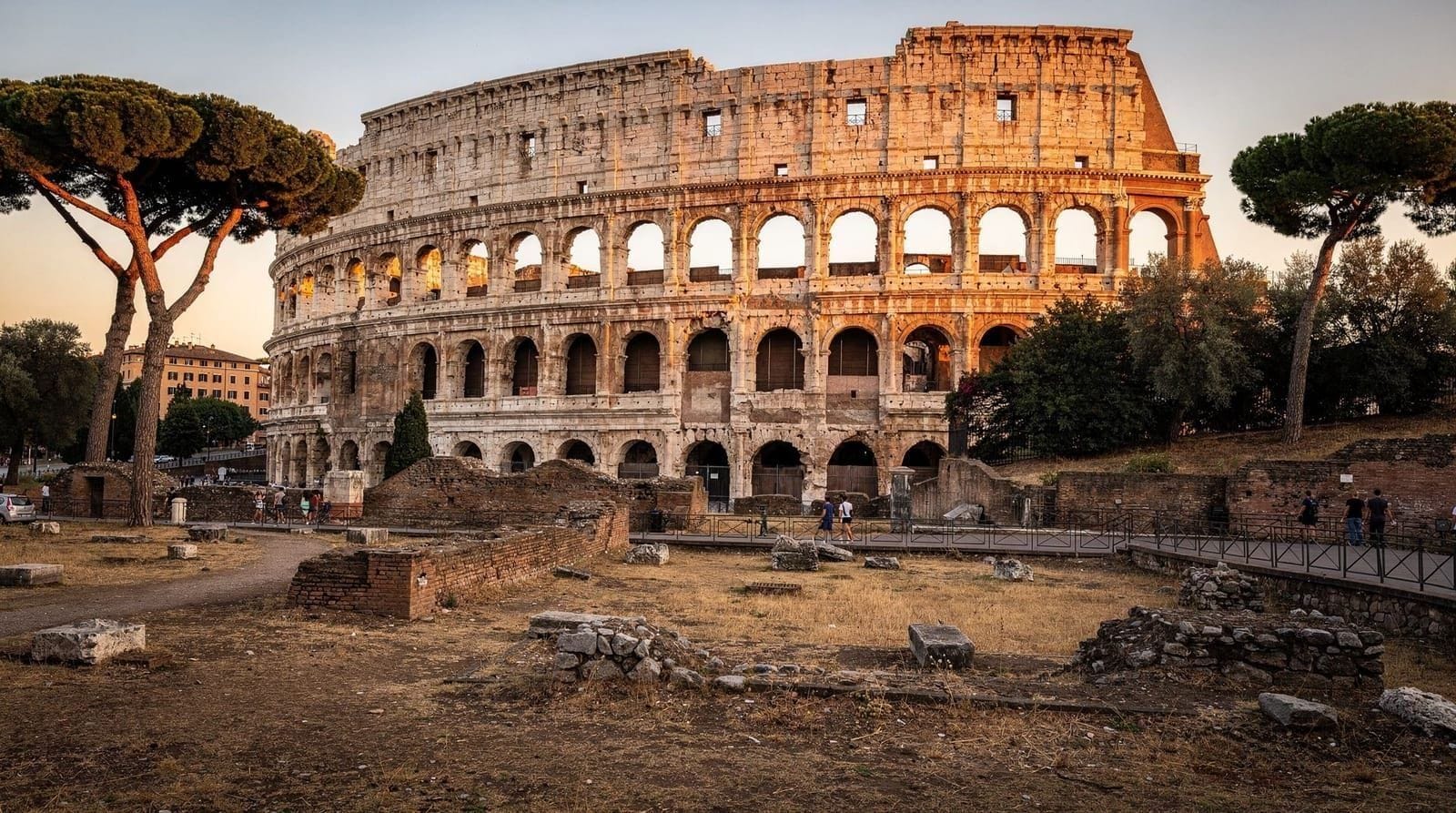
If you visit the Colosseum in the morning, the logical afternoon is Palatine Hill and the Roman Forum (included in your ticket), followed by walking east into the Celio neighbourhood for lunch — far fewer tourist restaurants, good trattorie, and the Basilica of San Clemente a few minutes’ walk away if you want to continue the underground Rome theme.
If you’re visiting late in the day, the area around the Colosseum at sunset is beautiful and significantly less crowded than at noon. The Appian Way is a 20-minute walk south for those who want to extend the ancient Rome theme into the early evening.
The Colosseum tickets guide has the full breakdown of ticket types, prices, and how to navigate the booking systems step by step.
Combining the crowd-avoidance strategy with the rest of ancient Rome
The same 9am logic applies across the whole Colosseum, Roman Forum, and Palatine Hill circuit, since they’re on one ticket and share the same crowd pattern. If your priority is San Clemente afterward, checking its basilica guide for opening hours before you go saves a wasted walk, since the underground layers keep more restrictive hours than the ground-level church. For crowd-avoidance strategy applied to the rest of the city beyond the Colosseum, the general avoiding Rome’s crowds guide generalises the same early-and-late timing principle to the Vatican, Trevi, and other major sights.
What happens if your booked slot sells out before you can book
If you’re planning less than two weeks ahead in high season and the direct tickets are gone, the realistic options are a guided tour (which often holds separate operator allocation even when the direct site shows “sold out”) or the Roma Pass booking system, which draws from a different quota. Neither guarantees availability, but both are worth checking before assuming the day is lost. Building flexibility into your Rome itinerary — visiting the Colosseum on your second or third day rather than your first — also gives you a wider booking window to work with.
Frequently asked questions
Can I just show up at the Colosseum and buy a ticket at the gate? Not reliably, especially April through October. Tickets are nominative and capped per time slot, and popular windows sell out weeks ahead. Walk-up availability exists in theory but you may queue for hours only to find the day’s slots gone.
Does the Roma Pass let me skip the ticket queue at the Colosseum? No — it replaces the need to pay for entry, but you still must book a specific timed slot through the Roma Pass system in advance. Without a pre-booked slot, Roma Pass holders join the same walk-up queue as everyone else.