Rome attraction reservations — complete overview for 2026
Rome: Colosseum Skip-the-Line Guided Tour (1 Hour)
Which Rome attractions need advance reservations?
Three require mandatory advance booking — Borghese Gallery (180 per session, 10 days ahead), Colosseum (timed slots via coopculture.it, 2–4 weeks ahead in peak season), and Vatican Museums (2–4 weeks via museivaticani.va). Domus Aurea and some underground sites also require booking. Pantheon, Castel Sant'Angelo, and most churches can be visited without pre-booking.
The Rome reservation landscape
Rome is a city of 4,000 years of history, 2,500+ monuments, and — in peak season — roughly 90,000 international arrivals per day. Three of its most important attractions operate on strict capacity limits that make advance booking not just advisable but effectively mandatory. Several others benefit from booking to skip meaningful queues. And a large number — including some of the most beautiful buildings in the world — require nothing more than showing up.
This guide maps every significant Rome attraction against its booking requirements so you can plan without over-booking and without being turned away.
| Must-book (no walk-up) | Borghese Gallery, Domus Aurea |
| Strongly advised | Colosseum, Vatican Museums, Pantheon |
| Optional but saves time | Castel Sant’Angelo, Capitoline Museums |
| Walk-in fine | Churches, piazzas, most smaller museums |
| Longest lead time | Borghese (10–12 days), Vatican peak season (3–6 weeks) |
Mandatory booking — you will not get in without a reservation
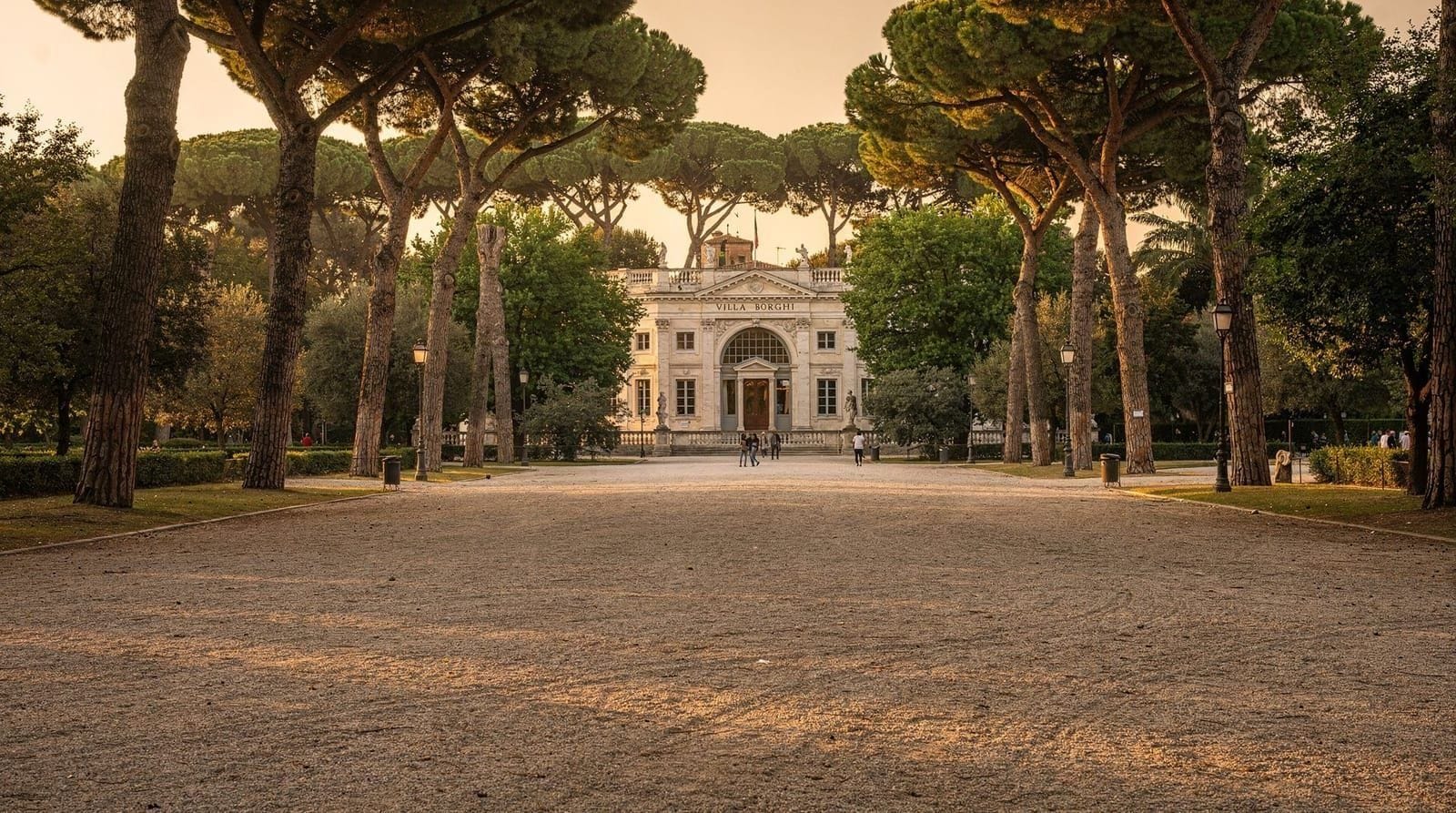
Borghese Gallery
Booking platform: tosc.it/borghese
Advance window: ~10 days (slots released rolling, roughly 10 days ahead)
Capacity: 180 per 2-hour session
Price: €15 + €2 = €17
The Borghese Gallery is the strictest attendance-controlled attraction in Rome. Without a pre-booked slot, you cannot enter — there is no walk-up queue or standby list. See the Borghese tickets guide for the full booking strategy including how to secure a slot when the official site shows nothing.
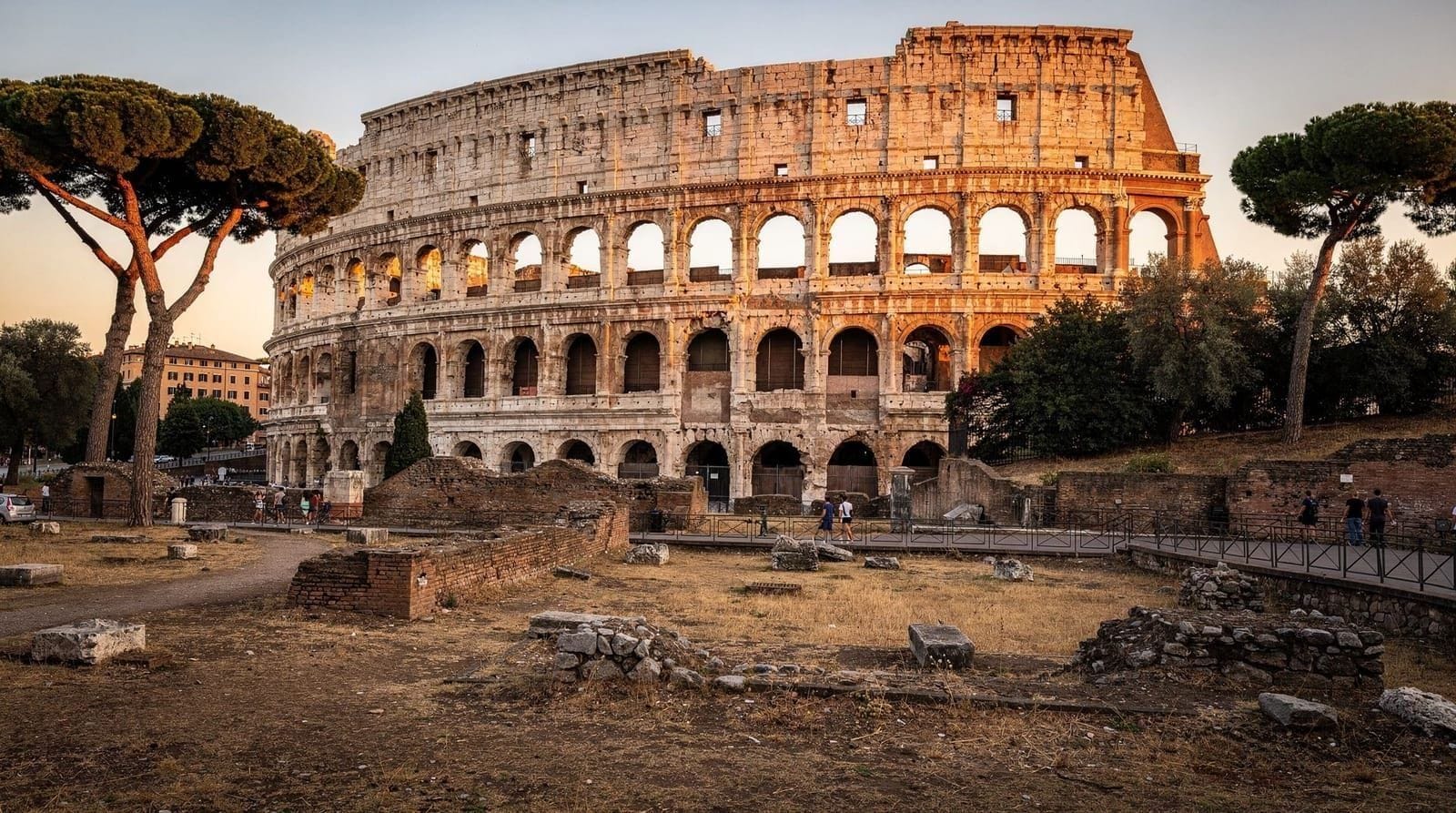
Borghese Gallery timed-entry ticketColosseum, Roman Forum, and Palatine Hill
Booking platform: coopculture.it
Advance window: Book 2–4 weeks ahead for weekends in April–October
Capacity: Timed entry windows of 15 minutes
Price: €18 + €2 = €20
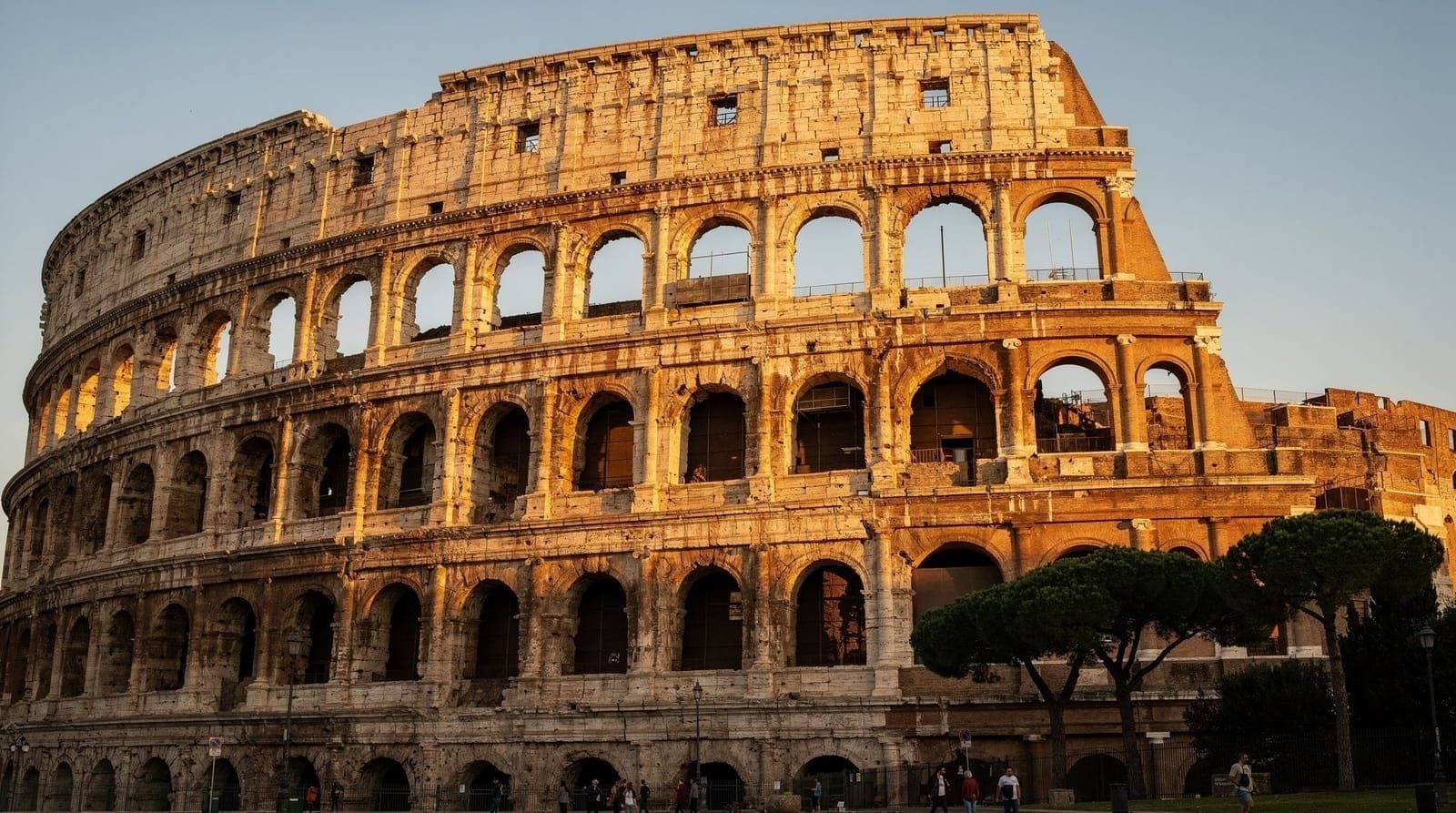
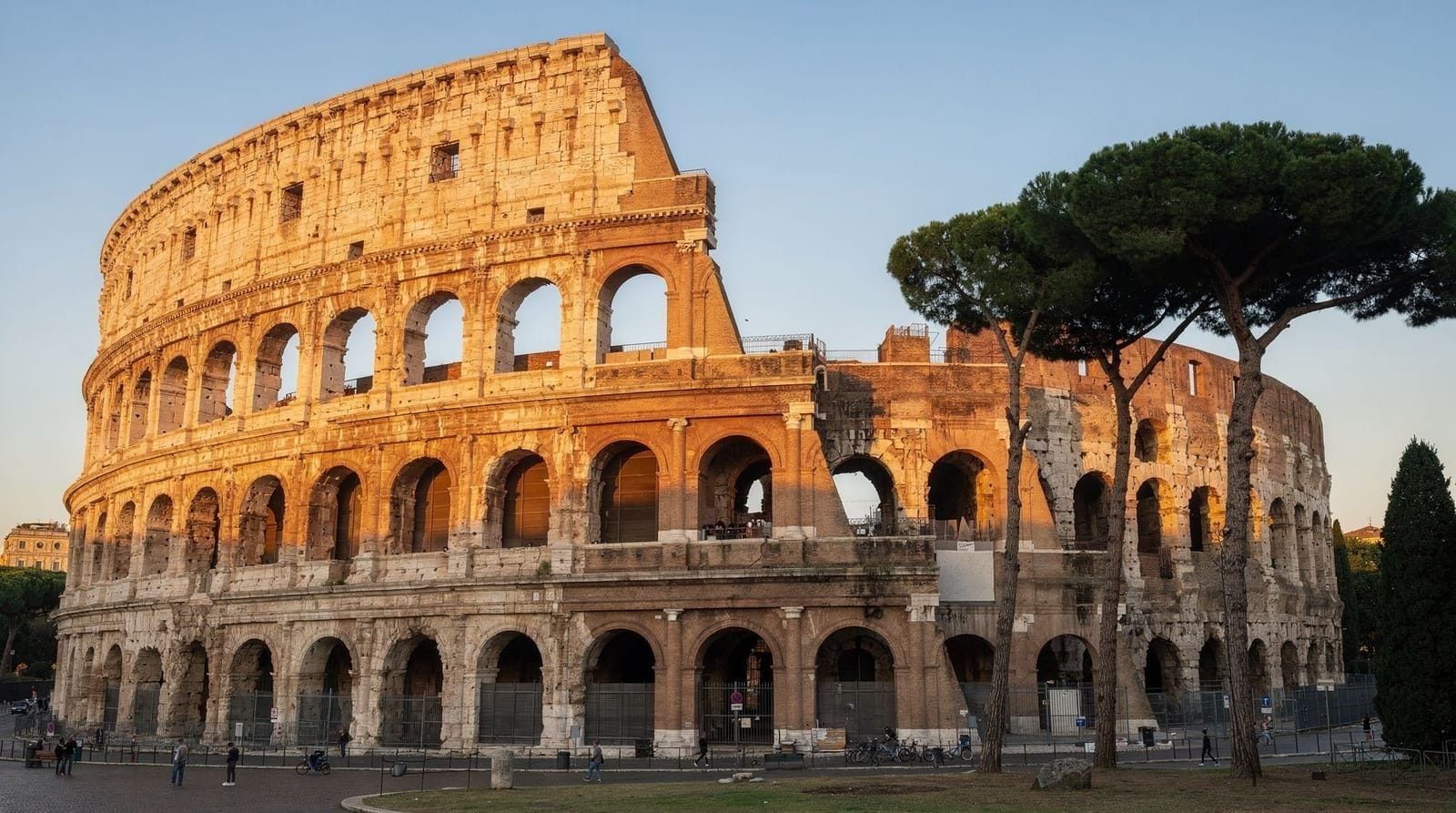
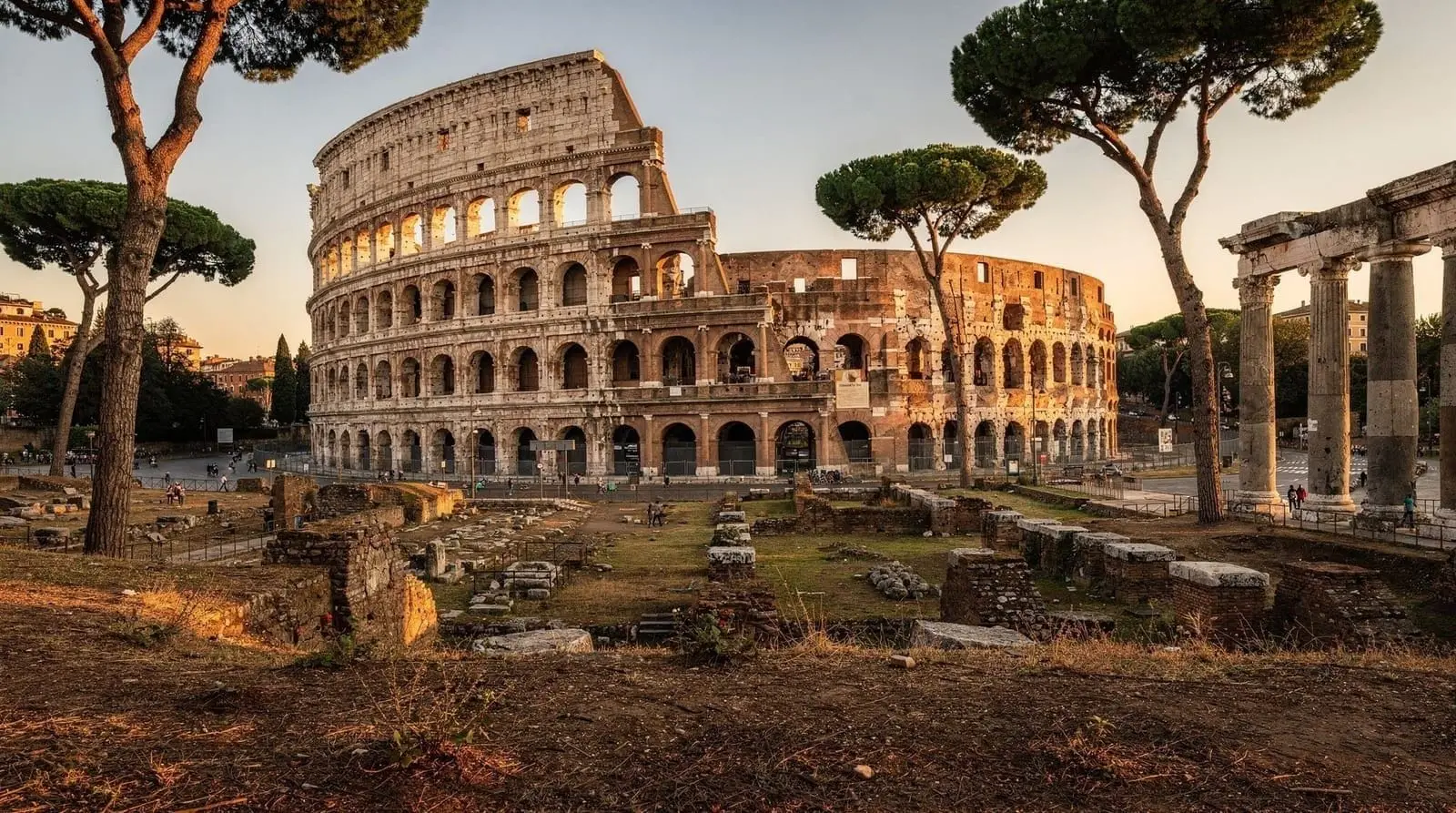
Walk-up is technically possible but unreliable in peak season — queues of 2 hours or more for standby slots that may not be available. Roma Pass holders need a separate slot reservation. See Colosseum tickets guide and step-by-step booking.
Colosseum skip-the-line ticketVatican Museums and Sistine Chapel
Booking platform: museivaticani.va/en
Advance window: 3–6 weeks for peak season; 1–2 weeks off-season
Price: €17–20
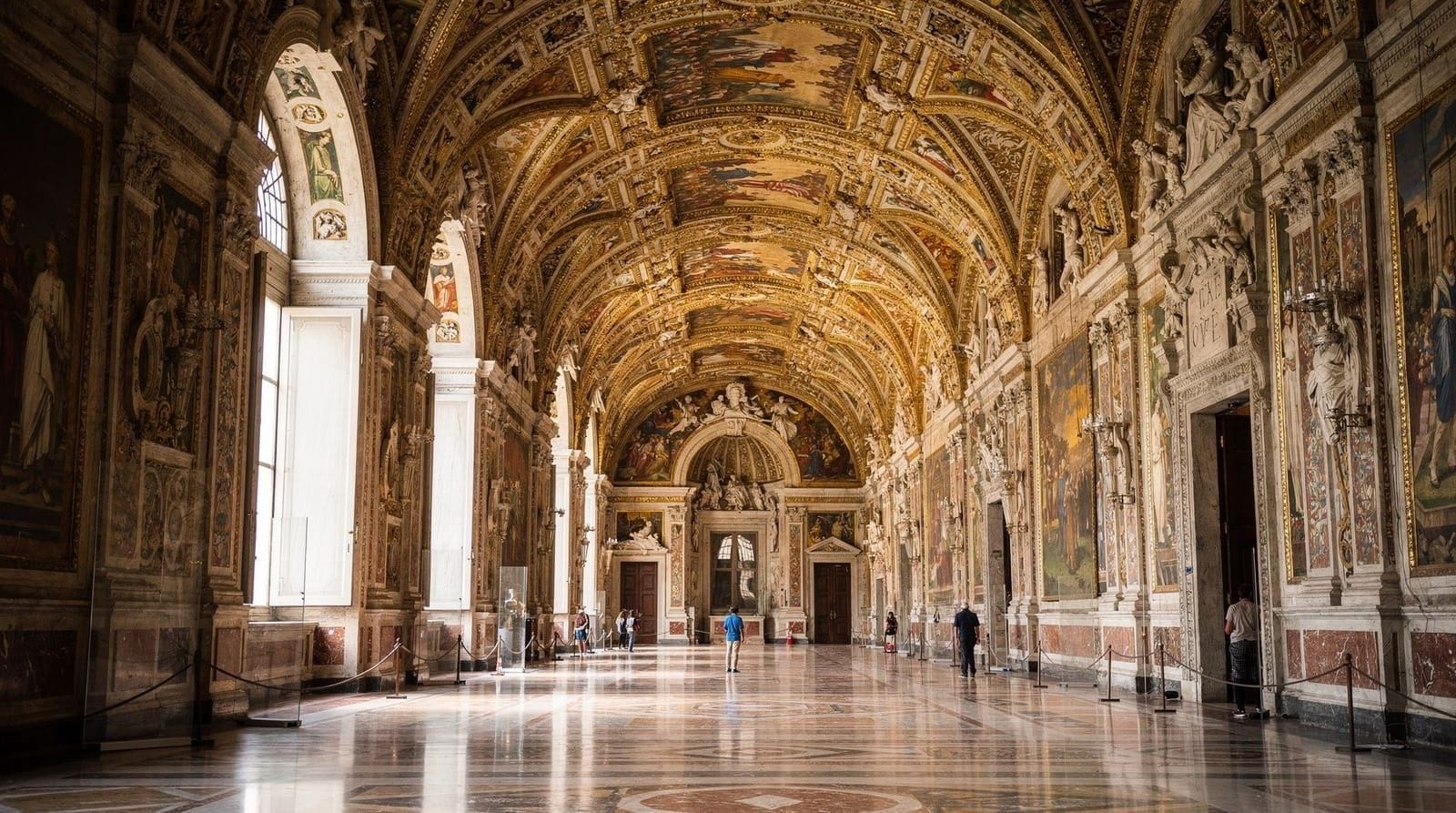
Walk-up entry is available but involves a 2–3 hour external queue in peak season. The official ticket price is identical online vs. at the door (€17 vs €20). Booking online saves 2–3 hours of waiting for the same content. See the Vatican tickets guide.
Vatican Museums + Sistine Chapel ticketStrongly recommended booking — saves significant time
Pantheon
Booking: Panteondroma.it
Price: €5 (free on Sundays)
Queue without booking: 15–45 minutes
Why book: Skip even this modest queue; Sunday free entry generates the longest lines of the week.
Castel Sant’Angelo
Booking: castelantangelo.beniculturali.it or GYG operators
Price: €15
Queue without booking: 20–50 minutes
Why book: Lines extend along the bridge (Ponte Sant’Angelo) on holiday weekends and school trip season (April–June).
Domus Aurea (Nero’s Golden House)
Booking: Colosseo.it or official operators
Required: Yes — limited group-only access; no walk-up
Price: €12–18
Note: Only accessible via guided tour; worth it for the extraordinary VR and fresco experience. See Domus Aurea guide.
Capitoline Museums
Booking: museicapitolini.org or GYG
Price: €15
Queue without booking: Typically under 30 minutes
Why book: Avoid queue on busy weekend mornings; includes the Capitoline Hill viewpoint and Marcus Aurelius bronze.
Walk-in attractions — no booking needed
Churches (all free unless noted)
- St. Peter’s Basilica — free entry, security queue 30–90 minutes; no booking for the basilica itself. Dome climb (€8/€10) — no booking required.
- Santa Maria Maggiore — free, no queue.
- San Giovanni in Laterano (St. John Lateran) — free, occasionally small entrance queue.
- Santa Maria in Trastevere — free, walk in anytime.
- San Clemente — €10 for underground access; tickets at the door; rarely a queue.
- Sant’Ignazio, Santa Maria sopra Minerva, Santa Maria della Pace — all free, no booking.
Public spaces (always free, no ticket)
- Trevi Fountain — open 24 hours.
- Piazza Navona — open 24 hours.
- Spanish Steps — open 24 hours.
- Campo de’ Fiori — morning market (Mon–Sat to 13:30).
- Pincio terrace — free panoramic viewpoint in Villa Borghese park.
- Janiculum Hill (Gianicolo) — best panorama of Rome, free, accessible by bus.
- Orange Garden (Aventine) — free, open daily; Aventino district.
Other paid attractions with minimal or no queues
- Palazzo Barberini — €12, rarely a queue.
- Ara Pacis — €13.50, small morning queues.
- MAXXI — €14, no queue.
- Palazzo Doria Pamphilj — €17, minimal queue.
- National Roman Museum (Terme di Diocleziano) — €10, no queue.
Planning your booking sequence
When you have confirmed your Rome travel dates, follow this order:
Immediately (as soon as dates confirmed):
- Vatican Museums — book at museivaticani.va for your target date and session.
- Colosseum — book at coopculture.it for your target date and time.
10–14 days before your visit: 3. Borghese Gallery — check tosc.it/borghese daily from day 12 onward. Book immediately when your date becomes available.
3–7 days before: 4. Pantheon — book online at Panteondroma.it. 5. Castel Sant’Angelo — book if your schedule is time-sensitive. 6. Domus Aurea — if on your itinerary, book via a GYG operator.
Day of or day before: 7. Everything else — Capitoline Museums, Palazzo Barberini, Ara Pacis, MAXXI.
Official sites vs GetYourGuide: is paying more worth it
A common question once you understand the booking landscape: should you book directly with the official platforms (coopculture.it, museivaticani.va, tosc.it/borghese) or through GetYourGuide and similar operators, who typically charge €10–30 more per attraction?
Official sites are cheaper because you are paying the base admission price plus a small handling fee. The trade-off is that official booking systems can be unreliable at peak times — pages that time out, payment failures during high-demand release windows, and interfaces that are not always in English.
GetYourGuide and licensed operators are worth the premium when: the official site shows no availability for your dates (operators often hold separate allocations), you want a skip-the-line guided experience rather than just entry, or you want a single, simple booking and cancellation system across multiple attractions instead of juggling three unrelated accounts.
Official sites are worth the extra effort when: you are on a tight budget, your dates are flexible, or you are comfortable navigating an Italian-government booking interface. For the Colosseum and Vatican specifically, checking the official site first and falling back to an operator only if sold out is the most cost-efficient sequence.
What happens if you need to cancel or reschedule
Cancellation policies vary significantly by platform and matter more than most visitors expect, given how far ahead some bookings are made.
Official government platforms (coopculture.it, museivaticani.va, tosc.it/borghese): Refund and change policies are strict. The Borghese Gallery in particular does not offer refunds for missed slots — arriving even 15 minutes late can mean forfeiting the ticket entirely, since the next session is already at capacity. Always build in extra transit time, especially on a day with public transport disruptions.
GetYourGuide and most licensed operators: Typically allow free cancellation up to 24 hours before the experience, which gives meaningfully more flexibility than the official sites — useful if your Rome itinerary is still being finalised or if illness or weather disrupts a specific day.
Travel insurance: For the Vatican and Borghese specifically, given the lead times involved (weeks in some cases), checking whether your travel insurance covers non-refundable attraction tickets is worth five minutes before you book, particularly if travelling in shoulder season when weather or strikes are more likely to disrupt plans.
Managing multiple booking platforms
Three separate accounts, three separate QR codes, three separate confirmation emails. The practical approach:
- Print one summary sheet with: site name, date, time, reference number, and a screenshot of the QR code. Do not rely solely on mobile internet at Roman monuments — signal is unreliable near busy sites.
- Screenshot QR codes offline before leaving your accommodation. The Colosseum exterior has poor signal.
- Label your calendar with check-in times — Borghese in particular will not admit you 15+ minutes early.
What changes during Jubilee 2026
The Jubilee of 2025 ran through January 2026, drawing ~33 million visitors to Rome. The demand momentum continues throughout 2026 for two reasons: post-Jubilee tourism patterns are elevated, and Easter 2026 (5 April) brings peak bookings.
Vatican sights in particular will be more difficult to book in April–June 2026 than in a typical year. If your visit falls in spring 2026, treat the 4–6 week booking window as a minimum, not a suggestion.
The Colosseum and Borghese are less directly affected by the Jubilee (which was Vatican-focused) but the general demand level in Rome remains elevated.
For a complete planning guide with day-by-day itineraries, see Rome itinerary planning and how many days in Rome.
Frequently asked questions about Rome reservations
Can I use one app or platform to book all Rome attractions?
No. Each major attraction uses its own booking system. GetYourGuide is the single platform that offers pre-booked access to many attractions, including the Colosseum, Vatican, and Borghese, via licensed operator tours. This consolidates bookings but typically costs €10–30 more per attraction than booking directly.
What if I can’t get any reservation for the Colosseum?
Try a GYG licensed operator — operator allocations are separate from the public pool on coopculture.it. Alternatively, consider a weekday visit in November–March, when same-week availability is normal.
Is it worth getting a personal guide for all three major attractions?
The three sites together (Colosseum + Vatican + Borghese) with individual guides could cost €150–200 per person. Many visitors prioritise a guide at one site (typically the Vatican or Borghese) and self-guide the other two with audioguides. This reduces cost while retaining depth where it matters most.
Does anything in Rome have free admission every day?
Yes: all churches (including St. Peter’s Basilica), all public piazzas, the Villa Borghese and Villa Pamphilj parks, the Gianicolo and Pincio viewpoints, and markets like Campo de’ Fiori and Porta Portese. See the full list in Rome free entry days.
What is the best free attraction in Rome?
The Pantheon is technically now ticketed (€5), but the greatest free experience in Rome is walking the Via Sacra through the Roman Forum at dusk — the path is accessible from the Colosseum ticket. The Golden Hour views from the Pincio terrace are also free and genuinely spectacular.
Top experiences
Bookable activities with verified prices and instant confirmation on GetYourGuide.