Rome's best markets: food, flea and farmers' markets
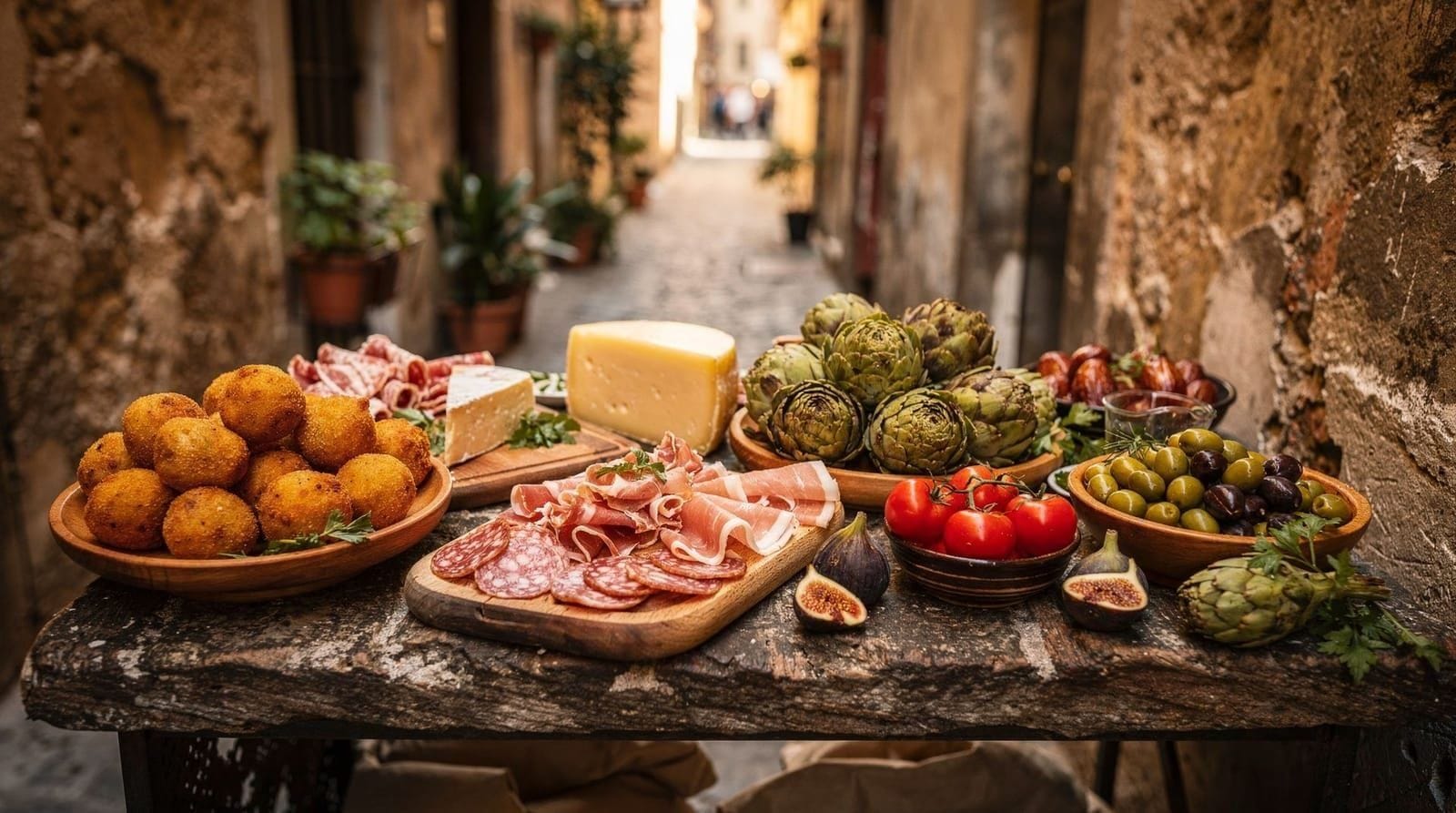
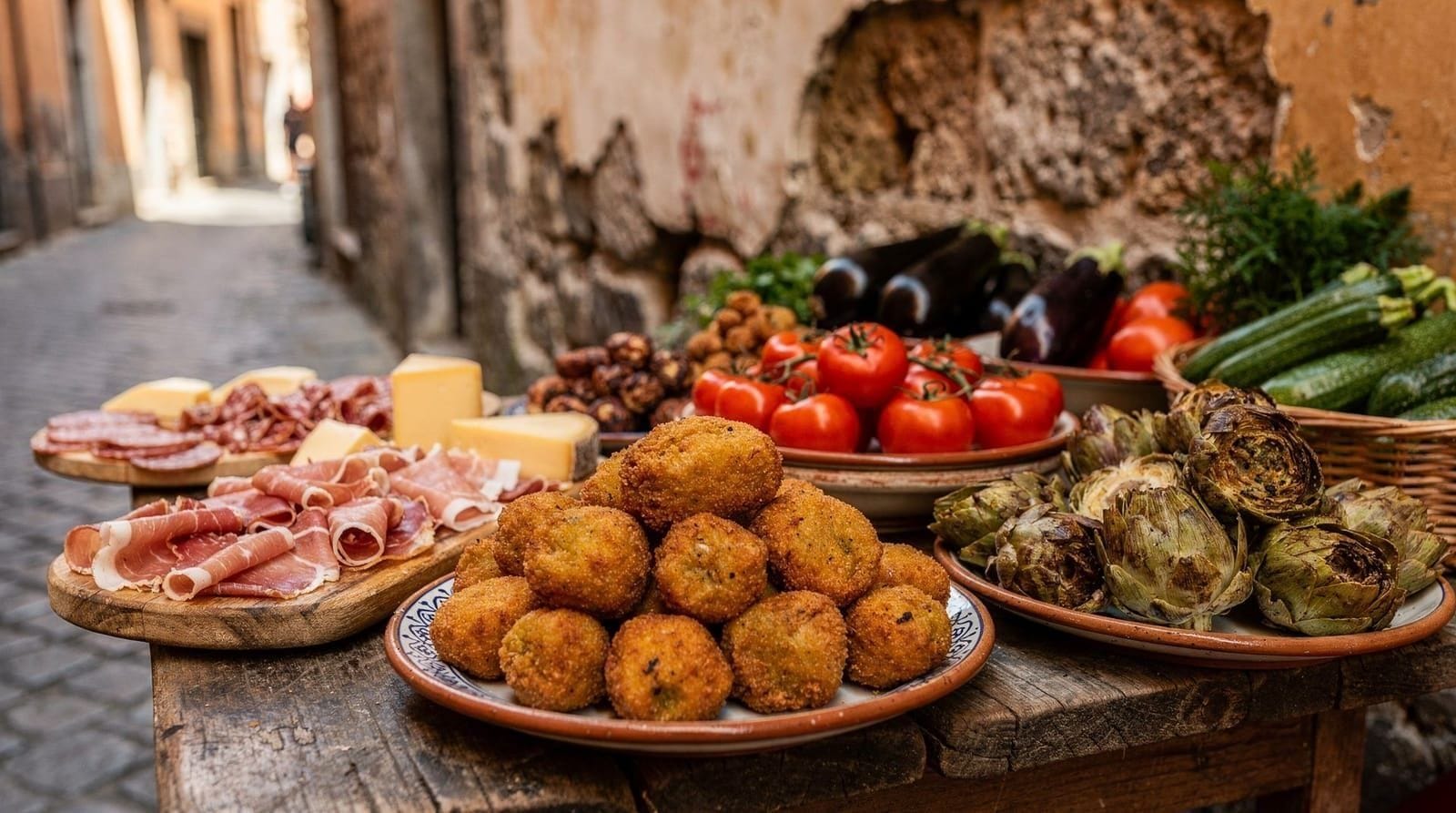
Rome: Trastevere & Campo de Fiori Street Food Walking Tour
What are the best markets in Rome?
For food: Testaccio Market (Mercato di Testaccio) is the best all-round food market — local, honest, covered, with excellent prepared food stalls. For a flea market: Porta Portese (Sunday mornings) is Rome's largest and most varied. For atmosphere and produce: Campo de' Fiori (Monday–Saturday mornings) has history and good flowers and seasonal vegetables, though it is increasingly tourist-oriented. For organic and specialist produce: Mercato Biologico di Circus Maximus (Sunday mornings) is the city's best farmers' market.
Rome has markets for every purpose — if you know where to look
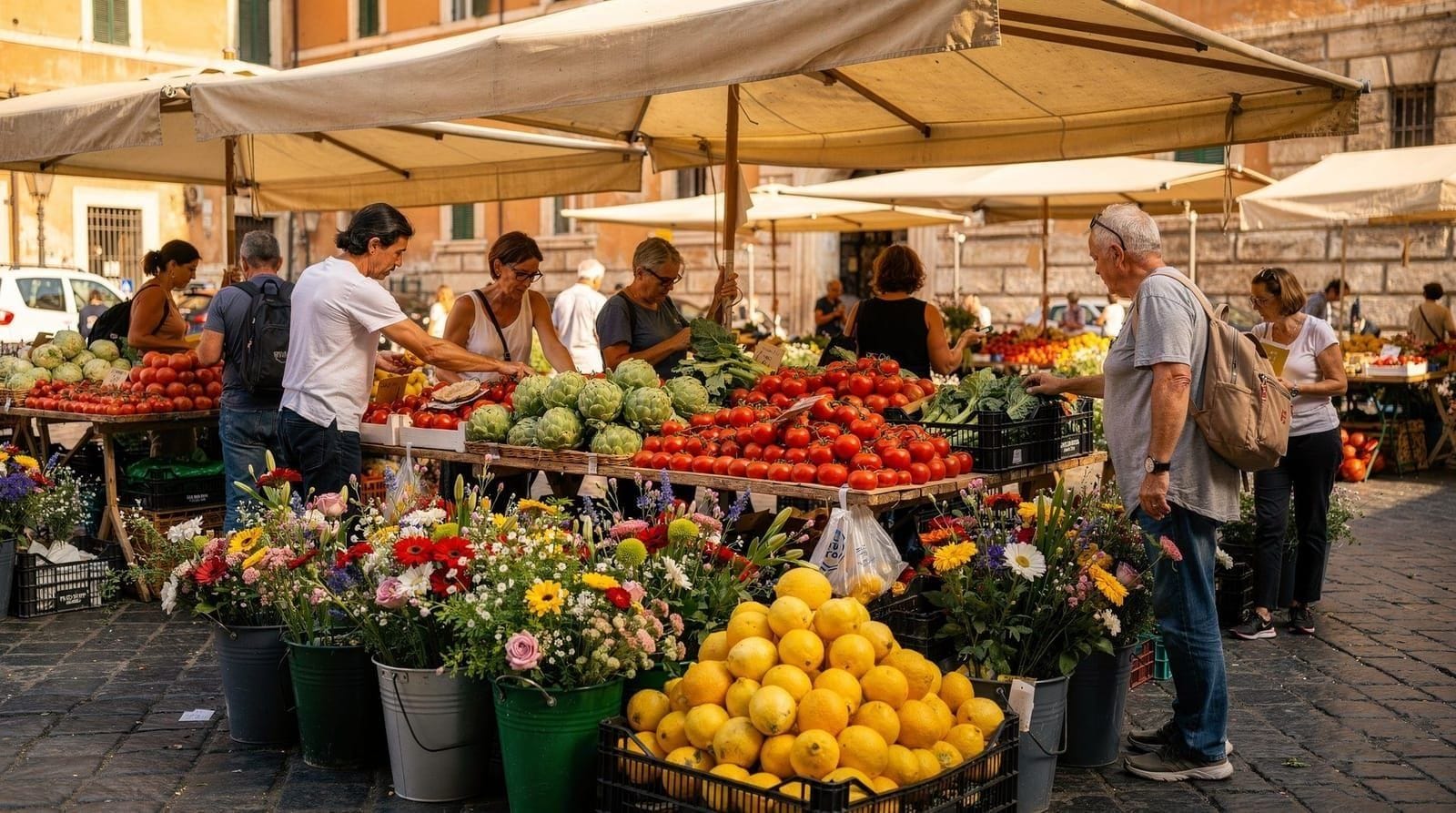
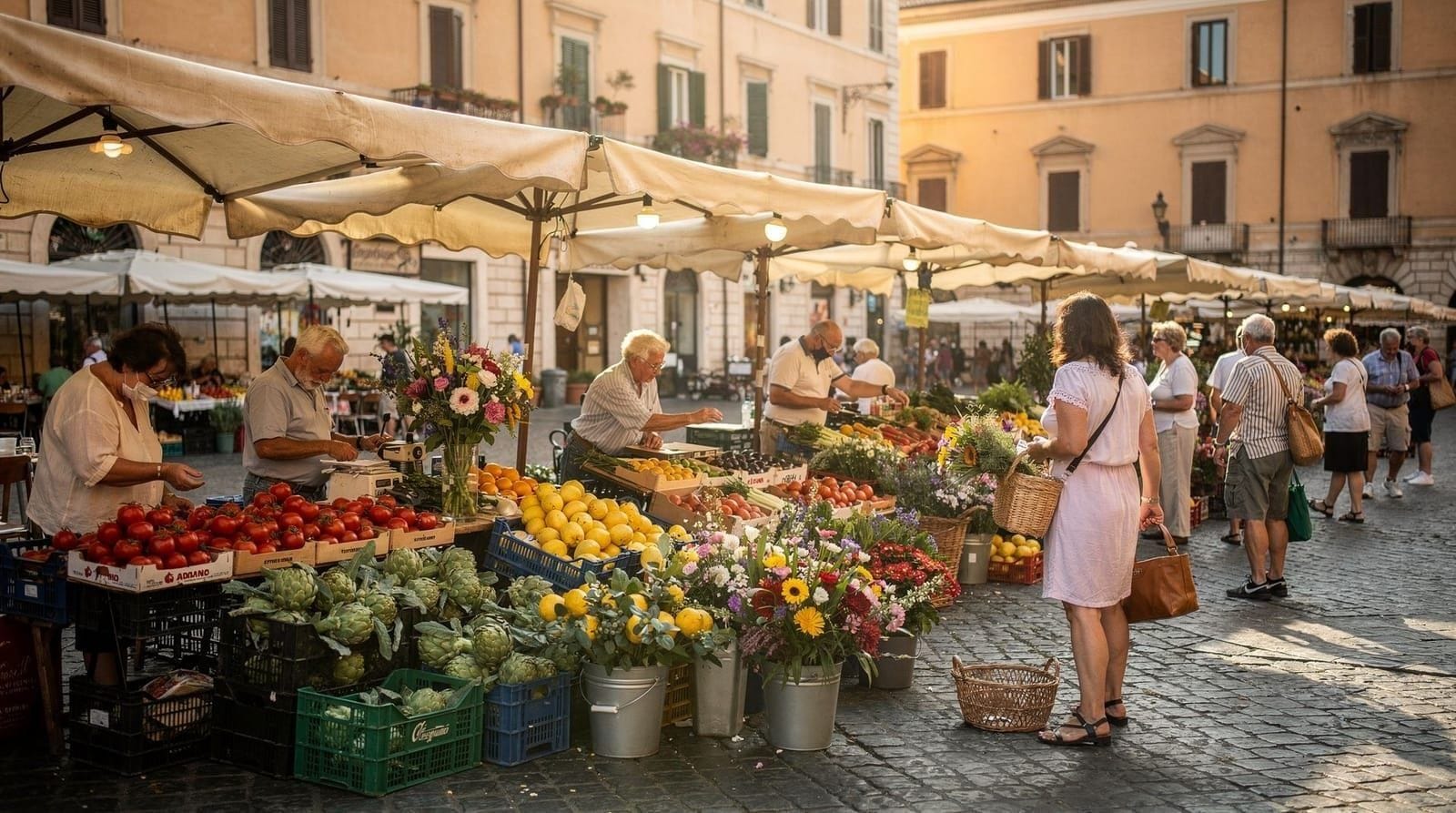
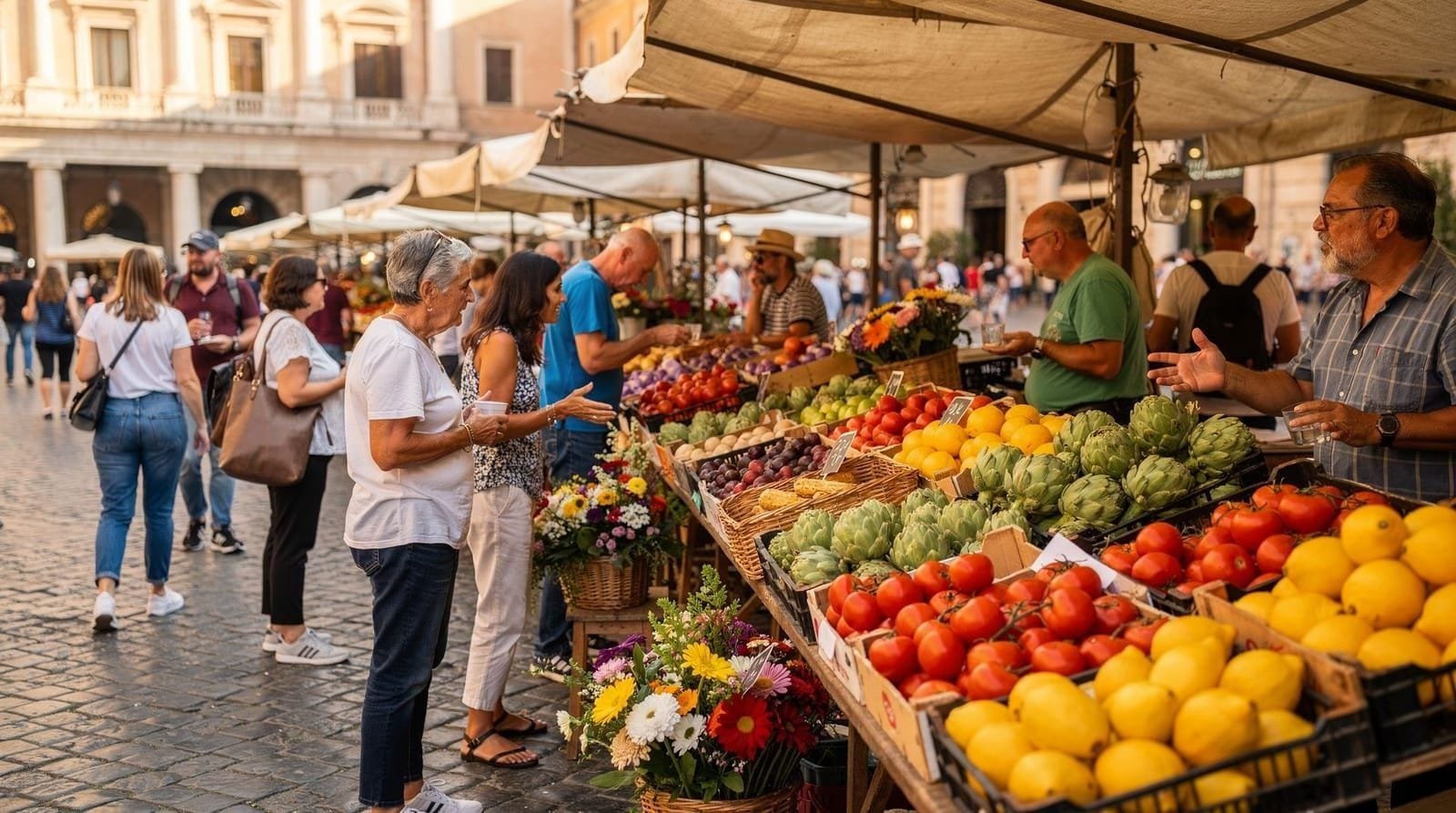
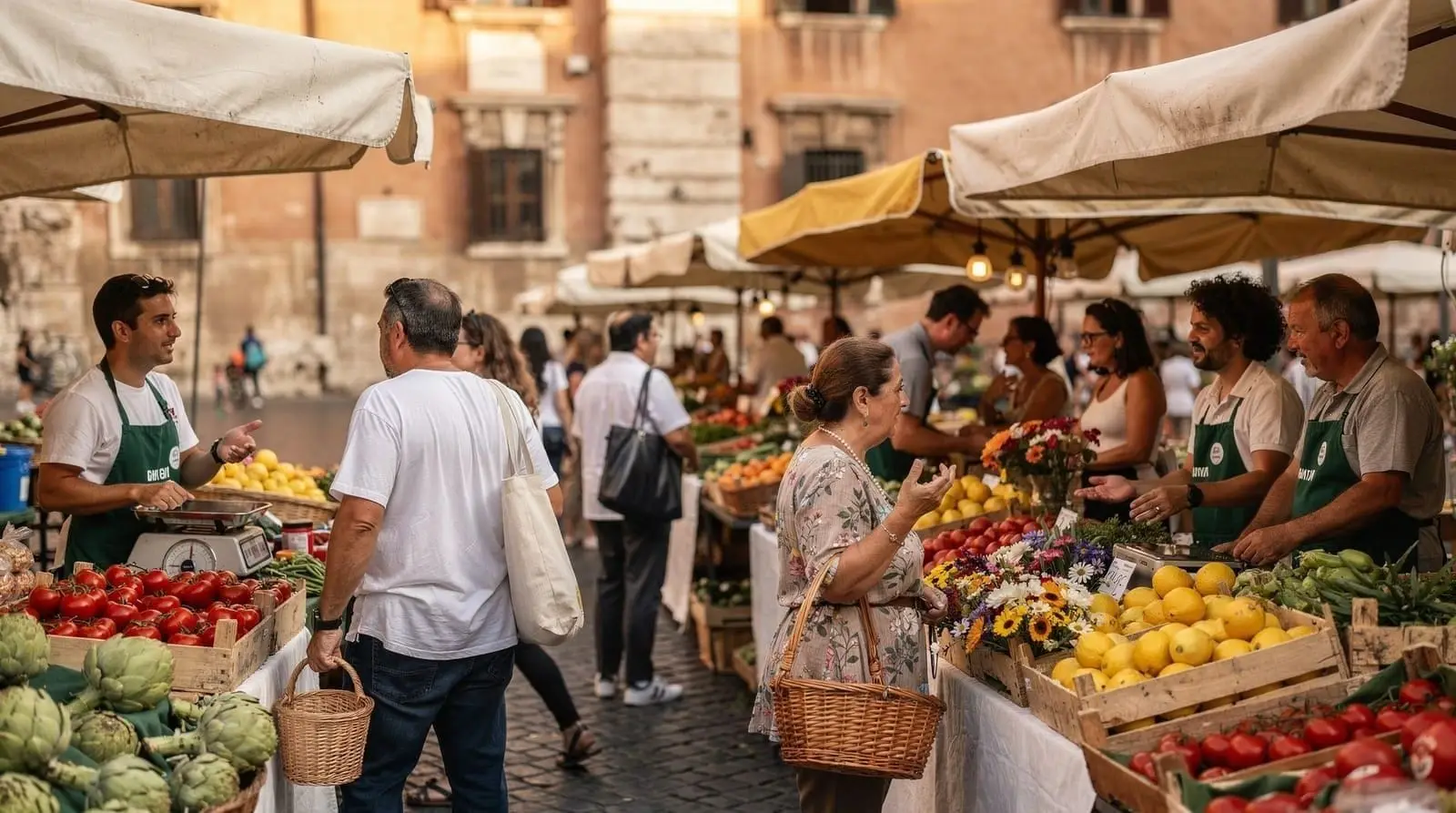
A Roman morning at a market is one of the best ways to understand the city’s daily rhythm. These are working places: vendors who know their regulars by name, seasonal vegetables that tell you what month it is more accurately than any calendar, the specific social theatre of Italian market life — argument, banter, bargaining, the brief pause for a coffee.
This guide covers the full range: food markets where locals actually shop, the giant Sunday flea market, organic and specialist markets, and the tourist-oriented options that are worth visiting but with managed expectations.
| Best food market | Testaccio Market (Mon–Sat, 07:00–15:00) |
| Best flea market | Porta Portese (Sunday only, 06:00–14:00) |
| Best organic market | Circo Massimo Mercato Biologico (Sunday, 09:00–14:00) |
| Cost | Free to browse; produce from a few euros |
| Cash needed | Yes — most vendors are cash-only |
Testaccio Market (Mercato di Testaccio)
The best food market in Rome for visitors who want to understand what Romans actually eat. Located in the Testaccio neighbourhood (between the ancient Circus Maximus and the Tiber, south of the historic centre), in a purpose-built covered structure that opened in 2012 after the market moved from its original outdoor location.
Why it is the best: The produce is fresh and seasonal, priced for the local neighbourhood rather than tourists. The prepared food section is exceptional: Mordi e Vai (stall 15) sells some of Rome’s best offal sandwiches — nervetti (veal tendon), trippa alla romana, coda alla vaccinara in crusty bread rolls, around €5 each. Sergio e Monica (stall 11) does outstanding supplì and pizza al taglio. There are fishmongers, butchers, cheeseMongers, and spice vendors with genuinely high turnover (meaning fresh stock).
Hours: Monday–Saturday, approximately 07:00–15:00. Most prepared food stalls are at their best 10:00–13:00.
Getting there: Metro B to Piramide, then 10 minutes’ walk north through Testaccio. Or tram 3 to Testaccio, or the 75, 170 bus routes. See our Testaccio neighbourhood guide for orientation.
What to buy: Seasonal vegetables, olives, local charcuterie, fresh pasta from the pasta vendors, prepared food for a market lunch. The market is a good place to assemble a picnic if you are heading to the Circus Maximus or Palatine Hill parks.
Campo de’ Fiori
Rome’s most famous and most photographed market, operating on a medieval square a 15-minute walk north of Testaccio. The short assessment: historically important, still partly genuine, increasingly tourist-oriented.
The genuine parts are worth seeing: early morning vegetable and flower vendors, the excellent Forno Campo de’ Fiori bakery on the south side of the piazza. But by mid-morning, a substantial proportion of stalls are selling tourist merchandise — overpriced packaged pasta, decorative spice containers, souvenir ceramics. The prices at produce stalls on the main pedestrian approach are noticeably higher than at equivalent stalls deeper in the market or at Testaccio.
Best use: A morning stop on a walking route through the historic centre — arrive at 08:00, buy flowers or produce if you find something appealing, stop for pizza bianca at the Forno, then continue to the Jewish Ghetto or Trastevere.
Hours: Monday–Saturday, 07:00–14:00. No Sunday market.
For a full assessment of what to buy and what to skip, see our Campo de’ Fiori market guide.
Street food tour covering Trastevere and Campo de’ Fiori — guided navigation through an area where tourist-trap and genuine are often side by side.Porta Portese Flea Market
Rome’s largest and most chaotic market, running on Sunday mornings along Viale di Trastevere and the side streets near the Tiber in the Trastevere/Ostiense zone. Named after the ancient Porta Portese city gate.
Scale: Enormous. Estimates put the number of stalls at 3,000–4,500 depending on weather and season. The market stretches several hundred metres along Viale Trastevere and extends into multiple side streets. Allow two to three hours for a serious visit; an hour for a browse.
What you will find: The range is extraordinary and unpredictable. Genuine antiques and collectibles alongside cheap imported goods; second-hand clothing from designer labels to polyester; vinyl records, old books, tools, bicycle parts, furniture, religious objects, electronics (check carefully before buying), and food vendors selling coffee, pastries and grilled meats.
Strategy: Arrive before 08:00 for the best material. The serious antique dealers are concentrated in the area nearest the Porta Portese gate, not the main strip. Walk the entire length once before buying anything — comparison shopping matters here. Bargaining is expected and normal; starting at 40–50% of the asking price is reasonable for most goods.
Pickpockets: The market has a consistent and well-documented pickpocket problem. Keep wallets and phones secured in front pockets or a cross-body bag worn in front. Be especially vigilant in crowds around the most popular stalls. See our full Porta Portese guide.
Hours: Sunday only, approximately 06:00–14:00. Officially it is 07:00–14:00 but vendors arrive earlier.
Mercato Biologico di Circo Massimo (Organic Market)
Rome’s best farmers’ market, operating on Sunday mornings in a park area near Circus Maximus. If you go to one organic market in Rome, this is it.
Why it stands out: Producers sell directly — farmers, small artisan producers, olive oil estates, cheesemakers, honey producers. The certification is genuine (EU organic certification required). You will find Lazio heirloom vegetable varieties you will not see in supermarkets, small-batch olive oils from producers in Sabina and Lazio, sheep’s milk cheeses from the Ciociaria hills, and natural wines from regional small producers.
What to buy: Aged Pecorino Romano and fresh sheep’s cheeses, Sabina DOP olive oil, organic seasonal produce, artisan breads, honey (look for millefiori from Lazio wildflower varieties), and preserved vegetables.
Hours: Sundays, approximately 09:00–14:00. Occasional Saturday markets in specific seasons — check the official website.
Getting there: Metro B to Circo Massimo, or bus 81, 160, 175 to Circus Maximus.
Mercato di Trionfale
Rome’s largest daily food market, located near the Vatican in the Trionfale neighbourhood. Less photogenic than Campo de’ Fiori but more authentically local and considerably larger — over 270 stalls covering produce, fish, meat, cheese and general food items.
Recommended for: visitors staying in the Prati or Vatican area who want to shop for groceries or ingredients rather than tourist merchandise. Not typically worth a special trip from other parts of the city.
Hours: Monday–Saturday, 07:00–14:00.
Other specialist markets
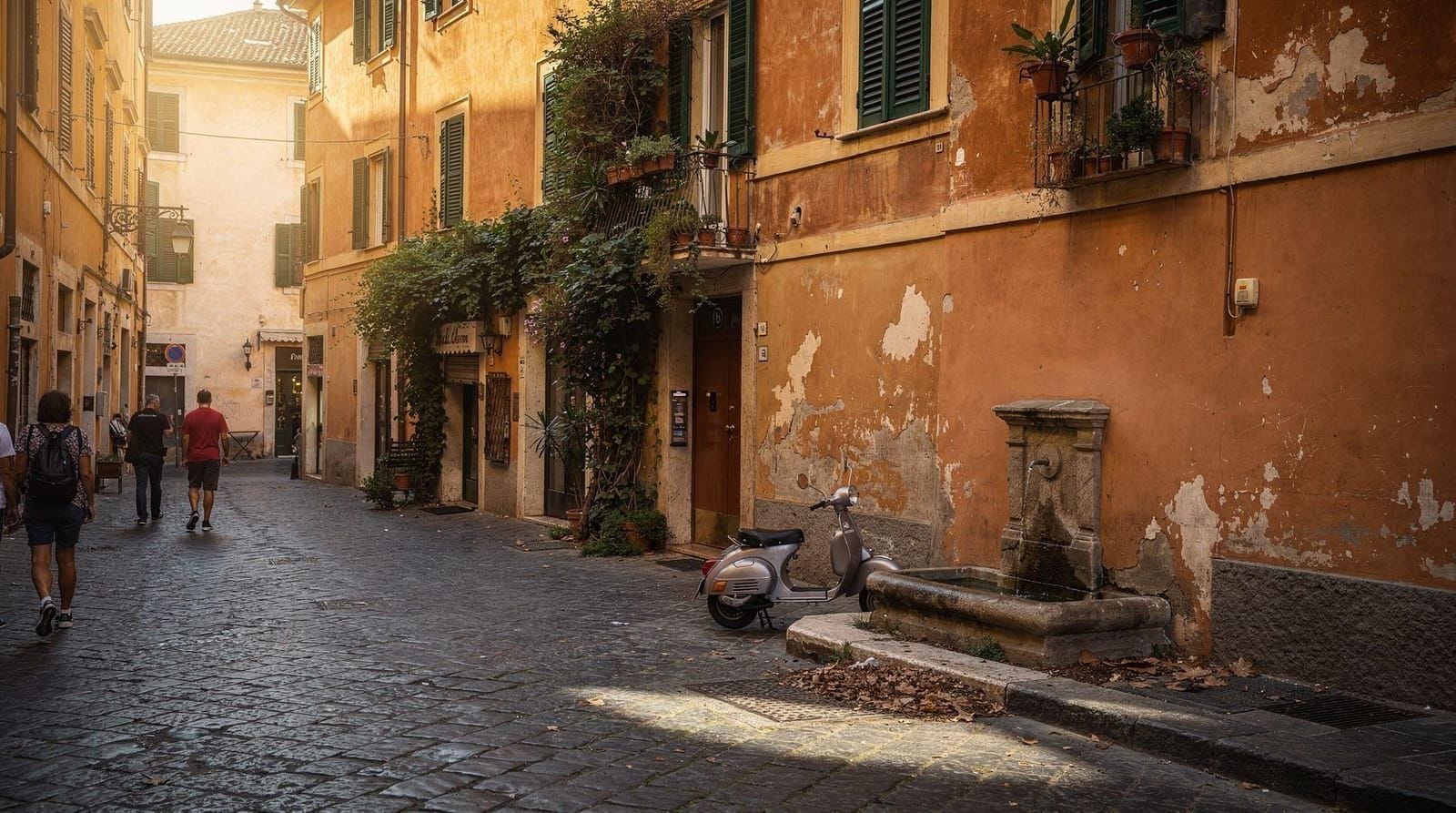
Mercato di Piazza San Cosimato (Trastevere): A small neighbourhood market in a quiet Trastevere square, operating Tuesday through Saturday mornings. Mainly local produce; more authentic atmosphere than Campo de’ Fiori. Good for a quick morning shop if you are based in Trastevere.
Mercato di Via Sannio: A clothes-focused market near the San Giovanni metro station, operating weekday mornings. Mostly second-hand clothing and army surplus items. Modest interest for vintage clothing hunters.
Antiquariato Borghetto Flaminio: An antiques and vintage market held on Sunday mornings in the Flaminio neighbourhood (near Piazza del Popolo). More refined than Porta Portese — furniture, art prints, jewellery, lighting. Prices are higher but quality is more consistent.
Practical advice for visiting Roman markets
Cash: Most market vendors are cash-only. Bring small denominations — 5 and 10 euro notes. ATMs near major markets are often crowded on market mornings; withdraw cash the day before if possible.
Bags: Bring a reusable bag or two. Market stalls rarely provide good bags for produce, and single-use plastic bags have been restricted in Italy.
Language: Basic Italian is helpful at markets. “Quanto costa?” (How much?), “Posso assaggiare?” (Can I taste?), and “Me ne dia mezzo chilo” (Give me half a kilo) cover most interactions. Vendors at tourist-facing stalls in Campo de’ Fiori will speak English; at Testaccio and Trionfale, Italian patience will be rewarded.
For pairing a market visit with lunch nearby, the Trastevere food guide and Testaccio food guide both cover restaurants within walking distance of the markets above.
Timing and crowds: Food markets are emptier on Tuesday and Wednesday mornings than on Saturdays. Sunday markets (Porta Portese, Circus Maximus organic) are busiest but that is when they operate. Campo de’ Fiori is always crowded on weekends.
Rome food tour in Trastevere — a structured way to encounter local food culture in a neighbourhood adjacent to several of Rome’s best markets.Combining markets with a neighbourhood walk
The most natural market day in Rome combines two or three stops in the same geographical zone:
Southern Rome/Testaccio/Trastevere route (best on Saturday morning): Testaccio Market for food and breakfast, then walk north through Trastevere to Piazza San Cosimato market, then cross the river for Campo de’ Fiori produce. 3–4 hours covering the three best food market areas.
Sunday flea and organic route: Circus Maximus organic market at 09:00, then Porta Portese flea market from 10:00–12:00. Both are in the same general south-of-centre zone; a 20-minute walk or short bus ride connects them.
For a broader guide to shopping in Rome beyond markets, see our Rome shopping guide, which covers artisan workshops, specialist food shops and the main commercial streets.
How to navigate a Roman food market
For visitors unfamiliar with Italian market culture, a few practical notes improve the experience considerably.
The rhythm of a Roman market morning: Vendors arrive early — most are set up by 07:30. The peak shopping hour is 08:00–10:00 when locals do their weekly shop. From 10:00 onward, the tourist-to-local ratio shifts. By 12:30 vendors begin packing up; most markets are effectively over by 13:30 even if officially open until 14:00. Going at the right time means seeing the real market.
Reading quality signals: Romans buy vegetables by looking at them closely, sometimes touching. Watching what locals select tells you which stalls have the freshest produce. A vegetable vendor with a queue of regulars buying in quantity is a reliable quality signal. A stall where tourists are the primary customers, and where prices are not displayed prominently, is less reliable.
Tasting is normal: At olive, cheese, charcuterie and dried fruit stalls, asking to taste before buying (Posso assaggiare? — can I taste?) is standard and expected. Vendors who refuse are unusual; they are typically selling something they don’t want tasted, which is itself informative.
Prices and bags: Produce is sold by weight (al chilo) or by piece (al pezzo). Prices are often displayed on small handwritten cards. A mezzo chilo (half kilo, 500g) is a practical unit for most purchases. Bring your own reusable bags — market stalls charge for plastic bags or don’t provide them at all.
Language: Italian works better than English at all markets except the tourist-facing Campo de’ Fiori stalls. Numbers (uno, due, tre), quantities (mezzo chilo, un chilo), and basic courtesies (buongiorno, grazie, prego) go a long way. Pointing at what you want is universally understood.
Markets side by side: which one fits your day
| Market | Day | Best for | Time needed |
|---|---|---|---|
| Testaccio Market | Mon–Sat | Food shopping, market lunch | 1–1.5 hrs |
| Campo de’ Fiori | Mon–Sat | Atmosphere, photos, a bakery stop | 30–45 min |
| Porta Portese | Sunday only | Flea market browsing, antiques | 2–3 hrs |
| Circo Massimo Organic | Sunday only | Producer-direct food, gifts | 1–1.5 hrs |
| Mercato di Trionfale | Mon–Sat | Local grocery shop (Vatican area) | 30–45 min |
| Piazza San Cosimato | Tue–Sat | Quiet neighbourhood shop (Trastevere) | 20–30 min |
What to bring home from Roman markets
Rome’s food markets are among the best places to shop for genuine Italian food products that are difficult or expensive to find outside Italy.
From Testaccio Market: Aged Pecorino Romano (proper versions with DOP designation, firmer and saltier than exported cheese), vacuum-packed guanciale (cured pork cheek — the correct fat for carbonara and amatriciana), lardo di Colonnata (aged lard from the Apuan Alps, extraordinary eaten on bread). Volpetti on Via Marmorata near the market is Rome’s best delicatessen and an essential stop for serious food shopping.
From the Circus Maximus organic market: Small-batch olive oils from Lazio and Sabina DOP (check harvest date on the label — anno di raccolta — you want the most recent October harvest). Artisan cheeses from Lazio and neighbouring regions. Honey — seek millefiori (wildflower) or single-origin varieties like sulla (sulla clover, common in southern Lazio, with a delicate flavour).
From Campo de’ Fiori: Cut flowers (practical if you are staying somewhere with vases) and seasonal produce. Skip the packaged food products sold to tourists.
From Porta Portese: The food at Porta Portese is street food rather than shopping — coffee, grilled meats, fried snacks. The flea market itself has food-adjacent finds: vintage Italian kitchen ceramics, old recipe books, specialist coffee equipment.
Markets and the seasons
Rome’s food markets tell you the season more accurately than any other signal. Knowing what to look for by month improves every market visit:
January–February: Dark leafy greens dominate — cicoria (chicory, slightly bitter, Roman staple), broccoletti romani, cime di rapa (turnip tops). Also blood oranges from Sicily, winter artichokes, dried chestnuts.
March–April: Fava beans arrive — Romans eat them raw with Pecorino Romano, a classic spring combination. Early artichokes (the round Roman variety, Romanesco, suited to frying). Wild asparagus occasionally.
May–June: The pea and broad bean season. First summer produce beginning — courgettes with flowers (fiori di zucchine, filled with ricotta and fried). Cherries from Vignola and Lazio. Strawberries from Nemi in the Castelli Romani hills.
July–August: Tomatoes in full diversity — pachino cherry tomatoes, large beefsteak (cuore di bue), yellow varieties. Also peaches, nectarines, melons, aubergines, peppers. Ferragosto (August 15) effectively shuts many market vendors for the week.
September–October: The year’s finest season. Porcini mushrooms appear — first expensive, then abundant. Chestnuts roasting at market edge stalls. Late-season tomatoes. New olive oil from the first harvest in October. Grapes for eating.
November–December: Truffle season (mostly black truffle from Norcia and Spoleto, occasionally at specialist stalls). Root vegetables. Puntarelle (a chicory variety with crisp hollow ribs, dressed with anchovy and garlic — a classic Roman winter salad). Clementines from Calabria. Christmas panettone from Milanese producers at better food shops.
Frequently asked questions about Rome's best markets: food, flea and farmers' markets
Which Roman market is best for food shopping?
Is Porta Portese worth visiting?
Are there organic food markets in Rome?
What day and time should I visit Roman markets?
Can I eat at Roman markets?
Top experiences
Bookable activities with verified prices and instant confirmation on GetYourGuide.