Rome in August — what no one tells you before you go
People visit Rome in August. Many of them have a wonderful time. Some of them are unprepared for what August in Rome actually involves, and the gap between expectation and reality can turn a good trip mediocre faster than almost any other single variable in travel planning.
This is not going to tell you not to go. If August is when you can go, then August is when you should go — Rome in the heat is still Rome, which still outranks most places on earth. But you deserve an honest briefing on what you’re booking yourself into.
| Daytime heat | 32–38°C, occasionally 40°C+ during heatwaves |
| Night temperature | around 22–24°C, the saving grace |
| Ferragosto | Aug 15, many local restaurants close ~1–2 weeks around it |
| Best hours outdoors | before 10am and after 6pm |
| Booking | still essential — Colosseum, Vatican, Borghese sell out |
August vs shoulder season, at a glance
| August | April / May / late Sept–Oct | |
|---|---|---|
| Daytime heat | 32–38°C, can spike past 40°C | 18–26°C, comfortable |
| Local restaurants | some closures around Ferragosto | fully open |
| International tourist crowds | high, but locals largely absent | high, locals present |
| Evenings | long, warm, arguably the best in Rome | pleasant but shorter |
The temperature is not exaggerated
August in Rome runs at 32–38°C during the day. Some years, and 2025 was one of them, it crosses 40°C during heatwave periods. The heat is dry rather than humid — which makes it more tolerable than, say, New York in July — but it is intense by any northern European standard, and it is relentless. The temperature drops to around 22–24°C at night, which is the saving grace of the city in summer.
The practical consequence is that you will not want to walk anywhere between about 12:00 and 16:00 unless you have a very specific reason. The afternoon, in other words, is not your time for the Colosseum, the Roman Forum, or any exposed ancient site. These places sit in full sun on stone and asphalt with minimal shade, and visiting them in the midday heat is genuinely unpleasant and potentially dangerous for anyone not well-hydrated.
The strategy that works: start early (08:00 or earlier for popular sites), retreat indoors or to a shaded trattoria between midday and 16:00, and resume in the cooler late afternoon. Rome’s churches provide excellent air-conditioned or naturally cool interiors during the long afternoon break.
Ferragosto — what actually closes
Ferragosto is August 15th, Italy’s national holiday celebrating the Assumption of the Virgin. The holiday is real and the closures around it are real. What gets less attention is that the closure period is not just one day: many Roman businesses — particularly small restaurants, neighbourhood bars, dry cleaners, pharmacies, and non-tourist shops — close for anything between a week and a fortnight around August 15th.
This matters most in the residential neighbourhoods. Monti and Testaccio — the places with the best non-tourist restaurants — will have more closures than Trastevere, which caters heavily to tourists year-round and stays open. Centro storico restaurants generally remain open. Tourist sites — the Colosseum, Vatican Museums, Borghese Gallery — stay open throughout August.
The practical advice: if you want to eat at a specific local restaurant during the first two weeks of August, call or check ahead. The restaurant you read about in a food guide from two years ago may be closed for the holiday.
The monuments are less crowded (sort of)
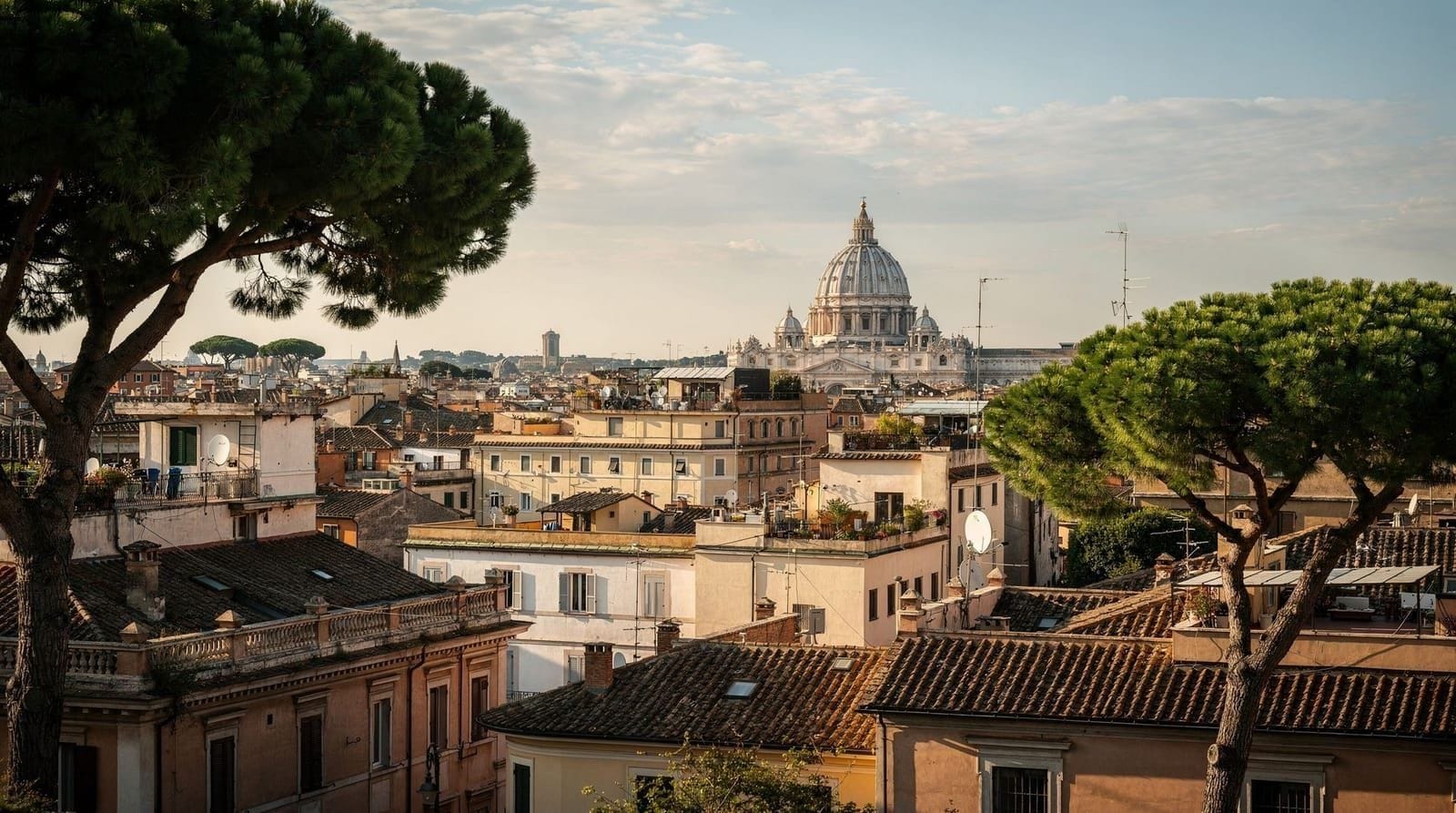
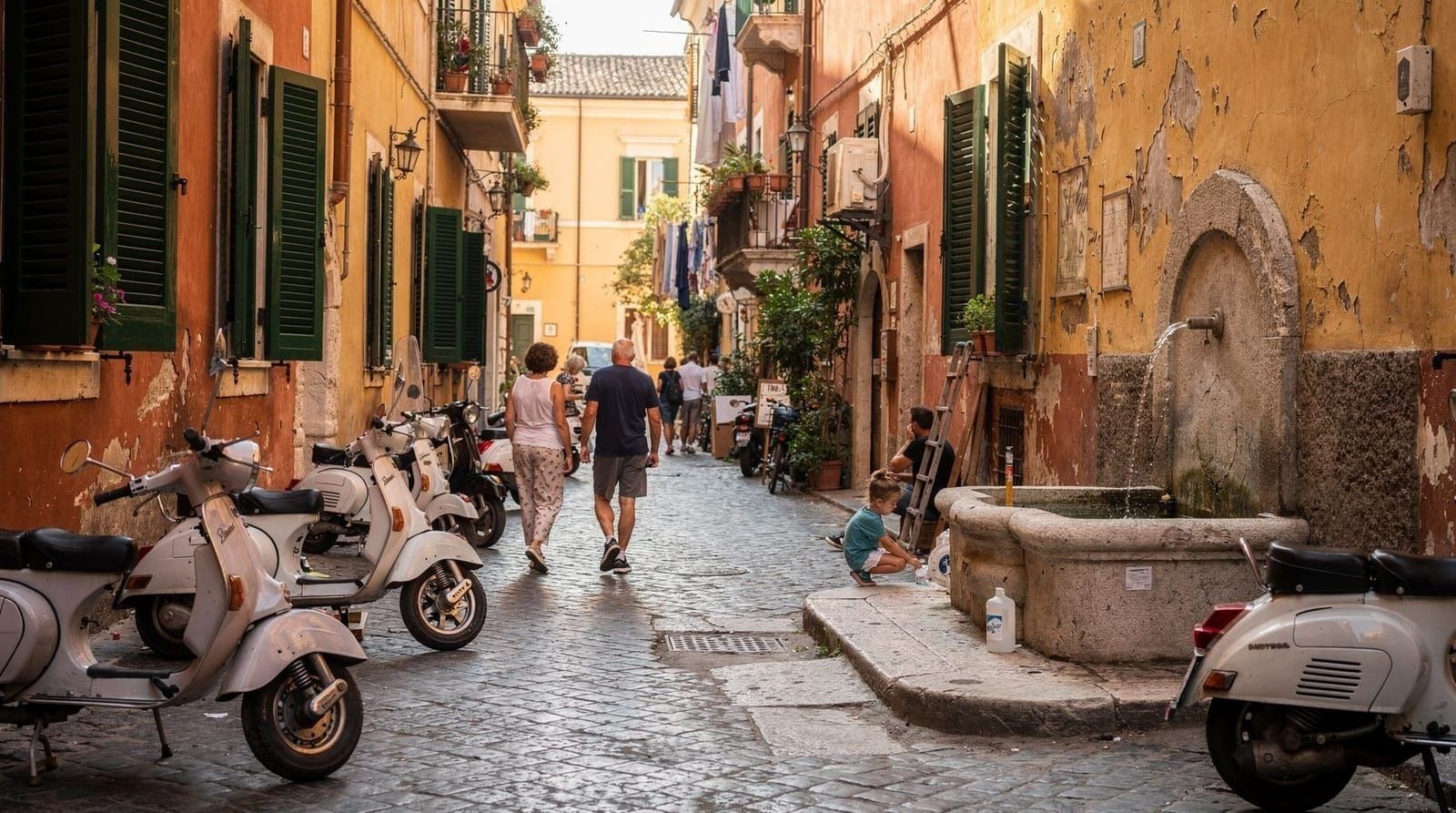
Here is the counterintuitive fact about Rome in August: many Romans leave the city entirely. The population of central Rome in mid-August is genuinely lower than in May or October. The monuments do not empty — they remain full of international tourists — but the ambient city feels different. Public transport is less crowded. The residential streets are quiet. Finding a table for lunch in a good restaurant is easier in August than in April.
The major sites — Vatican Museums and Sistine Chapel, the Colosseum — still require advance booking in August. Demand from international visitors peaks in July and August, and skip-the-line tickets sell out weeks in advance. Book before you travel.
For the Borghese Gallery, this is even more urgent: 180 people per two-hour slot, capacity fills up 10 days or more in advance in summer. August is not the month to attempt a walk-in.
Water and staying hydrated
Rome has approximately 2,500 nasoni — the small iron drinking fountains found throughout the city. They run continuously with cool, clean drinking water. This is not a minor convenience in August; it is a genuinely valuable infrastructure for staying hydrated while walking. The water is good. Bring a refillable bottle.
The tourist trap to avoid: the restaurants and bars around major monuments that charge €3–5 for a 500ml bottle of water. Buy a 1.5L bottle from a supermarket in the morning for around €0.25. The water from the nasoni costs nothing.
August nights and evening Rome
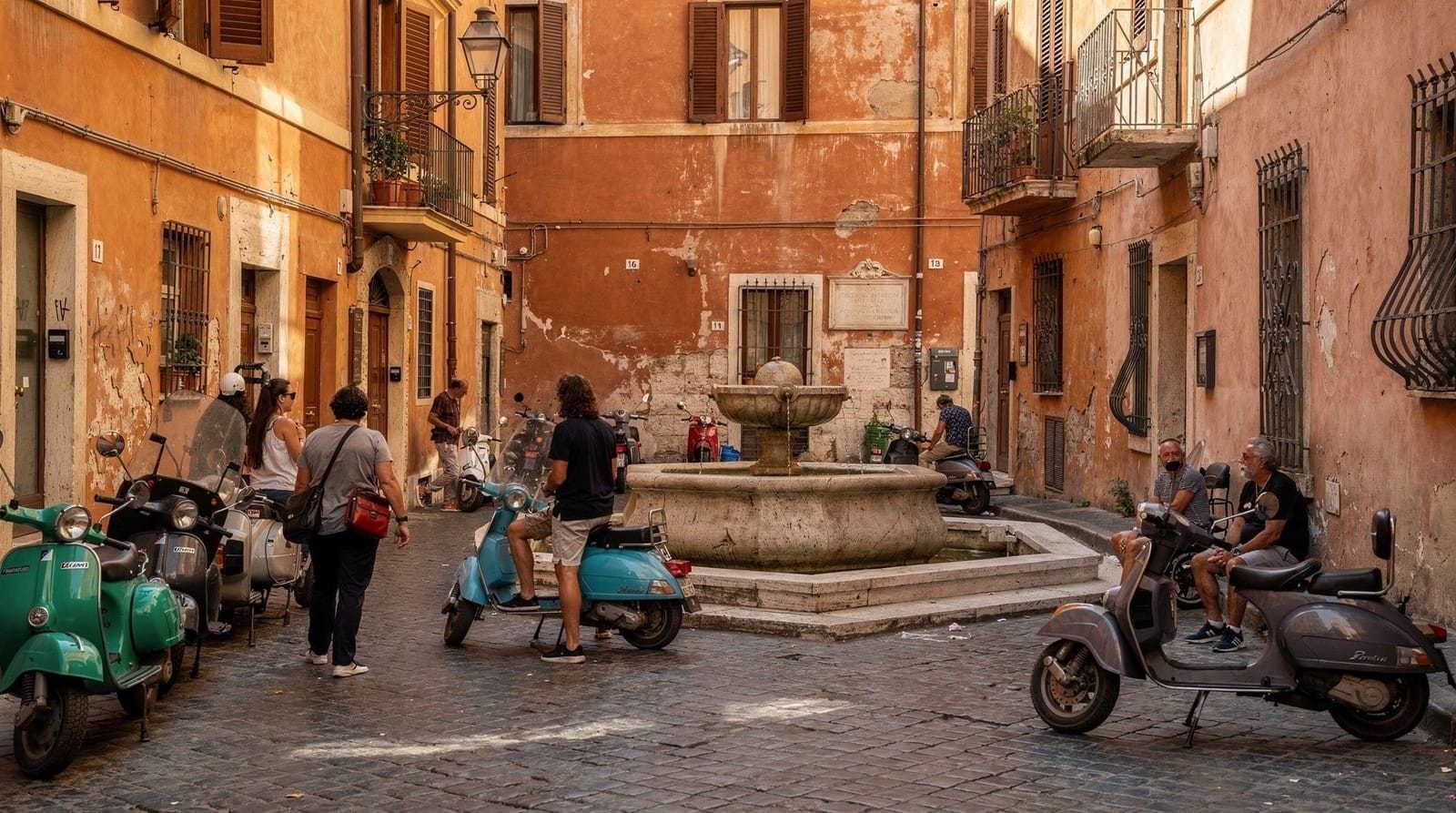
If there is one time of day that reconciles you to Rome in August, it is the evening. After 20:00, the temperature becomes comfortable. Romans who stayed in the city emerge. The fountains are lit. The piazzas fill with people eating gelato and doing nothing in particular. Rome at night in summer has a specific quality of ease that the city in shoulder season never quite matches — the pace is slower, the light is warm, and the major monuments lit against dark skies are extraordinary.
Rome by night: 3-hour guided walking tour — a night walk through the centro storico in August makes particular sense. The heat has dropped, the crowds have thinned slightly, and the city looks its best by artificial light.
What to wear and pack for August
Church dress codes apply year-round but become more logistically awkward in August — you need your shoulders and knees covered for the Vatican, all major basilicas, and many smaller churches, and the obvious impulse in 36°C heat is to wear as little as possible. The practical solution: thin, loose linen or cotton that covers the relevant bits without adding significant warmth. A light scarf that doubles as a cover-up. Comfortable walking shoes rather than sandals on cobblestones (though sandals work for afternoon breaks in piazzas).
Sunscreen is non-negotiable. A hat helps. A small fan costs €2–3 from souvenir shops and is not embarrassing to use — Roman women carry them openly.
Managing the heat like a local
Beyond the schedule adjustment already described, the Rome in summer heat guide goes deeper into practical heat management — cooling strategies, which neighbourhoods have more shade, and how to structure a full week rather than a single day. If you want the fuller month-by-month comparison rather than just August, the Rome weather month by month guide lays out exactly how August stacks up against the shoulder-season months, which is useful if your travel dates still have any flexibility.
Crowds: what “less crowded” actually means
It’s worth being precise about the crowds claim above. The avoid Rome crowds guide explains that “less crowded” in August means fewer Romans and fewer intra-European weekend visitors, not fewer people overall at the Colosseum or Vatican — those queues are driven by international summer holiday travel and remain long. The gain is mostly in restaurants, public transport, and residential streets, not at the ticketed sights themselves.
Honest verdict on August
April, May, late September, and October are genuinely better months to visit Rome. The temperatures are more comfortable, more local businesses are open, and the light is better for photographs. If you have the flexibility to choose, choose spring or autumn.
But August is not a bad time. The long evenings are beautiful. The cities feel more Italian and less tourist-saturated in the residential areas. The monuments are magnificent regardless of temperature. If you go prepared — booked in advance, carrying water, planning for the afternoon heat, looking forward to the evenings — Rome in August will give you what Rome always gives: more than you expected.
For the full planning picture, the best time to visit Rome guide covers month-by-month conditions in detail. For what an August itinerary might actually look like hour by hour, the 3-day Rome itinerary is a useful framework that can be adapted for the heat — shift the outdoor morning, indoor afternoon, outdoor evening pattern into every day and you will be comfortable.
FAQ
Does Rome empty out in August? Locals partially do — many Romans leave the city, especially around Ferragosto — but international tourist numbers stay high, so major sights remain busy and still require advance booking.
Are restaurants closed in Rome in August? Some are, particularly small neighbourhood spots in residential areas, for roughly one to two weeks around August 15th (Ferragosto). Restaurants in the centro storico and most tourist-facing areas generally stay open.