Is the Colosseum underground worth the extra cost? An honest verdict
Every conversation about the Colosseum eventually arrives at the same question: is the underground — the hypogeum — worth paying extra for? The short answer, which I’ll expand on considerably, is: yes, if you care about history and can book early enough. No, if you’re primarily a visual person, running short on time, or resistant to spending an additional €12–18 on top of an already substantial entry cost.
Here’s the longer version.
| Extra cost | around €12–18 on top of standard entry |
| Book ahead | 3–4 weeks (spring/autumn), ~6 weeks in July–August |
| Time added | 45–60 minutes on top of the standard visit |
| Best for | history-minded visitors with a flexible day |
| Skip if | you have one day in Rome or young children in tow |
What the hypogeum actually is
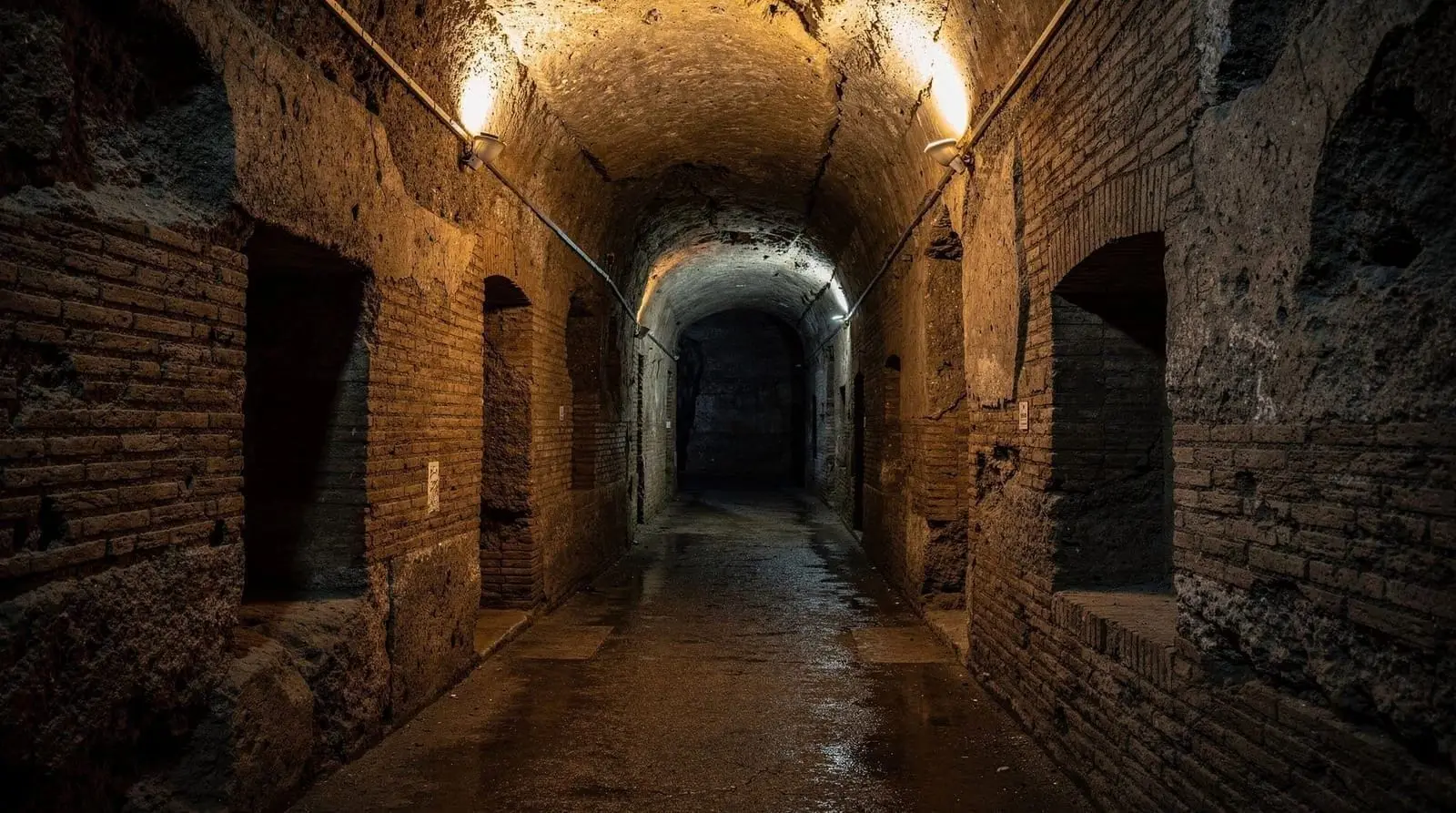
The hypogeum (from the Greek for “underground”) is the labyrinthine service infrastructure beneath the Colosseum’s arena floor — the system of tunnels, chambers, lifts, and passageways where gladiators, animals, and stage machinery were held before spectacles. It was buried under centuries of debris and only fully excavated in the twentieth century. For most of the Colosseum’s modern history as a tourist site, the hypogeum was inaccessible. It opened to visitors relatively recently, and the access is still managed carefully: not everyone who visits the Colosseum goes underground.
Structurally, it is extraordinary. You walk along elevated wooden walkways above the original Roman stonework, looking down into the chambers where lions, tigers, and bears (genuinely — Rome imported exotic animals on a massive scale) waited in cages before being winched to the arena floor through trapdoors. The engineering is sophisticated in ways that are surprising even when you know it’s coming: counterweighted lifts, drainage channels, spatial organisation that allowed dozens of separate areas to operate simultaneously without chaos.
What you see (and what you don’t)
The hypogeum is dark, atmospheric, and genuinely evocative. If you have any capacity to be moved by imagining the past, standing in those tunnels under the original Roman stonework is a powerful experience. You understand immediately why the arena floor above was not flat polished marble — it was a series of trapdoors, hatches, and lifts that needed this infrastructure below.
What you don’t see: the cages themselves. The winching mechanisms. Any of the animals that once occupied these chambers. What remains is the stone architecture, the original drainage channels, some interpretive signage, and the scaffolded walkways. It requires imagination — which is to say, it requires engagement. Visitors who approach it as a passive experience (the way you might watch a video) often find it underwhelming. Visitors who bring some context and curiosity tend to find it among the most memorable places in the city.
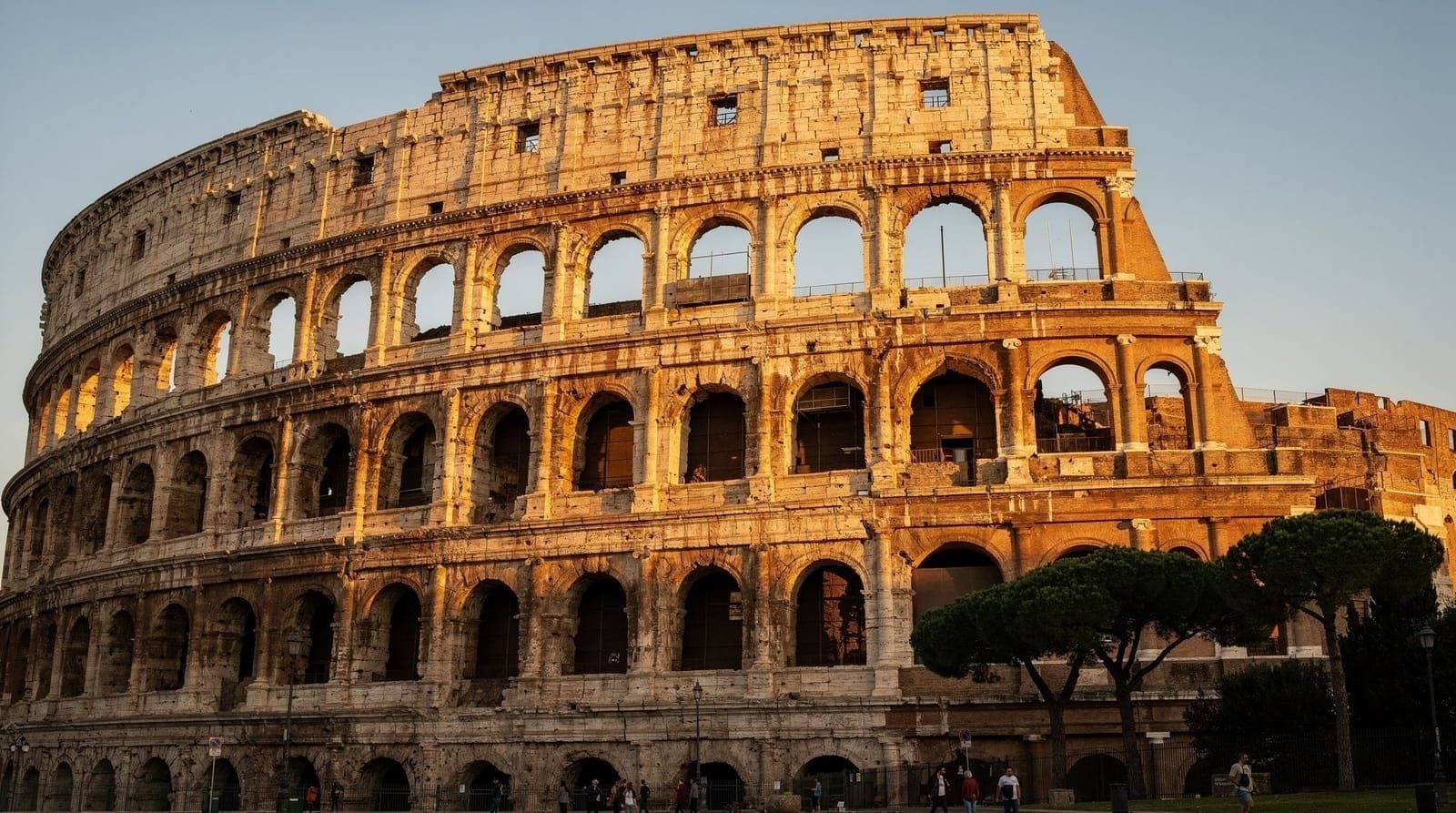
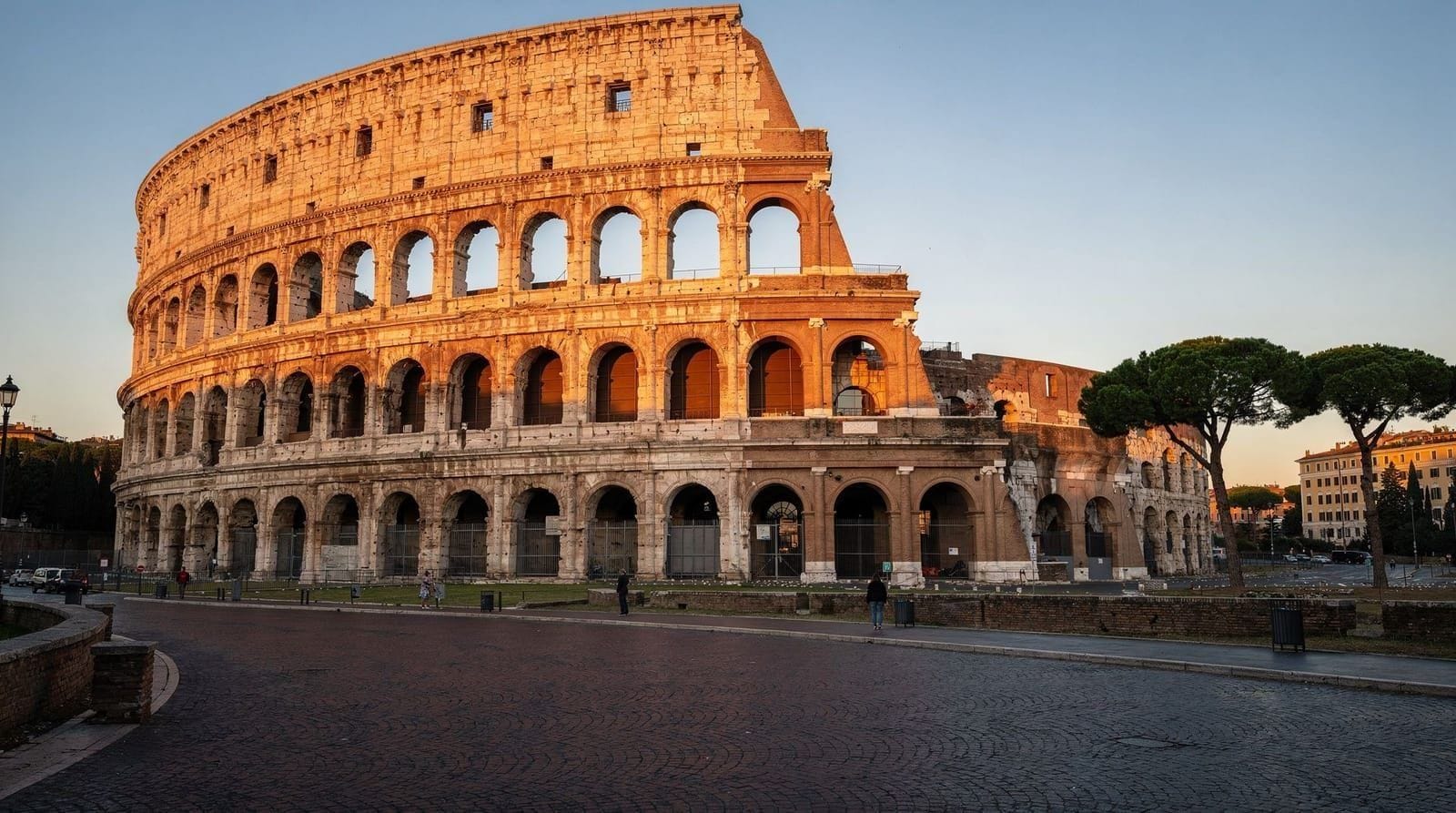
The arena floor — the reconstructed wooden floor that allows you to stand on the level where the fighting actually happened — is often included in the same ticket upgrade, and this adds considerably to the experience. Looking up from the arena floor at the steeply tiered seating is the photograph most people want from the Colosseum, and it is not available from the standard terrace levels.
The cost and booking reality
Standard Colosseum access (including the Roman Forum and Palatine Hill) costs €18 for adults (€2 reservation fee on top). The underground and arena floor upgrade adds approximately €12–18, varying by operator and tour type, putting the total cost at €30–38 per adult before any guide.
The booking reality is the harder part. The hypogeum has strictly limited access — fewer visitors per slot than the standard areas — and it sells out weeks in advance, particularly in peak season (April through October). Booking three to four weeks ahead is the minimum in spring and early autumn. In July and August, six weeks is not unreasonable.
You cannot simply decide on the day that you’d like to see the underground and walk in. The Colosseum’s booking system is nominative (your name is on the ticket), and the underground slots are managed separately. This means planning ahead is not optional — it’s structural to the experience.
Skip-the-line Colosseum and arena floor guided tourA guided tour that includes the arena floor — the reconstruction opened in recent years — gets you the elevated perspective without necessarily adding the full hypogeum. This is a reasonable middle option if underground access has sold out: you still get the arena-level view, the skip-the-line benefit, and a guide who can contextualise what you’re seeing.
Who should prioritise the hypogeum
History enthusiasts, archaeology readers, anyone who has seen Gladiator enough times to feel personally invested in the mechanics of how those spectacles actually worked — these people should book the hypogeum first and plan the rest of their Rome schedule around the availability. For them, the additional cost is entirely justified and the experience is likely to be a highlight of the trip.
Families with younger children: the underground walkways are narrow and the atmosphere is quite dark. It depends heavily on the children involved, but many families find the standard viewing levels more accessible and frankly better for small children who are not going to process the engineering significance of a drainage channel.
Visitors pressed for time: the standard Colosseum, Roman Forum, and Palatine Hill combined is already a three to four hour experience if done properly. Adding the hypogeum extends this and commits you to a specific time slot that constrains the rest of the day. If you have only one day in Rome, the tradeoff may not be worth it.
How it compares to your other Colosseum options
The hypogeum is one upgrade among several, and it’s worth seeing where it sits. Our Colosseum tickets guide breaks down every ticket type sold for the site, from the basic combo entry to the full underground-and-arena package, so you can see exactly what each price tier buys. If you’re undecided between spending the extra money on the hypogeum or on a guide for the standard route, the Colosseum, Roman Forum and Palatine Hill guide is useful context: the three sites share one ticket, and a good guide on the surface route can add as much insight as the underground does for some visitors.
If this is your first time weighing up ancient Rome’s big sites at all, the Colosseum vs Roman Forum: what to see first guide answers a related and more common question, and the Roman Forum guide is worth reading regardless of which Colosseum ticket you choose, since the Forum is included in the same admission and rewards a similar amount of context and imagination.
Booking logistics, step by step
Because hypogeum slots are the single most constrained part of the Colosseum’s ticketing system, it helps to treat the booking like a task with a deadline rather than something to sort out once you land. Our Colosseum booking step-by-step guide walks through the official portal, the common failure points (sold-out redirects, payment timeouts, name-matching requirements), and when a guided tour operator is the more reliable route. If you’re travelling in high season and the hypogeum is sold out by the time you look, the guide to avoiding Colosseum crowds has workable fallback strategies that still get you a good visit without the underground ticket.
The night tour alternative
One option that combines the underground with a genuinely different atmosphere is the night tour — the Colosseum lit after dark, with the underground and arena floor included.
Colosseum by night with underground and arena floor tourThe evening atmosphere is genuinely atmospheric — shadows, cooler temperatures, and far smaller groups than the daytime equivalent. The underground at night, with the original stonework lit selectively, is more cinematically impressive than in flat afternoon light. This is also typically the most in-demand and earliest-to-sell-out option, so book well ahead.
The honest summary
The hypogeum is worth it. Not for everyone in every circumstance, but as an experience it delivers on its premise: it genuinely illuminates the engineering and human reality behind the spectacles in a way that looking at the arena from the upper tiers does not. The cost is not insignificant, but in context — a trip to Rome that has already cost several hundred euros in flights and accommodation — the difference between a €18 ticket and a €36 ticket is not the thing that determines whether the day is worthwhile.
Book early. Read something about the history beforehand. Go in with questions about how the logistics actually worked. The underground will answer all of them, and you will leave knowing more about ancient Rome than most people who have spent a week in the city.
FAQ
Do I need to book the hypogeum separately from standard Colosseum tickets? Yes. Standard entry and the underground/arena floor upgrade are managed as separate, more limited allocations, so selecting standard access does not automatically include hypogeum availability.
Is the hypogeum accessible for visitors with mobility issues? Access is limited — the walkways are narrow, uneven in places, and involve stairs, so it is not well suited to wheelchairs or significant mobility restrictions. The standard upper-tier route is the more accessible option.