Hop-on Hop-off Bus Rome — Honest Review 2026
Rome: Big Bus Hop-on, Hop-off Open-Top Sightseeing Tour
The honest case against — and for — Rome’s sightseeing buses
Rome is one of Europe’s most walkable historic cities. The Colosseum to the Pantheon is a 25-minute walk. The Vatican to Trastevere takes 20 minutes on foot through some of the city’s most beautiful streets. Rome’s metro is fast, cheap, and reaches all the major attraction zones. And the ZTL restricted traffic zones — which cover most of the historic centre — mean that hop-on hop-off buses physically cannot reach many of the sites they advertise.
This is the context in which to evaluate these products. They are not useless, but they are far more limited in Rome than in cities like London or Barcelona where traffic and urban sprawl make bus-based sightseeing logical. Here is who actually benefits, which format to choose if you do book, and when to skip the bus entirely and walk or take the metro instead.
Rome Big Bus Hop-on, Hop-off Open-Top Sightseeing TourUnderstanding the ZTL: why the bus can’t go where you want it to
The ZTL (Zona a Traffico Limitato) restricts vehicle access to most of central Rome. Camera systems at zone boundaries photograph licence plates, and unauthorized entry results in automatic fines — often charged weeks later to rental car credit cards. Tourist buses are not exempt.
In practice this means the following major sites have no direct bus stop: the Pantheon, Piazza Navona, the Trevi Fountain, Campo de’ Fiori, the Jewish Ghetto, most of Trastevere, Piazza di Spagna (lower section), and the narrow streets of Monti. Stops for these areas are placed on boundary roads — Lungotevere for Trastevere, Via del Tritone for the Trevi area — which means a 10–20 minute walk to the actual site.
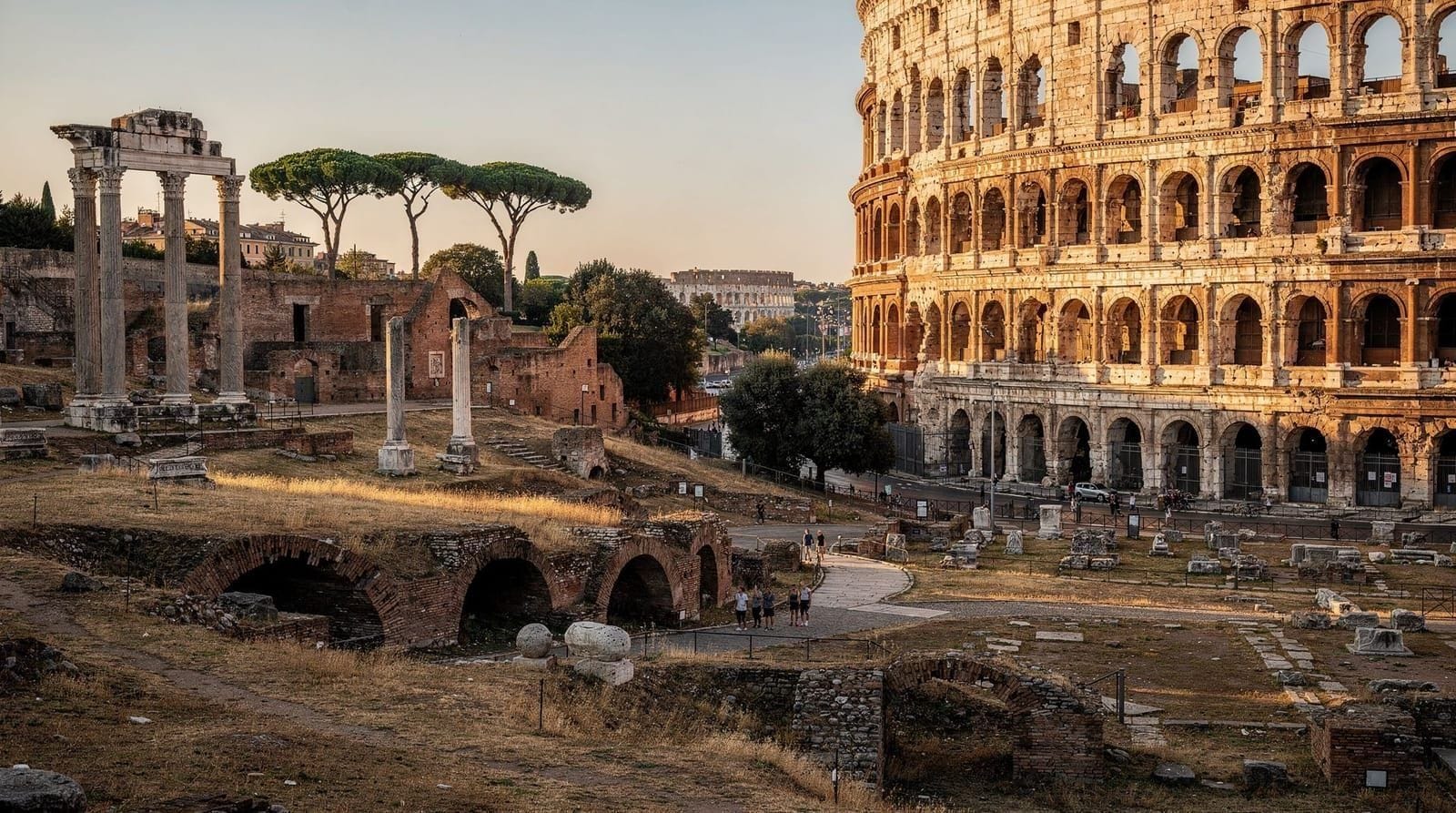
Sites that are accessible by bus include: the Colosseum (with a dedicated stop), Circus Maximus, Piazza Venezia (external view of Vittoriano), parts of the Via Veneto, the Borghese area, Piazza del Popolo, the Vatican boundary (not the Museums themselves), and the outer Appian Way direction. These represent the outer ring of major sites, not the historic heart.
The Big Bus: flagship format
The Rome Big Bus is the most established operator in the market, with open-top double-decker buses, a reliable frequency (approximately every 20–30 minutes in peak season), and a clean audioguide system covering 14 stops on the main route. The bus covers the standard sightseeing arc: Termini area, Via Nazionale, Piazza Venezia, Colosseum, Circus Maximus, Trastevere boundary, Lungotevere, Castel Sant’Angelo boundary, Piazza del Popolo, and Borghese area.
The open-top experience is genuinely pleasant when the weather cooperates — the views of the Vittoriano monument, the sweep of the Tiber near Castel Sant’Angelo, and the approach to the Colosseum from the bus top are legitimately photogenic. In rain or high heat (Rome averages 32–38°C in July and August), the open top is uncomfortable to miserable.
A 24-hour ticket runs approximately €28–€35; 48-hour tickets around €38–€45. The main limitation is frequency — in the morning rush (09:00–11:00) and afternoon tourist peak (14:00–17:00), buses fill and you may wait two or three cycles at popular stops.
Verdict: The best single-route option for the panoramic experience and the most reliable schedule. Most useful for the Colosseum–Circus Maximus–Trastevere arc.
City Sightseeing: the alternative operator
City Sightseeing Rome operates a competing network with slightly more stops and a different routing around the Borghese area. The audioguide is adequate; the buses are similar in quality. The main practical difference is that City Sightseeing includes a Tiber river boat hop-on hop-off option with some ticket tiers — a genuine addition that the Big Bus does not match, as the river offers good views of Castel Sant’Angelo and the Vatican skyline that the bus cannot replicate due to the ZTL.
For visitors specifically interested in combining a bus circuit with a Tiber perspective, City Sightseeing’s combination ticket is better value than paying separately. For visitors purely interested in the road-based tour, the two operators are comparable.
Verdict: Marginally better if the Tiber boat option interests you. Otherwise interchangeable with the Big Bus on quality.
The standard audioguide single-route bus
The Hop-on Hop-off Sightseeing Bus with Audioguide is the stripped-back version — a single route, basic audioguide, cheaper ticket (typically €20–€28). If you want to understand what you are looking at without committing to the premium operators, this does the job. The route is similar, the frequency slightly lower.
This format is best suited to visitors who want one circuit of orientation on arrival — a way to get a sense of the city’s geography before walking the next day — rather than a working transit tool they will use repeatedly. For that orientation use case, the single cheap loop genuinely helps.
Verdict: Good value for a single orientation circuit on arrival. Not worth the ticket price as a main transport tool.
The three-route panoramic: more city, more time
The Hop-On Hop-Off Panoramic Bus — 3 Routes extends coverage significantly with additional routes covering the Appia Antica direction, the EUR modernist district, and a longer northern arc through Parioli. For visitors with three or more days in Rome who specifically want to see beyond the tourist core, the additional routes deliver neighbourhoods that walking tourists rarely reach.
The EUR route is the most distinctive: Mussolini’s planned district of monumental rationalist architecture sits 30 minutes south of centre and is fascinating architecturally — the Palazzo della Civiltà Italiana (the “Square Colosseum”) is one of Rome’s most photogenic modern buildings. Getting there by bus is far easier than navigating the metro connection. The Appia Antica route gives views of the road and aqueduct landscape that walking or cycling provides better, but the bus is a practical option for visitors with mobility limitations.
At approximately €35–€42 for the multi-route option, the premium over the single route is reasonable if you will actually use more than one circuit.
Verdict: Best for visitors with several days who want to see EUR and the Appia Antica area without organising separate transport. Less useful if you are sticking to the historic centre.
Bus plus Colosseum: the most logical combination
The Hop-on Hop-off Bus and Colosseum Ancient Rome Tour bundles the bus ticket with a skip-the-line guided Colosseum and Forum tour. This is the best-value use of the hop-on hop-off product in Rome, for a practical reason: the Colosseum is the one major site that is genuinely awkward to reach without a vehicle (metro stops 10 minutes’ walk away; buses run infrequently), and the guided tour solves the mandatory advance-booking requirement simultaneously.
Note that Colosseum entry still requires a timed slot and the guided tour format means you are committed to a specific time, which limits the spontaneity of the hop-on hop-off element. Treat this product as a Colosseum tour with a bus pass included, not a flexible bus pass with a Colosseum add-on.
Verdict: The strongest value proposition in this comparison for visitors who have not yet arranged Colosseum access.
When to skip the bus and use the metro or walk instead
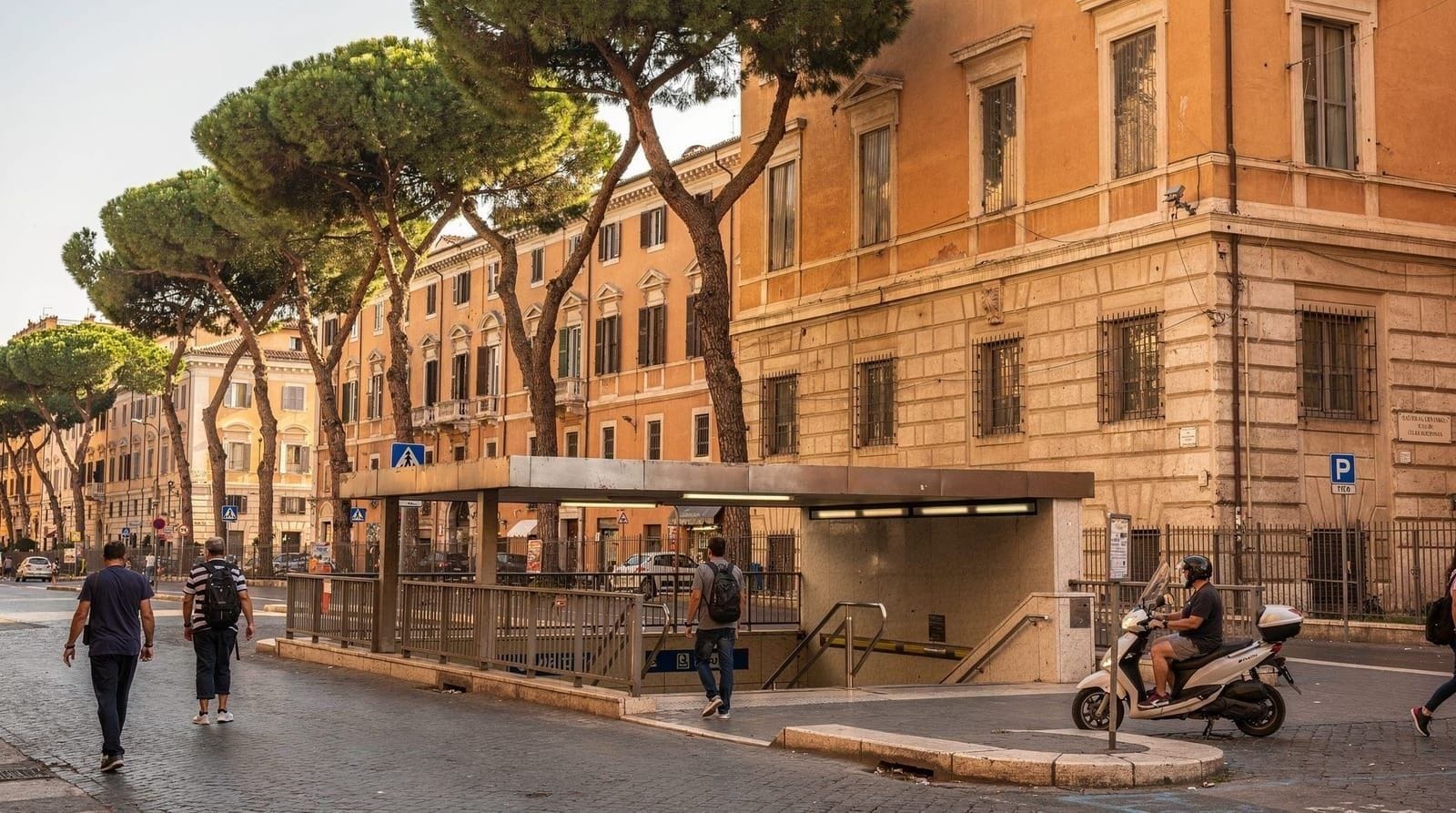
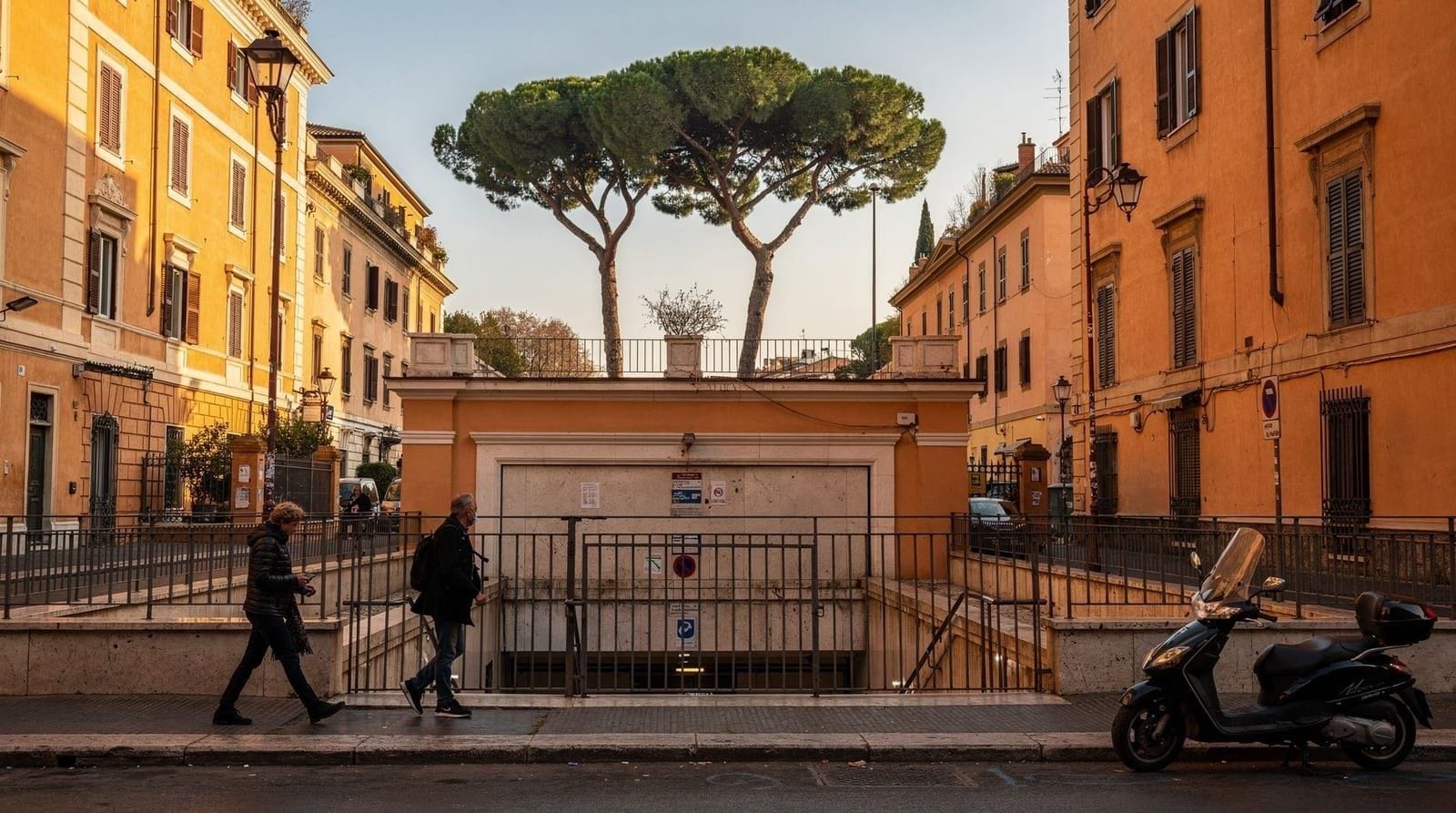
Be honest with yourself before buying a hop-on hop-off ticket in Rome. The metro covers the main tourist spine efficiently:
- Line A connects Termini, Spagna (Spanish Steps), Ottaviano (Vatican), and Lepanto. Journey time Termini to Vatican: 8 minutes.
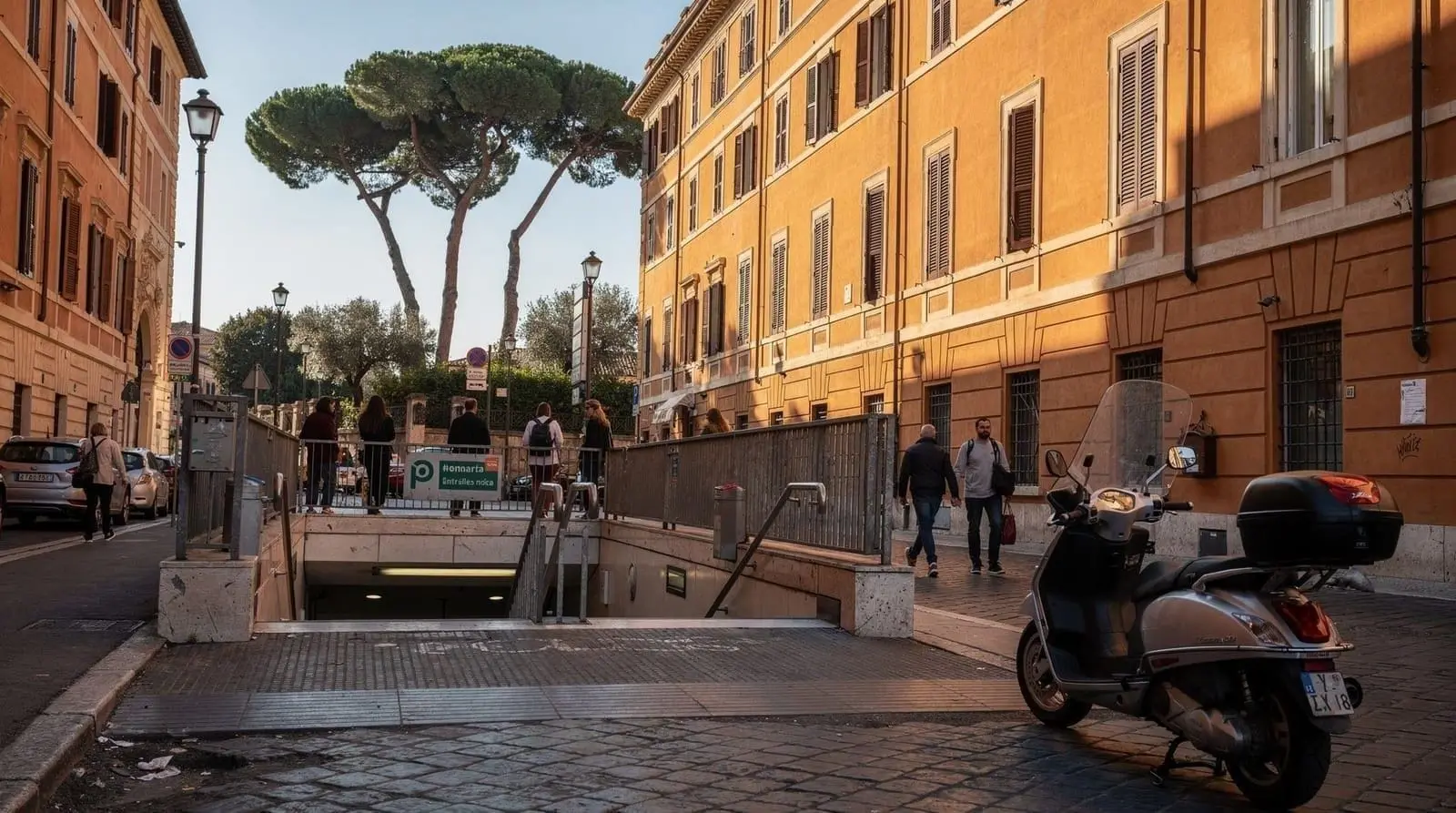
- Line B connects Termini to the Colosseum (Colosseo stop). Journey time: 3 minutes.
A 48-hour transit pass covering bus and metro costs €7. If your itinerary focuses on the Colosseum, Vatican, and Spanish Steps, the metro is faster, cheaper, and unaffected by traffic. The hop-on hop-off bus genuinely adds value only for the panoramic experience and for reaching sites the metro does not serve: Circus Maximus, the Borghese area, Piazza del Popolo, and the outer routes.
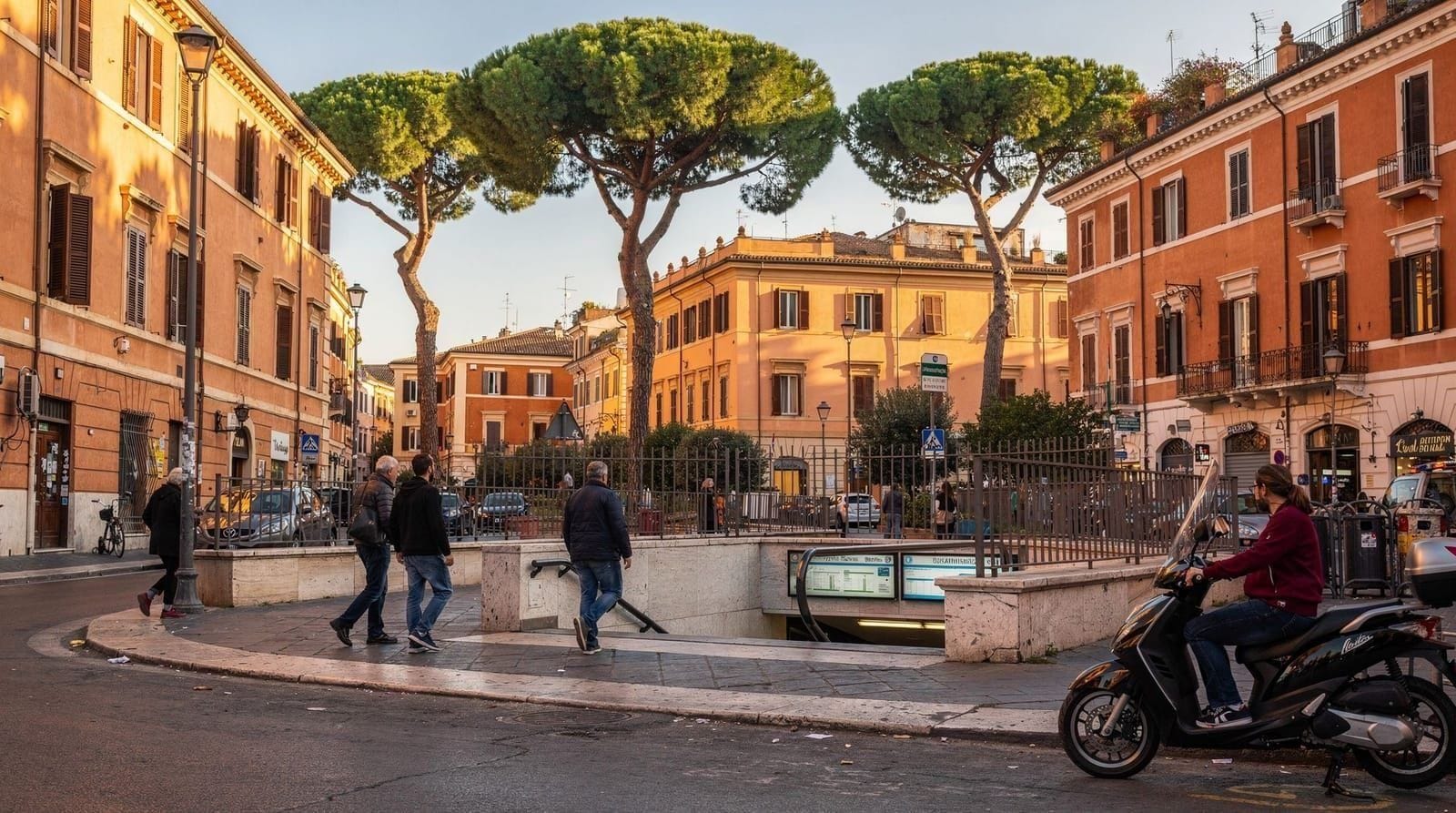
For everything in the Centro Storico — the Pantheon, Navona, Trastevere, Campo de’ Fiori — walk. It is always faster than any bus, you see more, and the streets themselves are the attraction.
See our getting around Rome guide and metro guide for a full transport comparison.
The honest summary
Hop-on hop-off buses in Rome are a niche product that serve specific needs well and general tourist transport poorly. If you want an open-top panoramic introduction to the city, the Big Bus or City Sightseeing are both competent. If you want to cover the outer reaches of the city efficiently, the three-route panoramic option genuinely earns its price. And if you want a Colosseum visit combined with bus access, the Colosseum and bus combo is the best practical package.
For most first-time visitors to Rome spending 3–5 days in the historic centre: skip the bus, buy a 48-hour metro pass, and walk everything in between. You will cover more ground, see more of the city, and save €30 per person in the process.