Rome Catacombs and Appian Way Tour — Honest Review 2026
Rome: Catacomb of St. Callixtus and Appian Way Guided Tour
What a Rome catacombs tour actually covers
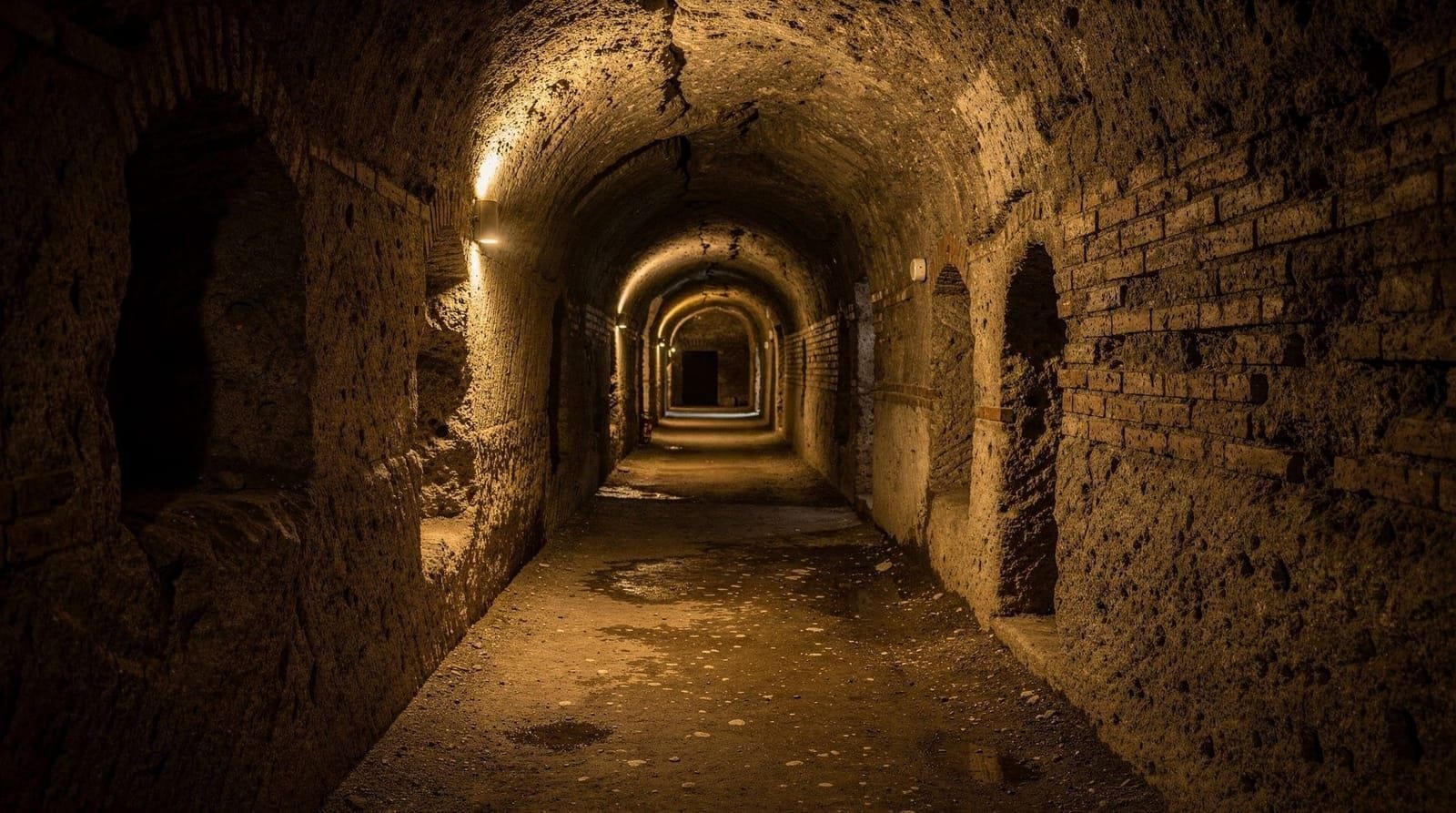
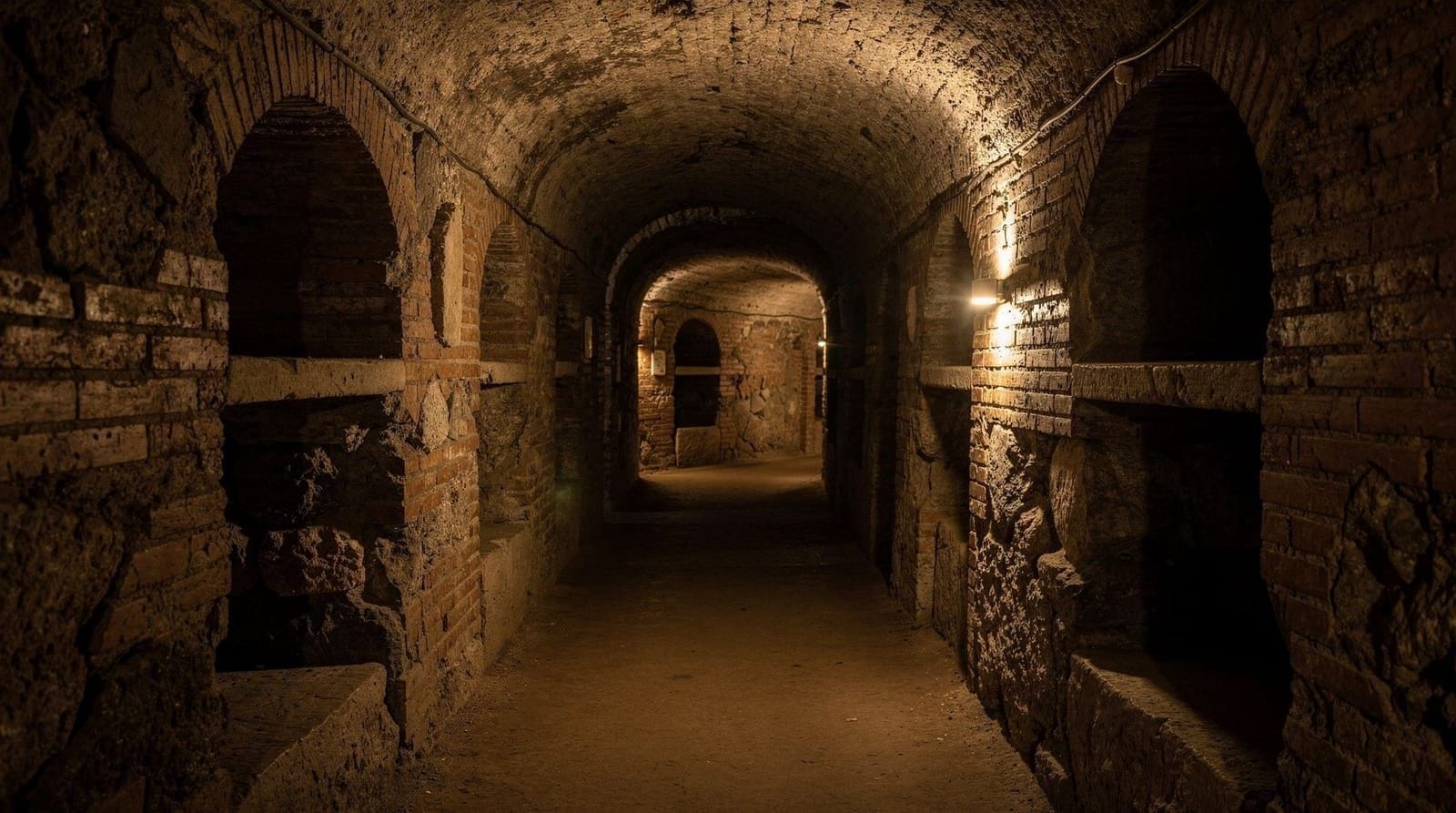
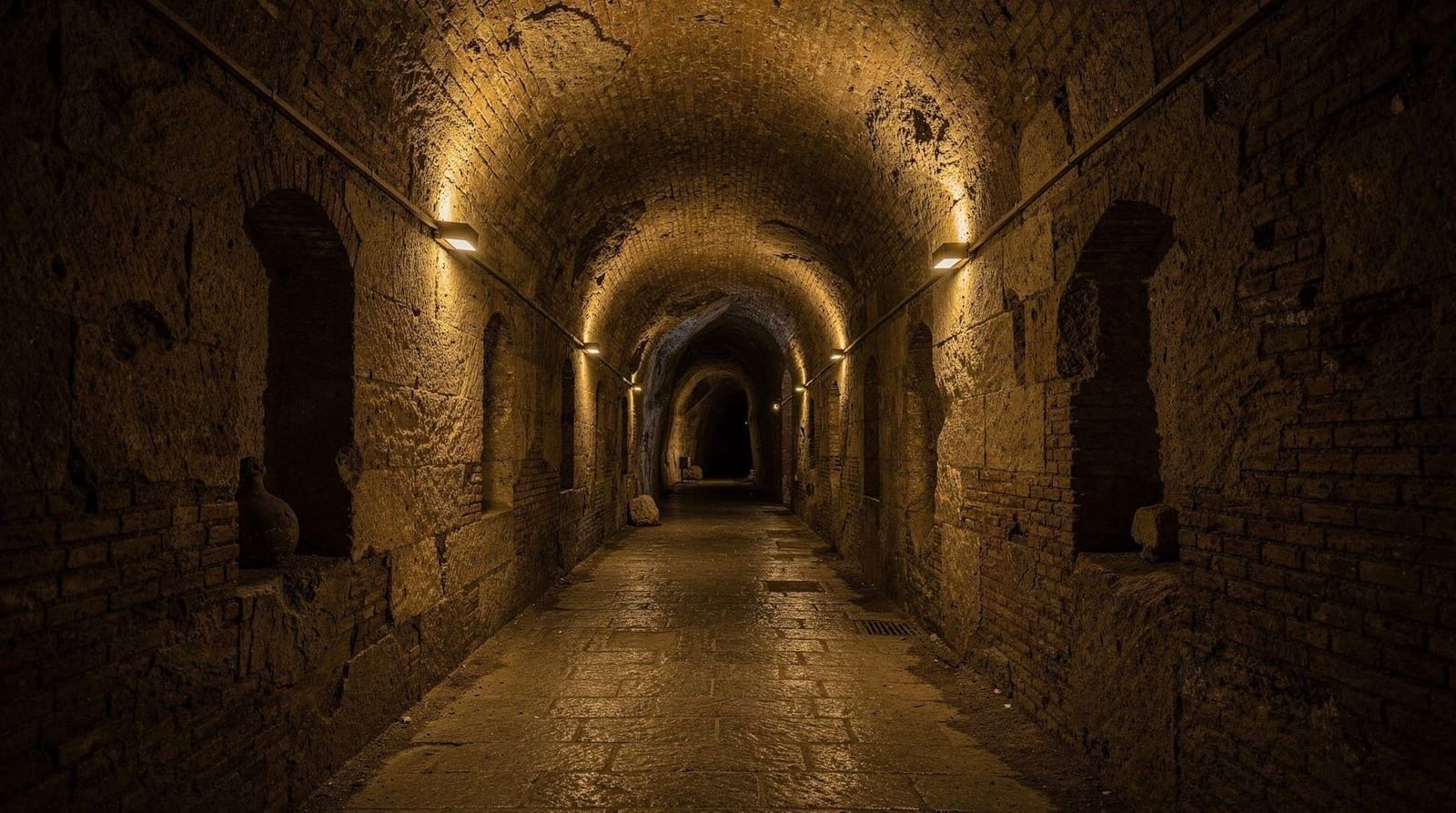
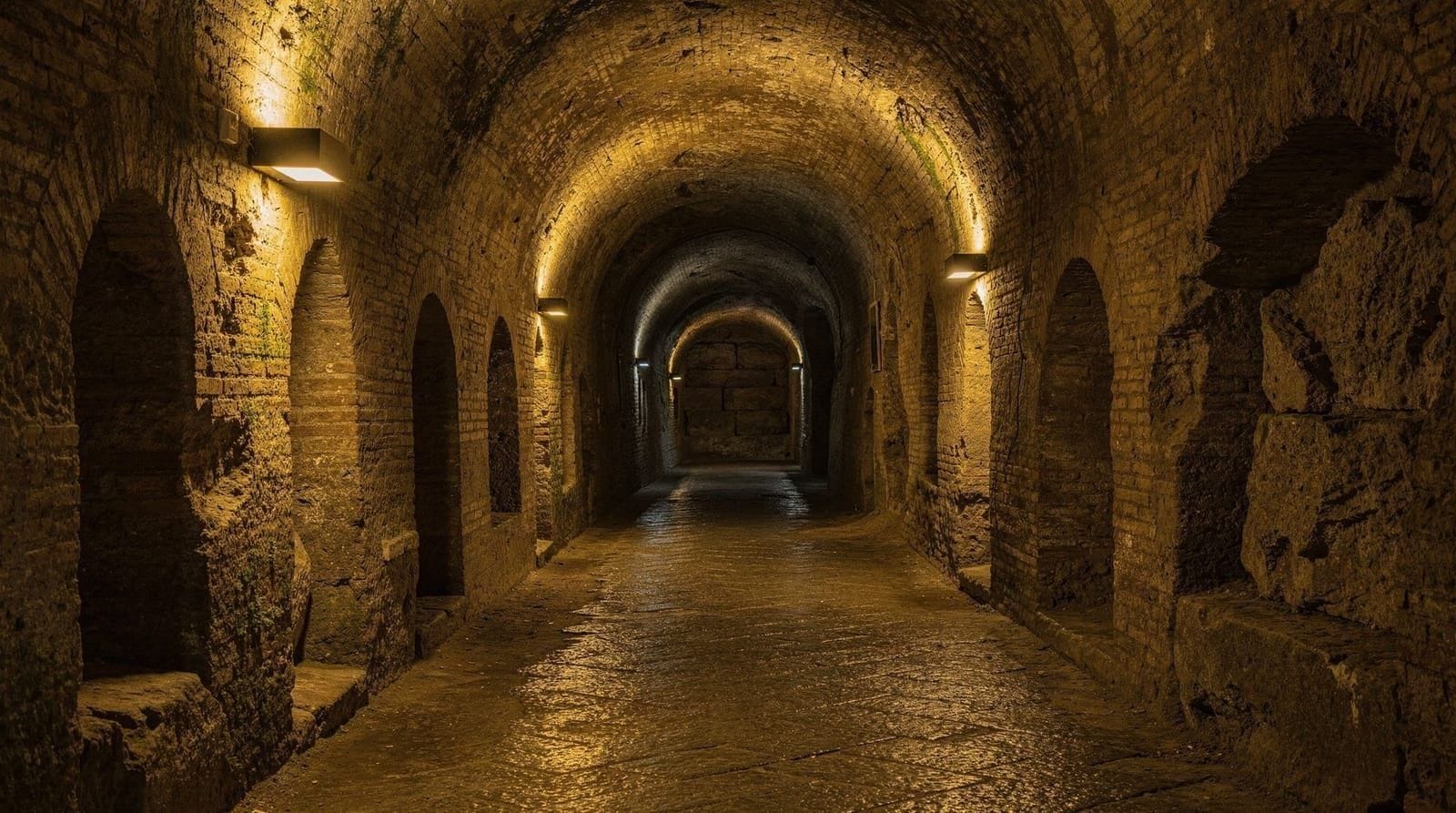
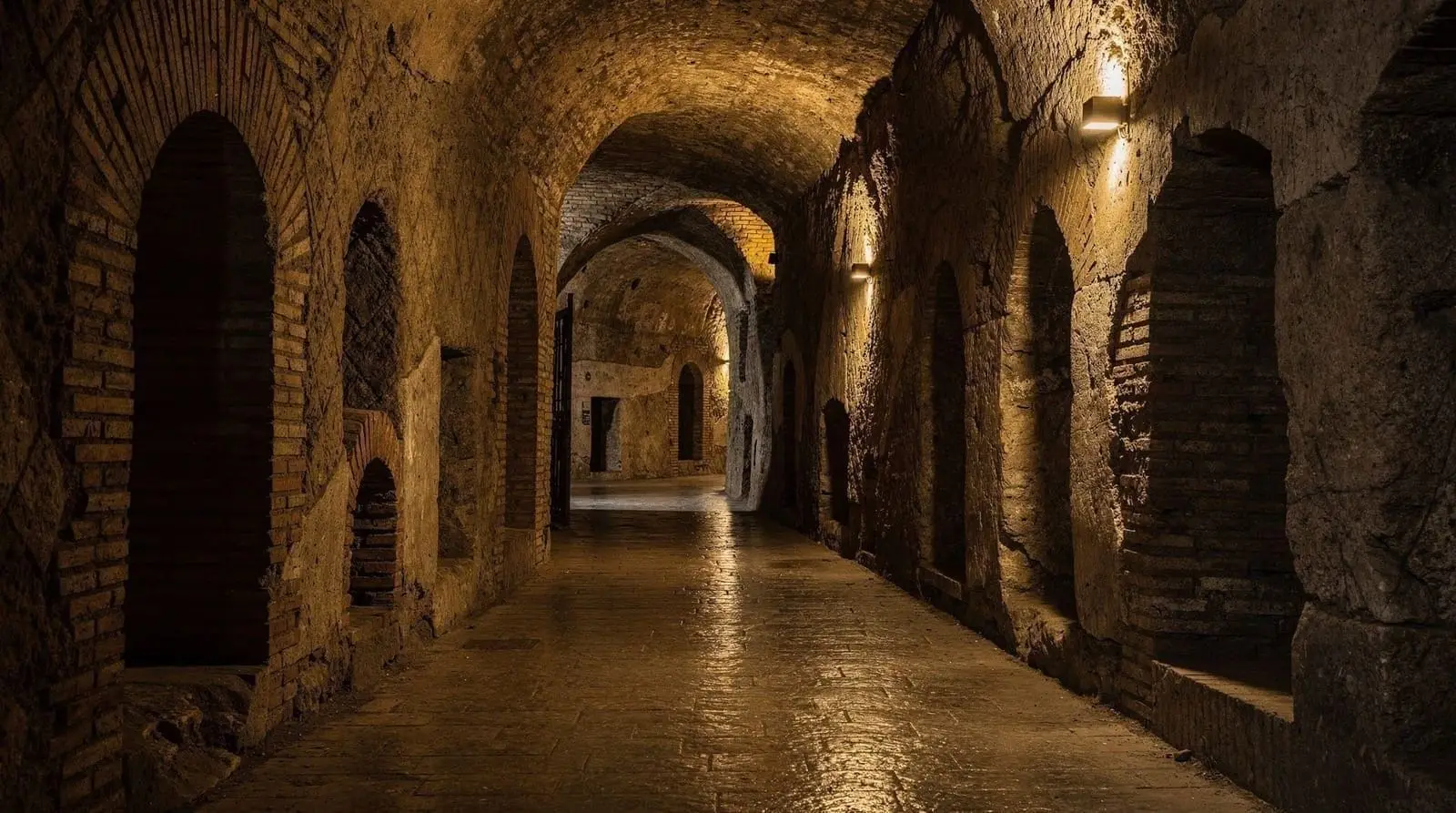
The catacombs of Rome are underground Christian (and Jewish) burial complexes carved into the volcanic tufa rock beneath the Campagna south of the ancient city walls. They date primarily from the 2nd to the 5th centuries CE, with the earliest sections contemporaneous with the later period of Roman persecutions and the conversion of the empire under Constantine. The major catacombs contain the tombs of early popes, martyrs, and thousands of ordinary Christians buried communally in carved loculi niches stacked 4–5 high along the passage walls.
They are not spooky charnel houses. They are quiet, cool, archaeologically rich, and in the case of Domitilla and Callixtus, genuinely beautiful — the cubiculae (family chambers) contain fresco cycles of biblical scenes executed between the 3rd and 5th centuries, faded but discernible. The guided tour is mandatory in all of them: you join a group at the surface entrance, descend into the tunnels with a guide, follow the indicated route for 30–40 minutes, and emerge at a different exit point. Independent wandering is not permitted for conservation and safety reasons.
The access logistics are what make a catacomb tour a sensible booking rather than a DIY excursion. The catacombs are 3–5 km south of the Colosseum along the Appian Way, outside the main tourist circuit, and the public bus service (Bus 118 from Circo Massimo) is infrequent and unreliable on return journeys. Tours with included transport genuinely solve a real problem.
Catacombs of St. Callixtus and Appian Way guided tourThe four main tour formats compared
Option 1: Catacombs and Appian Way day trip
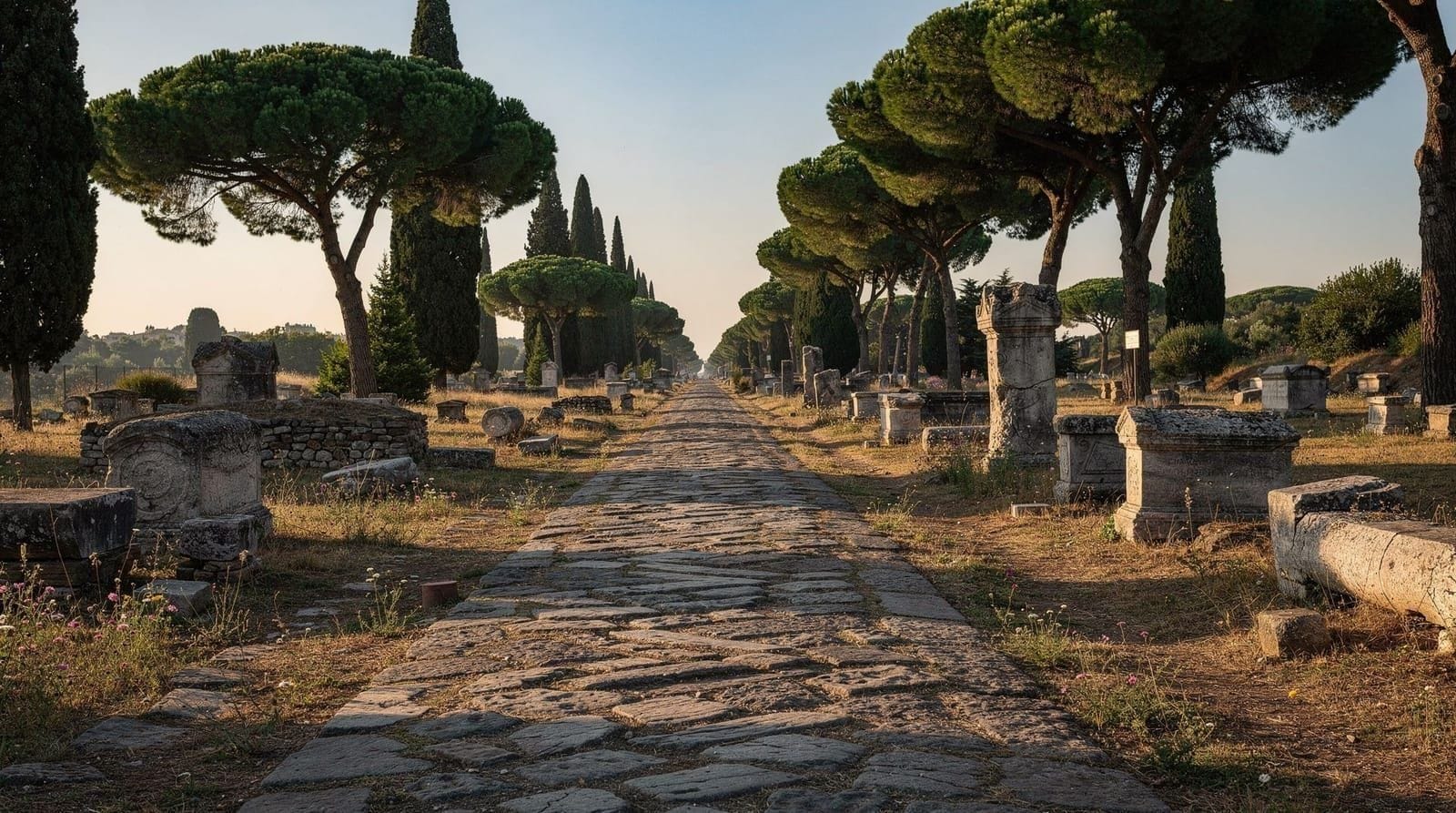
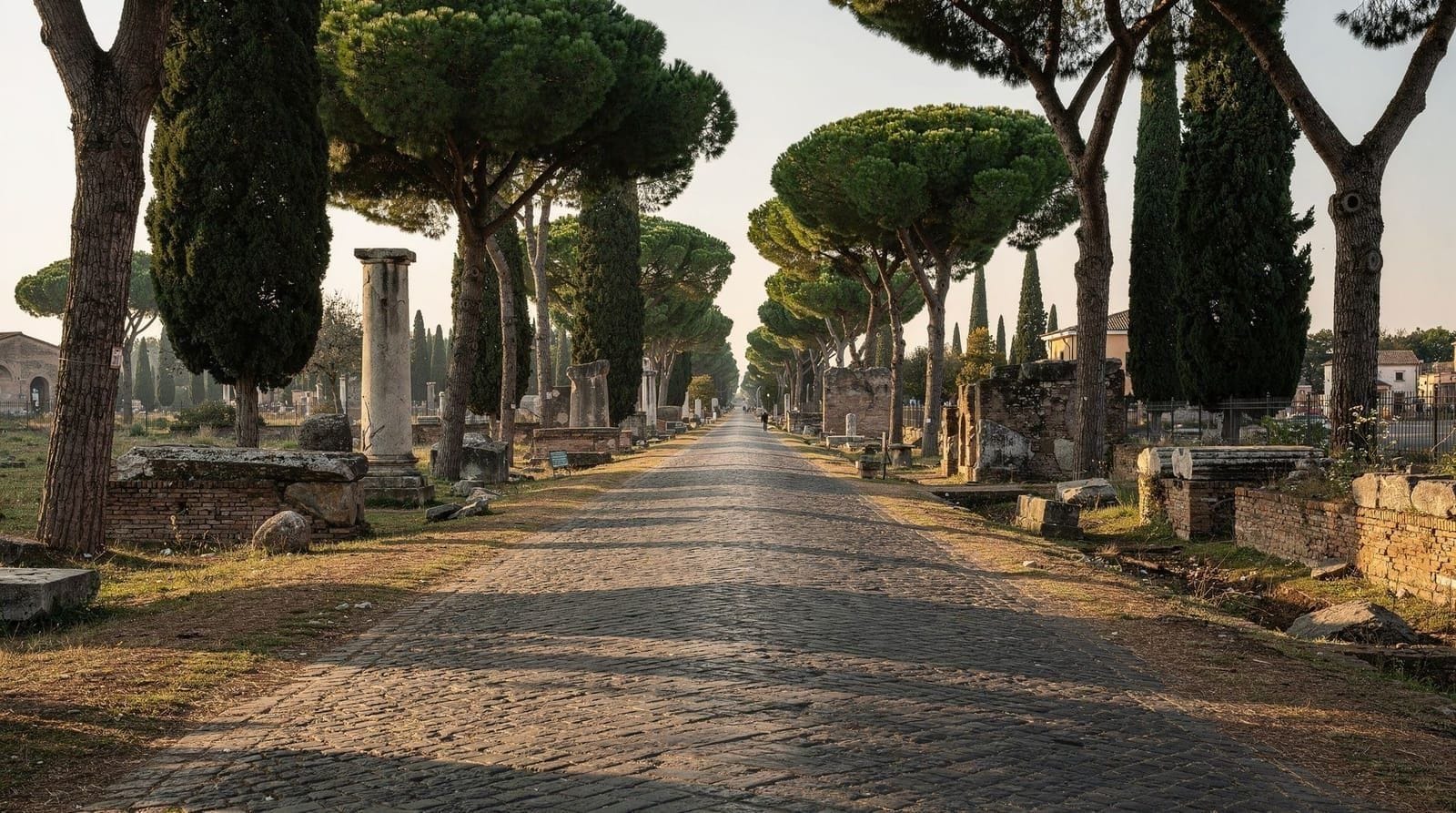
The Catacombs of St. Callixtus and Appian Way guided tour is the most comprehensive format: a guided half-day or full-day trip combining the catacomb visit with time on the Appian Way itself. The Appian Way (Via Appia Antica) is one of the oldest Roman roads, constructed in 312 BCE from Rome south toward Brindisi. Walking or cycling the ancient basalt paving among the tomb monuments, pine trees and fields is one of Rome’s genuinely distinctive experiences — the kind of afternoon that most tourists who stick to the centro storico entirely miss.
Price range: approximately €35–€60 per person. Duration is typically 3–5 hours depending on how much time is spent on the road. This is the best format for visitors who want to combine the underground catacombs visit with a genuine sense of ancient Rome’s urban periphery and its funerary landscape. The Appia Antica destination area is covered in the relevant guide.
Option 2: Catacombs skip-the-line English-language tour
The Rome catacombs skip-the-line tour in English is the practical standard option: confirmed entry to the catacombs with an English-speaking guide, bypassing any queuing at the ticket desk. The catacombs are not as subject to the kind of severe advance booking pressure as the Colosseum or Vatican, but in peak season the queues for the on-site guided departure groups (which leave every 30–40 minutes) can mean a wait of 1–2 hours if you turn up without a reservation.
Price range: approximately €25–€45 per person. Duration is typically 1.5–2 hours including travel time if transport is included. This is the lean option for visitors whose primary interest is the catacombs themselves rather than the broader Appian Way context.
Option 3: Catacombs of St. Callixtus entry and guided tour
The Catacombs of St. Callixtus entry ticket and guided tour focuses specifically on Rome’s most historically significant catacomb site. Callixtus (or Callisto) was the official catacomb of the Roman Church from the early 3rd century onward and contains the Crypt of the Popes (16 popes buried in a single chamber), the Crypt of St. Cecilia, and one of the largest preserved sections of early Christian painting in Rome.
Price range: approximately €30–€50 per person. Duration for the underground tour is around 35–45 minutes. The scholarly content at Callixtus tends to be denser than at other sites; guides here typically cover early Church organisation, the catechumenate, and the political context of 3rd-century Christianity with more depth than a general catacombs tour.
Option 4: Guided catacombs tour with transfers
The guided Roman catacombs tour with transfers includes hotel or meeting-point pickup and return transfer to the catacombs site. The transfer inclusion is the main practical value: as noted, reaching the catacombs independently requires navigating infrequent public buses or paying for taxis in each direction, which adds time and cost that partially offsets the lower base ticket price. For visitors without Rome transport experience, having a pick-up removes a significant logistical uncertainty.
Price range: approximately €40–€65 per person including transfers. Duration is typically 2.5–3 hours. This format works well for visitors staying in the historic centre who want the catacomb visit handled end-to-end.
Option 5: Catacombs and Tiber River boat combination
The Rome catacombs tour and Tiber River boat hop-on-hop-off pairs the catacomb visit with access to the Tiber hop-on-hop-off boat service along the river. The boat runs from the Foro Italico stop north of the Vatican down to Ostia and covers the main central Rome riverside stops including the Vatican Borgo, Castel Sant’Angelo, and Trastevere embankment.
Price range: approximately €45–€70 per person. This combination is best suited to visitors who specifically want to see Rome from the water on the same day; the boat itself is a pleasant way to cover the riverside without queuing for buses, and the combination with the catacombs makes for a varied half-day. For visitors without strong interest in the Tiber boat experience, the simpler tour-with-transfers format is a better fit.
A note on the different catacombs sites
The four main catacombs open to visitors are independent sites with different operators and admission prices:
Catacombs of St. Callixtus (Via Appia Antica 110): The official Church catacomb, administered by the Salesians. Entry approximately €8 adults. The Crypt of the Popes and the Crypt of St. Cecilia are the primary draws.
Catacombs of St. Sebastian (Via Appia Antica 136): Administered by a separate Catholic organisation. Entry approximately €8 adults. The site contains one of the best-preserved sections of Constantinian-era basilica alongside the burial tunnels. The famous graffiti wall with invocations to Saints Peter and Paul is here.
Catacombs of Domitilla (Via delle Sette Chiese 282): The largest catacomb in Rome, extending over 15 km. Entry approximately €8 adults. The early-Christian basilica underground, the preserved frescoes of the Good Shepherd and other cycles, and the intact cubiculae make this the best choice for art and atmosphere.
Jewish Catacombs of Villa Torlonia: Less commonly visited, accessible only on specific research permits or special tours.
Tours typically specify which catacombs they visit; confirm this before booking if you have a preference between sites.
Practical notes for an Appian Way visit
Getting there independently: Bus 118 from Circo Massimo (Line B metro) or Bus 218 from San Giovanni (Line A metro) serve the Appian Way. Service is roughly every 30–40 minutes; check the ATAC app for real-time information. The journey takes 15–25 minutes depending on traffic.
Sundays: the Appian Way is closed to private vehicles on Sundays, making it accessible by foot and bicycle from Porta San Sebastiano. The Appian Way and aqueducts guide covers the broader road and its monuments in detail.
Temperature: bring a light layer regardless of the season. The underground passages are maintained at around 15°C year-round — pleasant in July but cold if you’re dressed for summer.
Photography: permitted in most catacombs without flash; confirm on arrival as policies vary slightly between sites.
The Rome underground tours compared guide covers other underground Rome experiences — including the Capuchin Crypt, San Clemente’s archaeological layers, and the Domus Romane — for visitors interested in exploring below street level more broadly. The Capuchin Crypt guide covers the Capuchin ossuary on Via Veneto, which is a different type of experience from the Appian Way catacombs and combines well with a visit to the centro storico.
Verdict
A catacombs visit is one of the experiences that most first-time Rome visitors underestimate and many come away surprised by. The combination of genuine antiquity, early Christian history, accessible archaeology and the physical strangeness of the underground environment makes it a valid alternative to a third museum visit.
The Appian Way day trip format is the best of the available options: it combines the mandatory underground guided tour with time on one of Rome’s most distinctive landscapes, and the historical layering — Roman tomb monuments, early Christian burials, medieval churches built atop earlier foundations — is precisely the kind of depth the honest Rome planning guides recommend seeking out beyond the obvious monuments.
Book a tour that includes transport unless you are comfortable navigating the Bus 118 independently. And visit the catacombs in summer — the 15°C temperature underground is a genuine relief.