Civitavecchia (cruise port)
Arriving at Civitavecchia on a cruise? Here is how to get to Rome in 1h10, what to do with 6–8 hours, and what the port area is actually like. Honest
Fiumicino Airport – Civitavecchia Cruise Port Transfer
Quick facts
- Distance from Rome
- ~80 km northwest
- Train to Roma Termini
- 1h–1h15, ~€5–8 (Trenitalia regional)
- Transfer by shuttle bus
- ~1h30, €15–25 per person one way
- Transfer by private car
- ~1h10, €70–100 shared/private
- Port parking
- Available; check your cruise line for rates
Your cruise ship docks here — Rome is 80 km away
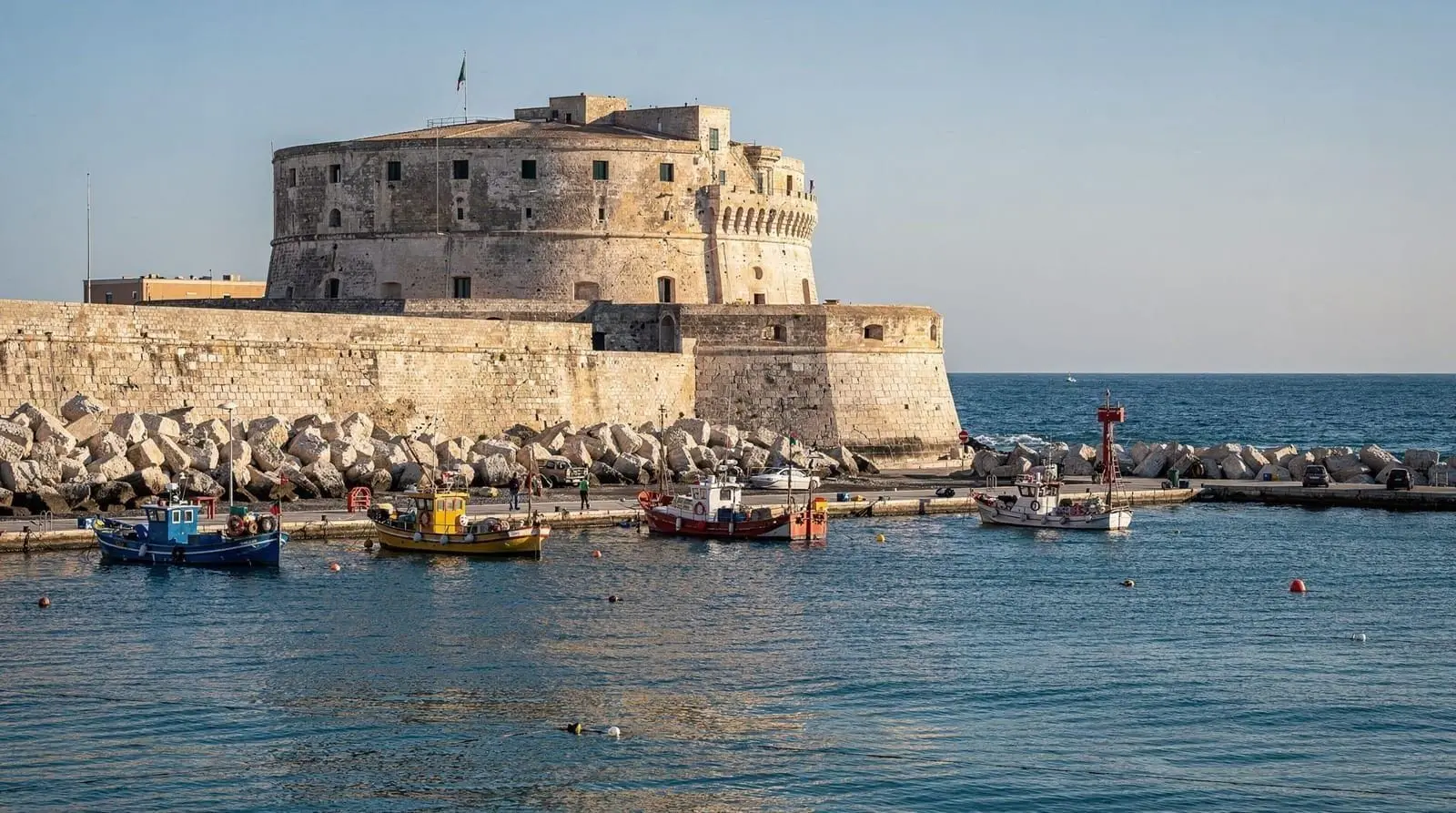
Civitavecchia is Rome’s main seaport — the cruise terminal for Mediterranean itineraries serving the Italian capital. The port itself is functional rather than scenic: container handling, ferry terminals (Sardinia, Corsica, Sicily), and cruise ship berths in a large industrial bay. The town of Civitavecchia has a pleasant seafront fortification (the Forte Michelangelo, designed by Bramante and continued by Michelangelo) and a working fishing quarter, but most cruise passengers arrive here for one reason only: to reach Rome.
This guide is primarily for cruise passengers with 6–10 hours in Civitavecchia. The goal is to make the transfer logistics clear, set realistic expectations about how much of Rome you can see in a day, and prevent the most common mistakes (missing the ship, getting caught in Roman traffic, paying €150 for a transfer that should cost €30).
Getting from Civitavecchia to Rome
By train (best value, highly recommended)
The train is the most reliable and cost-effective option. Civitavecchia station is about 1.5 km from the main cruise terminal — walkable in 20 minutes or a short taxi ride.
- Trenitalia regional trains run directly to Roma Termini approximately every 30–60 minutes.
- Journey time: 1h–1h15 depending on the service.
- Cost: approximately €5–8 one way (fix fare; no advance booking needed).
- Buy tickets at the station machine or counter. Validate (stamp) the ticket before boarding.
Honest note: Check the actual departure time of your ship the day before. If the ship leaves at 17:00, take a train back from Roma Termini no later than 15:00, ideally 14:30 — that leaves 1h15 buffer for the train plus taxi to the ship. Build in buffer. Ships do leave without passengers.
By shuttle bus (cruise-line and third-party)
Various operators run shuttle buses between the cruise terminal and central Rome (usually Piazza Venezia or Roma Termini):
- Journey time: approximately 1h30–2h depending on traffic (Rome traffic can add significant time in summer mornings).
- Cost: €15–25 per person one way for group shuttles.
- Convenient if your ship’s gangway is far from the station and you are not comfortable navigating Italian trains.
By private car or taxi (most flexible)
- Private transfer: €70–100 for a shared private car from port to central Rome, up to 4 passengers. Pre-book online rather than taking whatever waits at the dock — dockside touts charge significantly more and the quality varies.
- Official taxis: Should use meters or negotiated fares. Expect €80–120 for a taxi from Civitavecchia to central Rome (ask before you get in).
What to avoid
- Dockside “official tour” sellers who approach you as you disembark. Prices are inflated 30–50% compared to the same tours sold online.
- Unlicensed taxis — use white cars with meters or pre-booked transfers.
- Overconfident scheduling — if your ship departs at 17:00 and you plan to visit the Colosseum (timed entry required) plus the Vatican (long queues), you are attempting too much. Choose one major site or several smaller ones within walking distance of each other.
What to do in Rome in 6–8 hours
With a realistic 6–8 hours in the city (accounting for 1h15 travel each way), you have 3.5–5.5 hours for actual sightseeing. That is meaningful — but only if you do not try to see everything.
Recommended: the Centro Storico walkthrough
The area between the Pantheon, Piazza Navona, Campo de’ Fiori, and the Trevi Fountain covers Rome’s greatest public spaces within a 20-minute walk. This requires no advance tickets and no fixed schedule.
- Trevi Fountain: Arrive before 10:00 if possible — it fills with crowds mid-morning. The coin toss is a genuine Roman tradition but €1–2 is plenty.
- Pantheon: Entry now requires a ticket (€5 standard, €3 reduced; no longer free). Queues are manageable at opening (9:00). Timed slots bookable online at ticketpantheon.it.
- Piazza Navona: Free, excellent for coffee (sit at one of the cafés facing Bernini’s Fountain of the Four Rivers — the best €4 you will spend).
- Campo de’ Fiori: Morning produce market; buy fruit or browse.
See the Centro Storico guide for a more detailed walkthrough.
Alternative: Ancient Rome (Colosseum area)
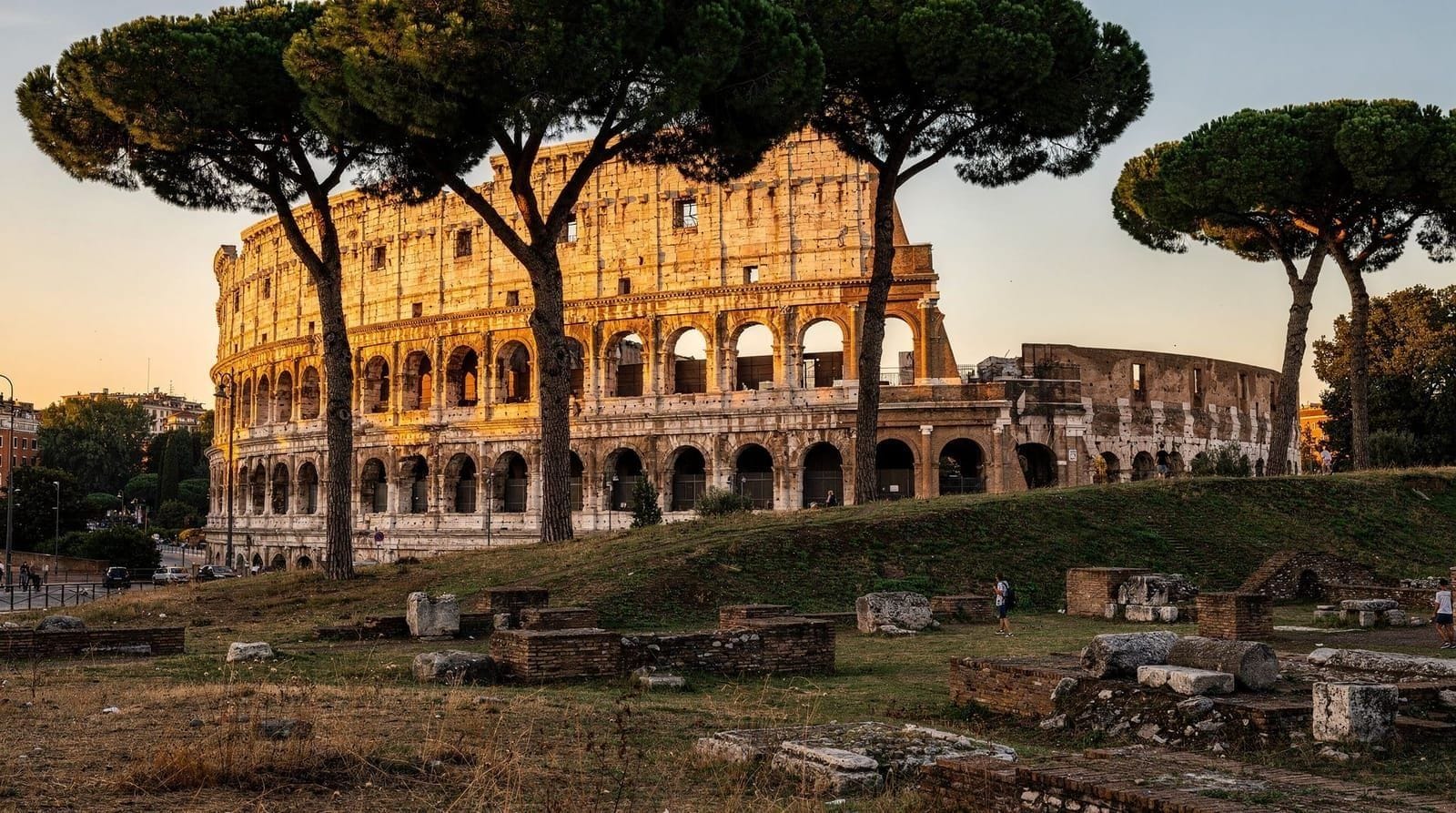
The Colosseum requires a timed-entry ticket booked in advance — you cannot walk up and buy one on the day (they are nearly always sold out). If you have pre-booked, the combined Colosseum + Roman Forum + Palatine Hill ticket costs €18–24 and fills a solid 3 hours.
If you have not pre-booked: Do not go to the Colosseum. The queues outside are for people who have already booked; walk-up tickets sell out well in advance. Go to the Centro Storico instead.
See the Celio & Colosseo guide for current booking details.
Alternative: Vatican
The Vatican is a 30-minute metro ride (or 30-minute walk) from Roma Termini. Vatican Museums + Sistine Chapel require advance booking — without a ticket, the external queue takes 2–3 hours. Book in advance at the official Vatican Museums website or via a guided tour with skip-the-line access.
Honest time assessment: Vatican Museums + Sistine Chapel + St. Peter’s Basilica = minimum 3.5–4 hours including transit. This is viable from Civitavecchia only if you arrive in Rome by 9:30 and leave by 14:30. Tight. Build in buffer.
See the Vatican & Prati guide for booking links and realistic timing.
Cruise stopover itinerary
The dedicated cruise stopover itinerary builds a 6-hour, 8-hour, and 10-hour version of a Rome day from Civitavecchia, with realistic timings and built-in transport buffers.
Civitavecchia itself: what is actually here
Most cruise guides treat Civitavecchia as a non-destination, but if you want to skip the Rome rush:
Forte Michelangelo: A 16th-century fortification on the port headland, co-designed by Bramante and worked on by Michelangelo himself (the circular keep is attributed to him). Entry is €5–8; views from the top are good. Open Tuesday–Sunday.
The fish market (Mercato Ittico) operates early morning (05:00–09:00) on the harbour — genuine working market, entirely untouristy.
Lungomare Pirgo: The main beach area south of town, reachable by bus or taxi (15–20 minutes). Clean sand, good for a swim if you would rather relax than commute.
A meal of fresh fish in Civitavecchia’s port-side restaurants costs significantly less than Rome — this is working Italy, not tourist Italy. Ristorante Il Miraggio (Via Braccianese Claudia) and Da Gennaro (Largo Plebiscito) are reliable local options.
The Civitavecchia cruise port: layout and practical orientation
Civitavecchia’s cruise terminal complex is large — multiple docks handle different ship sizes, and your gangway exit point determines how far you are from the train station. Understanding the layout in advance saves confusion:
Darsena Roma (northern piers): The main cruise berths. Exit via the port’s northern gate — a 5-10 minute walk to the main road, then 15–20 minutes on foot to the train station, or a short taxi ride (~€8–10).
Autostazione di Civitavecchia (the bus terminal): Adjacent to the rail station. If you are taking a bus transfer, this is where you board.
Forte Michelangelo: Visible on your left as you exit the port’s northern gate — the hexagonal Renaissance fortress on the headland. It takes about 10 minutes to walk from the cruise terminal gate to the fortress entrance.
Most cruise lines post shuttle information at the gangway. If yours offers a shuttle to the train station (some lines do for a small fee), this simplifies the logistics slightly. Check the night before.
Shore excursions: cruise-line vs. independent
Your cruise line will sell shore excursions to Rome, typically running €80–150 per person for a standard group bus tour with a guide. These handle everything — guaranteed return before the ship sails, a guide, and a coach that keeps to schedule.
The honest trade-off: You pay significantly more (a train ticket costs €5–8 vs. €80–150 for the organized excursion), the coach itinerary is fixed and often spends time in tourist-designated stops, and you travel with a large group. For travellers who are comfortable navigating independently, the train is straightforwardly better value and more flexible.
When the cruise excursion makes sense: If you are travelling with elderly family members, have limited mobility, prefer guaranteed logistics, or are travelling solo and want company, the cruise-line tour removes the planning overhead. Just do not be surprised by the price difference.
Third-party private tours (not the cruise line’s own product) offer a middle ground: private car from the port to Rome, guided itinerary, guaranteed return. These cost around €60–100 per person for a group, which is comparable to (or cheaper than) cruise-line pricing. Several Rome-based operators specialize in cruise port pickups.
Safety and scam awareness at Civitavecchia port
The area immediately outside Civitavecchia’s cruise terminal has its own version of the standard cruise-port hustle:
Unlicensed taxi touts: Men will approach you with offers of transfers to Rome at fixed prices. These are not licensed operators; pricing is entirely negotiable (for them, not in your favour) and quality varies. Use pre-booked transfers, or walk to the official taxi rank.
“Best deal” tour sellers: People with clipboards offering “private tours” to Rome that turn out to be group buses with a sales pitch. If you want a tour, book it in advance from your cabin the night before.
Merchandise sellers near the terminal gate: Not a scam exactly, but the lemon goods, Rome souvenirs, and bottled water sold immediately outside the terminal are all priced for last-minute tourist desperation. Buy water at a bar in town at normal Italian prices (€0.50–1).
The Forte Michelangelo: The fortress itself has an entirely legitimate ticket booth and guided tours — it is a genuine state cultural site, not a tourist trap. Entry at face value.
Returning to the ship: a checklist
- Train from Roma Termini: Buy your return ticket when you buy the outbound. Last viable departure depends on your ship’s boarding deadline — confirm with your cruise line.
- Traffic risk: If returning by bus or taxi, allow extra time in summer afternoons (16:00–18:00 traffic on the Via Aurelia corridor can add 30–45 minutes).
- Boarding cut-off: Most ships close the gangway 30–60 minutes before departure. Treat the boarding cut-off, not departure time, as your hard deadline.
- If you miss the ship: Go to the cruise line’s local agent (contact details in your shore excursion paperwork); they deal with this situation regularly and can arrange transport to the next port.
Making the most of a longer port call (8–10 hours)
If your ship docks early (07:00–08:00) and departs late (18:00–19:00), you have a genuine 8–10 hours to work with. That opens Rome up considerably:
Morning: Ancient Rome Catch the 07:30–08:00 train to Termini. With a pre-booked timed-entry Colosseum ticket, arrive at the Colosseum by 09:30 for a 3-hour circuit of the Colosseum, Roman Forum, and Palatine Hill. See the Celio & Colosseo guide for the walk and booking instructions.
Lunch: Testaccio or the Aventine A 20-minute walk from the Forum takes you to Testaccio — the food heartland of Rome. Flavio al Velavevodetto (Via di Monte Testaccio 97) does Roman classics (cacio e pepe, coda alla vaccinara) at fair prices for the quality. Alternative: grab street food at the Mercato di Testaccio (covered market, open Tuesday–Saturday until ~14:30).
Afternoon: Centro Storico The Pantheon, Piazza Navona, Trevi Fountain, and Campo de’ Fiori are connected by a 20-minute walk. The Trevi is best visited at 14:00–15:00 on a weekday (the worst morning crowds have thinned). The Pantheon now requires a ticket (€5; buy online at ticketpantheon.it to skip the walk-up queue). See the Centro Storico guide for the walking route.
Return train: Leave Roma Termini by 15:30–16:00 to be back at the port by 17:00 with a 30-minute buffer before boarding closes.
Civitavecchia to Fiumicino: cruise-to-flight connections
Some Mediterranean itineraries have passengers disembarking in Civitavecchia and continuing directly to Fiumicino (FCO) airport rather than into Rome. This is a specific transfer with practical logistics:
Train route: Civitavecchia → Roma Termini (1h) → Leonardo Express to FCO (~32 min) = approximately 1h45 total. Cost: ~€5 (Civitavecchia–Termini) + €14 (Leonardo Express). The Leonardo Express runs every 15 minutes from Termini. For early-morning flights, this combination is reliable.
Private transfer: A direct car from Civitavecchia to FCO takes approximately 50 minutes–1h15 by the Via Aurelia coastal road, bypassing Rome entirely. This option is significantly simpler than the train route for passengers with large luggage. Pre-booked transfers cost €70–100 for a shared car.
Pre-booked shared transfers between Fiumicino airport and Civitavecchia cruise port — fixed pricing and no negotiation required with local drivers.Matching your port-call length to a realistic plan
The single biggest planning mistake is choosing an itinerary sized for more hours than you actually have. Here’s a realistic breakdown by port-call length (accounting for a 1h15 transit buffer each way).
| Port call | Realistic sightseeing time | Recommended plan |
|---|---|---|
| 6 hours | 3–3.5 hours | Centro Storico walk only (Trevi, Pantheon, Navona) |
| 8 hours | 5–5.5 hours | Colosseum/Forum (pre-booked) or Vatican, plus a short Centro Storico stop |
| 10 hours | 7–7.5 hours | Ancient Rome in the morning, Centro Storico or Trastevere in the afternoon |
| 12+ hours | 9+ hours | Full ancient Rome + Vatican combination, or add a relaxed Trastevere lunch |
If your call is on the shorter end, resist the temptation to add “just one more stop” — the transit buffer is not optional, and missing the ship is a genuinely serious problem that a rushed extra site is not worth risking.
Already seen Rome? Alternatives closer to the port
Repeat cruise visitors who have already covered central Rome sometimes prefer to explore northern Lazio instead of repeating the same train commute. Lake Bracciano is roughly 40 minutes from Civitavecchia by car and offers a genuine volcanic-lake town with none of Rome’s crowds — a good half-day option if you have your own transport or a pre-booked driver. Viterbo, the medieval papal city, is also more accessible from Civitavecchia than from central Rome for those coming from the port side, and makes a quieter alternative to another Rome day.
Neither option is well served by cruise-line shore excursions, which are built around Rome almost exclusively — a private driver or rental car is the practical way to reach either.
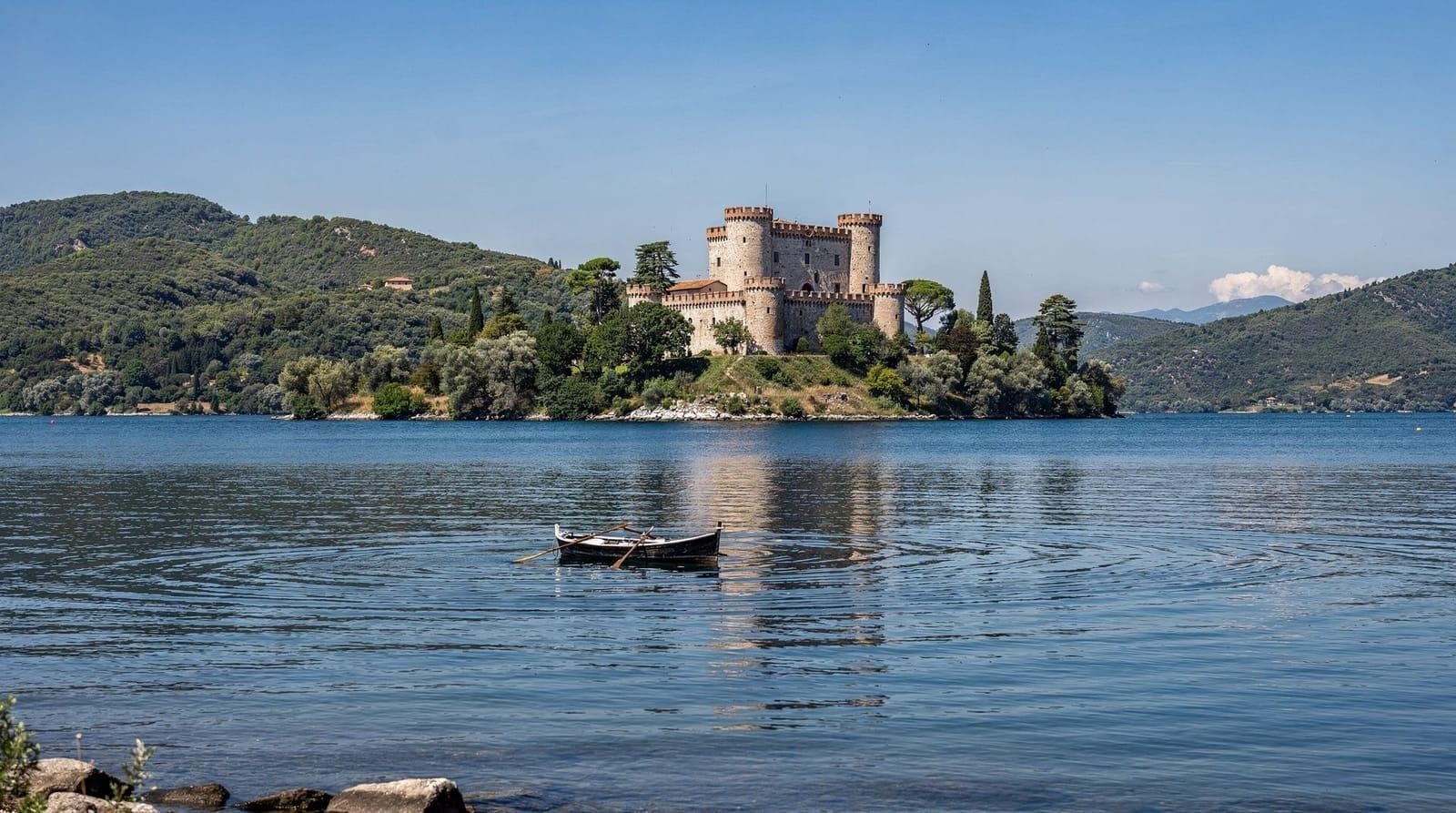
Bracciano in particular suits a relaxed, low-effort port day: the lake town has a genuine medieval castle (Castello Orsini-Odescalchi), lakeside restaurants serving fresh fish rather than tourist-menu pasta, and none of the queueing that defines a Rome day. For travellers who have done Rome on a previous cruise call and simply want a pleasant, unhurried few hours off the ship, it’s a legitimately better use of the day than a third repeat visit to the Trevi Fountain.
Frequently asked questions about Civitavecchia
How far is Civitavecchia from Rome and how long does it take?
Civitavecchia is about 80 km northwest of Rome. By train, the journey takes 1h–1h15; by car or private transfer, approximately 1h–1h30 depending on traffic. Trains are the most reliable for timing.
What is the cheapest way to get from Civitavecchia to Rome?
The regional train is the best value: approximately €5–8 one way from Civitavecchia station to Roma Termini. Trains run regularly throughout the day. Buy tickets at the station machine; validate before boarding.
Can you visit Rome on a cruise stopover from Civitavecchia?
Yes — it is entirely feasible with good planning. Allow 1h15 each way for the train and have a focused itinerary. With a 6-hour port call, you can realistically do the Centro Storico walk (Trevi, Pantheon, Navona) or the Vatican (if pre-booked). Attempting both in one day is too rushed for most people.
Do cruise passengers need to book the Colosseum in advance?
Yes, emphatically. Colosseum timed-entry tickets need to be booked weeks in advance from the official Colosseo ticketing site. Walk-up availability is essentially zero. If you have not booked, skip the Colosseum entirely and go to the Centro Storico or Forum area on foot instead.
Is Civitavecchia worth staying in for the day instead of going to Rome?
For some travellers — particularly those who find Rome’s tourist-density exhausting or have already visited — yes. The Forte Michelangelo is genuinely interesting, the fish market is authentic, and the beaches at Pirgo are pleasant. A day in Civitavecchia costs a fraction of a Rome day and involves zero tourist crowds. It is an honest alternative.
What transfers are available between Civitavecchia and Rome?
Options include: regional train (€5–8, most reliable for time), organized shuttle buses (€15–25/person, convenient but slower in traffic), and pre-booked private cars/taxis (~€70–100 per journey). Avoid taking unmetered taxis from cruise terminal touts — the pricing is not regulated in your favour.
What should I do with a short 6-hour port call?
Stick to the Centro Storico walking route — Trevi Fountain, Pantheon, Piazza Navona and Campo de’ Fiori are all within a 20-minute walk of each other and need no advance booking. Anything requiring a timed-entry ticket (Colosseum, Vatican) is too risky to attempt on a 6-hour call unless you’ve already secured a slot for early morning.
Is there anything worth doing that isn’t in Rome itself?
Yes, for repeat visitors — Lake Bracciano and Viterbo are both closer to Civitavecchia than central Rome and offer a quieter alternative, though they require a private driver or rental car since cruise shore excursions are built around Rome almost exclusively.
Top experiences
Bookable activities with verified prices and instant confirmation on GetYourGuide.