Tivoli Day Trip from Rome — Villa d'Este & Hadrian's Villa Honest Review 2026
From Rome: Villa d'Este and Hadrian's Villa Tivoli Day Tour
Rome’s closest UNESCO day trip
Tivoli sits 30 km east of Rome in the foothills of the Lazio Apennines and contains two UNESCO World Heritage Sites within 5 km of each other. That density of significance on a relatively short journey makes Tivoli one of the most efficient day trips available from the capital — accessible, varied, and genuinely extraordinary at both stops.
The Villa d’Este and Hadrian’s Villa Tivoli day tour from Rome is the established full-day format covering both villas with guided commentary. It is the right choice for visitors who want to understand what they are looking at in the context of 2,000 years of history, not just walk through two large sites unguided.
Villa d’Este: the fountain garden
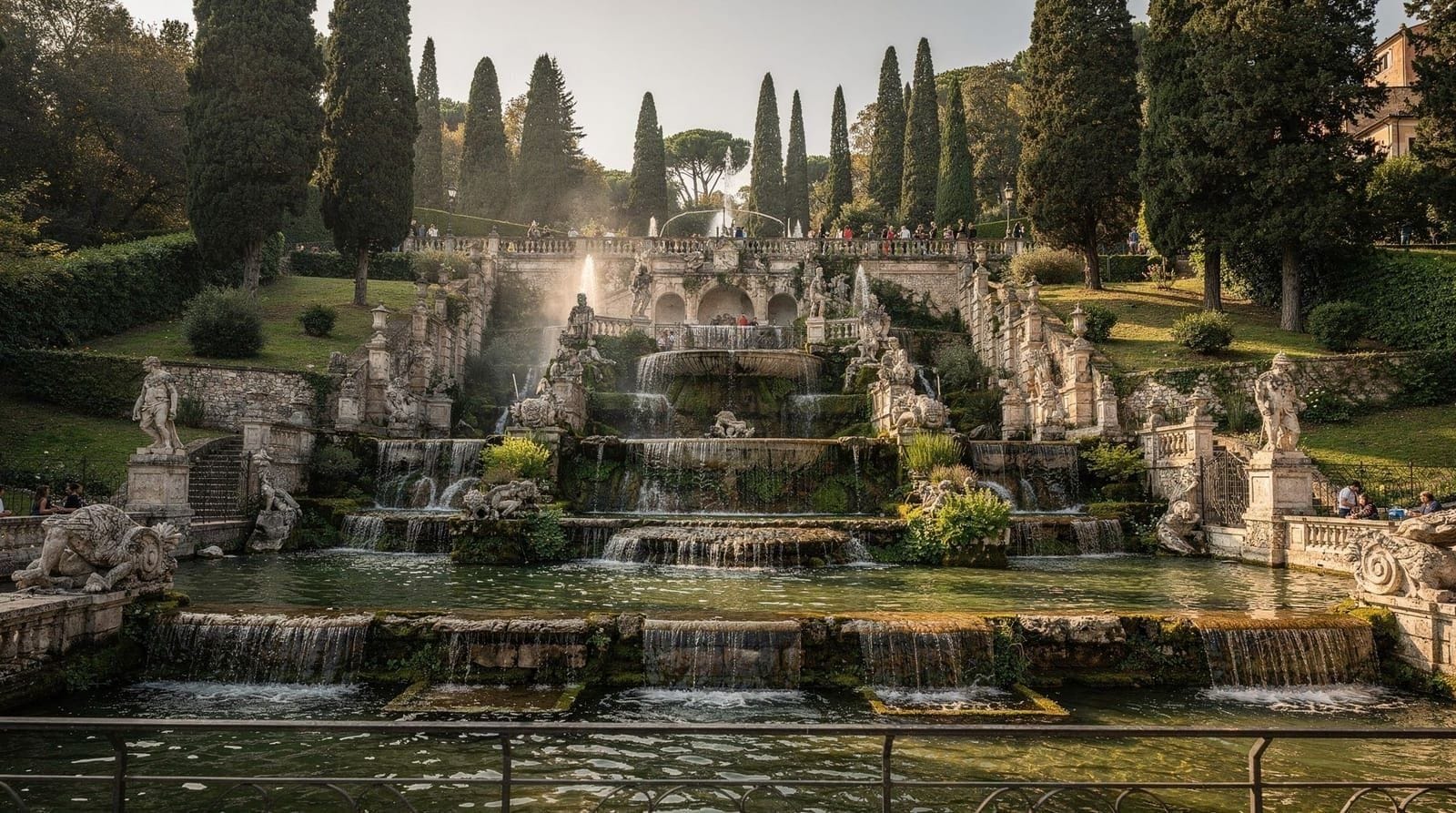
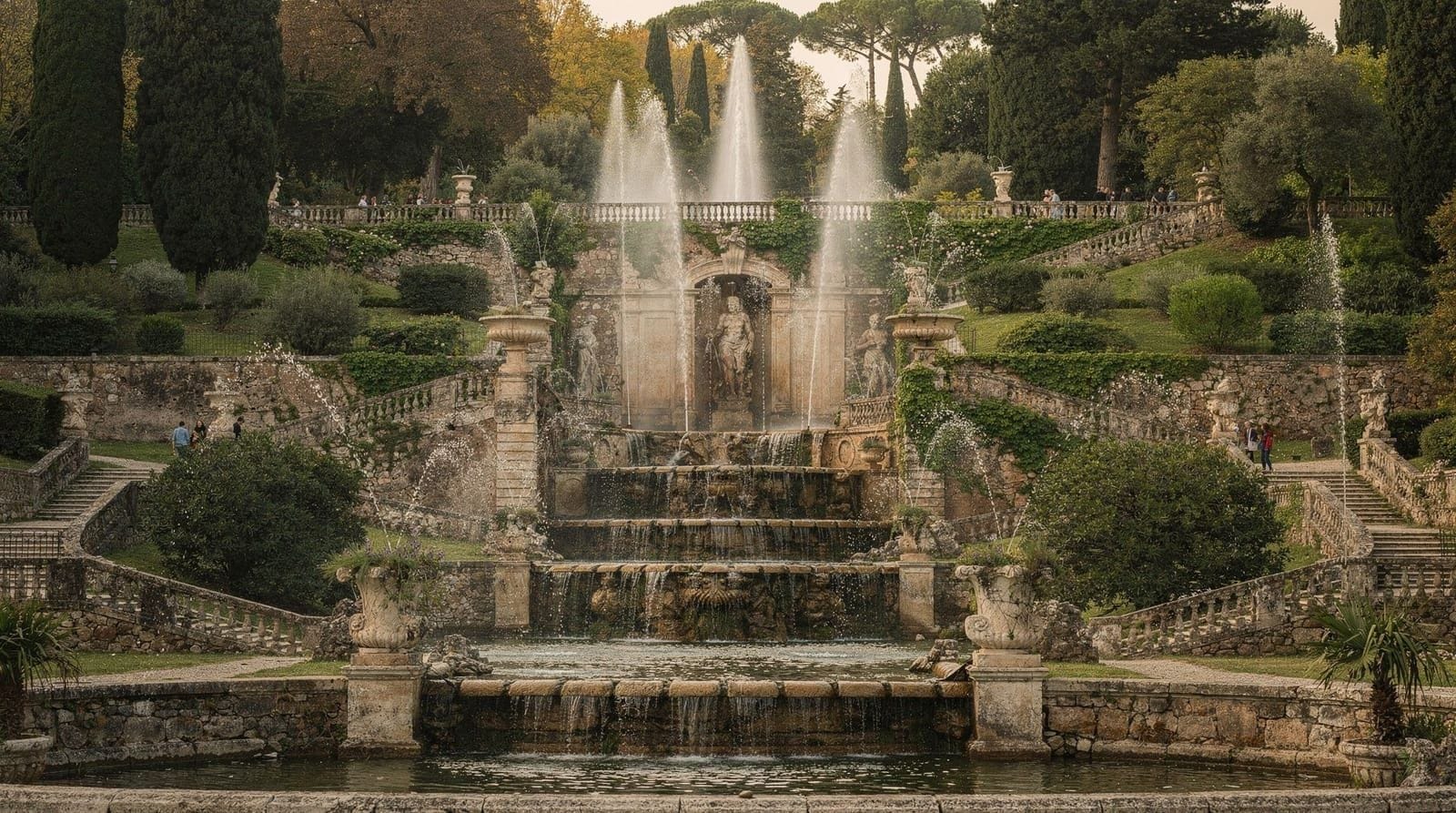
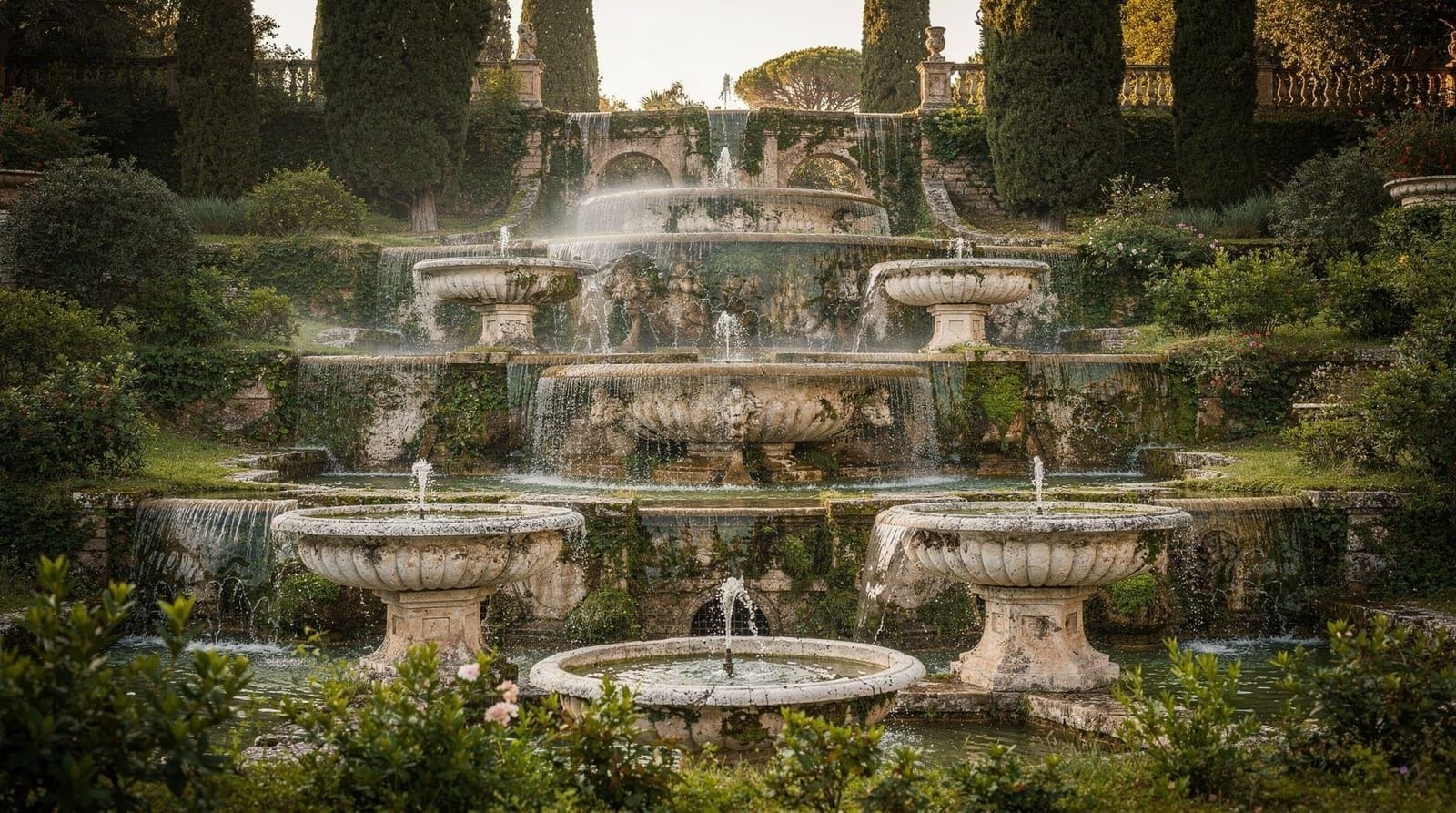
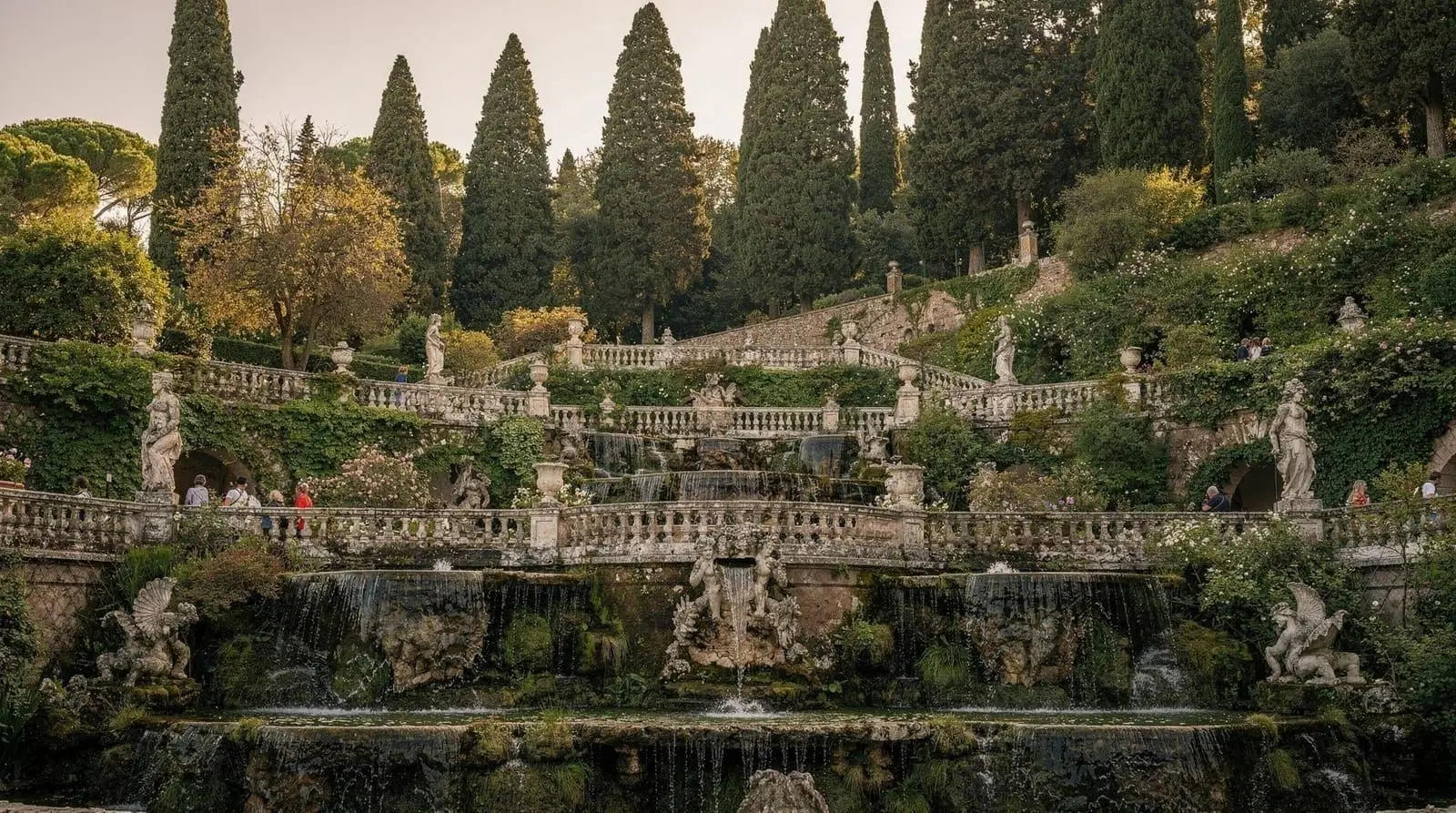
Villa d’Este was built between 1550 and 1572 by Cardinal Ippolito II d’Este, son of Lucrezia Borgia, who commissioned it as a deliberate statement of wealth and political ambition. The Cardinal hired Pirro Ligorio to design the garden and an engineer to solve an extraordinary problem: how to supply 500 fountains on a hillside using no pumps, no engines, and no electricity — just gravity and the diverted waters of the Aniene river.
The result is one of the great feats of hydraulic engineering in the Western world. The Avenue of a Hundred Fountains — three parallel tiers of jets, basins and moss-covered stone stretching 130 metres — is as theatrical as it sounds. The Organ Fountain generates its music from water pressure forcing air through pipes; it plays on the hour and half-hour, and hearing it for the first time stops most visitors in their tracks. The Neptune Fountain at the garden’s heart is best seen from the terrace above, where the scale of the hydraulic system becomes apparent.
Photography here is genuinely rewarding. Morning light falls on the lower terraces; afternoon light catches the upper garden and the view over the Roman plain below. Most guided tours allow free time after the guided section, which is worth using slowly.
Hadrian’s Villa: the emperor’s world
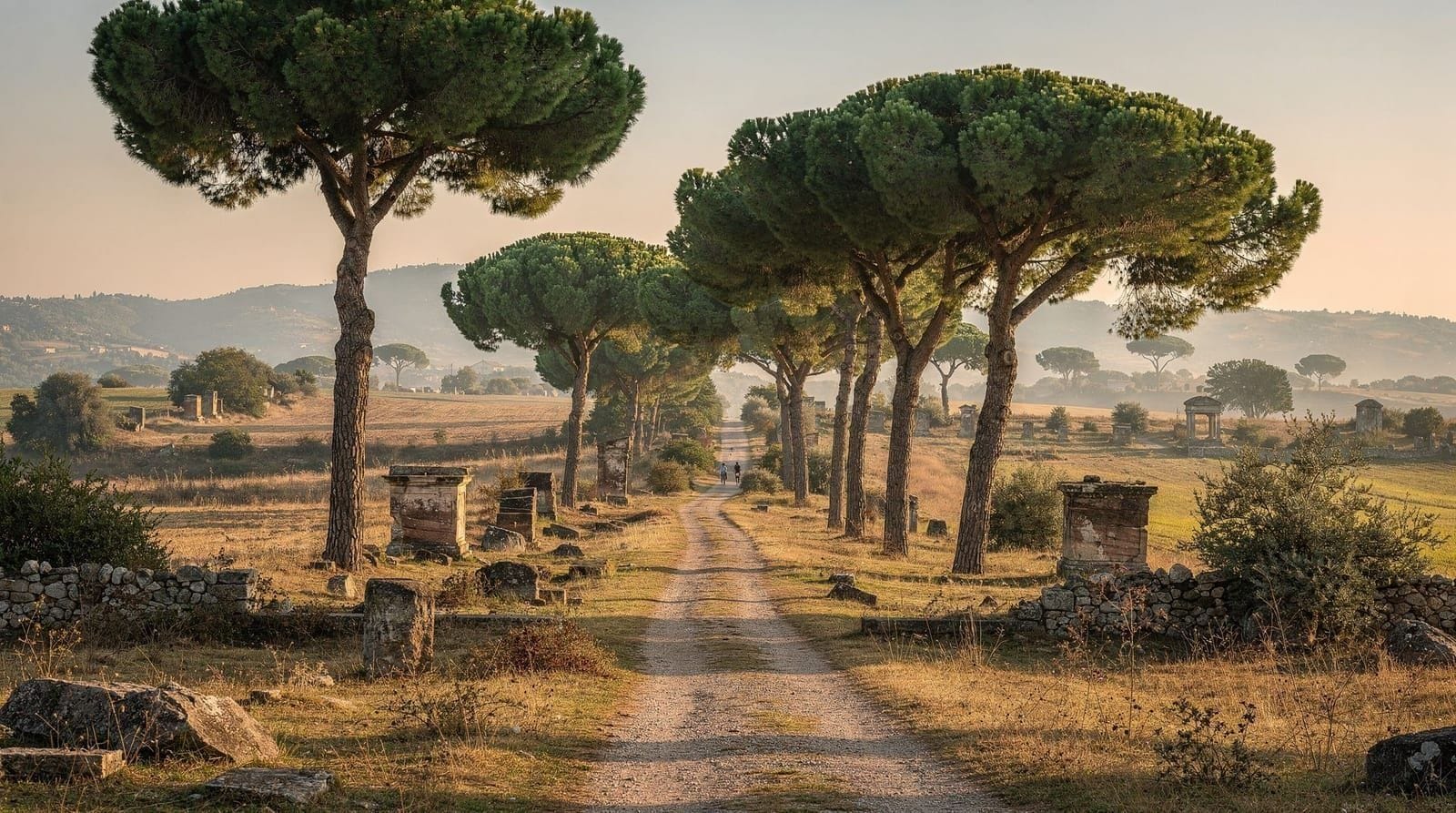
Villa Adriana, 5 km from Tivoli town, is a different order of experience entirely. Emperor Hadrian — the ruler who built the Wall across northern Britain and oversaw Rome’s territorial peak — spent the years between 117 and 138 AD building a retreat covering 120 hectares. What he created was not a villa in any ordinary sense but a recreation of the architectural highlights of his vast empire: Egyptian canals, Greek gymnasia, Roman bath complexes, and a private island study.
The Canopus is the defining image: a long ornamental canal flanked by caryatid columns and crocodile sculptures, modelled on the Egyptian town of Canopus near Alexandria. It is extraordinary in person, particularly in early morning when the water is still. The Teatro Marittimo — an artificial island ringed by a moat, accessible by swing bridges — was Hadrian’s private retreat within the retreat, where he could withdraw from court entirely. The baths complexes (there are at least three distinct ones) give a sense of Roman engineering at industrial scale.
A guide makes the crucial difference here. Without context, Villa Adriana is an enormous field of fragmentary ruins. With it, the spatial logic of the emperor’s world becomes legible, and the scale of Hadrian’s ambition — and the loneliness embedded in it — starts to feel real.
Comparing the tour formats
The Tivoli day trip with Villa d’Este and Villa Adriana covers both sites as a full-day excursion with English-speaking guide and coach transport from Rome. This is the most complete format for a first visit.
For visitors with less time or returning visitors who want to focus on one villa, the Tivoli, Hadrian’s Villa and Villa d’Este half-day tour compresses the itinerary into 5 hours. You see both sites, but the pace is brisk and there is limited free time at either. It works better as an orientation than as a proper visit.
The half-day tour of Tivoli Garden Villa d’Este and Villa Adriana is broadly similar in scope — check the specific itinerary for group size and departure time, as these vary between operators.
The private tour of Villa d’Este and Hadrian’s Villa from Rome is worth considering for couples or small groups who want flexible stop times and a guide focused entirely on your party. Villa Adriana in particular benefits from a slower pace, and a private format allows longer time at the Canopus and the Teatro Marittimo without a group schedule dictating the move.
Who should go independently
Tivoli is one of the more manageable day trips from Rome without a guide. The COTRAL bus from Ponte Mammolo (Line B, direction Tivoli) runs every 20 to 30 minutes, costs €2.20, and takes 50 minutes. From Tivoli town, Villa d’Este is a 10-minute walk; Villa Adriana is served by a local CAT bus (line 4) or taxi.
The main limitation of going alone is interpretation. Villa d’Este’s hydraulic engineering story is engaging but requires knowing where to look; Villa Adriana’s ruins are simply confusing without someone to orient you. Audio guides (€4–€5 at each site) partially fill the gap. If cost is the driver, go independently with an audio guide; if you want depth, a guided tour earns its price here more than at many sites.
The best day trips from Rome guide has a full public transport breakdown for Tivoli if you prefer the independent route.
Getting the most from the visit
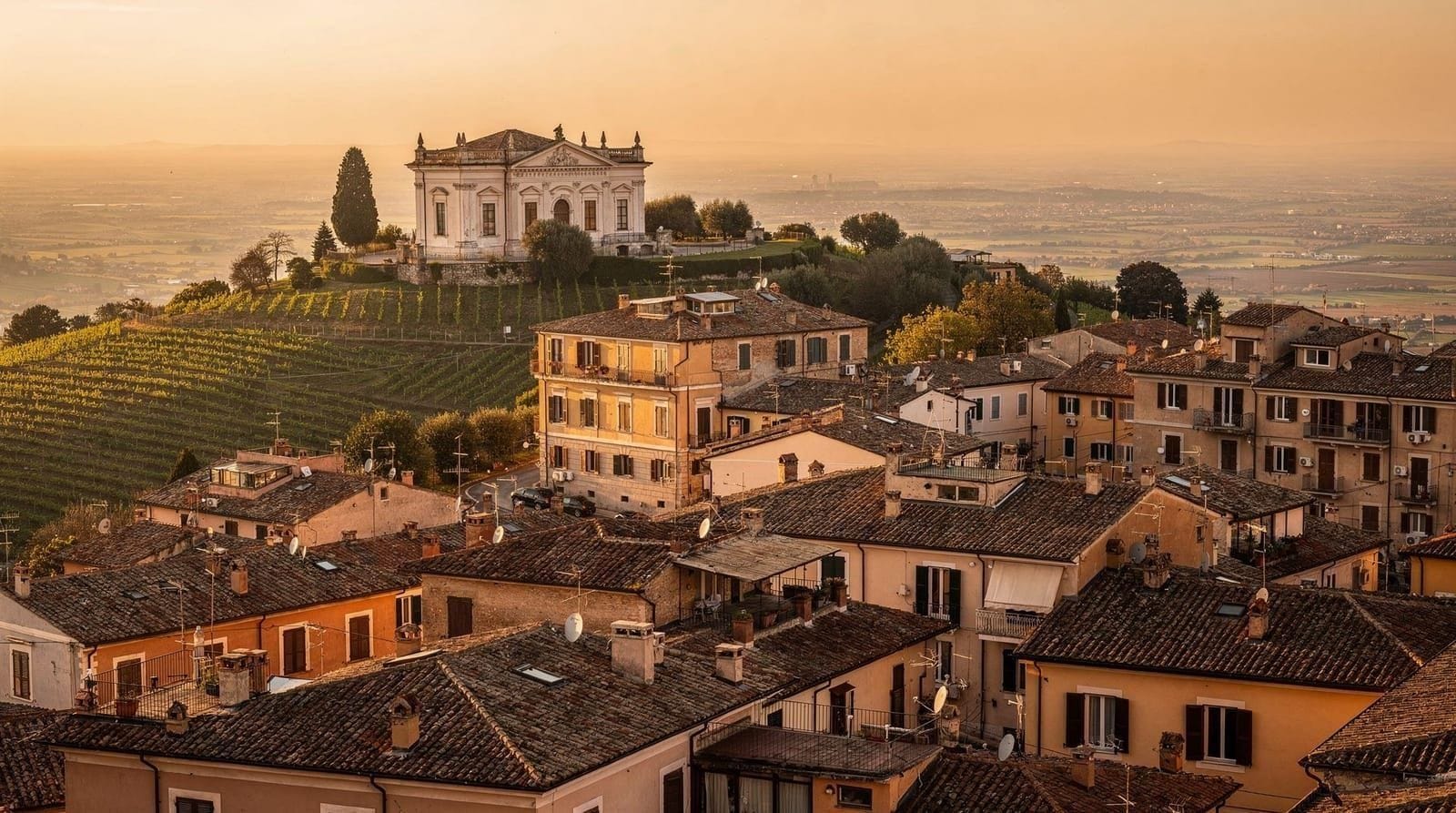
Tivoli in practical terms: the town itself sits on a dramatic gorge above the Aniene waterfalls and the ruins of the Temple of Vesta — worth 20 minutes on the way between villas. The restaurant Sibilla, perched on the cliff above the gorge, is genuinely atmospheric and worth the booking if you are planning a full day.
In summer (June through August), both villas can be crowded by 11:00. Tours departing Rome by 08:30 reach Villa d’Este before the first tour buses from the main operators. The garden fountains at Villa d’Este run from opening; the Organ Fountain specifically is worth timing (top of the hour, half-hour).
Wear good walking shoes. Villa Adriana involves 3 to 5 km of walking on uneven ancient surfaces. Sections are partially accessible for limited mobility visitors, but full coverage of the site is not possible without comfortable footwear and reasonable fitness.
Comparing Tivoli to other Lazio day trips? The Tivoli versus Ostia comparison guide examines which site suits different visitor profiles — Ostia Antica being the better choice for Roman archaeology, Tivoli for visual spectacle and Renaissance gardens combined with imperial ruins.
Verdict
Tivoli is among the most rewarding day trips from Rome at any visit length. The combination of two UNESCO sites with radically different characters — Renaissance theatrical garden and Roman imperial complex — means the day never feels repetitive. The logistics are gentle (45-minute journey, no early train, no overlong coach), and guided tours add meaningful value at both sites.
For first visits: book the full-day format covering both villas. For repeat visitors or those short on time: choose one villa and go deeper. For flexibility and pace: the private tour option is worth its premium at Villa Adriana in particular, where the best of the site requires room to move and linger.
Compare alternative tours
| Tour | Duration | Rating | Price | Highlights | |
|---|---|---|---|---|---|
| From Rome: Tivoli, Hadrian's Villa, & Villa d'Este Tour | — | — | — | — | Check |
| Rome: Tivoli Day Trip with Villa d'Este and Villa Adriana | — | — | — | — | Check |
| Half-Day Tour of Tivoli Garden Villa d'Este & Villa Adriana | 5 hours | — | — | — | Check |
| From Rome: Private Tour of Villa d'Este & Hadrian's Villa | — | — | — | — | Check |