St. Peter's Basilica Dome Climb — Honest Tour Review 2026
Rome: Guided Tour of St. Peter's Basilica with Dome Climb
What the St. Peter’s dome climb actually involves
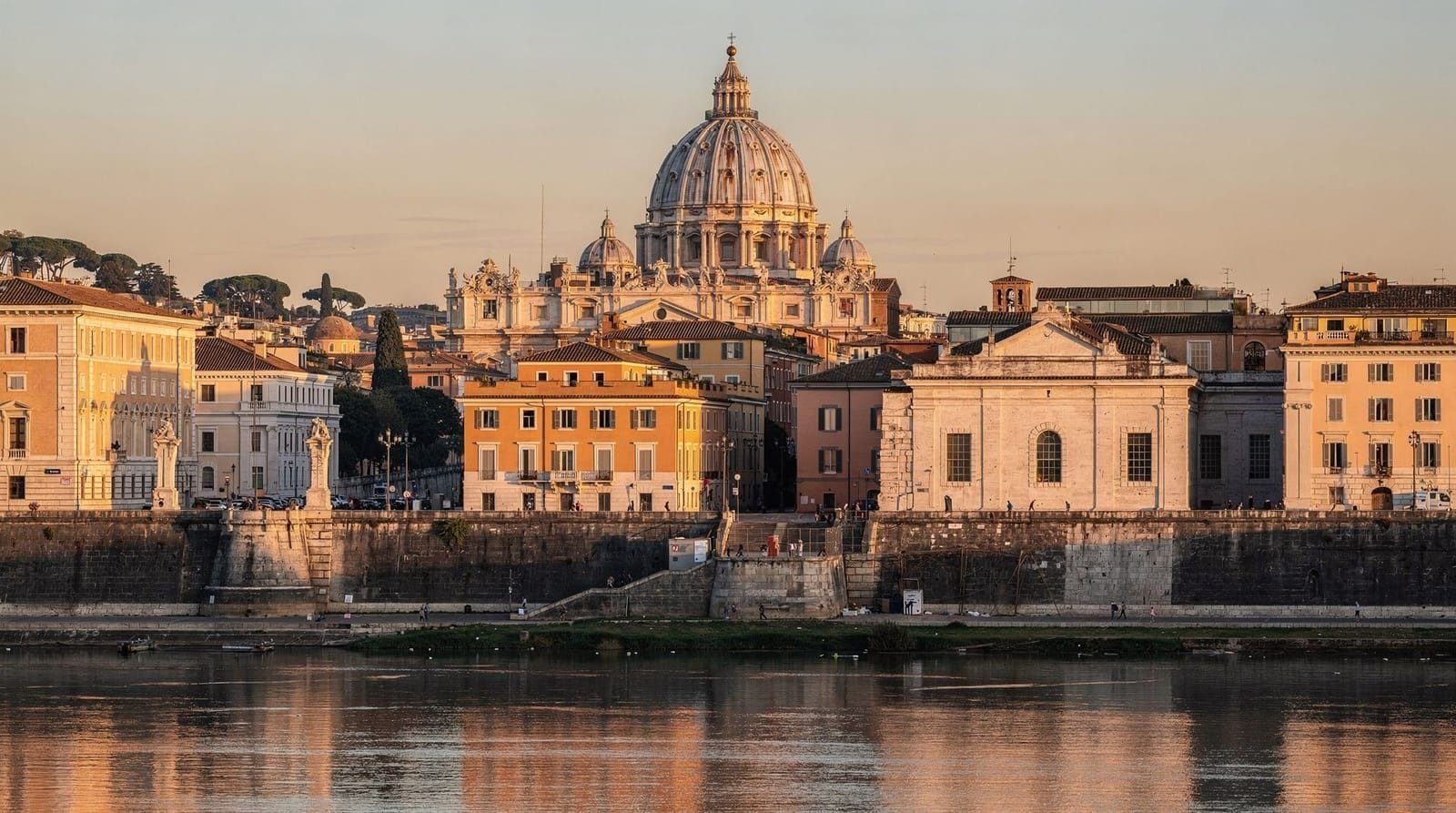
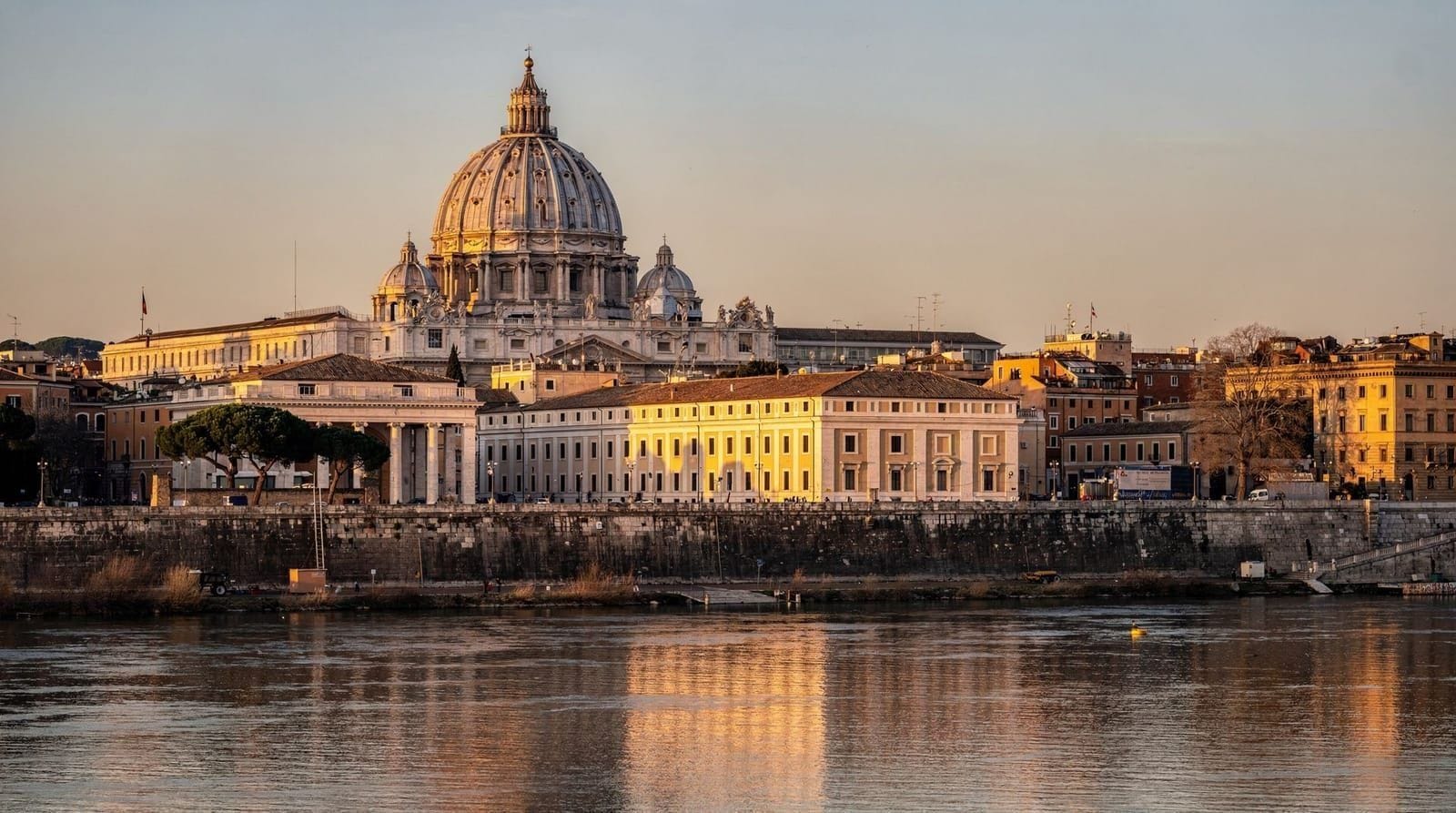
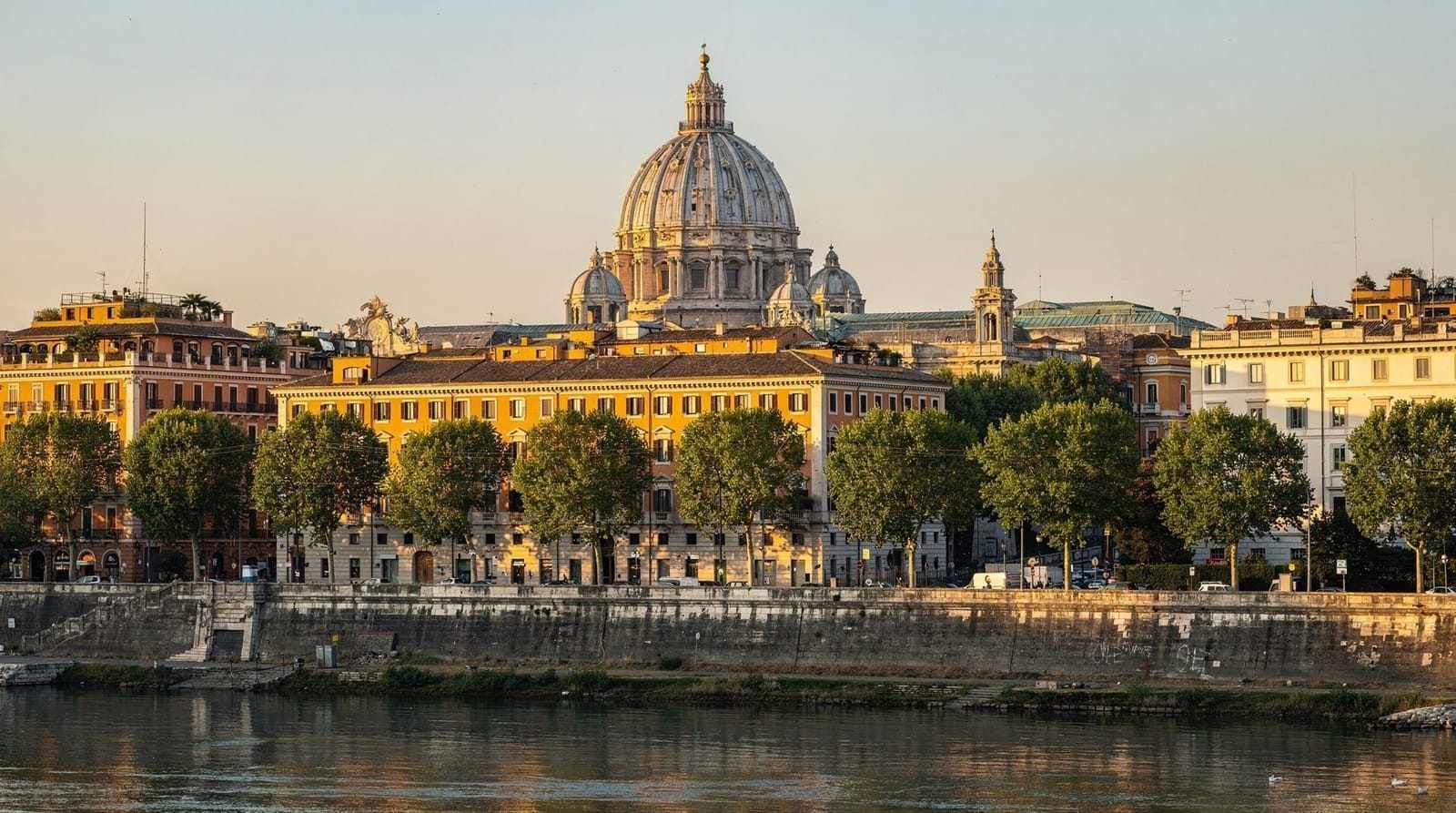
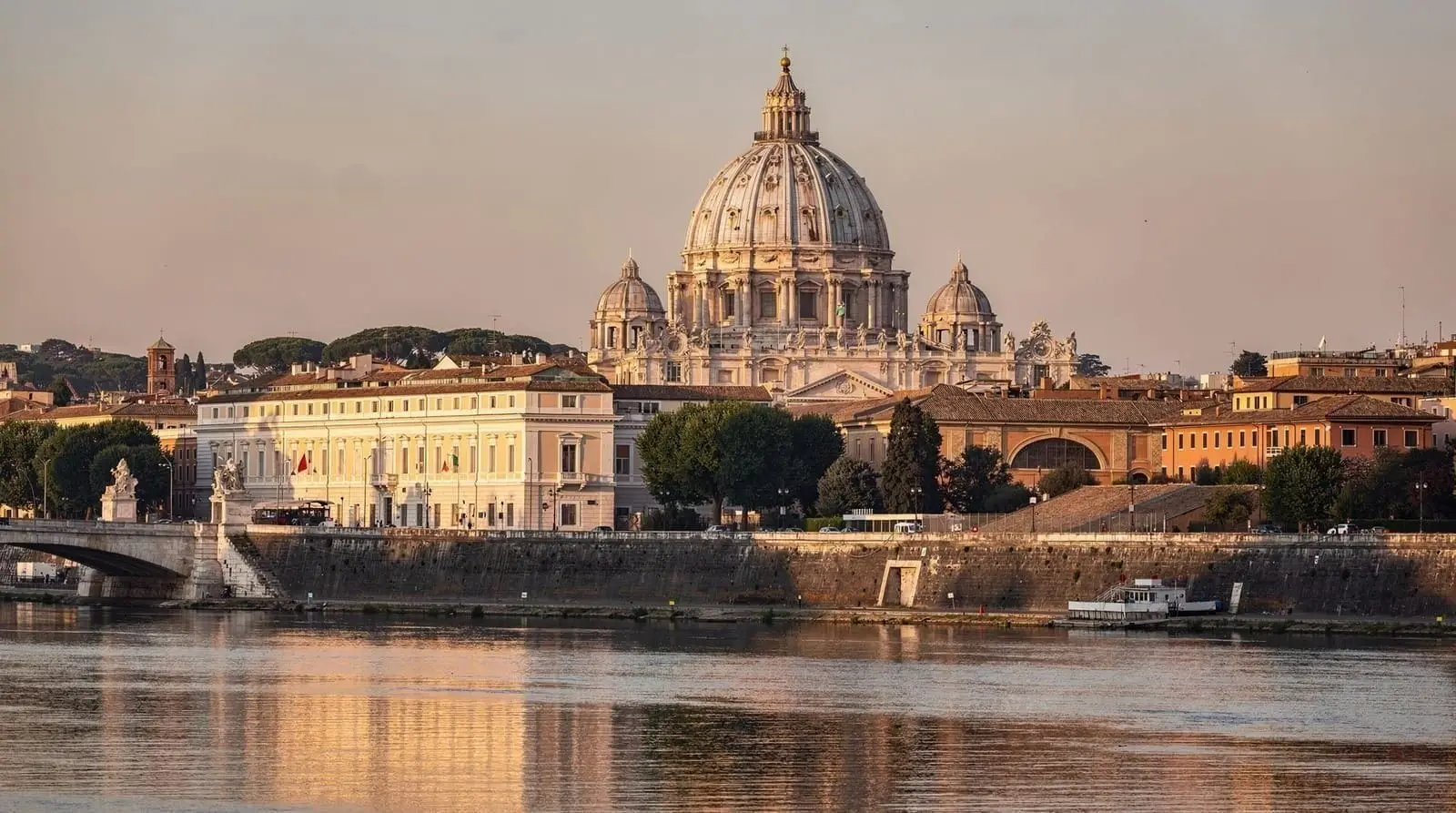
St. Peter’s Basilica is one of the largest Christian churches in the world and one of the most architecturally significant buildings anywhere. The dome, designed by Michelangelo and completed after his death by Giacomo della Porta and Domenico Fontana, sits at 136.6 metres from floor to lantern — the second-tallest dome in the world after the Basilica of Our Lady of Peace in Yamoussoukro. The external viewing platform, reached after the climb, offers one of Rome’s genuinely panoramic perspectives.
Unlike the Colosseum or Borghese Gallery, St. Peter’s Basilica itself is free to enter. The dome climb carries a separate admission charge: €8 on foot (551 steps from ground level) or €10 by lift to the roof plus a further 320 steps on foot. There is no timed-entry booking system for the dome; you buy a ticket at the exterior booth on arrival.
Guided tours that include the dome climb add interpretive context to what is otherwise a self-guided experience. Whether that context is worth paying for depends on your level of interest in Baroque architecture, papal history, and the commission history of one of the most complex building projects of the Renaissance.
Guided tour of St. Peter’s Basilica with dome climbThe four main tour formats compared
Option 1: Guided tour of St. Peter’s Basilica with dome climb
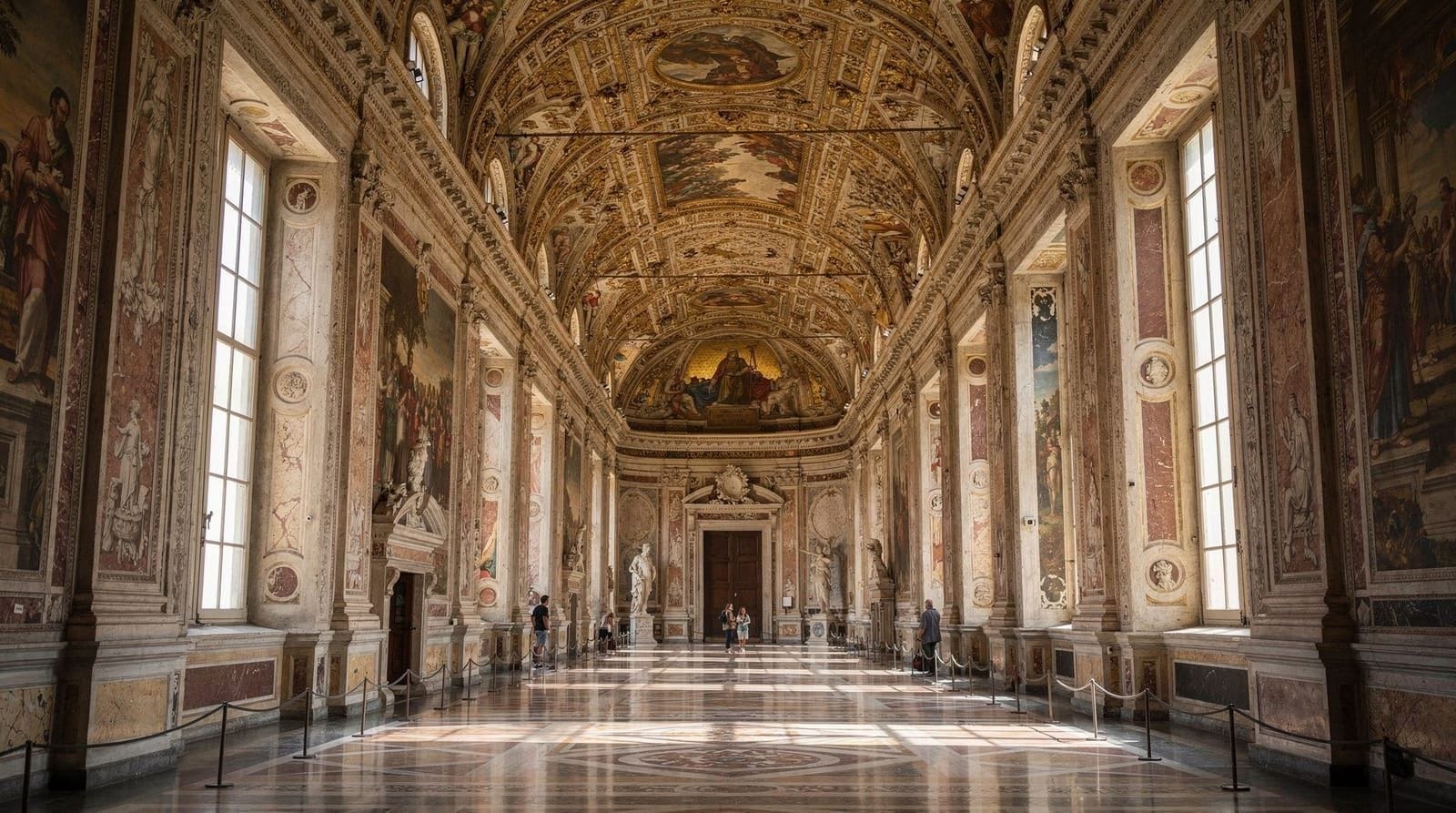
The guided tour of St. Peter’s Basilica with dome climb combines a guided walk through the basilica interior with a climb to the external viewing platform. Inside the basilica, the guide covers Michelangelo’s Pietà (1498–1499, carved when he was 24 years old), Bernini’s baldachin over the high altar (29 metres of bronze, cast partly from the Pantheon’s portico ceiling by papal order), the St. Peter’s statue attributed to Arnolfo di Cambio, and the architectural logic of the nave, crossing, and apse.
Price range: approximately €30–€55 per person including dome access. Duration is typically 2–2.5 hours. The guided basilica portion runs 60–75 minutes; the dome climb and time at the top adds another 45–60 minutes. Group sizes vary; look for tours capping at 15 people for a more comfortable experience inside the basilica’s busy nave.
This is the most comprehensive single format for a first visit. The Pietà in particular benefits from guided context — it is displayed behind glass following an attack in 1972, and a guide who explains the scale (the Virgin is disproportionately large, deliberately, to carry the weight of Christ’s body without appearing to strain) makes a difference.
Option 2: St. Peter’s Basilica, dome climb and crypts tour
The St. Peter’s Basilica dome climb and crypts guided tour extends the visit to include the Vatican Grottoes — the level beneath the basilica floor containing the tombs of 91 popes, Holy Roman Emperors, and other dignitaries. The crypts run directly beneath the nave and apse of the basilica; the atmosphere is that of an active devotional space as much as a historic monument.
Price range: approximately €40–€70 per person. Duration is typically 2.5–3 hours. The crypts are free to enter independently (from inside the basilica) but the guided format provides context on specific tombs — John Paul II’s simple sarcophagus in the Clementine Chapel, the Renaissance chapels built by various popes, and the original St. Peter’s tomb site at the far end. For visitors interested in the Vatican’s institutional history, the crypts add genuine depth.
Option 3: Basilica, dome climb and underground archaeological tour
The St. Peter’s Basilica, dome climb and underground tour goes further than the standard crypts to include a portion of the Vatican Necropolis excavations beneath the foundations. This is distinct from the standard crypt visit: the necropolis (Greek for “city of the dead”) is a Roman-era burial site from the 1st to 4th centuries CE that was buried when Constantine built the original St. Peter’s Basilica above it in 326 CE.
Price range: approximately €55–€90 per person. The full Vatican Scavi excavations (accessed separately through the Vatican Scavi Office) require individual booking well in advance and are limited to small groups of 10–12 people. Tours that include a portion of the underground archaeological remains are a different, less comprehensive version — confirm exactly what is included before booking.
This option is recommended for visitors with a specific interest in early Christian archaeology or the history of the papacy’s physical foundation in Rome.
Option 4: Vatican Museums and St. Peter’s dome climb combined tour
The Vatican Museums and St. Peter’s dome climb combined tour packages both the Vatican Museums visit (including the Sistine Chapel) with a subsequent dome climb. The combined day runs 5–6 hours and is logistically efficient if you want to tick both off in a single day.
Price range: approximately €85–€130 per person. The main risk is fatigue: 5–6 hours on your feet in one of the world’s most visited museum complexes, followed by a physical climb, is demanding. Visitors who plan this combination should book an early-morning start for the Vatican Museums (ideally the pre-opening slot), take a proper lunch break in the Vatican and Prati area, and begin the dome climb in the early afternoon. Do not attempt to do the dome climb immediately after exiting the Vatican Museums without a proper break.
Option 5: Papal tombs and dome climb tour
The St. Peter’s Basilica, papal tombs and dome climb tour focuses specifically on the papal history aspect — the tombs of the pontiffs — alongside the dome climb. This format suits visitors interested primarily in the Vatican as an institution rather than a building.
Price range: approximately €45–€75 per person. Duration is typically 2.5 hours.
What the basilica contains: an honest overview
St. Peter’s Basilica rewards slow visiting. The main focus points are:
The Pietà (Michelangelo, 1498–1499): the only work Michelangelo ever signed, carved when he was 24. The human scale of Christ against the monumental Virgin is deliberately calculated. It is in the first chapel on the right entering through the main doors.
Bernini’s baldachin (1623–1634): the bronze canopy over the high altar, 29 metres tall. Bernini was in his twenties when commissioned. The twisted columns reference Solomon’s Temple in Jerusalem; the gilded underside of the canopy is a late addition. The scale, seen in context against the nave, is extraordinary.
The dome’s interior (Michelangelo and della Porta): from inside, midway up the dome, there is a gallery at drum level where you can see the mosaics at close range and look down to the high altar 53 metres below. This intermediate level is included in the dome climb.
The bronze statue of St. Peter (attributed to Arnolfo di Cambio, 13th century): positioned in the nave; the right foot has been worn smooth by centuries of visitors touching it in devotion.
For the full St. Peter’s Basilica guide, the St. Peter’s dome climb guide, and the St. Peter’s Square guide, see the relevant guides. The popes and papacy history guide provides background on the basilica’s institutional significance.
Practical notes
Entry: free for the basilica itself. Dress code strictly enforced — shoulders and knees covered, no hats worn inside. Guards turn away visitors who do not comply; disposable coverups are sold outside for €5–€10 but are unpleasant to wear in summer heat.
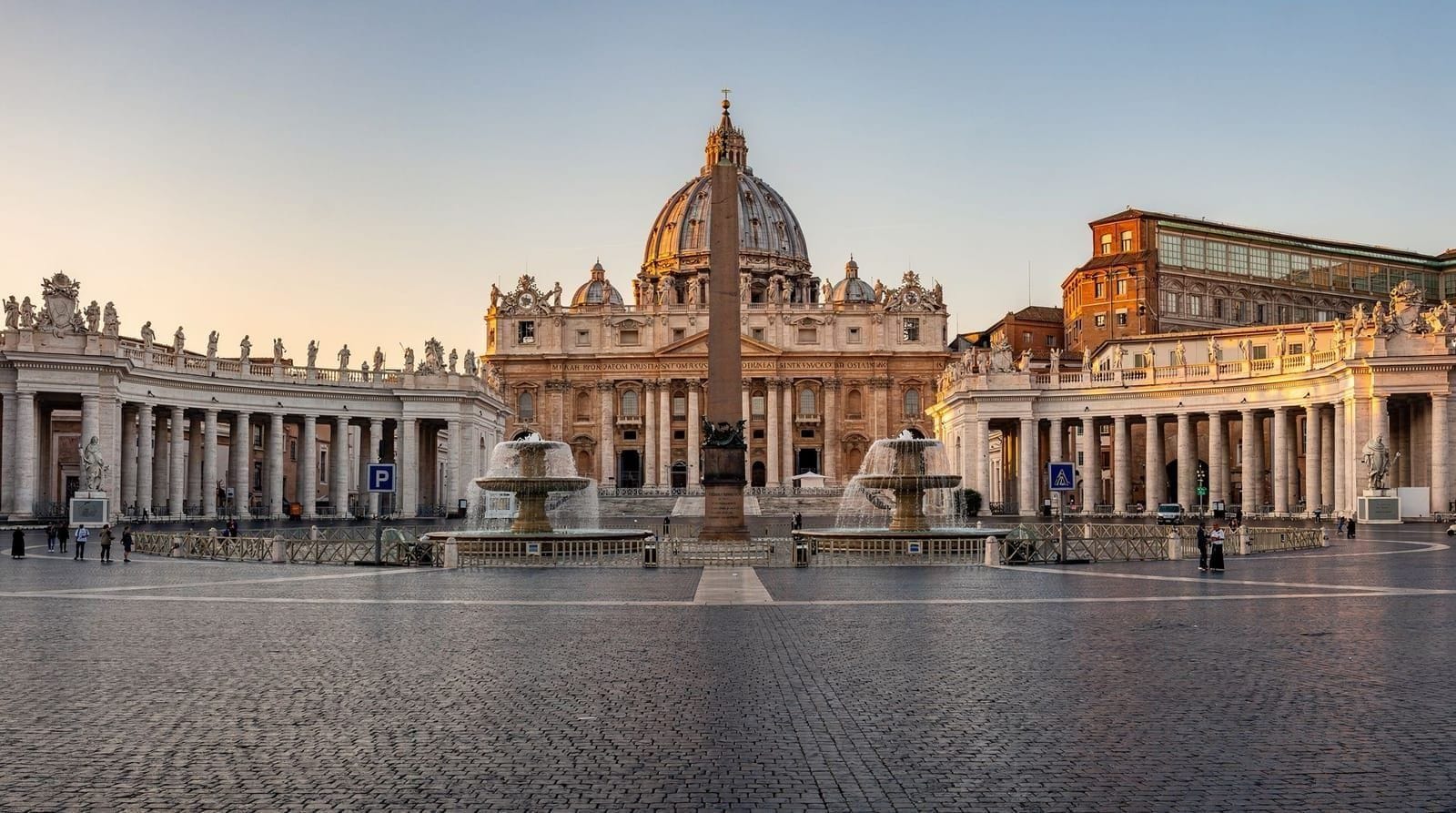
Timing: St. Peter’s Square is spectacular at dawn before the crowds arrive; the basilica opens at 07:00 (or 07:30 on certain days). The dome ticket booth opens at 08:00. Mid-morning (10:00–12:00) is the busiest period. Wednesday mornings are the worst time to visit if a Papal Audience is taking place in the square — the area is overwhelmed.
The square and the Via della Conciliazione approach: the approach to St. Peter’s Square along Via della Conciliazione is intentional Mussolini-era urban planning — the medieval neighbourhood (the Borgo) was demolished in 1936 to create the dramatic view of the basilica. Bernini’s original colonnade was designed to create a surprise reveal for visitors approaching from winding medieval streets; that effect is now lost. Approaching instead through the Borgo Pio neighbourhood to the north gives a better sense of what the original experience was intended to be.
Verdict
The St. Peter’s dome climb is one of Rome’s better-justified tourist investments. The view from the top is genuinely impressive — Rome’s roofscape at 120 metres is something no postcard or photograph fully captures — and the intermediate drum gallery inside the dome is an architectural experience that cannot be replicated. Whether to book a guided tour depends on your interest level: for a visit focused purely on the view, the self-guided climb is perfectly adequate. For a visit that integrates the basilica’s art, the papal history, and the architectural achievement, a guided tour with dome access is worth the premium.
Book tours at least a week ahead in spring and autumn. For the combined Vatican Museums and dome tour, book 3–4 weeks ahead in peak season.
Compare alternative tours
| Tour | Duration | Rating | Price | Highlights | |
|---|---|---|---|---|---|
| Rome: St. Peter's Basilica, Dome Climb & Crypts Guided Tour | — | — | — | — | Check |
| St. Peter's Basilica, Dome Climb, and Underground Tour | — | — | — | — | Check |
| Rome: Vatican Museums and St. Peter's Tour with Dome Climb | — | — | — | — | Check |
| Rome: St. Peter's Basilica, Papal Tombs, and Dome Climb Tour | — | — | — | — | Check |